

“Uruguay is a nation that justly knows how to ascribe to itself the virtue of its own existence.”
Eduardo Galeano (1971)
- Did You Know?
- Uruguay Map
- Good to Know Before You Go
- Driving and the Environment in Uruguay
- Life in Uruguay
- Food and Dining Etiquette
- Cultural Identity
- Making Personal Connections
- Those Furry Friends
- Politics and Safety
- Uruguay Essential Info
- When to Go to Uruguay
- Explore Our Uruguay Story
- Our Favorite Resources
- Our Top Recommended Travel Products
Top Six Destinations In Uruguay
- Montevideo: Uruguay’s relaxed capital blends historic charm with modern waterfront living. Stroll the Ciudad Vieja, browse lively markets, relax along the Rambla, and enjoy a thriving café and culinary scene in one of South America’s most welcoming cities.
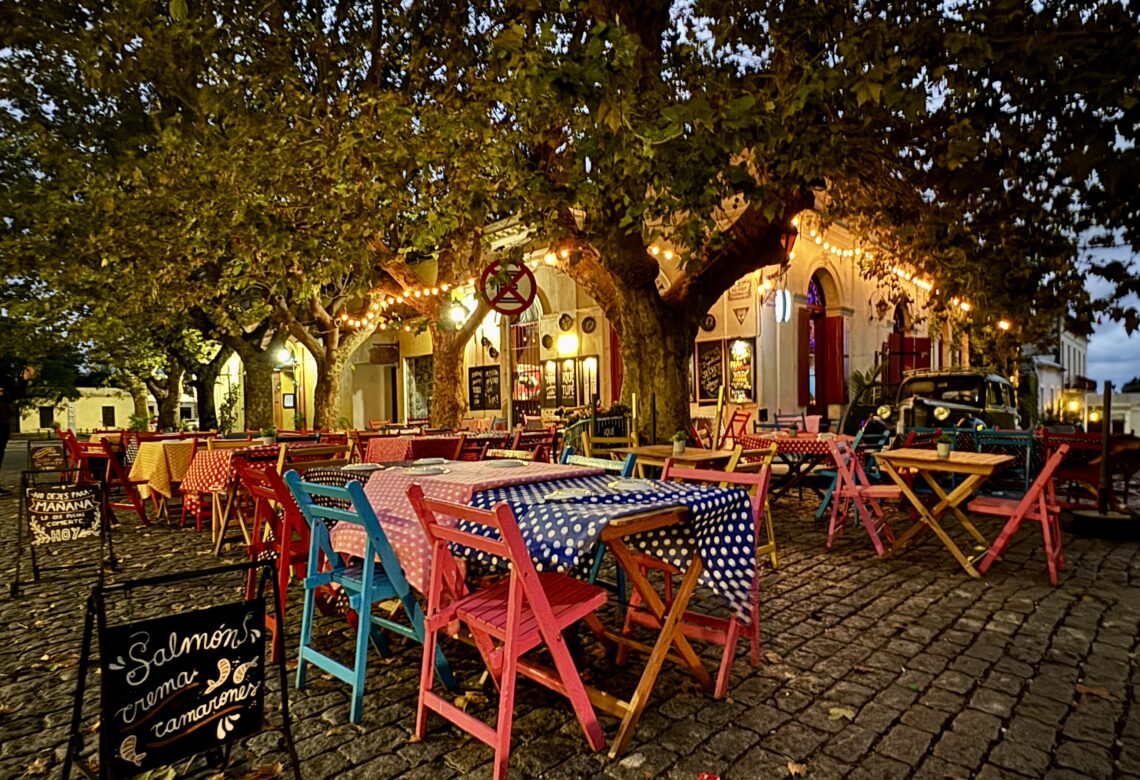
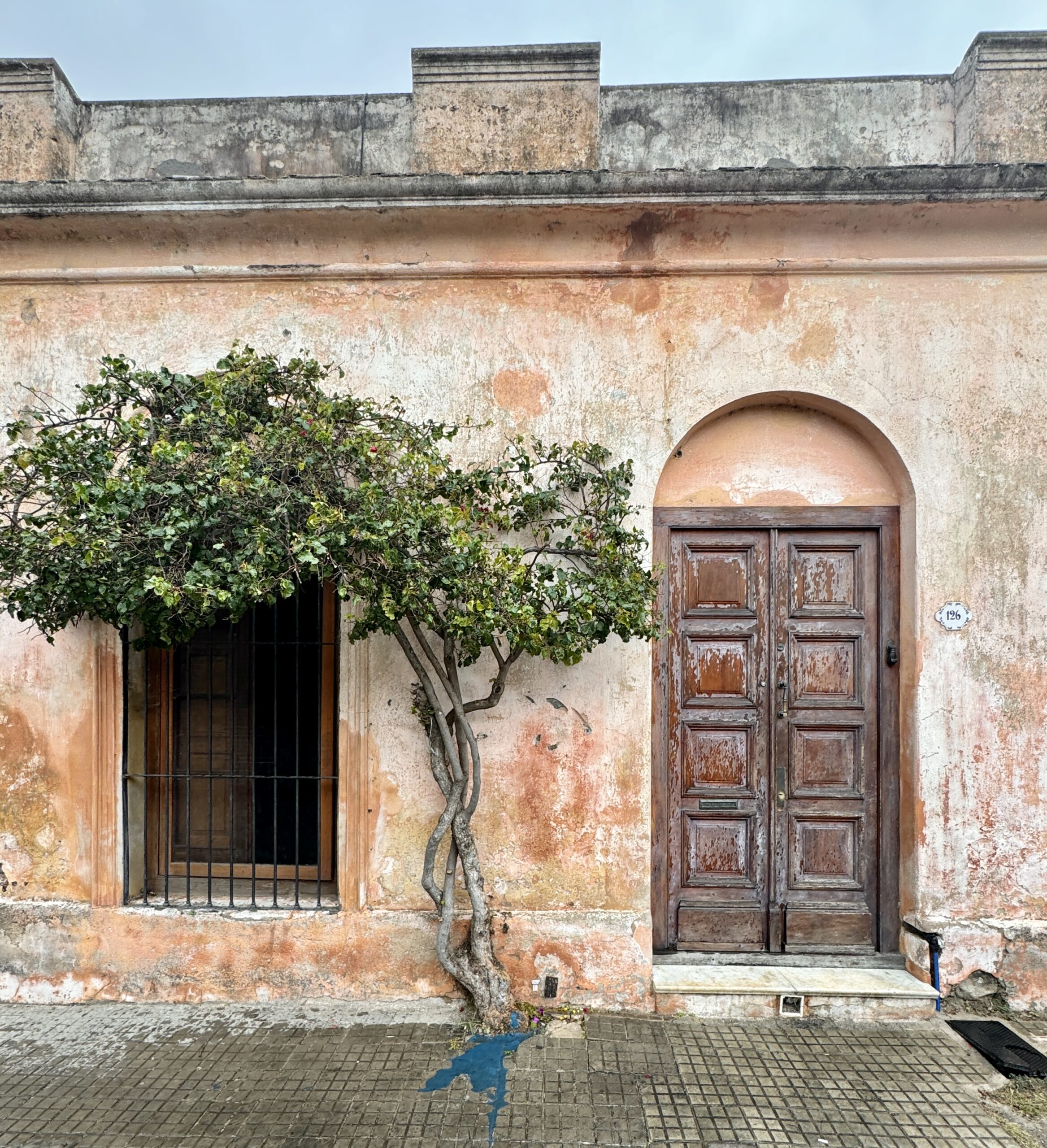
- Colonia del Sacramento: A beautifully preserved UNESCO World Heritage Site, Colonia enchants visitors with its cobblestone streets, colonial architecture, historic lighthouse, and peaceful Río de la Plata waterfront. It is one of the most romantic and photogenic towns in South America.
- Punta del Este: Uruguay’s premier beach destination combines golden sands, luxury resorts, vibrant nightlife, and world-class dining. Don’t miss the iconic La Mano sculpture emerging from the sand at Playa Brava.
- José Ignacio: Once a quiet fishing village, José Ignacio has become an upscale coastal retreat known for boutique hotels, beautiful beaches, exceptional restaurants, and a laid-back atmosphere that attracts travelers from around the world.
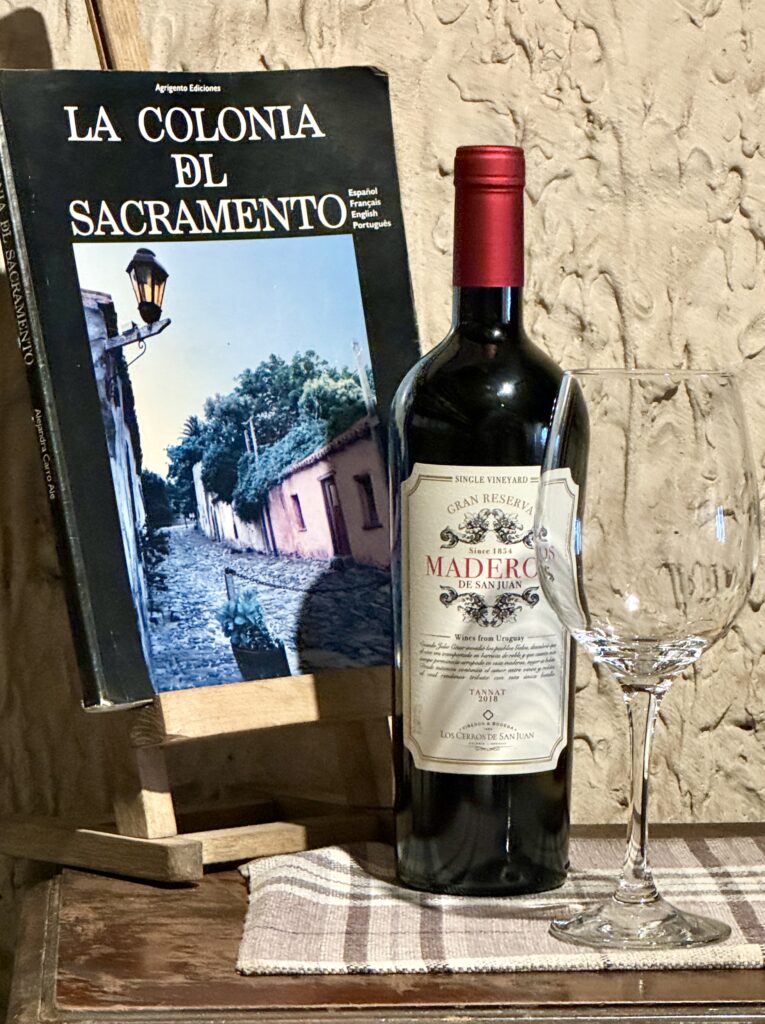
- Carmelo Wine Country: Nestled along the Río de la Plata, Carmelo offers boutique wineries, scenic vineyards, charming country roads, and a slower pace of life. It is the perfect destination for wine lovers seeking Uruguay’s acclaimed Tannat wines.
- Cabo Polonio: One of Uruguay’s most unique destinations, this remote coastal village has no paved roads or conventional electricity. Visitors arrive by 4WD to experience towering sand dunes, a large sea lion colony, dramatic Atlantic coastline, and unforgettable star-filled skies.
- Punta del Diablo: This colorful fishing village offers a more bohemian beach experience with rustic cabins, excellent surfing, fresh seafood, and easy access to the pristine beaches and wildlife of Santa Teresa National Park.
Did You Know?
Country Stats
- Population: Approximately 3.4 million people (2025 estimate)
- Area: 176,215 square kilometers (68,037 square miles), the second-smallest country in South America
- Official Language: Spanish
- Currency: Uruguayan Peso (UYU)
- Government: Constitutional presidential republic
- Head of State: President of Uruguay
- U.S. State Dept Risk Level: Two – Exercise Increased Caution (due to crime)
- GDP (Nominal): Approximately $82 billion USD (2025 estimate)
- GDP per capita: Approximately $24,000 USD (2025 estimate), one of the highest in South America
- Unemployment Rate: Around 8% (2025 estimate)
- Tourism: Tourism is a vital part of Uruguay’s economy. Visitors are drawn to the colonial streets of Colonia del Sacramento (a UNESCO World Heritage Site), the beaches of Punta del Este and José Ignacio, Montevideo’s vibrant waterfront and historic neighborhoods, and the country’s growing wine regions.
- Climate: Uruguay has a temperate climate with four distinct seasons. Summers are warm and humid, while winters are generally mild. Rainfall is fairly evenly distributed throughout the year.
- Religion: Historically Roman Catholic, though Uruguay is one of the most secular countries in Latin America, with a large non-religious population alongside Protestant and Jewish communities.
- Elevation: Uruguay consists primarily of gently rolling plains, low hills, fertile farmland, and an extensive Atlantic coastline. Its highest point is Cerro Catedral, at 514 meters (1,686 feet).
- Tourism Contribution: Tourism contributes approximately 7–8% of Uruguay’s GDP, with millions of visitors arriving each year, particularly from neighboring Argentina and Brazil.
- Taxation: Uruguay has a progressive personal income tax system (up to 36%) and a corporate income tax rate of 25%. Value-added tax (VAT) is generally 22%, with reduced rates on certain goods and services.
- Transportation: Montevideo’s Carrasco International Airport serves as the country’s primary international gateway. Well-maintained highways connect major cities and beach destinations, while an extensive intercity bus network provides reliable transportation throughout the country.
- Top Imports: Petroleum products, machinery, vehicles, chemicals, electronics, and manufactured goods.
- Top Exports: Beef, soybeans, cellulose pulp, dairy products, rice, timber, and wool.
- Life Expectancy: About 78 years (2025 estimate)
- Education: Uruguay has a literacy rate of approximately 99%. Public education is free at all levels, including public universities, and the country is recognized for having one of Latin America’s strongest education systems.
Fun Facts
- Oldest World Cup Champion: Uruguay won the inaugural FIFA World Cup in 1930, which it also hosted, and captured its second World Cup title in 1950 with its legendary upset over Brazil known as the Maracanazo.
- UNESCO Treasure: Colonia del Sacramento is a UNESCO World Heritage Site, celebrated for its beautifully preserved Portuguese and Spanish colonial architecture.
- Tannat Capital: Uruguay is internationally recognized for producing some of the world’s finest Tannat wines, with the grape becoming the country’s signature varietal.
- The Long Rambla: Montevideo’s Rambla stretches for more than 22 kilometers (14 miles) along the Río de la Plata, making it one of the world’s longest continuous urban waterfront promenades.
- The Hand in the Sand: La Mano (The Hand) in Punta del Este is Uruguay’s most famous public artwork and one of South America’s most photographed landmarks.
- A Nation of Beaches: Uruguay boasts more than 650 kilometers (400 miles) of Atlantic and Río de la Plata coastline, dotted with everything from lively resort towns to secluded beaches.
- One of South America’s Most Stable Democracies: Uruguay is consistently ranked among the most stable, transparent, and democratic nations in Latin America.
- High Literacy Rate: With an approximately 99% literacy rate, Uruguay ranks among the most educated countries in Latin America.
- Renewable Energy Leader: More than 90% of Uruguay’s electricity comes from renewable sources, including wind, hydroelectric, biomass, and solar power.
- Soccer Passion: Despite its small population, Uruguay has won two FIFA World Cups and has produced some of the world’s greatest footballers, including Luis Suárez and Diego Forlán.
- Cow Country: Uruguay has more cattle than people, with roughly three cows for every resident, contributing to its worldwide reputation for exceptional beef.
- Secular Pioneer: Uruguay is one of the world’s most secular countries and was among the first in Latin America to legalize same-sex marriage in 2013.
- Carnival Champion: Uruguay hosts the world’s longest carnival, lasting about 40 days and featuring colorful parades, candombe drumming, and satirical musical performances.
- Small but Mighty: Although it is South America’s second-smallest country, Uruguay consistently ranks among the region’s leaders in quality of life, political stability, and economic freedom.
- Historic Lighthouse: The Colonia del Sacramento Lighthouse, built in 1857, remains one of Uruguay’s most recognizable landmarks and offers panoramic views over the historic district and Río de la Plata.
- First Country to Fully Legalize Cannabis: In 2013, Uruguay became the first country in the world to fully legalize and regulate the production, sale, and consumption of cannabis nationwide.
Uruguay Map
Good to Know Before You Go
1. Tipping in Uruguay
Tipping in Uruguay is customary and appreciated for good service. In restaurants, cafés, and bars, a gratuity of around 10% is standard if it has not already been included in the bill. Hotel porters and housekeeping staff also appreciate small tips, while tour guides are generally tipped based on the quality and length of the experience. Taxi drivers do not typically expect a tip, but rounding up the fare is a polite gesture. Uruguayans tend to enjoy relaxed meals, so there is no rush to leave the table after dining. Simply ask for “la cuenta” when you are ready to pay.
2. What to Wear in Uruguay
Uruguay has a relaxed yet stylish culture, and smart casual attire is appropriate in most settings. Lightweight clothing works well during the warm summer months, while layers are recommended during the cooler winter season, especially along the coast where winds can be brisk. Comfortable walking shoes are ideal for exploring Montevideo, Colonia del Sacramento, and other historic towns. Beachwear is appropriate at coastal destinations such as Punta del Este and José Ignacio but is generally reserved for the beach. Upscale restaurants and nightlife venues often call for smart casual dress, though formal attire is rarely necessary.
Driving and the Environment in Uruguay
3. Driving in Uruguay
Driving in Uruguay is generally straightforward and one of the easiest experiences in South America. Roads are well maintained, highways connect the country’s major destinations, and traffic is relatively light outside Montevideo. Speed limits are typically 45–60 km/h (28–37 mph) in urban areas, 90 km/h (56 mph) on rural roads, and up to 110 km/h (68 mph) on major highways. Fuel stations are readily available throughout most of the country, though they are less common in remote coastal areas. Parking is generally easy outside Montevideo, making a rental car an excellent way to explore Uruguay’s vineyards, beaches, and charming small towns.
4. Environment and Sustainability
Uruguay is recognized as a regional leader in sustainability and renewable energy. The country generates the vast majority of its electricity from renewable sources, including wind, hydroelectric, biomass, and solar power. Protected areas such as Santa Teresa National Park, Cabo Polonio National Park, and numerous wetlands help preserve Uruguay’s diverse ecosystems. Responsible tourism is encouraged, particularly along the Atlantic coast where fragile dune systems and marine wildlife benefit from conservation efforts. Visitors are encouraged to follow “leave no trace” principles and respect protected natural areas.
Life in Uruguay
5. Quality of Life in Uruguay
Uruguay consistently ranks among the countries with the highest quality of life in Latin America. Residents enjoy excellent healthcare, high literacy rates, political stability, and relatively low levels of corruption. Montevideo is regularly recognized as one of the region’s most livable cities. Uruguayans value work-life balance, family, and leisure, with long afternoons spent along the Rambla, in cafés, or enjoying time at the beach. While the cost of living is higher than in many neighboring countries, visitors often appreciate the country’s safety, cleanliness, and relaxed pace of life.
Food and Dining Etiquette
6. Uruguayan Cuisine
Uruguayan cuisine is centered around exceptional beef and a strong grilling tradition. The asado is the country’s signature meal, featuring a variety of meats slow-cooked over wood or charcoal and shared among family and friends. Other favorites include chivito, a hearty steak sandwich considered Uruguay’s national dish; milanesas; empanadas; and fresh seafood along the Atlantic coast. Uruguay is also known for producing outstanding Tannat wines, now recognized among the finest in the world. Sharing yerba mate remains one of the country’s most cherished social traditions.
7. Dining Etiquette
Meals in Uruguay are relaxed and social, often lasting well beyond the meal itself. Dinner is commonly served after 8:30 or 9:00 p.m., particularly in larger cities. Waiting until everyone has been served before beginning to eat is considered polite. Toasting with wine is common during celebrations, and maintaining eye contact while offering a toast is appreciated. Reservations are recommended for popular restaurants during weekends and the busy summer season.
Cultural Identity
8. Cultural Traditions
Uruguay’s culture reflects a blend of Spanish and Italian heritage, African influences, and the traditions of the gauchos who once roamed the country’s grasslands. Carnival is one of Uruguay’s most celebrated traditions and is the longest carnival celebration in the world, featuring colorful parades, candombe drumming, and satirical musical performances known as murga. Football (soccer), mate, music, and family gatherings are central to everyday life. National holidays such as Independence Day (August 25) are celebrated with patriotic events throughout the country.
Making Personal Connections
9. Greetings in Uruguay
Uruguayans are friendly and welcoming. Friends and acquaintances typically greet one another with a single kiss on the right cheek, regardless of gender, while business introductions usually begin with a handshake. Common greetings include “Hola,” “Buenos días,” “Buenas tardes,” and “Buenas noches.” Conversations often begin with casual small talk before moving into business or more serious topics, reflecting the country’s warm and relaxed culture.
10. Family Life
Family plays a central role in Uruguayan society, with extended families remaining closely connected throughout life. Weekends are often spent gathering for an asado, sharing mate, or enjoying time at the beach or in local parks. Education is highly valued, and children are encouraged to participate in sports and cultural activities from a young age. Respect for older family members and hospitality toward guests remain important cultural values.
Those Furry Friends
11. Pets and Animals
Uruguayans are devoted animal lovers, and dogs are especially common companions in cities, towns, and rural communities. Montevideo features numerous parks where locals gather with their pets, while many beaches welcome dogs during designated times of the year. Horses continue to play an important role in rural life through the country’s gaucho traditions, and native wildlife can be found in national parks and coastal reserves, including sea lions, southern right whales, and a variety of bird species.
12. Visiting Etiquette
If invited into a Uruguayan home, bringing a small gift such as wine, chocolates, pastries, or flowers is considered thoughtful. Avoid arriving significantly early; being a few minutes late is generally acceptable. Hosts often encourage guests to relax and stay awhile, so meals and conversations may last for several hours. Accepting food or drink is considered a sign of appreciation, and expressing gratitude for the hospitality is always welcome.
Politics and Safety
13. Political and Social Landscape
Uruguay is one of Latin America’s oldest and most stable democracies. The country is widely respected for its strong institutions, independent judiciary, and commitment to civil liberties. Uruguay has been a regional leader in progressive social policies, including the legalization of same-sex marriage and the regulation of cannabis. Political debate is active but generally peaceful, and the country consistently ranks among the least corrupt nations in the Americas.
14. Safety for Travelers
Uruguay is considered one of the safest countries in South America for international travelers. Violent crime affecting tourists is uncommon, though petty theft, such as pickpocketing, can occur in busy areas of Montevideo and at popular beach resorts. Visitors should take standard precautions, avoid displaying valuables, and remain aware of their surroundings in crowded areas. Most travelers find Uruguay to be welcoming, safe, and easy to explore independently.
Uruguay Essential Info
U.S. Consular Emergency
The 24-hour number from a U.S. phone is 1-888-407-4747
Outside of the U.S.: 011-202-501-4444
U.S. Embassy in Uruguay
U.S. Embassy Montevideo
Lauro Muller 1776
Montevideo 11200, Uruguay
Telephone: +(598) 1770-2000
Emergency: +(598) 1770-2000 (24/7)
Fax: +(598) 1770-2040
Email: MontevideoACS@state.gov
Website: https://uy.usembassy.gov/ (Travel.state.gov)
Emergency Numbers
General Emergency / Police: 911
Medical (Ambulance): 105
Fire: 104 (Uruguay)
Country Code
+598 (Uruguay)
Time Zone
UTC –3 (Uruguay Standard Time, observed year-round) (Uruguay)
Adaptors for Uruguay
Plug types C, F, I, and L (220V, 50 Hz) (Uruguay)
Driving
Right side
Official Uruguay Tourism Website
When to Go to Uruguay
Uruguay enjoys a temperate climate with four distinct seasons, making it a pleasant destination year-round. The best time to visit depends on whether you’re seeking lively beach towns, wine country, cultural experiences, or peaceful historic villages.
Summer (December to February): Summer is Uruguay’s peak travel season. Beach destinations such as Punta del Este, José Ignacio, and Punta del Diablo come alive with visitors enjoying warm temperatures, outdoor dining, festivals, and Atlantic beaches. Montevideo also buzzes with cultural events and its famous Carnival celebrations, the longest in the world. Expect higher prices and advance bookings during January.
Shoulder Seasons (March to May, September to November): These months offer some of the best weather for exploring Uruguay. Autumn (March–May) brings comfortable temperatures and beautiful vineyard scenery, making it an excellent time to visit Carmelo and other wine regions. Spring (September–November) sees blooming parks, fewer crowds, and ideal conditions for sightseeing in Montevideo and Colonia del Sacramento.
Winter (June to August): Winters are generally mild compared to much of the Southern Hemisphere, although temperatures can feel cooler due to coastal winds. This is an excellent time to explore Montevideo’s museums, cafés, historic neighborhoods, and cultural attractions without the summer crowds. Wine tourism also remains popular throughout the cooler months.
Atlantic Coast: Uruguay’s coastline is best enjoyed during the summer months, when warm weather makes swimming, surfing, and relaxing on the beach most enjoyable. During the shoulder seasons, visitors can still appreciate the dramatic coastline with fewer crowds and a quieter atmosphere.
In short, summer is ideal for Uruguay’s beaches and Carnival festivities, while spring and fall offer comfortable weather for exploring historic cities, vineyards, and the countryside. Even winter provides a pleasant opportunity to experience Uruguay’s culture, cuisine, and relaxed pace of life.
Explore Our Uruguay Story
No visit to Uruguay feels complete without spending time in Colonia del Sacramento, one of the country’s most fascinating historic destinations. Its cobblestone streets, colonial architecture, and location along the Río de la Plata make it an easy place to slow down and explore. We spent time discovering the historic quarter and its remarkable blend of Portuguese and Spanish influences. Read our complete guide to Colonia del Sacramento for its history, what to see, where to eat, and tips for planning your visit.
Our Favorite Resources
Useful Websites
Official Uruguay Tourism Office: The best source for travel inspiration, regional destinations, festivals, events, transportation information, and practical planning resources for visiting Uruguay.
U.S. Department of State – Uruguay Travel Information: Offers up-to-date safety guidance, entry requirements, embassy contacts, health information, local laws, and travel advisories.
We cannot encourage you enough to visit this website as you plan and prepare for your trip. The U.S. Department of State provides the latest information on safety, security, travel advisories, entry and exit requirements, visa information, emergency U.S. Embassy contacts, health recommendations, local laws, exceptional circumstances, transportation, and other important travel updates for Uruguay. This is your most reliable resource for current travel information. Check it frequently before departure, as conditions and requirements can change quickly. Being prepared is essential for any trip, especially international travel.
Centers for Disease Control and Prevention (CDC) – Travelers‘ Health – Uruguay: This CDC travel resource provides destination-specific health information, including recommended vaccines, medications, food and water safety guidance, information on insect-borne diseases, and other health recommendations to help you prepare for a safe and healthy visit to Uruguay.
Our Favorite Apps
Google Maps: The app instantly displays all your travel options, restaurants, activities, and accommodations when you enter any address, landmark, or city. We have come to rely on it when using public transportation; it has been flawless in getting us on the right bus or metro. Find it on your App Store.
Duolingo Language Lesson: Audio lessons that help improve your listening and speaking skills. Find it on your local App Store. The primary language is Spanish.
Google Translate: We often use this to practice proper pronunciation of languages we encounter while traveling. As we always encourage, it is essential to learn the basics of greeting and thanking people in the local language. Google Translate was an easy app to use. If needed, you can enter text in English, and it will speak back in the language you need to help you communicate with locals.
Do you have a favorite travel resource for Uruguay? Share your favorites in the comments section at the bottom of this page or
© 2026 Wanderers Compass All Rights Reserved
Flights, Accommodations, and Everything You Need to Book in One Place
Are you planning a vacation this year? Start your research early to explore your options and find what fits your budget. By booking your own travel, you’ll uncover great deals and have complete control over your itinerary. The links below can be used for all elements of your trip, not just accommodations.
It is essential to price out accommodations on various sites. Expedia is a US-based company, whereas Booking.com is a European company. Not all properties appear on both, so it is best to check both. Our personal first choice is Booking.com. If the establishment has a website, check the price there as well. Click the link below to check out hotels and vacation homes in the area. It may be just the motivation you need to start planning that next grand adventure.
Our Top Recommended Travel Products
Travel Insurance
Squaremouth.com
Our Favorite Travel Insurance Site!
We strongly advocate comprehensive travel insurance, not only for minor inconveniences but also for major, unexpected events such as medical emergencies. We never leave home without it. Our go-to resource is Squaremouth.com. which offers a user-friendly platform that connects you with top-rated, reputable insurance carriers. Plus, they’ll mediate on your behalf if you run into any issues.
To empower you as a consumer, we recommend you read our blog post on why travel insurance is essential and how to secure the best coverage from leading companies at an affordable price.
MedjetAssist
Medical transport back home from anywhere in the world
Medjet is a leading provider of global air medical transport. Unlike traditional travel insurance, which typically covers medical evacuation to the nearest facility, Medjet goes further by ensuring you’re transported back to the U.S. to the hospital of your choice once you’re stable enough to fly. Medjet offers membership plans that focus on medical transport, while Medjet Horizon provides expanded coverage for broader protection. Individual trip policies start at just $99, and annual policies are available for around $300. Most policies have an age limit of 74.
To learn more about how Medical Evacuation membership with Medjet Assist works, check out our blog post for a more detailed review.
Accommodations and Airfare
Booking.com
Hotels, Home rentals, BNBs, Flights, and other Transportation & Tours
Booking.com connects millions of travelers to unforgettable experiences, a wide range of transportation options, and incredible places to stay—from homes to hotels and beyond. As one of the world’s largest travel marketplaces, it supports well-known brands and entrepreneurs of all sizes. For its convenience, variety, and reliability, it’s our preferred booking platform.
Expedia and VRBO
Hotels, home rentals, BNBs, flights, and other transportation & tours
Expedia is a U.S.-based company with a mission to make global travel accessible to everyone, everywhere. At Wanderers Compass, we embrace independent travel, and platforms like Expedia are essential to making that a reality. Expedia allows you to book every aspect of your trip—from flights and accommodations to rental cars, cruises, and activities—making it a one-stop shop for all your travel needs.
Transportation
Daytrip
Personalized city-to-city private car transfer service
Daytrip provides an affordable private car service for city-to-city transfers worldwide, and we absolutely love their service. It’s a cost-effective alternative to renting a car, offering comfortable, stress-free travel with scenic stops along the way. For example, we used Daytrip for travel between Budapest and Vienna, enjoying some fantastic detours to local attractions. With professional drivers and customizable routes, Daytrip ensures a smooth ride while allowing you to explore hidden gems and unique sights along your journey.
To learn more about Daytrip, check out our blog post for a more detailed review.
Travel Experiences
Viator
The leading marketplace for travel experiences
Viator believes that travel is all about creating unforgettable memories. With over 300,000 experiences to choose from—ranging from simple tours to extreme adventures, plus a wide array of unique, niche activities—it’s never been easier to make lasting memories. We frequently use Viator during our travels and especially appreciate its flexible cancellation policy, which provides peace of mind with every booking.
Shopping
Wanderers Compass Amazon Storefront
An excellent source for all travel essentials and guides that we have vetted ourselves
Amazon is one of the world’s most comprehensive online shopping platforms, offering lower prices, a wide selection, and fast delivery through its global fulfillment network.
This page contains affiliate links. When you purchase through these links, we may earn a small commission at no extra cost to you. Thank you for your ongoing support!
Want to Learn the Story Behind Wanderers Compass?
Check out our most recent blog posts
Füssen, Germany: Beyond Neuschwanstein Castle
October 12, 2026
Returning to Venice: Why We Keep Coming Back
September 28, 2026
Savoia Excelsior Palace: Where Trieste’s History Meets the Adriatic
September 6, 2026
Global Entry for Kids: What Parents Need to Know Before Traveling
September 5, 2026
Rovinj Beyond the Postcard: Exploring Croatia’s Istrian Coast
August 29, 2026
When the Hotel Becomes Part of the Journey: Ettington Park Hotel
August 27, 2026
How We Balance Luxury Travel With Authentic Experiences
August 25, 2026
Wanderers Compass Magazine July Issue
July 24, 2026
No Comments