

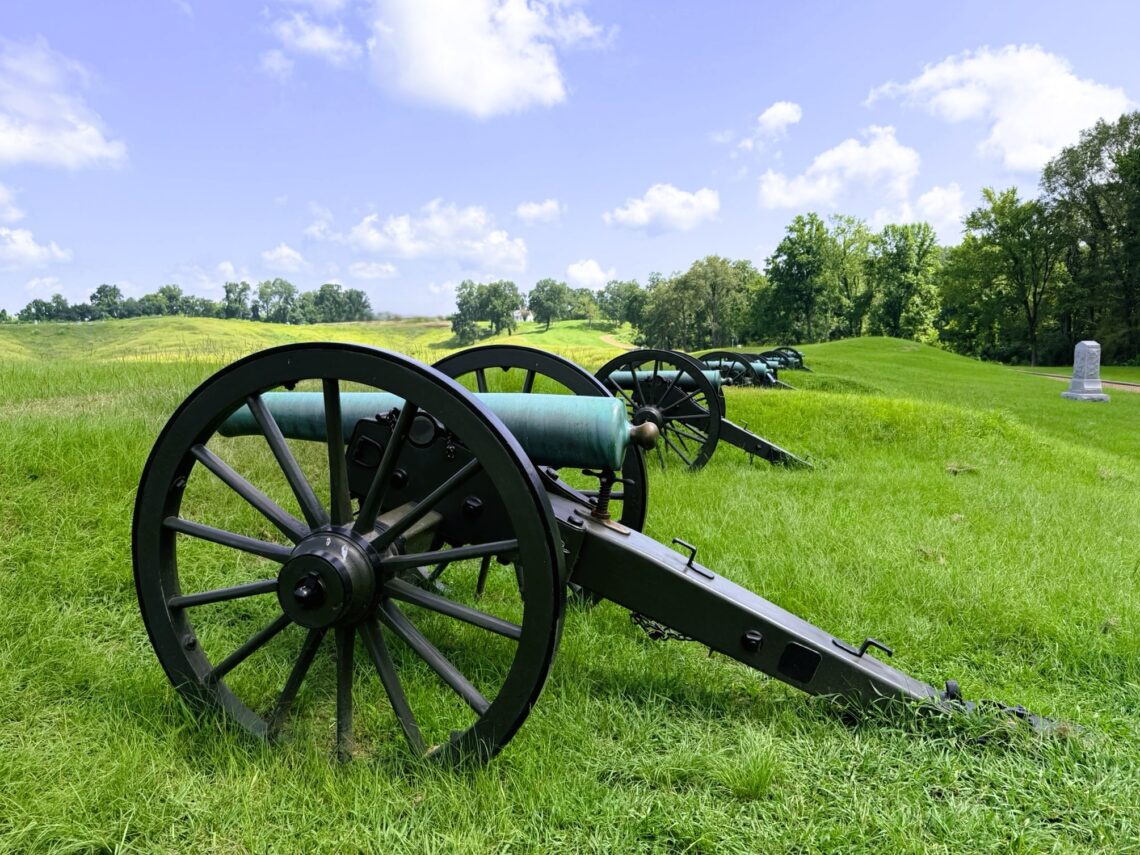
Vicksburg is the key! The war can never be brought to a close until that key is in our pocket
Abraham Lincoln
- Where Is Vicksburg?
- Why Vicksburg Mattered
- The Difficult Road to Vicksburg
- The Assaults and the 47-Day Siege
- How Many Soldiers Fought at Vicksburg?
- The Naval Battle for Vicksburg
- Understanding Vicksburg's Defensive Ground
- What to See at Vicksburg National Military Park
- Vicksburg Beyond the Battlefield
- Where to Grab a Bite
- Where to Stay in Vicksburg
- Planning Your Visit
- Final Thoughts on Visiting Vicksburg Battlefield
- Photo Gallery from Vicksburg Battlefield
- Our Top Recommended Travel Products
While in the area for my Army Annual Training, I had the opportunity to visit the Vicksburg Battlefield at Vicksburg National Military Park. The park is part of the National Park Foundation. As a soldier with a deep interest in military history, I was particularly interested in seeing how the landscape shaped one of the Civil War’s most important campaigns.
Standing among the steep ravines and wooded ridges, I quickly understood why capturing this Mississippi stronghold proved so difficult. A map can explain troop movements, but traveling through the battlefield reveals something different: the exhausting terrain Union soldiers had to cross while Confederate troops fired from fortified positions above them.
High above the Mississippi River, Vicksburg occupied one of the most strategically important locations of the American Civil War. Confederate artillery on the bluffs could threaten Union vessels navigating below. As long as Vicksburg remained in Confederate hands, the South controlled a critical section of the river and retained an important connection with states to the west.
Capturing the city required months of failed attempts, difficult marches, naval operations, engineering projects, two unsuccessful assaults, and a 47-day siege. Union Major General Ulysses S. Grant and Rear Admiral David Dixon Porter ultimately combined army and naval power to isolate Vicksburg.
When Confederate Lieutenant General John C. Pemberton surrendered on July 4, 1863, the outcome divided the Confederacy and changed the direction of the war. Today, the preserved battlefield allows visitors to follow that campaign across the same ridges, trenches, and defensive works that shaped it.
Where Is Vicksburg?
Vicksburg sits on the Mississippi River in western Mississippi, close to the Louisiana border. The national military park is approximately 45 miles west of Jackson, making it an easy 45-minute drive. Natchez is roughly 90 minutes away, while both New Orleans and Memphis are about three and a half hours by car.
Its location makes Vicksburg a natural stop on a road trip through Mississippi or between New Orleans and Memphis. Interstate 20 provides the most direct access from Jackson, while U.S. Route 61 connects Vicksburg with Natchez and the Mississippi Delta.
Why Vicksburg Mattered

The Mississippi River was one of North America’s most important transportation routes, making control of it central to Union strategy. Federal possession of the entire river would disrupt Confederate transportation and separate Texas, Arkansas, and much of Louisiana from the states to the east. Those western areas supplied the Confederacy with cattle, horses, food, soldiers, and other resources.
By 1863, Union forces had captured New Orleans and several other Confederate positions along the river. Vicksburg and Port Hudson, Louisiana, remained the strongest obstacles. Vicksburg was especially formidable because its elevation and heavy guns allowed defenders to watch river traffic from the bluffs. The winding channel below also forced vessels to remain within range of Confederate artillery.
President Abraham Lincoln described Vicksburg as the key to controlling the river. After Port Hudson fell on July 9, the Mississippi was open to Federal navigation, and the Confederacy was effectively divided.
The Difficult Road to Vicksburg

Flooding, disease, swamps, poor roads, and Confederate defenses defeated several early Union plans. Troops altered waterways, navigated bayous, and dug a canal across the Louisiana peninsula, but none provided the route Grant needed.
The turning point came when Grant moved south along the Louisiana side and crossed below Vicksburg. Porter’s vessels first had to pass the Confederate guns.
On April 16, 1863, Union gunboats and transports ran past the Vicksburg batteries under heavy cannon fire. Most survived, and more transports followed on April 22.
Grant crossed at Bruinsburg on April 30 and fought inland at Port Gibson, Raymond, Jackson, Champion Hill, and Big Black River Bridge. The Union victory at Champion Hill forced Pemberton toward Vicksburg and away from reinforcements. Confederate troops eventually withdrew behind the city’s defenses.
The Assaults and the 47-Day Siege

Believing the Confederate army might be vulnerable, Grant attacked near the Stockade Redan on May 19. Steep terrain, felled trees, artillery, and rifle fire stopped the assault.
Grant launched a larger assault on May 22. Union soldiers advanced through ravines and exposed ground toward several defensive works. A few briefly entered the Railroad Redoubt, but Confederate troops drove them out, and the line held.
From the tour road, distances between opposing positions seemed surprisingly short. The deep ravines and steep slopes revealed the true difficulty: Union soldiers had to cross broken terrain and climb toward protected defenders.
After suffering heavy losses in the two assaults, Grant changed his approach. Rather than attempt another direct attack, the Union army surrounded Vicksburg and began a formal siege.
Federal soldiers built trenches, artillery positions, covered paths, and 13 approaches. Sharpshooters restricted movement while artillery fired from land and the river. Soldiers also dug toward Confederate works to place mines beneath them.
Union engineers detonated a mine beneath the Third Louisiana Redan on June 25, creating a crater and brutal close fighting. A second explosion followed on July 1, but neither produced a breakthrough.
Conditions deteriorated as civilians sheltered in hillside caves and food became scarce. Disease spread, soldiers were exhausted, and Pemberton could not receive adequate supplies or reinforcements.
Grant and Pemberton met between the lines on July 3. The following day, the Confederate garrison surrendered. Grant paroled most of the prisoners rather than sending tens of thousands of men to distant camps.
How Many Soldiers Fought at Vicksburg?

Figures vary by source and whether they cover the campaign or final siege. Commonly cited siege numbers are approximately 77,000 Union and 33,000 Confederate troops, although not all fought simultaneously.
Commonly cited losses for the siege include:
- Union: Approximately 4,900 casualties, including about 800 killed, nearly 4,000 wounded, and roughly 160 missing or captured.
- Confederate: Approximately 32,000 casualties when the surrendered garrison is included. About 800 were killed, approximately 1,900 were wounded, and nearly 30,000 surrendered and were paroled.
The Confederate total does not mean 32,000 soldiers were killed or wounded. Most were classified as captured after the surrender.
The National Park Service reports more than 48,000 casualties across the broader campaign, including those killed, wounded, missing, and captured. The figure does not measure civilian hunger, displacement, disease, or weeks of fear.
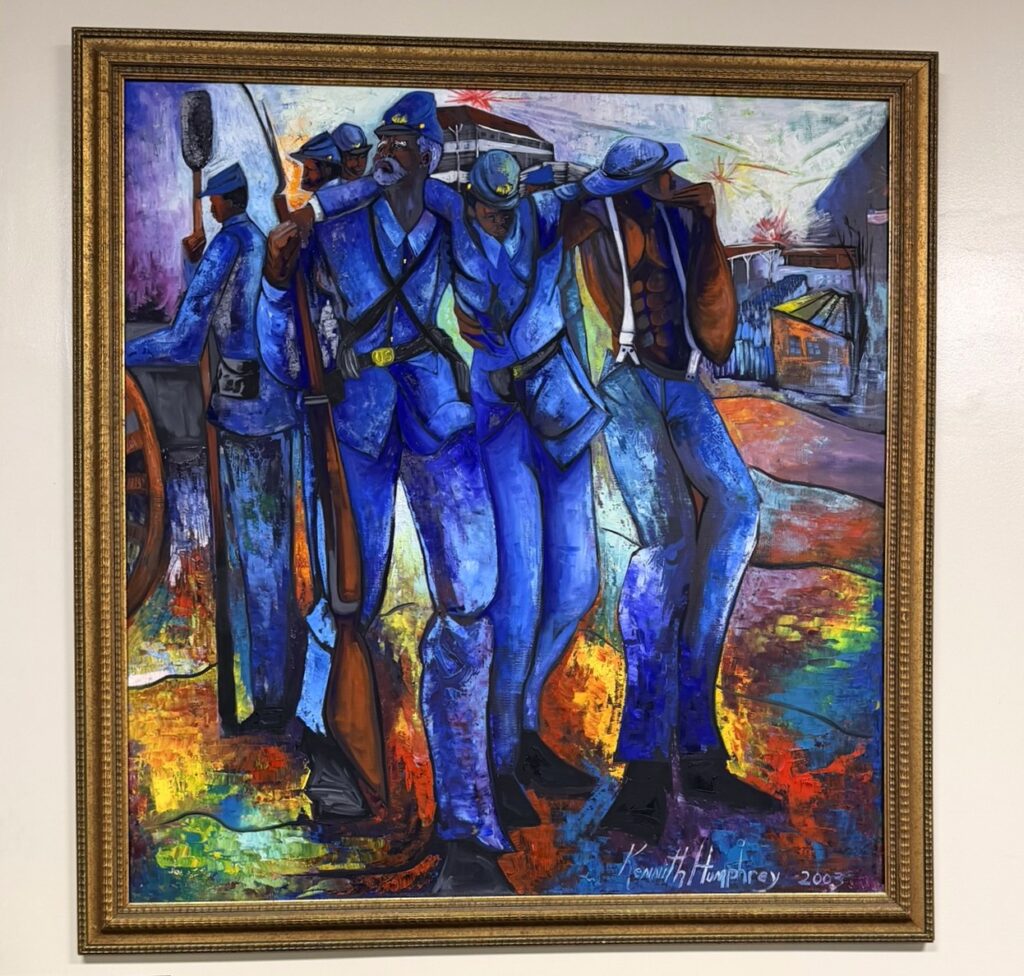
United States Colored Troops also fought in the campaign, particularly at Milliken’s Bend on June 7, 1863.
The Naval Battle for Vicksburg

Vicksburg cannot be understood as a land campaign alone. Porter’s Mississippi Squadron carried troops and supplies, attacked Confederate positions, and helped the army cross waterways. Its April passage below the city allowed Grant to cross and sustain his army. Naval forces later bombarded Vicksburg during the siege.
The USS Cairo


The USS Cairo provides one of the park’s most tangible connections to the river war. The ironclad gunboat was one of seven City-class vessels built for operations on western rivers. On December 12, 1862, while clearing the Yazoo River north of Vicksburg, Cairo struck electrically detonated Confederate torpedoes, now called mines, and sank. No crew members were killed.
Raised and preserved during the twentieth century, its surviving hull gives the naval campaign a scale photographs cannot. Visitors can see its armored casemate, machinery, cannon positions, and heavy timbers.
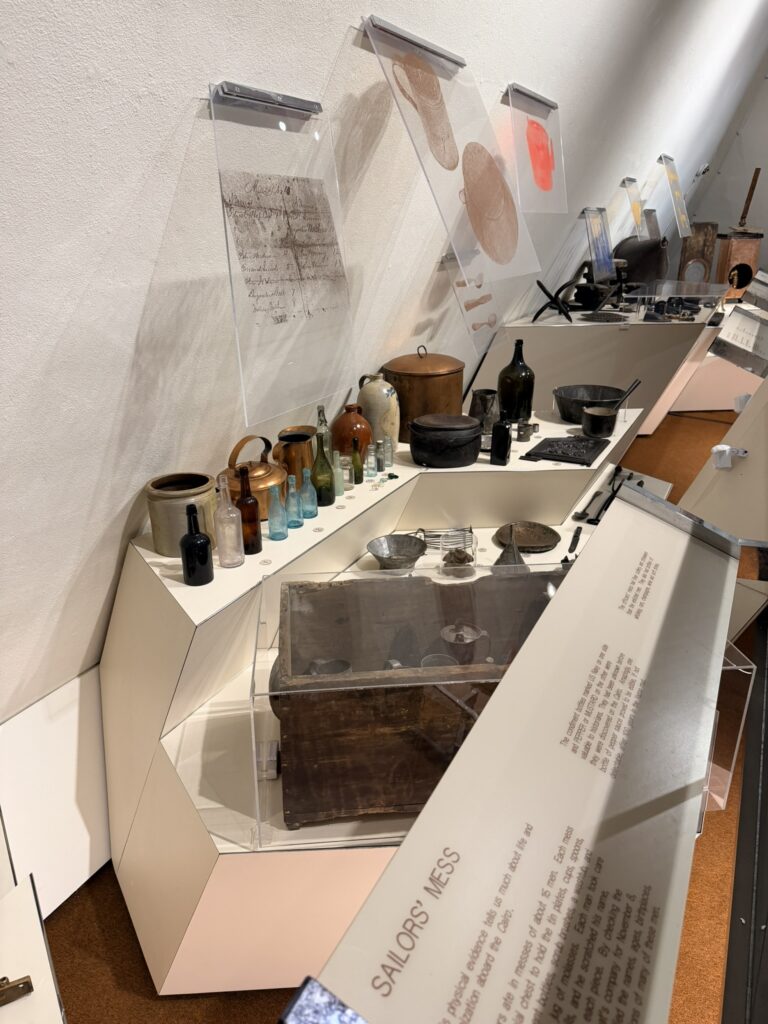
The museum displays weapons, tools, medical equipment, and personal possessions recovered from the wreck, revealing how the crew fought and lived.
Understanding Vicksburg’s Defensive Ground


Vicksburg’s defenses were not a single stone fortress. They formed an extended system of earthworks positioned across ridges, roads, railroad approaches, and natural obstacles.
Confederate engineers used steep slopes and ravines to slow attackers. They cleared trees for fields of fire, created obstructions, and protected important approaches with artillery and packed-earth fortifications.
Visitors will encounter several terms: a redan projected toward the enemy; a redoubt was enclosed or nearly enclosed; a lunette was usually open at the rear; and a battery was a prepared artillery position.
Important works included the Stockade Redan, Railroad Redoubt, Third Louisiana Redan, Fort Hill, and South Fort. Although erosion and vegetation have softened them, the advantages of elevation and overlapping fire remain visible.
Seeing these defensive works in context was one of the most valuable parts of my visit. Their placement makes the military strategy much easier to understand.
What to See at Vicksburg National Military Park


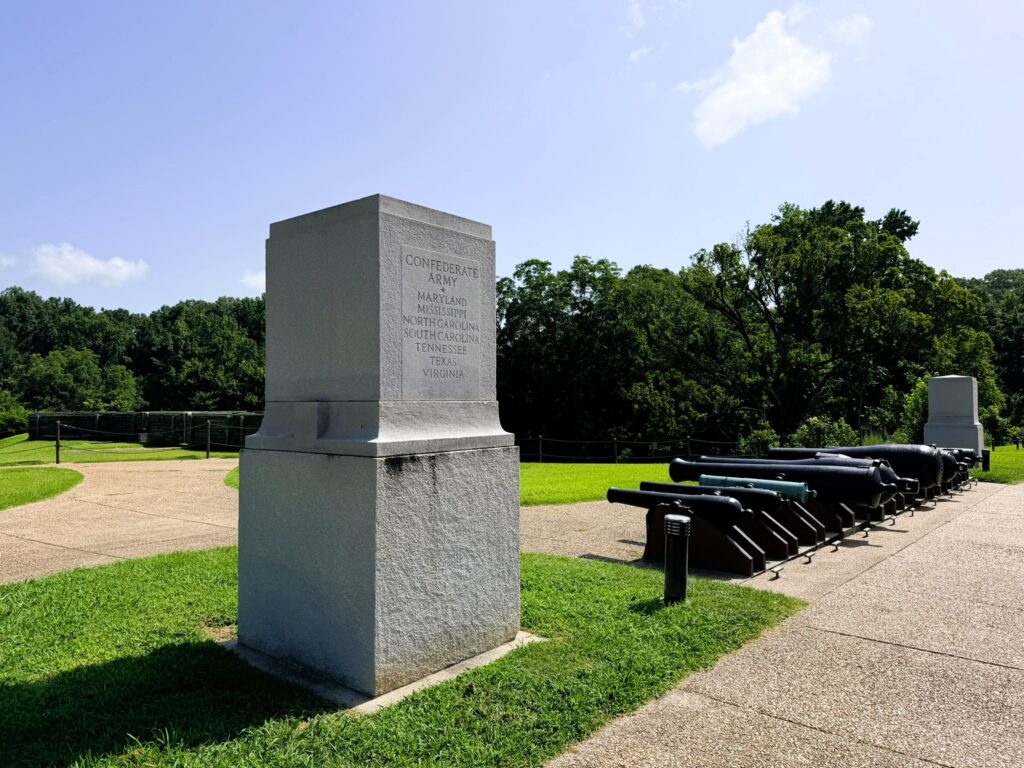
The tour road passes through Union and Confederate lines, showing how close the opposing positions became. Rather than rushing from monument to monument, allow time to stop, read the markers, and study the ground.
1. Visitor Center and Battlefield Film
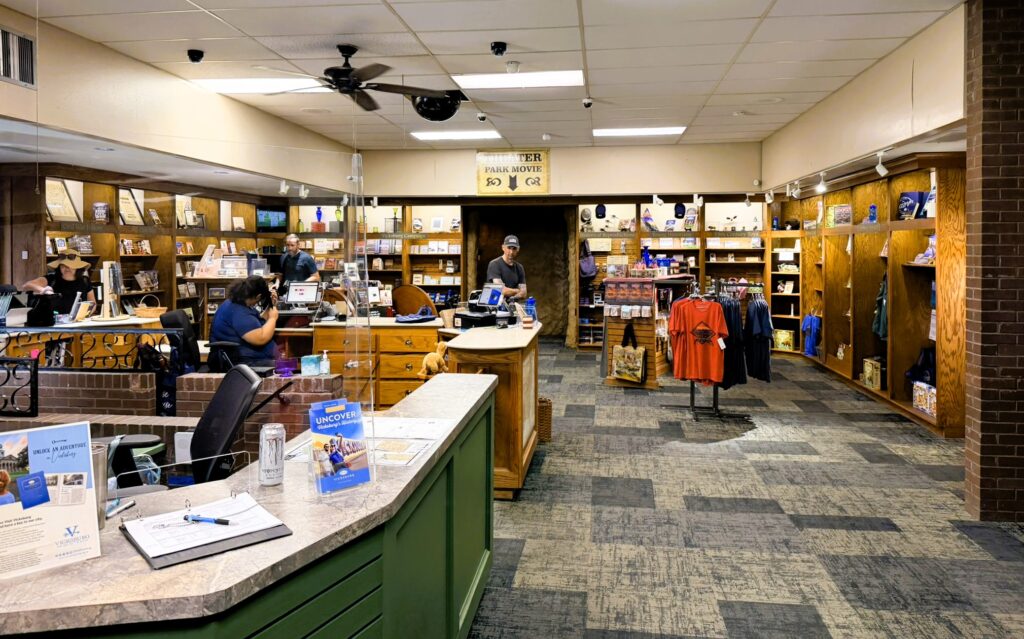
Begin at the visitor center, where exhibits, maps, and the park film make the battlefield’s earthworks and monuments easier to understand.
2. Union and Confederate Earthworks
Stops at the Stockade Redan, Railroad Redoubt, Fort Hill, and other positions show how Confederate troops used the terrain and how Union forces moved closer. Look beyond the grass and trees to consider the elevation, visibility, and limited routes available to attackers.
3. Unit Tablets and Assault Markers
Hundreds of markers identify units, commanders, troop movements, and farthest advances. Together, they turn the wooded landscape into a readable military map.
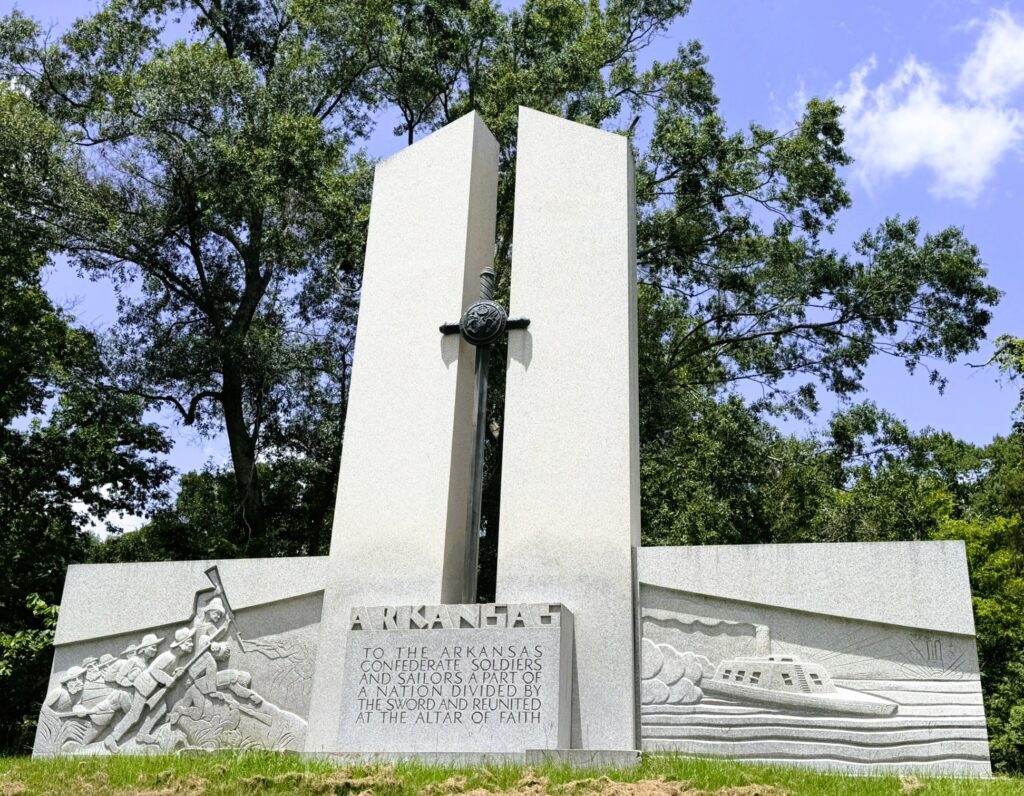
4. State Monuments and Memorials
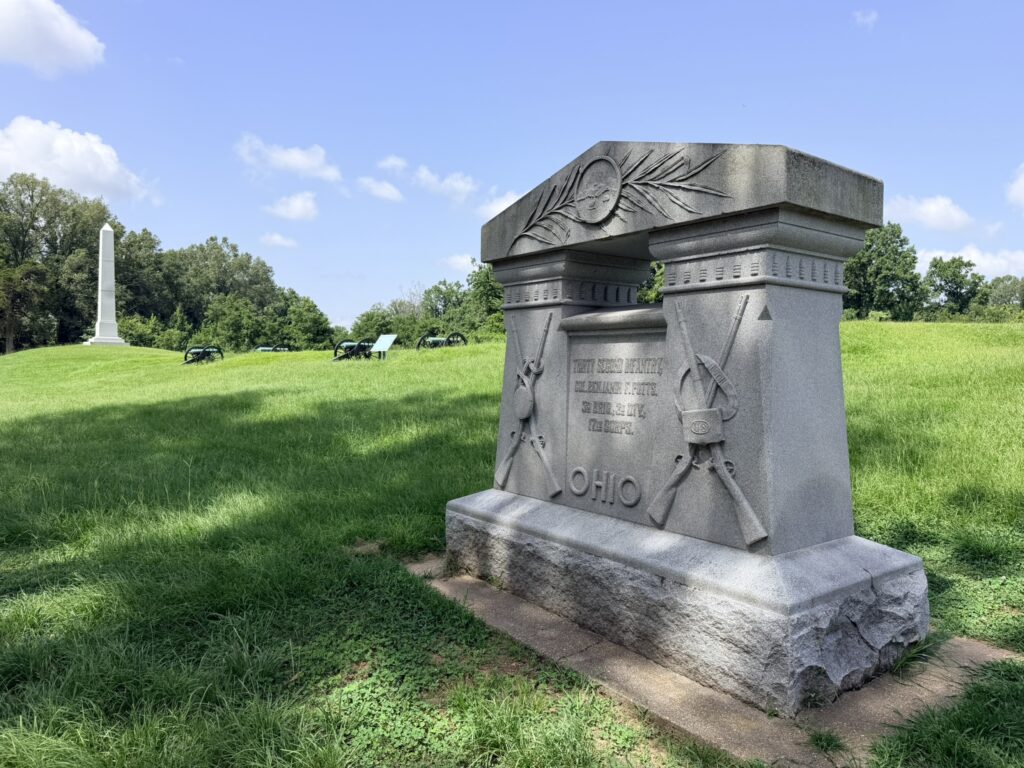
More than 1,400 monuments, memorials, tablets, and markers stand within the park. Among the most impressive is the Pantheon-inspired Illinois Memorial, whose bronze tablets name participating Illinois soldiers. Smaller markers can provide equally meaningful connections.
5. The Shirley House
The Shirley House, known to Union soldiers as the White House, is the battlefield’s only surviving wartime structure. It reminds visitors that the campaign unfolded around homes and civilians whose lives were permanently changed.
6. USS Cairo Museum
Allow time for both the USS Cairo and its museum. Together, they are among the park’s most memorable stops.
7. Vicksburg National Cemetery
Vicksburg National Cemetery holds more than 17,000 Union veterans, including thousands of unidentified Civil War soldiers.
After studying tactics and troop movements, its rows of graves return the story to its human cost. Many Confederate dead lie at Soldiers’ Rest in Cedar Hill Cemetery.
7. Grant’s Headquarters and Grant’s Canal
Markers identify command locations used by Grant and other officers. Across the river in Louisiana, a detached section of the park preserves part of Grant’s unsuccessful attempt to bypass Vicksburg’s guns with a canal.
Vicksburg Beyond the Battlefield


Photos from Visit Vicksburg website
Vicksburg is small, but its pleasant historic center has more character than visitors might expect from a destination known primarily for its battlefield. Downtown streets lead toward the riverfront, where museums, restaurants, murals, and historic buildings reveal other parts of the city’s story.
The city deserves more than driving directly to the battlefield and leaving. Spending time downtown connects the military campaign with the community that continued to develop along the Mississippi River. Distances below are approximate from the park visitor center.
1. Old Courthouse Museum (About 3 Miles)
The 1858 courthouse survived the siege and now displays Civil War objects, documents, and regional artifacts.
2. Vicksburg Civil War Museum (About 3 Miles)
This downtown museum uses military artifacts to tell Civil War stories, including African American experiences often minimized in older interpretations.
3. Lower Mississippi River Museum (About 3 Miles)
Exhibits explore river transportation, engineering, and flood control. Visitors can also board the retired M/V Mississippi IV.
4. Vicksburg Riverfront Murals and Catfish Row (About 3.5 Miles)
Floodwall murals illustrate river commerce, music, daily life, and the Civil War, showing how the Mississippi shaped Vicksburg. The Riverfront also offers lots of water activities such a canoeing, boating, fishing etc.
5. Biedenharn Coca-Cola Museum (About 3 Miles)
This museum occupies the building where Coca-Cola was first bottled in 1894 and explains the Biedenharn family’s operation.
6. McRaven Tour Home (About 4 Miles)
Built in stages during the nineteenth century, McRaven served as a Confederate field hospital during the campaign.
7. Cedar Hill Cemetery and Soldiers’ Rest (About 4 Miles)
Soldiers’ Rest contains thousands of Confederate burials and provides an important counterpart to Vicksburg National Cemetery.
8. Grand Gulf Military State Park (About 30 Miles South)
Grand Gulf preserves a Confederate stronghold attacked by Porter’s fleet in April 1863. The park includes military remains, historic structures, a museum, and river viewpoints.
9. Windsor Ruins (About 35 Miles South)
Twenty-three columns remain from this antebellum mansion, once used as a Union hospital and observation post.
The Vicksburg Tourism Office is a great resource for planning your visit
Where to Grab a Bite
Vicksburg has plenty of places to enjoy a meal, drink, or quick snack, both downtown and near the battlefield. During my short time in the city, I visited Key City Brewery & Eatery, a welcoming downtown spot with a working brewery and creative brewpub menu. Because I was there as part of an official Army tour, I could not sample the beer, but the food and atmosphere still made it a worthwhile stop.
Key City Brewery & Eatery


Where to Stay in Vicksburg

Because my visit took place during Army Annual Training, I did not stay at a property I can personally recommend. However, Vicksburg offers several distinct lodging areas.
Travelers focused on the battlefield may prefer one of the familiar hotels near Interstate 20 and the national military park. This area provides easy access to the tour road and is convenient for a shorter visit.
For more atmosphere, consider a historic inn or bed-and-breakfast near downtown. Properties such as Oak Hall, Duff Green Mansion, The Corners Mansion, and Baer House place visitors closer to museums, restaurants, historic neighborhoods, and the riverfront. Vicksburg also has casino hotels along the Mississippi for travelers who prefer larger properties and additional entertainment.
Staying overnight makes it easier to experience both the battlefield and downtown without rushing.
When planning a trip, it’s always wise to compare accommodation prices across different platforms. Expedia, based in the U.S., and Booking.com, based in Europe, don’t always feature the same properties, so checking both can give you the best range of options. We prefer Booking.com for its user-friendly interface and wide selection, but we always recommend double-checking the hotel or vacation rental’s official website. Sometimes, you’ll find exclusive deals or perks when booking directly.
Click the link below to explore hotels and vacation homes in the area you are planning to visit. Who knows? It might be just the spark you need to start planning your next grand adventure.
Planning Your Visit


Allow at least half a day for the park’s main highlights. Military-history enthusiasts, photographers, and museum lovers could easily spend most of a day.
Plan on two days if you also want to explore downtown museums, historic homes, the riverfront, and Soldiers’ Rest.
The battlefield is explored mainly by vehicle, with frequent stops. Walking distances vary, but comfortable shoes help when examining defensive positions.
Mississippi heat and humidity, as it was when I was there, and it can be intense, so carry water and use sun protection. Families can begin with the film and help younger travelers follow the campaign on a map.
My essential stops include:
- The visitor center and introductory film
- The Stockade Redan and nearby assault positions
- The Illinois Memorial
- The Shirley House
- The USS Cairo and museum
- Vicksburg National Cemetery
Tour-road conditions, closures, museum hours, accessibility, and admission policies can change. Confirm current information with the National Park Service and individual attractions before traveling.
Final Thoughts on Visiting Vicksburg Battlefield


Vicksburg was not won through one dramatic charge. It was the result of sustained army and naval cooperation, a difficult inland campaign, repeated assaults, siege engineering, and the gradual isolation of a fortified city.
The largest monuments command attention, but quieter details reveal even more. A unit tablet, artillery marker, softened trench, or farthest-advance marker shows where individuals moved, fought, waited, and died.
For me, Vicksburg reinforced the importance of preserved battlefields. They allow visitors to move beyond names and dates and see how geography shaped human decisions. The USS Cairo adds to the river war, the Shirley House shows that civilians lived within this landscape, and the cemeteries confront visitors with the campaign’s lasting cost.
Vicksburg’s fall opened the Mississippi River, divided the Confederacy, elevated Grant’s reputation, and changed the strategic balance of the Civil War. More than a century and a half later, the preserved landscape still makes that history visible. It also gives visitors the space to consider what it required.
© 2026 Wanderers Compass All Rights Reserved
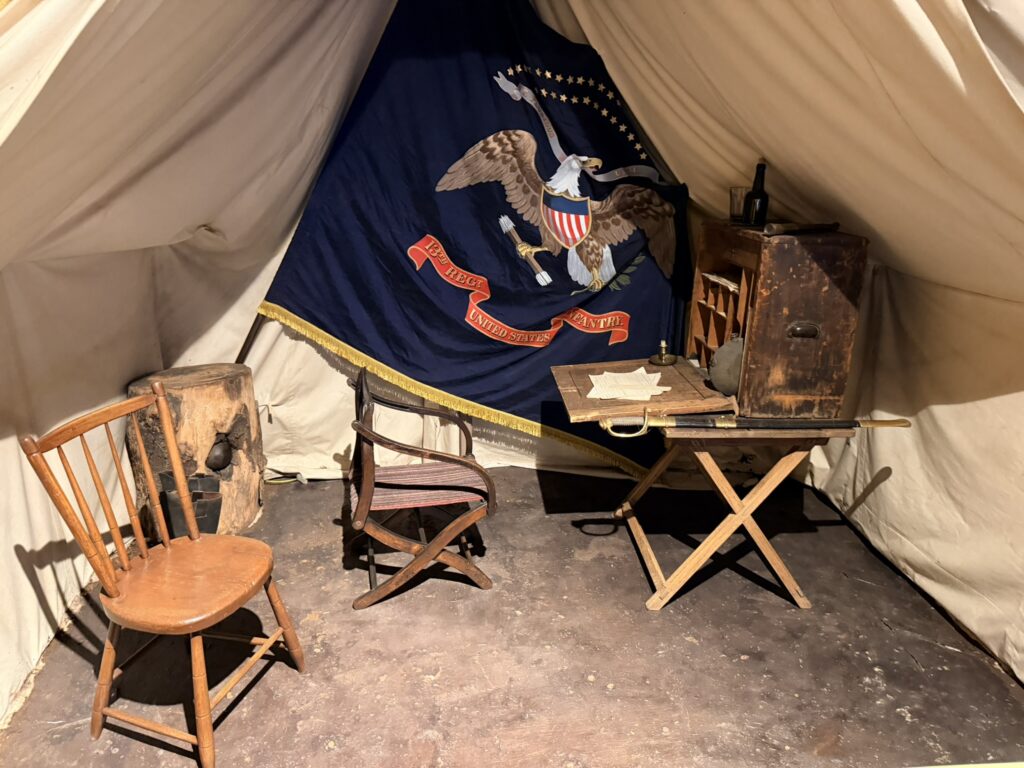
Photo Gallery from Vicksburg Battlefield



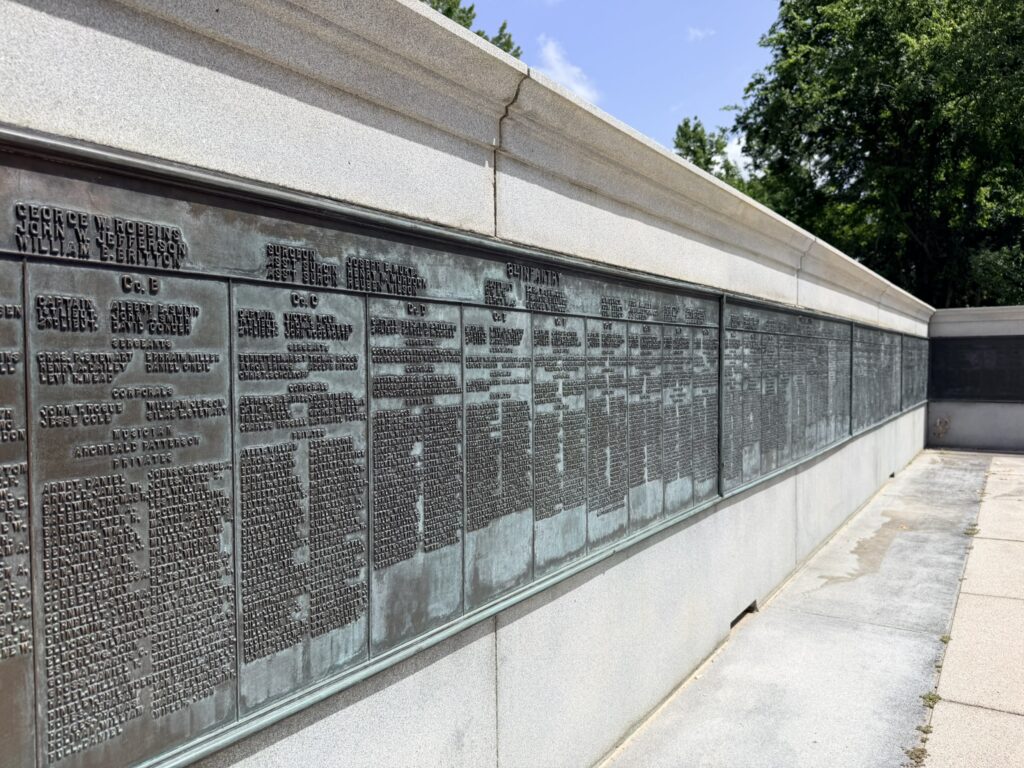
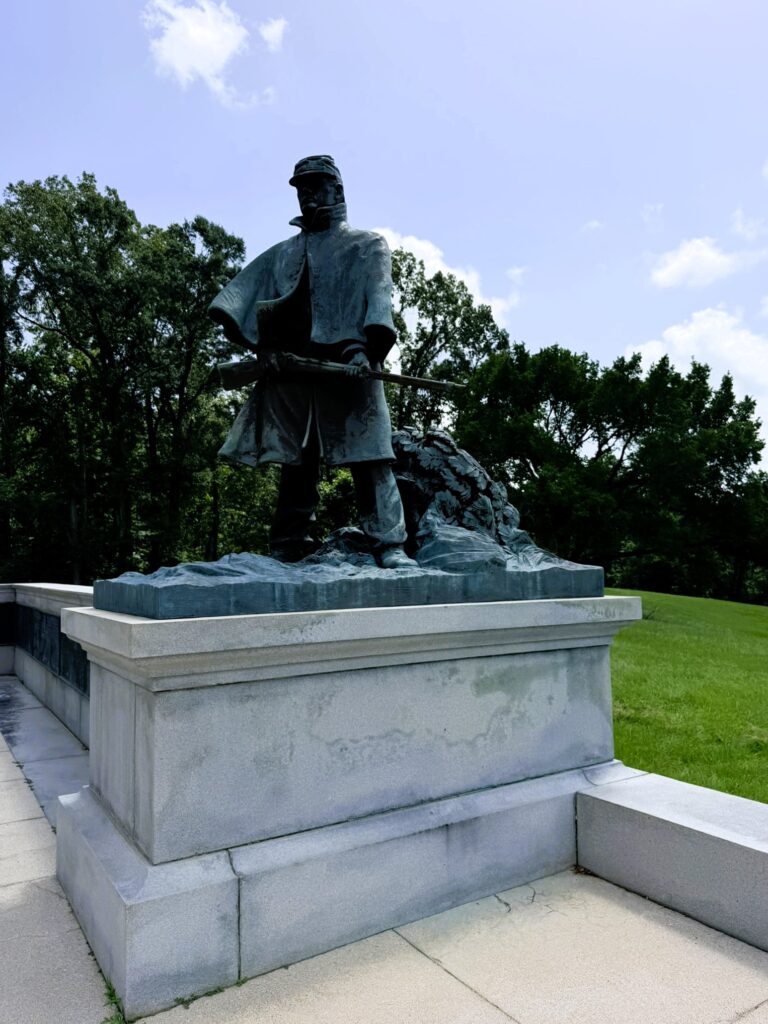
Our Top Recommended Travel Products
Travel Insurance
Squaremouth.com
Our Favorite Travel Insurance Site!
We strongly advocate comprehensive travel insurance, not only for minor inconveniences but also for major, unexpected events such as medical emergencies. We never leave home without it. Our go-to resource is Squaremouth.com. which offers a user-friendly platform that connects you with top-rated, reputable insurance carriers. Plus, they’ll mediate on your behalf if you run into any issues.
To empower you as a consumer, we recommend you read our blog post on why travel insurance is essential and how to secure the best coverage from leading companies at an affordable price.
MedjetAssist
Medical transport back home from anywhere in the world
Medjet is a leading provider of global air medical transport. Unlike traditional travel insurance, which typically covers medical evacuation to the nearest facility, Medjet goes further by ensuring you’re transported back to the U.S. to the hospital of your choice once you’re stable enough to fly. Medjet offers membership plans that focus on medical transport, while Medjet Horizon provides expanded coverage for broader protection. Individual trip policies start at just $99, and annual policies are available for around $300. Most policies have an age limit of 74.
To learn more about how Medical Evacuation membership with Medjet Assist works, check out our blog post for a more detailed review.
Accommodations and Airfare
Booking.com
Hotels, Home rentals, BNBs, Flights, and other Transportation & Tours
Booking.com connects millions of travelers to unforgettable experiences, a wide range of transportation options, and incredible places to stay—from homes to hotels and beyond. As one of the world’s largest travel marketplaces, it supports well-known brands and entrepreneurs of all sizes. For its convenience, variety, and reliability, it’s our preferred booking platform.
Expedia and VRBO
Hotels, home rentals, BNBs, flights, and other transportation & tours
Expedia is a U.S.-based company with a mission to make global travel accessible to everyone, everywhere. At Wanderers Compass, we embrace independent travel, and platforms like Expedia are essential to making that a reality. Expedia allows you to book every aspect of your trip—from flights and accommodations to rental cars, cruises, and activities—making it a one-stop shop for all your travel needs.
Transportation
Daytrip
Personalized city-to-city private car transfer service
Daytrip provides an affordable private car service for city-to-city transfers worldwide, and we absolutely love their service. It’s a cost-effective alternative to renting a car, offering comfortable, stress-free travel with scenic stops along the way. For example, we used Daytrip for travel between Budapest and Vienna, enjoying some fantastic detours to local attractions. With professional drivers and customizable routes, Daytrip ensures a smooth ride while allowing you to explore hidden gems and unique sights along your journey.
To learn more about Daytrip, check out our blog post for a more detailed review.
Travel Experiences
Viator
The leading marketplace for travel experiences
Viator believes that travel is all about creating unforgettable memories. With over 300,000 experiences to choose from—ranging from simple tours to extreme adventures, plus a wide array of unique, niche activities—it’s never been easier to make lasting memories. We frequently use Viator during our travels and especially appreciate its flexible cancellation policy, which provides peace of mind with every booking.
Shopping
Wanderers Compass Amazon Storefront
An excellent source for all travel essentials and guides that we have vetted ourselves
Amazon is one of the world’s most comprehensive online shopping platforms, offering lower prices, a wide selection, and fast delivery through its global fulfillment network.
This page contains affiliate links. When you purchase through these links, we may earn a small commission at no extra cost to you. Thank you for your ongoing support!
Want to Learn the Story Behind Wanderers Compass?
Check out our most recent posts
Returning to Venice: Why We Keep Coming Back
September 28, 2026
Savoia Excelsior Palace: Where Trieste’s History Meets the Adriatic
September 6, 2026
Global Entry for Kids: What Parents Need to Know Before Traveling
September 5, 2026
Rovinj Beyond the Postcard: Exploring Croatia’s Istrian Coast
August 29, 2026
When the Hotel Becomes Part of the Journey: Ettington Park Hotel
August 27, 2026
How We Balance Luxury Travel With Authentic Experiences
August 25, 2026

No Comments