

“That’s what they do in Argentine. Have a little wine and talk, Then have some coffee and talk. Then, go back to the wine.”
Grace jones
Top Six Destinations In Argentina
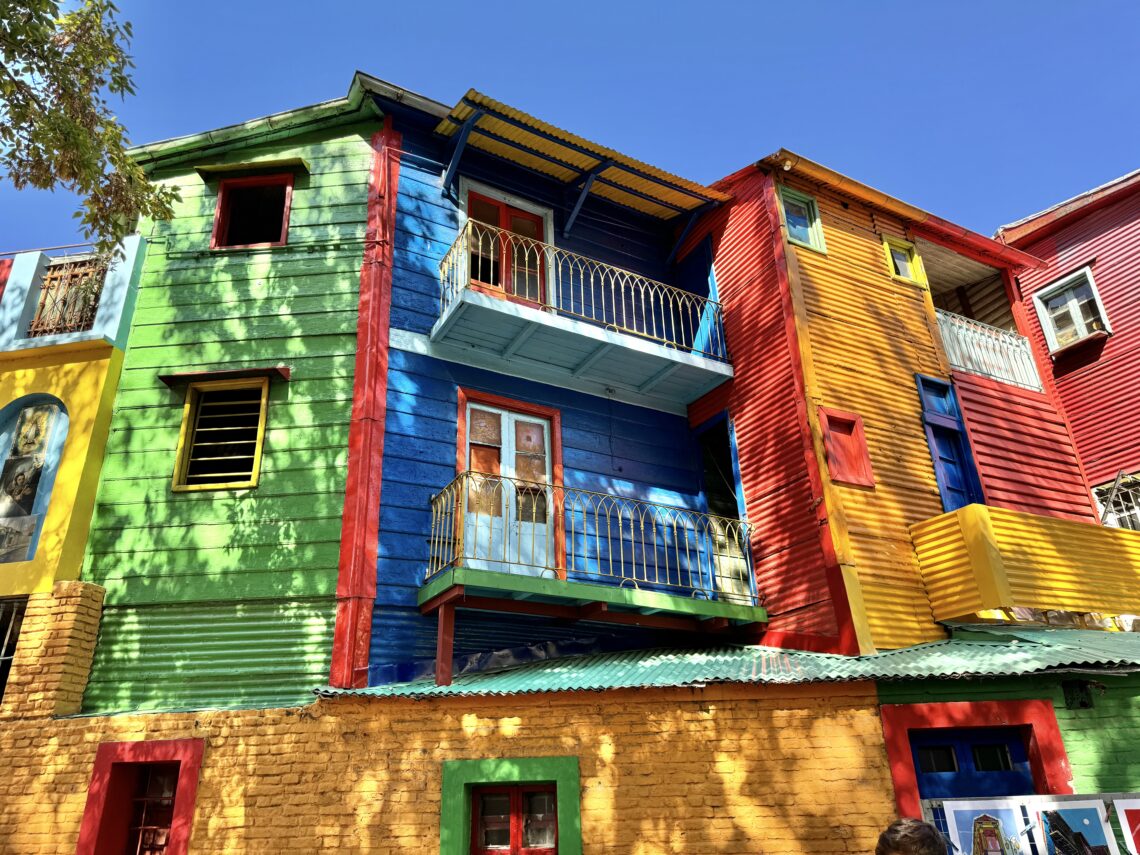
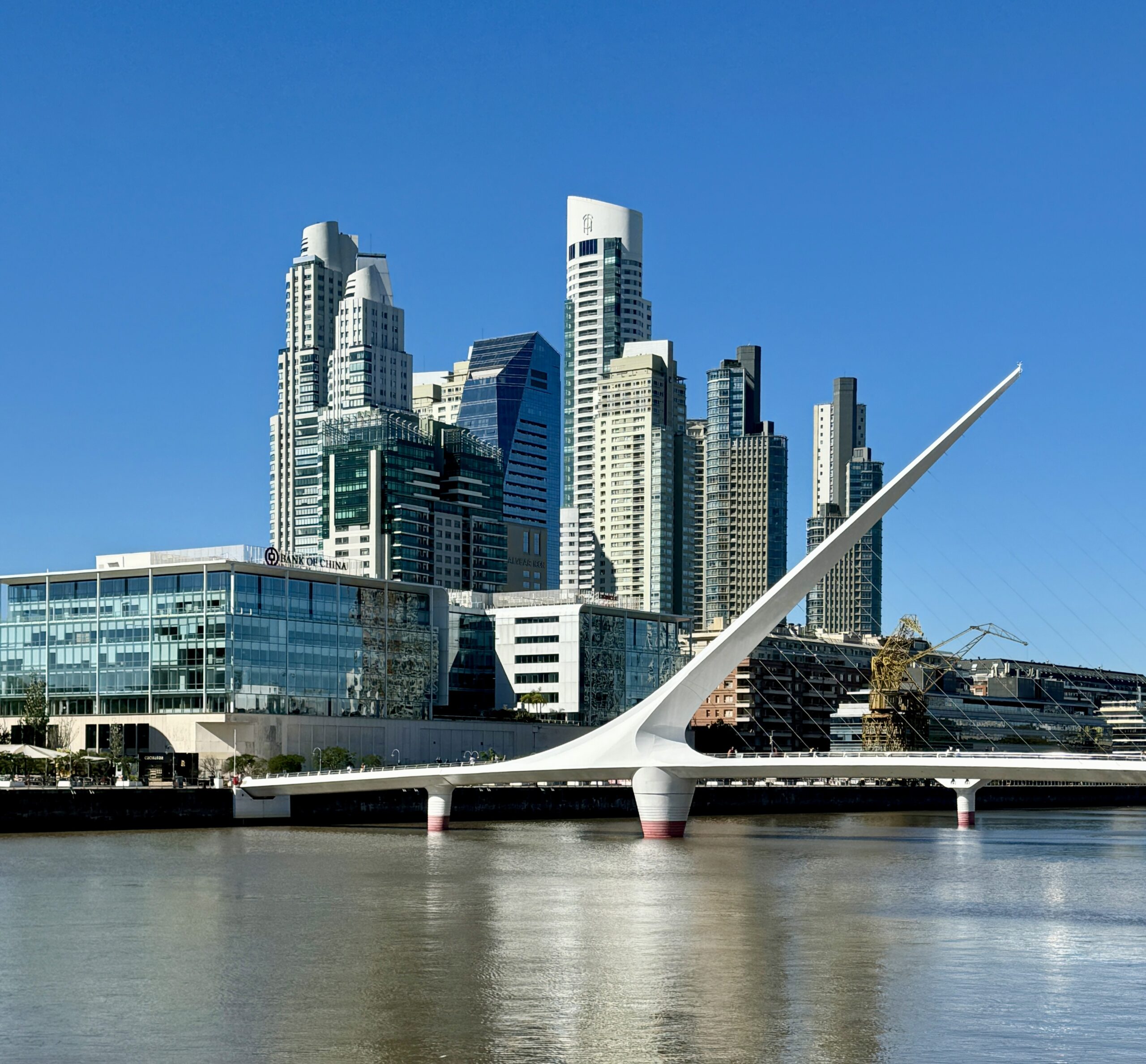
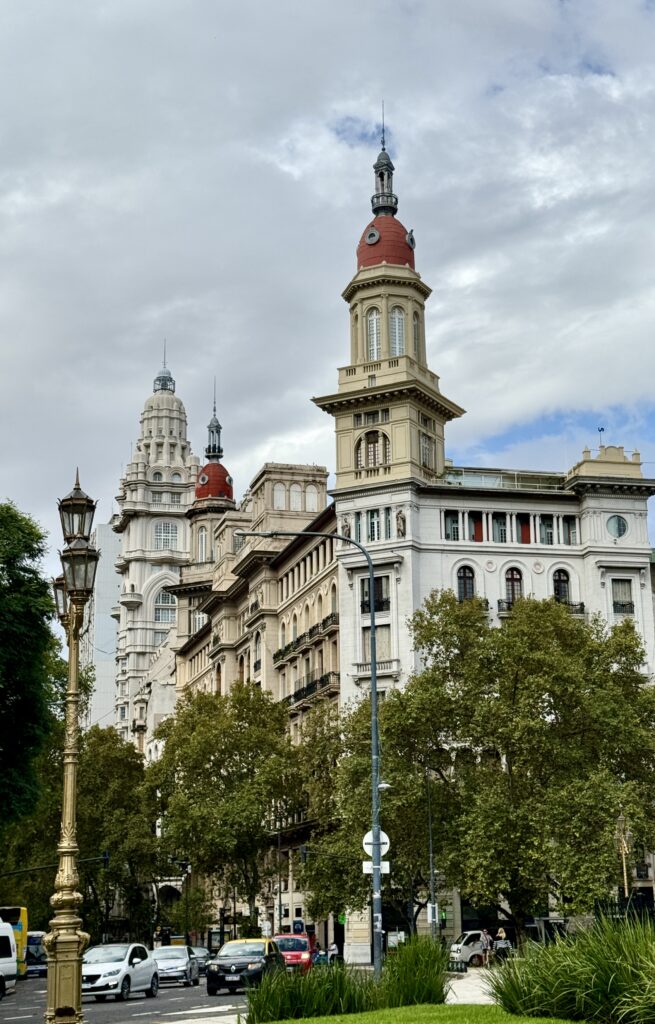
- Buenos Aires: Argentina’s dynamic capital buzzes with tango, historic cafés, colorful neighborhoods like La Boca, and grand boulevards lined with European-style architecture. It’s a city where culture, nightlife, and history blend seamlessly.
- Iguazú Falls: Straddling the border with Brazil, these thunderous waterfalls, one of the Seven Natural Wonders of the World, are surrounded by lush rainforest and offer trails, boat rides, and breathtaking views.
- Mendoza & Wine Country: Nestled at the foot of the Andes, Mendoza is Argentina’s wine capital, famed for Malbec vineyards, olive groves, and adventure sports like rafting and hiking.
- Patagonia & Los Glaciares National Park: From the jagged peaks of Mount Fitz Roy to the mighty Perito Moreno Glacier, Patagonia is a land of wild beauty, offering trekking, ice climbing, and sweeping landscapes that feel otherworldly.
- Bariloche & The Lake District: Known for its alpine architecture, chocolate shops, and crystal-clear lakes, Bariloche is a gateway to skiing, hiking, and exploring some of Argentina’s most stunning scenery.
- Salta & The Northwest: Colonial architecture, colorful canyons, and high-altitude vineyards make this region both culturally rich and visually striking. Don’t miss the surreal landscapes of Quebrada de Humahuaca.
- Ushuaia (Tierra del Fuego): The world’s southernmost city is a launch point for Antarctic cruises. Surrounded by mountains and sea, it offers wildlife encounters, hiking, and a true end-of-the-world atmosphere.
Did You Know?
Country Stats
- Population: Approximately 46 million people (2022 estimate)
- Area: 2,780,400 square kilometers (1,073,500 square miles), the eighth largest country in the world and the second largest in South America
- Official Language: Spanish
- Currency: Argentine Peso (ARS)
- Government: Federal presidential republic
- Head of State: President of Argentina
- U.S. State Dept Risk Level: Two – Exercise Increased Caution (due to crime and occasional civil unrest)
- GDP (Nominal): Approximately $630 billion USD (2022 estimate)
- GDP per capita: Approximately $13,500 USD (2022 estimate)
- Unemployment Rate: Around 7% (2022 estimate)
- Tourism: Tourism is an important part of Argentina’s economy. Highlights include the tango culture and architecture of Buenos Aires, Iguazú Falls (a UNESCO World Heritage Site), the wine country of Mendoza, Patagonia’s glaciers and mountains, and the southern gateway city of Ushuaia, the “end of the world.”
- Climate: Argentina’s climate varies widely, ranging from subtropical in the north to temperate in the Pampas and subpolar in Tierra del Fuego.
- Religion: Predominantly Roman Catholic, with Protestant, Jewish, and growing non-religious populations. Argentina is also the birthplace of Pope Francis.
- Elevation: Argentina’s terrain includes the Pampas (fertile plains), the Andes Mountains along the western border, and Patagonia in the south. Aconcagua, at 6,961 m (22,838 ft), is the highest peak in the Americas.
- Tourism Contribution: Tourism contributes around 3% of Argentina’s GDP, with millions of international visitors annually.
- Taxation: Argentina has a progressive personal income tax system (up to ~35%) and a corporate tax rate of about 25–30%, with high VAT and export duties contributing to revenue.
- Transportation: Argentina has extensive domestic air routes due to its vast size. Buenos Aires’ Ministro Pistarini International Airport (Ezeiza) is the main international gateway. Long-distance buses are a common way to travel between cities.
- Top Imports: Machinery, vehicles, petroleum, plastics, chemicals, and consumer goods.
- Top Exports: Soybeans and related products, corn, wheat, beef, wine, and lithium (which is increasingly important globally).
- Life Expectancy: About 77 years (2022 estimate)
- Education: Argentina has a literacy rate of about 98%. Public education is free and widely accessible, including tuition-free public universities, which attract both domestic and international students.
Fun Facts
- Tango’s Birthplace: Argentina is the birthplace of tango, recognized by UNESCO as Intangible Cultural Heritage of Humanity.
- Aconcagua Peak: At 6,961 m (22,838 ft), Mount Aconcagua in the Andes is the tallest mountain in the Americas.
- Literary Giant: Argentina produced Jorge Luis Borges, one of the most influential writers of the 20th century, celebrated worldwide for his short stories and essays.
- Iguazú Wonder: Iguazú Falls, shared with Brazil, is taller than Niagara Falls and nearly twice as wide, with 275 individual cascades.
- Wine Powerhouse: Argentina is one of the world’s top wine producers, famous especially for its Malbec grapes grown in Mendoza.
- End of the World: Ushuaia in Tierra del Fuego is the world’s southernmost city and a gateway to Antarctica.
- Soccer Obsession: Argentina is a fútbol powerhouse, producing legends like Diego Maradona and Lionel Messi, and winning multiple FIFA World Cups.
- Patagonian Glaciers: Los Glaciares National Park contains the Perito Moreno Glacier, one of the few in the world that is still advancing.
- Yerba Mate Culture: Sharing yerba mate tea is a deeply ingrained national tradition in daily social life.
- Dinosaur Discoveries: Argentina’s Patagonia region has yielded some of the largest dinosaur fossils ever found, including Argentinosaurus.
- European Flair: Buenos Aires is nicknamed the “Paris of South America” for its European-inspired architecture, boulevards, and café culture.
- Penguins Too: Argentina’s southern coasts are home to massive Magellanic penguin colonies, particularly at Punta Tombo, the largest colony in the world.
- Obelisco Landmark: The Obelisco in Buenos Aires, built in 1936, is one of the country’s most recognizable monuments and a hub for national celebrations.
- Cultural First: Argentina was the first country in Latin America to legalize same-sex marriage in 2010.
- Gaucho Tradition: The Pampas region is home to the gaucho, Argentina’s iconic cowboy figure, symbolizing independence and rural heritage.
- National Drink: Fernet and cola is Argentina’s unofficial national cocktail, enjoyed especially in Córdoba, where the tradition is strongest.
- Polo Capital: Argentina is considered the polo capital of the world, producing many of the best players and horses for the sport.
- Highest Literacy Rate in Region: With a literacy rate of around 98%, Argentina ranks among the most educated countries in Latin America.
- World’s Widest Avenue: Avenida 9 de Julio in Buenos Aires is the widest avenue in the world, spanning up to 140 meters (460 feet) across.
Argentina Map
Good to Know Before You Go
1. Tipping in Argentina
In Argentina, tipping is customary though not excessive. In restaurants, cafés, and bars, a 10% gratuity is standard, though it is not always included in the bill. While tipping is not legally required, it is generally expected for good service. In hotels, porters and housekeeping staff appreciate small tips, and tour guides typically expect gratuities that reflect the length and quality of their service. Taxi drivers do not usually expect tips, but rounding up the fare is a polite gesture. Overall, tipping is part of Argentine etiquette, viewed less as an obligation and more as a respectful acknowledgment of good service. Waiting for the check (“la cuenta”) to be brought to your table is the norm, rather than requesting it immediately.
2. What to Wear in Argentina
In Argentina, casual yet stylish clothing is suitable for most occasions, particularly in cosmopolitan Buenos Aires, where locals tend to dress smartly. Lightweight clothing works well in the subtropical north, while layers are essential for Patagonia and the Andes, where the weather can shift rapidly. For outdoor adventures, sturdy hiking boots, waterproof outerwear, and warm layers are must-haves, even in summer. In urban areas and restaurants, a smart-casual dress code is standard, and Argentines generally value neat, fashionable attire. Formal wear may be required for upscale venues or cultural events, such as the opera, but it is rarely necessary in everyday settings. Comfort, layers, and a touch of style are key when packing for Argentina.
Driving and the Environment in Argentina
3. Driving in Argentina
Driving in Argentina can be rewarding, but it requires attentiveness. Major highways and routes, such as the famous Ruta Nacional 40, are well-maintained; however, rural roads may be unpaved or uneven. Speed limits are typically 40–60 km/h in urban areas, 110 km/h on rural roads, and 120–130 km/h on highways, but enforcement can vary. City driving, especially in Buenos Aires, is often hectic, with heavy traffic and aggressive driving styles. Fuel stations are plentiful in cities and along major routes, but they can be sparse in Patagonia and the northwest, so advance planning is essential. In the Andes, mountain passes can be winding and occasionally affected by snow or landslides, requiring caution. Parking in cities is limited and metered. While driving offers the flexibility to explore vineyards, remote villages, and natural wonders, patience and adherence to local rules help ensure safety.
4. Environment and Sustainability
Argentina places growing emphasis on environmental conservation, with vast ecosystems ranging from the Pampas to Patagonia, and the subtropical rainforests around Iguazú. National parks such as Los Glaciares and Nahuel Huapi are strictly protected, and sustainable tourism practices are increasingly encouraged. The country has invested in renewable energy, particularly wind farms in Patagonia and solar projects in the northwest. Authorities promote “leave no trace” policies in natural areas, and park entry fees help fund preservation. While challenges remain in balancing agriculture and industry with conservation, Argentina’s biodiversity, from jaguars and condors to penguins and whales, drives both ecotourism and conservation efforts.
Life in Argentina
5. Quality of Life in Argentina
Argentina offers a high quality of life compared to much of Latin America, though it comes with economic fluctuations. Healthcare is widely available, with a mix of public and private systems; Buenos Aires boasts some of the region’s top hospitals. The literacy rate is about 98%, reflecting a strong emphasis on education, and public universities are tuition-free. Argentina is culturally vibrant, with rich traditions in music, dance, literature, and sports. Outdoor recreation, from skiing in the Andes to hiking in Patagonia, contributes to an active lifestyle. While inflation and the cost of living can be challenging, especially in major cities, Argentines value social connection, leisure, and cultural life, creating a strong sense of community despite economic fluctuations.
Food and Dining Etiquette
6. Argentine Cuisine
Argentine cuisine reflects the country’s fertile plains and ranching traditions. Beef is the national staple, showcased in the famous asado (barbecue), where cuts of meat are grilled over wood or charcoal and shared socially. Other classic dishes include empanadas (stuffed pastries), milanesas (breaded cutlets), and locro (a hearty corn-and-meat stew often served on national holidays). In Patagonia, lamb and trout are specialties, while the northwest features Andean-inspired dishes with quinoa and tamales. Street foods like choripán (a chorizo sandwich) and fugazzeta (a cheese- and onion-stuffed pizza) are beloved daily fare. Argentina is also a wine powerhouse, globally recognized for Malbecs from Mendoza. The national drink, yerba mate, is a deeply rooted social ritual, shared among friends and family.
7. Dining Etiquette
Dining etiquette in Argentina emphasizes warmth and sociability. Meals are often long and communal, with conversation as important as the food itself. Argentines usually dine late by international standards; dinner commonly begins around 9 or 10 p.m., especially in Buenos Aires. When at the table, hands are kept visible, and bread is often eaten with utensils rather than fingers. Making reservations at popular restaurants is recommended. Toasts are common, typically with wine, and maintaining eye contact is considered polite.
Cultural identity
8. Cultural Traditions
Argentina’s cultural identity is a blend of indigenous heritage, Spanish colonial influences, and waves of European immigration, particularly from Italy and Germany. National holidays like Independence Day (July 9) and Revolution Day (May 25) are celebrated with patriotic parades, music, and traditional food. The gaucho remains a powerful national symbol, celebrated at rodeo-style festivals and folk gatherings. Tango, born in Buenos Aires in the late 19th century, is not just a dance but a cultural expression, honored with festivals and performances across the country. Regional traditions shine through colorful festivals such as Carnaval in the northwest and grape harvest celebrations in Mendoza. Literature, theater, and visual arts are also central to Argentina’s cultural legacy, with icons like Jorge Luis Borges leaving a global imprint.
Making Personal Connections
9. Greetings in Argentina
Greetings in Argentina are warm and expressive. Among friends and acquaintances, it is customary to greet with a single kiss on the right cheek, regardless of gender. In formal or professional settings, a firm handshake with direct eye contact is standard. Common greetings include “Hola” (Hello), “Buenos días” (Good morning), “Buenas tardes” (Good afternoon), and “Buenas noches” (Good evening). Using appropriate titles such as Señor or Señora in formal contexts shows respect. Argentines value friendliness and often exchange pleasantries before moving into conversation.
10. Family Life
Family is the cornerstone of Argentine society, and extended families often remain closely connected. Sundays are traditionally reserved for family gatherings, often centered around a leisurely asado. Respect for elders is deeply ingrained, and grandparents often play an active role in family life. While traditional gender roles remain in some areas, modernization has fostered greater equality, particularly in urban centers. Education is highly valued, and children’s well-being is seen as a shared responsibility. Families often emphasize strong cultural traditions, hospitality, and mutual support.
Those furry friends
11. Pets and Animals
Argentines are passionate about their pets, especially dogs and cats, which are beloved companions in both urban and rural areas. Buenos Aires in particular has a strong pet culture, with dedicated dog parks and even professional dog walkers, known as paseadores, who are a common sight in city neighborhoods. Stray dogs and cats can still be found in some towns and cities.
12. Visiting Etiquette
When visiting someone’s home in Argentina, bringing a small gift is customary. A good bottle of wine, chocolates, or pastries are thoughtful and appreciated choices. Flowers are also acceptable, but avoid giving purple flowers, as they are associated with funerals. It is polite to present the gift with both hands and to express gratitude if offered food or drink in return. Hospitality is highly valued, and guests are often treated with generosity and warmth.
Politics and Safety
13. Political and Social Landscape
Argentina’s political and social landscape has been shaped by its turbulent 20th-century history, including periods of military dictatorship and economic crises. Today, it is a federal democracy with active civic participation and vibrant public debate. Social movements are strong, with a focus on human rights, gender equality, indigenous recognition, and labor rights. Argentina is recognized for progressive policies in the region, such as being the first Latin American country to legalize same-sex marriage in 2010. At the same time, ongoing economic instability and inflation are major political concerns, influencing both policy and daily life.
14. Safety for Travelers
Argentina is generally considered a safe destination for international travelers, compared to some other South American countries. However, as in any large country, caution is advised. In big cities like Buenos Aires, Córdoba, and Rosario, petty crime such as pickpocketing or bag-snatching can occur, particularly in crowded areas or on public transportation. Violent crime against tourists is less common. In rural and tourist regions such as Patagonia, Mendoza, and the northwest, safety risks are minimal. Using common-sense precautions, avoiding displays of wealth, and staying alert in busy areas ensures a safe and enjoyable visit.
Argentina Essential Info
U.S. Consular Emergency
The 24-hour number from a U.S. phone is 1-888-407-4747
Outside of the U.S.: 011-202-501-4444
U.S. Embassy in Argentina
Av. Colombia 4300, C1425GMN, Buenos Aires, Argentina
Telephone: +54-11-5777-4533
Emergency: +54-11-5777-4354 (24/7)
Fax: +54-11-5777-4240
Email: BuenosAires-ACS@state.gov
Website: https://ar.usembassy.gov/
Emergency Numbers
General Police: 911
Medical: 107 (Ambulance)
Fire: 100
Country Code
+54
Time Zone
UTC –3 (Argentina Standard Time, observed year-round)
Adaptors for Argentina
Plug type C or I (220V, 50 Hz)
Driving
Right side
Official Argentina Tourism Website
When to Go to Argentina
Because Argentina spans from the subtropical north to the windswept tip of Patagonia, the best time to visit depends on which regions you plan to explore. The country’s varied climates mean that every season has something unique to offer.
Summer (December to February): Warm and lively across much of the country, summer is the high season for Patagonia, Tierra del Fuego, and the Lake District, where trails, glaciers, and national parks are most accessible. It’s also peak season for the Atlantic coast beaches around Mar del Plata. Expect higher prices and larger crowds in tourist hotspots.
Shoulder Seasons (September to November, March to May): These months are ideal for many regions. Spring (September–November) brings colorful blooms to the Pampas and vineyards in Mendoza, while fall (March–May) transforms wine country and Patagonia with golden foliage and milder weather. Buenos Aires is especially pleasant during these shoulder months, with festivals, outdoor cafés, and comfortable temperatures.
Winter (June to August): Best for skiing and snowboarding in the Andes, with top resorts like Bariloche and Las Leñas drawing winter sports enthusiasts. The northwest, including Salta and Jujuy, is also appealing during this time, as the cooler, dry weather makes exploring colorful valleys and high-altitude landscapes more comfortable. Patagonia becomes colder and less accessible, but Iguazú Falls remains impressive year-round.
Iguazú Falls: Located in the subtropical north, Iguazú is spectacular in any season. Summer brings powerful water flow but also high humidity, while winter is drier and more comfortable for walking trails.
In short, Patagonia is best visited in summer, while Buenos Aires and the wine country shine in spring and fall. Skiers should head to the Andes in winter. No matter when you go, Argentina’s vast geography guarantees a destination in season.
Our Favorite Resources
This resource section contains some Amazon affiliate links. If you use these links to buy something, we may earn a small commission at no additional cost to you. Thank you!
Travel Books/Guides
- Lonely Planet South America: Detailed Itineraries | Travel Like a Local or Fodor’s Essential Chile or Argentina Travel Guide: Captivating Adventures through Natural Wonders, Tango, Argentine Landmarks, Hidden Gems, and More: Full-color maps, flexible itineraries, and hidden gems—great for planning DIY adventures.
Useful Websites
Official Argentina Tourism Office: The best source for visa information, travel advisories, park details, and festivals.
U.S. Department of State – Argentina Travel Info: Offers up-to-date safety guidelines, embassy contacts, health warnings, and more.
We cannot encourage you enough to visit this website as you plan and prepare for your trip. The U.S. Federal Government addresses safety, security, travel risks, entry and exit, visa document requirements, emergency U.S. and Embassy contacts, health, local laws, exceptional circumstances, threats, traveler vulnerabilities, government warnings, and transportation in Switzerland. This is your best and most reliable resource for all this critical info. Check back often before you go, as things can change quickly. Being prepared is essential for all travel, but especially for international travel.
Centers for Disease Control and Prevention (CDC) – Travelers’ Health – Argentina page: This CDC travel resource provides essential health information for your destination. Using their tool, you can determine which vaccines, medications, and health advice recommendations are needed for Chile.
Our Favorite Apps
Google Maps: Trip and Holiday Organizer. The app instantly displays all your travel options, restaurants, activities, and accommodations when you enter any address, landmark, or city. We have come to rely on it when using public transportation; it has been flawless in getting us on the right bus or metro. Find it on your App Store.
Duolingo Language Lesson: Audio lessons that help improve your listening and speaking skills. Find it on your local App Store. The primary language is Spanish.
Google Translate: We often use this to practice proper pronunciation of languages we encounter while traveling. As we always encourage, it is essential to learn the basics of greeting and thanking people in the local language. Google Translate was an easy app to use. If needed, you can enter text in English, and it will speak back in the language you need to help you communicate with locals.
Do you have a favorite travel resource for Argentina? Share your favorites in the comments section at the bottom of this page or
© 2026 Wanderers Compass All Rights Reserved
Our Argentina Photo Gallery


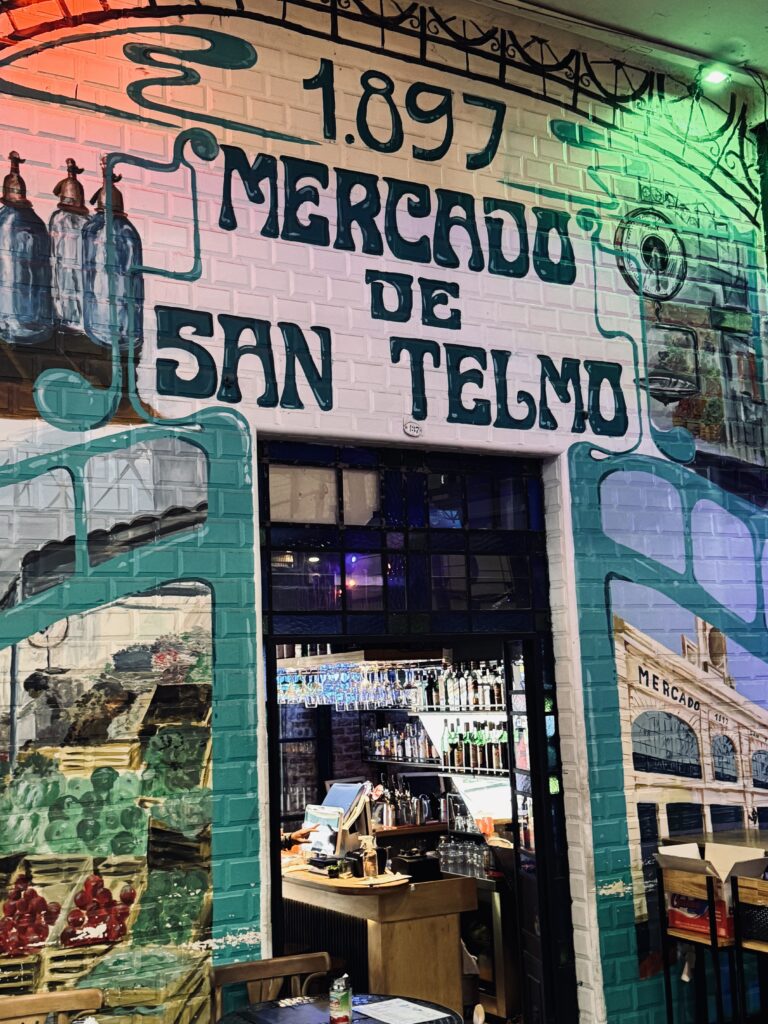




Flights, Accommodations, and Everything You Need to Book in One Place
Are you planning a vacation this year? Start your research early to explore your options and find what fits your budget. By booking your own travel, you’ll uncover great deals and have complete control over your itinerary. The links below can be used for all elements of your trip, not just accommodations.
It is essential to price out accommodations on various sites. Expedia is a US-based company, whereas Booking.com is a European company. Not all properties appear on both, so it is best to check both. Our personal first choice is Booking.com. If the establishment has a website, check the price there as well. Click the link below to check out hotels and vacation homes in the area. It may be just the motivation you need to start planning that next grand adventure.
Our Top Recommended Travel Products
Travel Insurance
Squaremouth.com
Our Favorite Travel Insurance Site!
We strongly advocate comprehensive travel insurance, not only for minor inconveniences but also for major, unexpected events such as medical emergencies. We never leave home without it. Our go-to resource is Squaremouth.com. which offers a user-friendly platform that connects you with top-rated, reputable insurance carriers. Plus, they’ll mediate on your behalf if you run into any issues.
To empower you as a consumer, we recommend you read our blog post on why travel insurance is essential and how to secure the best coverage from leading companies at an affordable price.
MedjetAssist
Medical transport back home from anywhere in the world
Medjet is a leading provider of global air medical transport. Unlike traditional travel insurance, which typically covers medical evacuation to the nearest facility, Medjet goes further by ensuring you’re transported back to the U.S. to the hospital of your choice once you’re stable enough to fly. Medjet offers membership plans that focus on medical transport, while Medjet Horizon provides expanded coverage for broader protection. Individual trip policies start at just $99, and annual policies are available for around $300. Most policies have an age limit of 74.
To learn more about how Medical Evacuation membership with Medjet Assist works, check out our blog post for a more detailed review.
Accommodations and Airfare
Booking.com
Hotels, Home rentals, BNBs, Flights, and other Transportation & Tours
Booking.com connects millions of travelers to unforgettable experiences, a wide range of transportation options, and incredible places to stay—from homes to hotels and beyond. As one of the world’s largest travel marketplaces, it supports well-known brands and entrepreneurs of all sizes. For its convenience, variety, and reliability, it’s our preferred booking platform.
Expedia and VRBO
Hotels, home rentals, BNBs, flights, and other transportation & tours
Expedia is a U.S.-based company with a mission to make global travel accessible to everyone, everywhere. At Wanderers Compass, we embrace independent travel, and platforms like Expedia are essential to making that a reality. Expedia allows you to book every aspect of your trip—from flights and accommodations to rental cars, cruises, and activities—making it a one-stop shop for all your travel needs.
Transportation
Daytrip
Personalized city-to-city private car transfer service
Daytrip provides an affordable private car service for city-to-city transfers worldwide, and we absolutely love their service. It’s a cost-effective alternative to renting a car, offering comfortable, stress-free travel with scenic stops along the way. For example, we used Daytrip for travel between Budapest and Vienna, enjoying some fantastic detours to local attractions. With professional drivers and customizable routes, Daytrip ensures a smooth ride while allowing you to explore hidden gems and unique sights along your journey.
To learn more about Daytrip, check out our blog post for a more detailed review.
Travel Experiences
Viator
The leading marketplace for travel experiences
Viator believes that travel is all about creating unforgettable memories. With over 300,000 experiences to choose from—ranging from simple tours to extreme adventures, plus a wide array of unique, niche activities—it’s never been easier to make lasting memories. We frequently use Viator during our travels and especially appreciate its flexible cancellation policy, which provides peace of mind with every booking.
Shopping
Wanderers Compass Amazon Storefront
An excellent source for all travel essentials and guides that we have vetted ourselves
Amazon is one of the world’s most comprehensive online shopping platforms, offering lower prices, a wide selection, and fast delivery through its global fulfillment network.
This page contains affiliate links. When you purchase through these links, we may earn a small commission at no extra cost to you. Thank you for your ongoing support!
Want to Learn the Story Behind Wanderers Compass?
Check out our most recent blog posts
Returning to Venice: Why We Keep Coming Back
Explore the charm of Venice and discover why returning to Venice is always a…
September 28, 2026
Savoia Excelsior Palace: Where Trieste’s History Meets the Adriatic
Our stay at Savoia Excelsior Palace deepened our connection to Trieste and inspired a…
September 6, 2026
Global Entry for Kids: What Parents Need to Know Before Traveling
Do children need their own Global Entry membership? We learned the answer firsthand after…
September 5, 2026
Rovinj Beyond the Postcard: Exploring Croatia’s Istrian Coast
Rovinj is one of the places that keeps drawing us back to Croatia. From…
August 29, 2026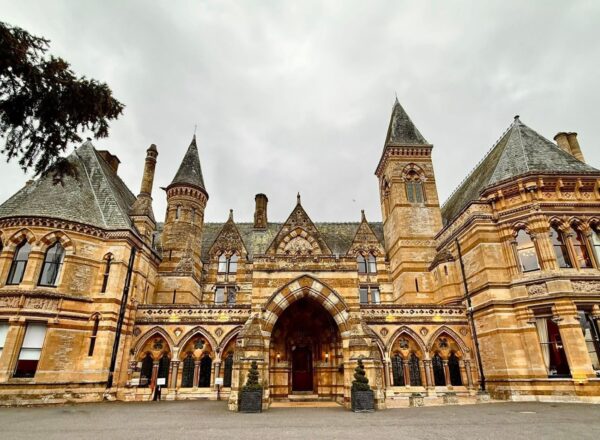
When the Hotel Becomes Part of the Journey: Ettington Park Hotel
Our second Luxe Beat feature explores Ettington Park Hotel, a historic country estate that…
August 27, 2026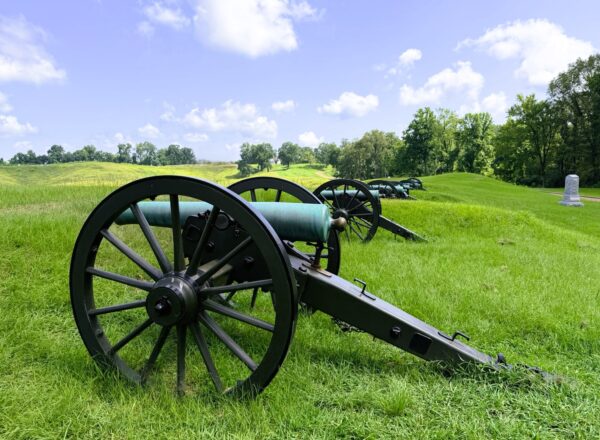
Vicksburg Battlefield: The Campaign That Opened the Mississippi River
Visit Vicksburg Battlefield and learn how its unique terrain shaped Civil War tactics. A…
August 26, 2026
How We Balance Luxury Travel With Authentic Experiences
Uncover the definition of Authentic Luxury Travel with us as we share insights in…
August 25, 2026
Kilmainham Gaol: A Place of Remembrance in the Heart of Dublin
Kilmainham Gaol tells Ireland’s story of struggle and sacrifice. Visit to appreciate its deep…
July 27, 2026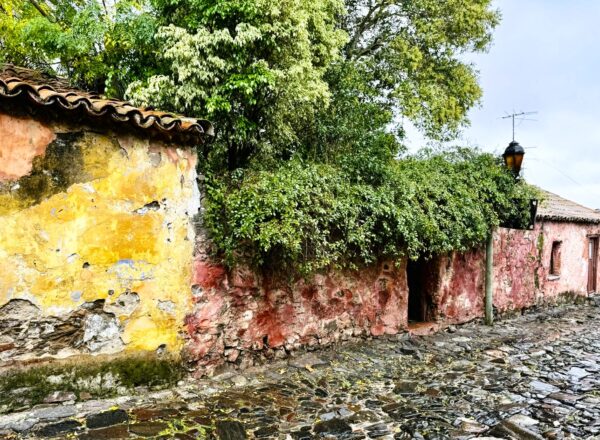
Colonia del Sacramento, Uruguay: A Timeless Day Trip Across the Río de la Plata
Explore Colonia del Sacramento, Uruguay, cobblestone streets, riverside sunsets, wine tasting, and a walk…
July 27, 2026
Wanderers Compass Magazine July Issue
Check out the Wanderers Compass Magazine July Issue for travel insights from our 5-country…
July 24, 2026
Hiroshima: A Journey That Changed Us
Hiroshima changed the way we see travel. Read about our experience and discover our…
July 23, 2026
Introducing Table & Compass: A New Podcast from Wanderers Compass
Welcome to our Table & Compass, our new podcast created in partnership with Big…
July 23, 2026
No Comments