

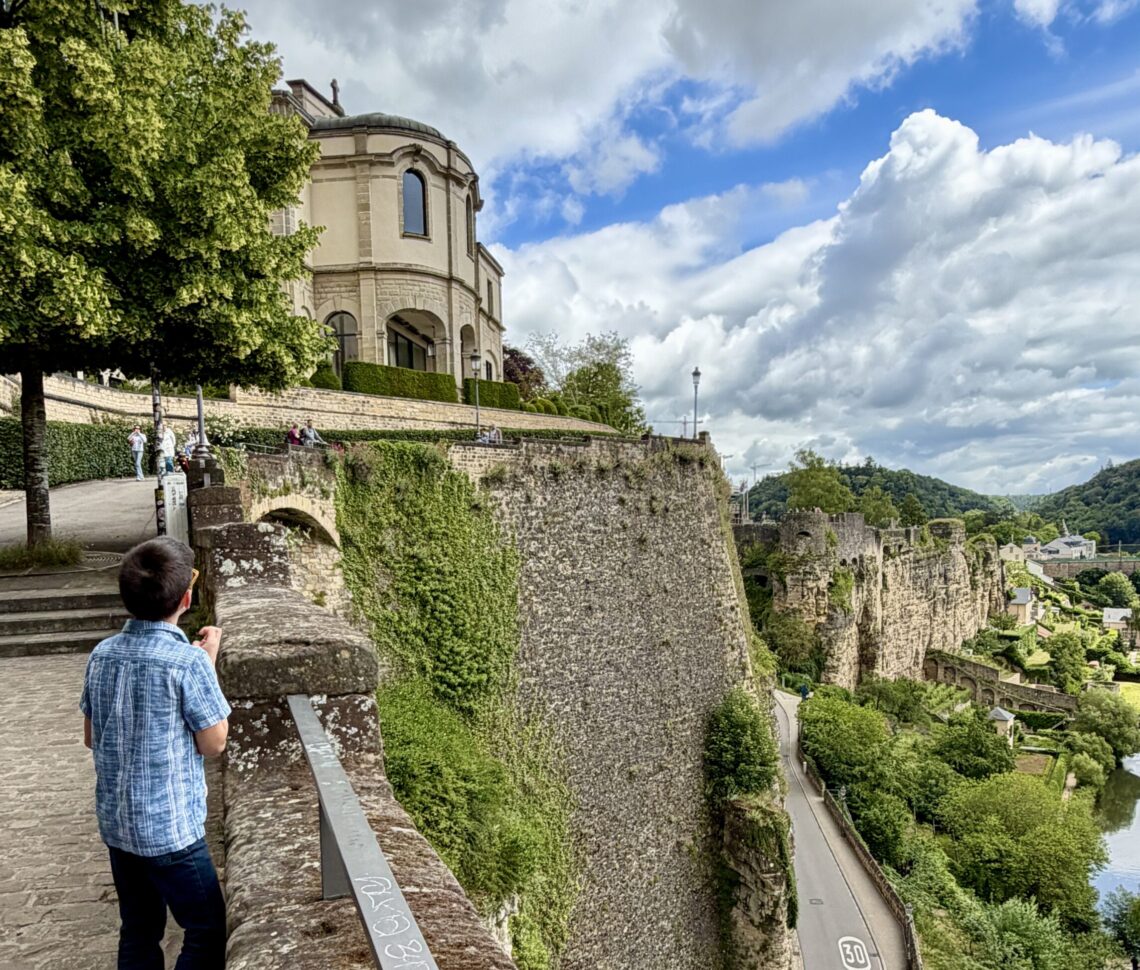
Sometimes you will never know the value of a moment until it becomes a memory
Dr Seuss
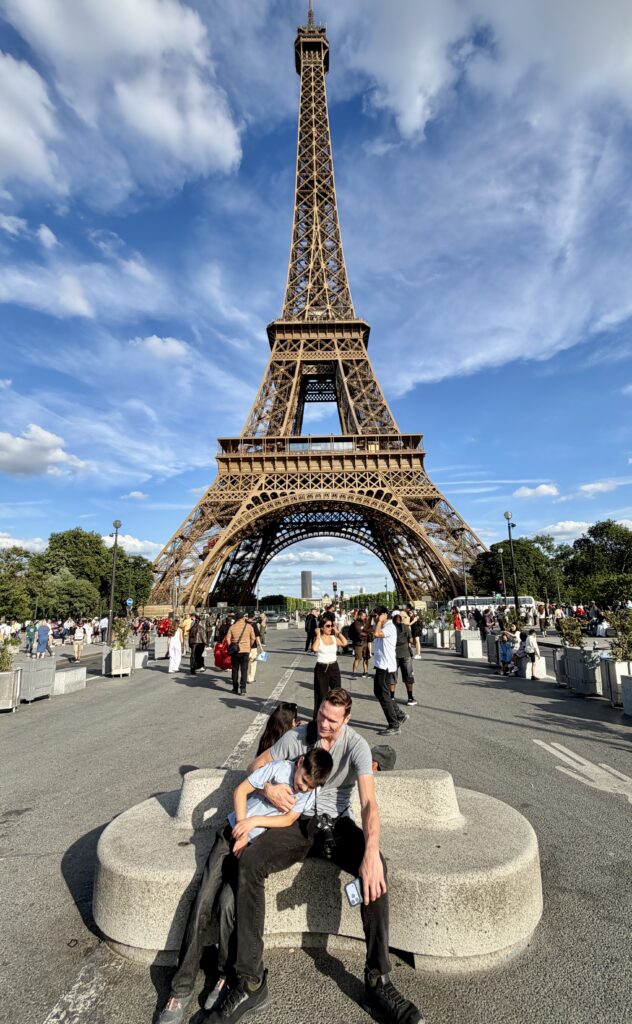
Standing on the third level of the Eiffel Tower on a beautiful afternoon in Paris, I looked over and saw my son staring across the city in complete amazement.
The Seine wound through the heart of Paris below us. Historic buildings stretched to the horizon. For a few moments, he was completely silent as he tried to take it all in.
As we made our way back down and headed toward our hotel later that evening, he couldn’t stop talking about everything he had seen.
It wasn’t the last memorable moment of our trip through France, Belgium, Luxembourg, Germany, and the Netherlands, but it was one of those moments that reminded me why we travel.
One of the questions I get asked most often is simple:
“What is it like traveling internationally with a child?”
My answer is always the same.
It is incredible. Take the trip.
I understand the hesitation. International travel with children can seem intimidating. There are long flights, unfamiliar foods, different languages, changing schedules, and plenty of opportunities for things to go wrong. Parents wonder if their child is too young, whether they will remember the experience, or if all the extra effort is worth it.
After traveling across Europe, Canada, and throughout the United States with my son, I can confidently say yes.
What surprised me most was realizing these trips were never about checking destinations off a list. They were about creating memories and watching a young traveler discover the world. They were about seeing curiosity turn into confidence and unfamiliar places become growth opportunities.
As parents, we often think we are teaching our children when we travel. The truth is they teach us just as much. Children notice details adults overlook. They ask questions we never think about asking and find wonder in places we might otherwise rush through.
Traveling internationally with a child requires patience and flexibility, but the rewards are immeasurable. Along the way, I have learned lessons that have transformed how I travel and how I parent.
Give Them Ownership of the Journey

One of the best decisions I ever made was to involve my son in the travel experience rather than bring him along. Children, no matter what their age, should be given a voice because this is their adventure too.
Children have opinions, interests, and ideas. When we listen to them, they become invested in the journey. I ask what he wants to see, let him help choose activities, and sometimes even allow him to decide what comes next.
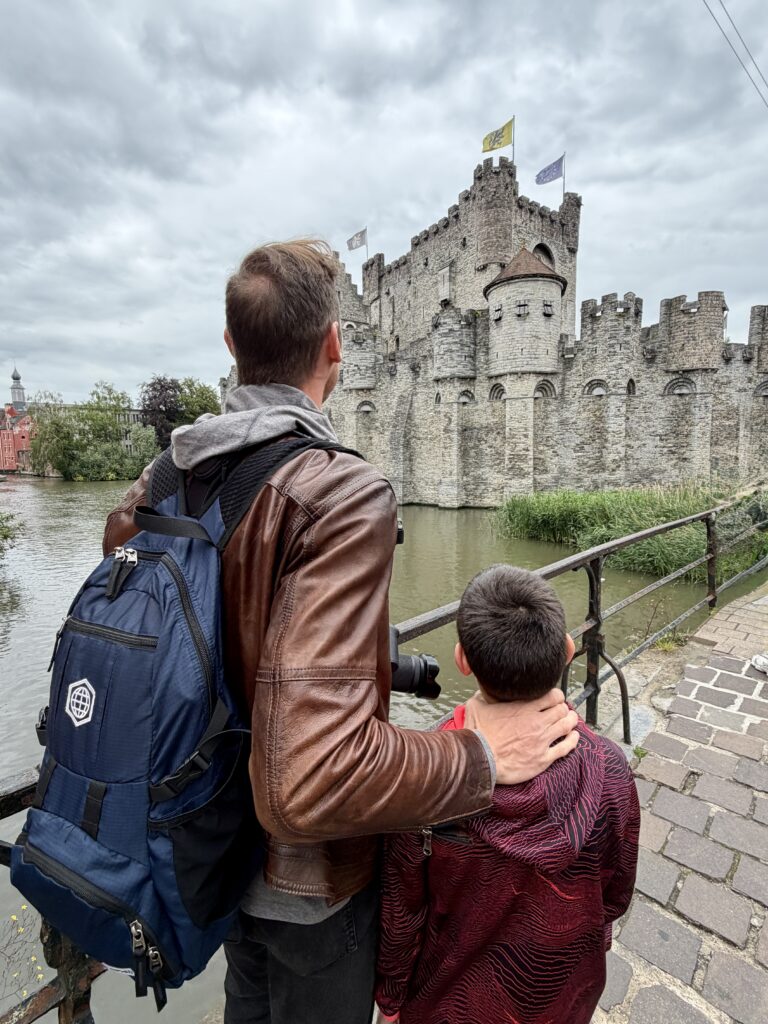
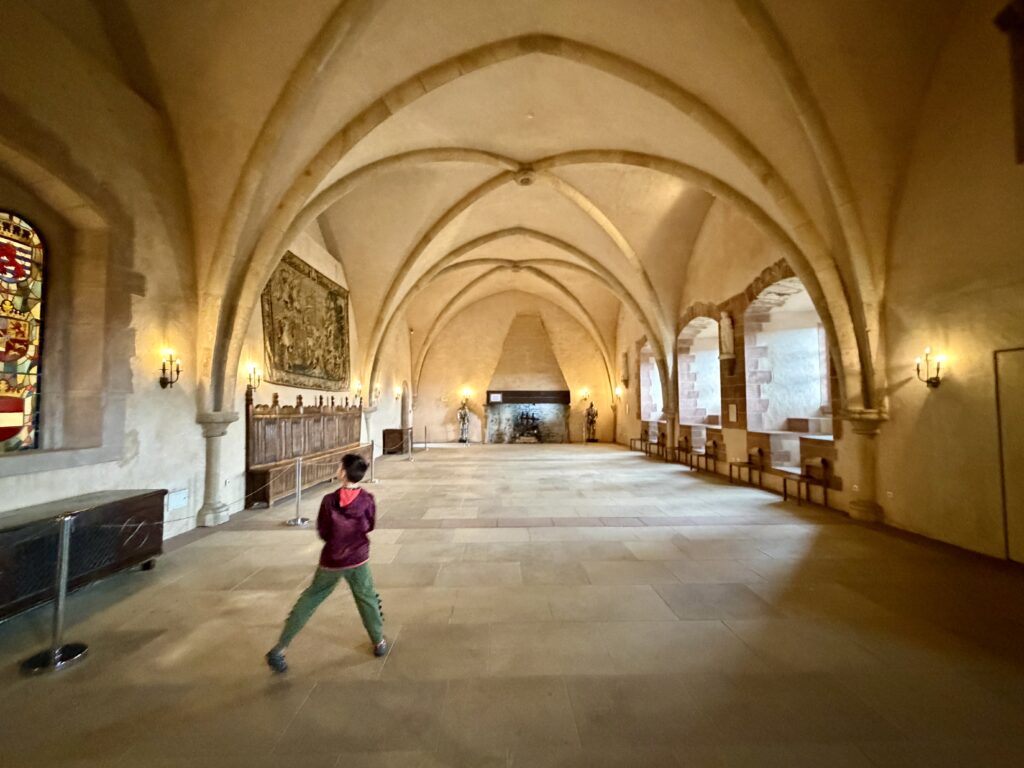
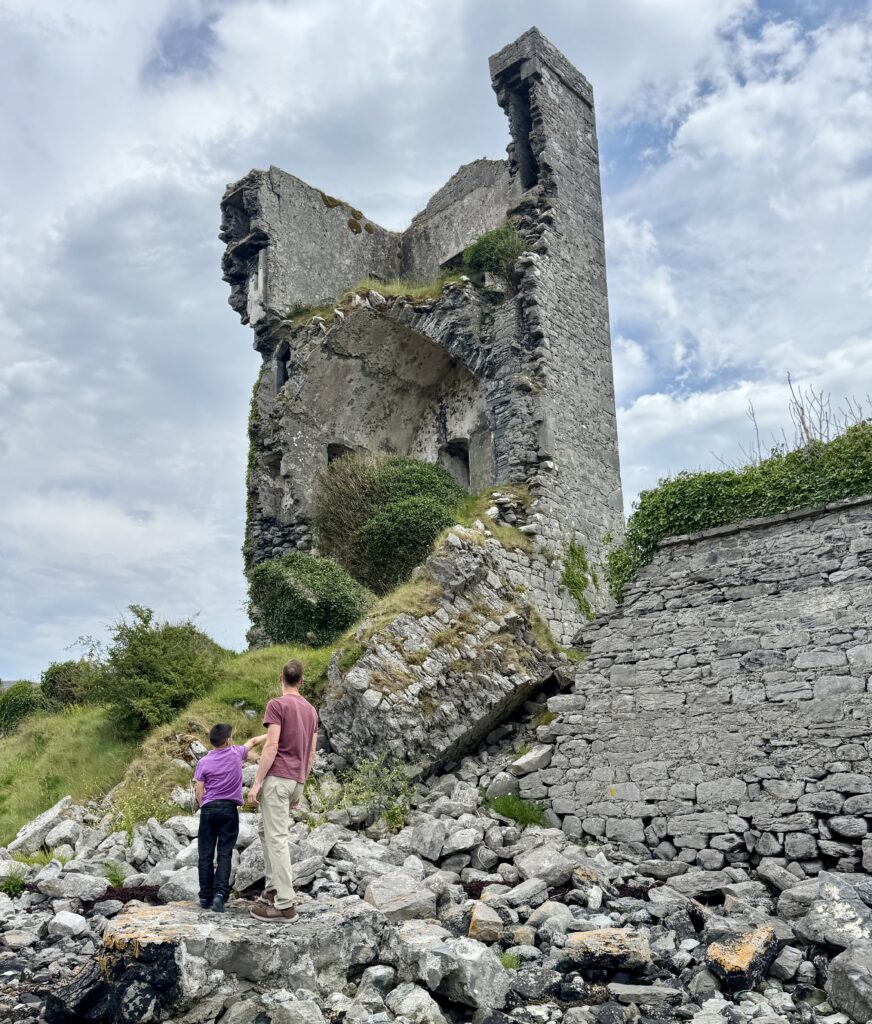
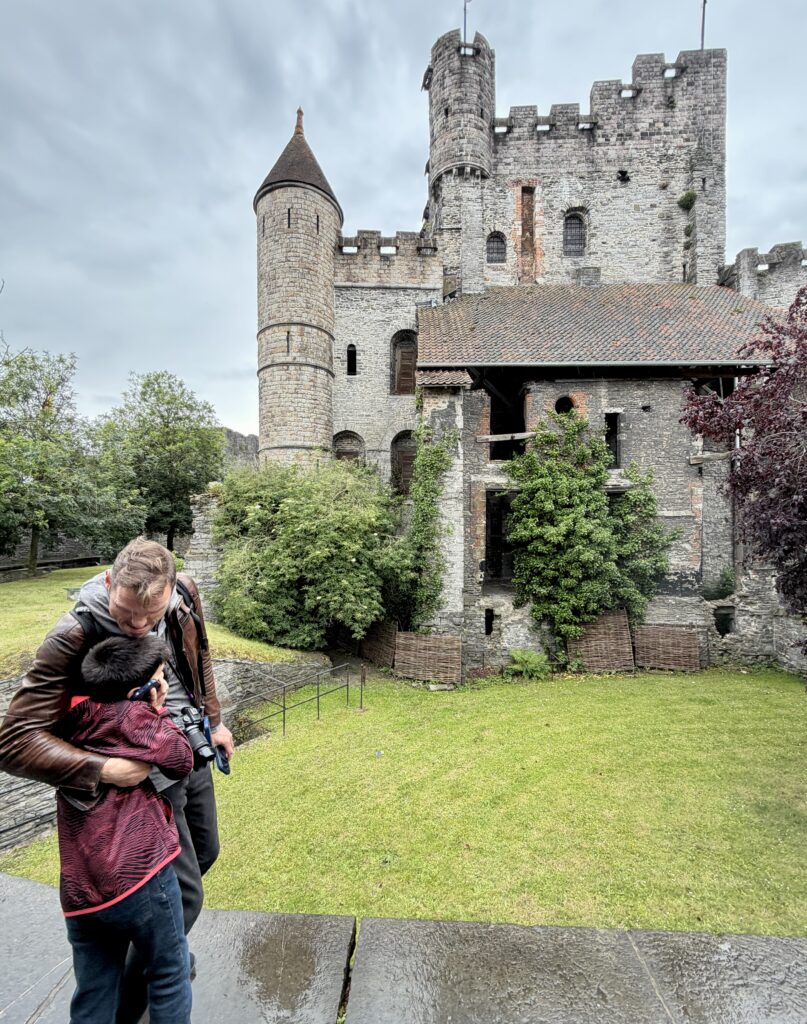
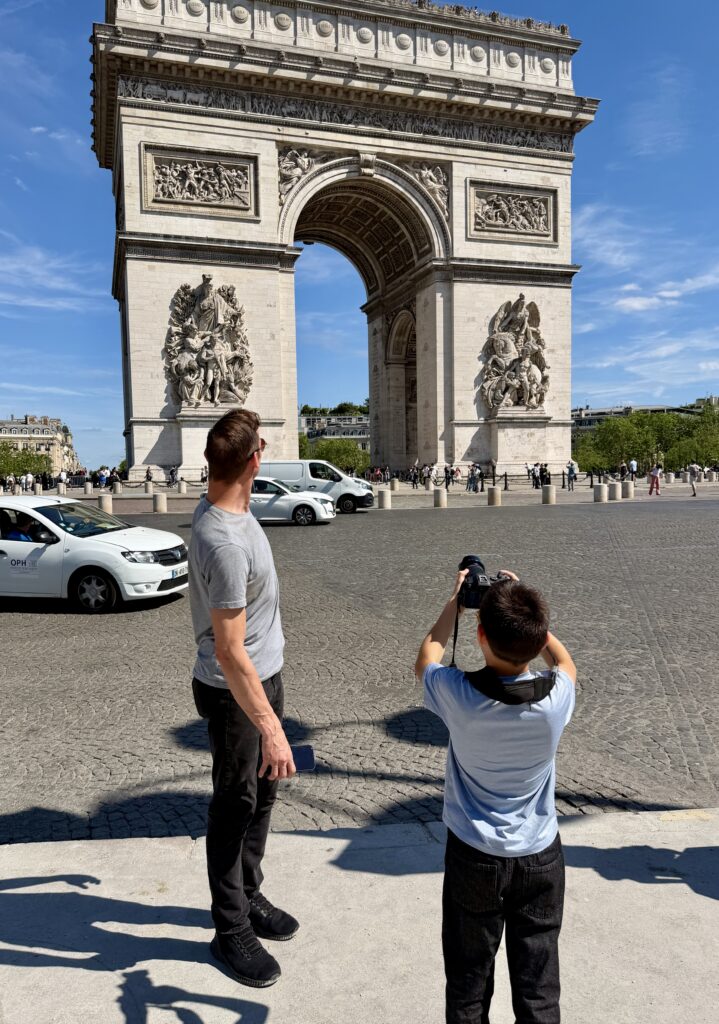
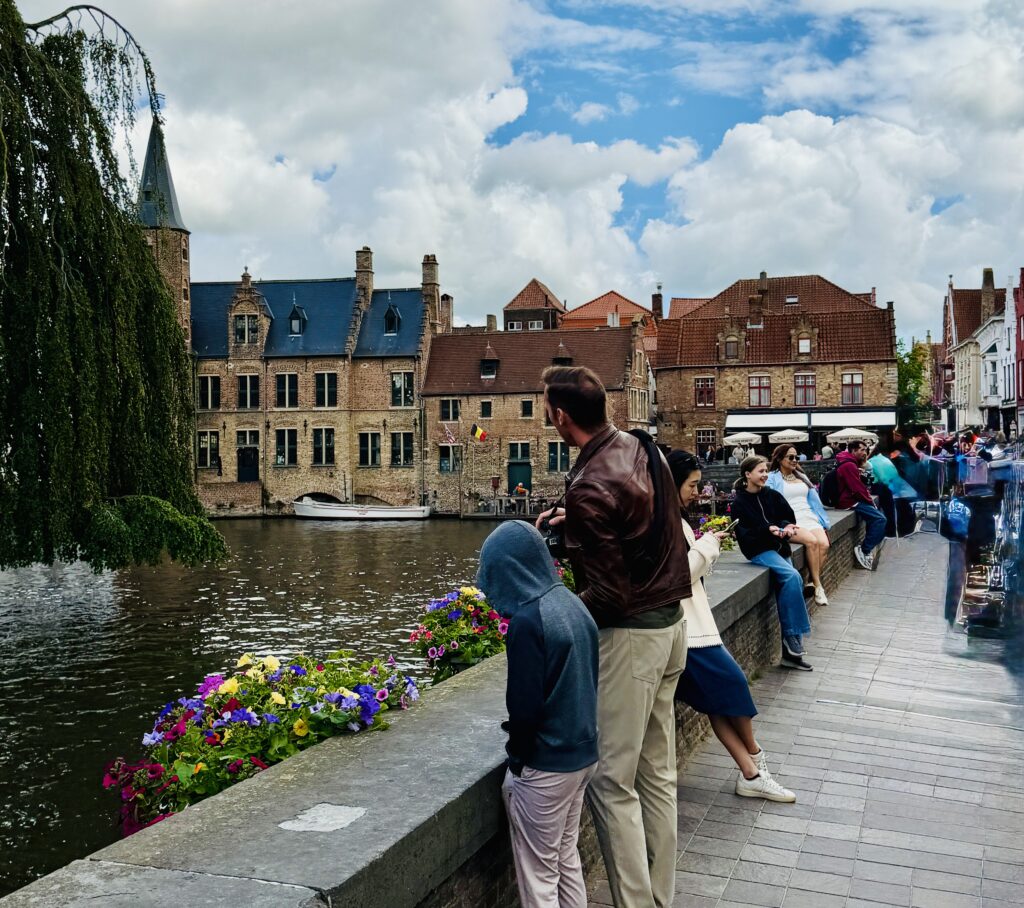
During our recent travels through France, Belgium, Luxembourg, Germany, and the Netherlands, I occasionally adjusted our plans when something caught his attention. Sometimes it was a castle. Other times it was a market square, a fountain, a local food stand, or simply a street performer drawing a crowd.
Those moments often became the highlights of the day.
Giving children ownership does not mean letting them plan the entire trip. It means allowing them to feel like active participants rather than passengers. When they feel included, they become more curious and engaged.
Some of my favorite memories have come from slowing down and following his interests instead of sticking rigidly to an itinerary.
Give Them a Camera

If I could offer one piece of advice to every parent, it would be this: give your child a camera.
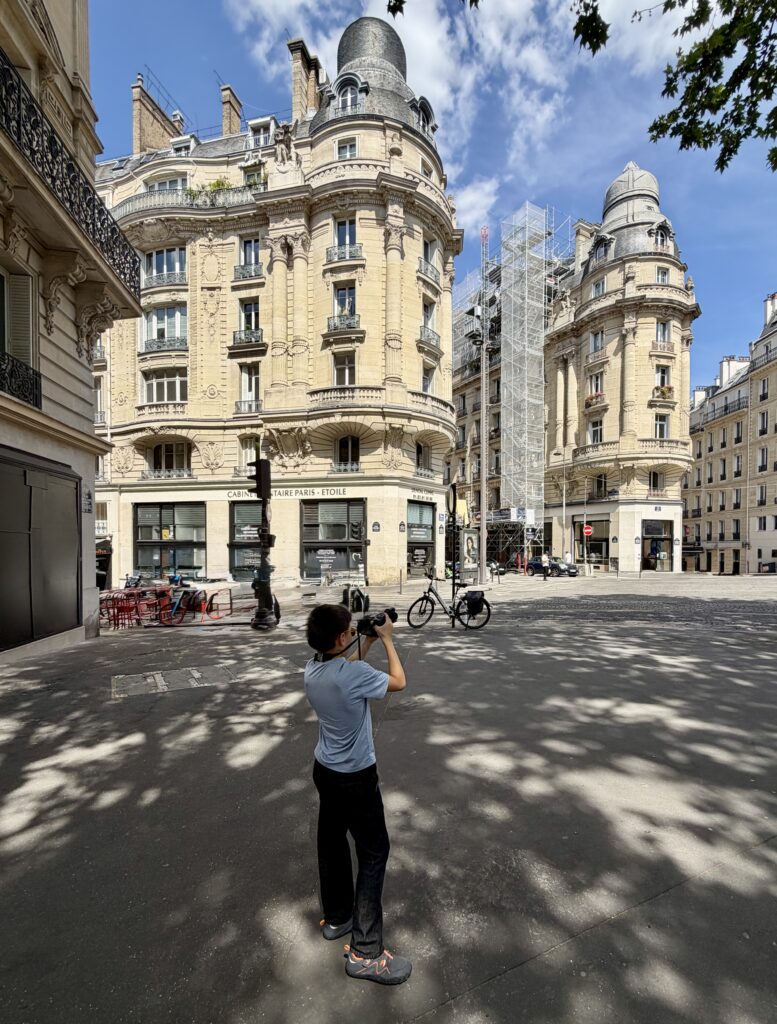
During our recent European adventure, I handed my son my camera and frequently let him use my phone whenever he wanted to take photographs.
Almost immediately, his perspective changed.
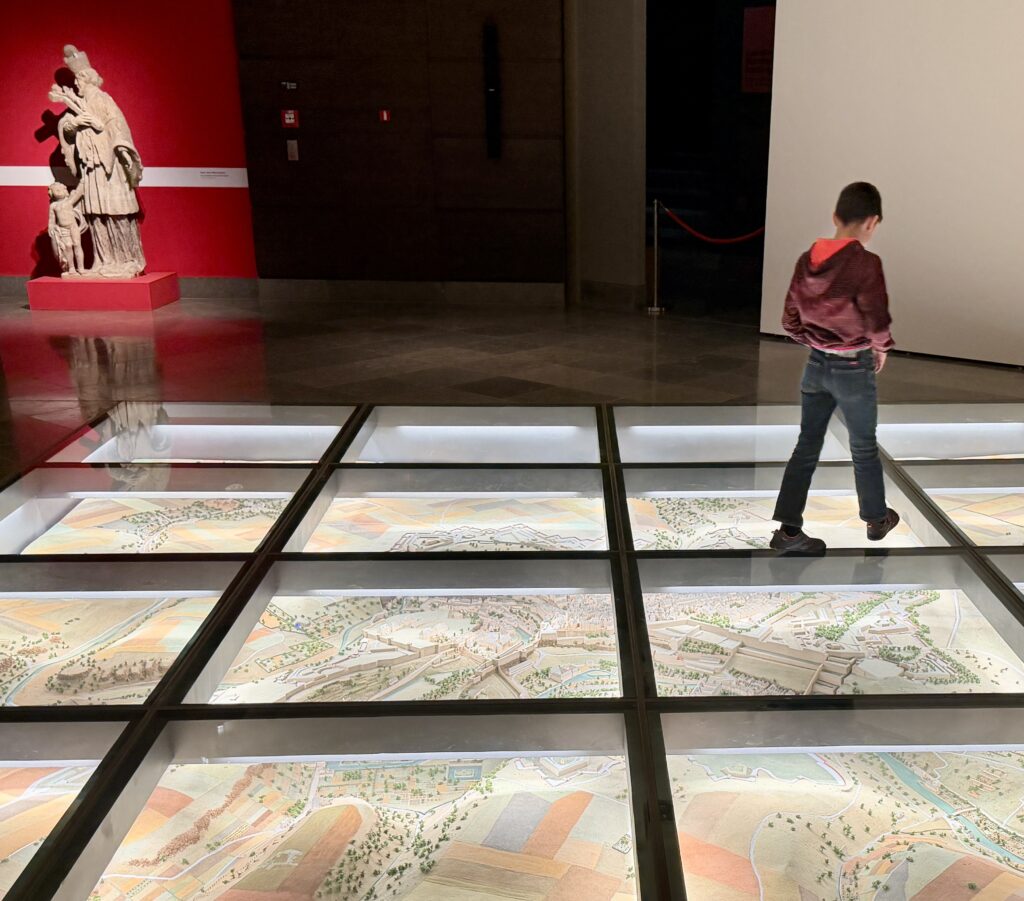
He started looking at destinations differently. Instead of simply walking through castles, churches, and historic towns, he began searching for interesting angles and details. He photographed stained-glass windows, carvings, statues, towers, fountains, and architectural elements that I often overlooked.
Soon, he wanted to learn how to edit photos. During downtime in hotels, airports, and train stations, we would sit together and work on images. What started as a travel activity became a creative outlet.
More importantly, it made him pay attention.
Photography transformed him from an observer into a participant. He became invested in what he was seeing because he wanted to tell a story through his images.
Travel provides endless opportunities for children to be creative, and photography has become one of our favorite ways to help him engage with the world around him.
Turn Travel Into a Game
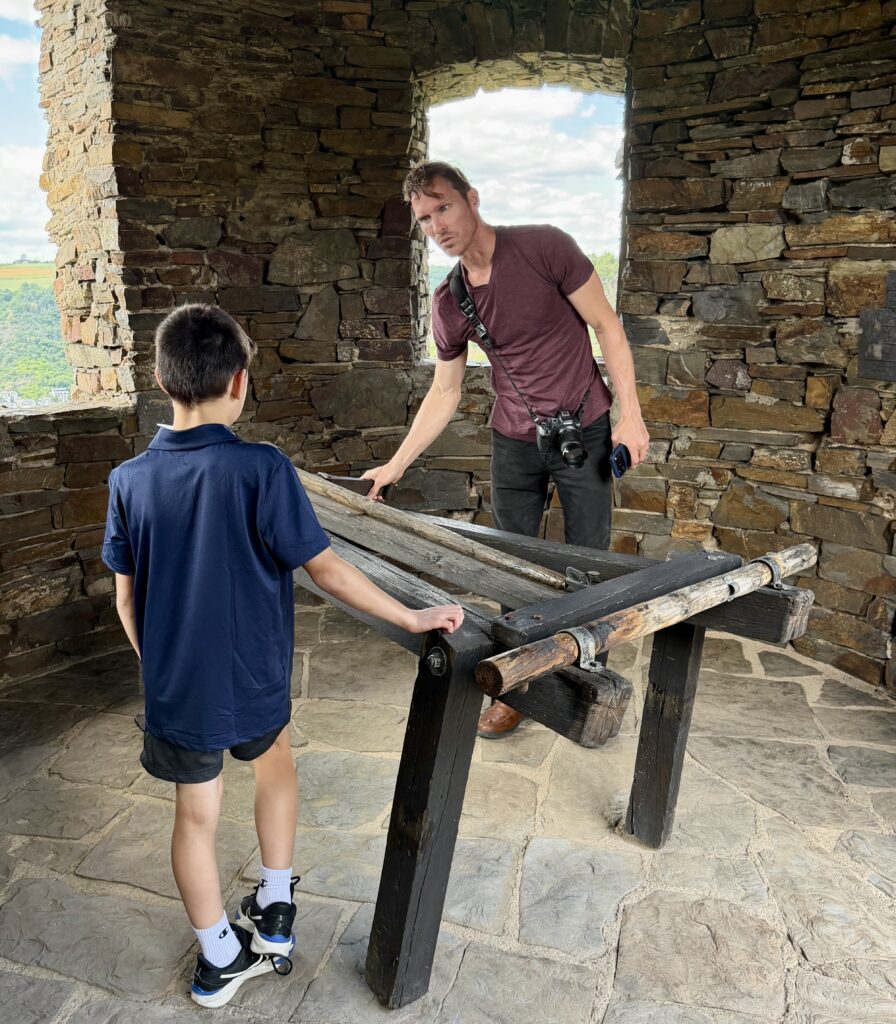
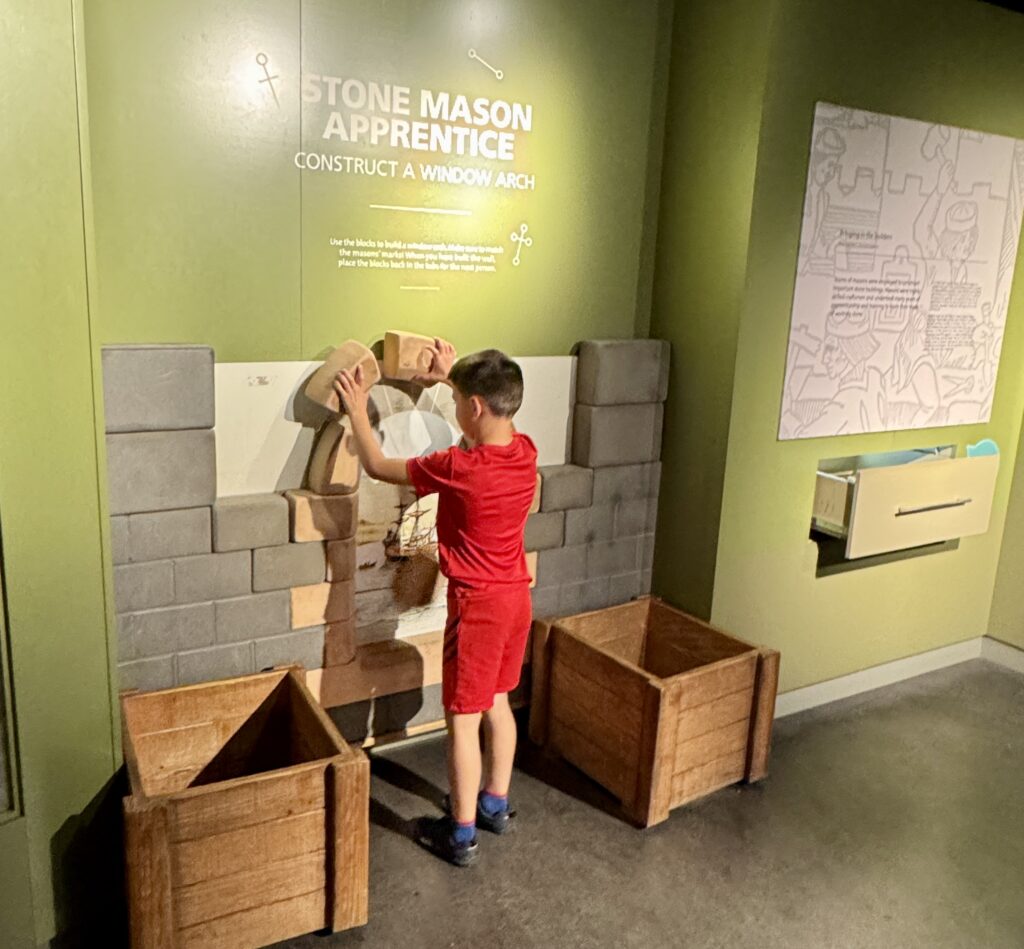
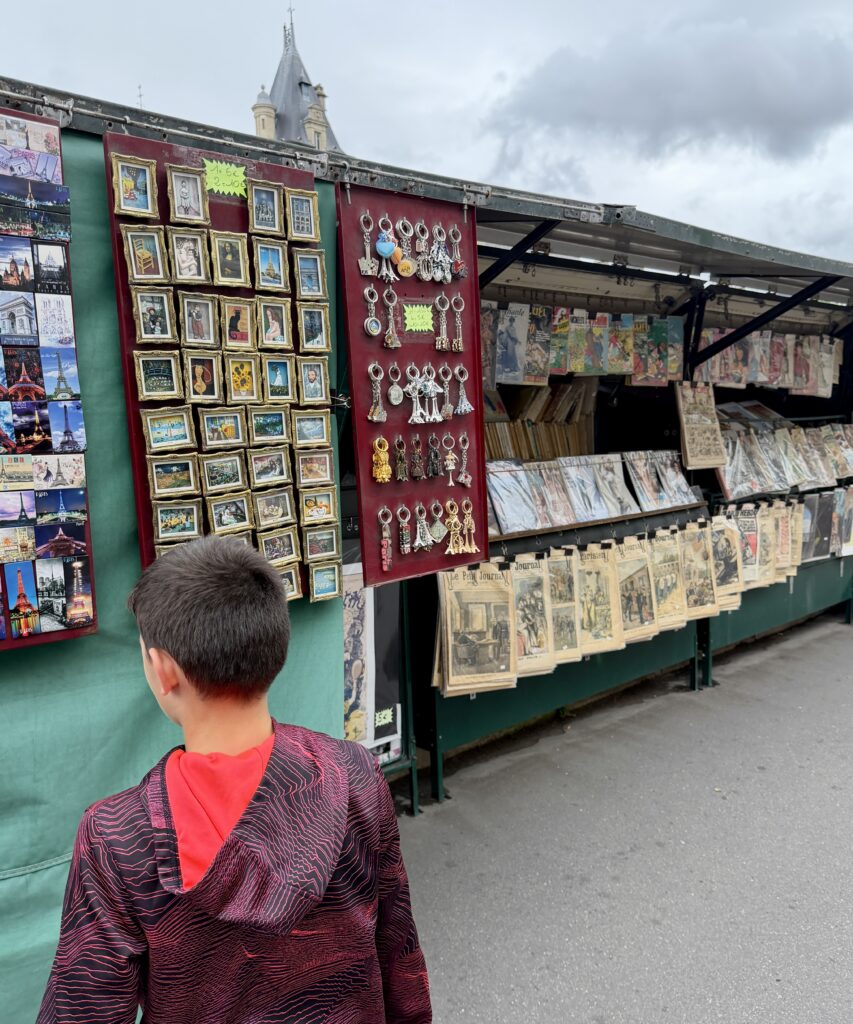
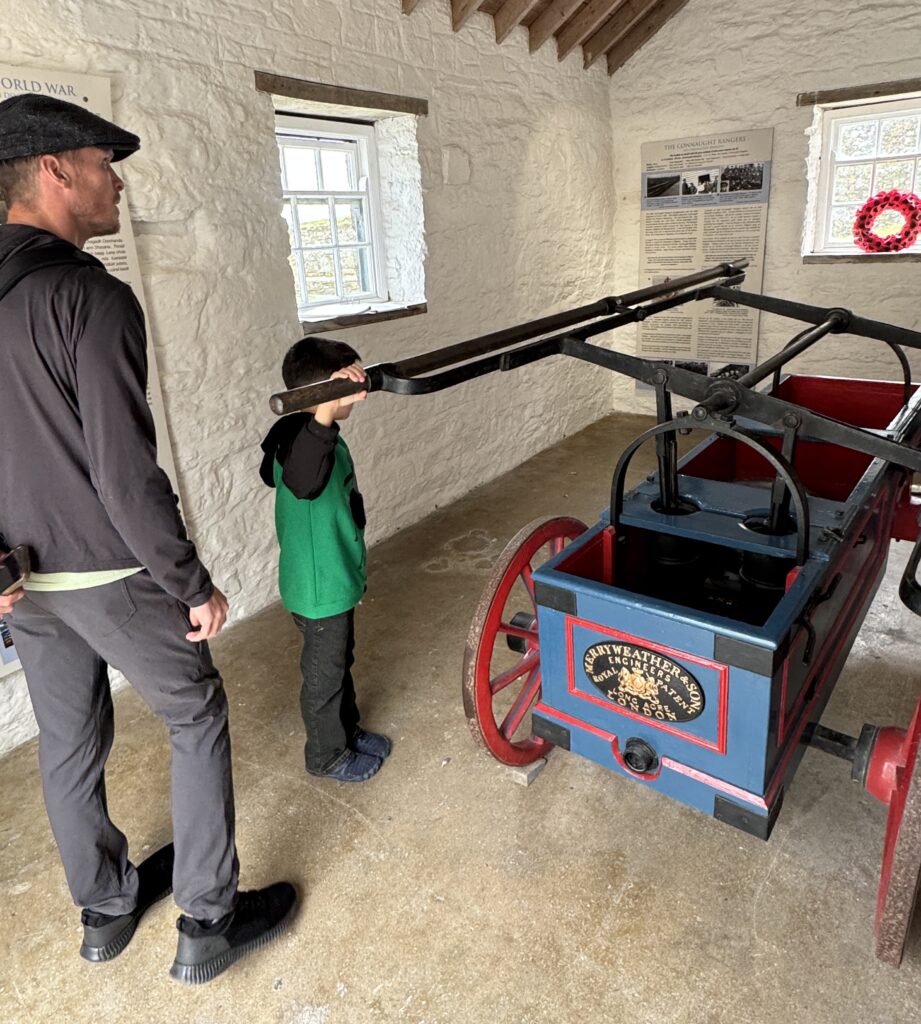
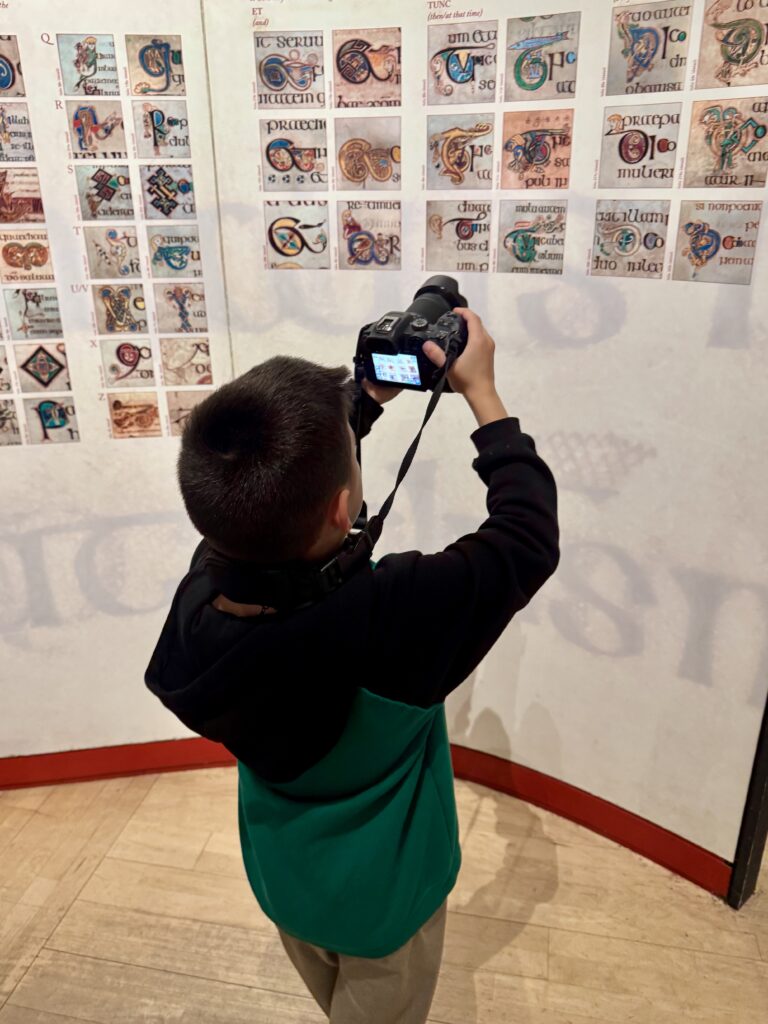
Children are naturally curious, and travel provides endless opportunities to nurture that curiosity.
One thing I have learned is that children respond much better to games than lectures.
Instead of reciting historical facts, I ask questions.
How is this castle different from the last one?
Can you find the oldest building in the square?
What animals do you see carved into the church?
Does this place remind you of somewhere else we have visited?
These simple challenges encourage children to pay attention and make connections.
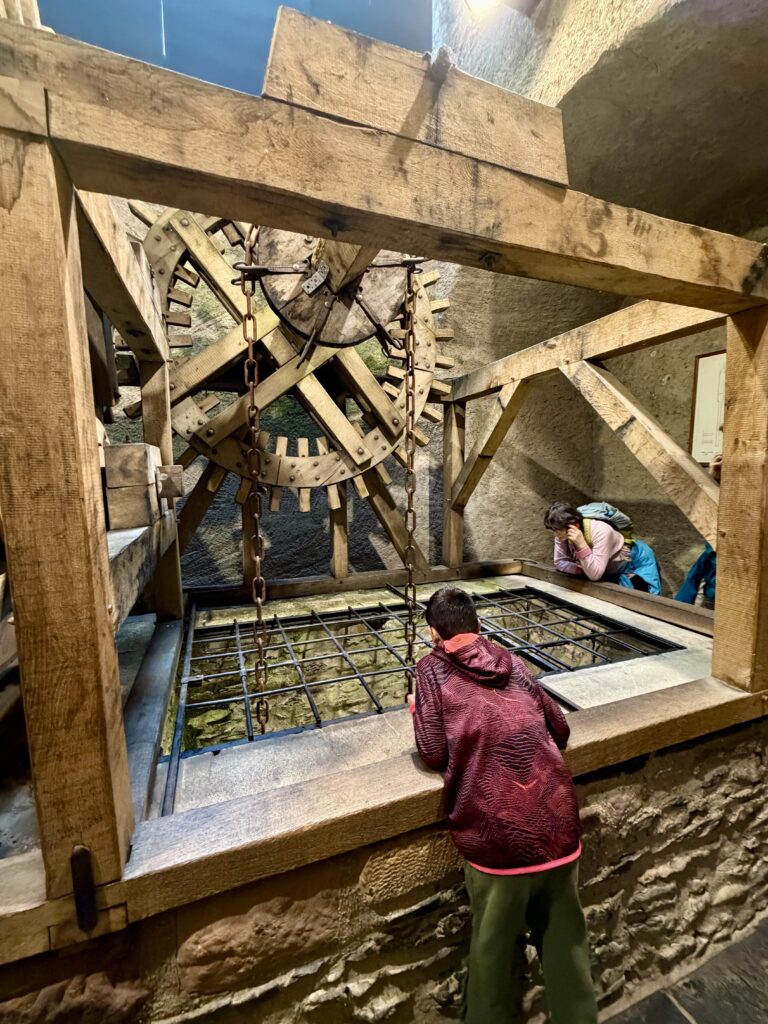
During our recent travels, we visited countless castles, churches, and historic sites. Rather than worrying about whether he would remember dates or names, I focused on helping him observe what made each place unique.
The result was remarkable. He started asking more questions and making connections between destinations on his own.
Travel became something he actively participated in rather than something that happened around him.
Embrace Local Culture

Some of my favorite parenting moments have happened because of travel.
During my son’s first trip to Ireland, I taught him the Irish word for “cheers.” At the time, it was simply a fun phrase to learn while sharing a meal. Years later, he still proudly says it whenever glasses are raised at a restaurant. To listen to our podcast, click here: “Exploring Ireland Through the Eyes of a Child.”
It became part of him.
Another simple habit we have developed is learning a few basic words before every trip. We are not trying to become fluent. Instead, we focus on simple phrases such as hello, goodbye, please, thank you, and cheers.
Children learn these words remarkably quickly, and they enjoy using them.
Whether we were in Ireland, France, Belgium, Germany, Luxembourg, or the Netherlands, he tried to greet people and thank them in their language. The reactions were almost always immediate. Smiles appeared. Conversations started. People appreciated the effort.
One of the most important lessons travel has taught him is that you do not need to speak a language perfectly to show respect. Simply making the effort communicates that you value the people and culture you are visiting.
Respect Begins with Participation
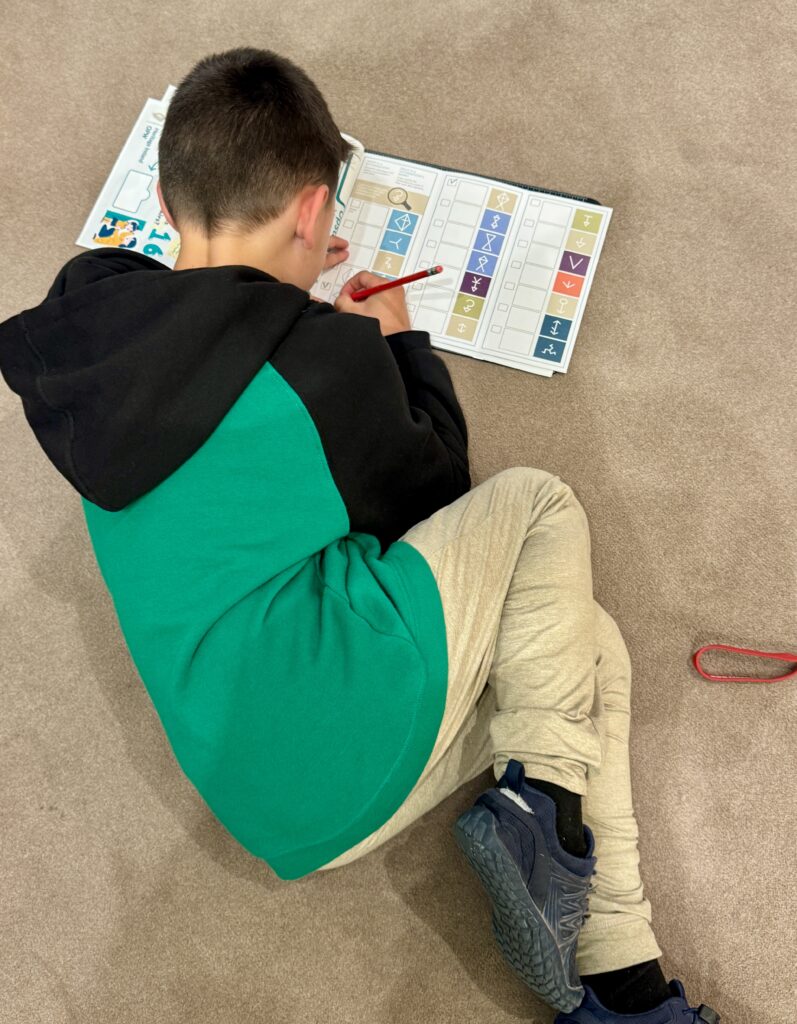
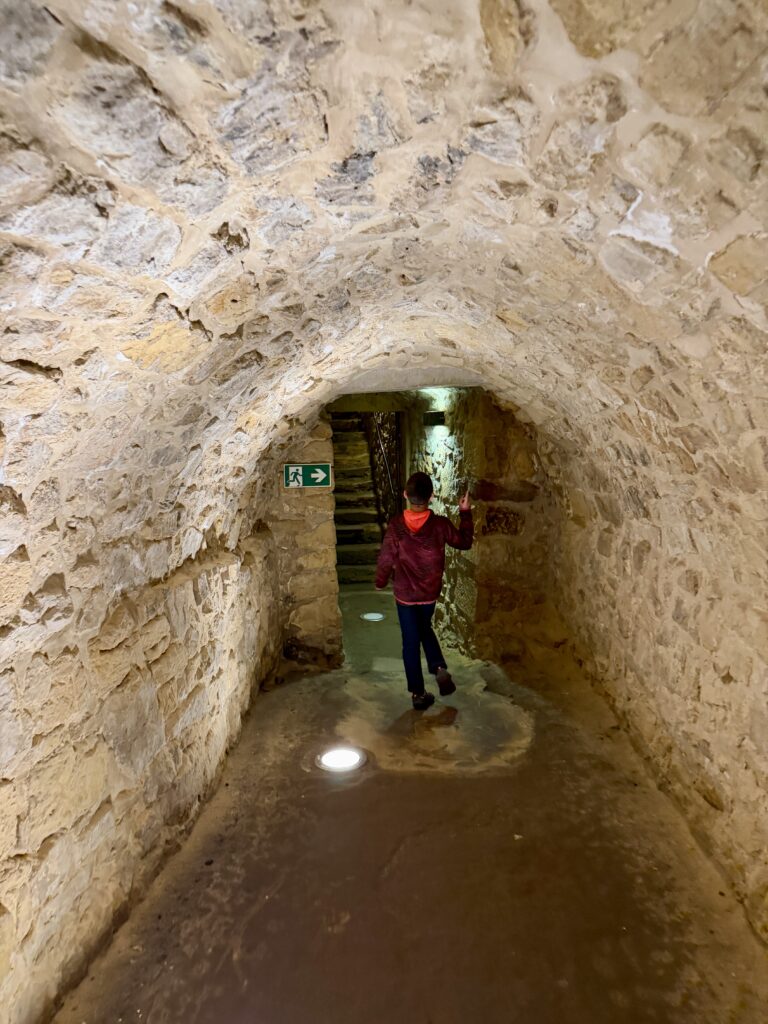

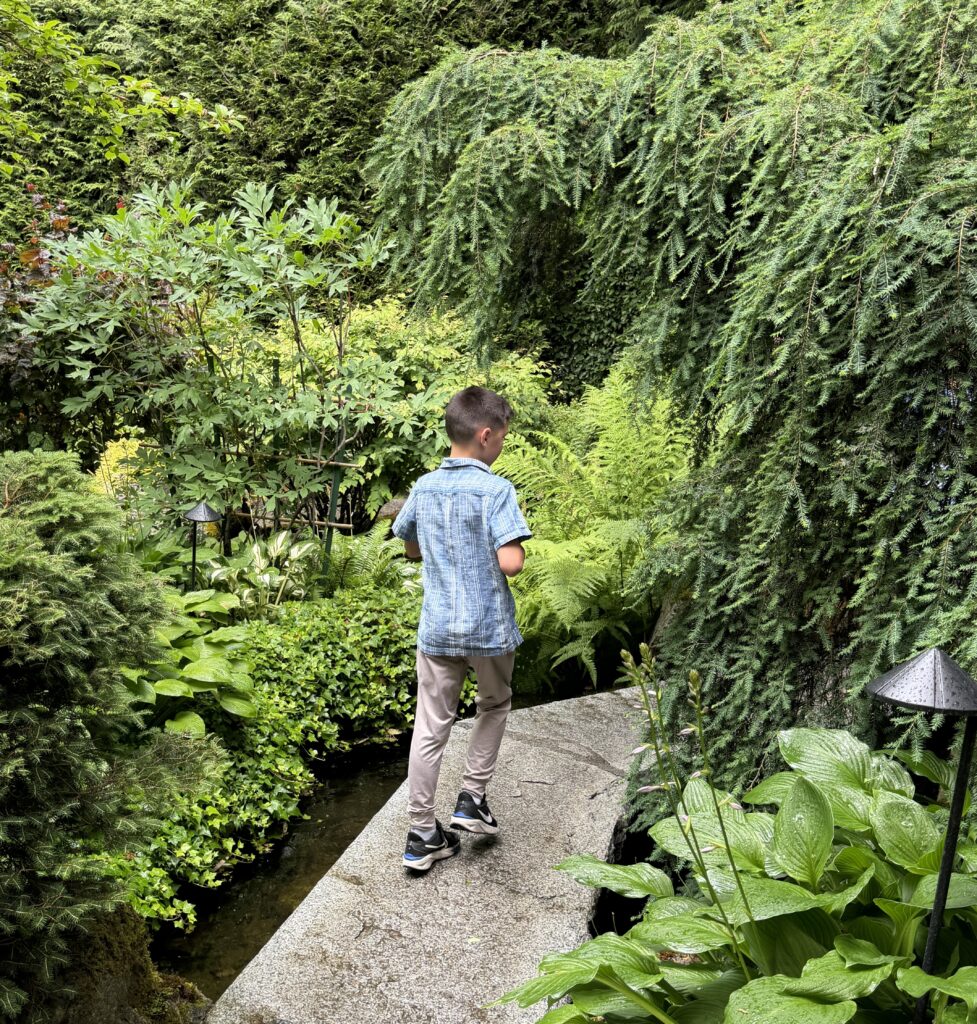
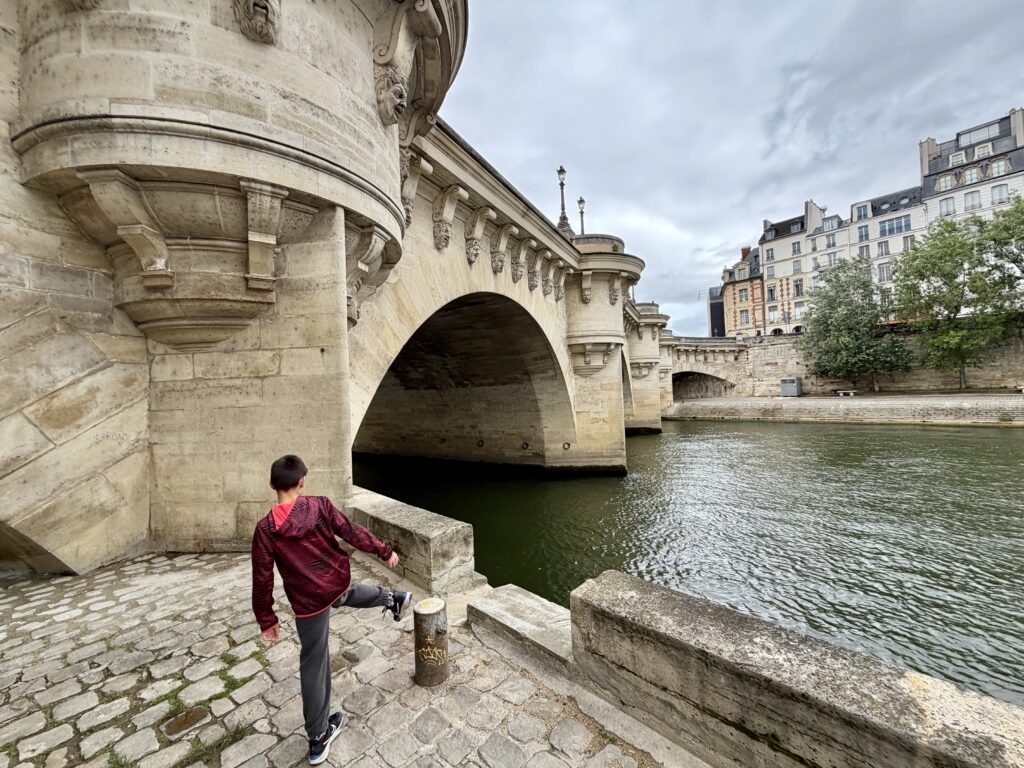
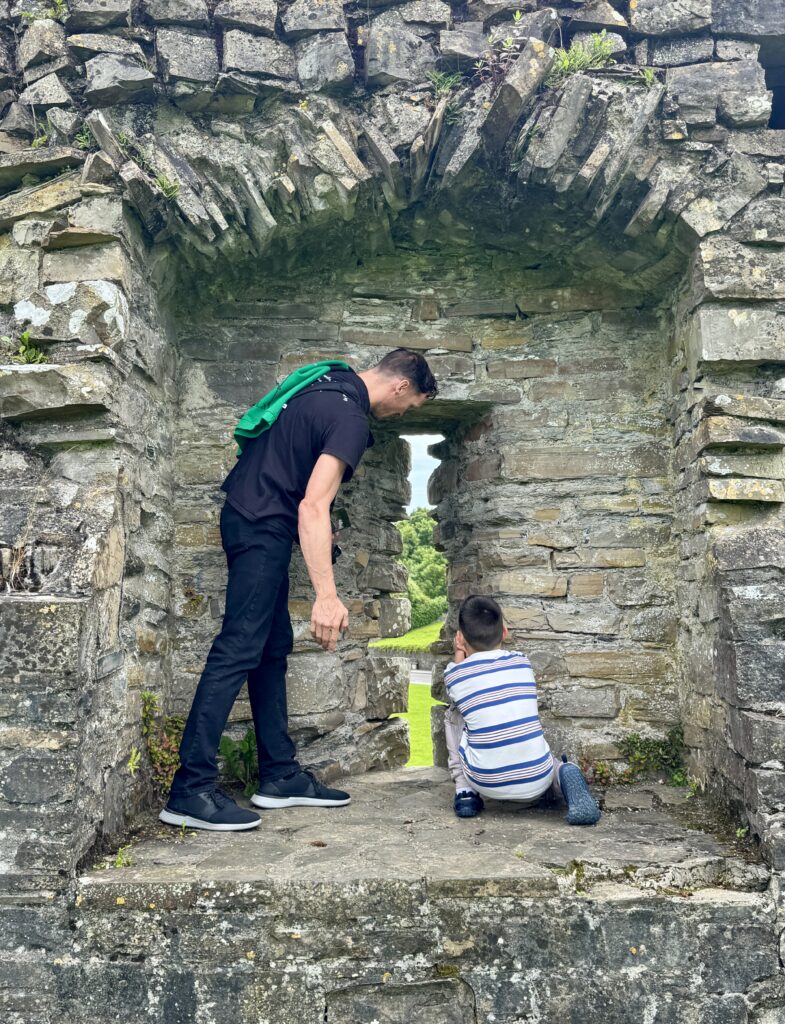
More recently, during our time in France, he learned another cultural lesson simply by observing.
Before our trip, we explained that in France, many people greet family and close friends with a kiss on each cheek. He immediately said he wasn’t interested in doing that.
Throughout the week, he watched family members greet and say goodbye that way.
On our final day together, he surprised all of us.
As we prepared to leave, he naturally went around and said goodbye to everyone exactly as he had seen the adults do throughout the week.
No reminders. No prompting.
Just a young traveler showing respect for another culture.
Travel teaches lessons that are difficult to learn in a classroom. Children learn by experiencing, observing, and participating. Those experiences often stay with them long after the trip ends.
Let Them Experience the Food


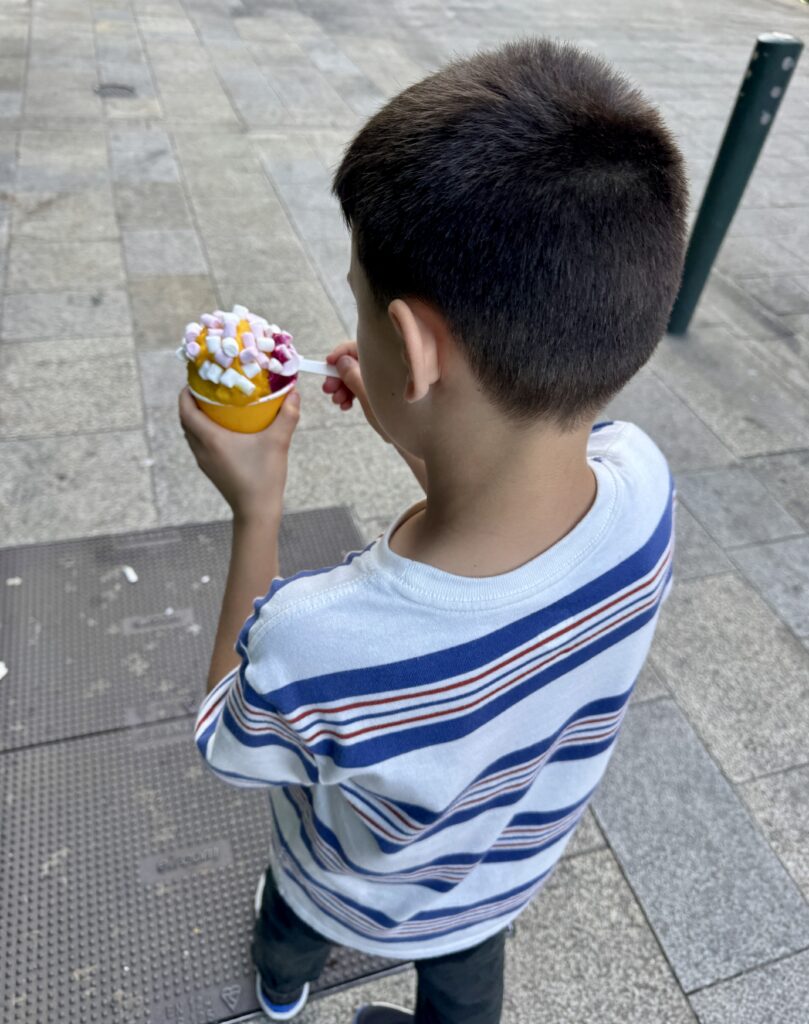
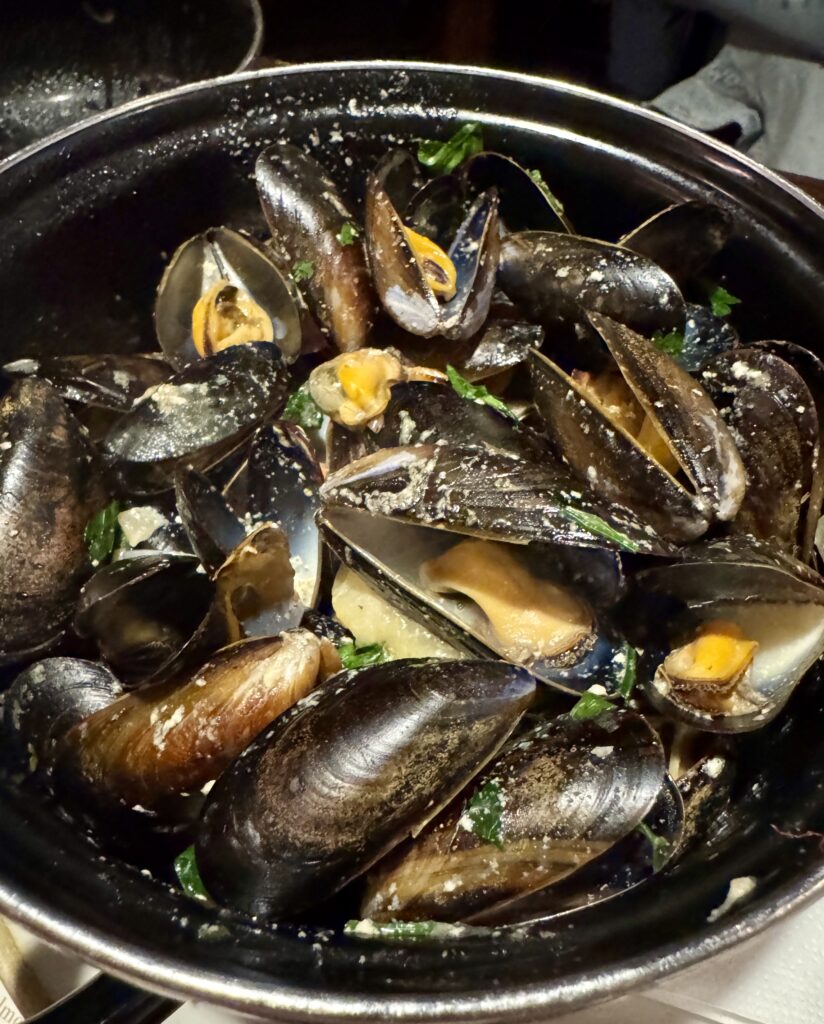
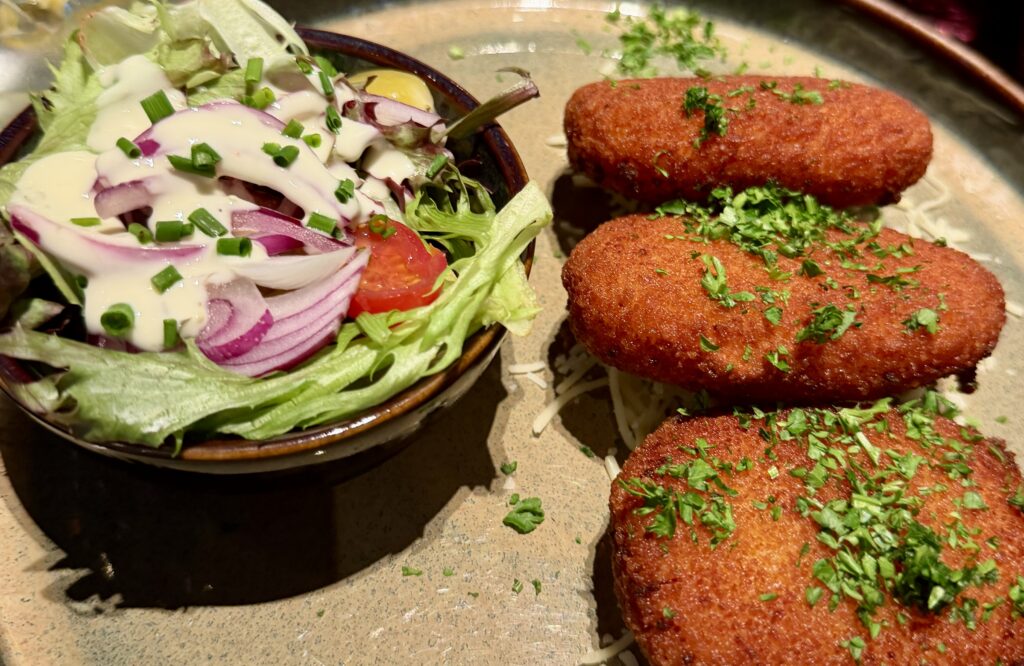



Food may be one of the most important cultural experiences children can have while traveling.
One rule I established early on is simple: you must try it. If you don’t like it, you never have to eat another bite. But you must give it a chance.
Truthfully, that lesson began with Joelle, who encouraged both of us to be more adventurous in trying local foods.
That rule has worked far better than I ever expected.
Over the years, my son has sampled everything from Irish breakfasts and French pastries to Belgian waffles, German bratwurst, cheeses, chocolates, and countless local specialties.
Sometimes the food seems unusual to him at first, but often, after a single bite, he asks for more.
We’ve reached the point where if I forget to offer him a taste of something, he’ll often remind me.
“Dad, you didn’t let me try that.”
One of my favorite examples happened recently in the Netherlands. We were looking over a menu when Joelle pointed out that they had chicken nuggets available if he didn’t want to try anything else.
His response caught all of us off guard.
“Nana, that’s too American. I want something from here.”
I couldn’t help but laugh.
Food Is a Gateway to Culture

What started years ago as a simple rule about trying new foods had evolved into genuine curiosity about local culture and cuisine. He no longer looks for familiar food first. He looks for local food first.
Food tells the story of a destination.
Through meals, children learn about traditions, history, agriculture, family customs, and culture. Every new dish becomes another opportunity to understand a place a little better.
Don’t Let Jet Lag Stop You

One concern many parents have about international travel with children is jet lag.
The good news is that children often adapt more quickly than adults if you help them get on the local schedule.
We’ve written before about our approach to overcoming jet lag, and it remains one of the most effective travel strategies we use. The key is simple: once you arrive, immediately begin living in local time.
On our recent trip to Europe, we slept very little on the overnight flight. By the time we arrived at our hotel in Paris in the middle of the afternoon, we were exhausted.
Like many travelers, it would have been tempting to take a nap.
Instead, we dropped our bags, freshened up, and headed out into the city.
We spent hours walking through Paris, enjoying the fresh air, staying active, and exposing ourselves to daylight. We explored, had an early dinner, and kept moving until it was time for bed.
By 9:30 that evening, all three of us were asleep.
The next morning, we woke up on a normal schedule and were ready to explore.
For us, the first day is never a day to rest in the hotel room. It is a day to begin experiencing the destination.
Public Transportation Becomes Part of the Adventure

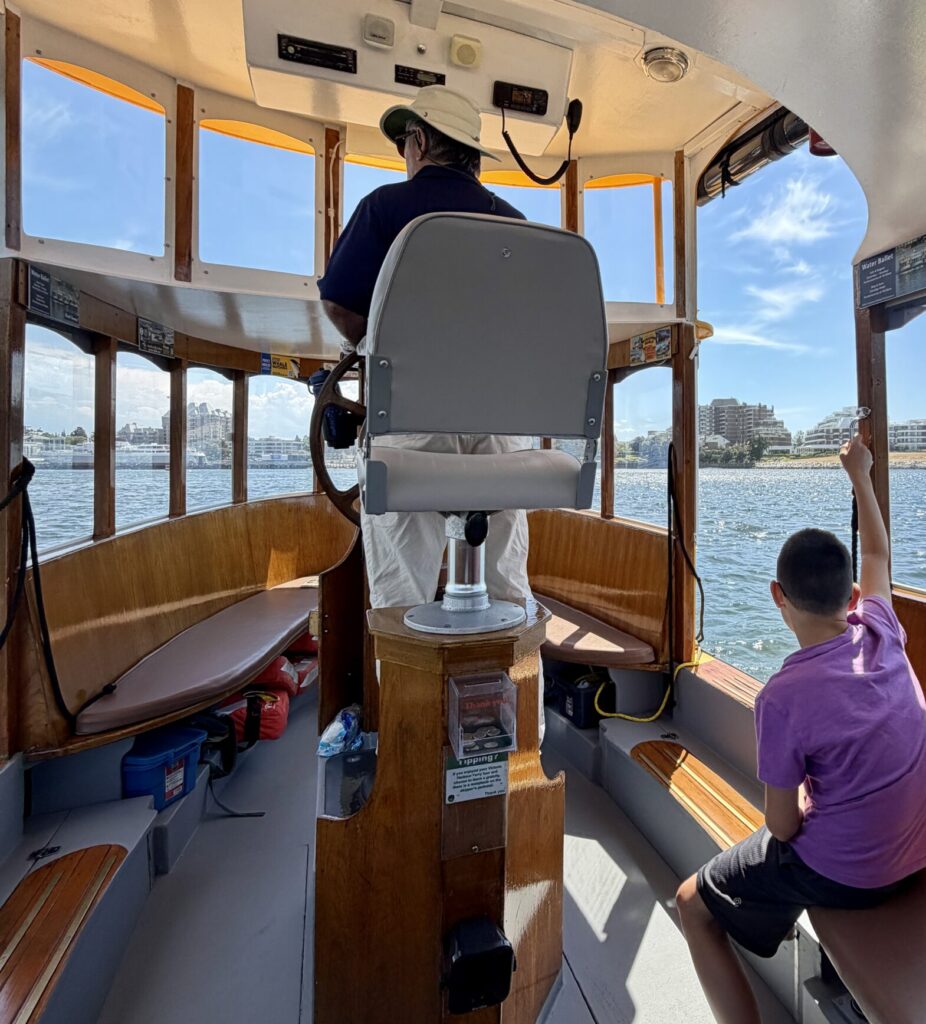
One thing that surprised me was how quickly my son embraced public transportation.
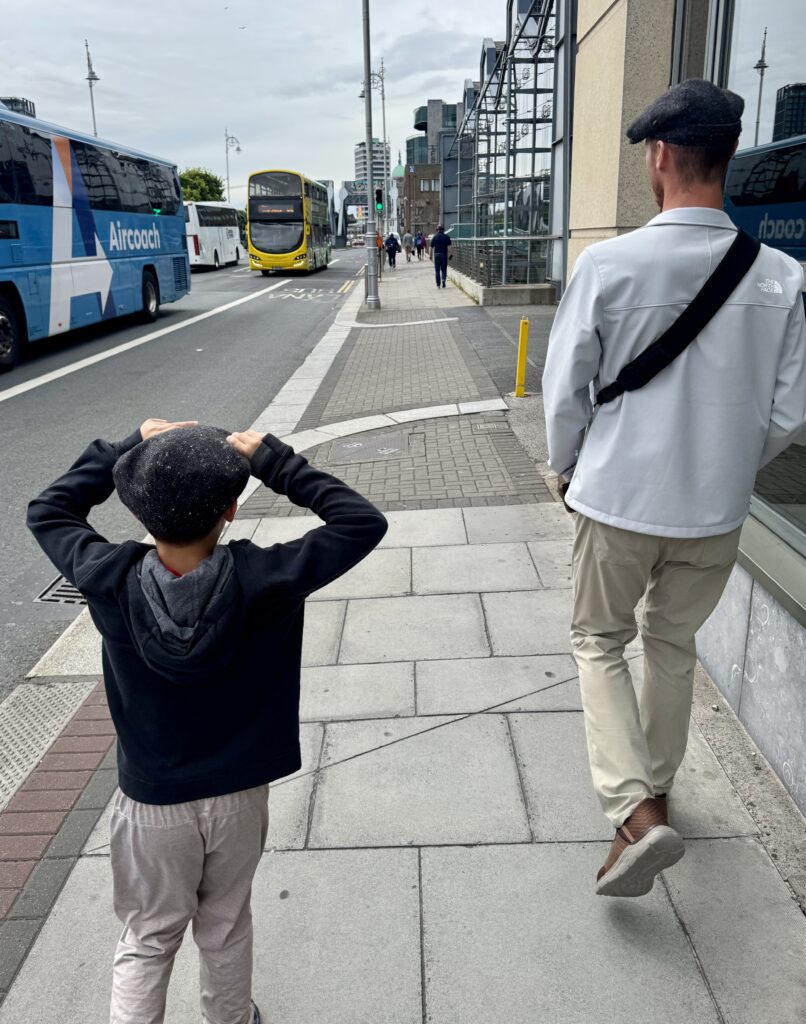
On our recent trip, we spent a lot of time navigating the Paris Metro and using trains throughout Europe. In Luxembourg, where public transportation is free, we hopped on and off trains and trams as we explored the city.
What I expected to be simple transportation quickly became part of the adventure.
He loved studying the maps, figuring out where we were going, watching trains arrive and depart, and learning how different transportation systems worked.
More importantly, public transportation exposed him to everyday life.
Instead of moving from one tourist site to another, he watched commuters heading home from work, students traveling to school, and families going about their daily routines.
Travel isn’t just about seeing famous landmarks. It is also about understanding how people live.
Using trains and metros helped him see destinations not only as places to visit, but as communities where people live, work, and raise their families.
It also built confidence. Every time he helped by following a map, identifying a station, or figuring out where we needed to go next, he became a little more comfortable navigating an unfamiliar environment.
Slow Down and Take Breaks
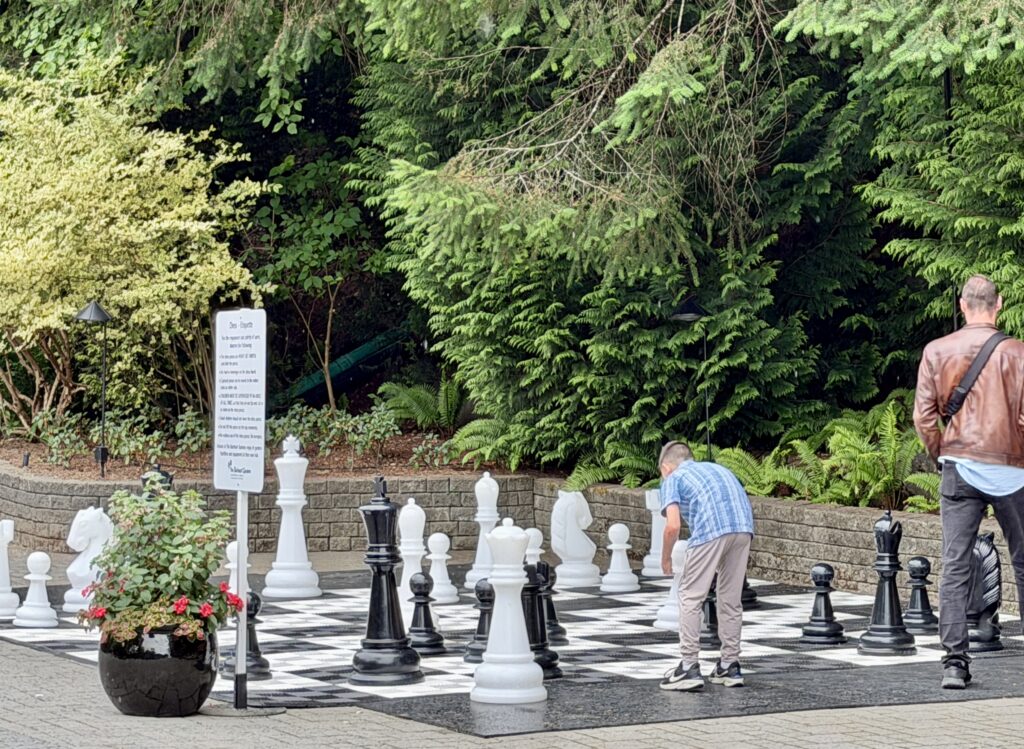
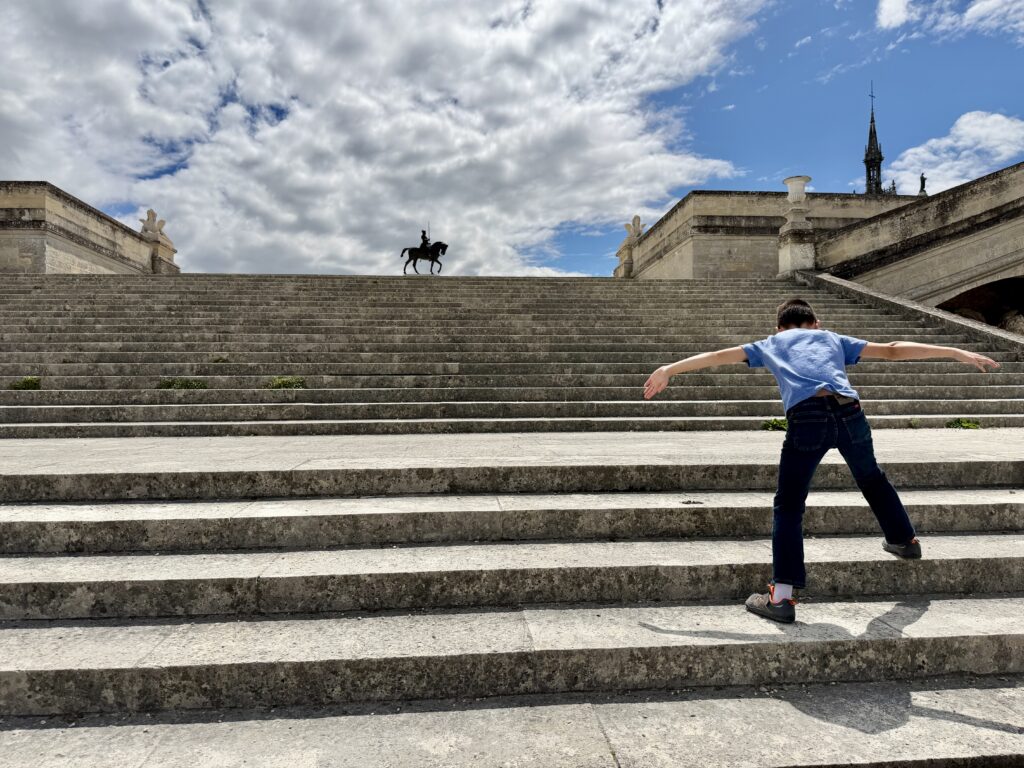
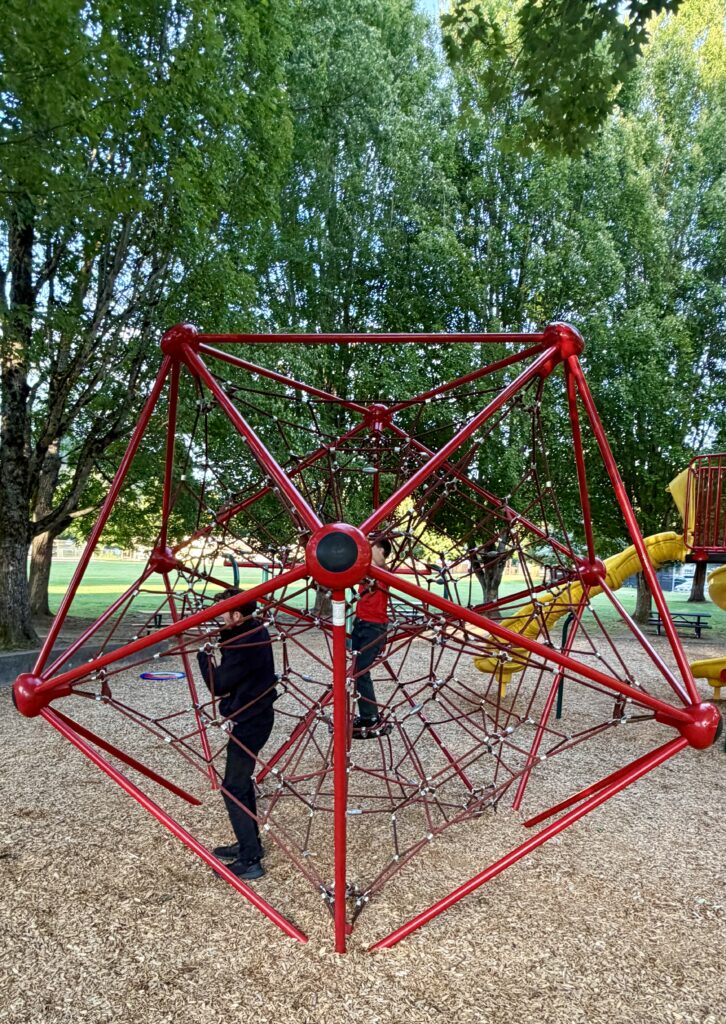
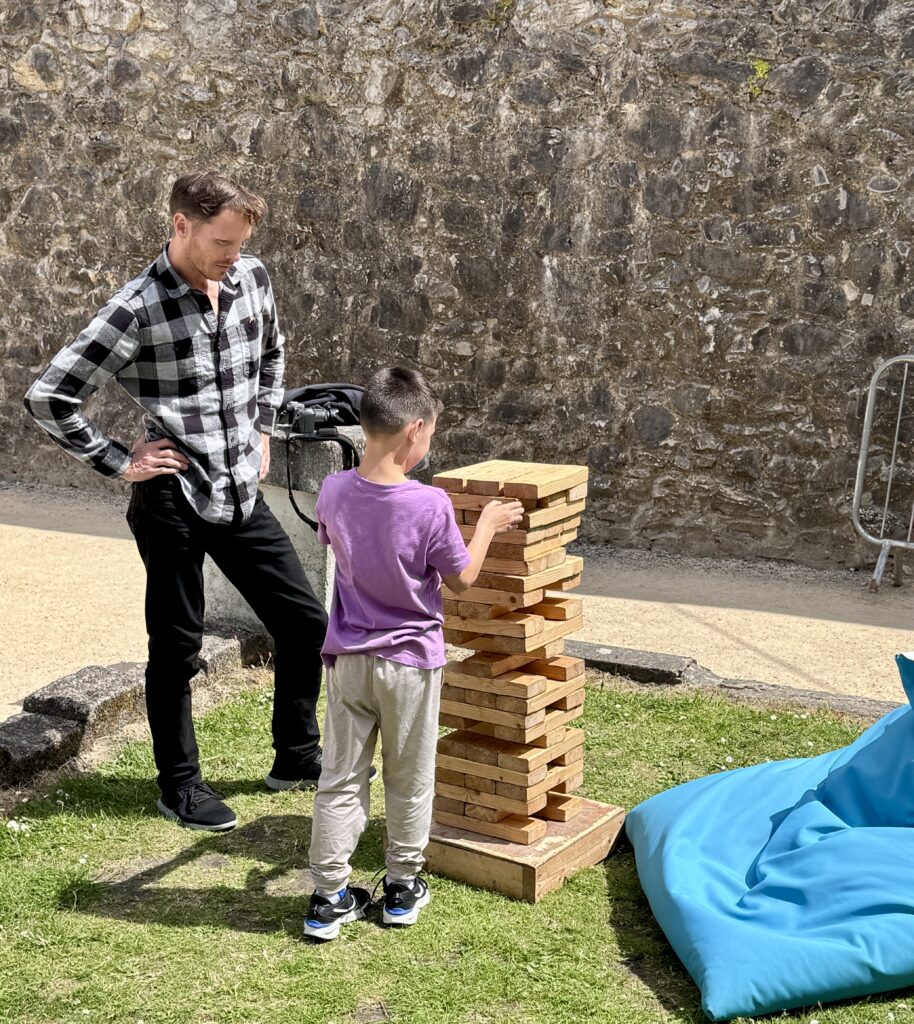
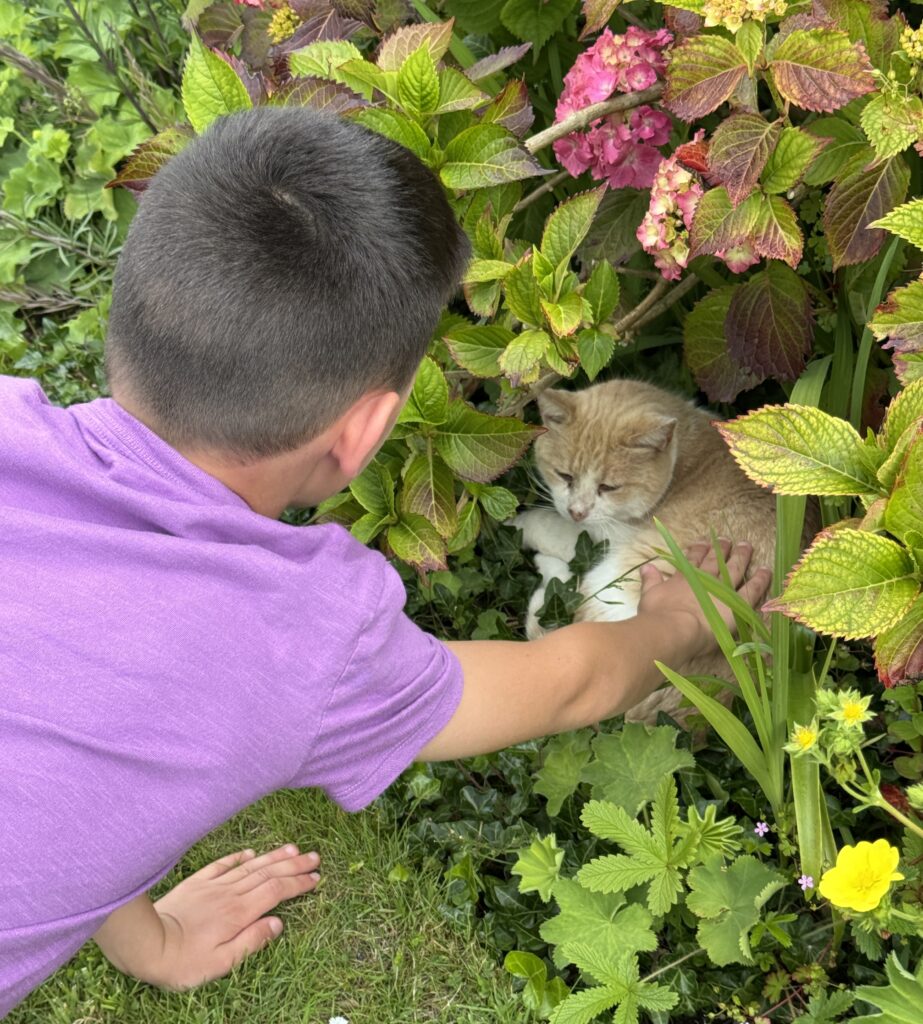
One of the most important lessons I have learned is that children travel differently than adults.
Adults often focus on maximizing every moment. Children remind us to slow down and appreciate what is right in front of us.
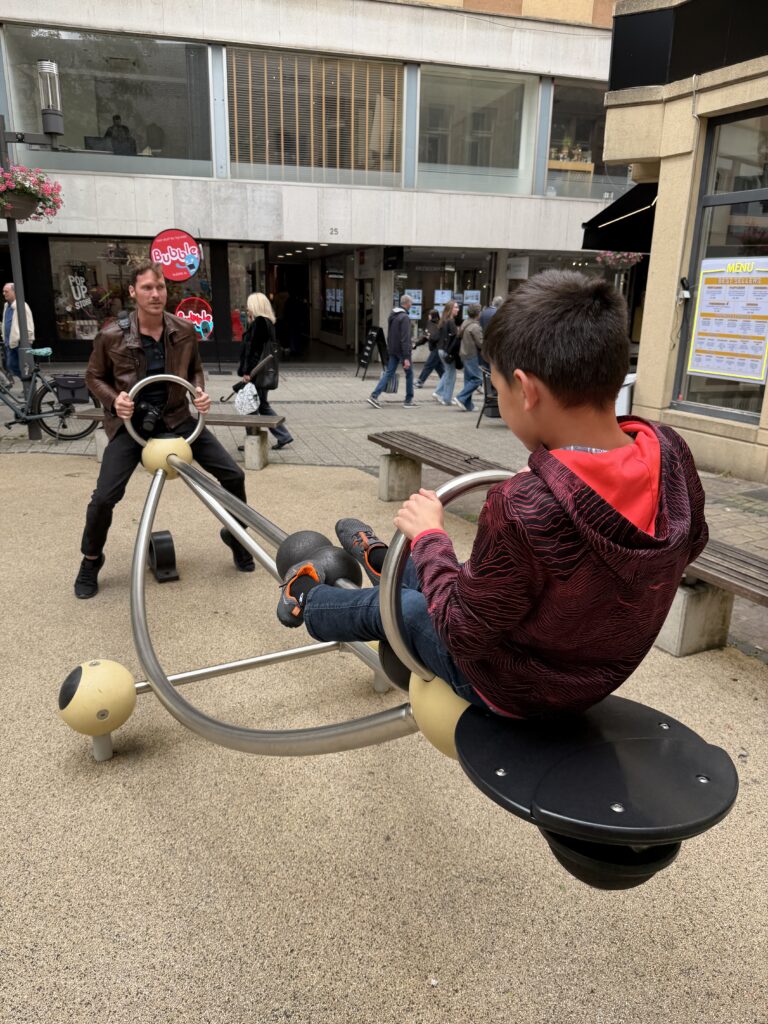
During our recent travels, there were many moments when I wanted to move on while my son wanted to spend more time exploring a castle courtyard, watching street performers, sitting by a fountain, or simply enjoying a snack.
Most of the time, I said yes.
Those moments rarely appear in itineraries, but they often become memories that stay with us the longest.
Travel is not about seeing everything. It is about experiencing the places you visit together and making it meaningful.
Crowds Are Not Always What You Expect

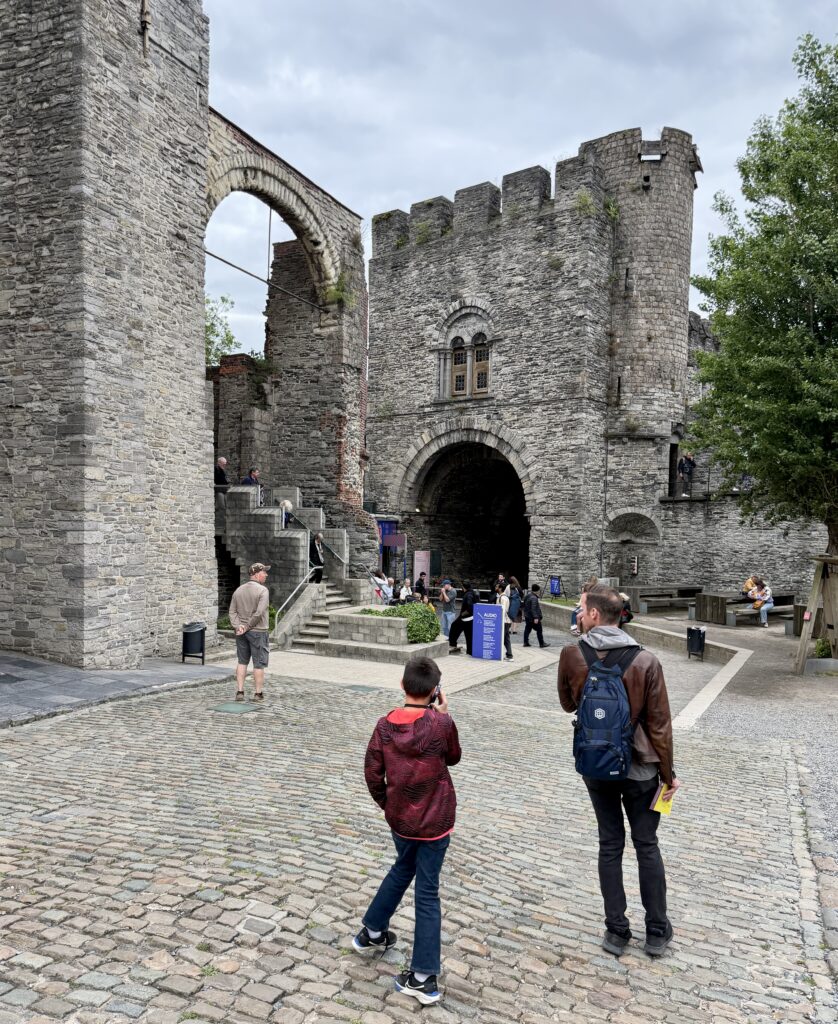

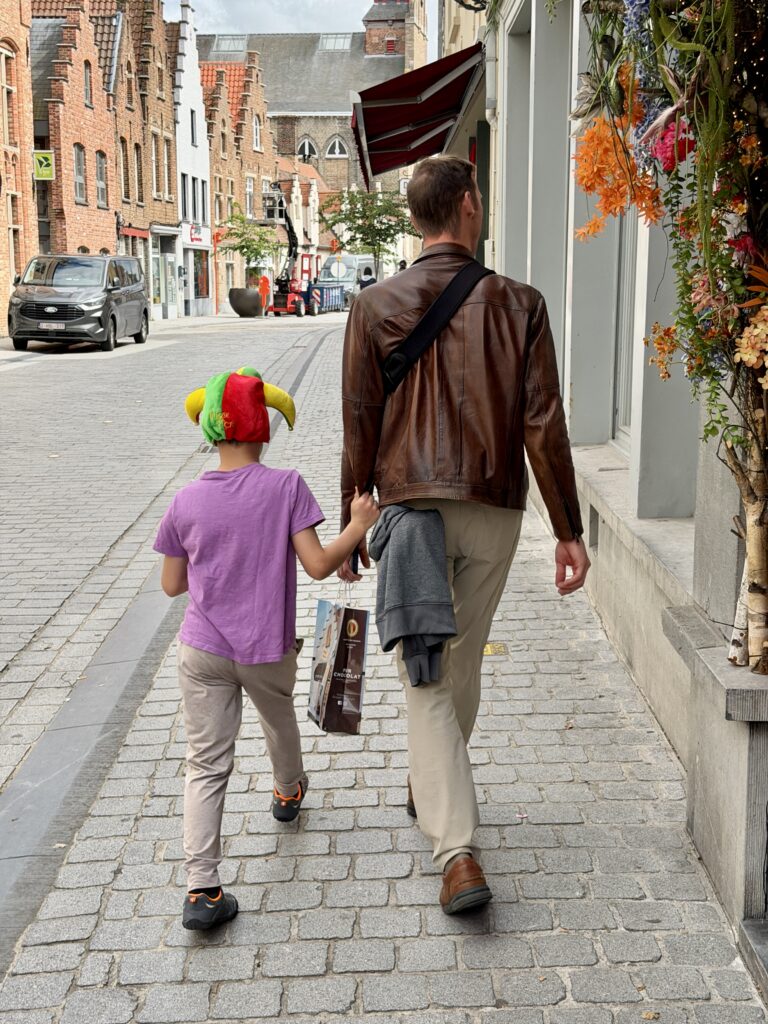
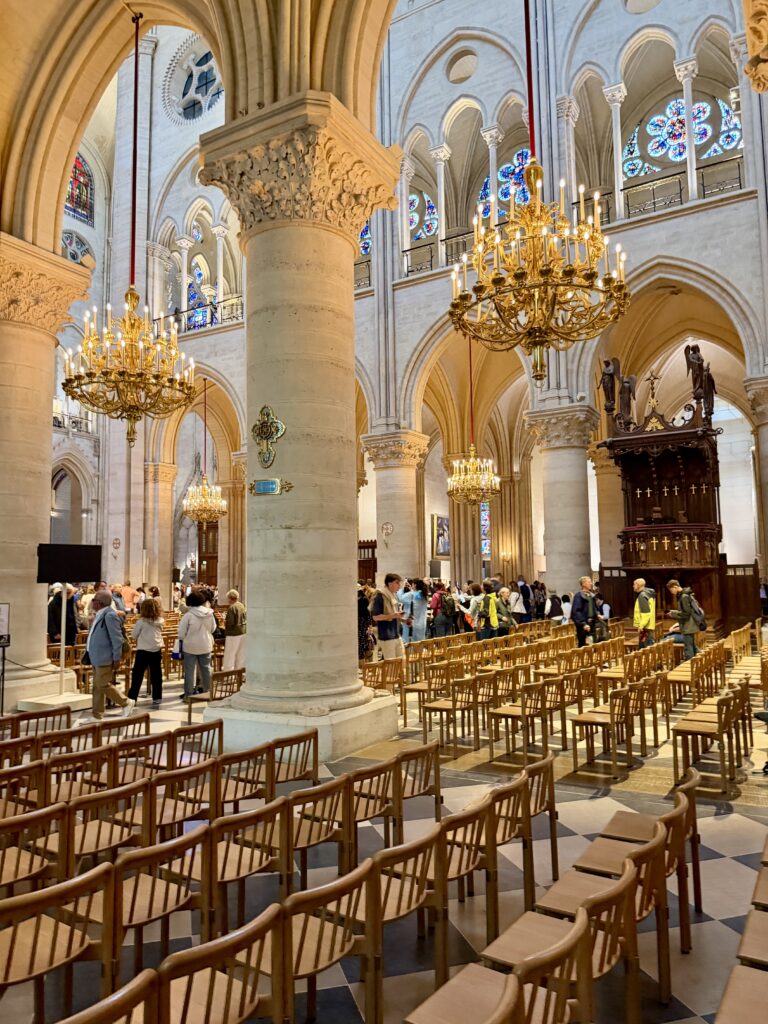
One concern many parents have is that international destinations will be crowded and overwhelming for children.
That certainly can happen, but it isn’t always reality.
During our recent trip through Europe, we were surprised by how manageable everything felt. We encountered very few lines, had no trouble getting into restaurants, and found most attractions far less crowded than we expected.
Even the Eiffel Tower, one of the world’s most visited landmarks, had no line when we purchased our tickets to the summit.
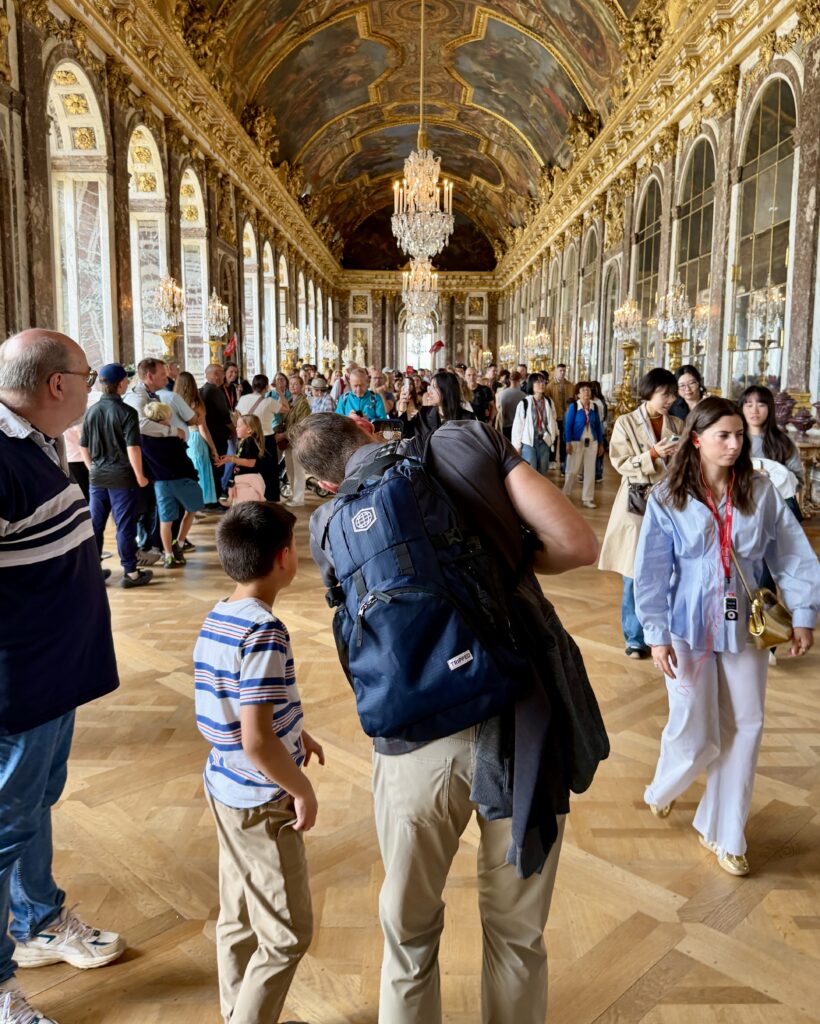
Versailles was the busiest place we visited, but even that felt lighter than previous visits.
The lack of crowds made the experience far more enjoyable, especially with a child. We could move at our own pace, take breaks when needed, and spend more time enjoying destinations rather than waiting in line.
Practical Tips That Make Travel Easier

Over the years, we have discovered a few practical strategies that make traveling internationally with a child much easier.
First, bring a comfort item. For us, that is a stuffed sloth named Mr. Slothy. He has crossed oceans, ridden trains, visited castles, and stayed in hotels across Europe. Familiar items provide comfort in unfamiliar places. He also doubles as a travel pillow, saving valuable packing space.
Second, pack a spare outfit in your carry-on.
Third, invest in good headphones.
Fourth, always carry snacks. Hungry kids are grumpy kids. Truthfully, I am the same way.
Fifth, bring a tablet loaded with favorite games, books, and videos. For us, it is reserved for long flights and long drives. We avoid using it in restaurants, while sightseeing, or in hotel rooms.
These simple preparations may seem small, but they can dramatically improve the travel experience for everyone.
Traveling in the US? Check out our article on our adventure with our young traveler in Cumberland Valley, Pennsylvania.
Building Confidence One Trip at a Time
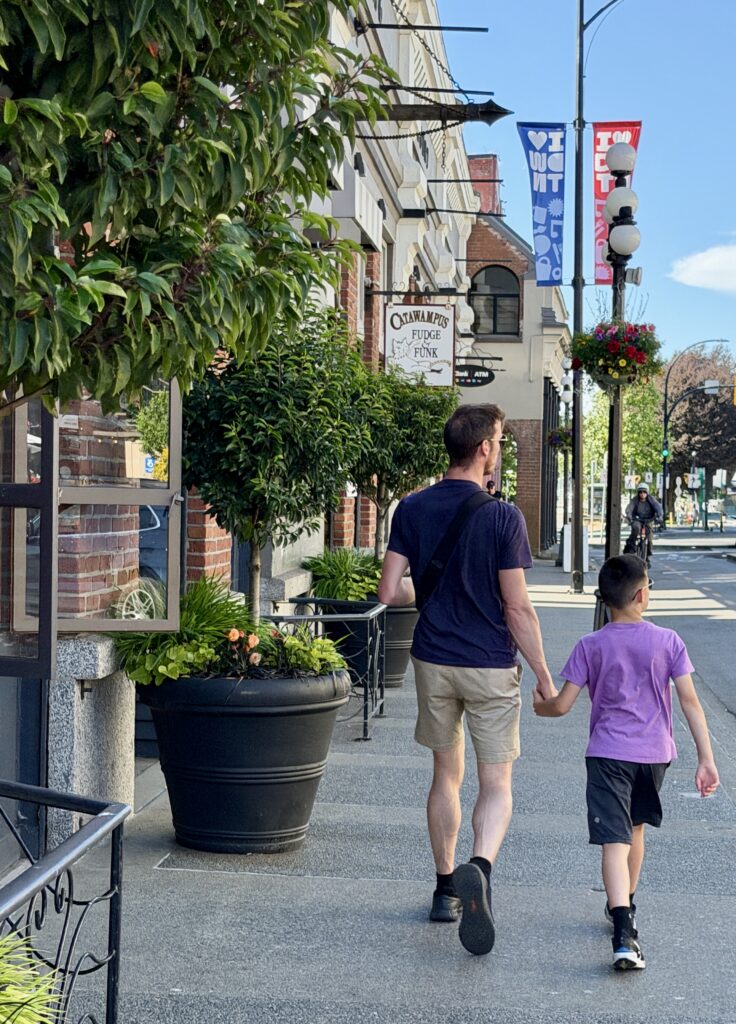
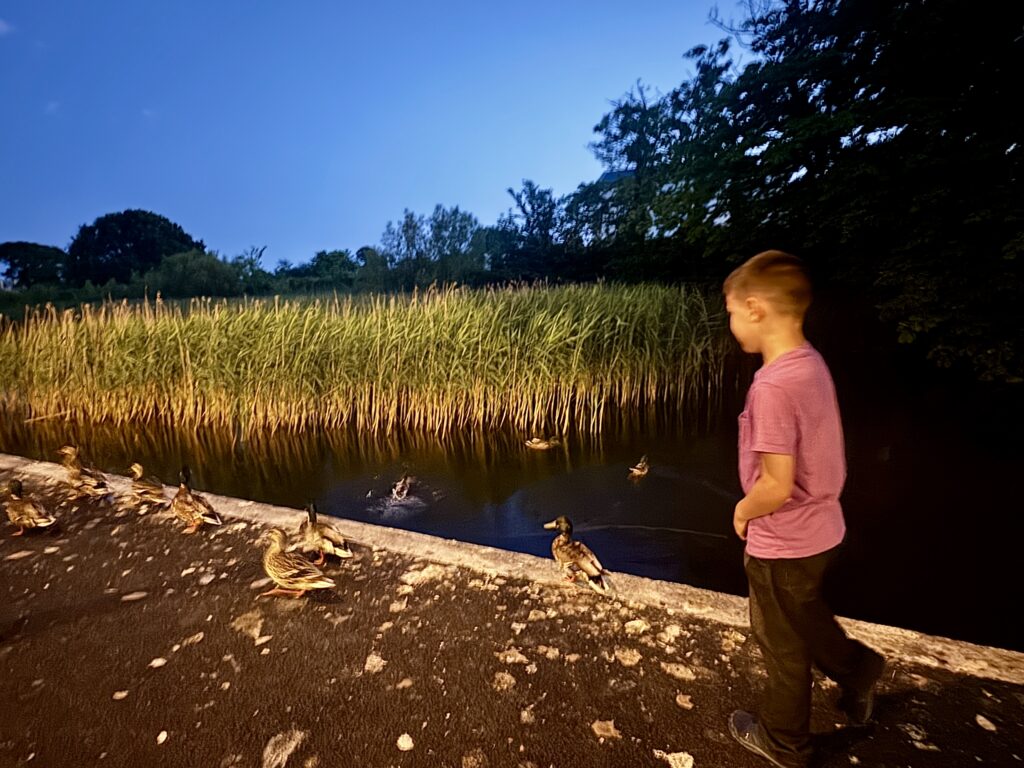

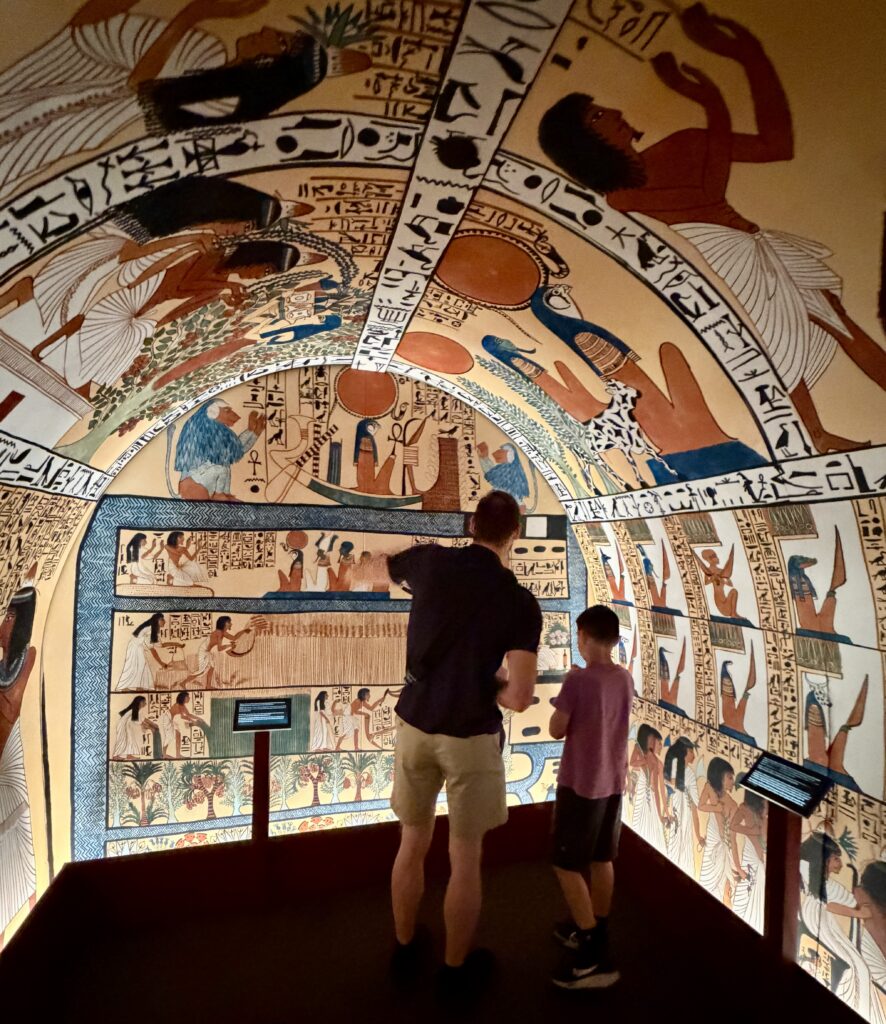
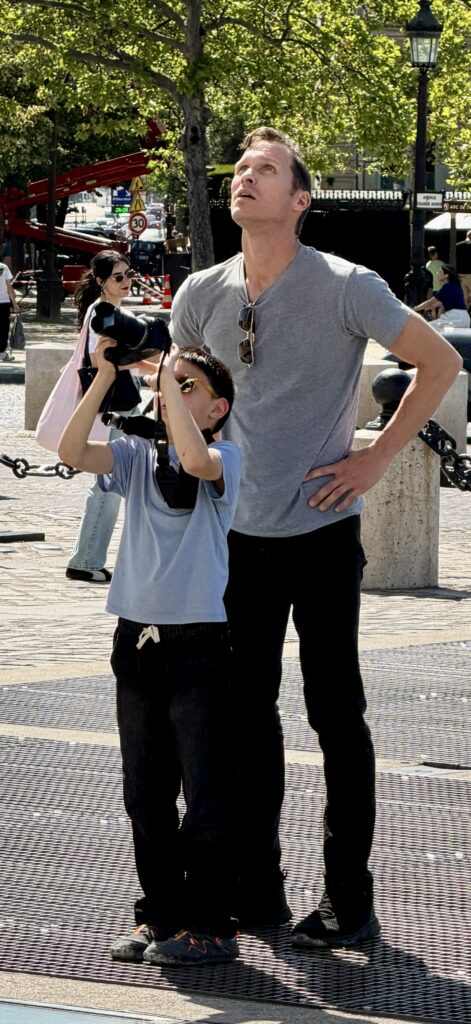
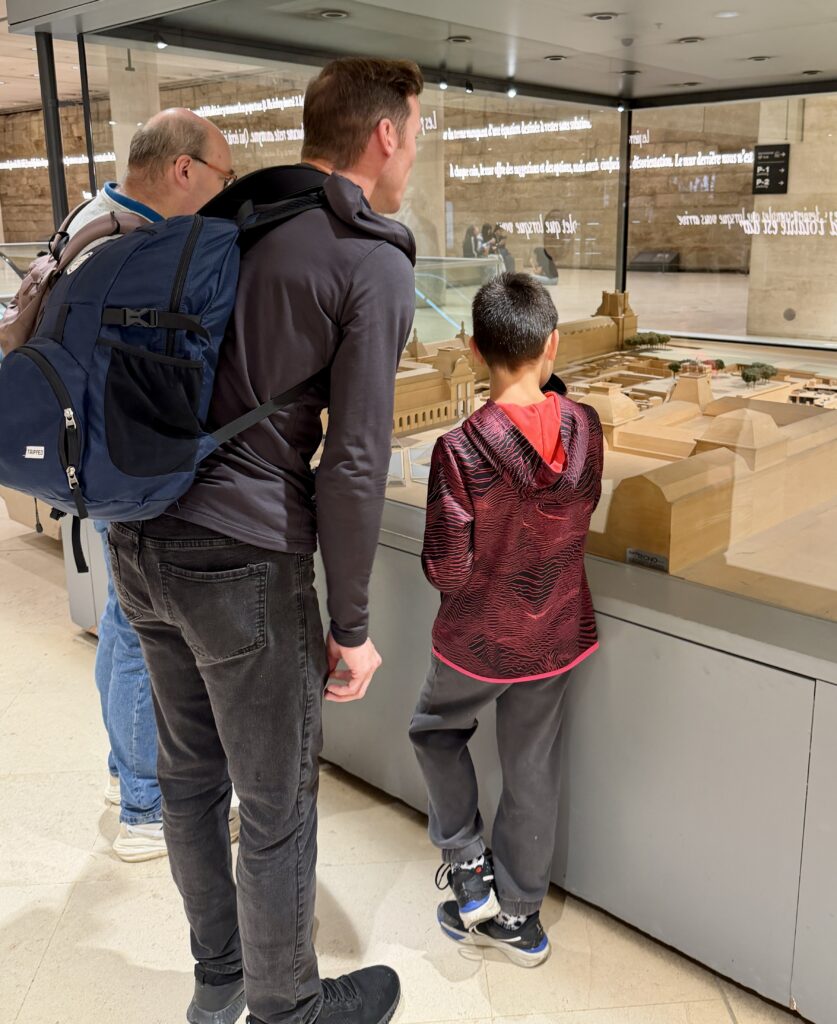
One of the most unexpected benefits of traveling internationally with a child is watching confidence grow in real time.
Every trip presents opportunities to solve problems, adapt, and interact with the world.
Children learn how to navigate airports, ride trains, order food, and communicate even when they do not speak the local language.
I have watched my son become more comfortable asking questions, interacting with people, and stepping into unfamiliar situations.
He has learned that a smile, good manners, and a willingness to try a few words in another language go a long way.
That confidence did not appear overnight.
It was built one destination at a time.
Travel teaches children that unfamiliar situations are not to be feared. They are opportunities to learn, grow, and discover what they are capable of.
They Remember More Than You Think
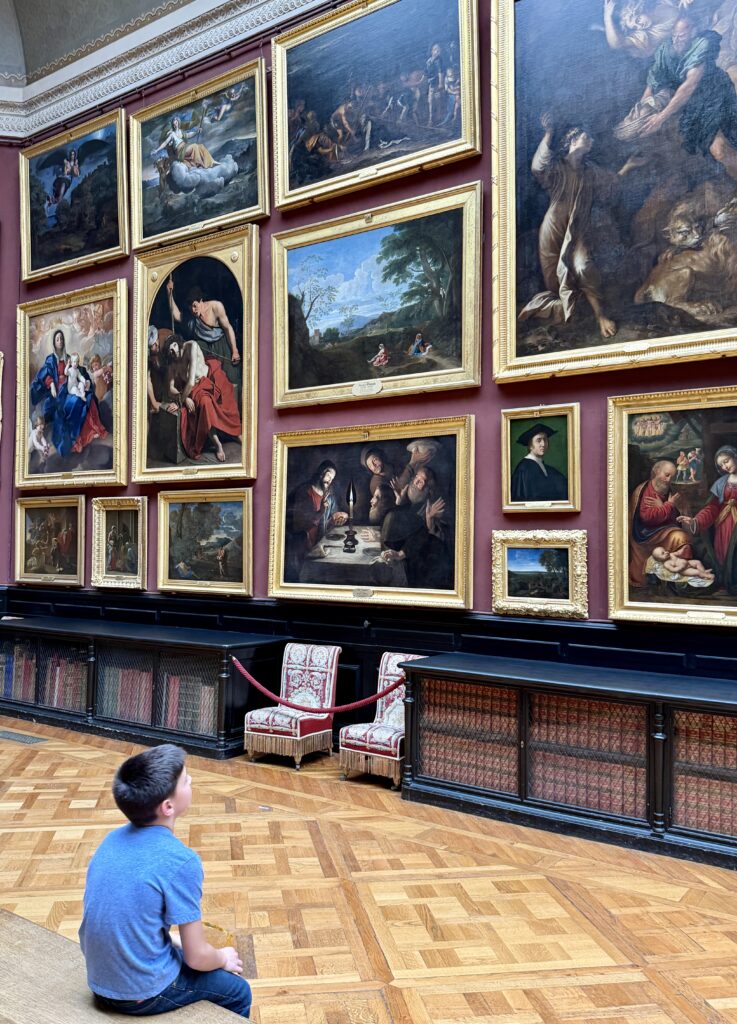
One of the biggest concerns parents often share is whether their children will actually remember international travel.
The answer may surprise you.
They remember far more than we expect.
Years after his first trip to Ireland, my son still proudly says the Irish word for “cheers” whenever glasses are raised at a restaurant. He remembers castles we visited years ago and often compares them to new ones we encounter. He remembers foods he tried for the first time and talks about destinations we visited long after we returned home.
More importantly, he remembers the lessons.
He remembers greeting people in their own language and trying unfamiliar foods. He remembers riding trains through Europe and exploring places that once seemed impossible to imagine.
Memories may not always be the ones we expect. Children often remember a conversation, a funny moment, a meal, or a simple interaction with a local person more vividly than a famous landmark.
What stays with them is not just where they went. It is how those experiences made them feel.
Those memories become part of who they are.
More Than a Vacation
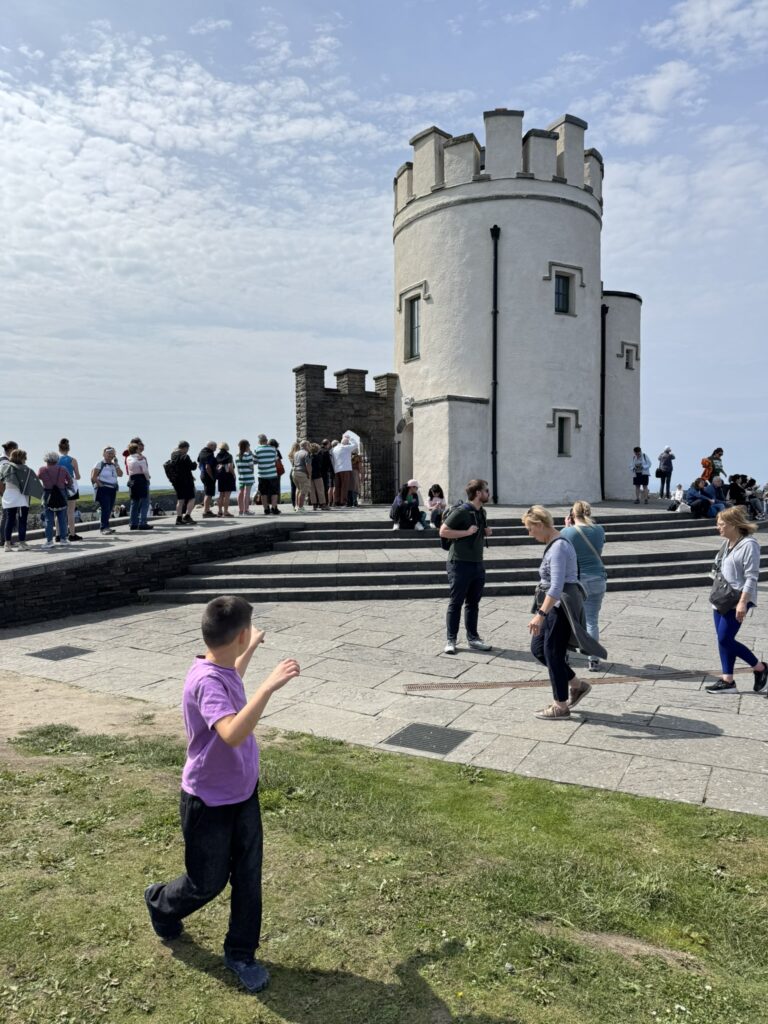
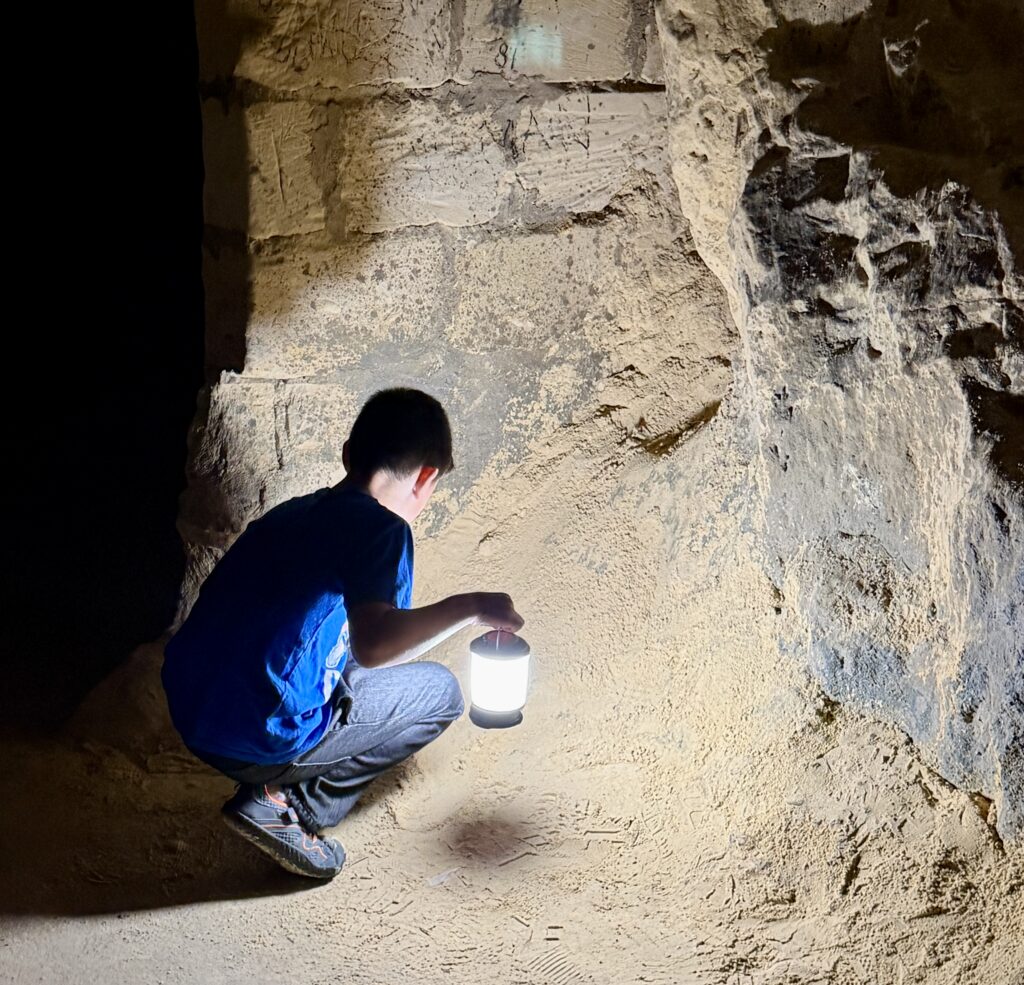
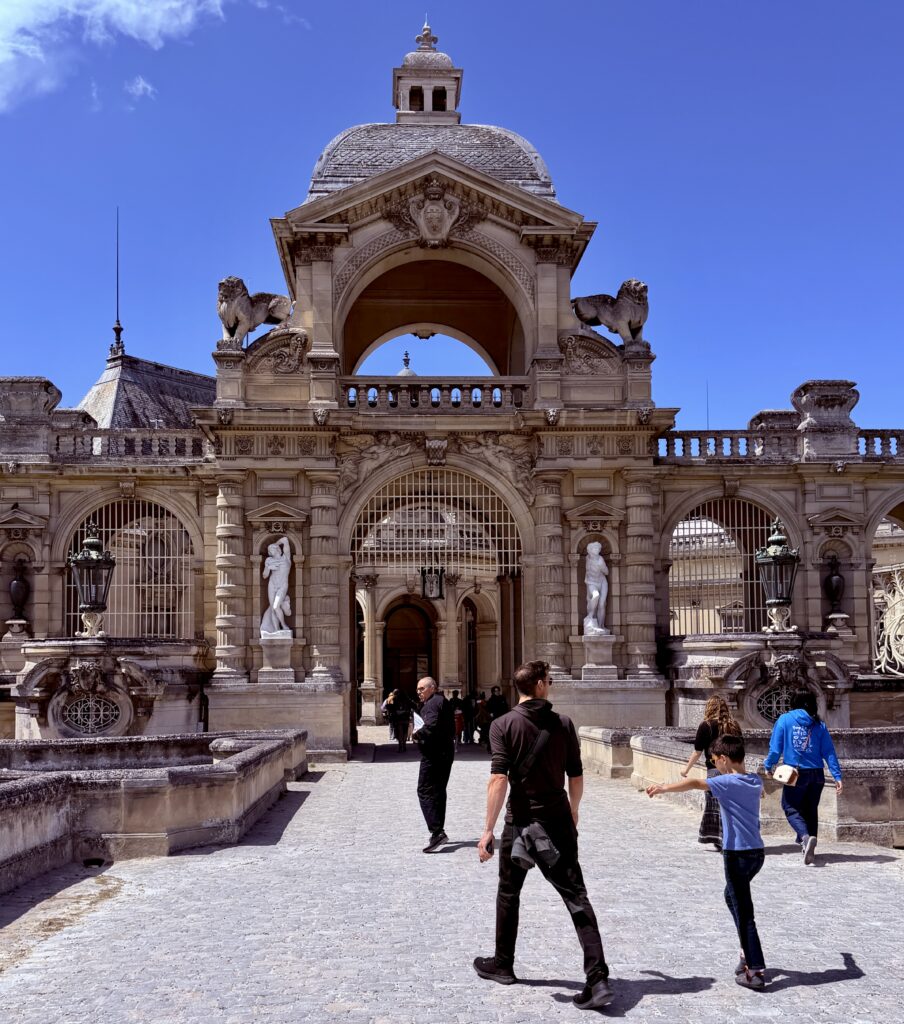
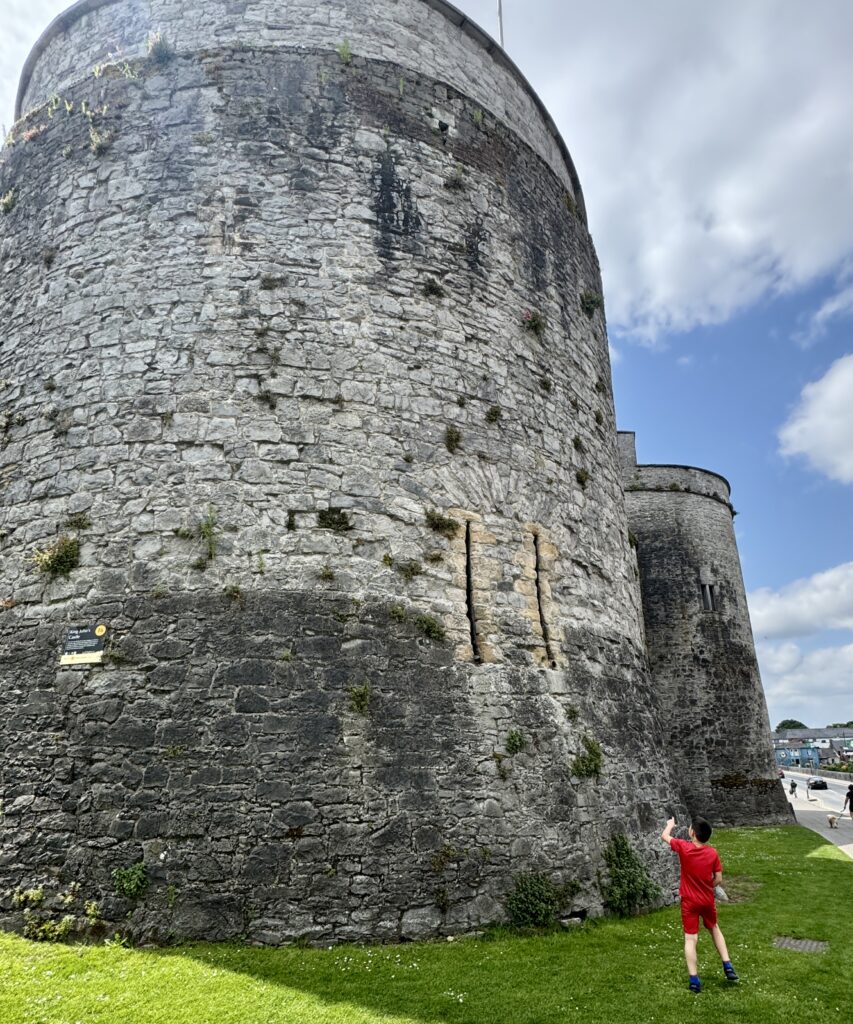
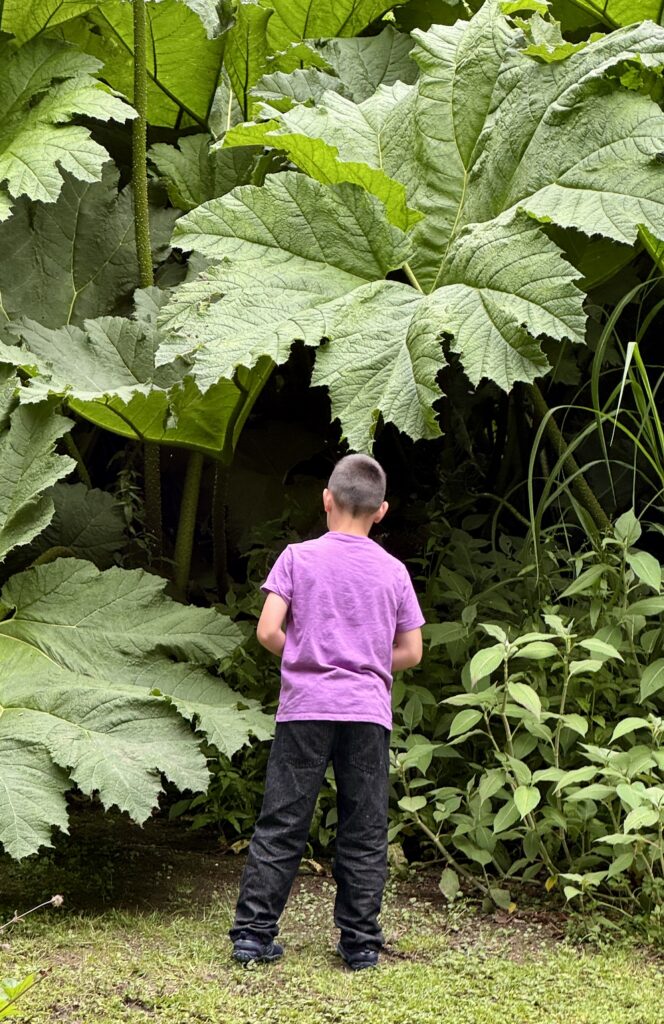
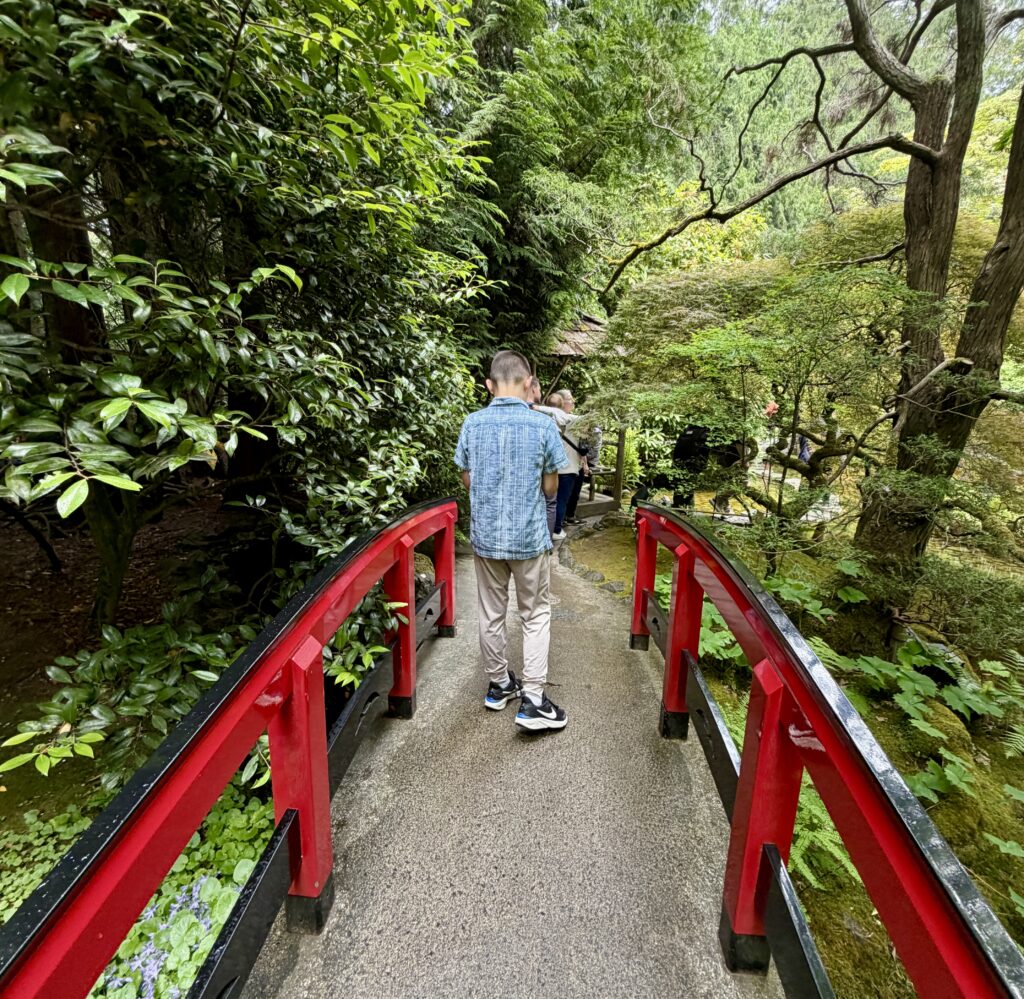
When people ask if traveling internationally with a child is worth the effort, I always come back to the same answer: absolutely.
Yes, they will see incredible castles, museums, churches, and landmarks. They will eat foods they have never tried before and hear languages they may not understand.
But the greatest lessons often have nothing to do with the destinations themselves.
Travel teaches children that the world is far bigger than their hometown, yet the people who live in it are often far more similar than different.
Families gather around dinner tables. Parents want the best for their children. People celebrate, laugh, work, dream, and care for one another no matter where they live.
At the same time, travel teaches that differences matter too.
Different languages, customs, traditions, and ways of life should not be feared or judged. They should be respected and appreciated.
Throughout our travels, I have watched my son learn these lessons naturally.
Whether in Europe, Canada, or across the United States, he has learned to greet people in their language, even if it is only a simple hello or thank you. That small effort communicates respect, and time after time, people have responded with warmth and kindness.
Perhaps the greatest lesson travel has taught him is that most people are good.
Across multiple countries and countless destinations, strangers welcomed him, encouraged him, answered his questions, and shared pieces of their culture. The world often feels divided when we watch the news, but travel has shown him something different.
Most people are simply trying to live their lives, care for their families, and connect with others.
That may be one of the most valuable lessons a child can learn.
Conclusion: Take the Trip

Years from now, I hope he remembers the castles, trains, churches, and incredible meals.
But more than anything, I hope he remembers that the world is full of good people, that cultures deserve respect, and that curiosity is one of the greatest gifts we can carry with us.
Traveling internationally with a child is not always easy. It requires planning, patience, flexibility, and occasional adjustments to expectations. But the rewards far outweigh the challenges.
Every trip becomes an opportunity to build confidence, encourage curiosity, develop cultural awareness, and create memories that last a lifetime.
Parents often ask me if it is worth the effort.
The answer has never changed.
Absolutely.
As our plane lifted off at the end of our recent European adventure, my son looked out the window and quietly said:
“I’m sad the trip is over; where can we go next?”
In that moment, I had my answer.
Take the trip.
© 2026 Wanderers Compass All Rights Reserved
Flights, Accommodations, and Everything You Need to Book in One Place
Are you planning a vacation this year? Start your research early to explore your options and find what fits your budget. By booking your own travel, you’ll uncover great deals and have complete control over your itinerary. The links below can be used for all elements of your trip, not just accommodations.
It is essential to price out accommodations on various sites. Expedia is a US-based company, whereas Booking.com is a European company. Not all properties appear on both, so it is best to check both. Our personal first choice is Booking.com. If the establishment has a website, check the price there as well. Click the link below to check out hotels and vacation homes in the area. It may be just the motivation you need to start planning that next grand adventure.
Check out our most recent posts

Füssen, Germany: Beyond Neuschwanstein Castle
October 12, 2026
Returning to Venice: Why We Keep Coming Back
September 28, 2026
Savoia Excelsior Palace: Where Trieste’s History Meets the Adriatic
September 6, 2026
Global Entry for Kids: What Parents Need to Know Before Traveling
September 5, 2026
Rovinj Beyond the Postcard: Exploring Croatia’s Istrian Coast
August 29, 2026
When the Hotel Becomes Part of the Journey: Ettington Park Hotel
August 27, 2026

How We Balance Luxury Travel With Authentic Experiences
August 25, 2026
Want to Learn the Story Behind Wanderers Compass?
Our Top Recommended Travel Products
Travel Insurance
Squaremouth.com
Our Favorite Travel Insurance Site!
We strongly advocate comprehensive travel insurance, not only for minor inconveniences but also for major, unexpected events such as medical emergencies. We never leave home without it. Our go-to resource is Squaremouth.com. which offers a user-friendly platform that connects you with top-rated, reputable insurance carriers. Plus, they’ll mediate on your behalf if you run into any issues.
To empower you as a consumer, we recommend you read our blog post on why travel insurance is essential and how to secure the best coverage from leading companies at an affordable price.
MedjetAssist
Medical transport back home from anywhere in the world
Medjet is a leading provider of global air medical transport. Unlike traditional travel insurance, which typically covers medical evacuation to the nearest facility, Medjet goes further by ensuring you’re transported back to the U.S. to the hospital of your choice once you’re stable enough to fly. Medjet offers membership plans that focus on medical transport, while Medjet Horizon provides expanded coverage for broader protection. Individual trip policies start at just $99, and annual policies are available for around $300. Most policies have an age limit of 74.
To learn more about how Medical Evacuation membership with Medjet Assist works, check out our blog post for a more detailed review.
Accommodations and Airfare
Booking.com
Hotels, Home rentals, BNBs, Flights, and other Transportation & Tours
Booking.com connects millions of travelers to unforgettable experiences, a wide range of transportation options, and incredible places to stay—from homes to hotels and beyond. As one of the world’s largest travel marketplaces, it supports well-known brands and entrepreneurs of all sizes. For its convenience, variety, and reliability, it’s our preferred booking platform.
Expedia and VRBO
Hotels, home rentals, BNBs, flights, and other transportation & tours
Expedia is a U.S.-based company with a mission to make global travel accessible to everyone, everywhere. At Wanderers Compass, we embrace independent travel, and platforms like Expedia are essential to making that a reality. Expedia allows you to book every aspect of your trip—from flights and accommodations to rental cars, cruises, and activities—making it a one-stop shop for all your travel needs.
Transportation
Daytrip
Personalized city-to-city private car transfer service
Daytrip provides an affordable private car service for city-to-city transfers worldwide, and we absolutely love their service. It’s a cost-effective alternative to renting a car, offering comfortable, stress-free travel with scenic stops along the way. For example, we used Daytrip for travel between Budapest and Vienna, enjoying some fantastic detours to local attractions. With professional drivers and customizable routes, Daytrip ensures a smooth ride while allowing you to explore hidden gems and unique sights along your journey.
To learn more about Daytrip, check out our blog post for a more detailed review.
Travel Experiences
Viator
The leading marketplace for travel experiences
Viator believes that travel is all about creating unforgettable memories. With over 300,000 experiences to choose from—ranging from simple tours to extreme adventures, plus a wide array of unique, niche activities—it’s never been easier to make lasting memories. We frequently use Viator during our travels and especially appreciate its flexible cancellation policy, which provides peace of mind with every booking.
Shopping
Wanderers Compass Amazon Storefront
An excellent source for all travel essentials and guides that we have vetted ourselves
Amazon is one of the world’s most comprehensive online shopping platforms, offering lower prices, a wide selection, and fast delivery through its global fulfillment network.
This page contains affiliate links. When you purchase through these links, we may earn a small commission at no extra cost to you. Thank you for your ongoing support!

No Comments