

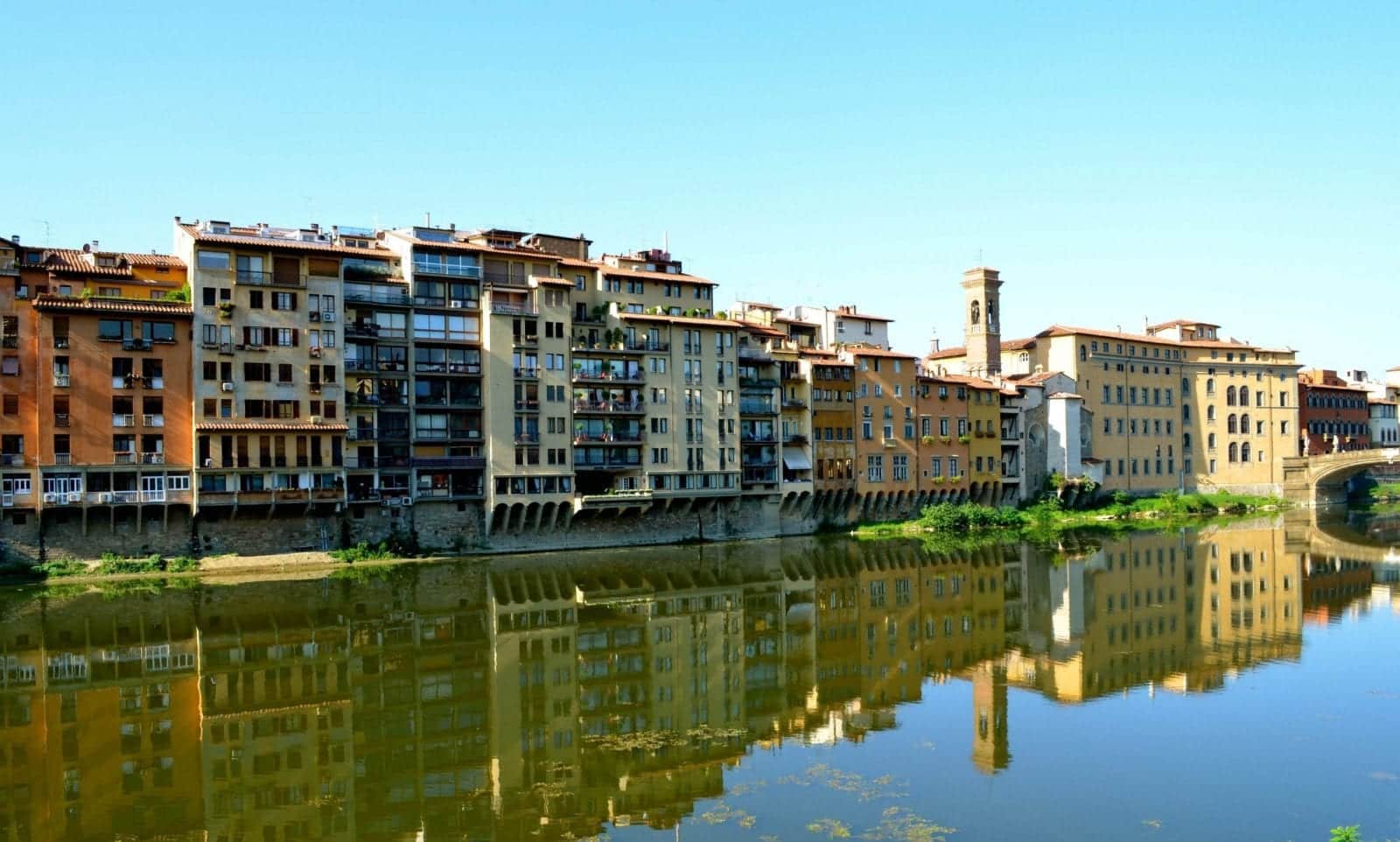
To be in Florence is to reflect on Europe’s intricate diversity – and it lost creativity
Timothy Garton Ash
- A Brief History of Florence
- What Makes Florence So Memorable
- Where is Florence?
- Top 16 Things to Do in Florence
- Day Trips into Tuscany and the Italian Coast
- Where to Eat in Florence
- Where to Stay in Florence
- When to Visit Florence
- Tips for Visiting Florence
- Parting Thoughts
- Our Florence, Italy Photo Gallery
- Our Top Recommended Travel Products
Florence is not just another European city, it’s a living masterpiece. We arrived with high hopes and left completely enchanted, overwhelmed by its beauty, energy, and endless surprises. The thing is, you don’t just see Florence; you feel it. You taste it in every gelato and every glass of Chianti. You hear it in the hum of a piazza and the ringing of church bells echoing through Renaissance courtyards. And most of all, you capture it, with your camera, your heart, and your feet.
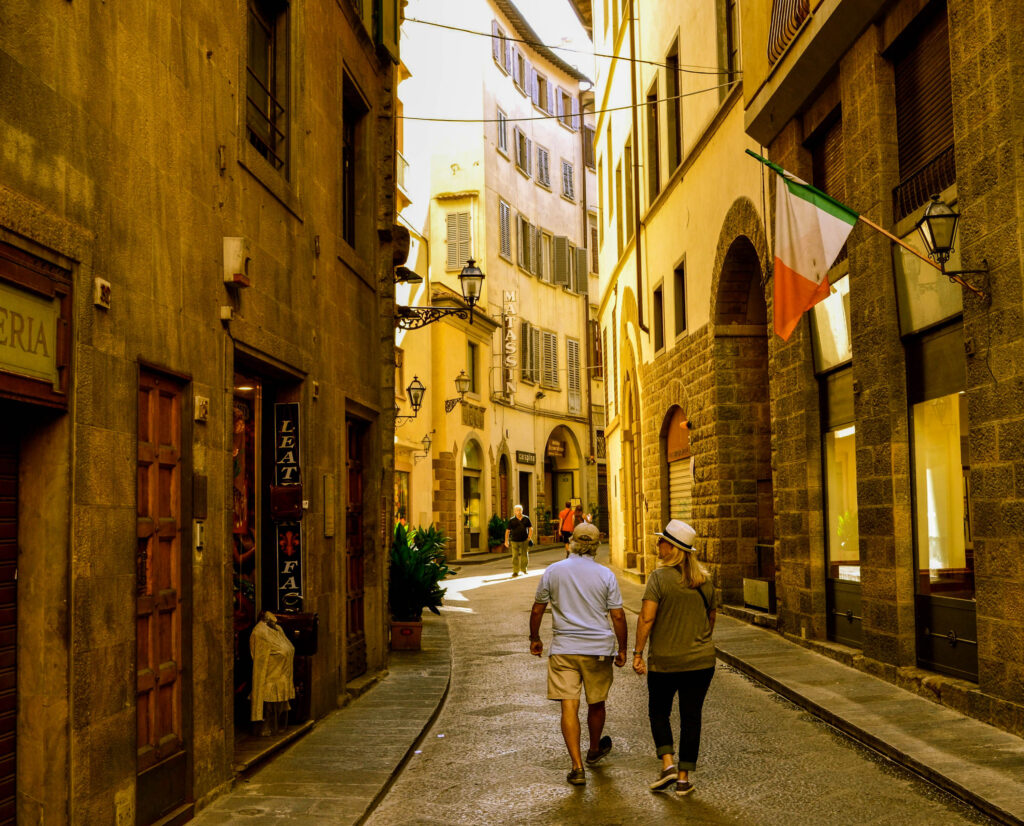
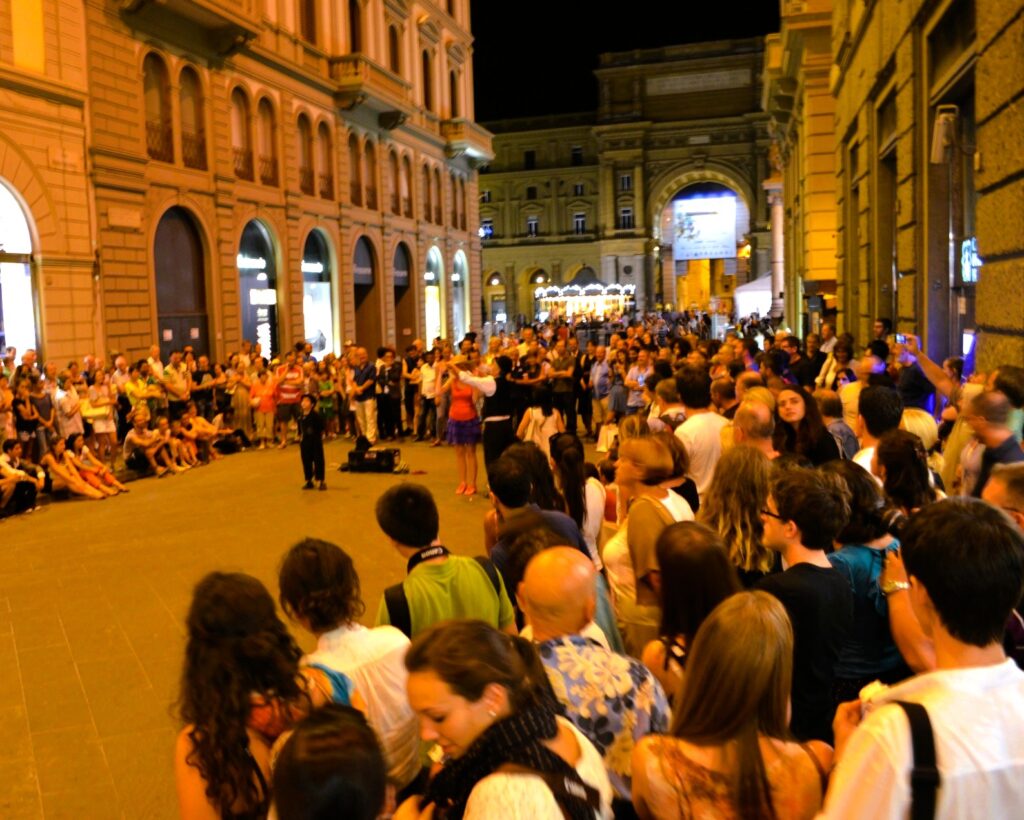
This city wasn’t built for cars; it was made for walking, wandering, and letting yourself get a little lost. That’s where magic lives. Some of our favorite moments weren’t on any itinerary, they happened between the significant landmarks, while we strolled down cobblestone alleys and turned corners into golden sunsets.
If you love photography, Florence is a dream. The light changes by the hour, casting long shadows in the morning, glowing off stone at golden hour, and reflecting in the Arno River at night. From expansive cityscapes to intimate architectural details, it’s a visual feast. And no matter how many photos you take, it never feels like enough.
A Brief History of Florence

Florence was founded during the Roman era as a military colony, Florentia, established by Julius Caesar in 59 BCE for veteran soldiers. Positioned along the Arno River, it flourished over the centuries thanks to its fertile surroundings and strategic location. During the early Middle Ages, Florence remained relatively modest, but by the 11th century, it began its ascent to greatness.
By the 13th and 14th centuries, Florence was booming with wealth from banking, textile manufacturing, and trade. The powerful Medici family rose to prominence and became the city’s de facto rulers. Their patronage of the arts laid the foundation for the Renaissance, a cultural movement that would change the world. Artists like Leonardo da Vinci, Botticelli, and Michelangelo, along with writers like Dante and Machiavelli, all had roots in Florence.
During the Renaissance, Florence became a beacon of art, philosophy, science, and architecture. The city was a place where ideas blossomed, and creativity thrived. Even after periods of political upheaval, including occupation by French and Spanish forces and later unification with the Kingdom of Italy, Florence retained its spirit and cultural identity. It was briefly the capital of Italy from 1865 to 1871.
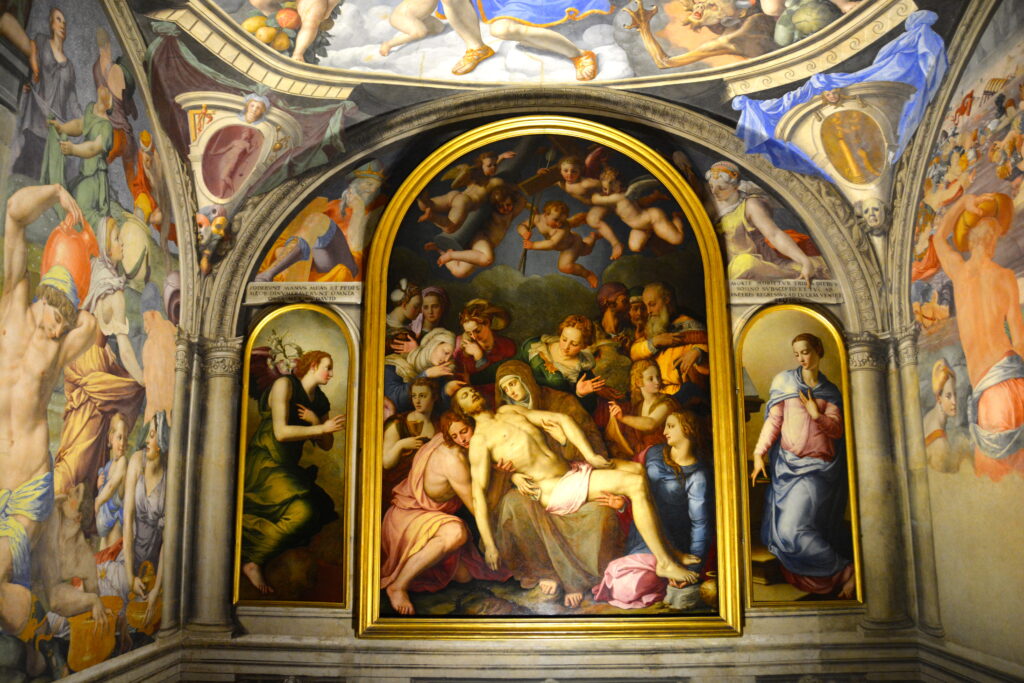
Today, Florence is a UNESCO World Heritage Site and an enduring symbol of the Italian Renaissance. Its buildings, museums, and piazzas are more than just historical sites, they’re living remnants of a time when art and intellect reshaped the world. Walking through Florence feels like stepping into that history, one fresco, column, and sculpture at a time.
What Makes Florence So Memorable
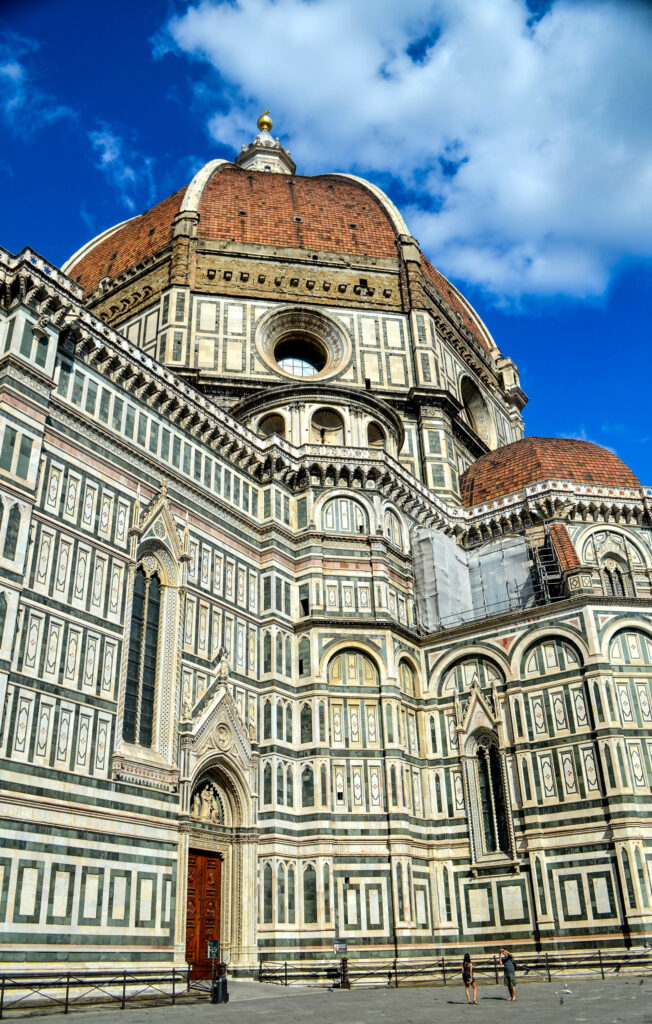
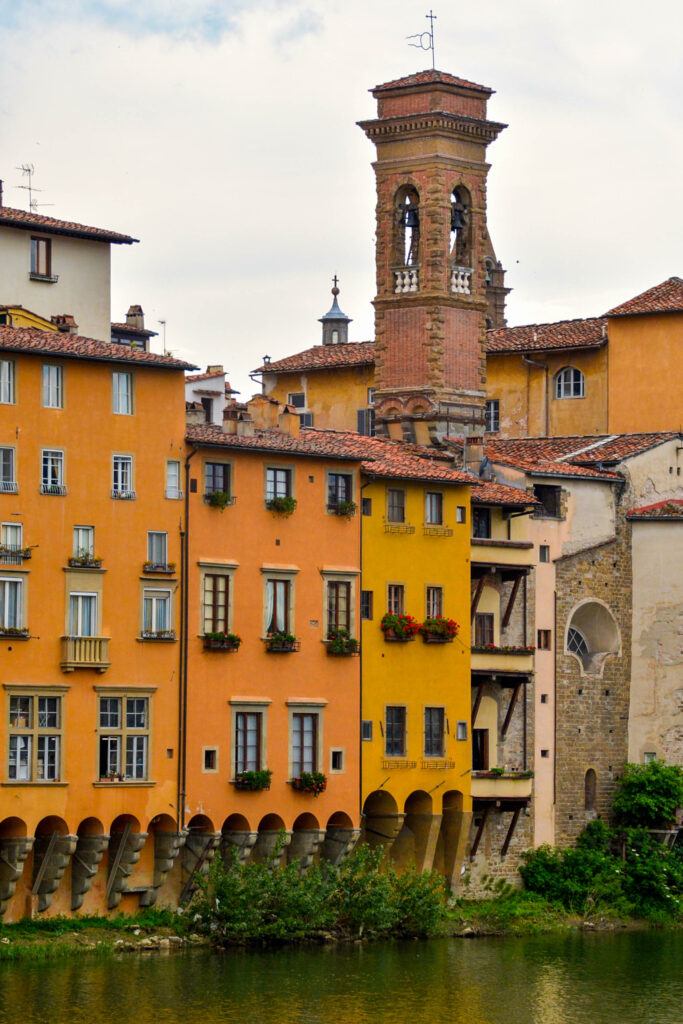
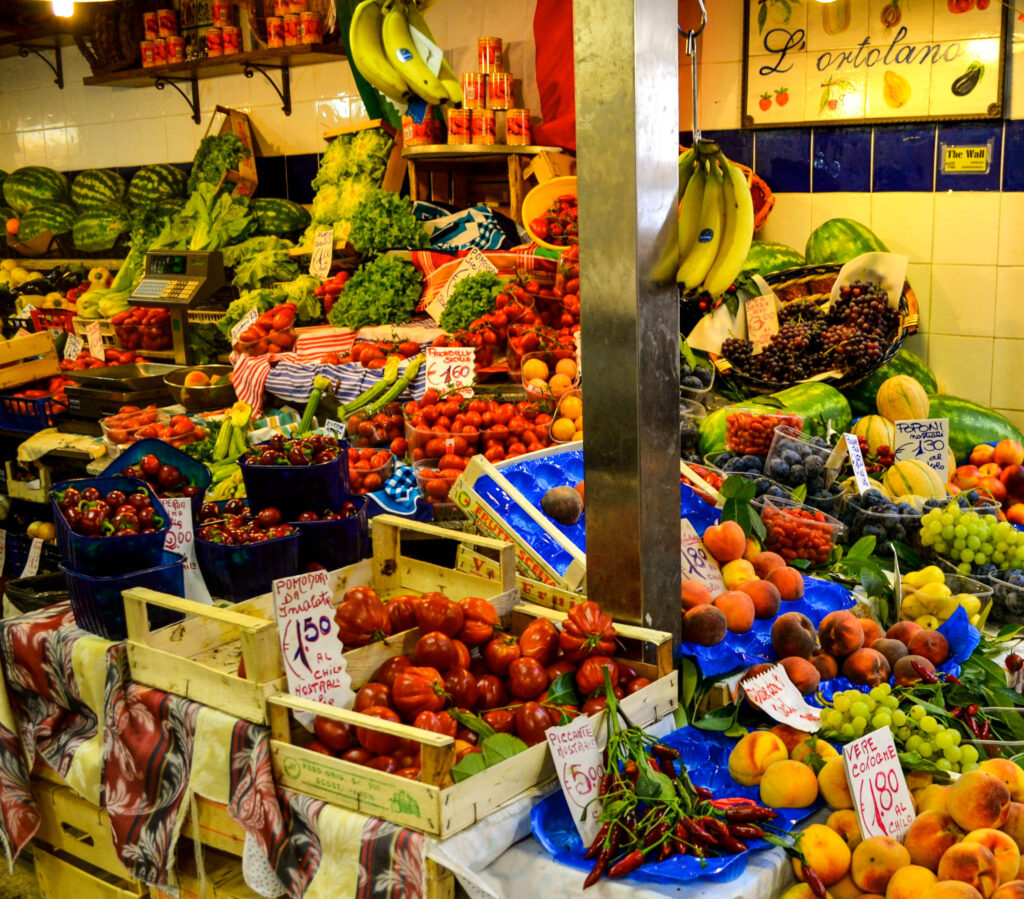
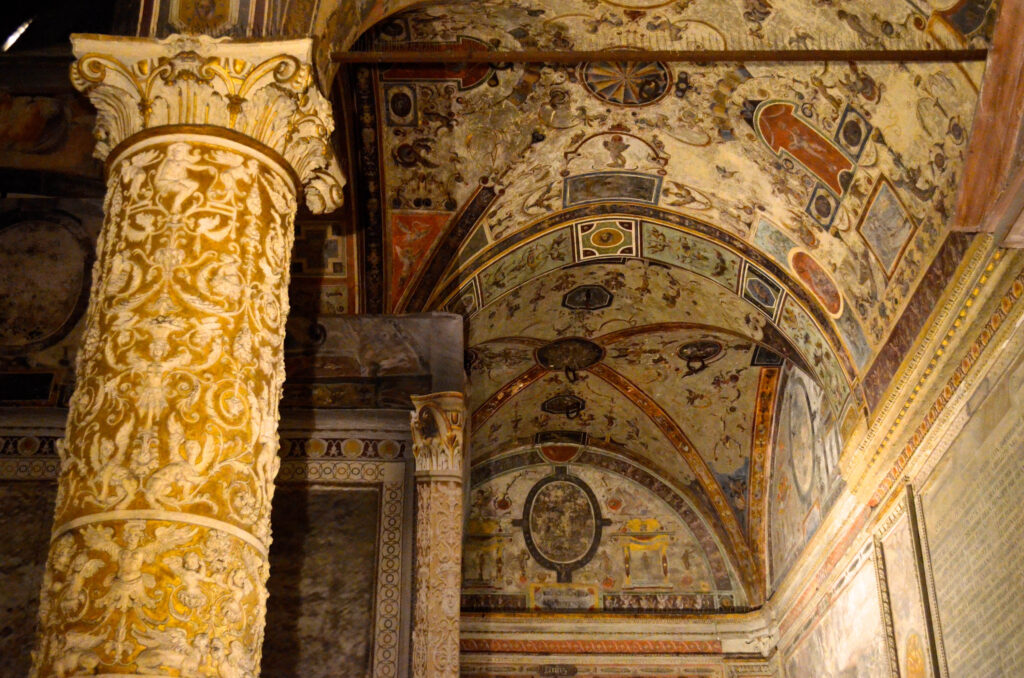
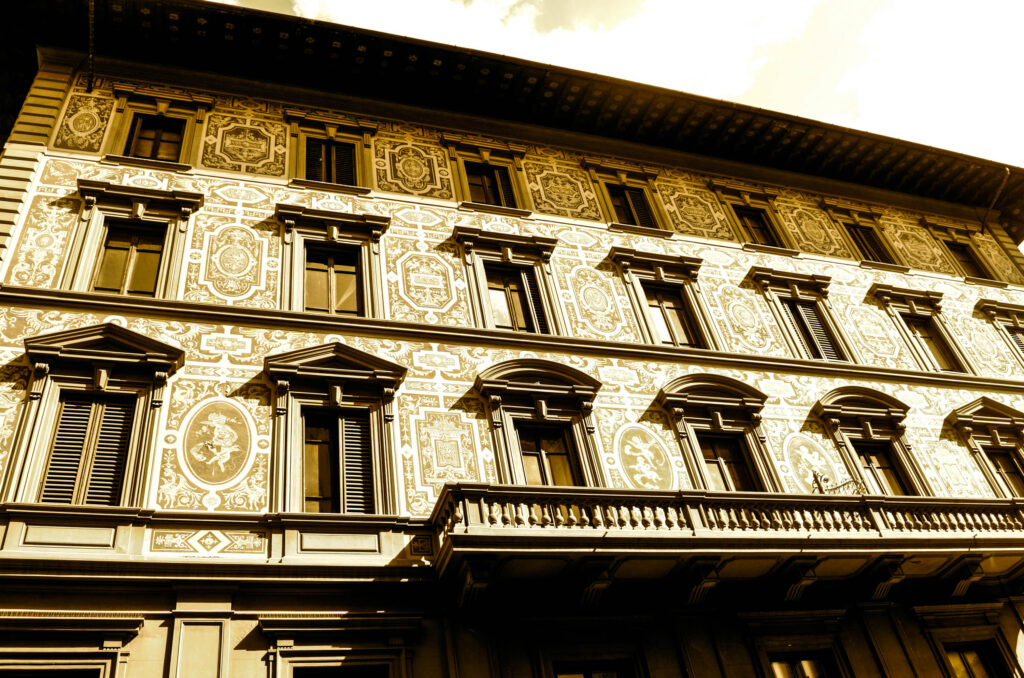
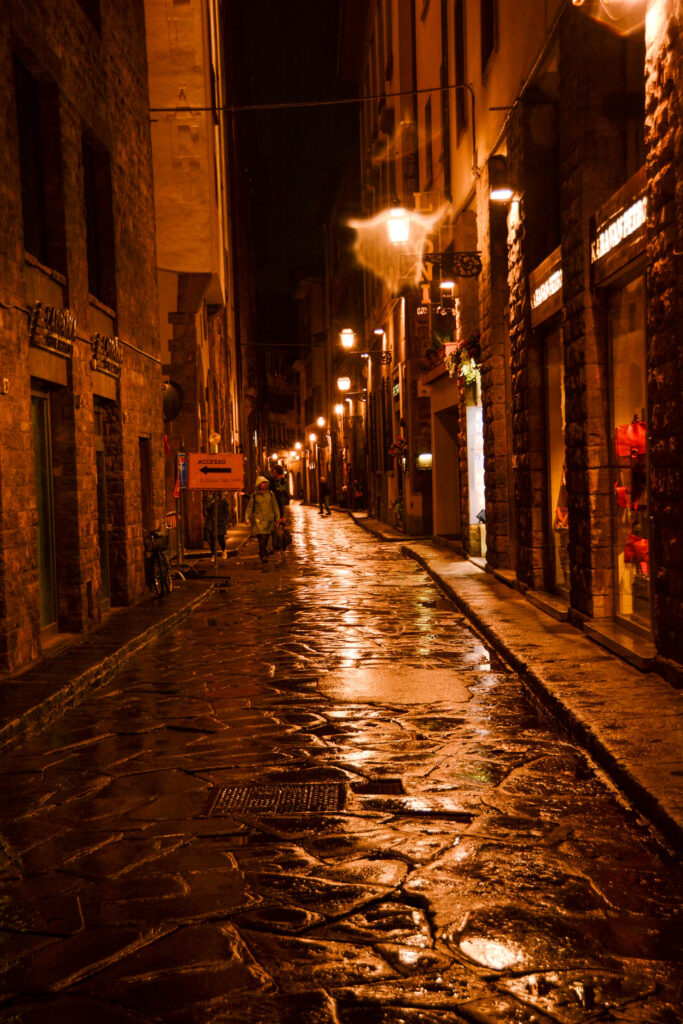
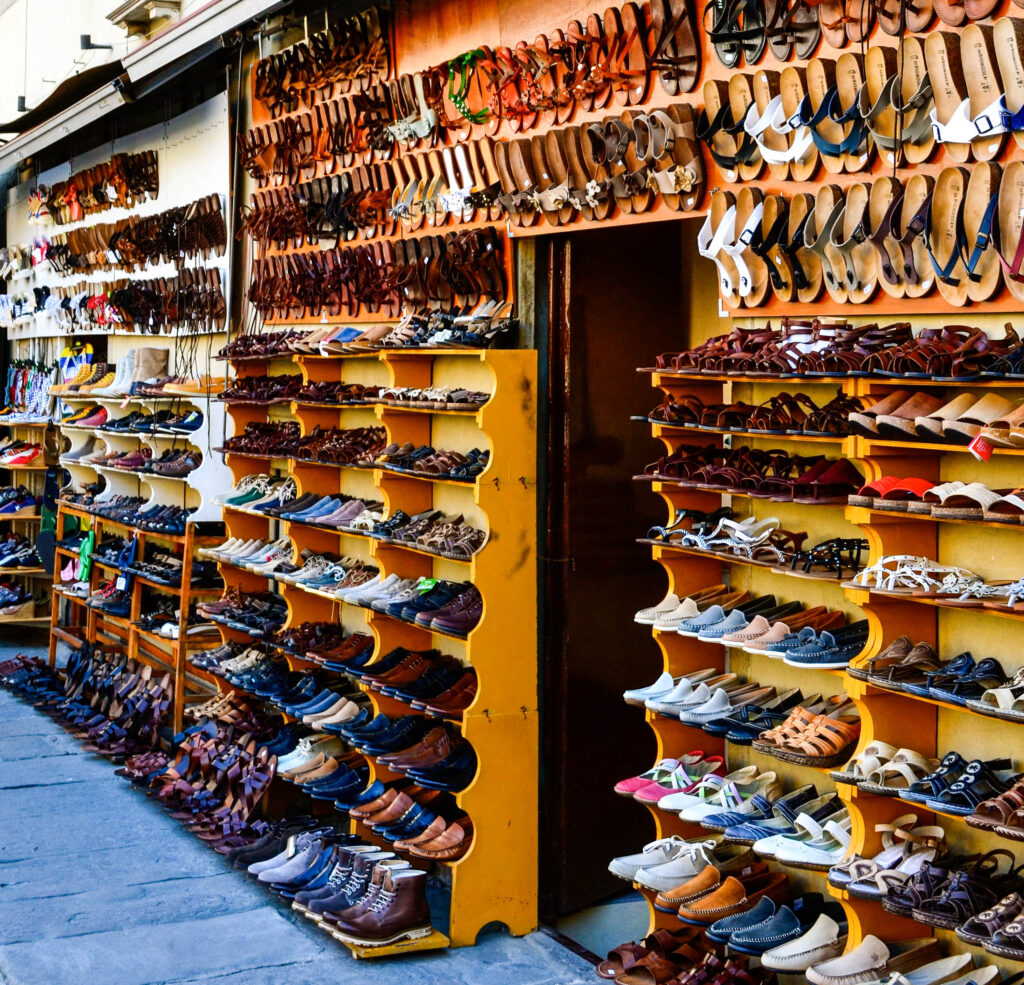
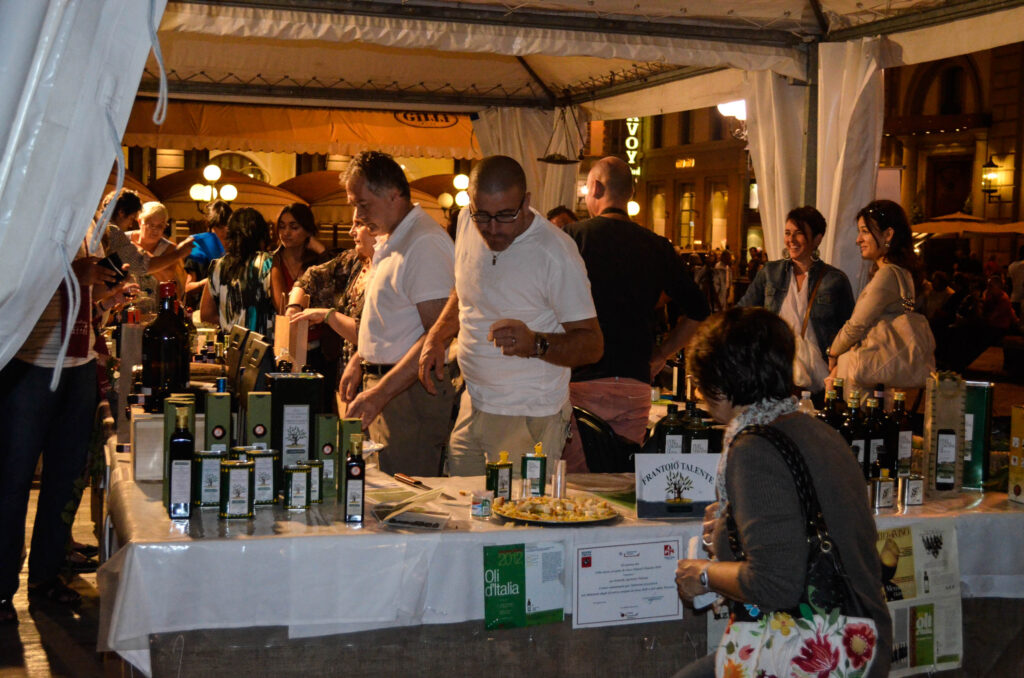
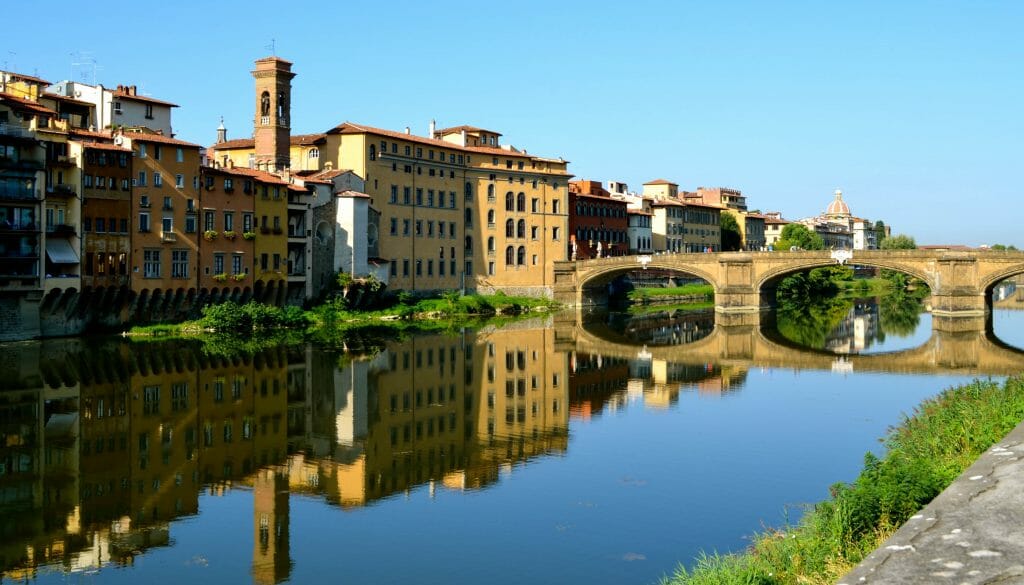
There are cities you visit once and feel satisfied. Florence isn’t one of them. We’ve returned three times, and if you told us we could go again tomorrow, we’d be packed in a heartbeat. It’s a place that imprints itself on your soul. No matter how many times we’ve crossed the Ponte Vecchio or watched the skyline from Piazzale Michelangelo, it always feels new. Each visit uncovers something different: a hidden courtyard, a quiet church, a bakery we somehow missed the last time.
Florence has a rhythm that’s easy to fall in love with. It invites you to slow down, to soak in every detail, from the chime of bells to the scent of leather and espresso. You can spend an entire afternoon in a single piazza and never feel like you’ve wasted a moment. It’s a city of layers, where ancient and modern coexist, and where every turn holds a story waiting to be discovered.
The joy of Florence isn’t just in its grand museums and iconic architecture. It’s in the quiet moments: a friendly exchange at a corner shop, the hush inside a sunlit cloister, the first bite of gelato after a long walk. These simple, unrepeatable experiences are what keep pulling us back.
Florence isn’t just a destination, it’s a feeling, a beautiful, unforgettable, and profoundly human one. We came for the art and stayed for the wonder. And without hesitation, we’ll return and have three times already.
Where is Florence?
Florence is located in the heart of Tuscany, central Italy, along the Arno River. Often considered the birthplace of the Renaissance, Florence sits roughly halfway between Milan and Rome and serves as one of Italy’s most culturally and historically significant cities.
The city is well connected by Italy’s high-speed rail system, making it easy to reach from destinations such as Rome, Venice, Milan, and Naples. Surrounded by the rolling hills, vineyards, and medieval villages of Tuscany, Florence also serves as an ideal base for exploring the broader region.
Top 16 Things to Do in Florence

1. Climb the Duomo (Santa Maria del Fiore)
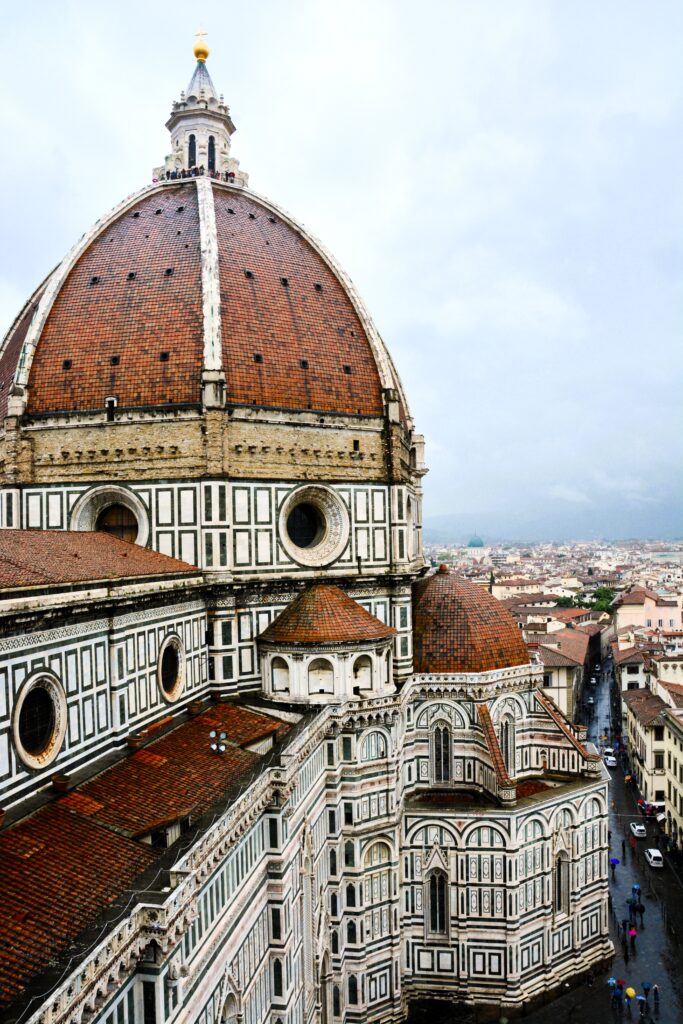
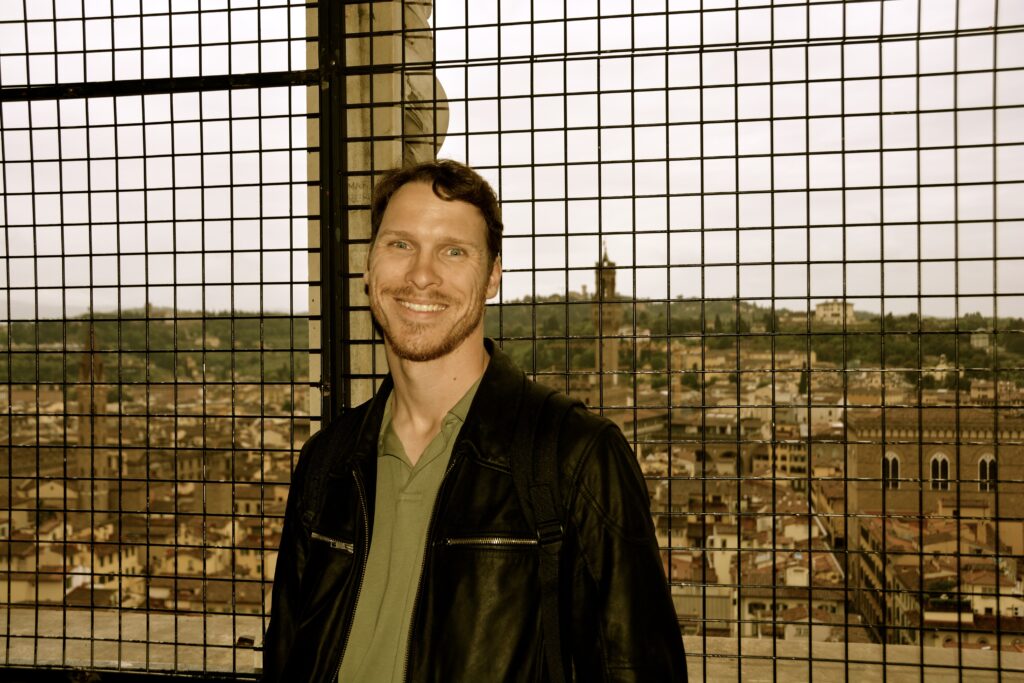
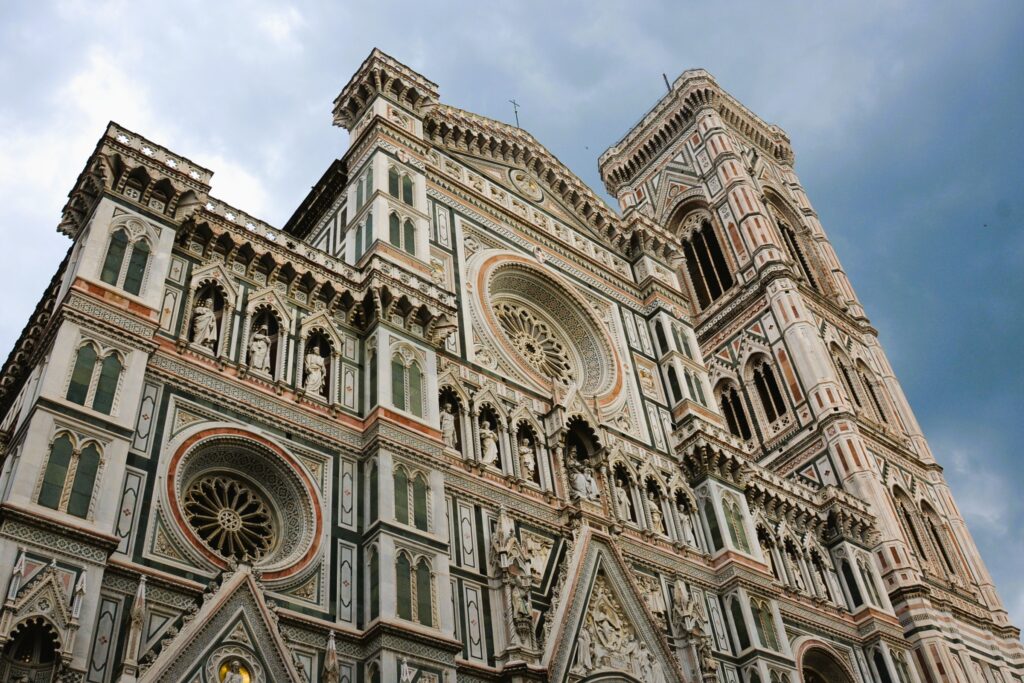
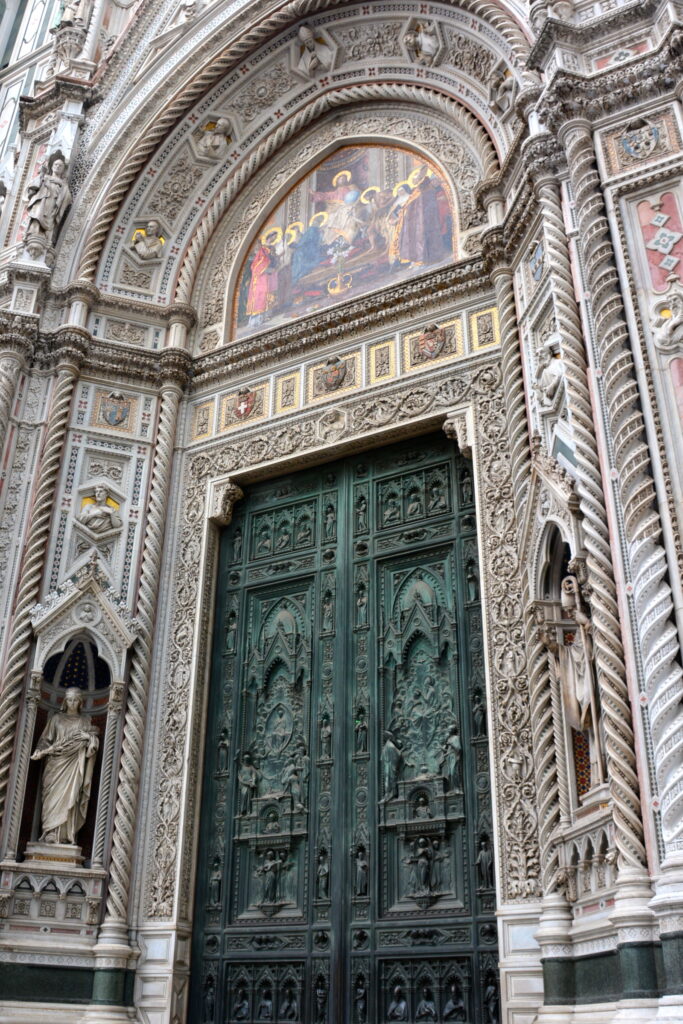
Florence’s skyline is defined by the Duomo’s majestic red-tiled dome, designed by Filippo Brunelleschi, a feat of Renaissance engineering. Climbing its 463 narrow, winding steps is a workout, but each landing gives you a glimpse of the incredible interior frescoes painted by Vasari and Zuccari. At the top, you’re rewarded with panoramic views over terracotta rooftops, bell towers, and the distant hills of Tuscany if you can, go early in the morning to avoid crowds and catch the city waking up in golden light.
2. Stroll Across Ponte Vecchio
The Ponte Vecchio isn’t just a bridge, it’s a time capsule. Built in 1345, it’s the oldest surviving bridge in Florence, lined with goldsmith shops passed down through generations. Strolling across, you’ll notice small lookout points where couples stop for photos and locals pause to admire the Arno River. Come at dusk, when musicians play love songs, and the water reflects the soft glow of shop lights. It’s easy to see why even Hitler ordered it spared during WWII.
3. Explore the Uffizi Gallery
Home to one of the most important art collections in the world, the Uffizi Gallery isn’t just a museum, it’s the heart of Renaissance culture. Highlights include Botticelli’s ethereal The Birth of Venus and Primavera, da Vinci’s Annunciation, and Caravaggio’s dramatic Medusa. The layout follows a chronological path, so you can watch the evolution of art from medieval works to the high-Renaissance genius. Bonus tip: Reserve tickets in advance to skip the long lines, and allow at least 3 hours to explore.
4. Admire Michelangelo’s David at the Accademia Gallery
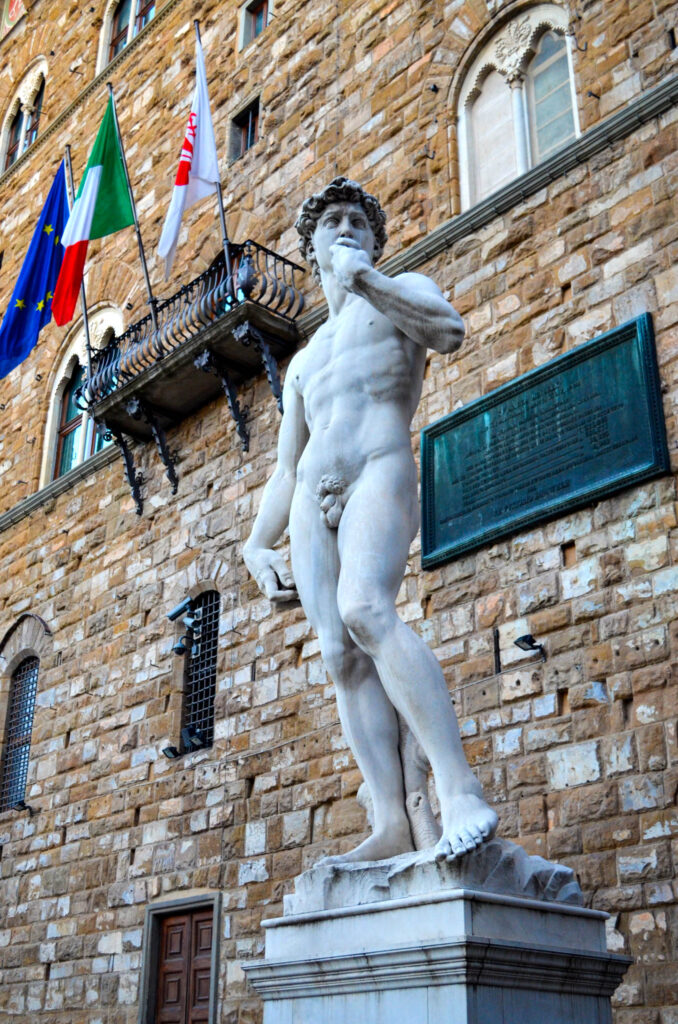
When we turned the corner and saw David for the first time, we were speechless. This 17-foot masterpiece, carved from a single block of marble, stands in a skylit rotunda that enhances every muscular detail. Unlike photos, seeing him up close reveals the intricate veins in his hands, the subtle turn of his gaze, and the perfect balance of human anatomy and artistic spirit. The museum also houses unfinished Michelangelo works that show his chisel marks, a powerful look into his process. Reserving tickets are must and long lines will still be an issue.
5. Sunset from Piazzale Michelangelo
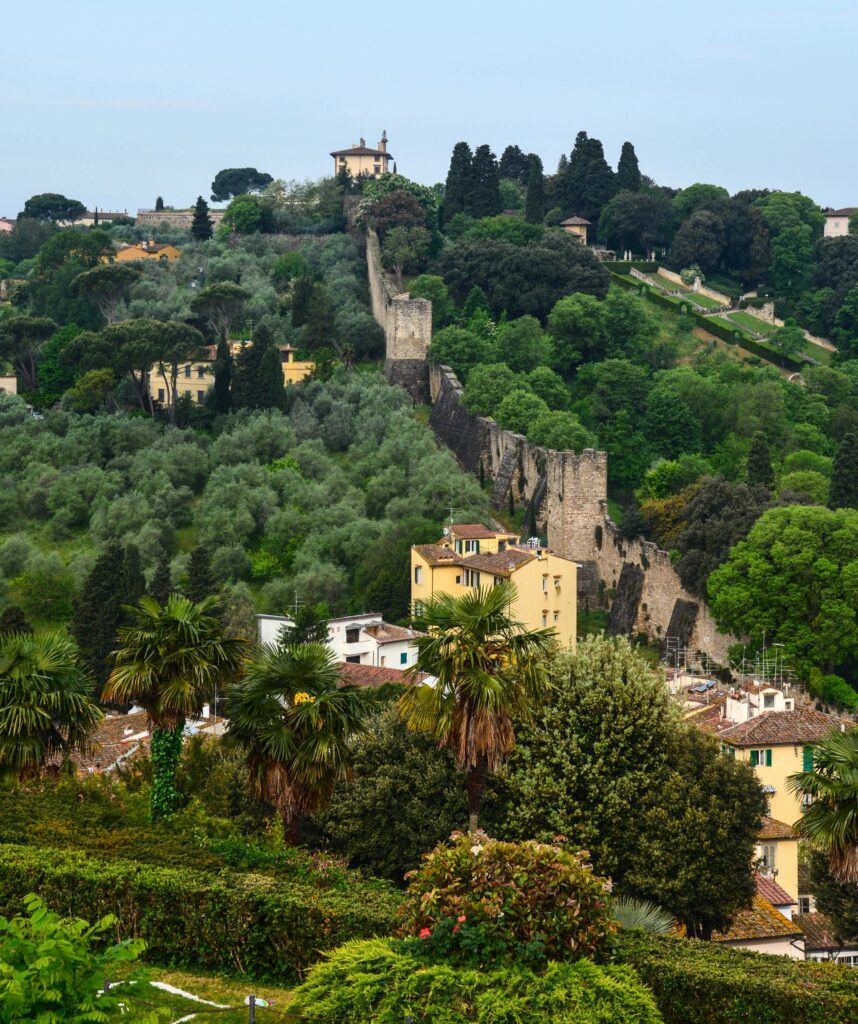
The best views in Florence aren’t from a rooftop bar, they’re from Piazzale Michelangelo. A short (but steep) uphill walk leads to a broad terrace overlooking the city. You’ll see the Arno cutting through Florence, the Duomo rising above, and the hills beyond bathed in sunset glow. Bring a picnic or a bottle of wine, sit on the stone steps, and take in the music, the chatter, and the view. If you’re lucky, a street musician may be playing opera or acoustic guitar as the sun goes down.
6. Wander the Boboli Gardens
These 16th-century gardens behind the Pitti Palace are like walking through a royal fantasy. Created by the Medici family, the gardens are filled with Renaissance statues, hidden fountains, hedge mazes, and shaded stone paths. We spent hours meandering past grottos, citrus trees, and views that felt straight out of a painting. Don’t miss the Buontalenti Grotto, a surreal mix of sculpture, fresco, and dripping stone.
7. Tour Palazzo Vecchio
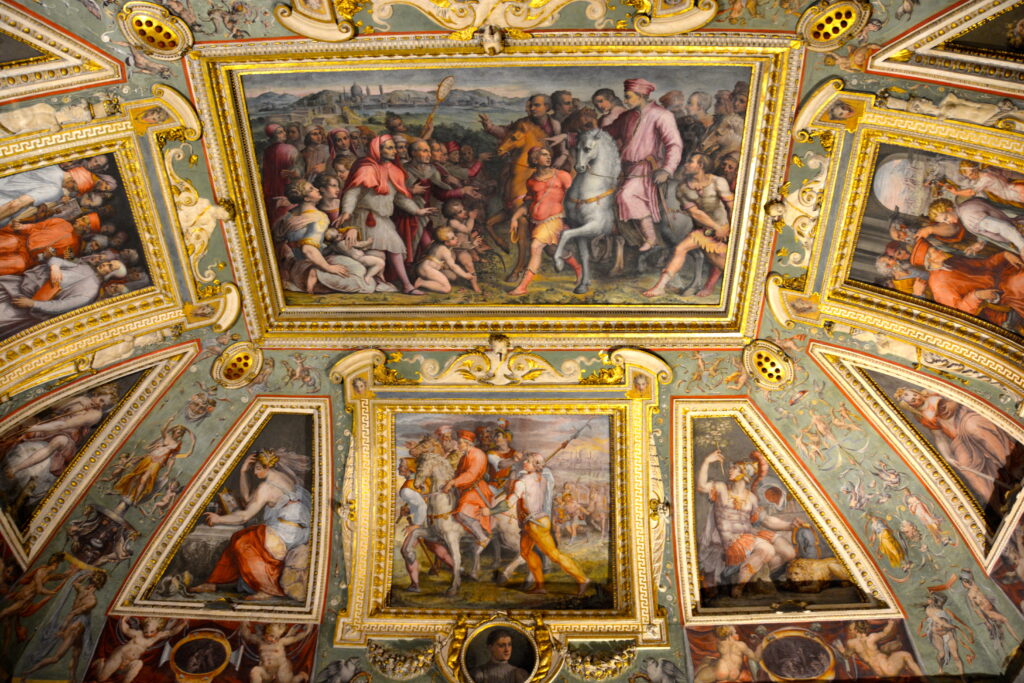
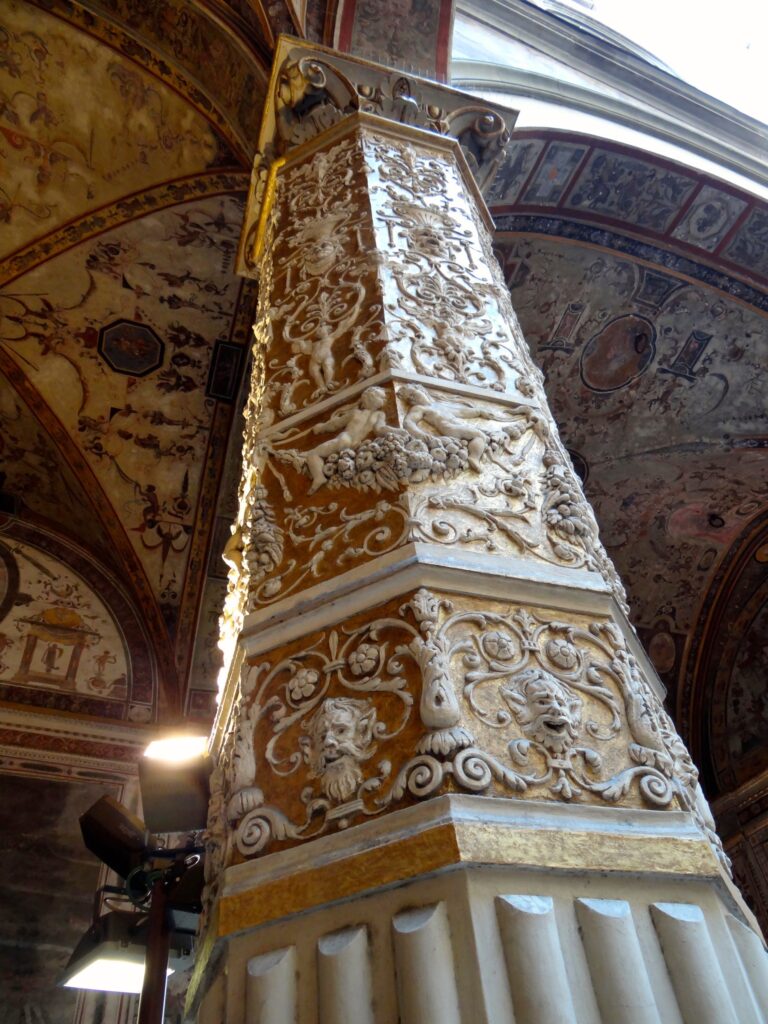
Once the seat of power of the Florentine Republic, Palazzo Vecchio is still Florence’s town hall and a stunning museum. Inside are grand halls with painted ceilings, armor displays, and the impressive Salone dei Cinquecento, a vast chamber lined with frescoes by Vasari. A guided tour gives access to secret passages, and the climb up the Arnolfo Tower rewards you with a lesser-known, less crowded view of the city.
8. Indulge in Gelato at Vivoli
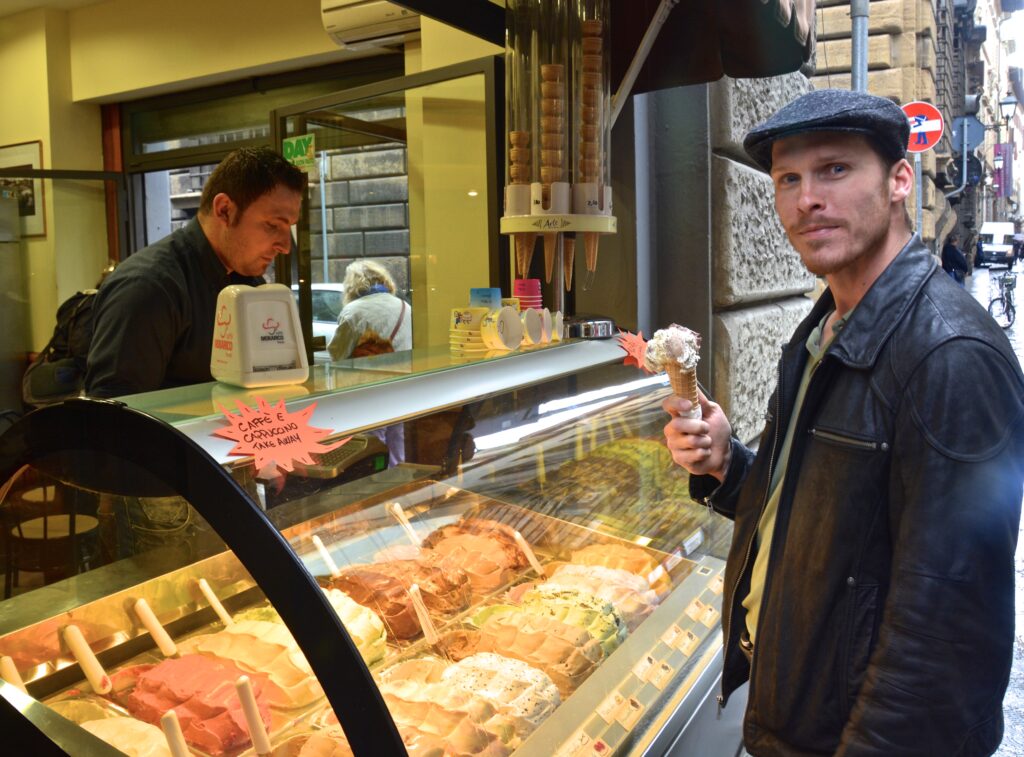
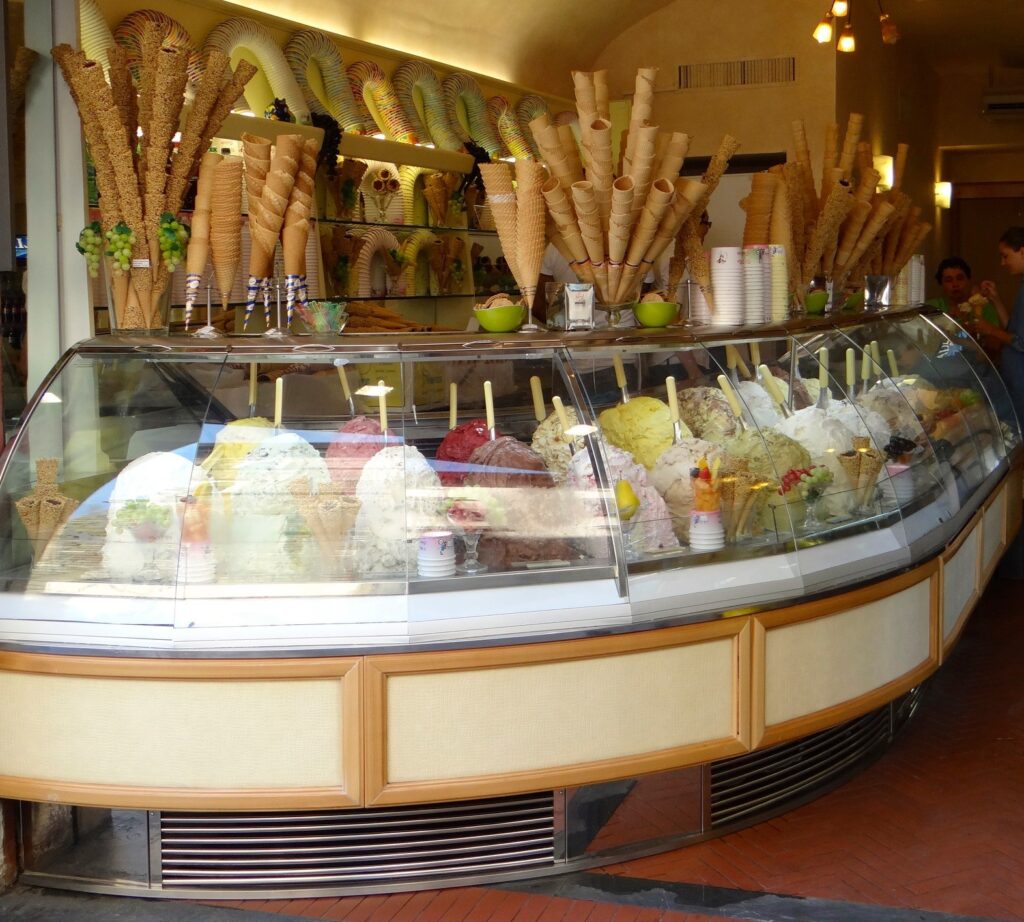
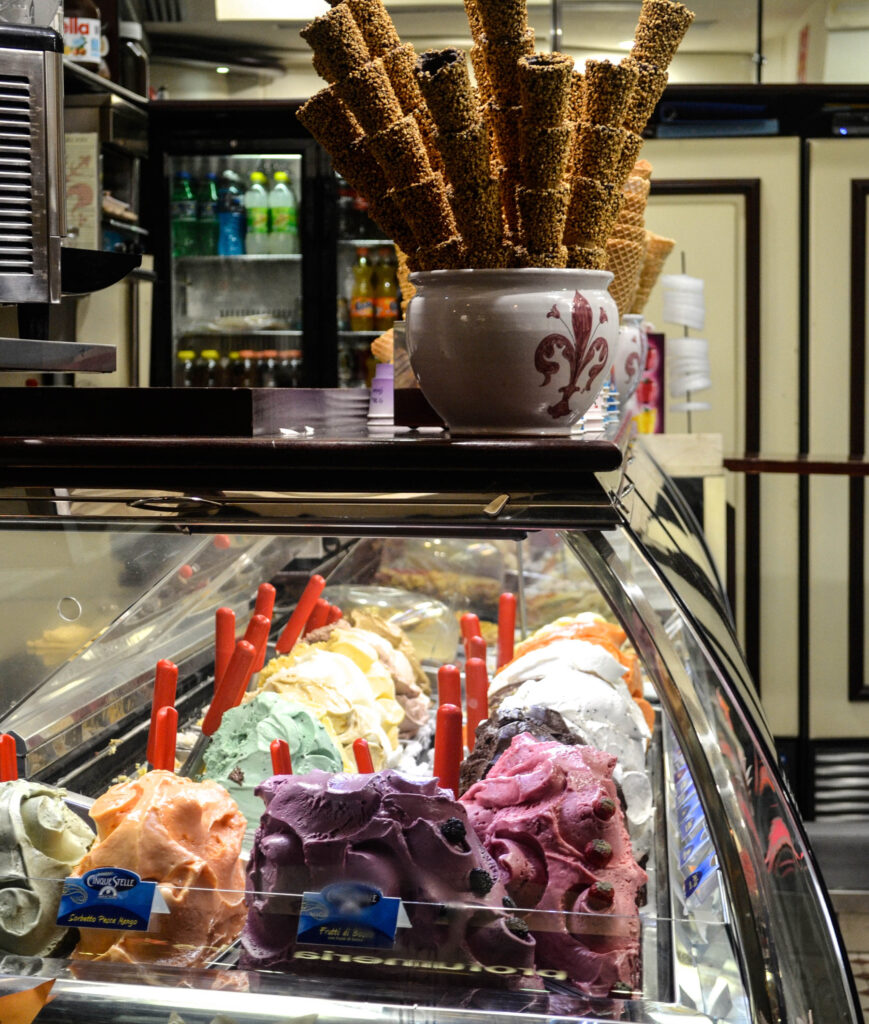
Skip the neon-colored gelato shops and head to Vivoli, one of the oldest gelaterias in the city. Family-run since the 1930s, this local favorite makes fresh, dense gelato with seasonal ingredients. We couldn’t get enough of the creamy pistachio, tart lemon, and rich chocolate hazelnut. Eat it outside while leaning against a centuries-old wall, and you’ll never look at ice cream the same way again.
9. Drink Coffee at Caffè Gilli
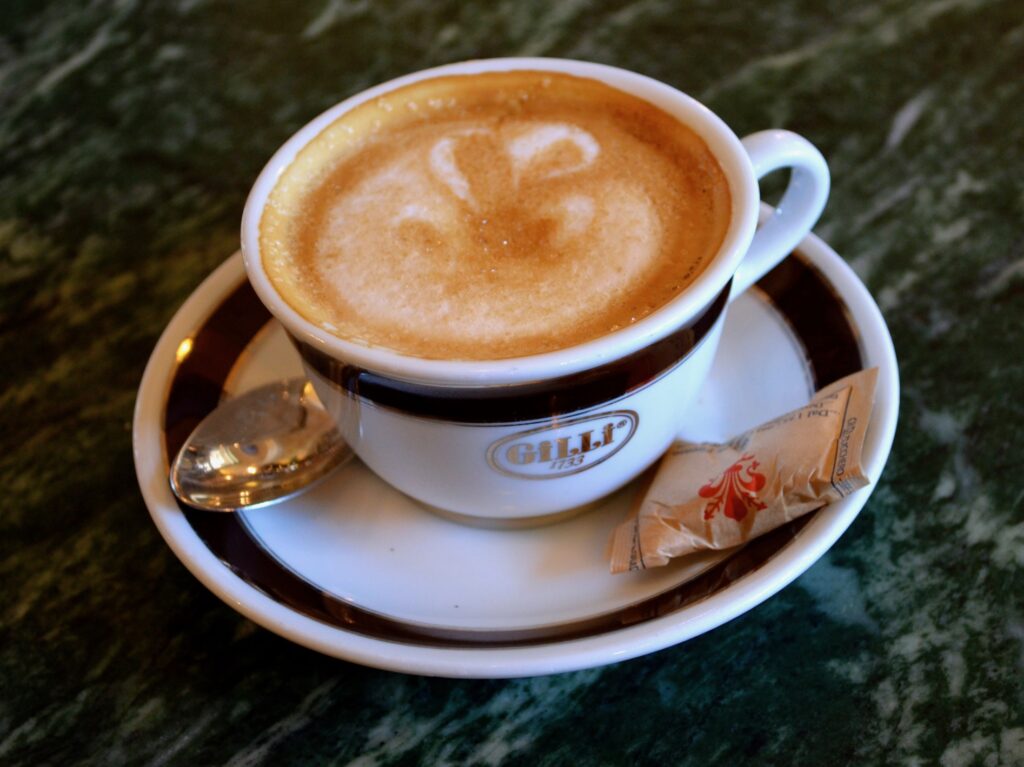
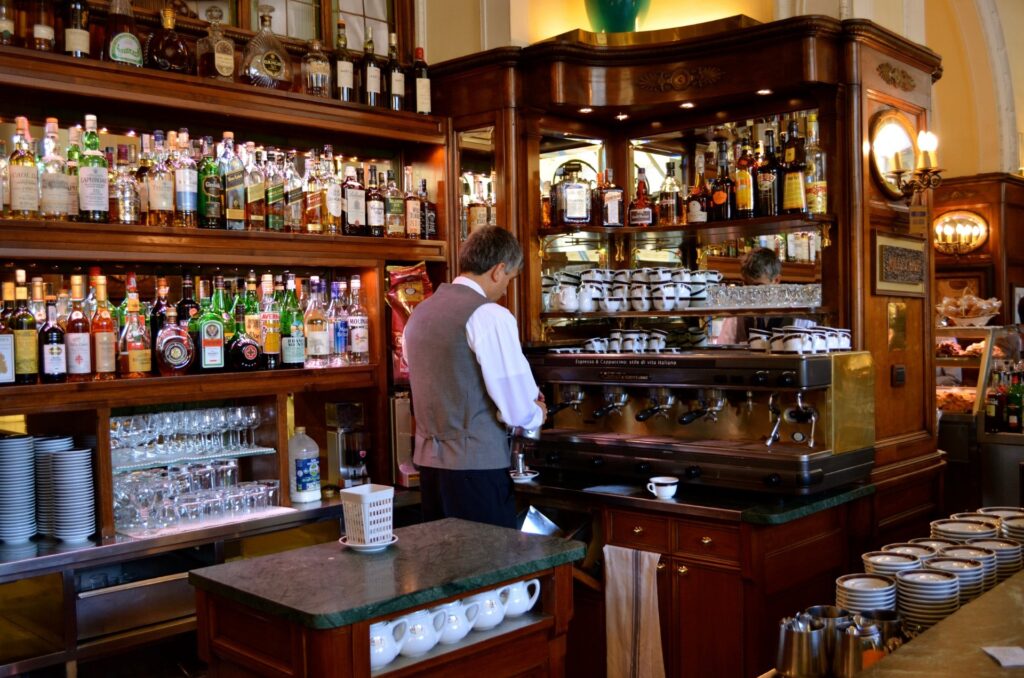
Located in Piazza della Repubblica, Caffè Gilli oozes old-world elegance. Marble counters, crystal chandeliers, and jacketed waiters make your cappuccino feel like an event. Sit outside and watch the carousel spin, or stand at the bar as locals do. This place has served coffee to poets, painters, and politicians for nearly 300 years, and it tastes as sophisticated as its history.
10. Browse the San Lorenzo Market & Mercato Centrale
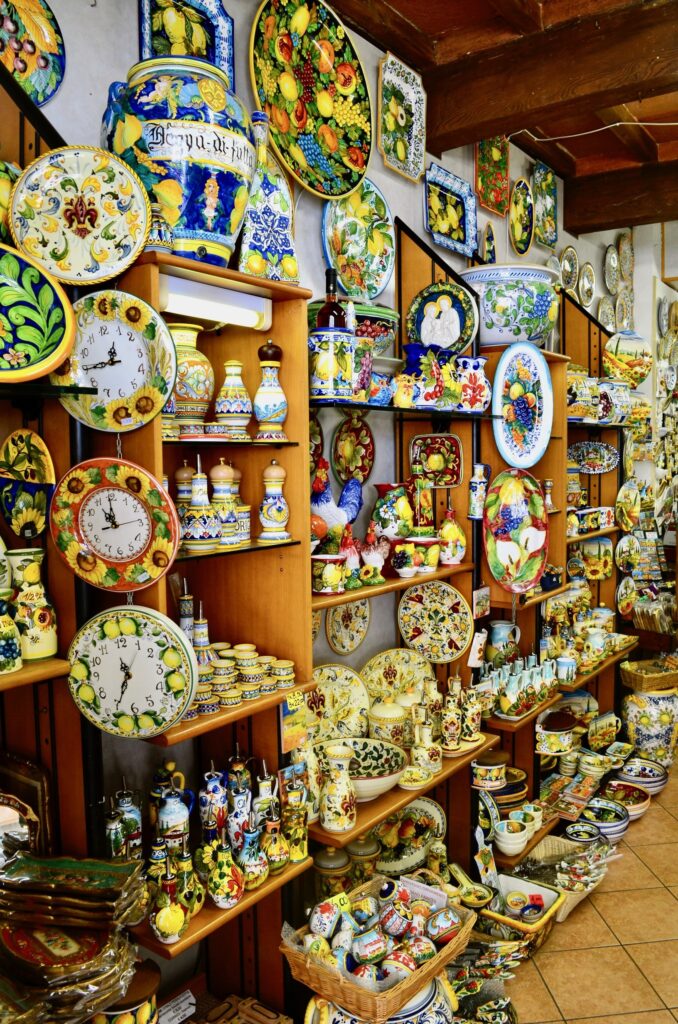
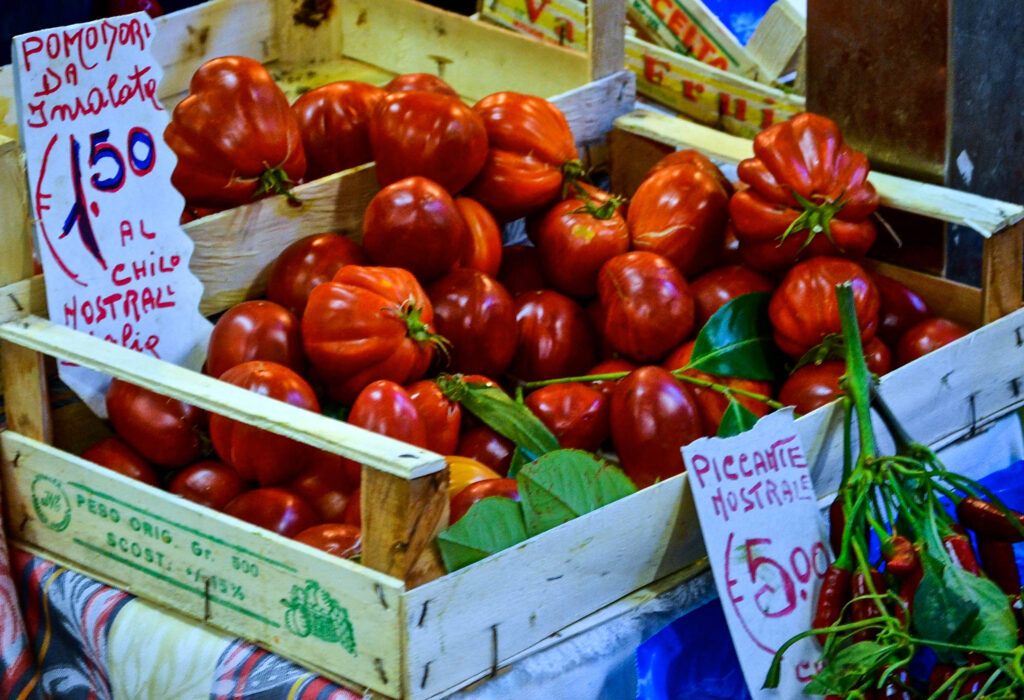
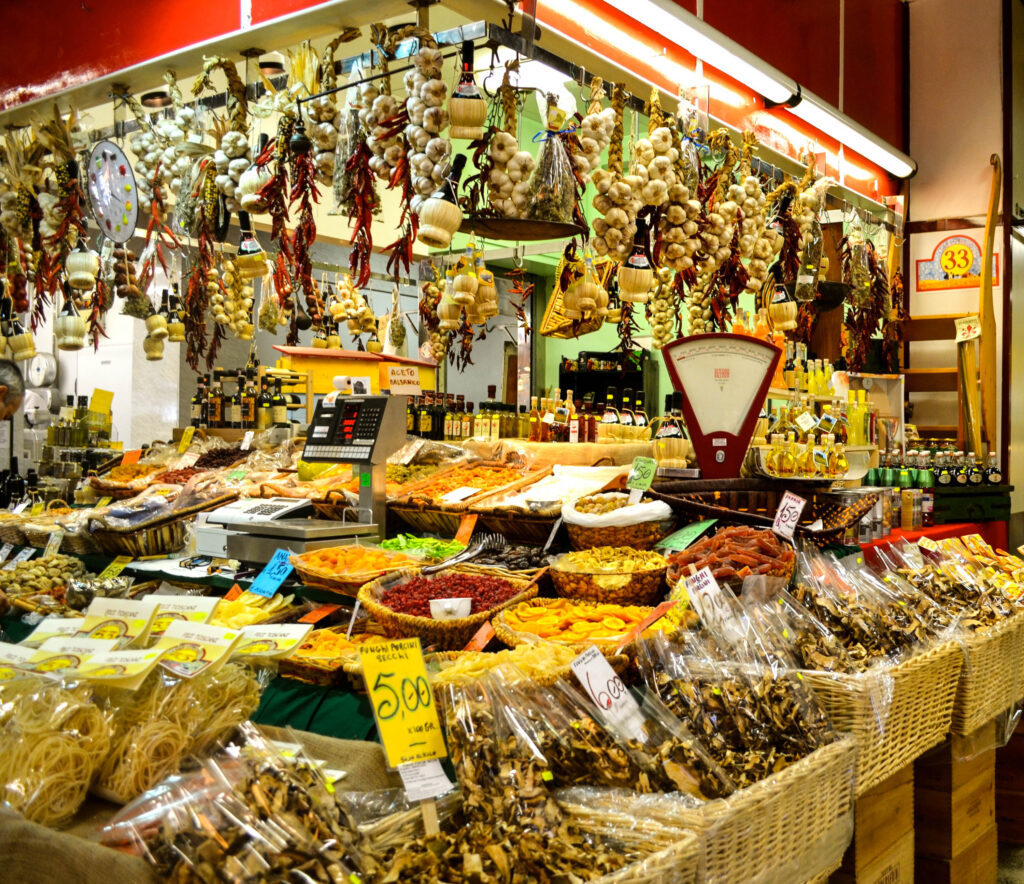
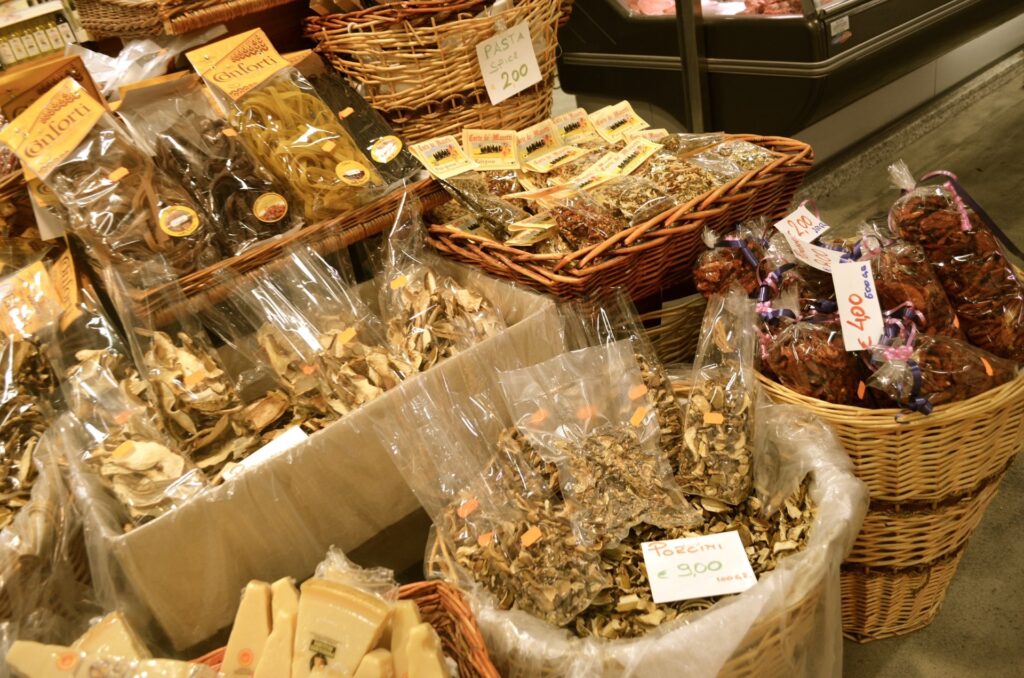
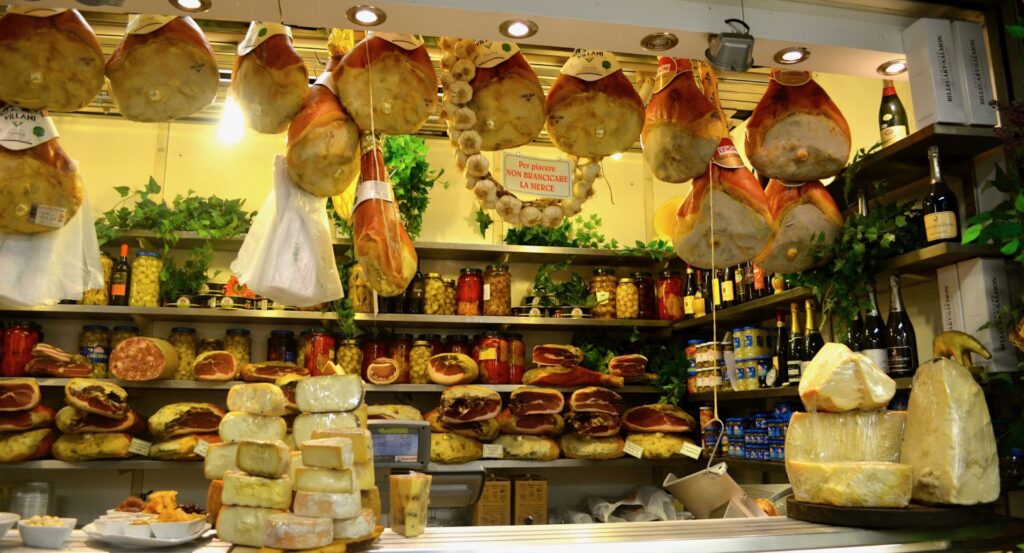
A treasure trove for shoppers and foodies alike. The outdoor San Lorenzo Market offers rows of leather goods, scarves, ceramics, and souvenirs. Bargaining is expected and part of the fun. Inside the nearby Mercato Centrale is foodie heaven: two floors of artisan pasta, wood-fired pizza, cheeses, cured meats, truffles, and wine bars. Grab a bite and eat at the communal tables upstairs, it’s a feast for all senses. Make to check out the leather in Florence, some of the best in the world.
11. Step into Santa Croce
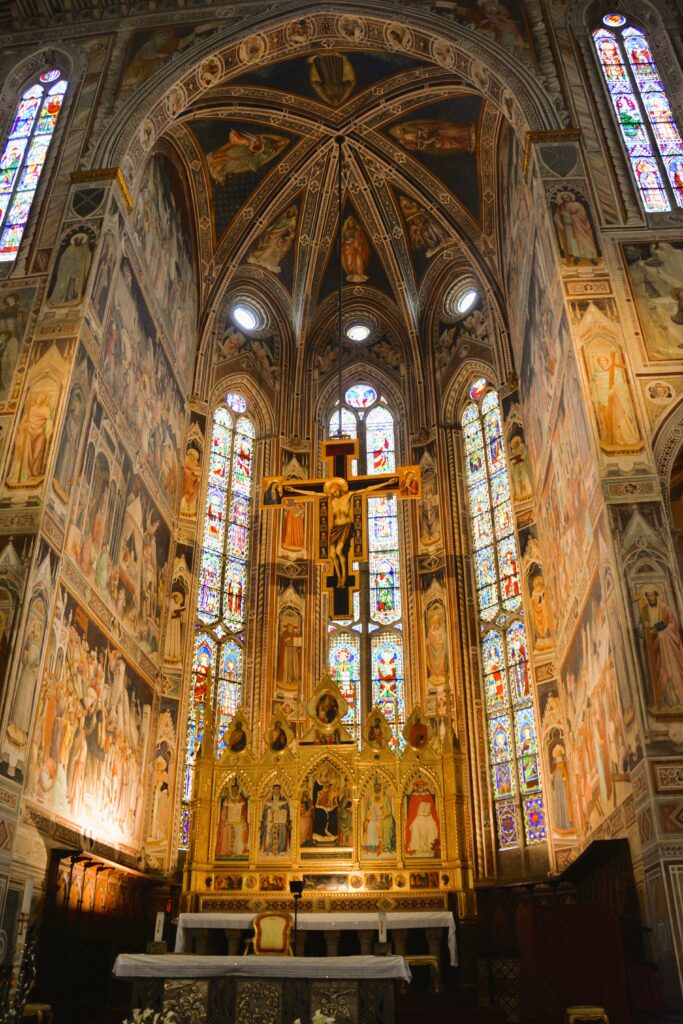
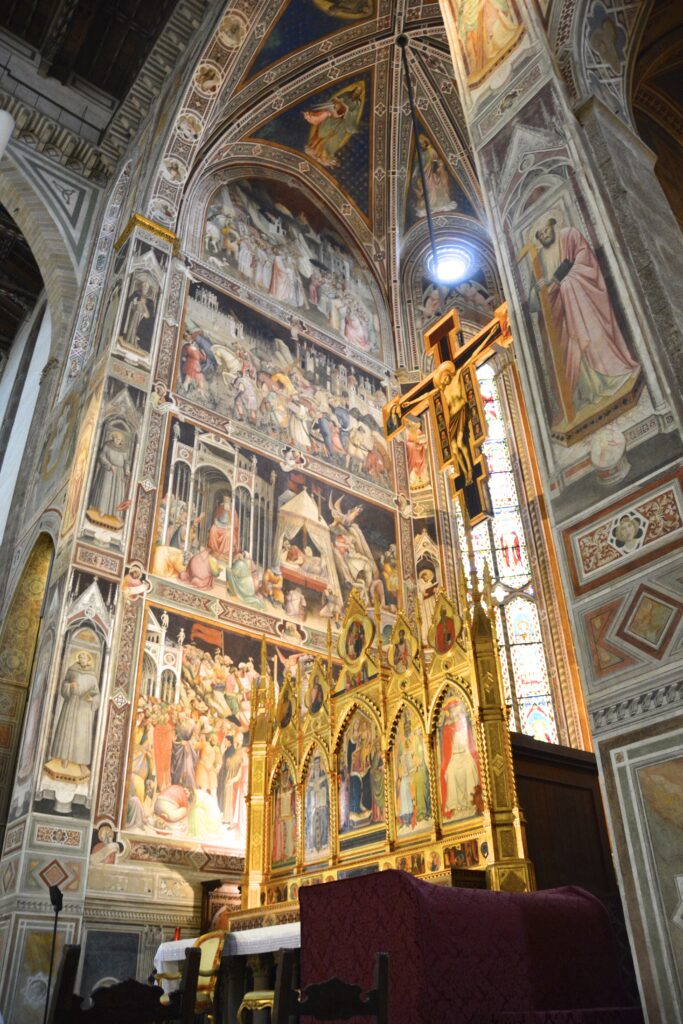
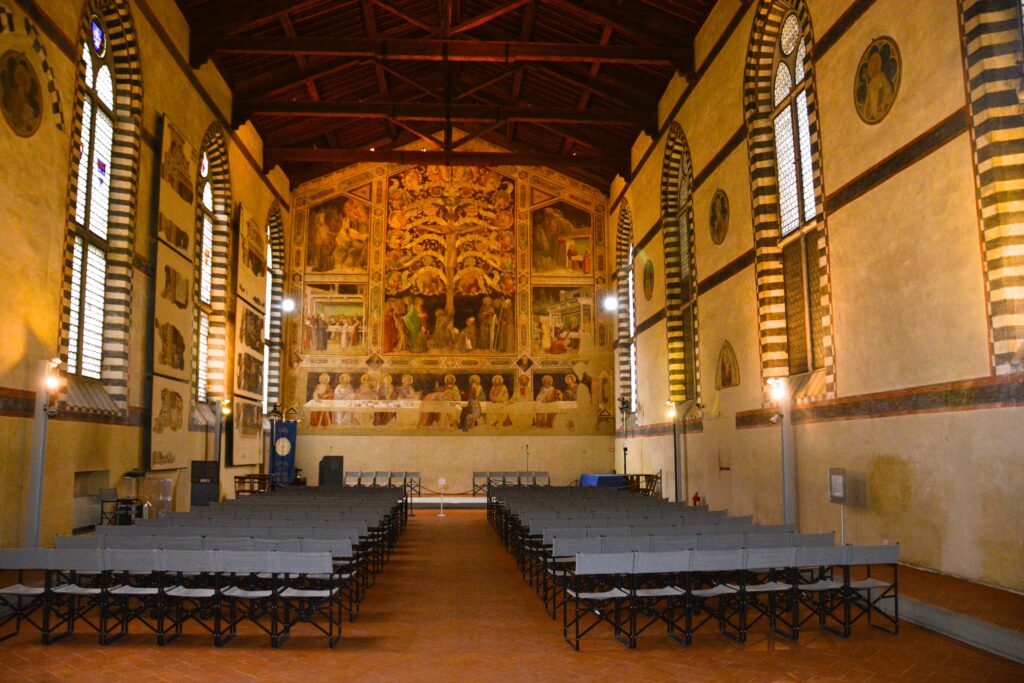
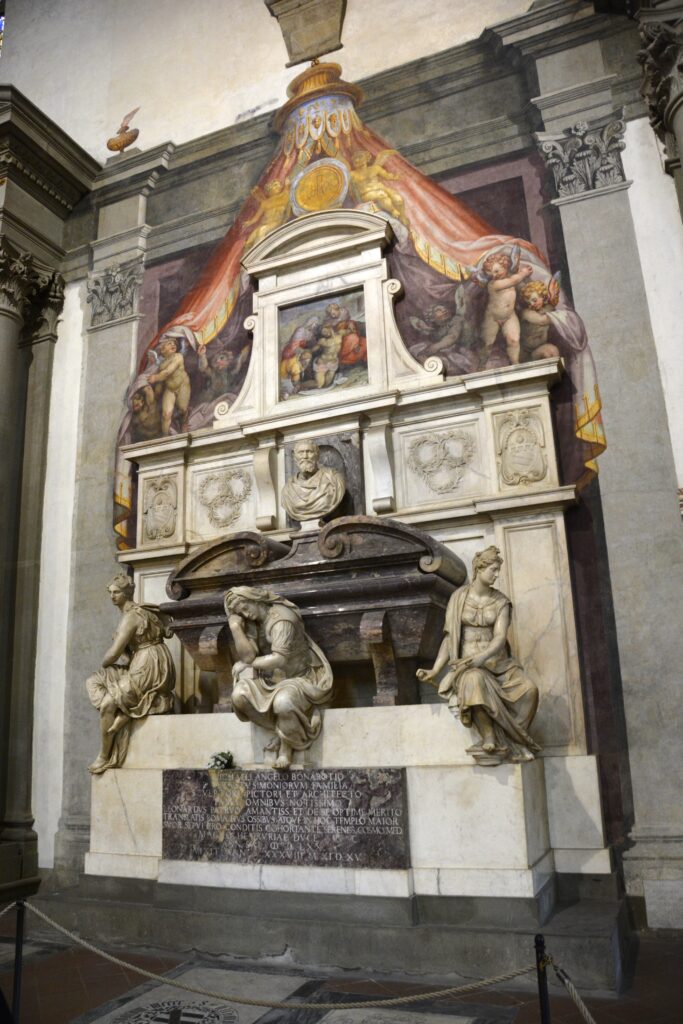
Beyond its peaceful façade lies a powerful legacy. This basilica is the burial place of many of Italy’s most remarkable minds, Michelangelo, Galileo, Machiavelli, and composer Rossini. But it’s not just a cemetery; it’s a place of reverence and reflection. The soaring ceilings, stained glass, and Giotto frescoes give the church a sense of eternal calm. The adjacent leather school also offers a glimpse into traditional Florentine craftsmanship.
12. Visit the Basilica di San Miniato al Monte
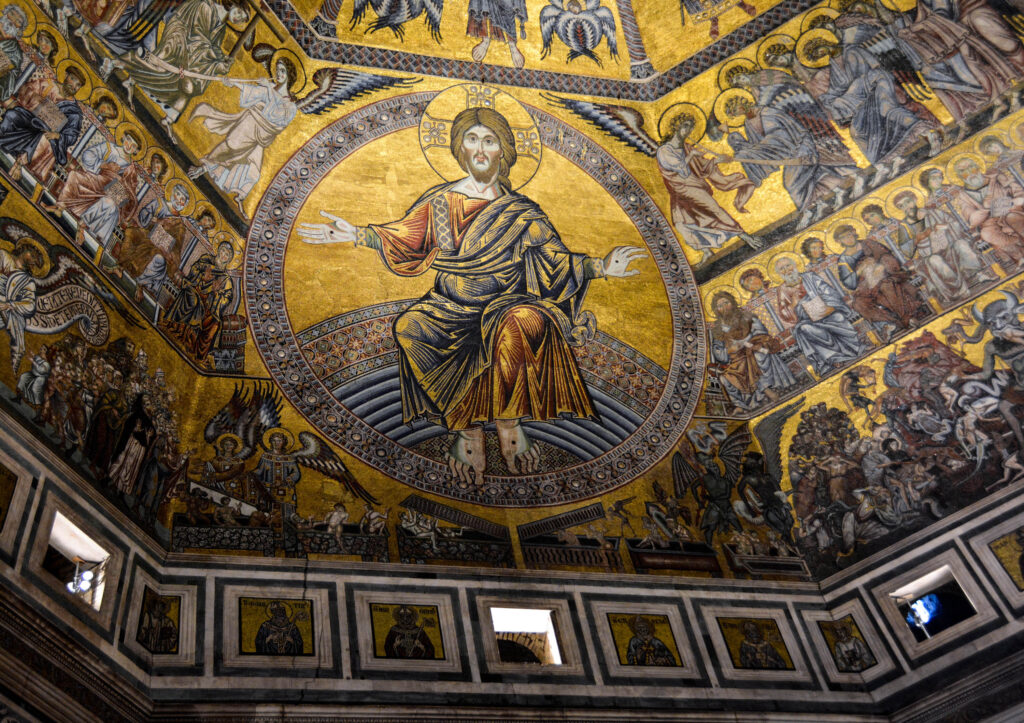
A hidden gem perched on one of the highest points in Florence. The Romanesque church, with its green-and-white marble façade, golden mosaics, and peaceful cemetery, is one of the oldest in the city. We came here after sunset at Piazzale Michelangelo and found near silence, just the rustling trees and the sound of monks chanting Vespers. It felt like stepping into another century.
13. Catch a Show at Teatro della Pergola
Florence’s oldest theater (built in 1656) is still a cultural hub for opera, drama, and music. The interior is gilded and lavish, with plush red seats and balcony boxes that make you feel like royalty. Even if you don’t speak Italian, the experience of seeing a live show in such a historic setting is unforgettable. Check the schedule in advance, tickets are often affordable.
14. Learn at the Leonardo da Vinci Interactive Museum
This isn’t your typical dusty museum. Kids and adults alike can push, pull, crank, and spin life-sized models of da Vinci’s inventions, all built from his original sketches. From flying machines to bridges and gears, it’s a hands-on way to explore the mind of a genius. Panels explain how many of these ideas were centuries ahead of their time. It’s educational, entertaining, and deeply inspiring.
15. Photograph Florence at Every Turn
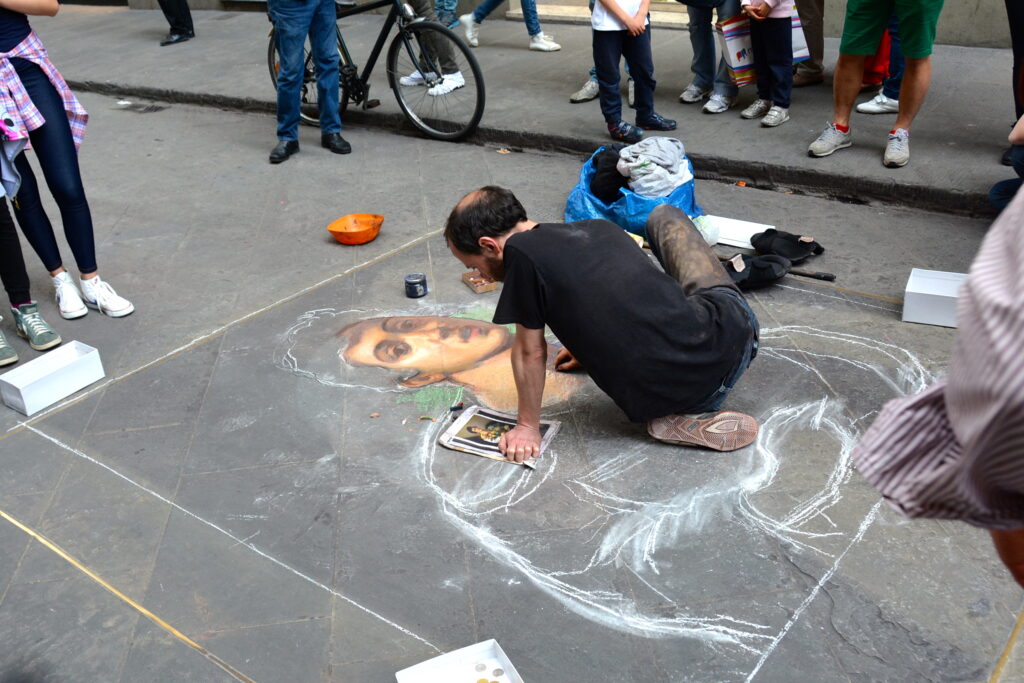
Florence rewards those who slow down and look closely. A painted ceiling in a quiet alley. A cat napping on a sun-drenched stoop. A reflection of the Duomo in a puddle. Whether you’re using a DSLR or just your phone, the city practically begs to be photographed. We found ourselves taking just as many photos in quiet corners and backstreets as we did in front of monuments. It’s a photographer’s dream, and every golden hour here feels like it was made for your camera.
16. Florence American Cemetery and Memorial
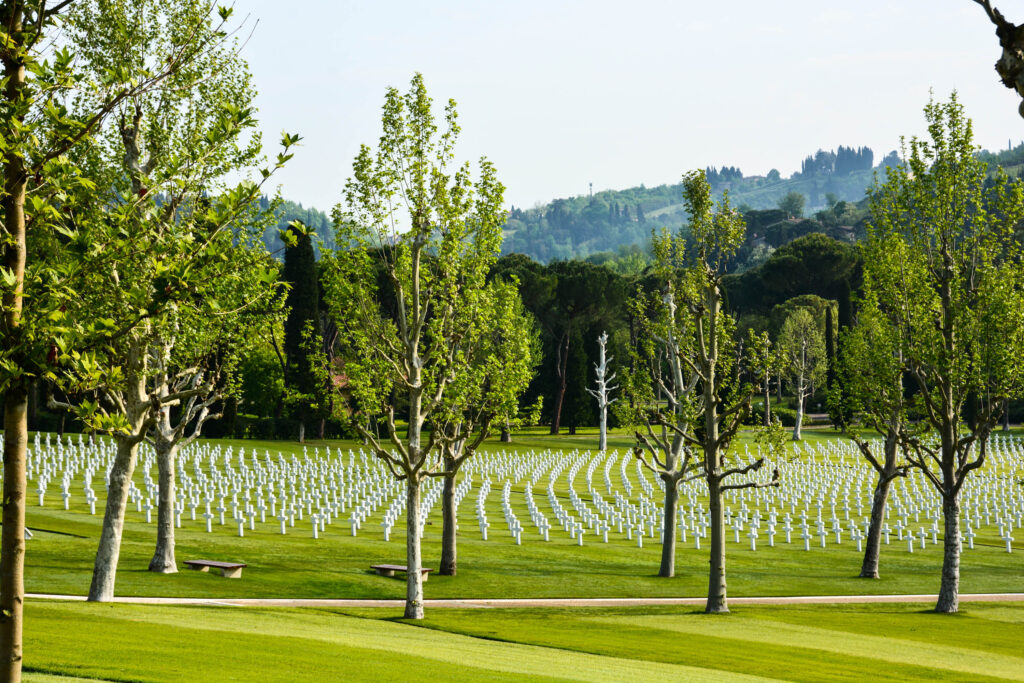
Located in the Tuscan countryside south of Florence, the Florence American Cemetery and Memorial offers a moving opportunity to reflect on the sacrifices made during World War II. More than 4,000 American service members are buried here, many of whom lost their lives during the Italian Campaign. Beautifully maintained and set among rolling hills and cypress trees, the cemetery combines solemn remembrance with the quiet beauty of Tuscany. For visitors interested in military history or honoring those who served, it is a powerful and meaningful stop.
Day Trips into Tuscany and the Italian Coast
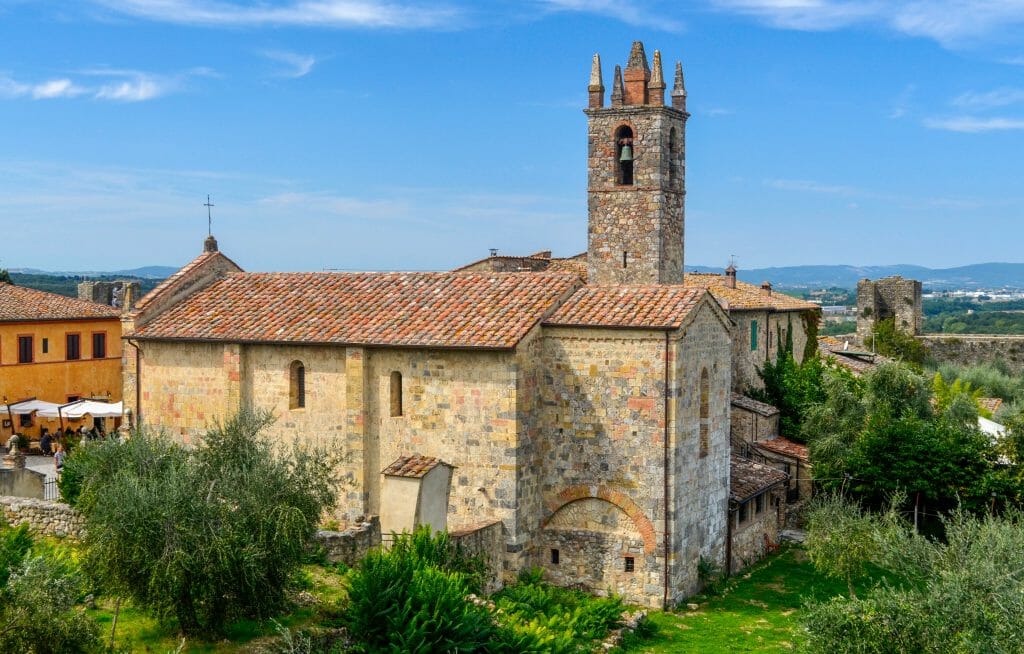
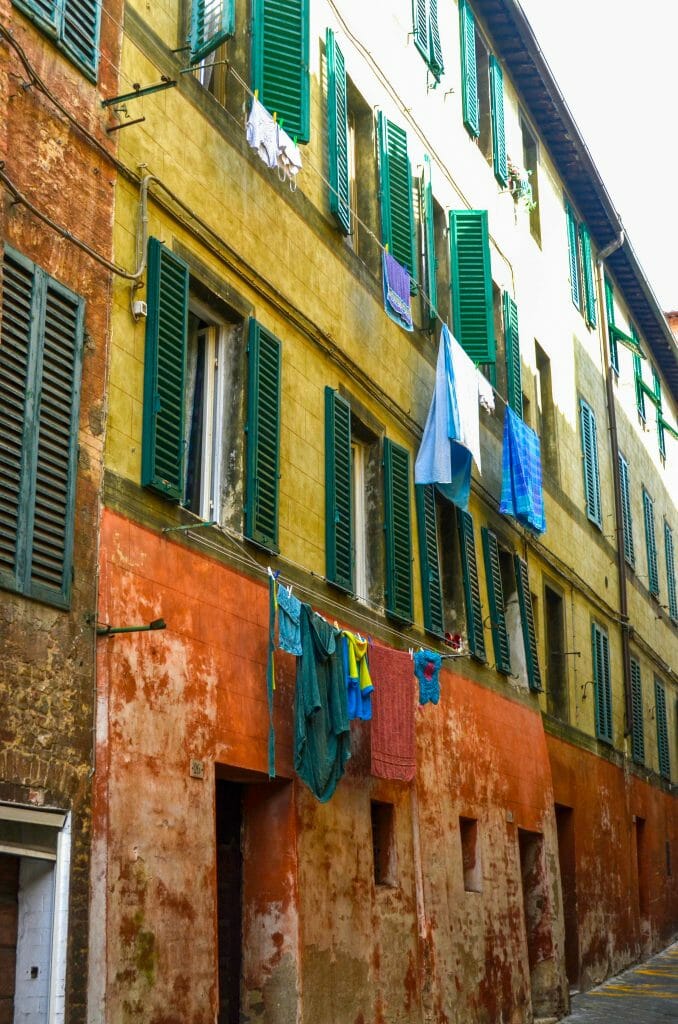
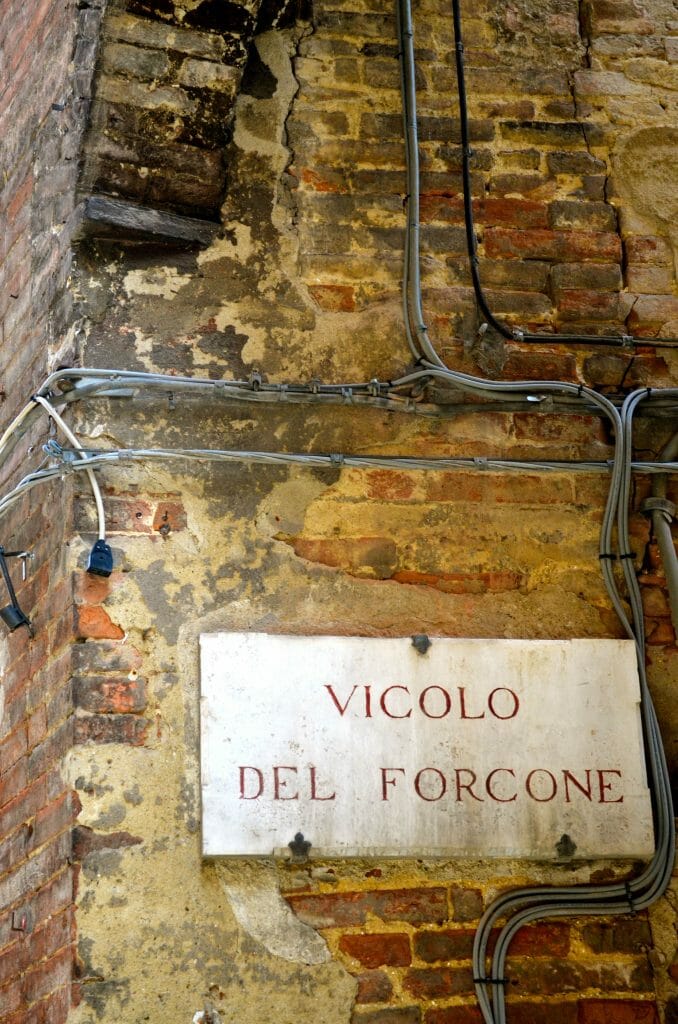
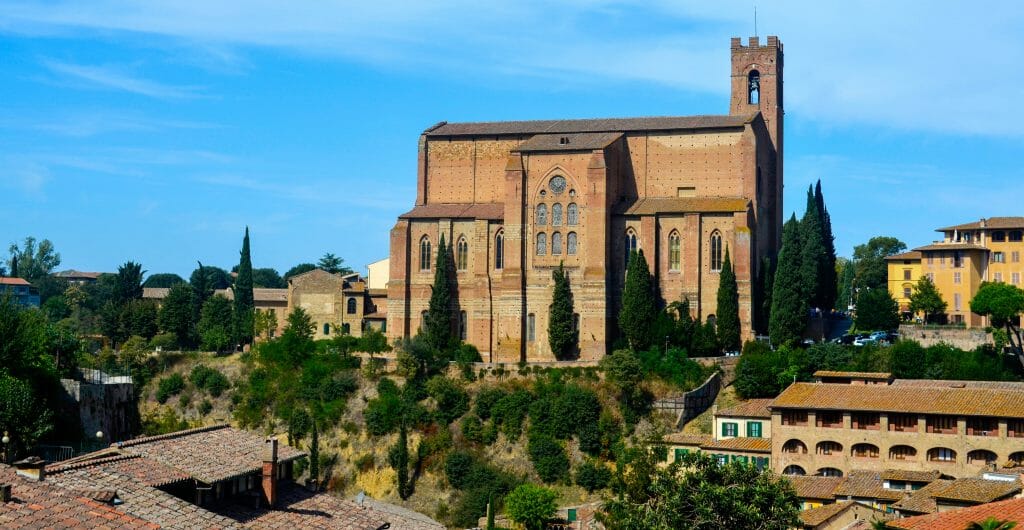
Florence is the perfect base for exploring the rest of Tuscany. If you have a few extra days, here are our favorite excursions:
Chianti Wine Country
Just a 45-minute drive from Florence, Chianti offers rolling vineyards, hilltop villages, and endless wine tastings. Join a tour or rent a car. Stop in Greve or Castellina in Chianti for lunch and a stroll.
San Gimignano
Known as the “Medieval Manhattan,” San Gimignano is one of Tuscany’s most recognizable towns, famous for its skyline of medieval stone towers that once symbolized wealth and power. Wander its cobblestone streets, browse artisan shops, climb a tower for sweeping countryside views, and sample the town’s famous saffron gelato while soaking in the atmosphere of this UNESCO World Heritage Site.
Siena
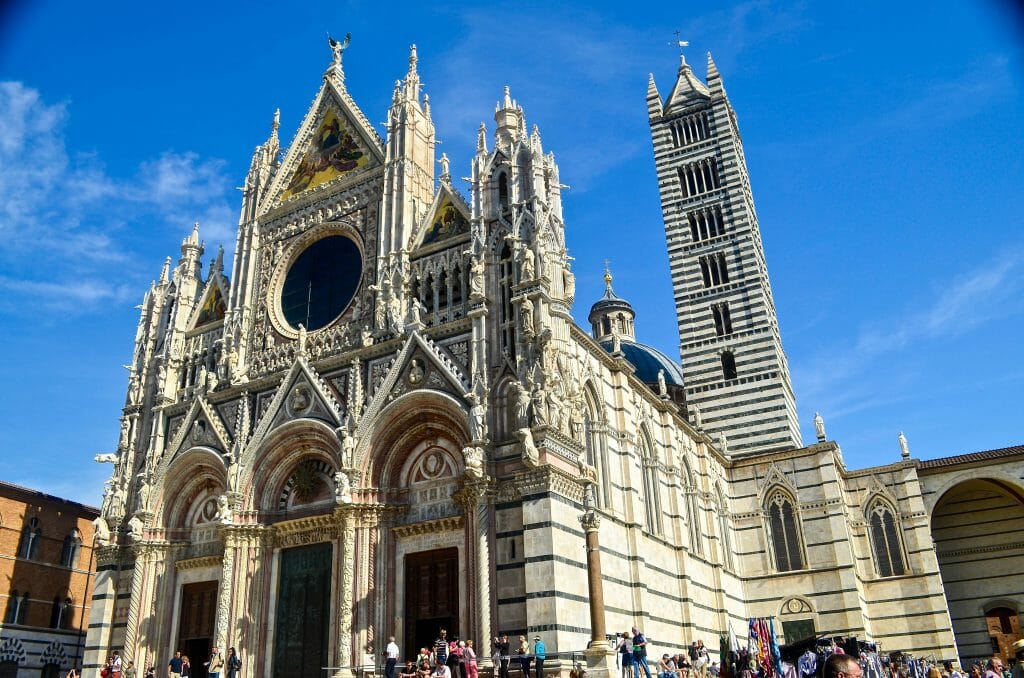
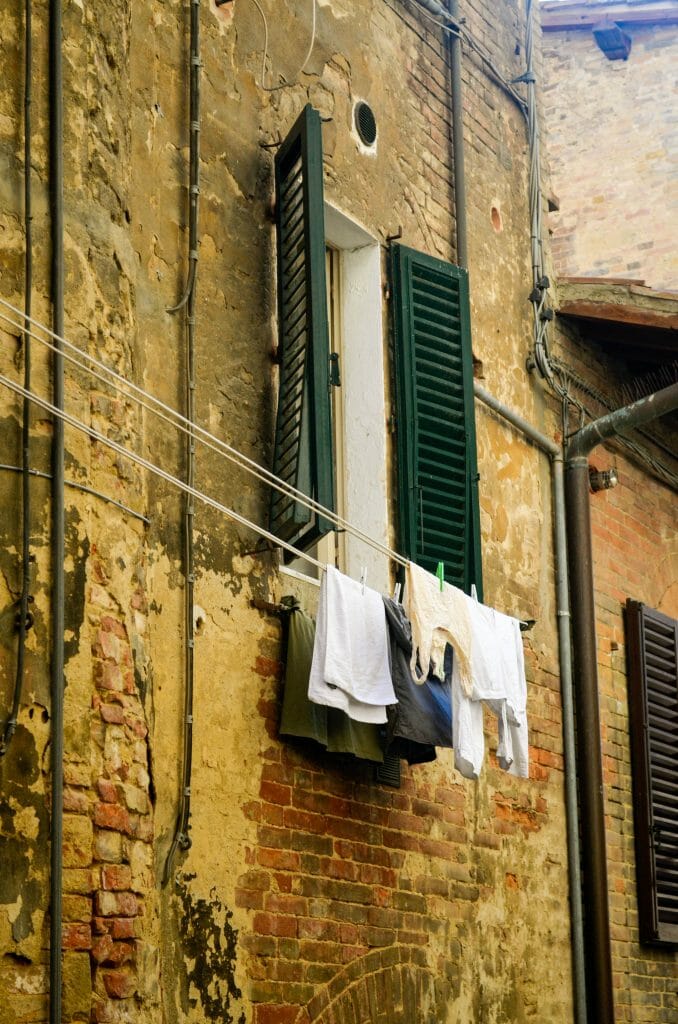
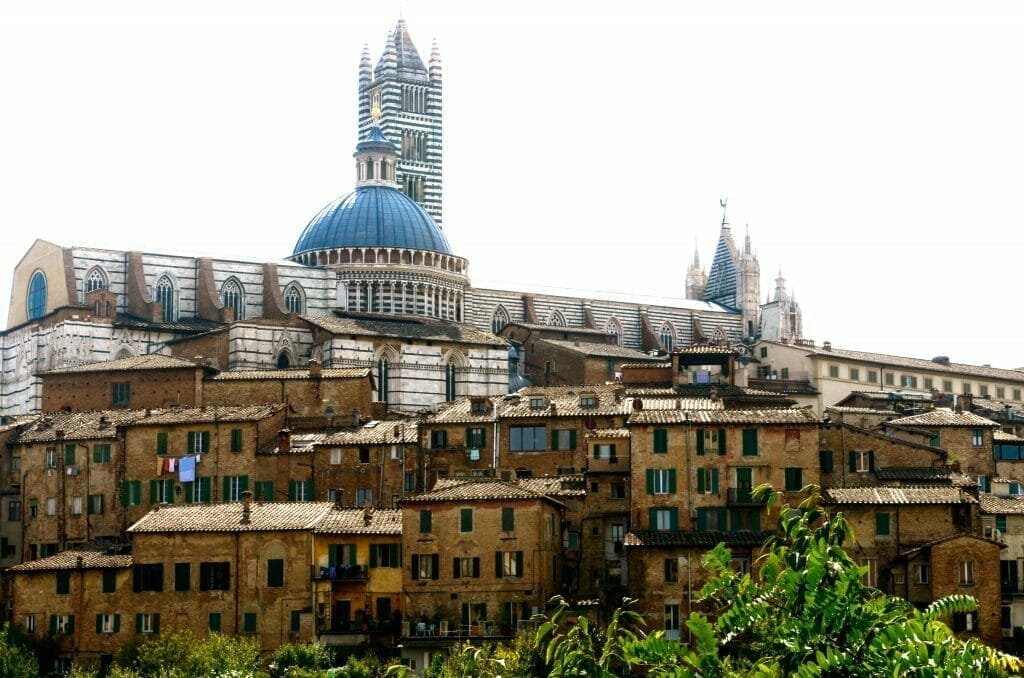
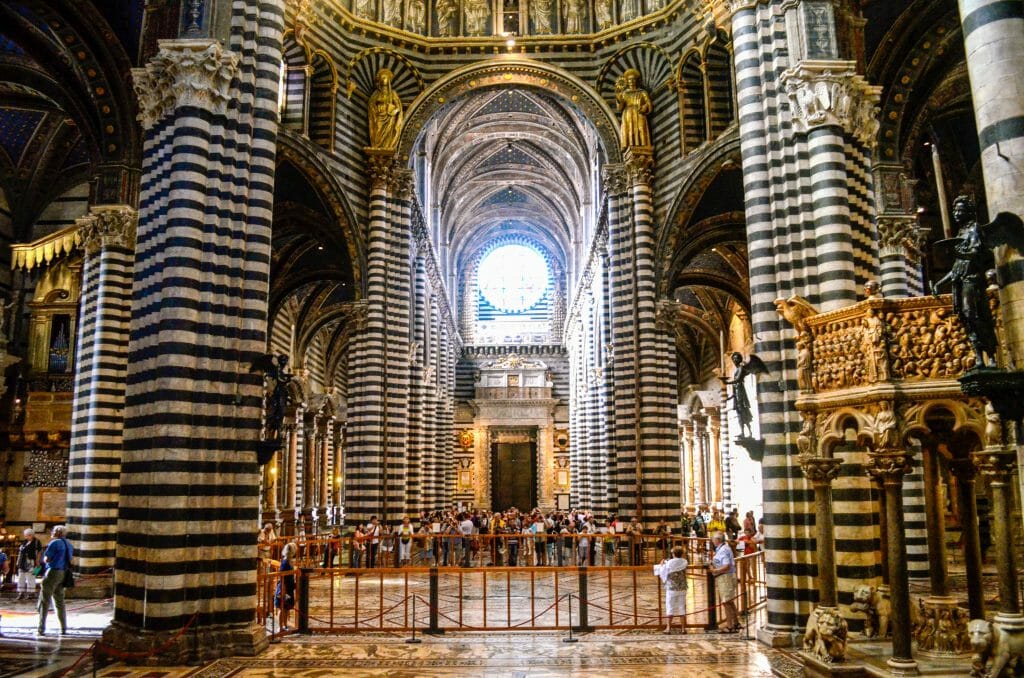
Just over an hour from Florence, Siena is a Gothic masterpiece filled with history and charm. Its magnificent cathedral is one of Italy’s finest, while the shell-shaped Piazza del Campo serves as the heart of the city and home to the famous Palio horse race. Siena’s winding streets, historic neighborhoods, and vibrant local culture make it one of Tuscany’s most rewarding day trips.
Pisa
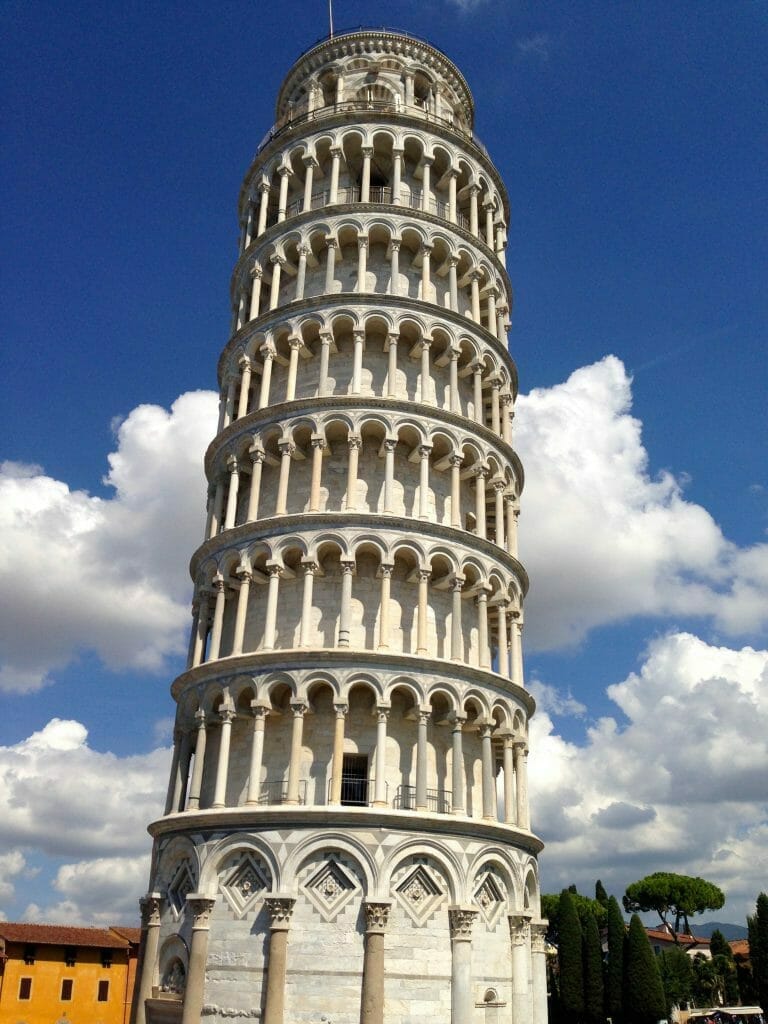
While most visitors come for the iconic Leaning Tower, Pisa offers much more than a photo opportunity. The entire Piazza dei Miracoli is a UNESCO World Heritage Site, featuring the stunning Cathedral, Baptistry, and Camposanto. Beyond these landmarks, Pisa is a lively university city with attractive riverfront promenades, excellent restaurants, and a youthful energy that many travelers overlook.
Lucca
Encircled by remarkably preserved Renaissance walls, Lucca is one of Tuscany’s most inviting and relaxed destinations. The flat, walkable historic center makes it easy to explore on foot or by bicycle, with many visitors choosing to pedal along the tree-lined walls that surround the city. Elegant piazzas, historic churches, charming cafés, and a slower pace of life make Lucca a wonderful escape from Tuscany’s busier destinations.
Cinque Terre
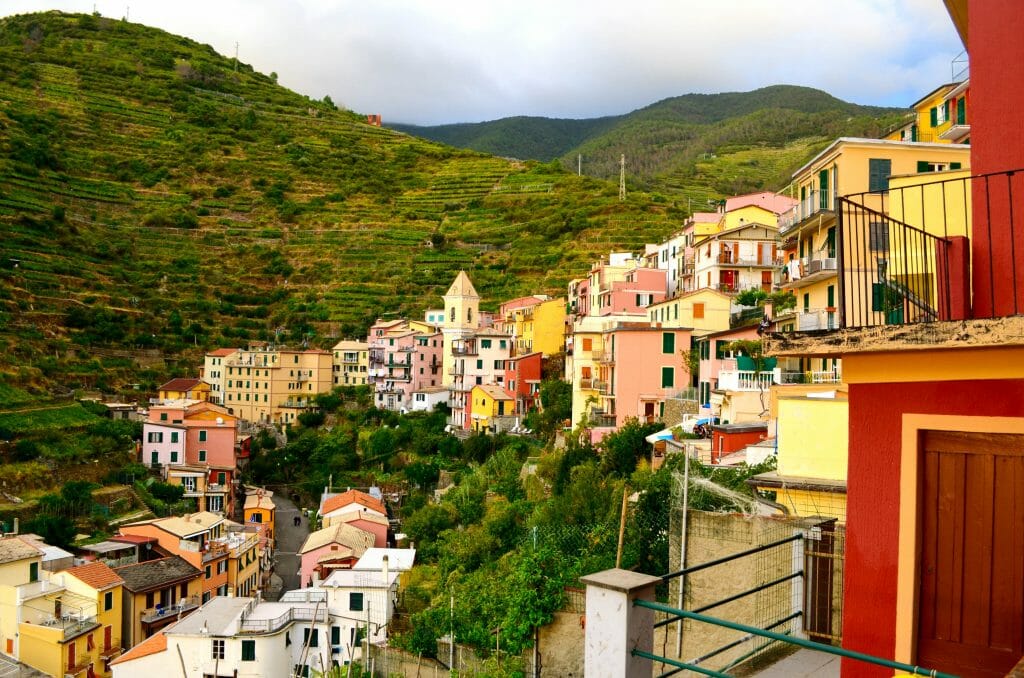
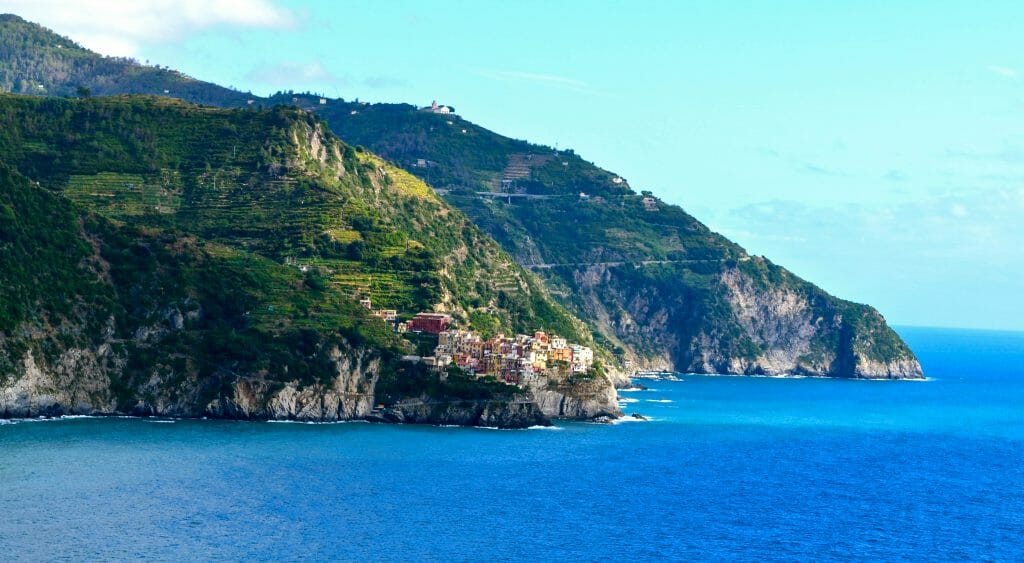
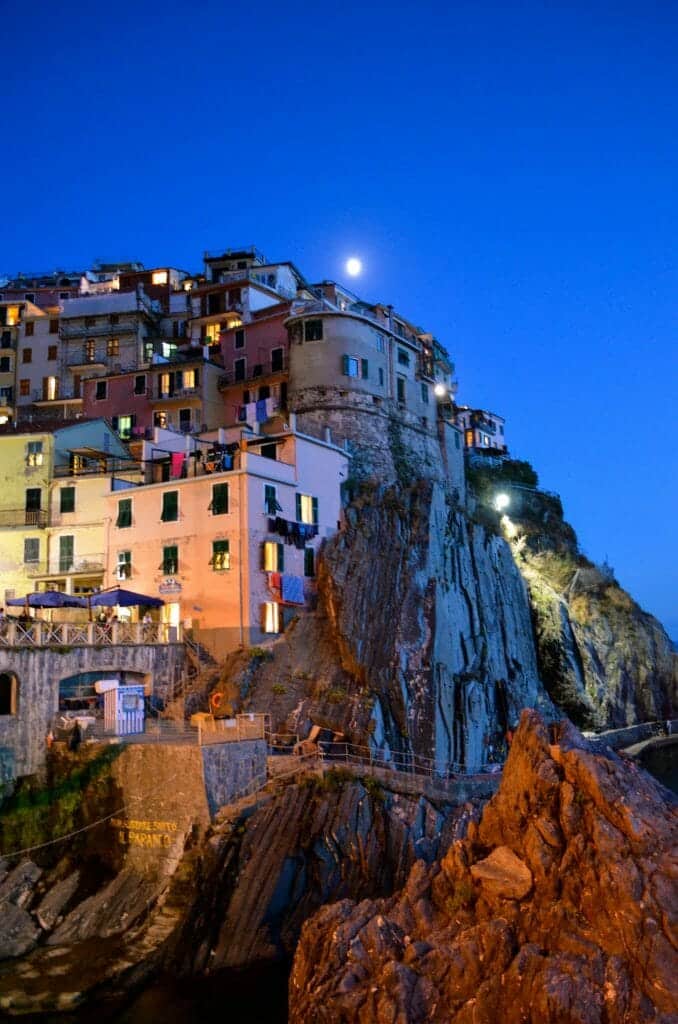
A longer day trip from Tuscany, but one that rewards every minute of the journey. Cinque Terre is a collection of five colorful fishing villages perched along the rugged Ligurian coastline. Connected by trains, walking paths, and stunning sea views, the villages each have their own character and charm. Wander the narrow lanes of Vernazza, admire the harbor of Riomaggiore, browse local shops in Monterosso al Mare, or simply enjoy fresh seafood while overlooking the Mediterranean. The dramatic cliffs, terraced vineyards, and vibrant buildings make Cinque Terre one of Italy’s most iconic and photogenic destinations.
Where to Eat in Florence

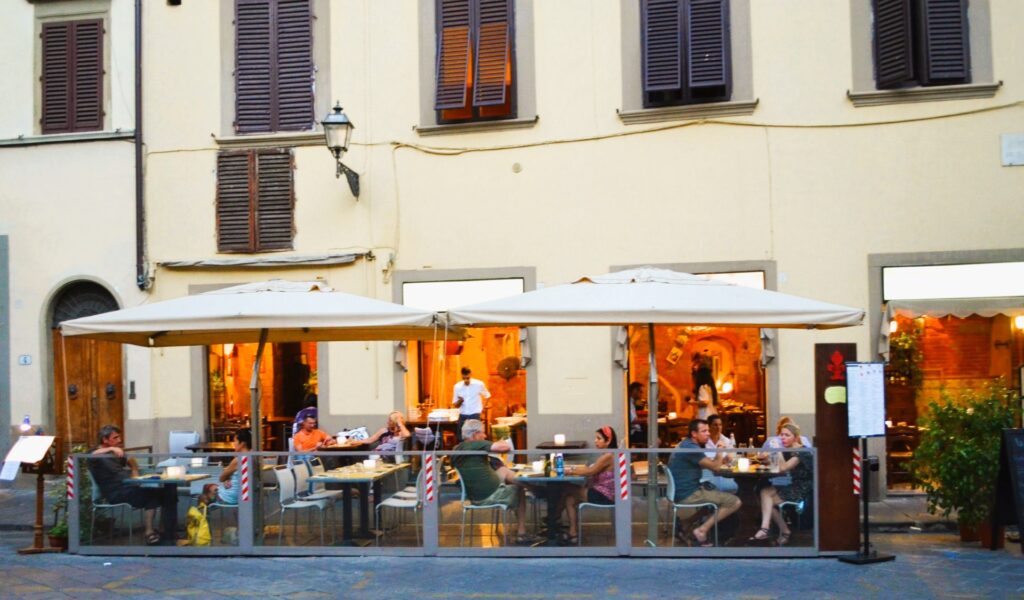
Florentine food is rustic, flavorful, and full of soul. Whether you’re sampling street eats or dining under frescoed ceilings, every meal tells a story. Here are a few of our favorites:
Trattoria Mario is a bustling lunch-only spot famous for its bistecca alla Fiorentina (Florentine steak). You must have their world-famous Florentine steak—thick, juicy, and grilled to perfection. It’s a rite of passage for meat lovers visiting the city. It’s crowded, chaotic, and absolutely delicious.
Osteria Vini e Vecchi Sapori tucked away behind Piazza della Signoria, this tiny osteria serves traditional dishes without tourist fluff. Reservations are a must.
All’Antico Vinaio is possibly the most famous sandwich shop in Italy. Expect long lines, but these panini—stuffed with prosciutto, truffle cream, and local cheese—are worth the wait.
Il Santo Bevitore – A trendy yet welcoming restaurant in the Oltrarno offering refined Tuscan cuisine. Try the homemade pasta or rabbit stew.
Mercato Centrale. This food hall is an excellent spot for casual dining. It offers everything from seafood to vegan street food. Grab a bite from several vendors and eat at communal tables.
Vivoli Gelato. We’ll repeat it, this is gelato heaven. Get the crema or pistachio and savor every bite like it’s your first.
Whether you dine under painted ceilings or standing at a food stall, eating in Florence is as much an experience as seeing Michelangelo’s David. Mangia bene!
Where to Stay in Florence

Florence offers accommodations for every kind of traveler, from art-loving backpackers to luxury seekers wanting a room with a Renaissance view. Here are some standout options:
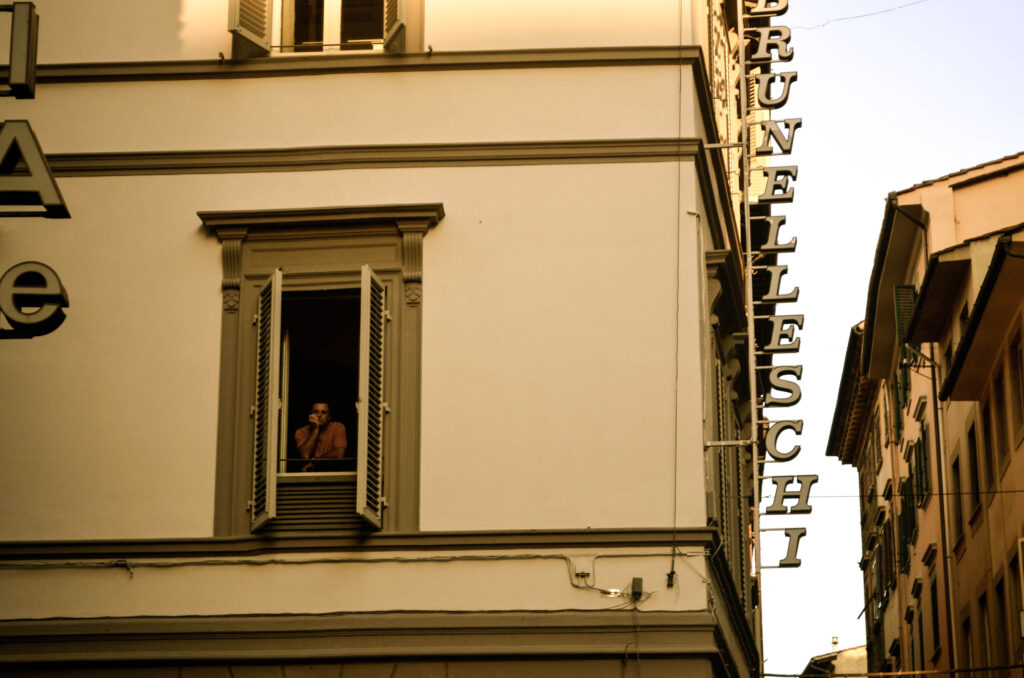
Hotel Brunelleschi, located just steps from the Duomo, blends medieval architecture with modern luxury. Some rooms even have views of the dome. It’s perfect for those who want to be at the center of everything.
Portrait Firenze, for ultimate luxury, is a Ferragamo family-owned property offering sleek, stylish rooms overlooking the Arno River. It’s pricey, but you’ll feel like royalty.
Hotel Davanzati is a warm, family-run mid-range hotel centrally located, offering excellent service, cozy rooms, and a delicious breakfast. It’s a hidden gem, and where we stayed for all our visits.
Ostello Archi Rossi a good choice for budget travelers and solo adventurers love this hostel near the train station. It features murals, garden areas, and guided walking tours—great value with a creative vibe.
Airbnbs in the Oltrarno, across the river from the central tourist zone, are full of character and artisan charm. Renting a local apartment here offers more space and an authentic Florentine experience.
When planning a trip, it’s always wise to compare accommodation prices across different platforms. Expedia, based in the U.S., and Booking.com, based in Europe, don’t always feature the same properties, so checking both can give you the best range of options. We prefer Booking.com for its user-friendly interface and wide selection, but we always recommend double-checking the hotel or vacation rental’s official website. Sometimes, you’ll find exclusive deals or perks when booking directly.
Click the link below to explore hotels and vacation homes in the area you are planning to visit. Who knows? It might be just the spark you need to start planning your next grand adventure.
When to Visit Florence

Spring (April to June) is our favorite time of year. The weather is perfect, the gardens are in bloom, and the city hosts concerts, art events, and open-air markets.
Summer (July to August): Beautiful but hot. Expect crowds and higher prices. Escape to the hills or cool down with gelato.
Autumn (September to October): Harvest season in Tuscany. Wine tours, changing leaves, and quieter streets.
Winter (November to March): Fewer tourists, crisp air, and cozy trattorias. Some sites have shorter hours, but you’ll have museums nearly to yourself.
Tips for Visiting Florence

Book in Advance: Florence is a major tourist destination, and popular sights like the Uffizi Gallery, Accademia Gallery (home of David), and the Duomo often require advance reservations. Book your tickets early to avoid long waits.
Stay Central: Florence is a walkable city. Staying near the historic center means you can explore most landmarks, restaurants, and museums on foot. Save yourself time and energy by skipping taxis and long walks from outer neighborhoods.
Eat Like a Local: Avoid restaurants right on central squares, as they’re often more expensive and less authentic. Walk a few blocks away to find smaller, family-run trattorias serving traditional Tuscan fare.
Check out our Italy Travel Guide to plan your next trip
Mind the Museum Closures: Many museums, including the Uffizi and Accademia, are closed on Mondays. Double-check hours before planning your days.
Wear Comfortable Shoes: The cobblestone streets are beautiful but challenging on your feet. Leave the heels at home and wear supportive shoes for all-day walking.
Carry Some Cash: While most places accept cards or Apple Pay, smaller shops, street markets, and some trattorias may prefer or require cash. It’s handy for tips and gelato runs, too!
Embrace Aperitivo: Early evenings in Florence are for aperitivo, an Italian tradition of pre-dinner drinks and small bites. Many bars offer generous food platters with the purchase of a drink between 6 and 8 PM.
Respect Dress Codes: When visiting churches, especially the Duomo or Santa Croce, wear modest clothing. Cover shoulders and knees to avoid being turned away.
Don’t Rush It: Florence is meant to be savored. Instead of overstuffing your itinerary, leave room for wandering, people-watching, and spontaneous moments.
Learn a Few Italian Phrases: A simple “Buongiorno” (good morning) or “Grazie” (thank you) goes a long way with locals and makes your experience even more engaging.
Parting Thoughts
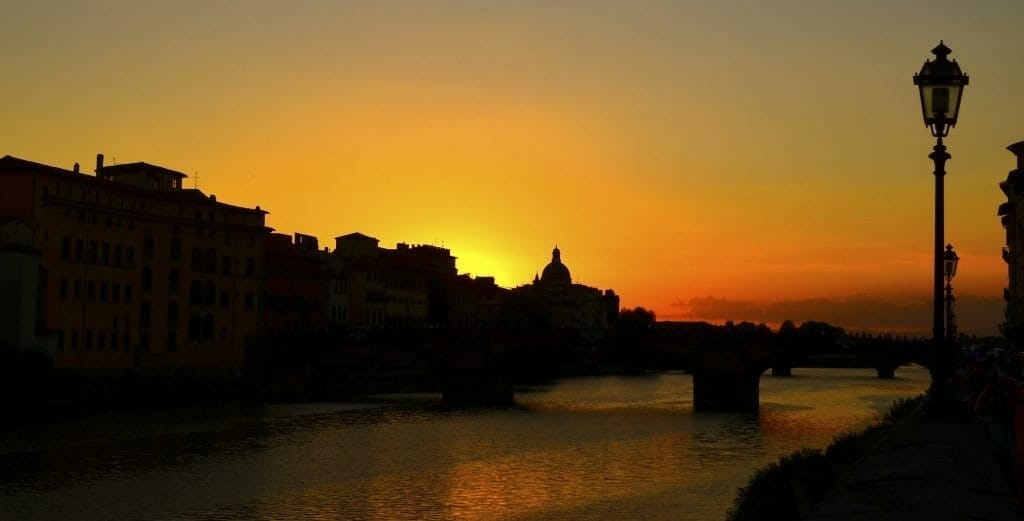
Florence isn’t just a place you visit; it’s a city that stays with you. Its streets feel like open-air museums, its cuisine is full of love, and its people are proud and poetic. Whether you’re devouring Renaissance masterpieces or simply watching shadows stretch across ancient stone, every moment feels cinematic.
The city wraps you in centuries of culture, where every bell tower and fresco tells a story. Florence has a way of slowing you down, encouraging you to sit longer at lunch, linger a little longer at the edge of the Arno, and turn ordinary walks into meditative journeys. It’s a place where art, history, and everyday life converge most effectively.
You don’t need a checklist to enjoy Florence. You need curiosity. Let the city guide you—follow the sound of a violin echoing through a piazza, stop to peek into a tiny chapel, and savor the warmth of a well-pulled espresso in a café older than your country.
We came for the art and stayed for the wonder. Florence, we’ll be back—and next time, we’re waiting even longer.
© 2026 Wanderers Compass All Rights Reserved
Our Florence, Italy Photo Gallery
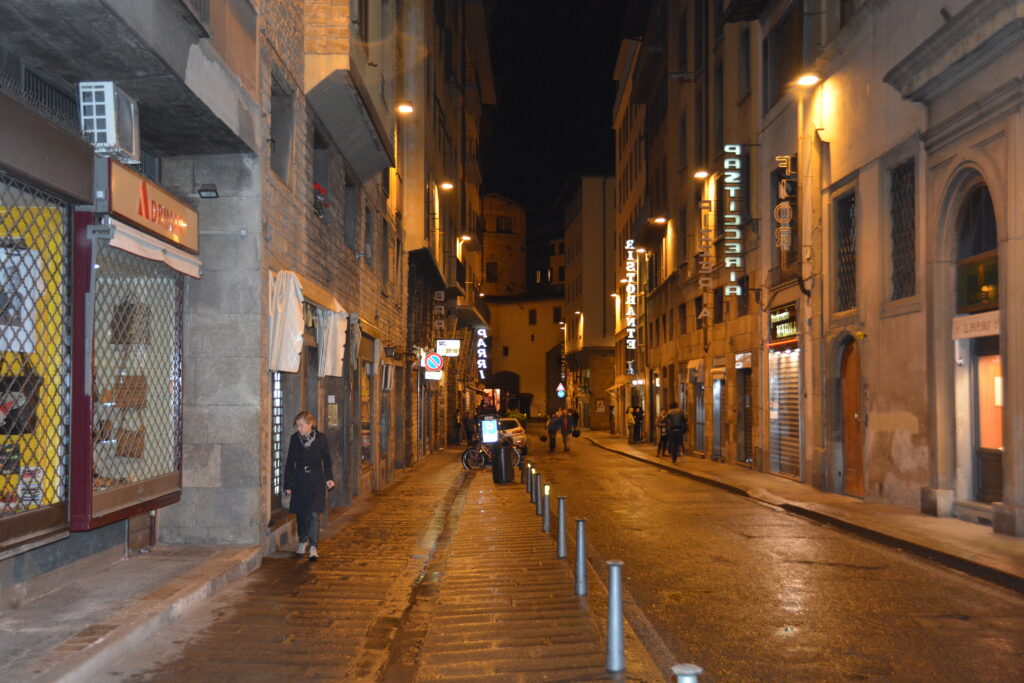
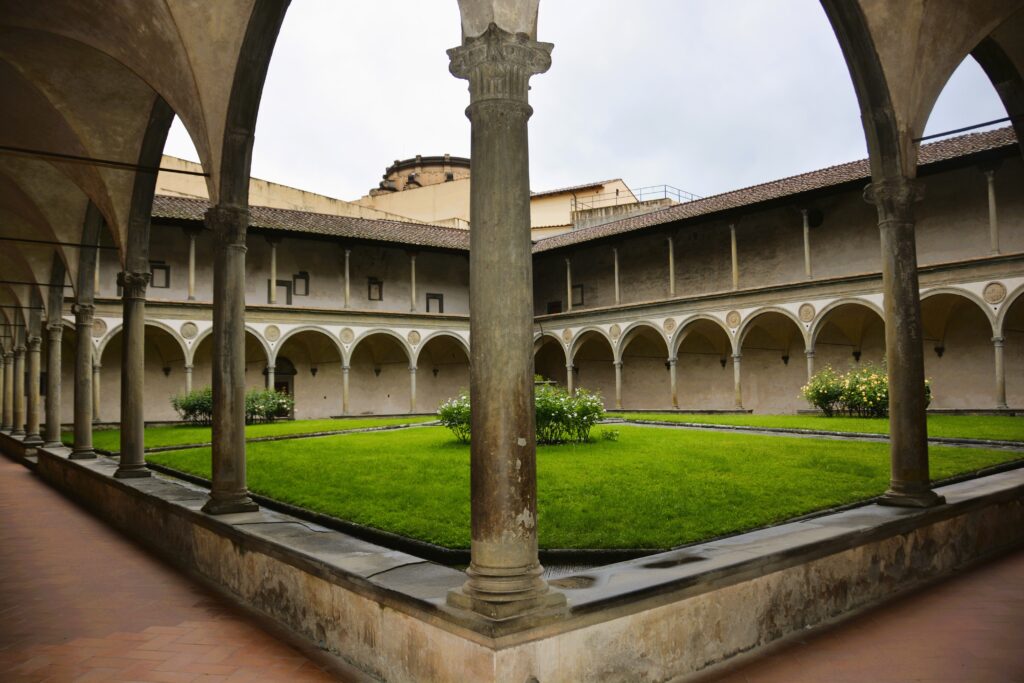
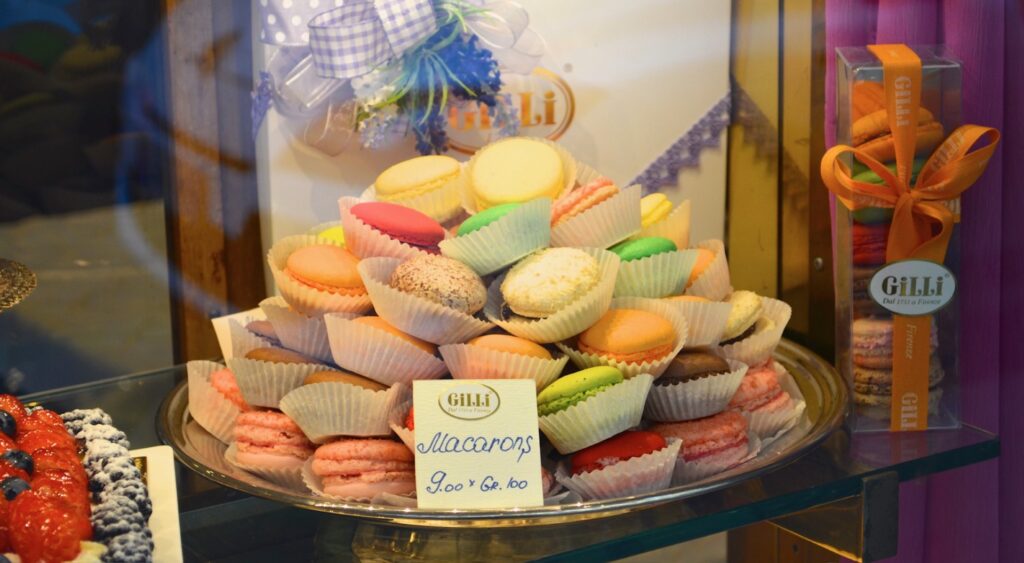
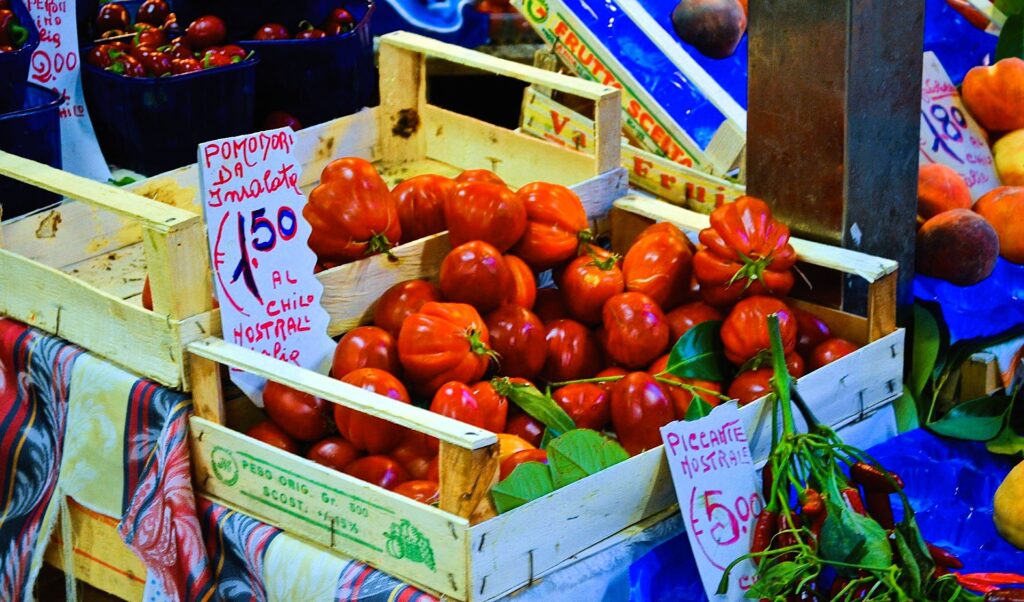
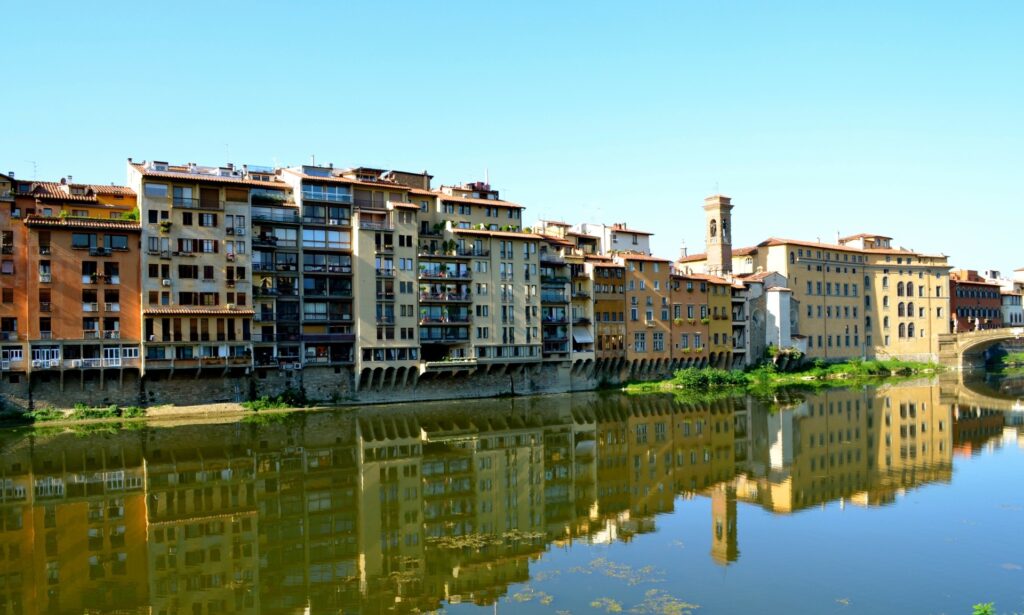
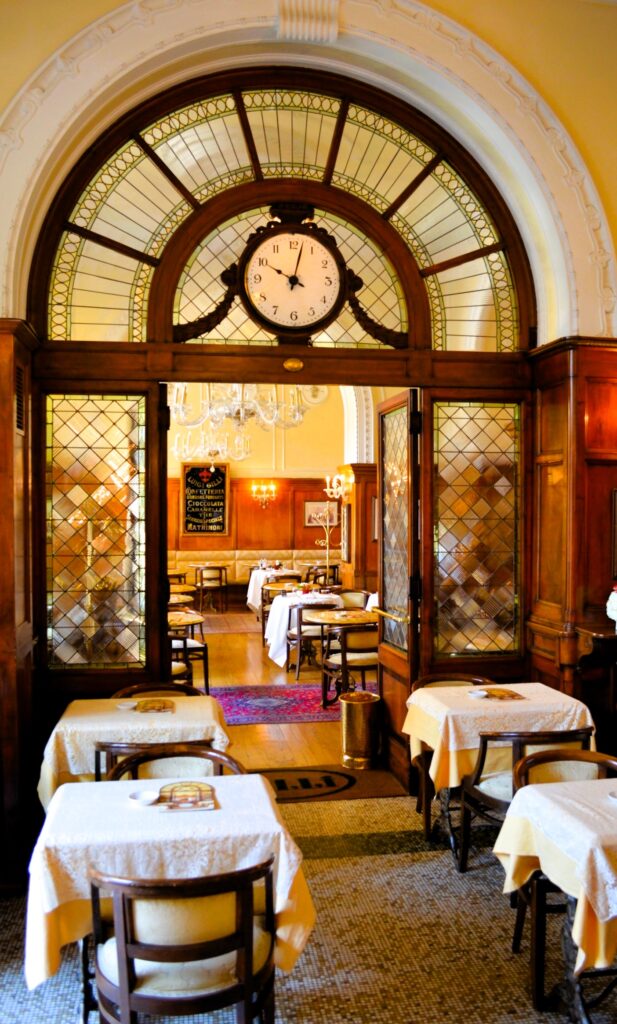
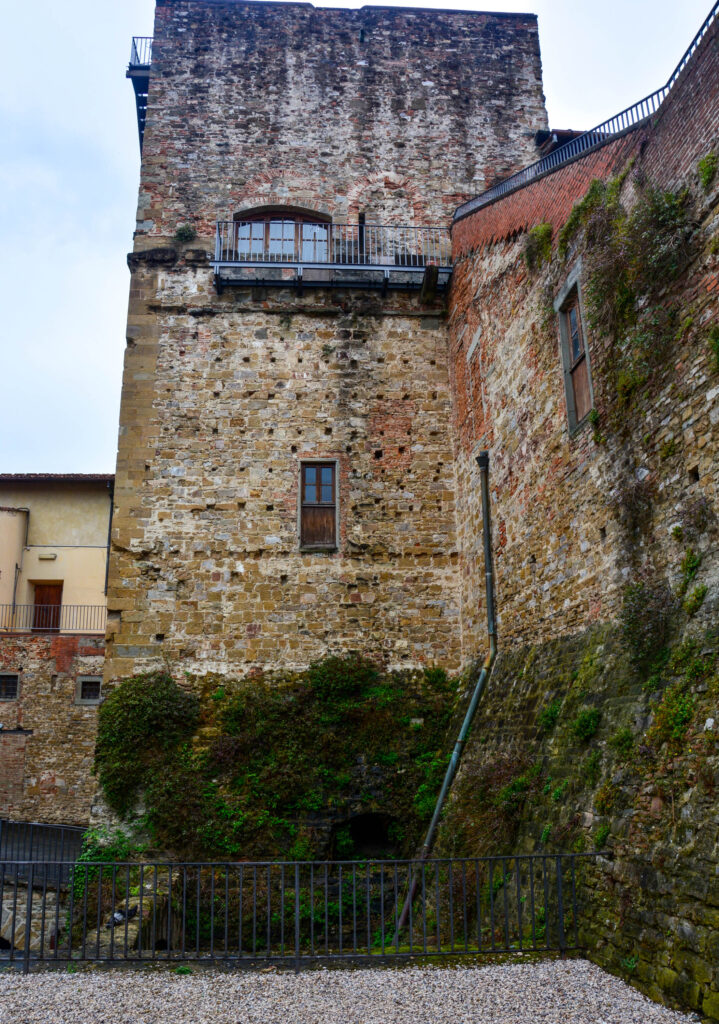
For more info, check out the Official Florence Tourism Office
Want to Learn the Story Behind Wanderers Compass?
Our Top Recommended Travel Products
Travel Insurance
Squaremouth.com
Our Favorite Travel Insurance Site!
We strongly advocate comprehensive travel insurance, not only for minor inconveniences but also for major, unexpected events such as medical emergencies. We never leave home without it. Our go-to resource is Squaremouth.com. which offers a user-friendly platform that connects you with top-rated, reputable insurance carriers. Plus, they’ll mediate on your behalf if you run into any issues.
To empower you as a consumer, we recommend you read our blog post on why travel insurance is essential and how to secure the best coverage from leading companies at an affordable price.
MedjetAssist
Medical transport back home from anywhere in the world
Medjet is a leading provider of global air medical transport. Unlike traditional travel insurance, which typically covers medical evacuation to the nearest facility, Medjet goes further by ensuring you’re transported back to the U.S. to the hospital of your choice once you’re stable enough to fly. Medjet offers membership plans that focus on medical transport, while Medjet Horizon provides expanded coverage for broader protection. Individual trip policies start at just $99, and annual policies are available for around $300. Most policies have an age limit of 74.
To learn more about how Medical Evacuation membership with Medjet Assist works, check out our blog post for a more detailed review.
Accommodations and Airfare
Booking.com
Hotels, Home rentals, BNBs, Flights, and other Transportation & Tours
Booking.com connects millions of travelers to unforgettable experiences, a wide range of transportation options, and incredible places to stay—from homes to hotels and beyond. As one of the world’s largest travel marketplaces, it supports well-known brands and entrepreneurs of all sizes. For its convenience, variety, and reliability, it’s our preferred booking platform.
Expedia and VRBO
Hotels, home rentals, BNBs, flights, and other transportation & tours
Expedia is a U.S.-based company with a mission to make global travel accessible to everyone, everywhere. At Wanderers Compass, we embrace independent travel, and platforms like Expedia are essential to making that a reality. Expedia allows you to book every aspect of your trip—from flights and accommodations to rental cars, cruises, and activities—making it a one-stop shop for all your travel needs.
Transportation
Daytrip
Personalized city-to-city private car transfer service
Daytrip provides an affordable private car service for city-to-city transfers worldwide, and we absolutely love their service. It’s a cost-effective alternative to renting a car, offering comfortable, stress-free travel with scenic stops along the way. For example, we used Daytrip for travel between Budapest and Vienna, enjoying some fantastic detours to local attractions. With professional drivers and customizable routes, Daytrip ensures a smooth ride while allowing you to explore hidden gems and unique sights along your journey.
To learn more about Daytrip, check out our blog post for a more detailed review.
Travel Experiences
Viator
The leading marketplace for travel experiences
Viator believes that travel is all about creating unforgettable memories. With over 300,000 experiences to choose from—ranging from simple tours to extreme adventures, plus a wide array of unique, niche activities—it’s never been easier to make lasting memories. We frequently use Viator during our travels and especially appreciate its flexible cancellation policy, which provides peace of mind with every booking.
Shopping
Wanderers Compass Amazon Storefront
An excellent source for all travel essentials and guides that we have vetted ourselves
Amazon is one of the world’s most comprehensive online shopping platforms, offering lower prices, a wide selection, and fast delivery through its global fulfillment network.
This page contains affiliate links. When you purchase through these links, we may earn a small commission at no extra cost to you. Thank you for your ongoing support!

