

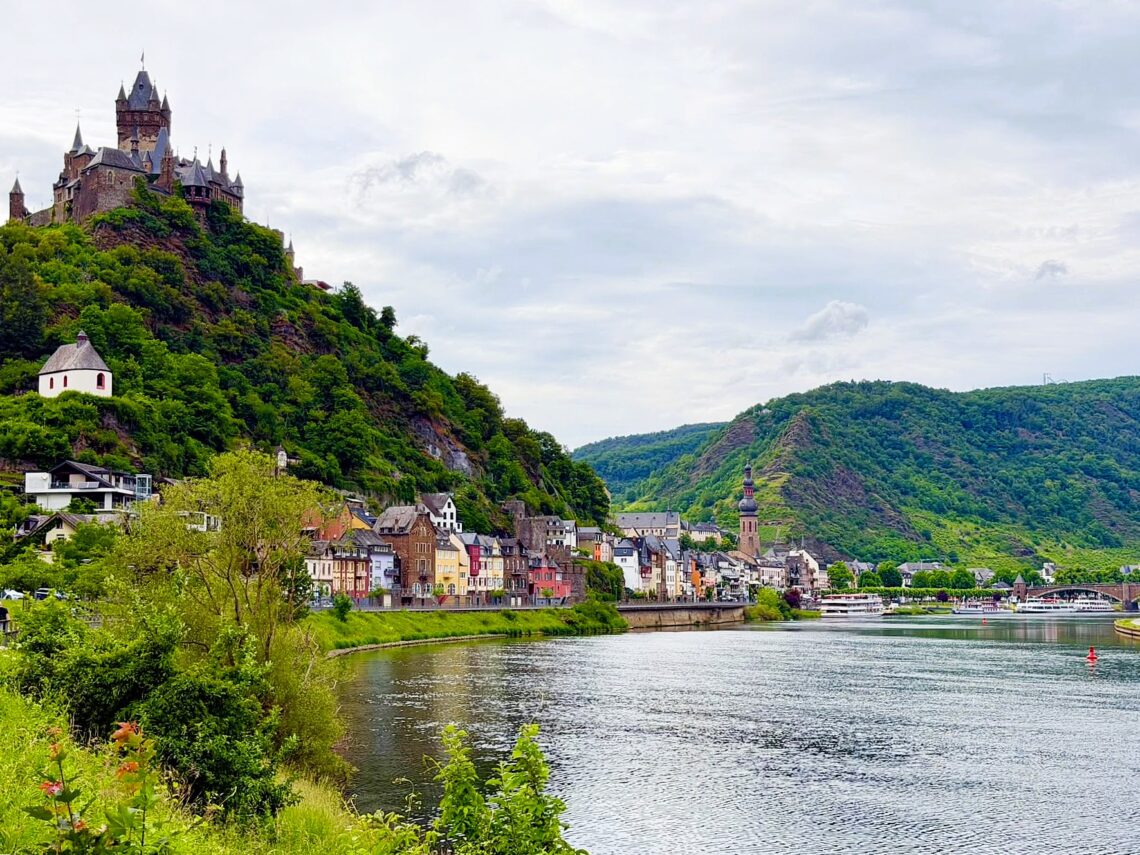
Where steep slate slopes meet the winding Mosel, every turn uncovers a medieval castle, a half-timbered street, and a glass of Riesling shaped by two thousand years of river light.
Lonely Planet

- The History of Cochem and the Mosel Valley
- The Moselle Valley's Wine Heritage
- Where is Cochem, Germany, and the Mosel Valley
- Do You Need a Car in Mosel Valley?
- Where to Stay When Visiting Cochem
- Where to Eat in Cochem, Germany
- When is the Best Time to Visit Cochem?
- Final Thoughts on Visiting Cochem and the Mosel Valley
- FAQS
- Explore the Official Tourism Sites for Cochem and Mosel Valley
- Our Top Recommended Travel Products
Some places make an impression on the first visit. Cochem made us want to return.
Our first stop in this riverside German town was brief. We saw enough to know we had missed a great deal, so when our travels brought us back to the Mosel ( We chose the German spelling of Mosel) Valley, we made Cochem our home base for several nights. It was one of the smartest choices we made on that trip.
Cochem sits on the Mosel River in western Germany, between Koblenz and Trier. Above its old town stands Reichsburg Cochem, a castle with a history far more complicated than its fairytale appearance suggests. Below it are half-timbered buildings, wine taverns, and a riverfront where we were happy to spend an evening without an itinerary. The surrounding vineyards and nearby castles gave us plenty of reasons to venture farther afield.
If you are wondering what to do in Cochem, Germany, start with the castle and historic center, then make time for Mosel wine, river views, and day trips to Burg Eltz and Thurant Castle. Better yet, stay overnight. We found that Cochem was as enjoyable between excursions as it was during them. We also had Ryan’s young son with us who thoroughly enjoyed our time in Cochem, especially all the castles we visited.
The History of Cochem and the Mosel Valley
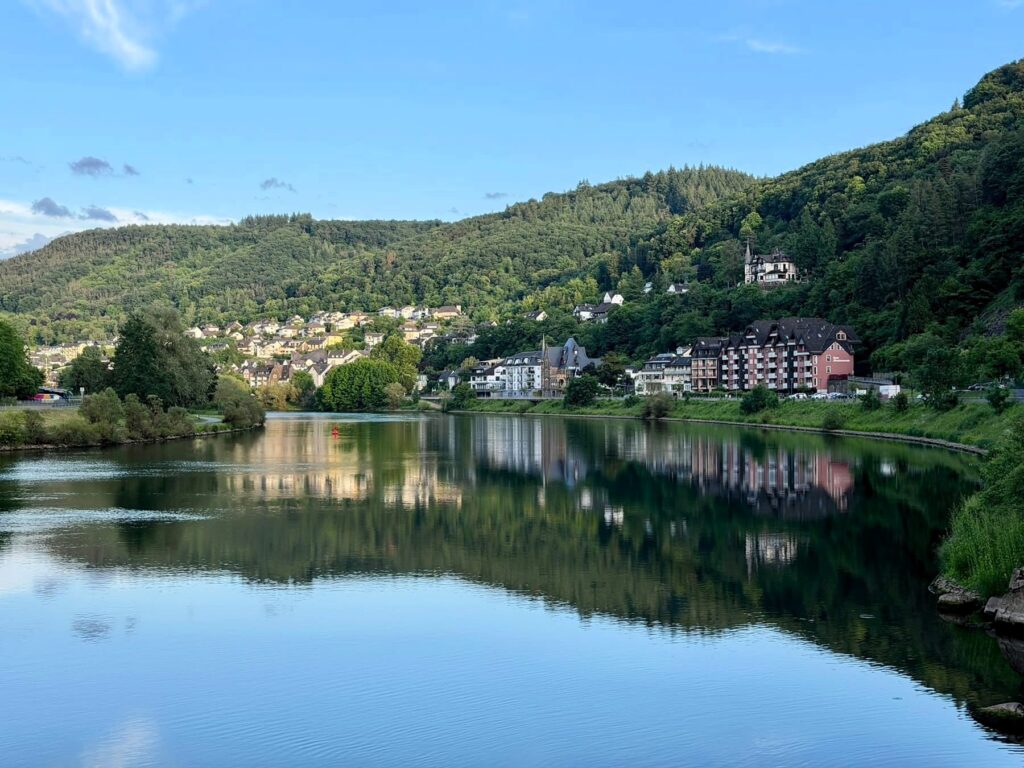
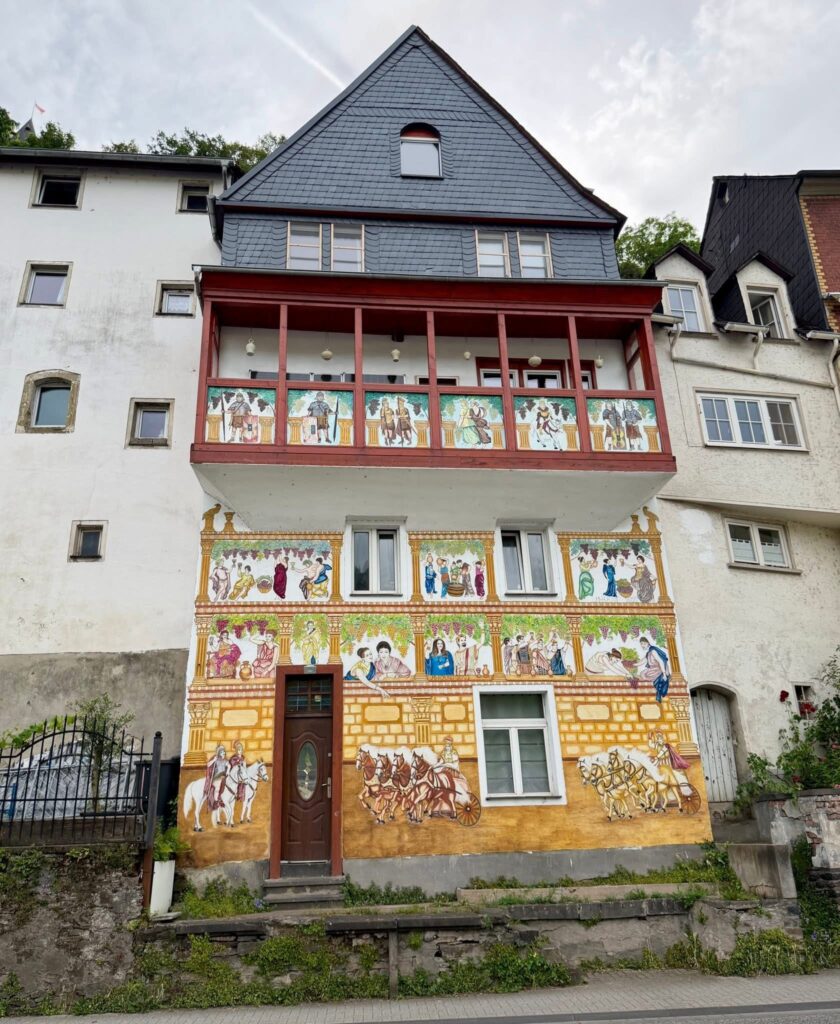
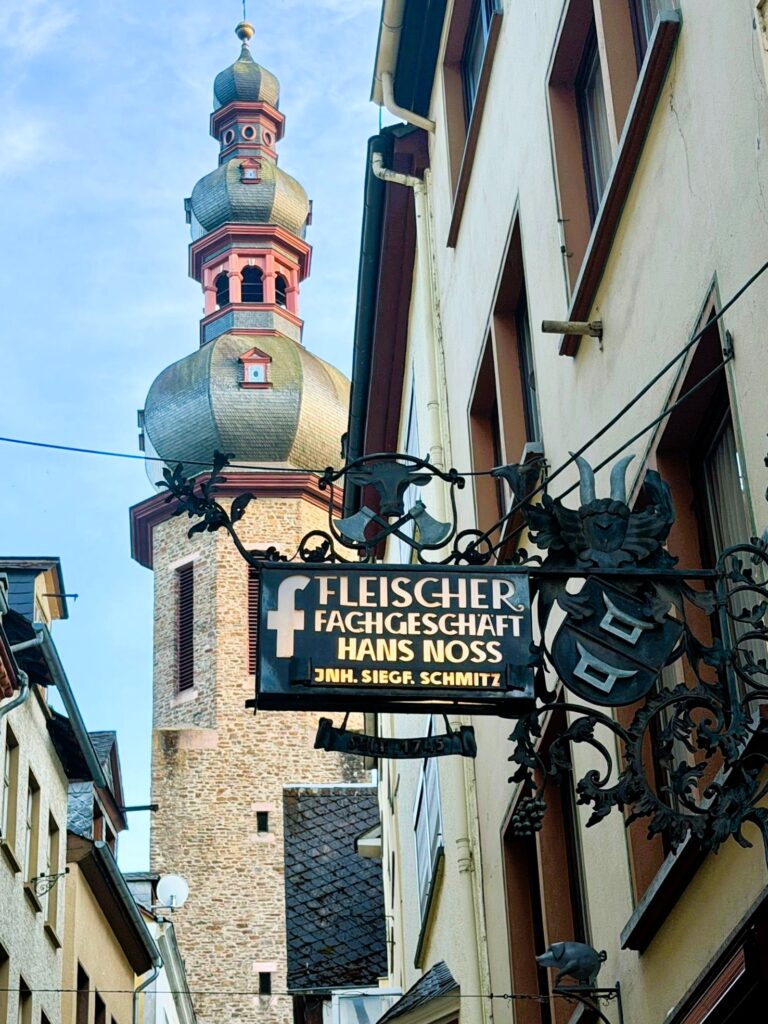
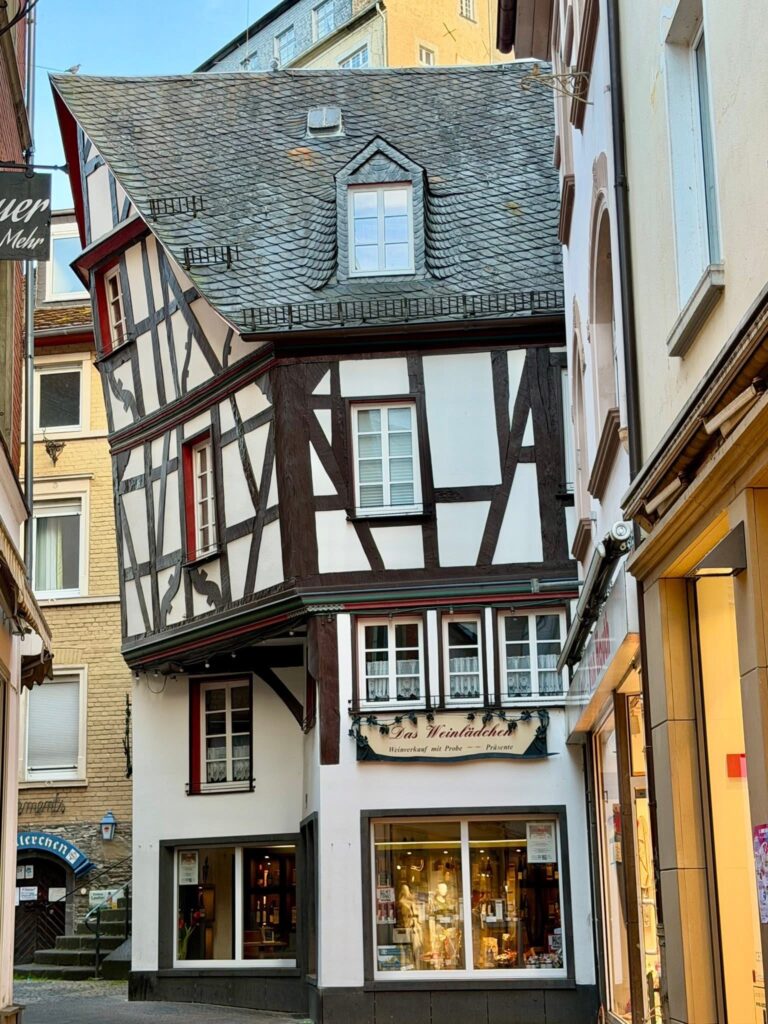
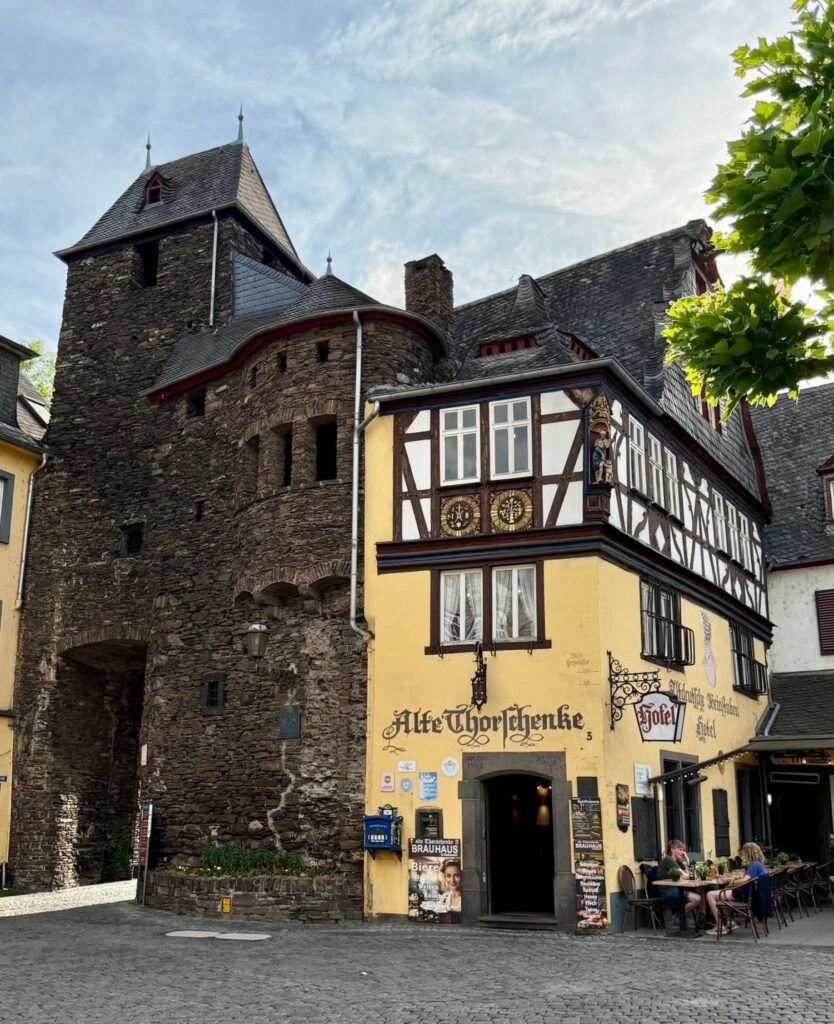
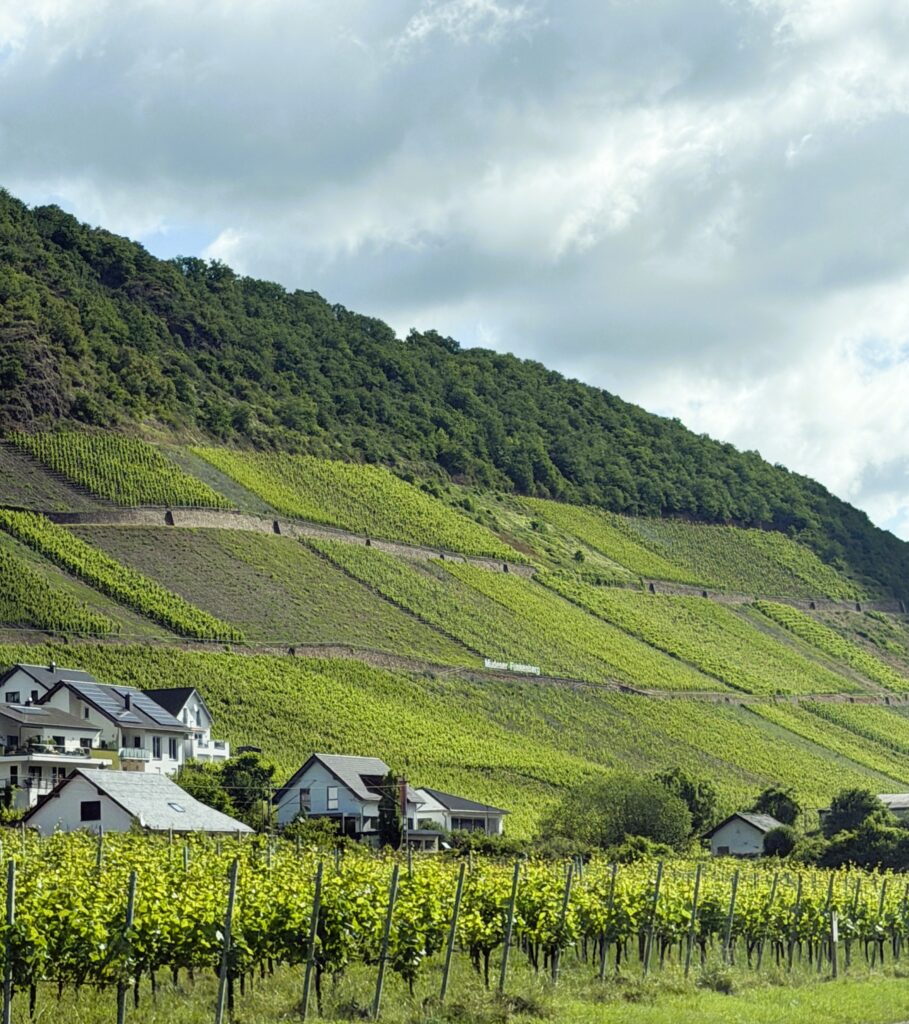
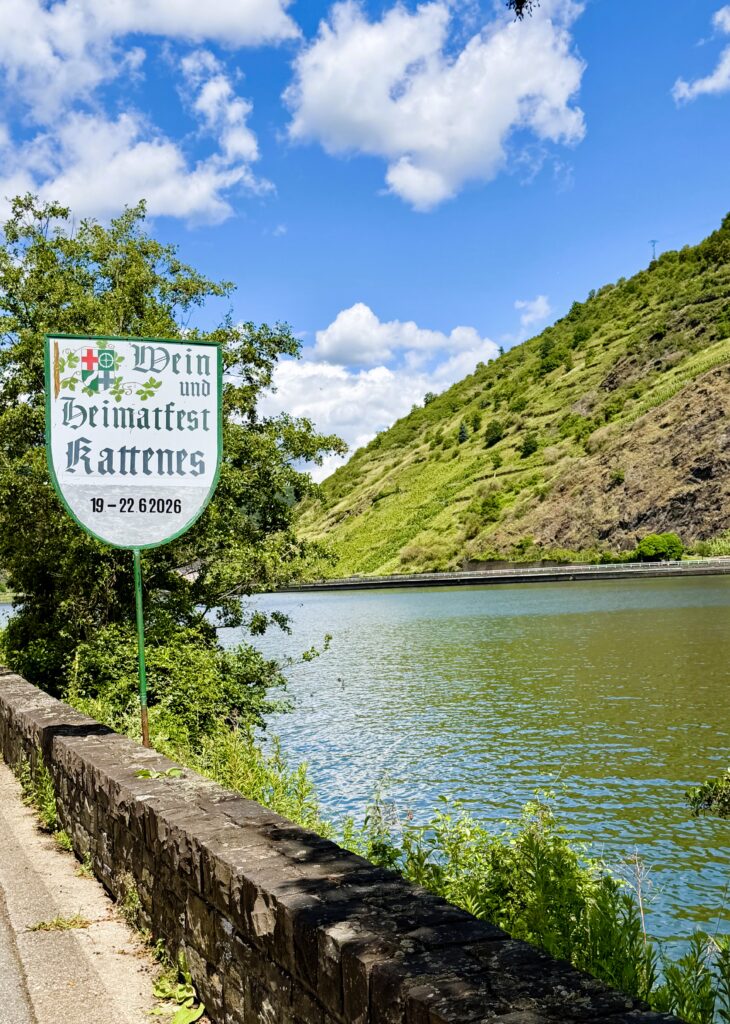
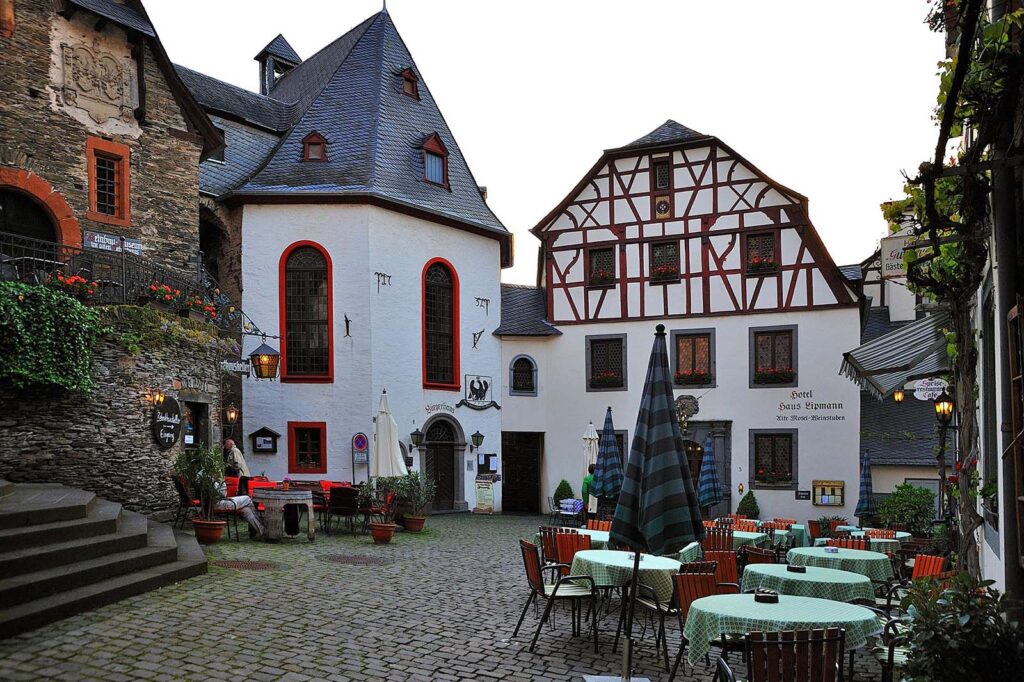
The Mosel Valley is one of Germany’s oldest wine-growing regions, with a history shaped by the Romans, medieval rulers, centuries of trade, and the river itself. Today, visitors come for the picturesque villages, vineyard-covered hillsides, and magnificent castles, but there is much more to this landscape than its beauty.
Cochem’s history is closely connected to the Mosel River, which served as an important transportation and trade route long before modern roads and railways. The Romans recognized the region’s potential, establishing settlements and expanding viticulture along the river. Their influence helped lay the foundation for the winemaking traditions that continue to define the Mosel Valley today.
Cochem in the Middle Ages

Cochem developed into an important medieval settlement, with its strategic location along the Mosel making it valuable to rulers controlling river traffic and trade. The town was first documented in the ninth century, although settlement in the surrounding region dates back much further.
The town’s most recognizable landmark, Reichsburg Cochem Castle, dates to the medieval period, traditionally to around the 11th century. Perched high above the river, the fortress served as both a defensive stronghold and a symbol of political power. In 1294, Cochem came under the control of the archbishops of Trier, who governed the area for centuries.
The castle was not the only defensive structure protecting the town. Cochem was once surrounded by medieval fortifications, portions of which can still be seen today, including historic gates and towers. Walking through the Old Town offers a glimpse of the centuries when Cochem was a fortified trading community.
War, Destruction, and Reconstruction
Like many towns along the Mosel, Cochem experienced periods of conflict and destruction. One of the most devastating came in 1689, during the Nine Years’ War, when French troops destroyed much of the town and its castle.
Reichsburg Cochem remained in ruins for nearly two centuries until a Berlin businessman, Louis Ravené, purchased the property in 1868. He rebuilt it in the Romantic Gothic Revival style popular during the 19th century. Consequently, the castle visitors admire today is not an entirely preserved medieval fortress but a remarkable reconstruction inspired by Germany’s romanticized medieval past.
Exploring the History Beyond Cochem
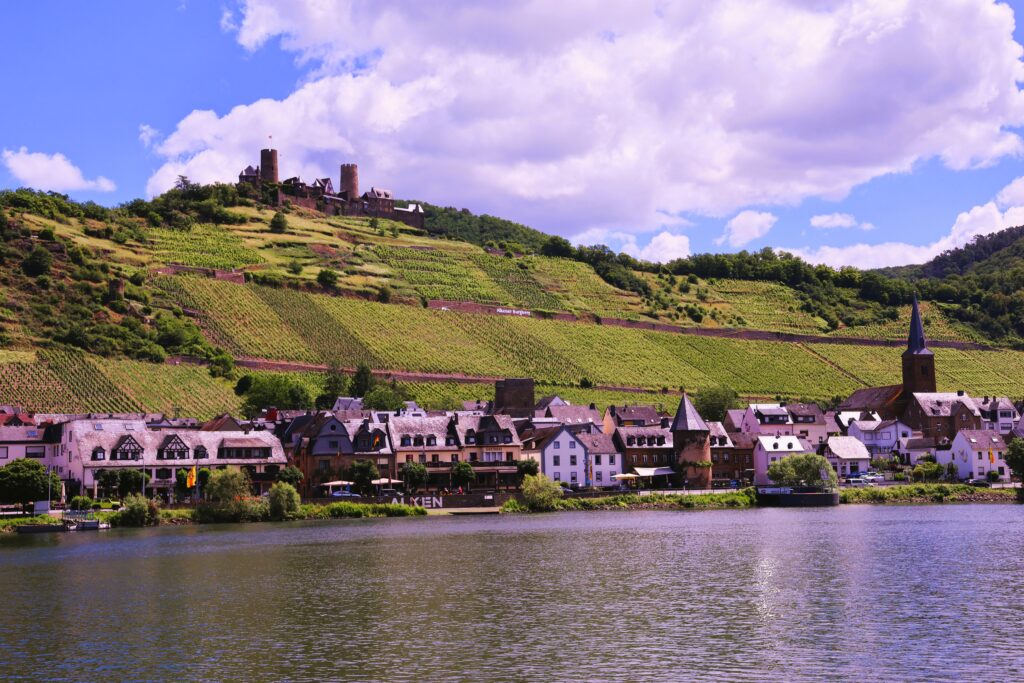
One of the things we appreciated most about exploring the Mosel Valley by car was discovering how much history exists beyond Cochem itself. Medieval castles, historic villages, and centuries-old vineyards appear throughout the region, often just a short drive apart.
Visiting Burg Eltz and Thurant Castle gave us a broader understanding of the area’s medieval history, while driving through the smaller villages revealed how closely life along the Moselle remains connected to the river and its wine-growing traditions.
For us, understanding this history made the region even more interesting to explore. Cochem may be one of the Mosel Valley’s most recognizable destinations, but it is only one chapter in a much larger story.
The Moselle Valley’s Wine Heritage

Wine has been central to life in the Mosel Valley for nearly 2,000 years. The Romans helped establish viticulture in the region, and medieval monasteries and religious institutions later expanded vineyard cultivation.
The steep slopes lining the river posed challenges for growers, but they also provided favorable conditions for wine production. The Moselle’s slate-rich soils, sheltered valleys, and south-facing vineyards became particularly well suited to Riesling grapes.
Even today, many vineyards are cultivated on remarkably steep terraces, sometimes requiring extensive manual labor. This centuries-old relationship between the people, the land, and the river remains an important part of the region’s identity.
Where is Cochem, Germany, and the Mosel Valley
Cochem is located in western Germany, in the state of Rhineland-Palatinate, along the scenic Mosel River. Surrounded by steep, vineyard-covered hills, this charming town sits in the heart of the Mosel Valley, approximately 50 kilometers (31 miles) southwest of Koblenz and 100 kilometers (62 miles) south of Bonn. Its location makes Cochem an excellent stop on a road trip through Germany’s wine country or a convenient day trip from nearby cities. The map below shows Cochem’s location and its proximity to other popular destinations in the region.
Exploring Cochem’s Old Town and Riverfront
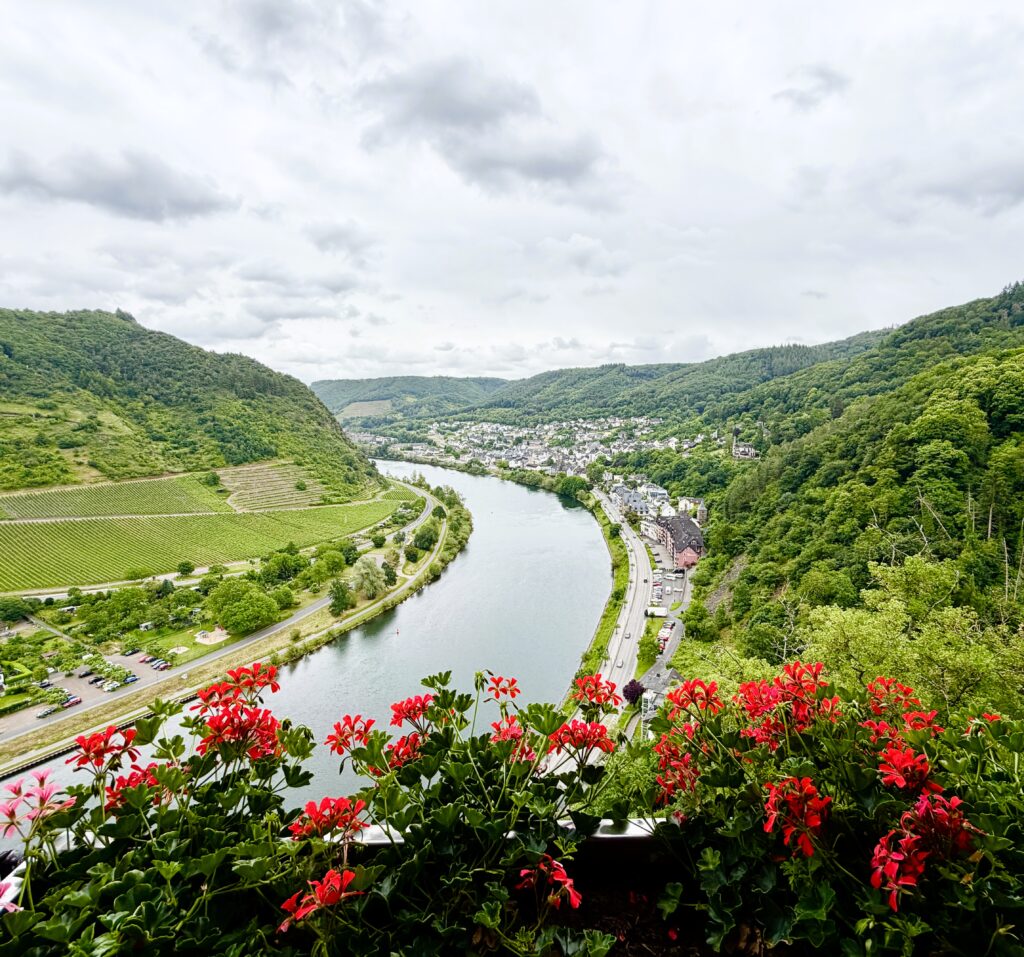
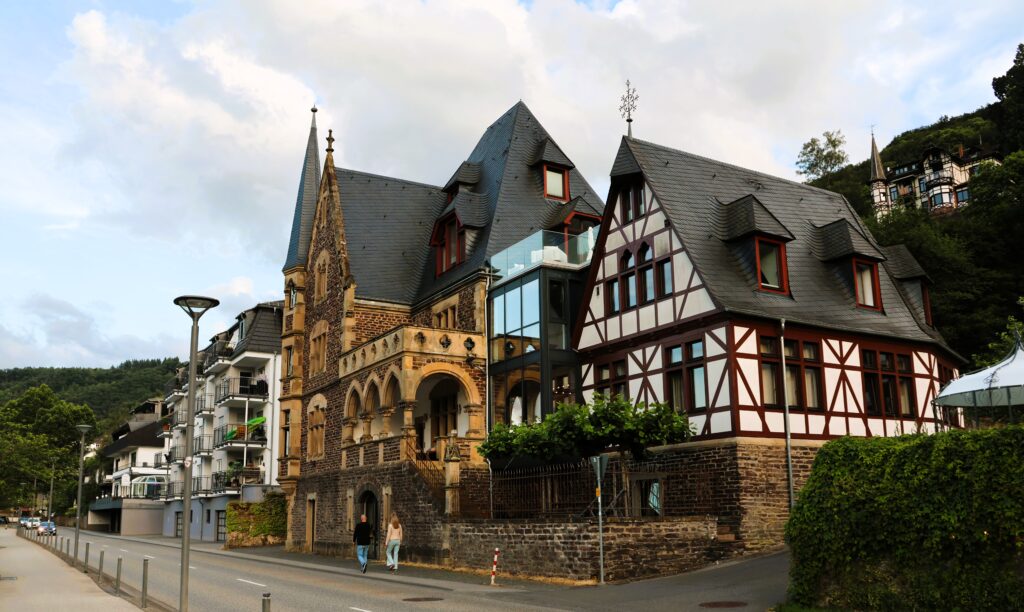

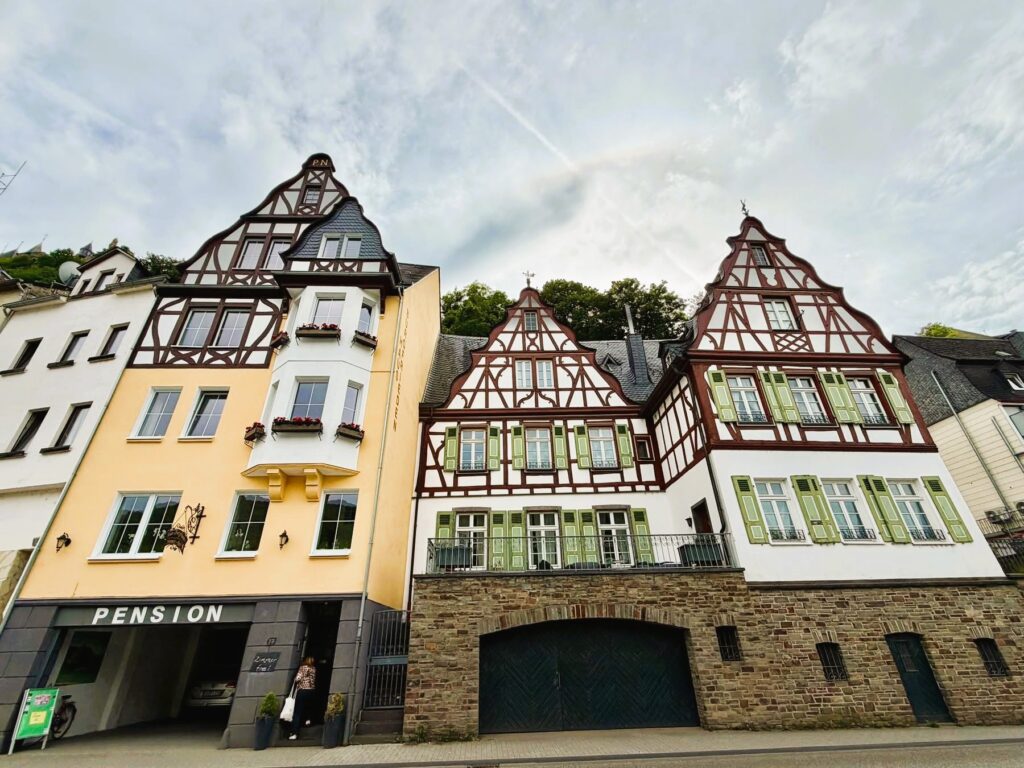
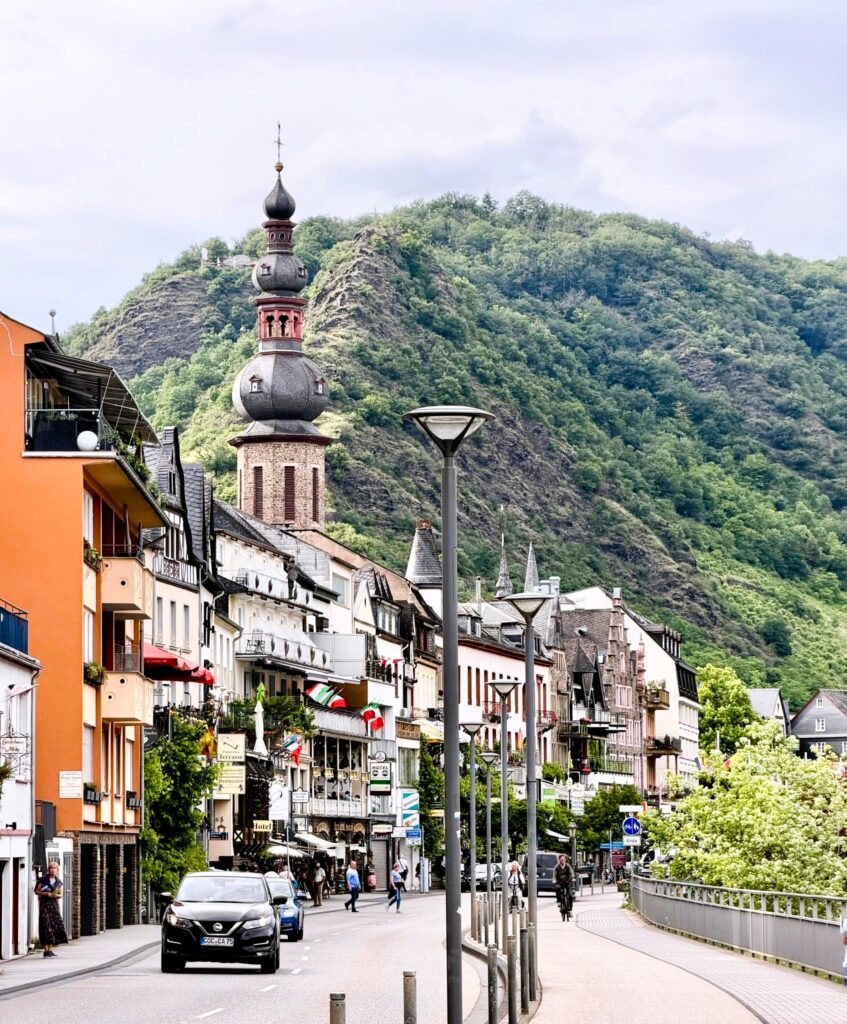
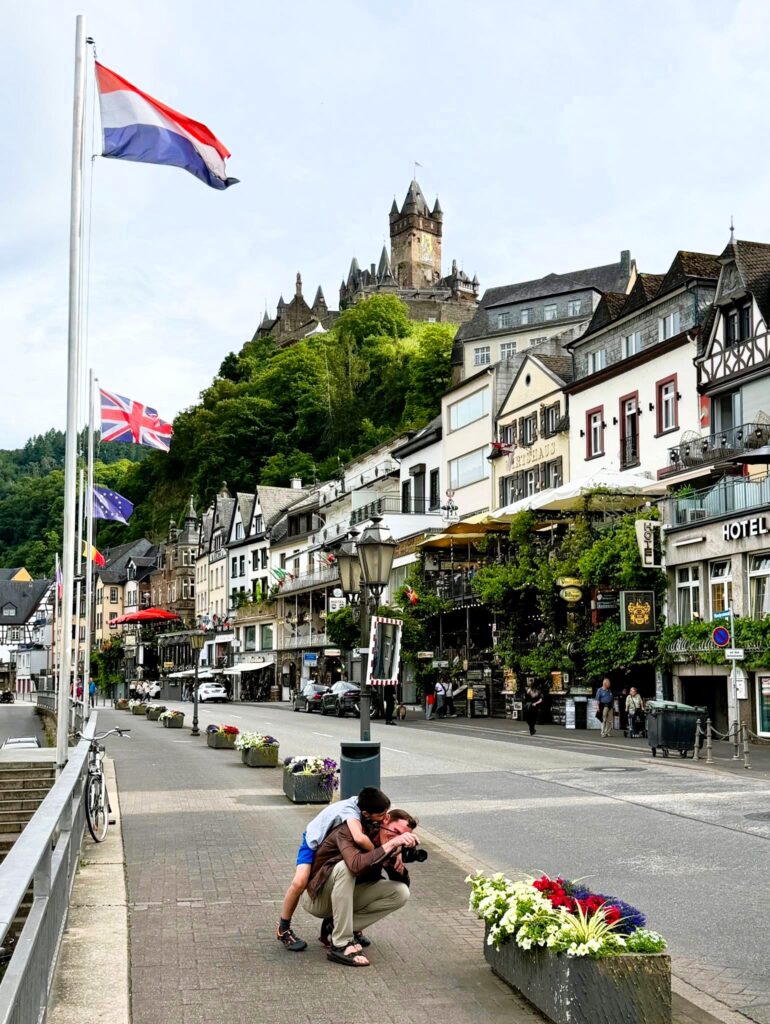
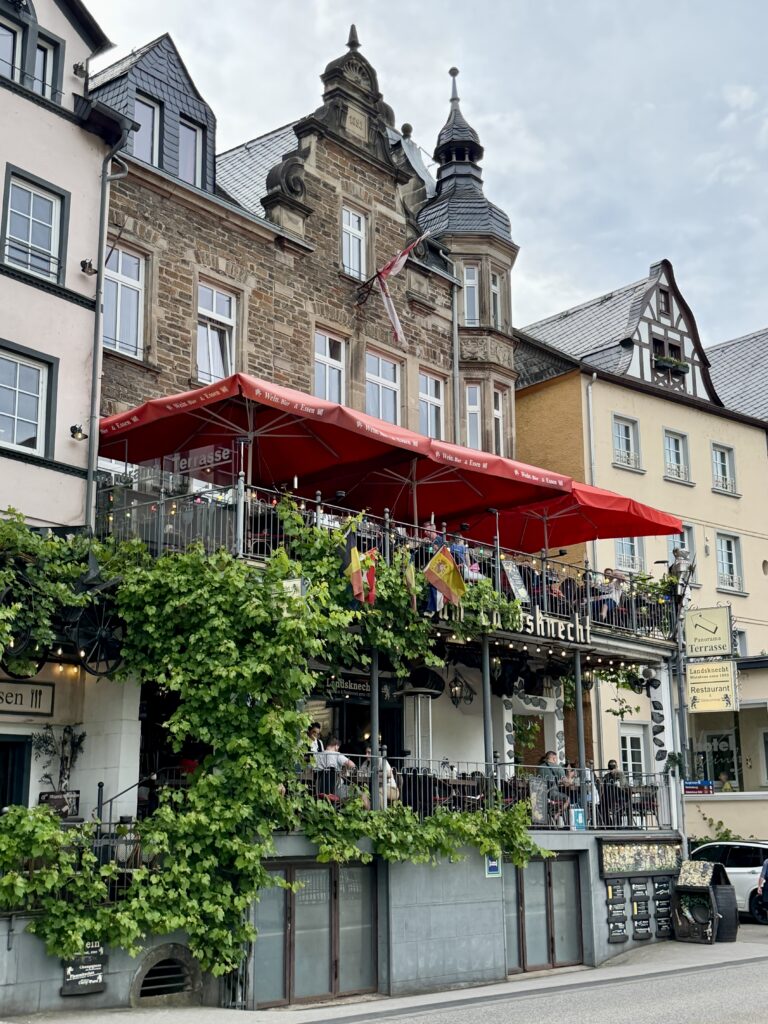
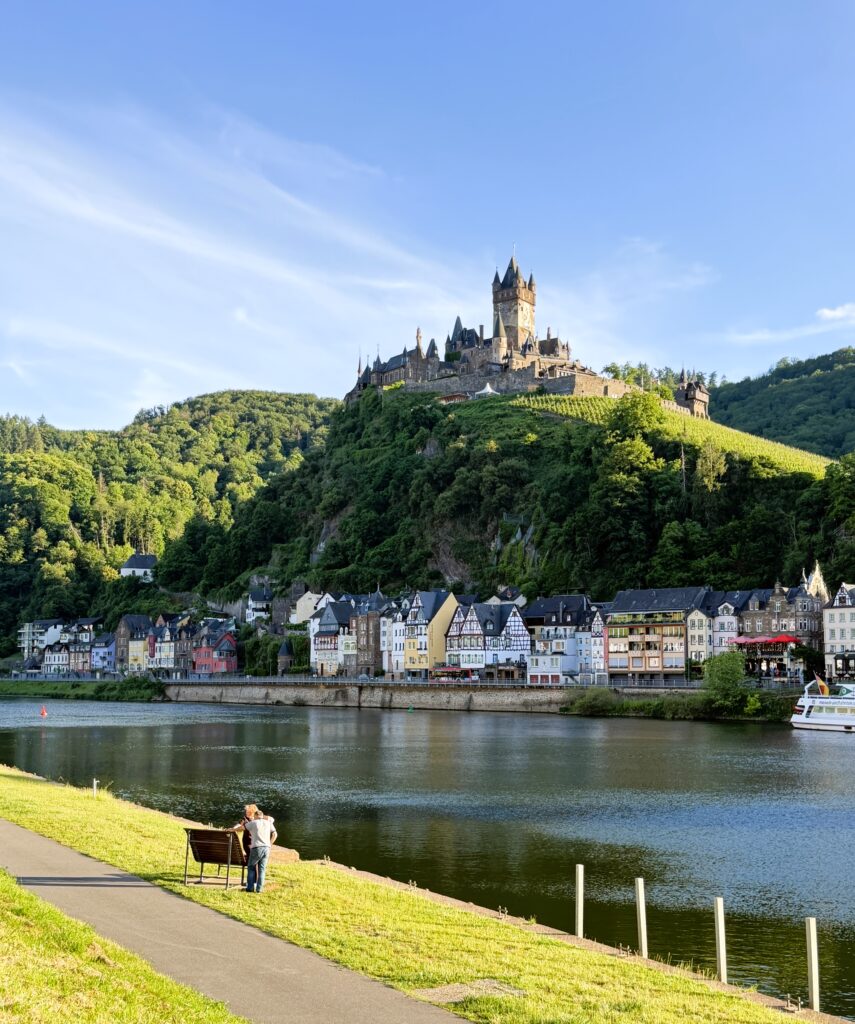
At our small boutique hotel across the river, breakfast came with a view of Reichsburg Cochem. We have seen a remarkable number of castles over the years, but having one above the rooftops while we drank our morning coffee never got old.
Later in the day, the scene changed. Lights appeared along the waterfront and reflected in the Mosel. We could stroll without watching the clock, which was precisely what our first, shorter visit had lacked.
Cochem is easy to explore on foot if you are comfortable with cobblestones and some hills. Along the promenade are restaurants, hotels, and places to try local wine. Head into the old town and the streets narrow around half-timbered houses, small shops, and cafés.
The Marktplatz is a natural place to pause. Its Baroque town hall and Martinsbrunnen fountain give the square much of its character. Not far away, the Enderttor survives as one of the town’s medieval defenses. Neither requires a lengthy stop; the pleasure lies in finding them as you explore the surrounding streets.
Staying several nights also let us see the town after many day-trippers had left. We could return to a favorite view, try another street, or walk beside the water.
Visiting Reichsburg Cochem Castle
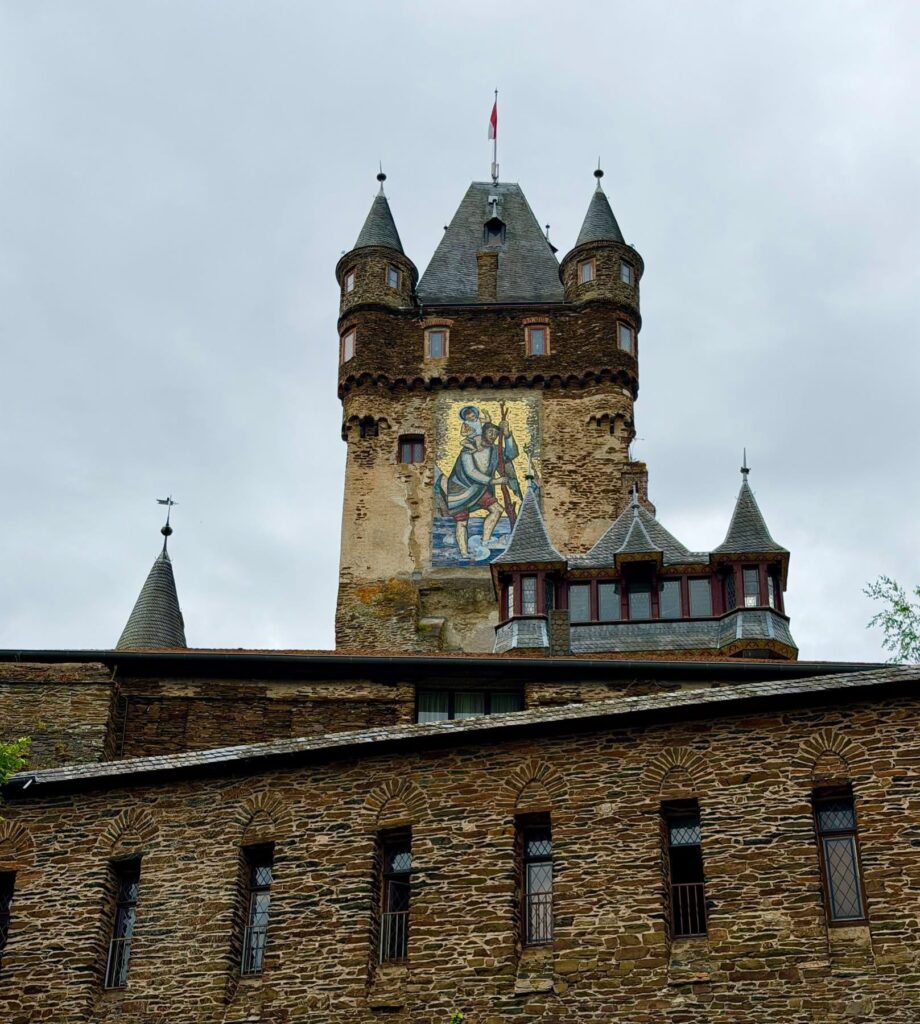
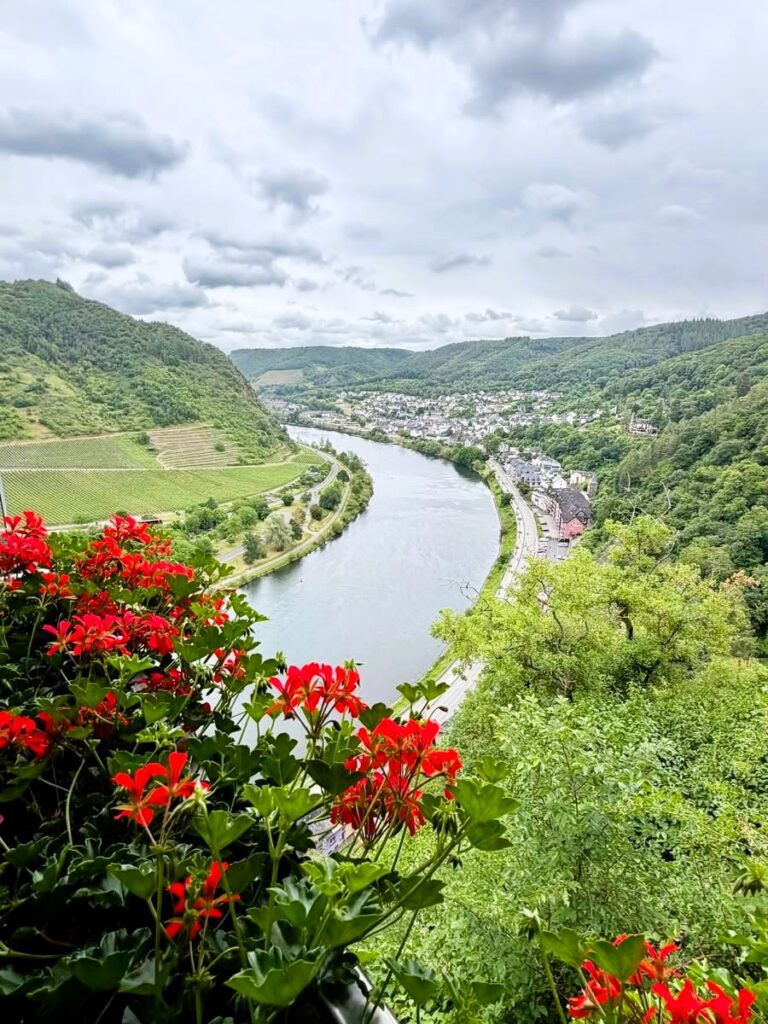
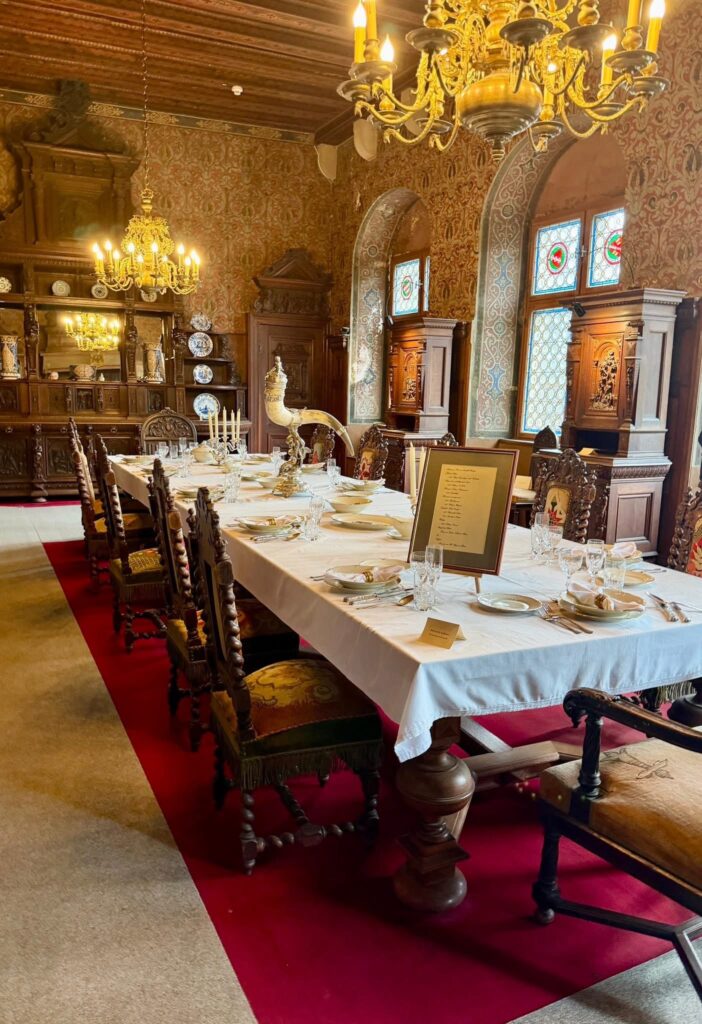
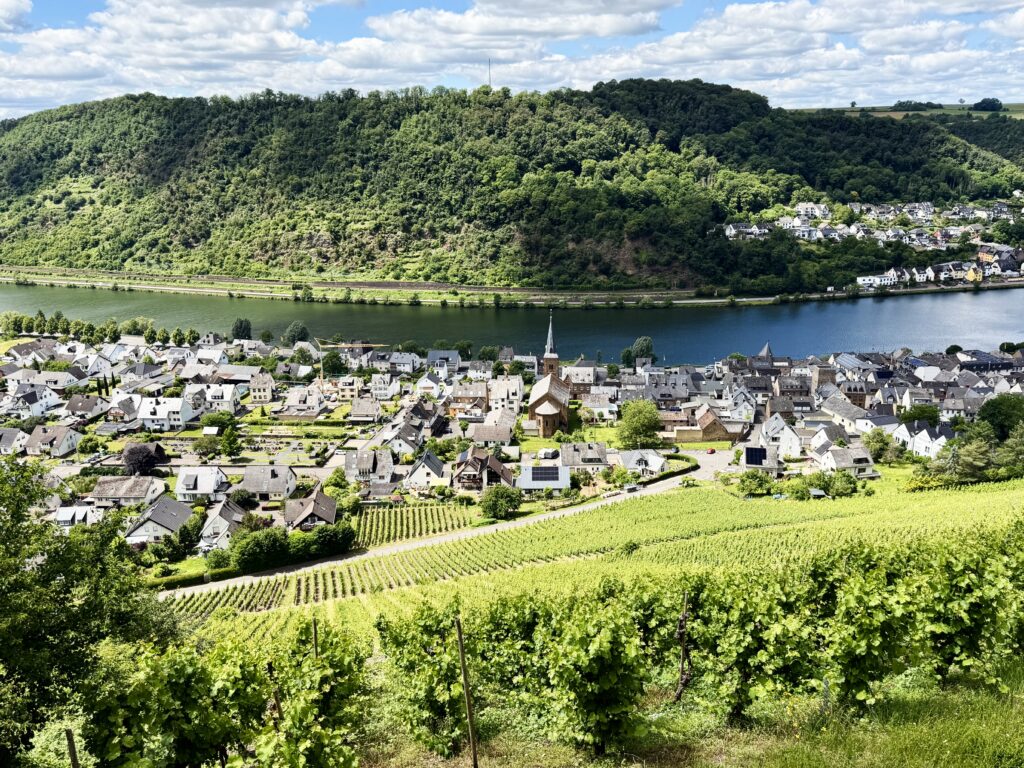
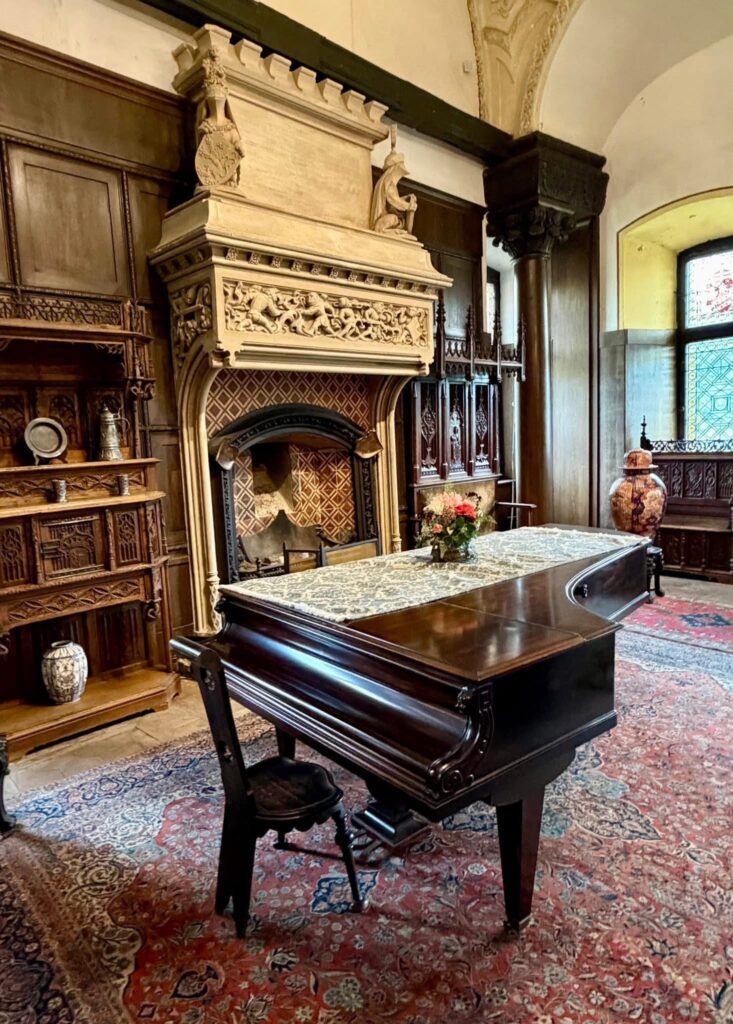
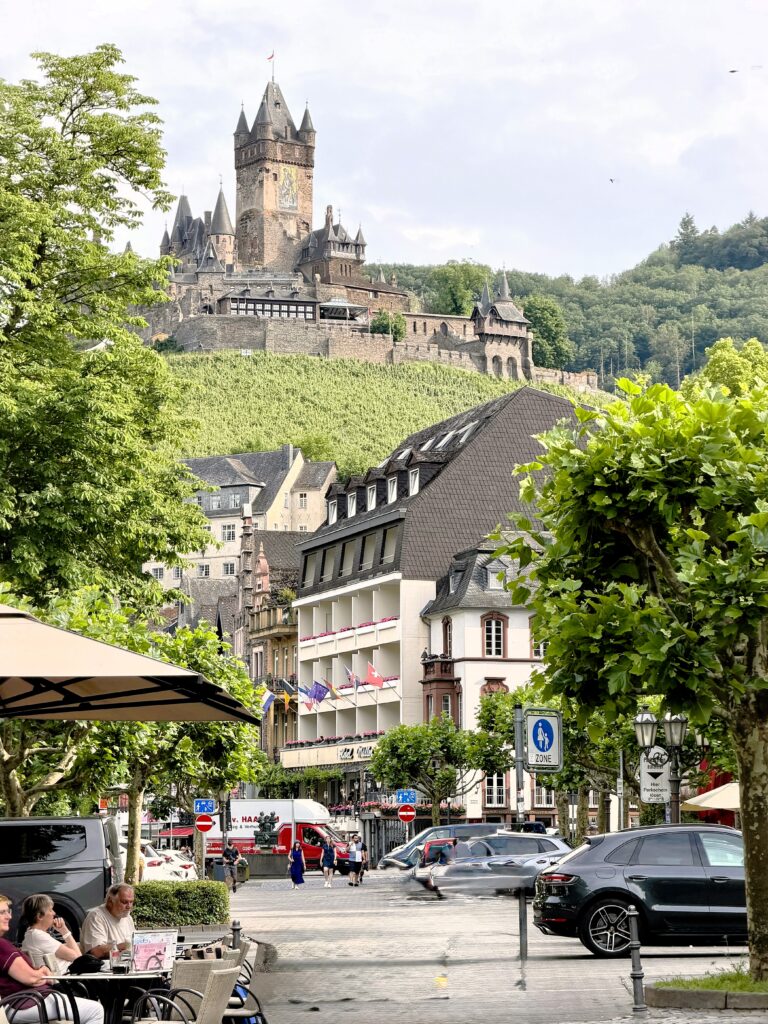

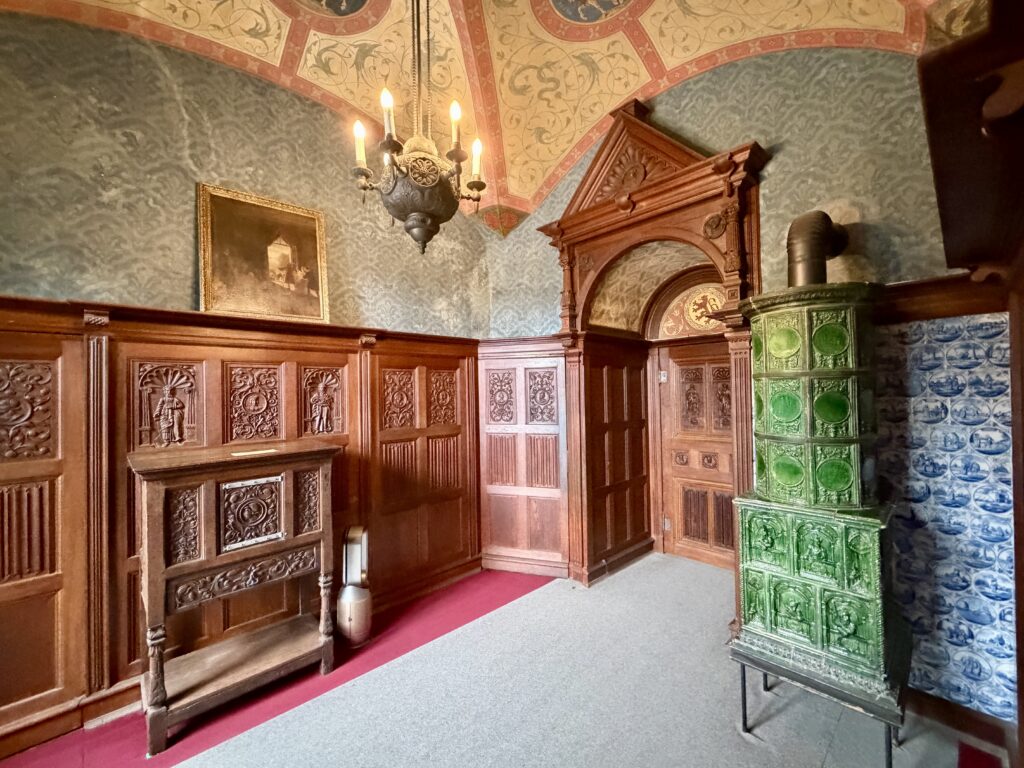
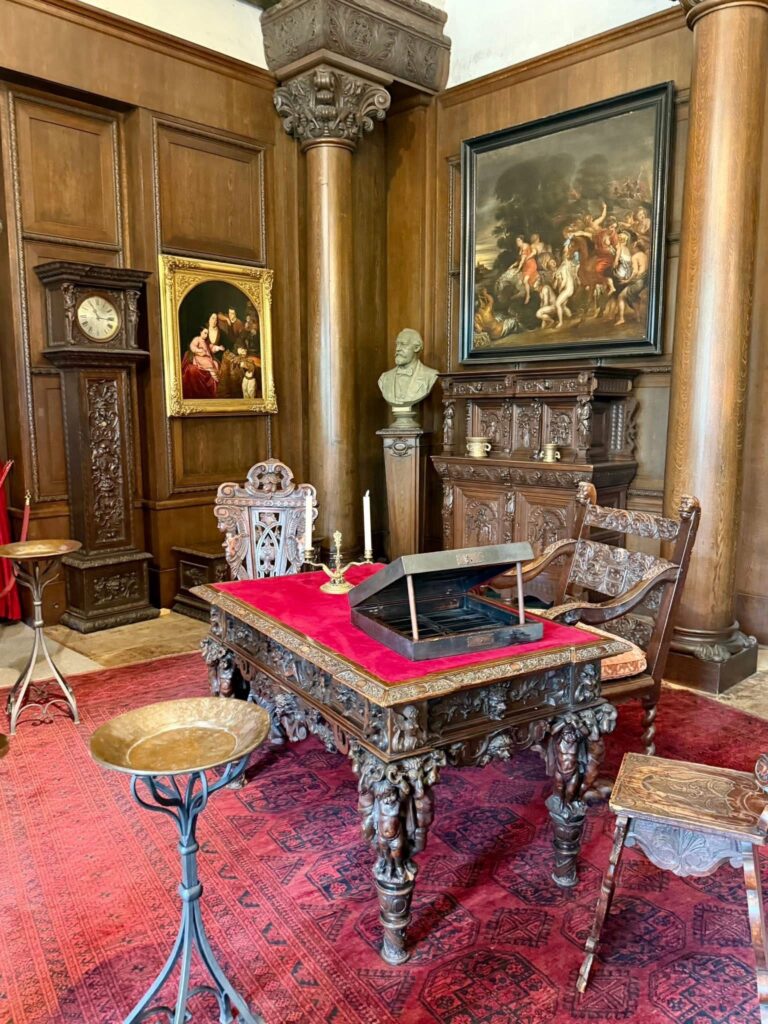
You will have trouble missing Reichsburg Castle in Cochem. The castle rises more than 300 feet above the river and is visible from all over town. The uphill walk from the old center is steep in places, so check current transport and access arrangements if the climb is a concern.
The castle began as a medieval stronghold and became an imperial castle by the 12th century. It also played a role in collecting tolls along the Mosel. French troops destroyed it in 1689 during the Nine Years’ War, and it remained a ruin for generations.
What visitors see today owes much to Louis Ravené, a Berlin businessman who bought the ruins in 1868 and rebuilt them in the 19th-century Romantic style. That is an important distinction: Reichsburg is not a medieval castle preserved exactly as it stood centuries ago. Its rooms and architecture also tell the story of how a later era imagined the Middle Ages.
We were impressed by the interiors. Rich woodwork, stained glass, decorative ceilings, furnished rooms, and historic objects give the tour far more depth than the dramatic exterior alone might suggest. As Castle Hunters, we particularly enjoy places where different layers of history remain visible. Reichsburg is a good example.
Interior visits are by guided tour. Check the official castle website for current tour times, languages, and ticket information before making the climb. Photography was allowed inside on our visit, but confirm the policy when you arrive.
After the tour, leave time for the terraces. Looking down at the rooftops, river bend, and vineyards helps you understand why this hilltop was such a strategic location. There is also a café and gift shop.
Mosel Wine and Cochem’s Vineyards
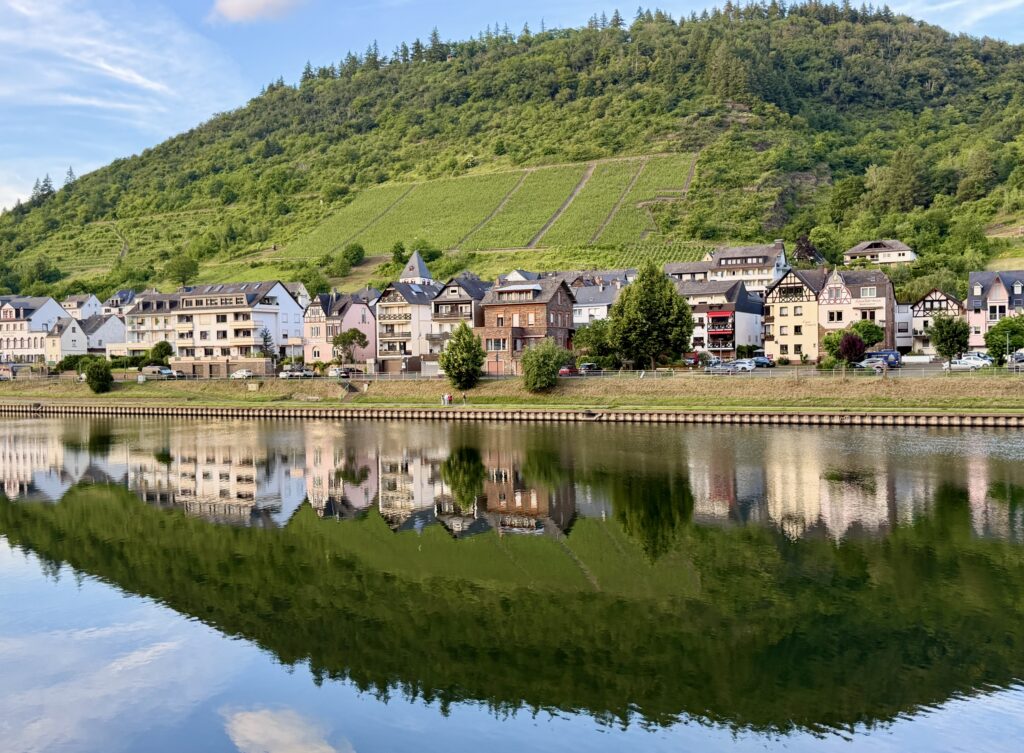
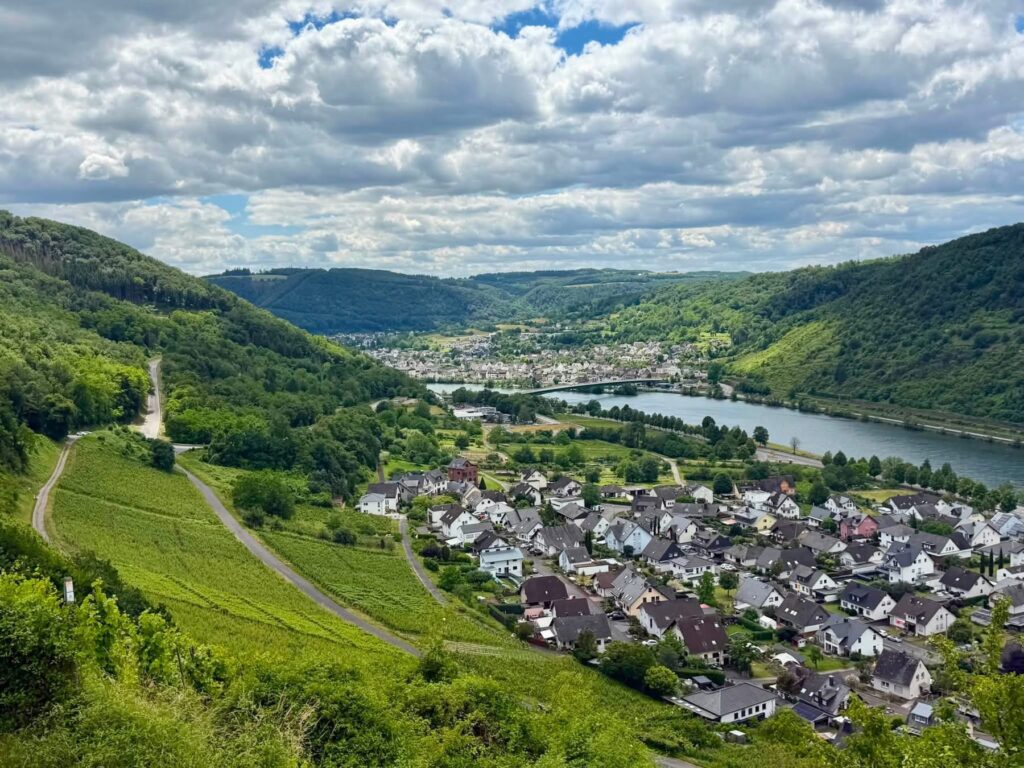
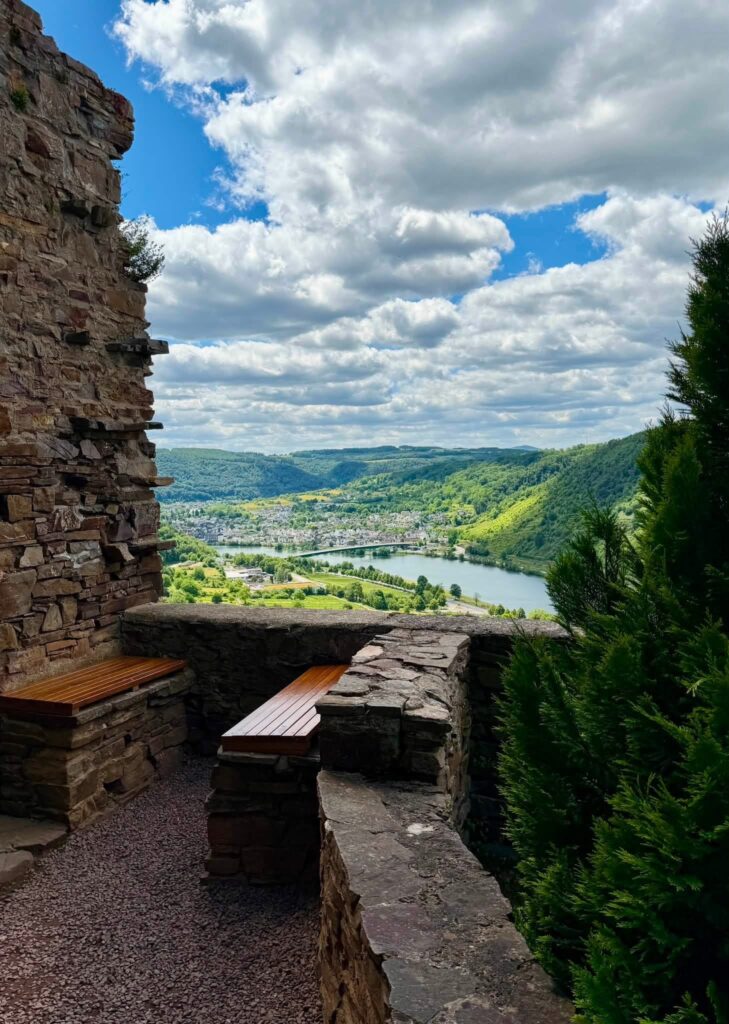
You cannot spend much time in Cochem without noticing the vineyards. They climb steep slopes above the river, and tending them is demanding work. Wine is part of the Mosel Valley’s economy and identity, not merely a pleasant backdrop for photographs.
Riesling is the region’s signature grape. Mosel wines range from dry to sweet, often with lively acidity, and the slate-rich slopes contribute to the region’s distinctive growing conditions. If your only experience with Riesling has been a sweet bottle, this is a wonderful place to discover how different it can taste.
Cochem’s wine taverns and tasting rooms offer an approachable introduction. Look for a tasting that explains the vineyard sites and the differences among dry, off-dry, and sweeter wines. Buying from a local producer is also a meaningful way to support the people who maintain these steep vineyards.
Harvest season brings festivals and special events to Cochem and neighboring villages. If that is when you plan to travel, confirm dates with the local tourism office and book your accommodations early.
More Things to Do in Cochem
There is plenty to fill a day even if castles are not your main interest.
1. Tour the Bundesbank Bunker
One of Cochem’s most surprising attractions is the Bundesbank Bunker. During the Cold War, this concealed facility held billions of Deutsche marks in emergency replacement banknotes, intended for use if counterfeiting threatened West Germany’s currency. Guided visits now reveal the underground rooms and the secrecy surrounding the operation. It is a striking contrast to the medieval history above ground.
2. Ride the Cochem Chairlift
The seasonal Cochemer Sesselbahn chairlift climbs above town toward the Pinnerkreuz viewpoint. From the upper area, trails lead into the surrounding hills. Check operating dates and weather conditions before you go.
3. Take a Mosel River Cruise

A boat trip gives you a different perspective on the vineyards, villages, and castles lining the river. You can choose a shorter sightseeing cruise or a longer outing, depending on the season and schedule.
4. Walk or Cycle Along the Mosel
The Mosel Cycle Route connects riverside communities, while local walking trails climb into vineyard country. Distances and terrain vary, so choose a route that fits your plans and bring suitable shoes.
Best Castles and Villages Near Cochem
One of the reasons we chose Cochem as a base was its access to other castles. We spent our days exploring and returned to a town where restaurants, river walks, and castle views were still waiting for us.
1. Burg Eltz: A Castle Hidden in the Forest
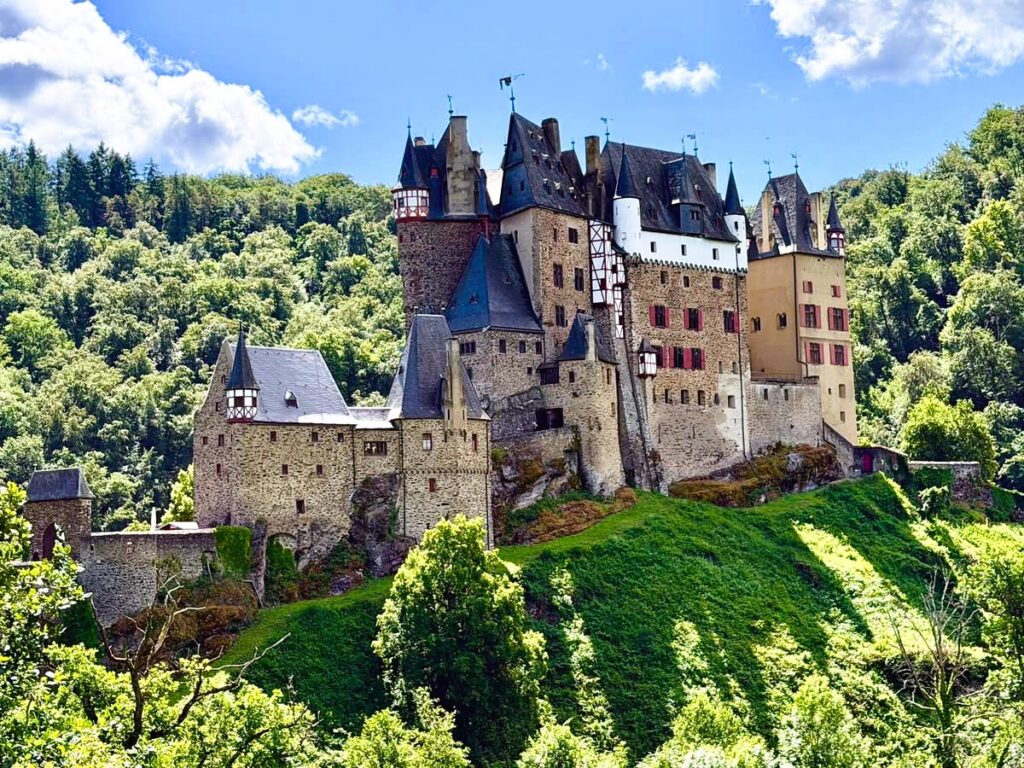
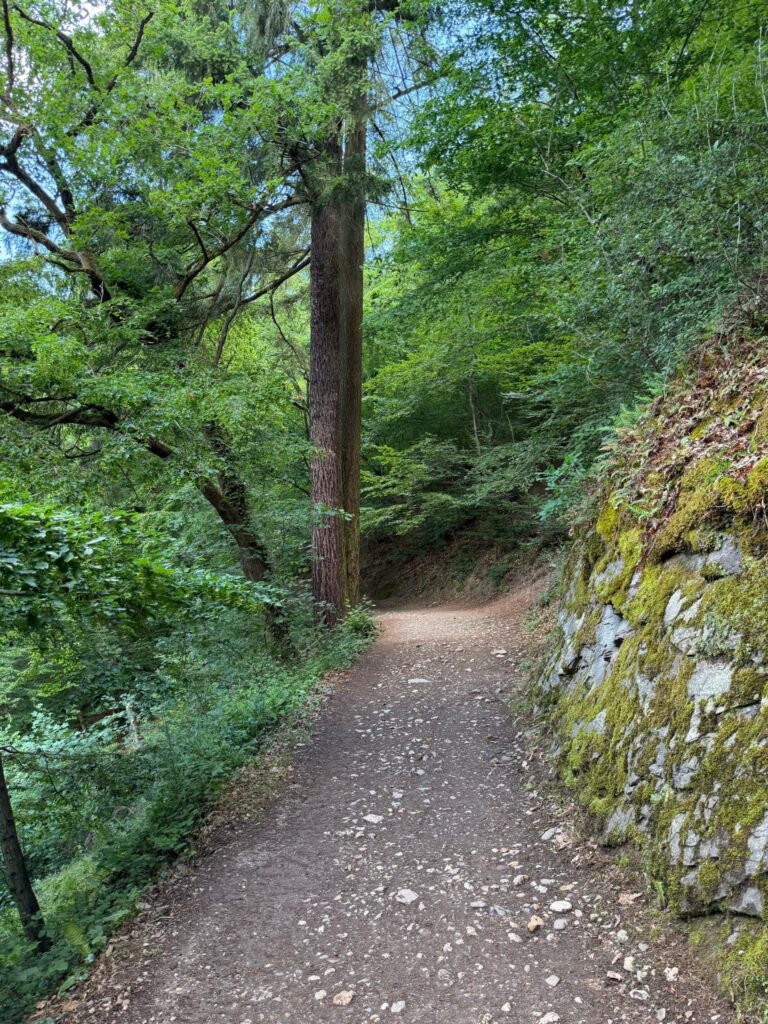
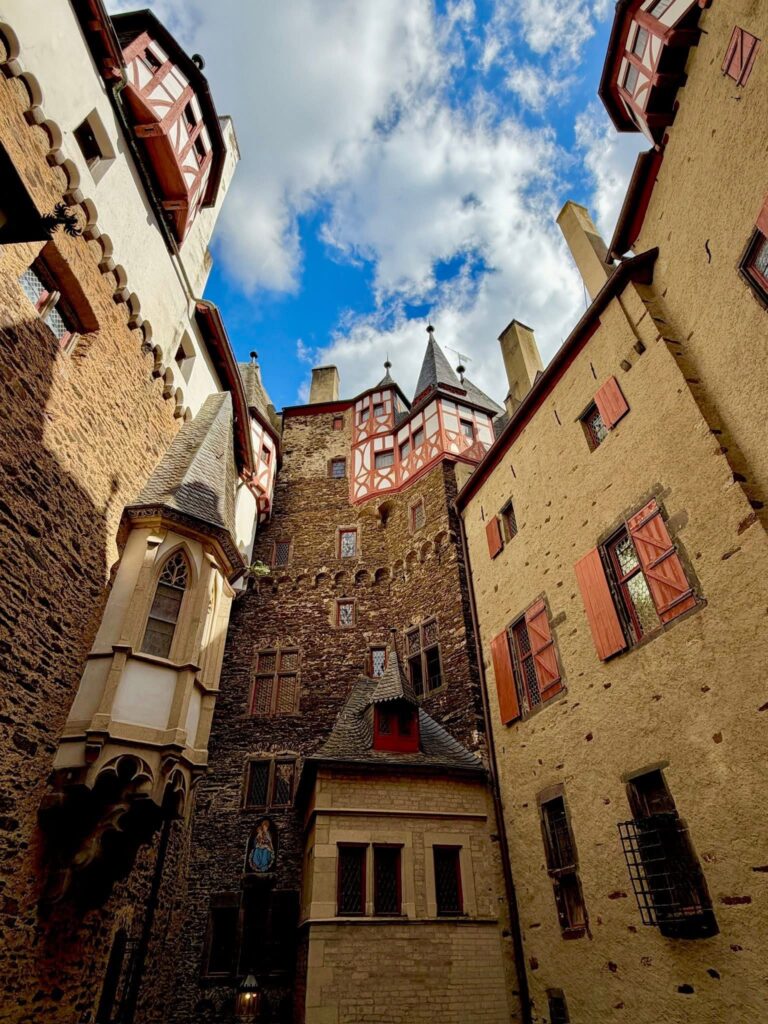
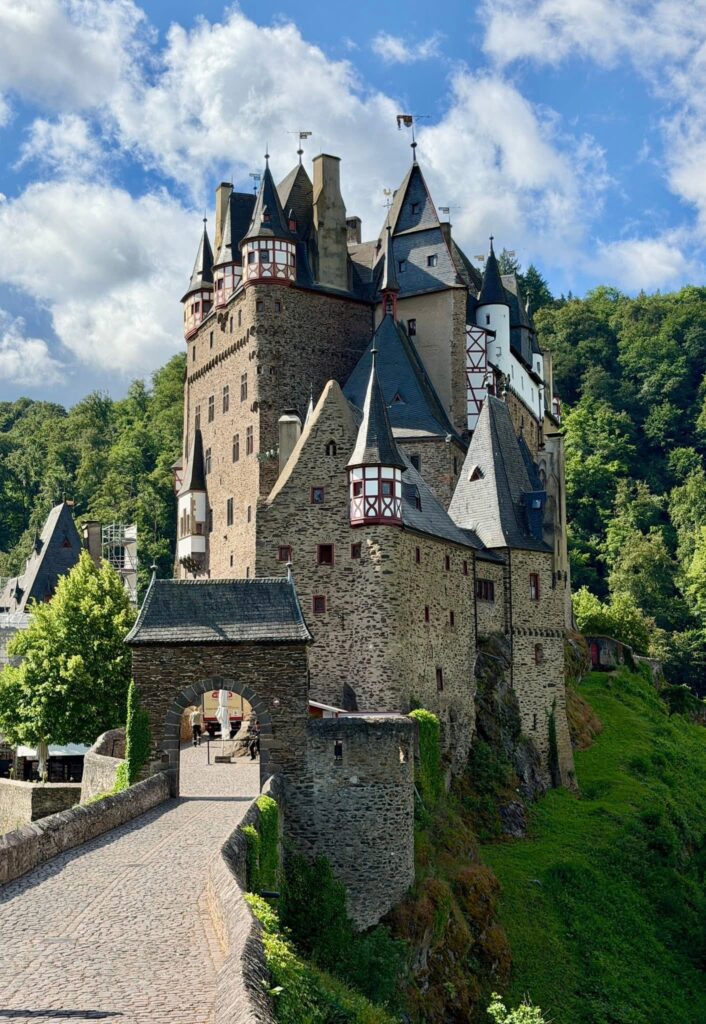
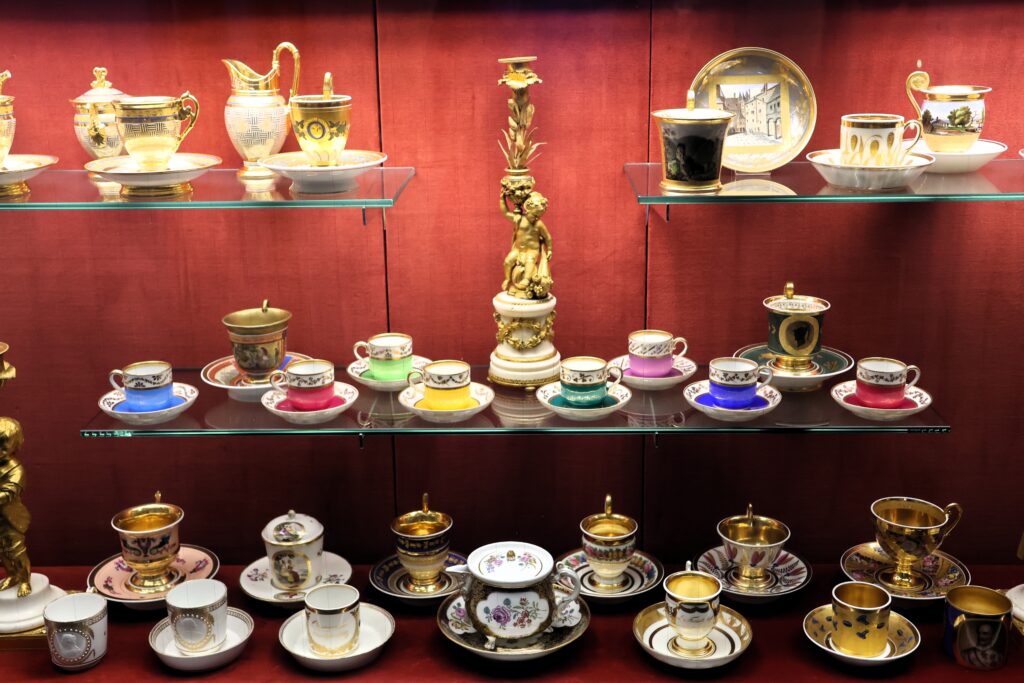
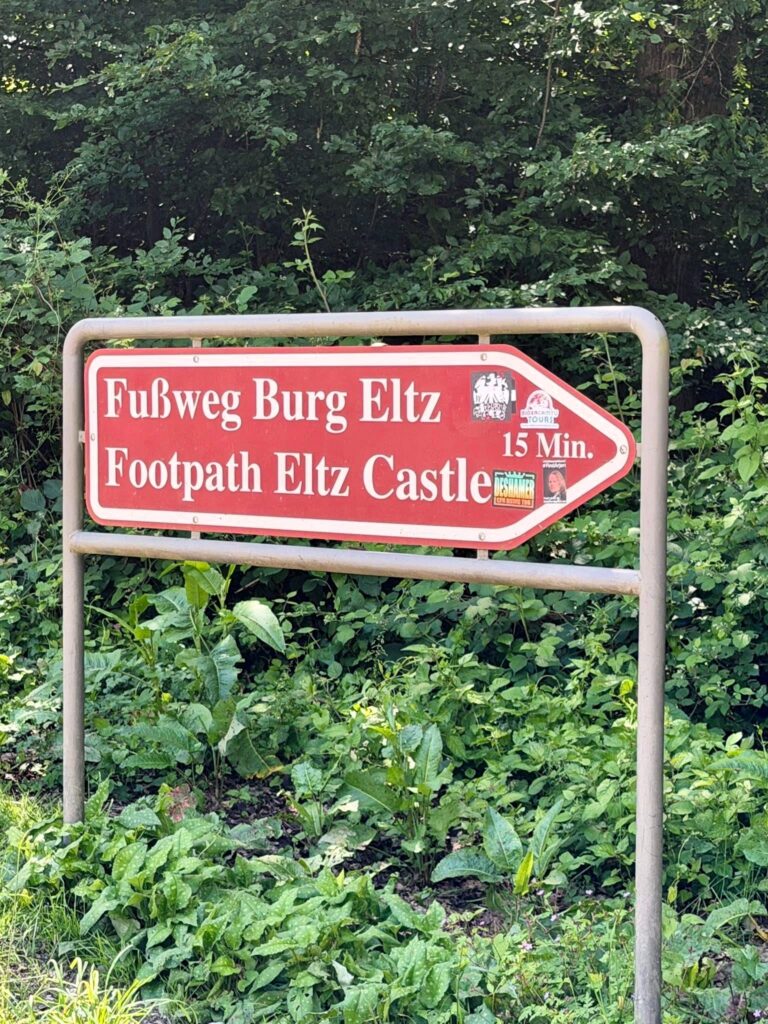
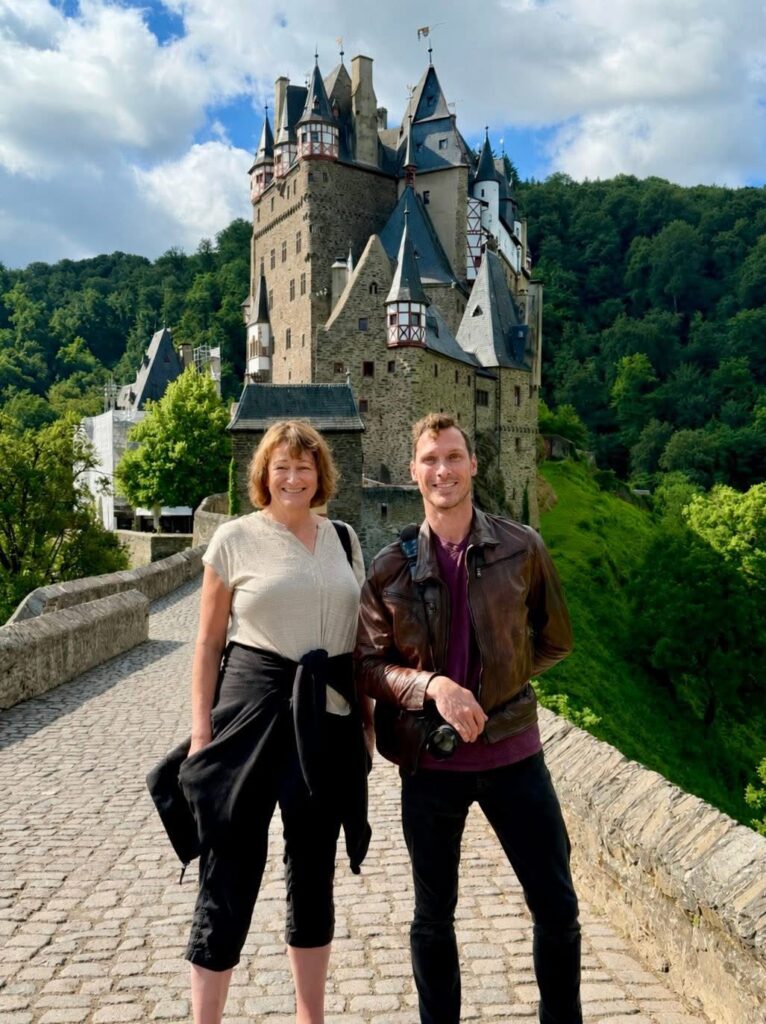
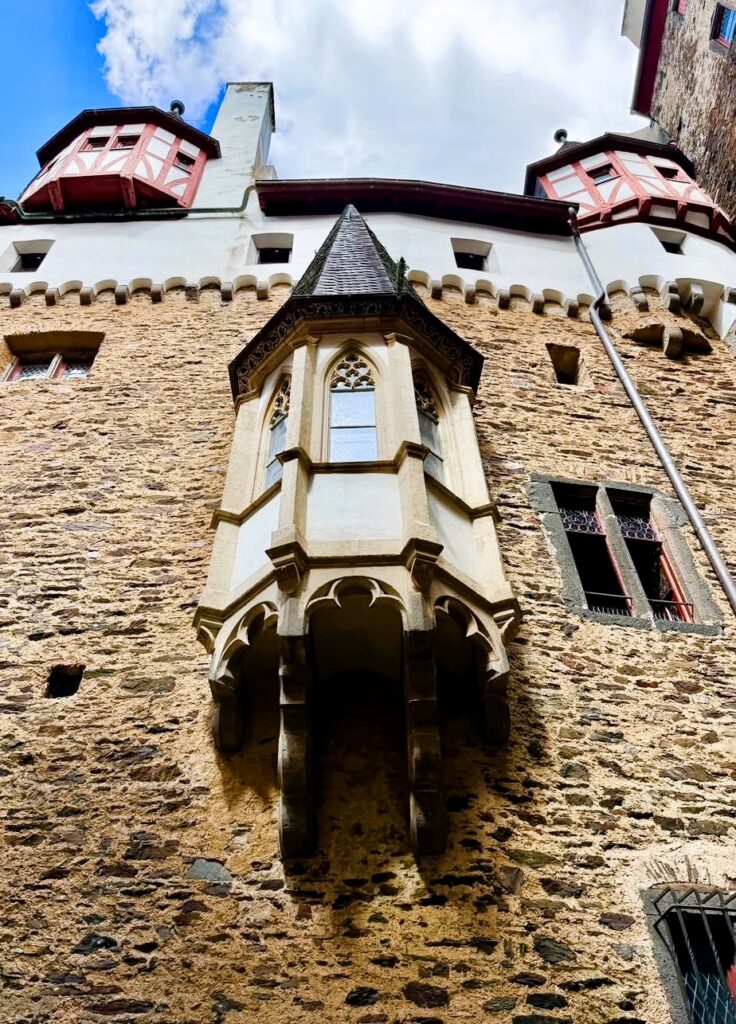
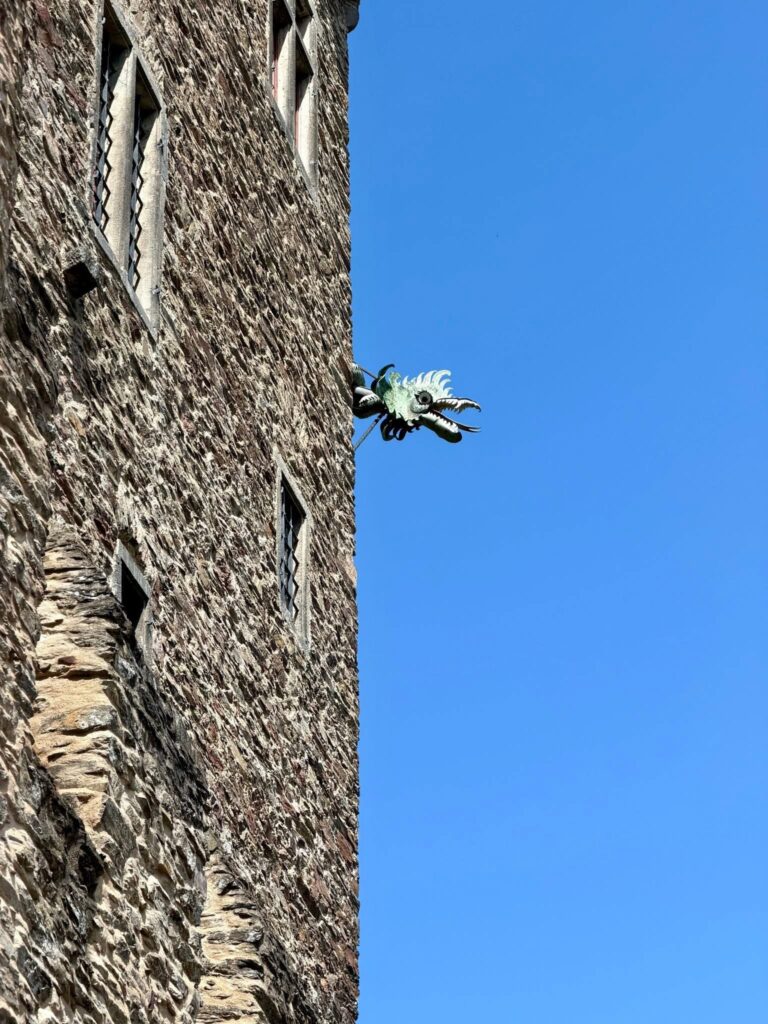
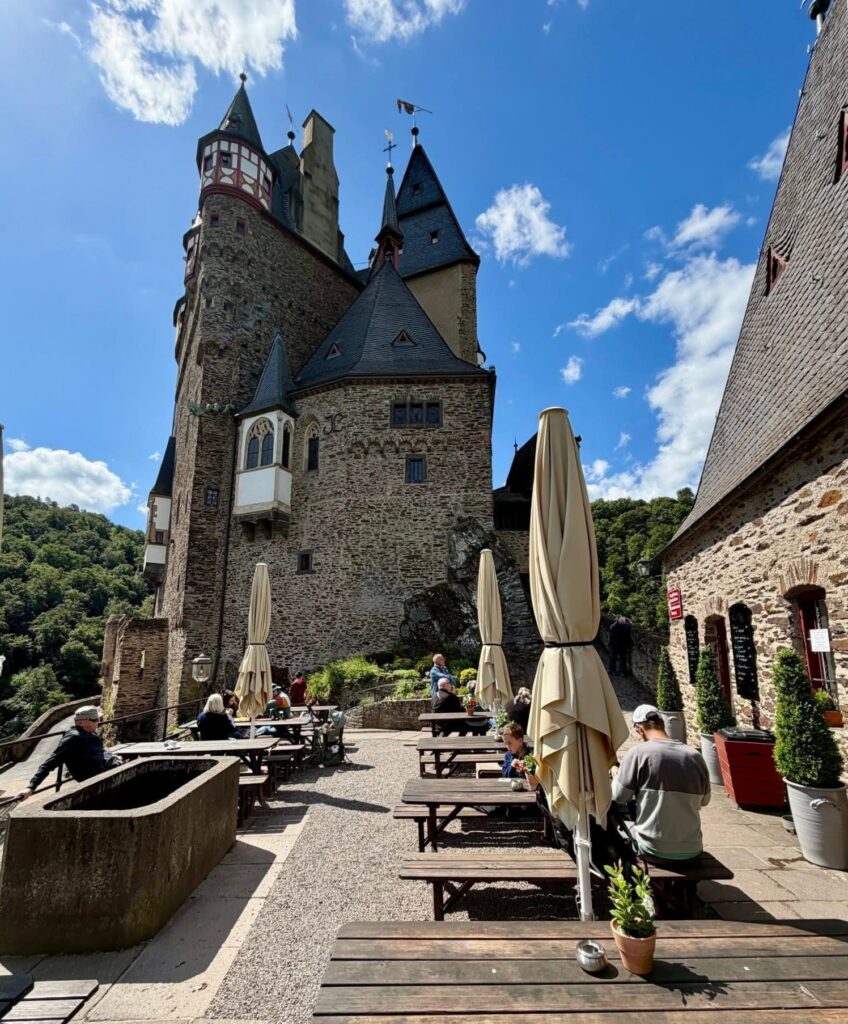
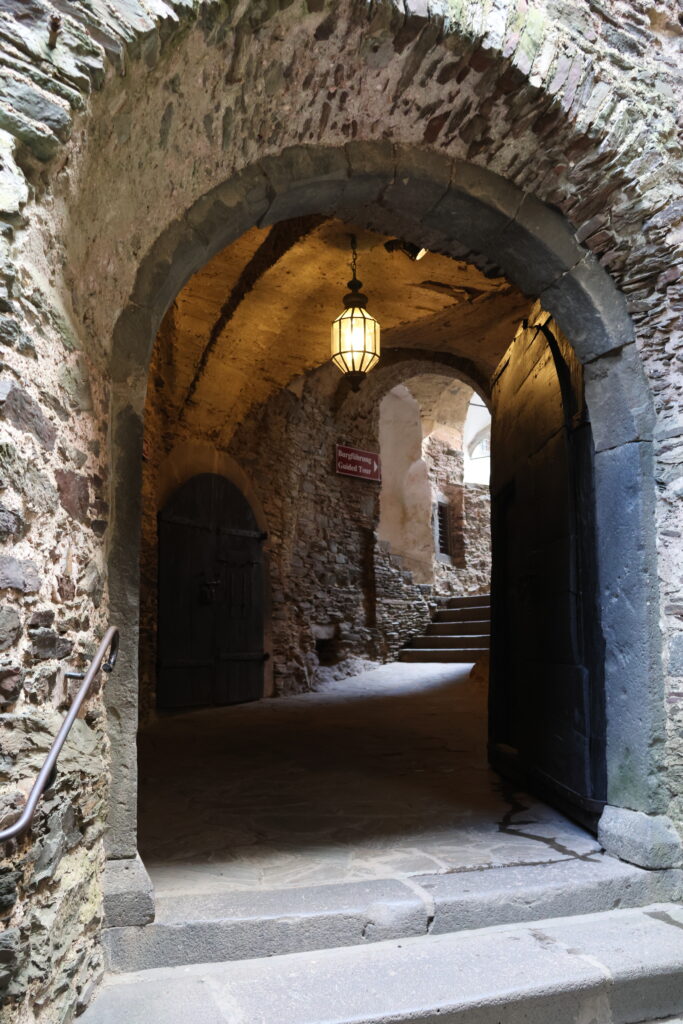
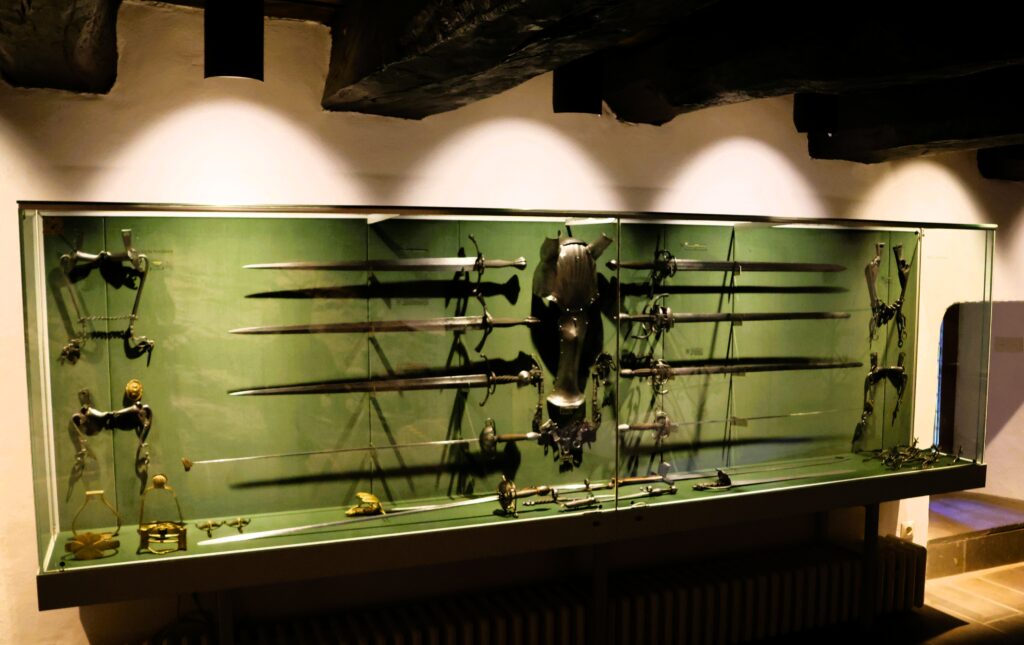
Burg Eltz is among Germany’s most photographed castles, yet seeing its towers appear above the trees was still a memorable moment. The castle sits in a wooded valley and has remained in the same family for more than 850 years.
We took the shuttle toward the castle and walked back through the forest afterward. On the guided English-language tour, we saw rooms filled with furnishings, artwork, and objects accumulated over generations. Interior photography was not allowed when we visited, which gave us a welcome reason to put the cameras away.
Between the tour, treasury, café, and woodland setting, it is worth setting aside several hours. Check seasonal opening dates, shuttle availability, and ticket details before leaving Cochem.
2. Thurant Castle: Towers Above the Mosel
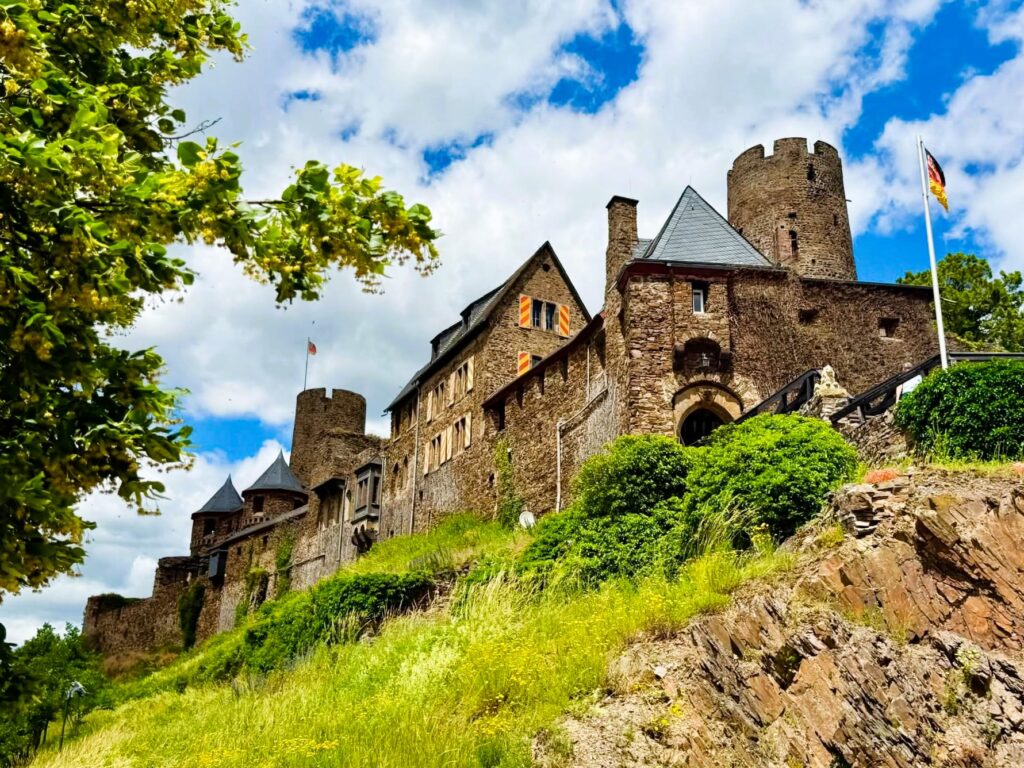
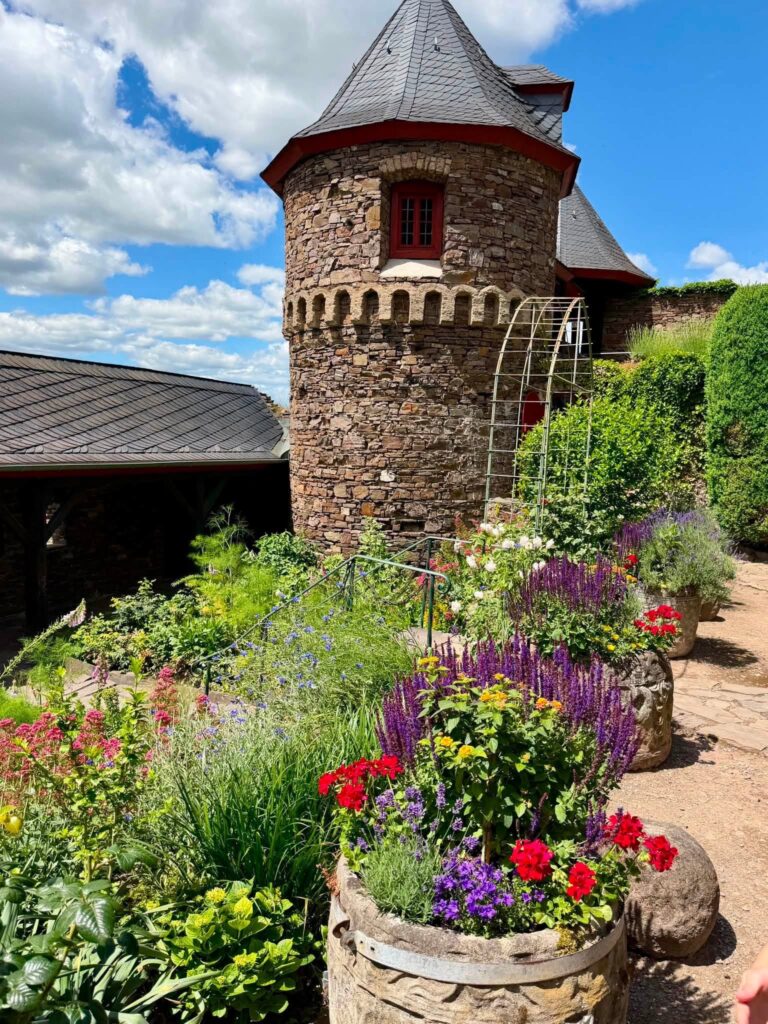
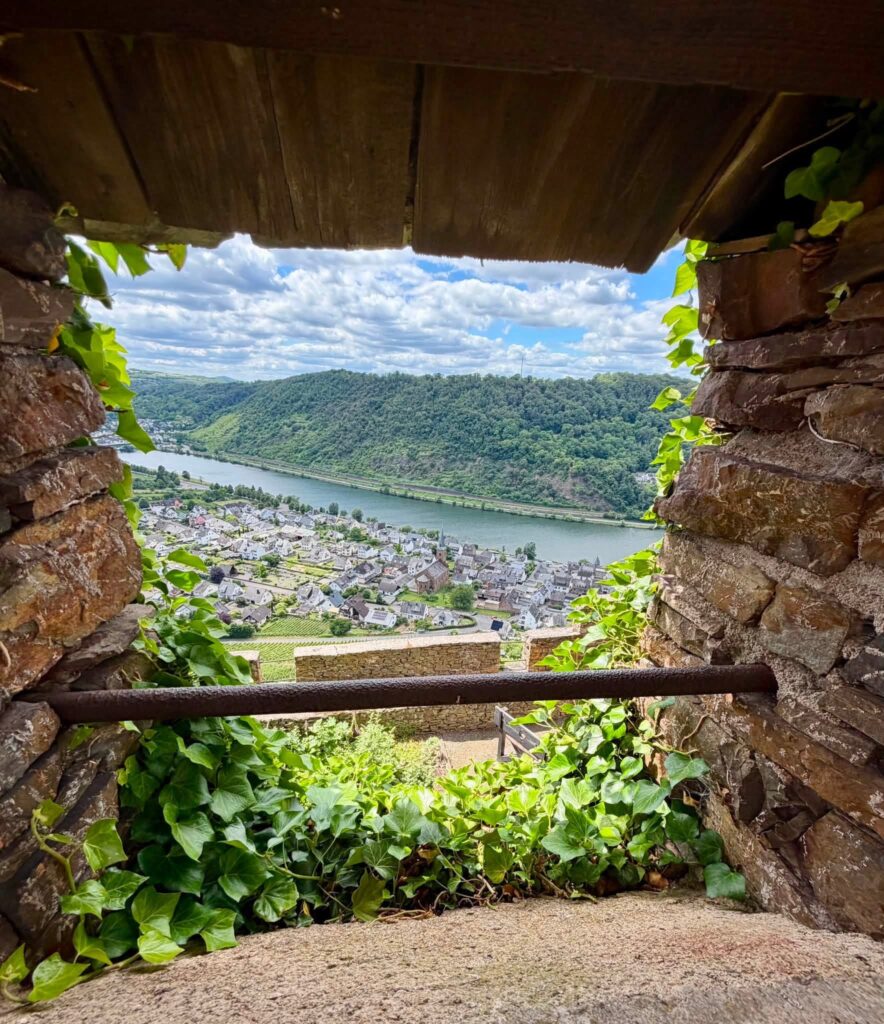
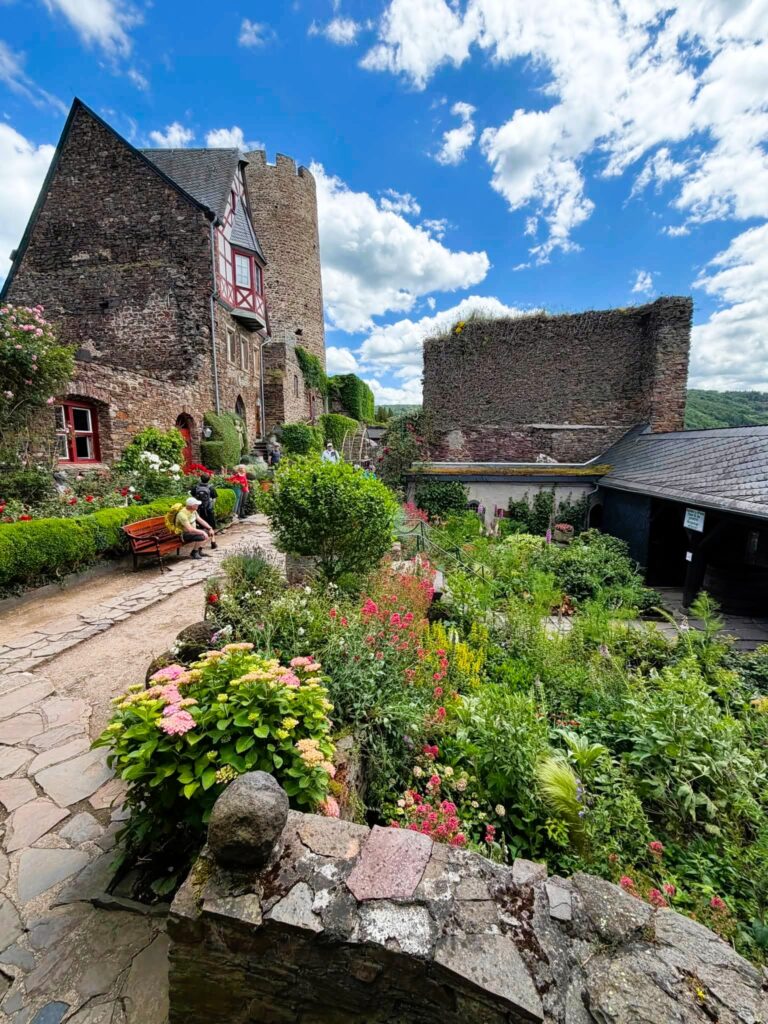
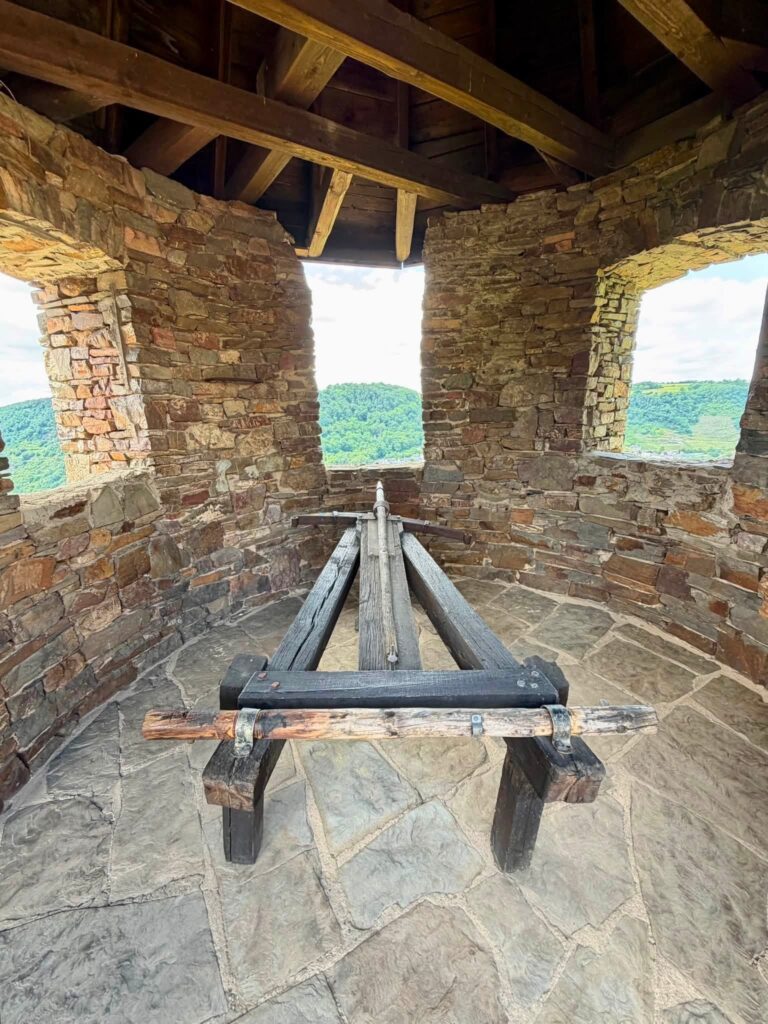
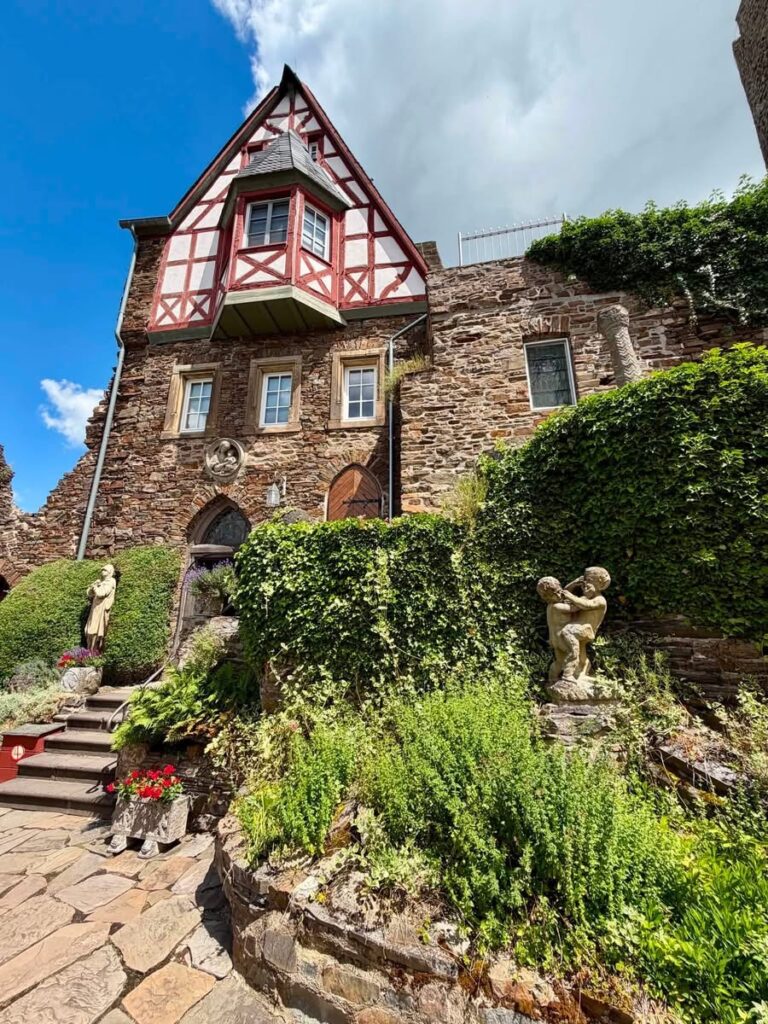
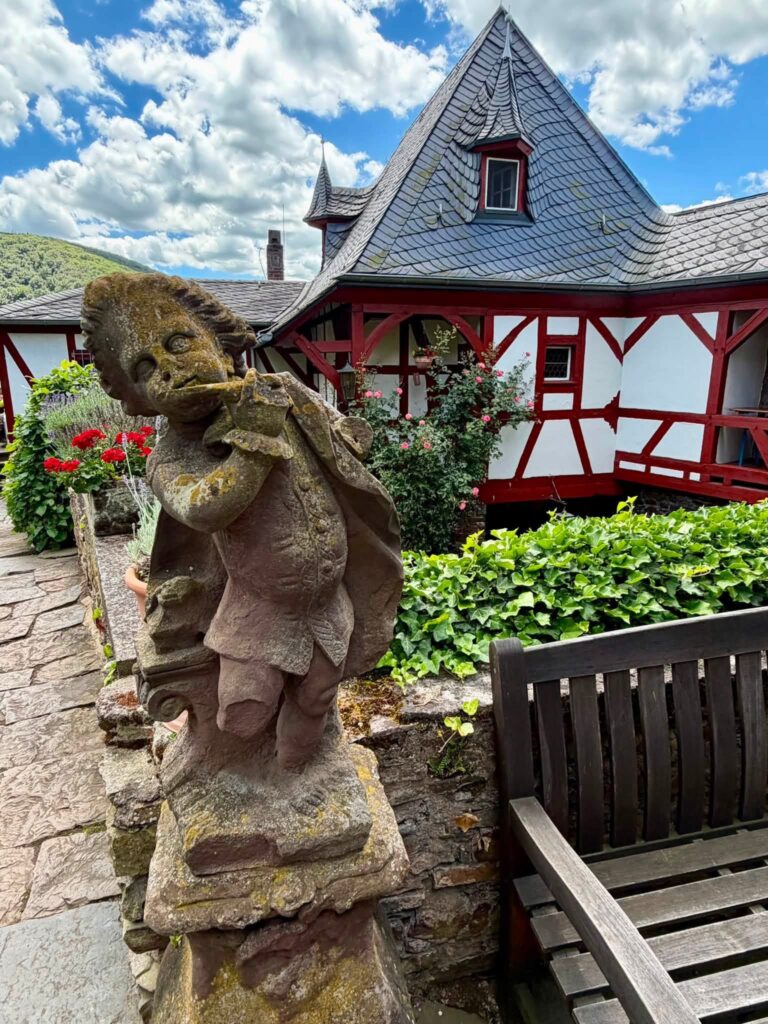
Thurant Castle overlooks the village of Alken and the vineyards along the Mosel. Its two-part layout reflects the period when the castle was divided between the archbishoprics of Trier and Cologne.
Our visit was very different from Burg Eltz. Here we could move at our own pace through towers, courtyards, furnished areas, and gardens. Even the approach through the vineyards was memorable. We especially enjoyed being able to explore without following a group tour.
3. Beilstein: A Small Mosel Village Worth Visiting
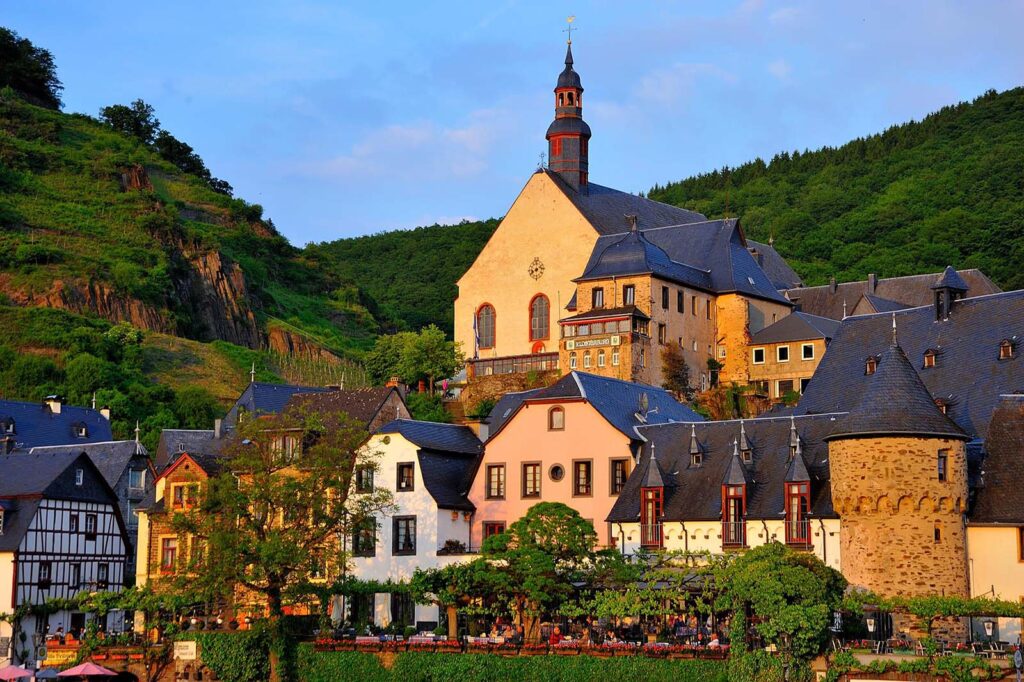
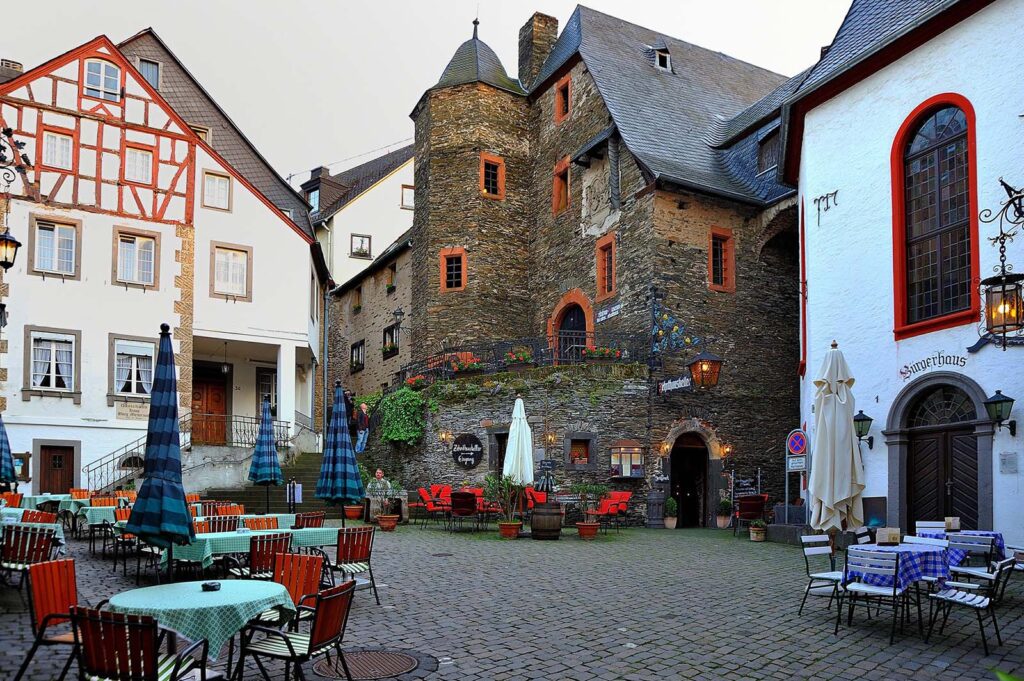
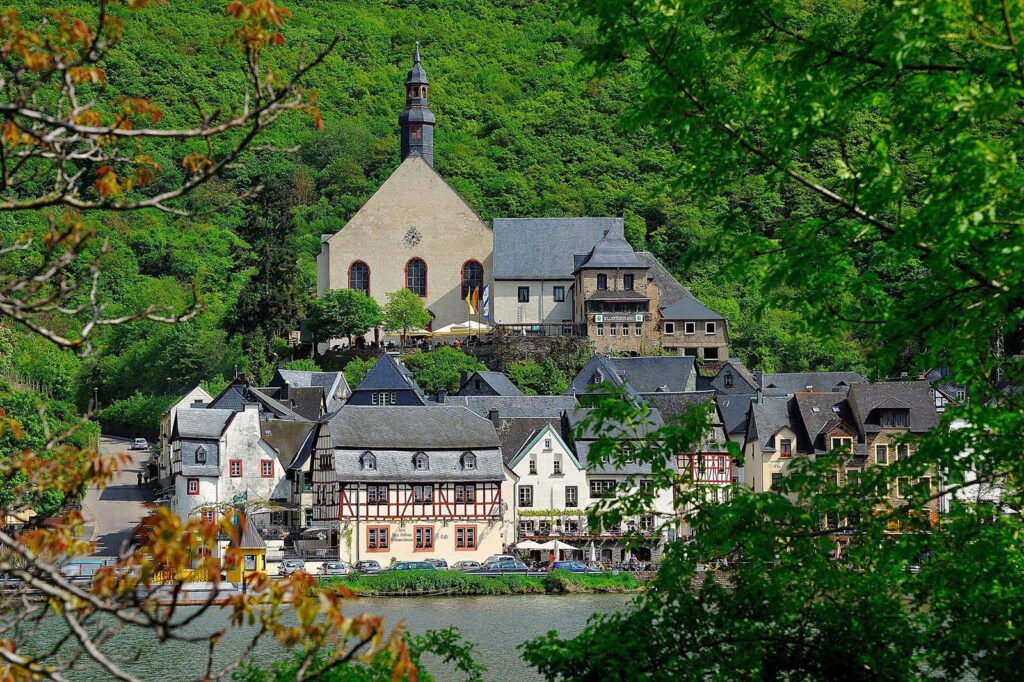
Beilstein, Germany Images from https://beilstein-mosel.de/en/impressionen/
Beilstein is often called the Sleeping Beauty of the Mosel. Its half-timbered houses, stone steps, and wine taverns sit below the ruins of Metternich Castle. It makes an appealing stop when exploring the villages around Cochem, especially if you enjoy walking through historic streets without a rigid schedule.
With extra time, follow the river through other villages and stop to take in a vineyard view or an interesting old building. Some of our favorite moments in the Mosel Valley came from leaving room for discoveries along the way.
Do You Need a Car in Mosel Valley?
You don’t necessarily need a car to explore Cochem itself, as the Old Town, Reichsburg Cochem Castle, and many of the main attractions are accessible on foot. However, we highly recommend having a car if you want to experience more of the beautiful Mosel Valley. We traveled by car and found that having the freedom to explore at our own pace made a tremendous difference.
Beyond Cochem, the region is filled with charming wine villages, medieval castles, scenic overlooks, and winding roads that follow the Mosel River through vineyard-covered hillsides. Having our own transportation allowed us to visit places like Burg Eltz and Thurant Castle while discovering smaller towns and beautiful stretches of countryside along the way. Although trains and buses connect many destinations, reaching some castles and rural attractions can be challenging without a car. For us, driving was about much more than convenience. It allowed us to discover parts of the Mosel Valley we might otherwise have missed.
Where to Stay When Visiting Cochem
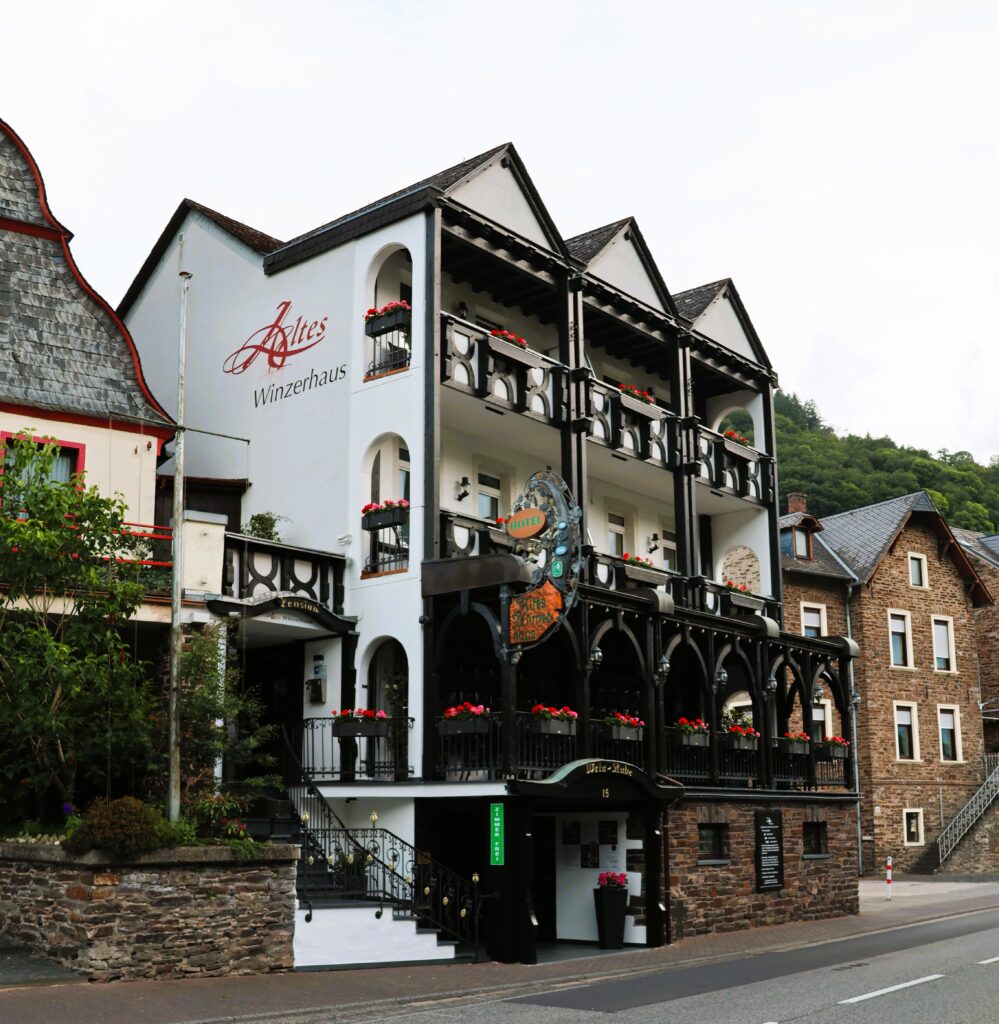
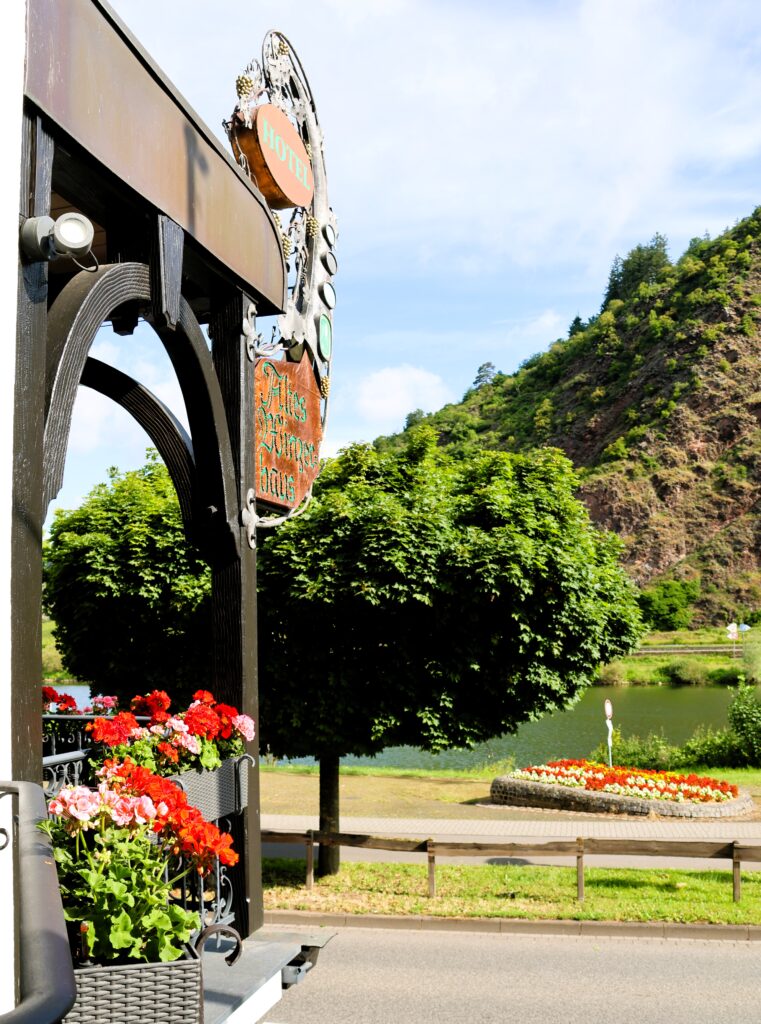
During our June 2026 visit, we stayed in Hotel Altes Winzerhau along the Mosel River in Cochem. It was an easy walking distance to town but a bit removed, so a bit quieter. The hotel was comfortable, but there are many accommodations in the area. We strongly suggest taking the time to look at recent reviews of any property you are considering. There were several that had bad reviews, so make sure it is the best choice for you.
When planning a trip, it’s always wise to compare accommodation prices across different platforms. Expedia, based in the U.S., and Booking.com, based in Europe, don’t always feature the same properties, so checking both can give you the best range of options. We prefer Booking.com for its user-friendly interface and wide selection, but we always recommend double-checking the hotel or vacation rental’s official website. Sometimes, you’ll find exclusive deals or perks when booking directly.
Click the link below to explore hotels and vacation homes in the area you are planning to visit. Who knows? It might be just the spark you need to start planning your next grand adventure.
Where to Eat in Cochem, Germany
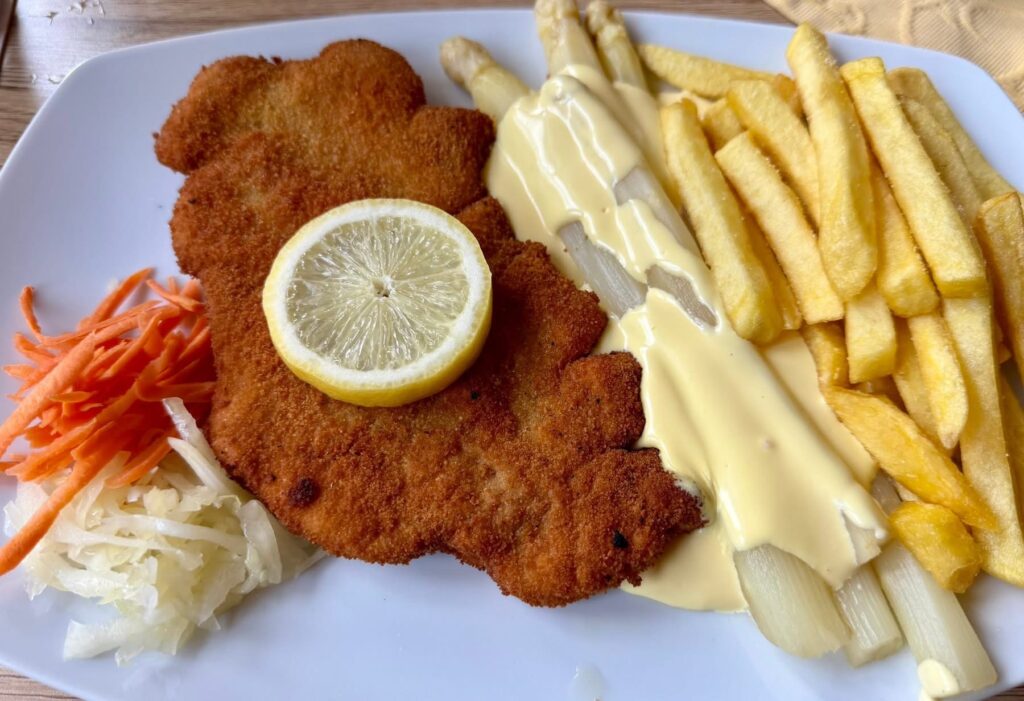
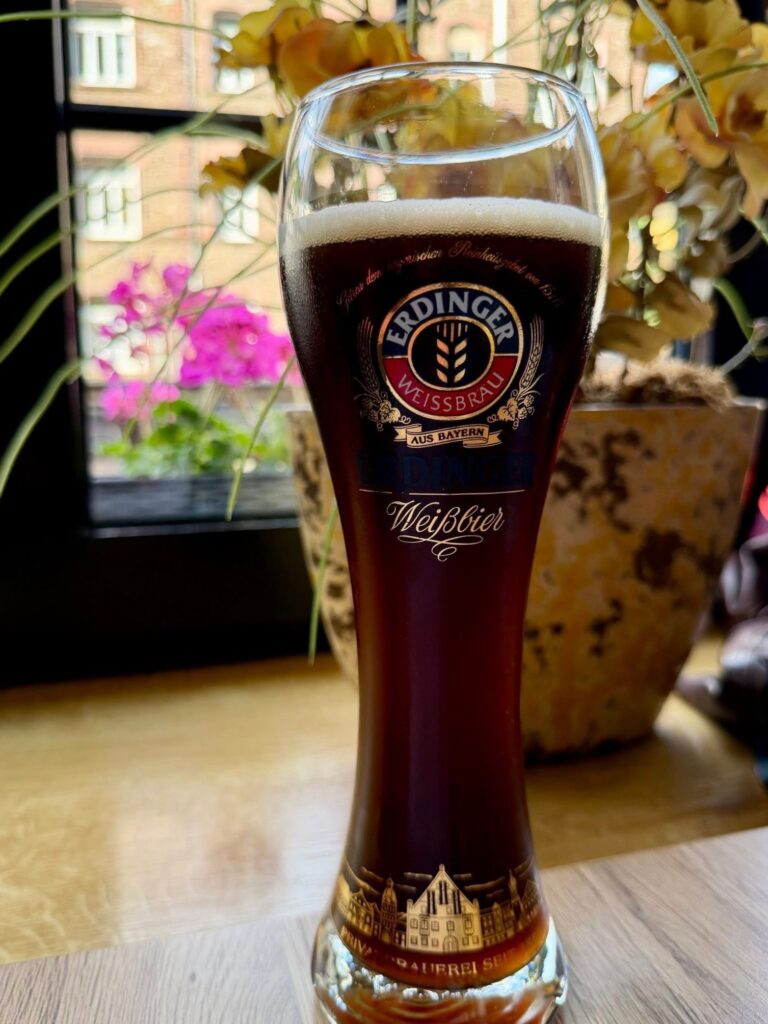
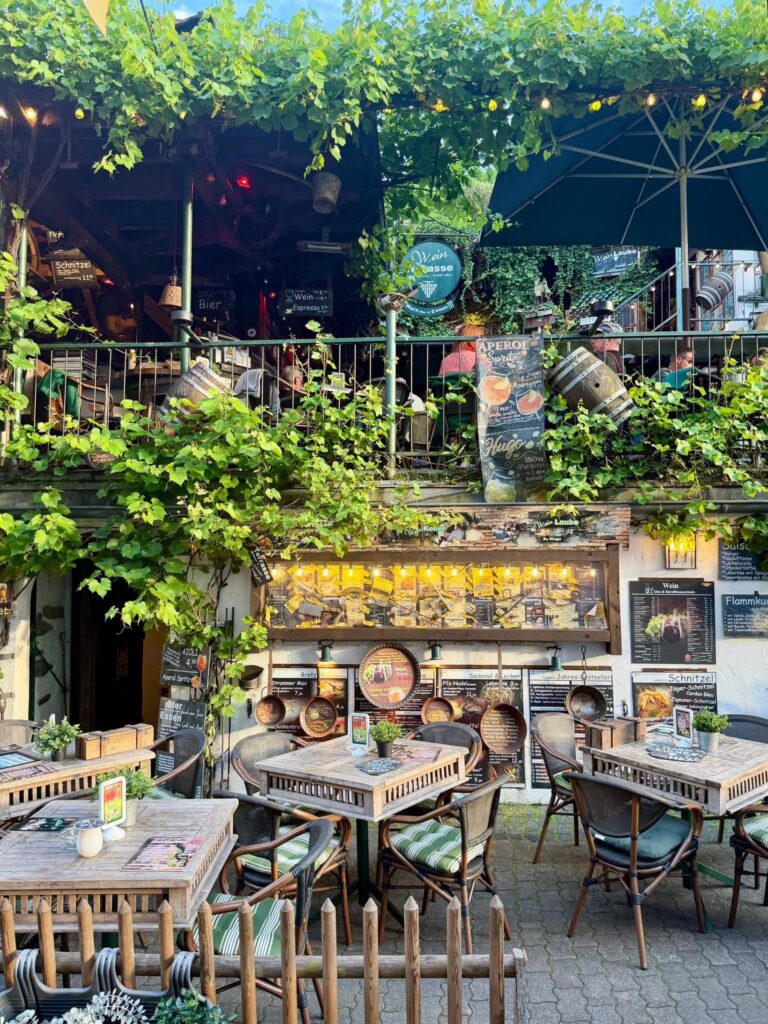
You certainly won’t go hungry in Cochem! The town has plenty of restaurants, cafés, and casual eateries, particularly around the Old Town and along the Moselle River. Traditional German cuisine dominates many menus, with regional specialties, schnitzel, sausages, and hearty meat dishes commonly available. You’ll also find Italian restaurants, pizzerias, and other international options if you’re looking for something different.
We tried several places during our visit, but unlike some destinations where a particular restaurant becomes a highlight of our trip, we didn’t find one that stood out enough to recommend above the others. That isn’t to say we had bad meals. Rather, we found Cochem’s dining scene offered plenty of choices, but no particular culinary experience left a lasting impression.
Our suggestion is to wander through the Old Town, browse the menus, look up reviews on Google Maps, then choose somewhere that appeals to you. Many restaurants have outdoor seating, making it easy to enjoy a leisurely meal while taking in the atmosphere of this historic riverside town. And, of course, don’t miss the opportunity to sample a local Mosel Riesling. The region’s winemaking heritage is one of its greatest attractions, and enjoying a glass of local wine is very much part of the Cochem experience.
When is the Best Time to Visit Cochem?

Spring through autumn is a popular period for river activities, vineyards, and sightseeing. Summer brings longer days and more visitors, while harvest season has a particular appeal for wine lovers. Castle tours, cruises, and the chairlift can have seasonal schedules, so verify opening dates before your trip.
Why We Would Stay in Cochem Again
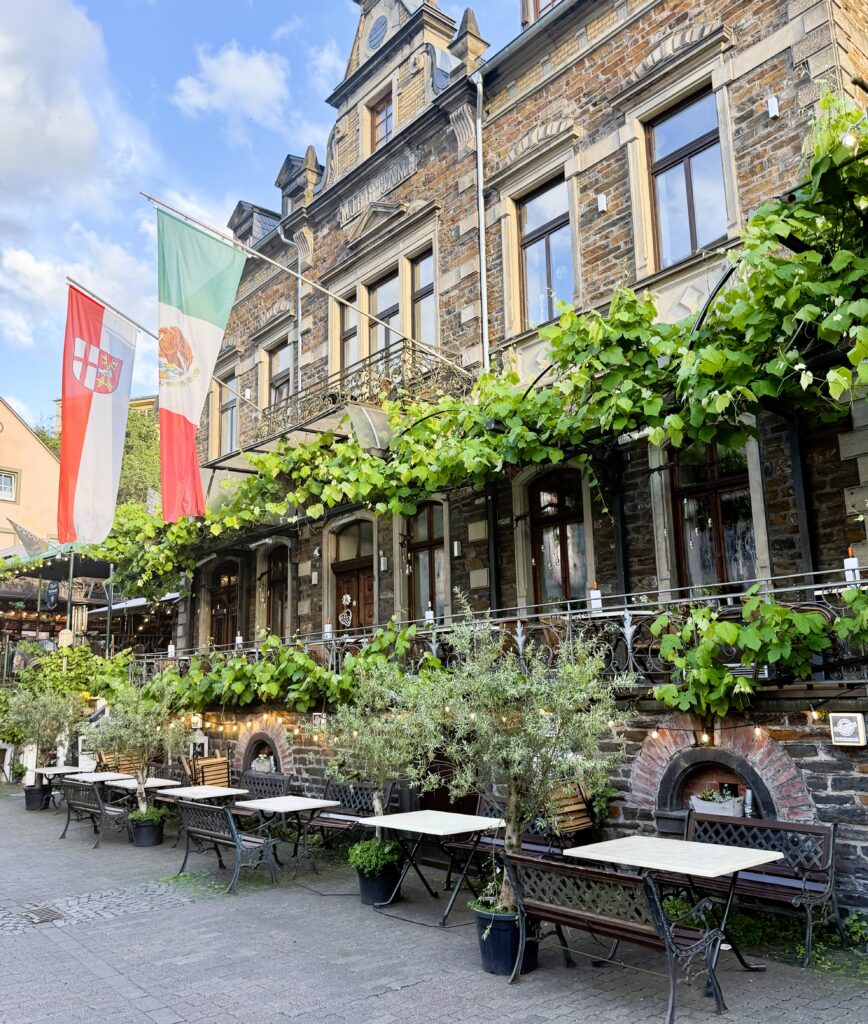
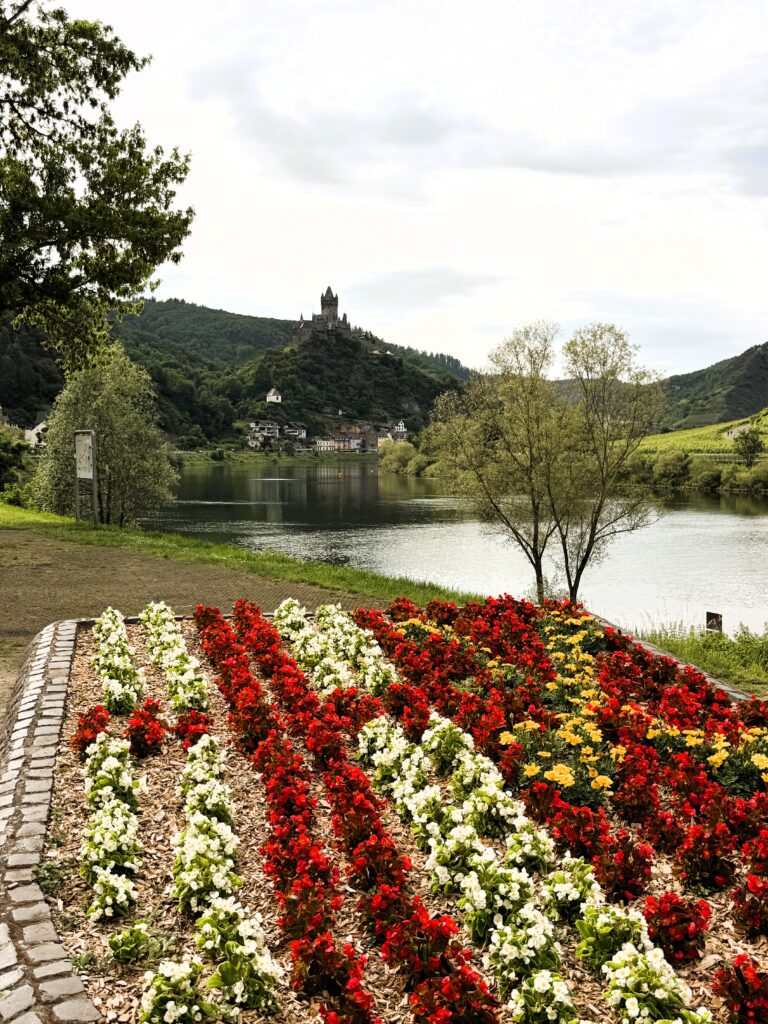
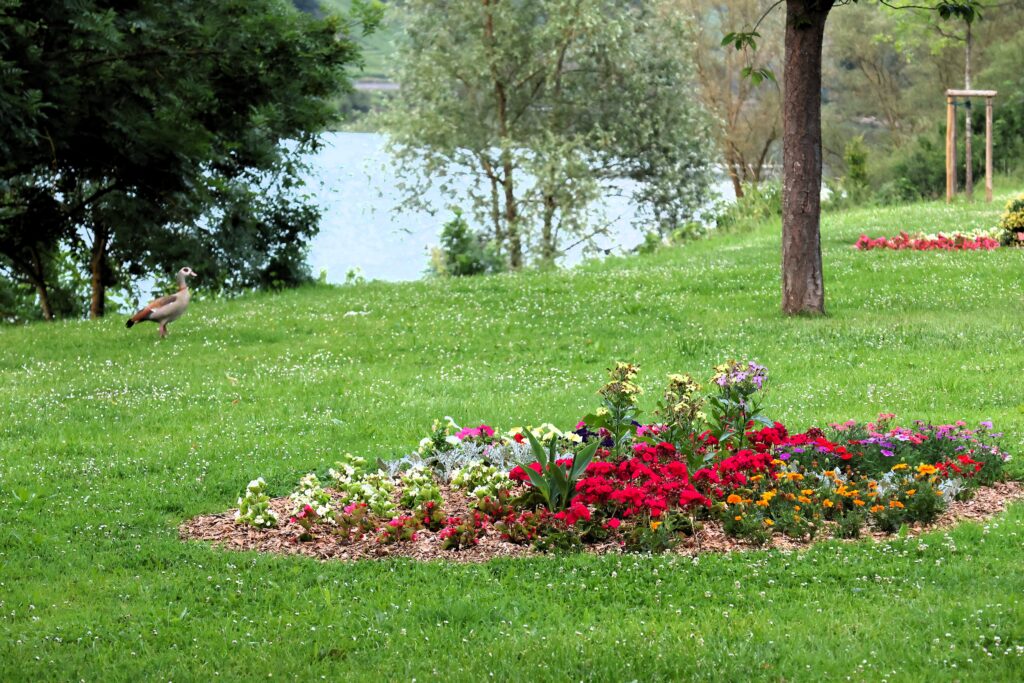
Our first visit showed us Cochem’s beauty. Our return gave us time to appreciate the town itself.
We remember looking across the river at Reichsburg over breakfast, walking the waterfront in the evening, and coming back from a day of castle hunting with no need to hurry on to the next destination. We also remember how different Burg Eltz and Thurant felt, despite being part of the same regional adventure.
Cochem is a destination for castle enthusiasts, wine lovers, and travelers seeking a comfortable base for exploring the Mosel Valley. For us, the best part was not having to choose between those experiences.
Final Thoughts on Visiting Cochem and the Mosel Valley

Cochem may be one of the most photographed towns along the Mosel River, but there is so much more to discover here than its beautiful castle and colorful Old Town. What makes this region special is the combination of history, wine traditions, charming villages, and a landscape that seems to reveal something new around every bend in the river.
We were particularly glad we had a car, as some of our favorite experiences came from exploring beyond Cochem itself. Visiting medieval castles, driving through vineyard-covered hillsides, and stopping in smaller villages gave us a much greater appreciation for the Mosel Valley and its remarkable history.
If you’re planning a trip to Germany, we highly recommend making time for Cochem and the surrounding region. Spend time exploring the town, but don’t limit yourself to its most famous attractions. Follow the river, take a few detours, and discover the places in between. For us, that was one of the most rewarding parts of visiting the Moselle Valley.
FAQS

© 2026 Wanderers Compass All Rights Reserved
Explore the Official Tourism Sites for Cochem and Mosel Valley
Want to Learn the Story Behind Wanderers Compass?
Explore our most recent posts
Cochem, Germany: Best Things to Do in the Mosel River Valley
November 22, 2026
Prodan Tartufi in Istria, Croatia: The Story Behind Our Luxe Beat Cover
November 16, 2026
African Safari Adventures: Exploring the Wild Heart of the Continent
November 16, 2026
Zemi Beach House Anguilla: Our Stay on Shoal Bay East
October 20, 2026
Füssen, Germany: Beyond Neuschwanstein Castle
October 12, 2026
Returning to Venice: Why We Keep Coming Back
September 28, 2026
Savoia Excelsior Palace: Where Trieste’s History Meets the Adriatic
September 6, 2026
Global Entry for Kids: What Parents Need to Know Before Traveling
September 5, 2026Our Top Recommended Travel Products
Travel Insurance
Squaremouth.com
Our Favorite Travel Insurance Site!
We strongly advocate comprehensive travel insurance, not only for minor inconveniences but also for major, unexpected events such as medical emergencies. We never leave home without it. Our go-to resource is Squaremouth.com. which offers a user-friendly platform that connects you with top-rated, reputable insurance carriers. Plus, they’ll mediate on your behalf if you run into any issues.
To empower you as a consumer, we recommend you read our blog post on why travel insurance is essential and how to secure the best coverage from leading companies at an affordable price.
MedjetAssist
Medical transport back home from anywhere in the world
Medjet is a leading provider of global air medical transport. Unlike traditional travel insurance, which typically covers medical evacuation to the nearest facility, Medjet goes further by ensuring you’re transported back to the U.S. to the hospital of your choice once you’re stable enough to fly. Medjet offers membership plans that focus on medical transport, while Medjet Horizon provides expanded coverage for broader protection. Individual trip policies start at just $99, and annual policies are available for around $300. Most policies have an age limit of 74.
To learn more about how Medical Evacuation membership with Medjet Assist works, check out our blog post for a more detailed review.
Accommodations and Airfare
Booking.com
Hotels, Home rentals, BNBs, Flights, and other Transportation & Tours
Booking.com connects millions of travelers to unforgettable experiences, a wide range of transportation options, and incredible places to stay—from homes to hotels and beyond. As one of the world’s largest travel marketplaces, it supports well-known brands and entrepreneurs of all sizes. For its convenience, variety, and reliability, it’s our preferred booking platform.
Expedia and VRBO
Hotels, home rentals, BNBs, flights, and other transportation & tours
Expedia is a U.S.-based company with a mission to make global travel accessible to everyone, everywhere. At Wanderers Compass, we embrace independent travel, and platforms like Expedia are essential to making that a reality. Expedia allows you to book every aspect of your trip—from flights and accommodations to rental cars, cruises, and activities—making it a one-stop shop for all your travel needs.
Transportation
Daytrip
Personalized city-to-city private car transfer service
Daytrip provides an affordable private car service for city-to-city transfers worldwide, and we absolutely love their service. It’s a cost-effective alternative to renting a car, offering comfortable, stress-free travel with scenic stops along the way. For example, we used Daytrip for travel between Budapest and Vienna, enjoying some fantastic detours to local attractions. With professional drivers and customizable routes, Daytrip ensures a smooth ride while allowing you to explore hidden gems and unique sights along your journey.
To learn more about Daytrip, check out our blog post for a more detailed review.
Travel Experiences
Viator
The leading marketplace for travel experiences
Viator believes that travel is all about creating unforgettable memories. With over 300,000 experiences to choose from—ranging from simple tours to extreme adventures, plus a wide array of unique, niche activities—it’s never been easier to make lasting memories. We frequently use Viator during our travels and especially appreciate its flexible cancellation policy, which provides peace of mind with every booking.
Shopping
Wanderers Compass Amazon Storefront
An excellent source for all travel essentials and guides that we have vetted ourselves
Amazon is one of the world’s most comprehensive online shopping platforms, offering lower prices, a wide selection, and fast delivery through its global fulfillment network.
This page contains affiliate links. When you purchase through these links, we may earn a small commission at no extra cost to you. Thank you for your ongoing support!
