

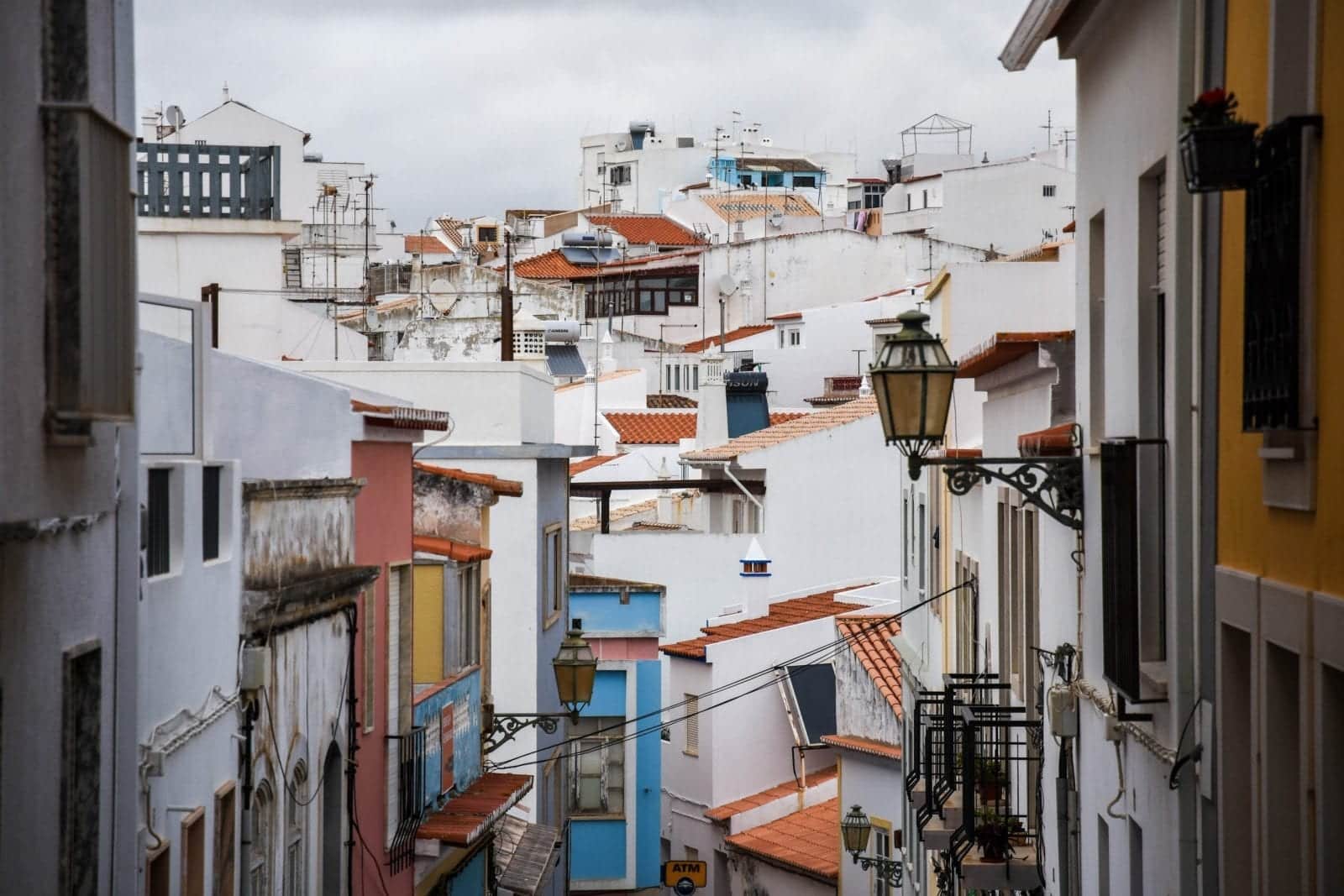
“Any Portugese town looks like bride’s finery – something old, something new, something borrowed, and something blue.”
mary mccarthy
Top Five Destinations In Portugal
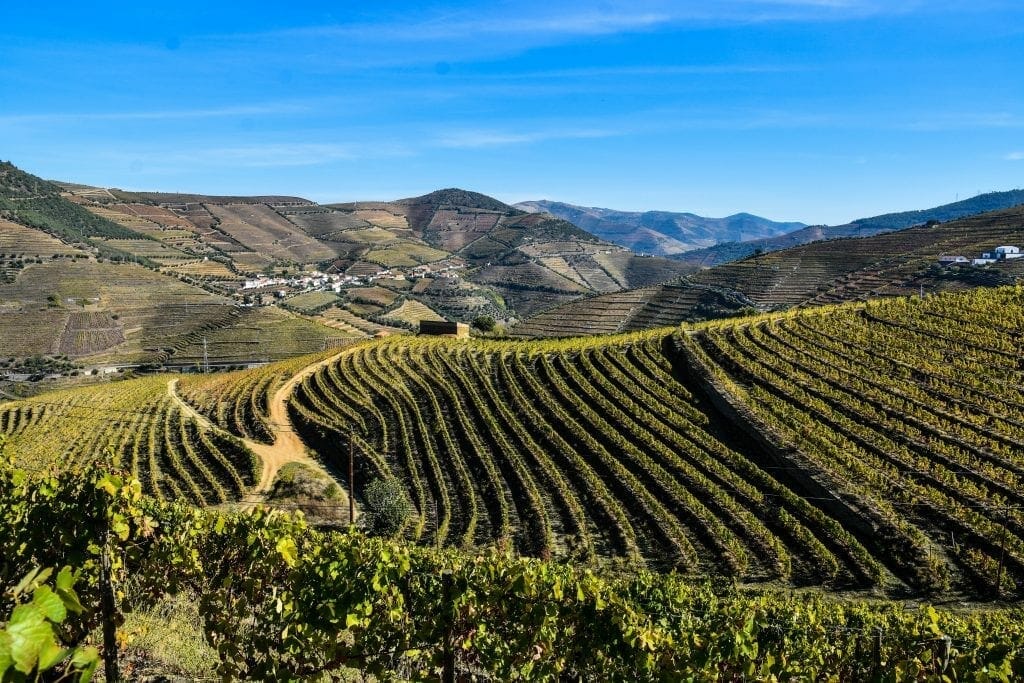
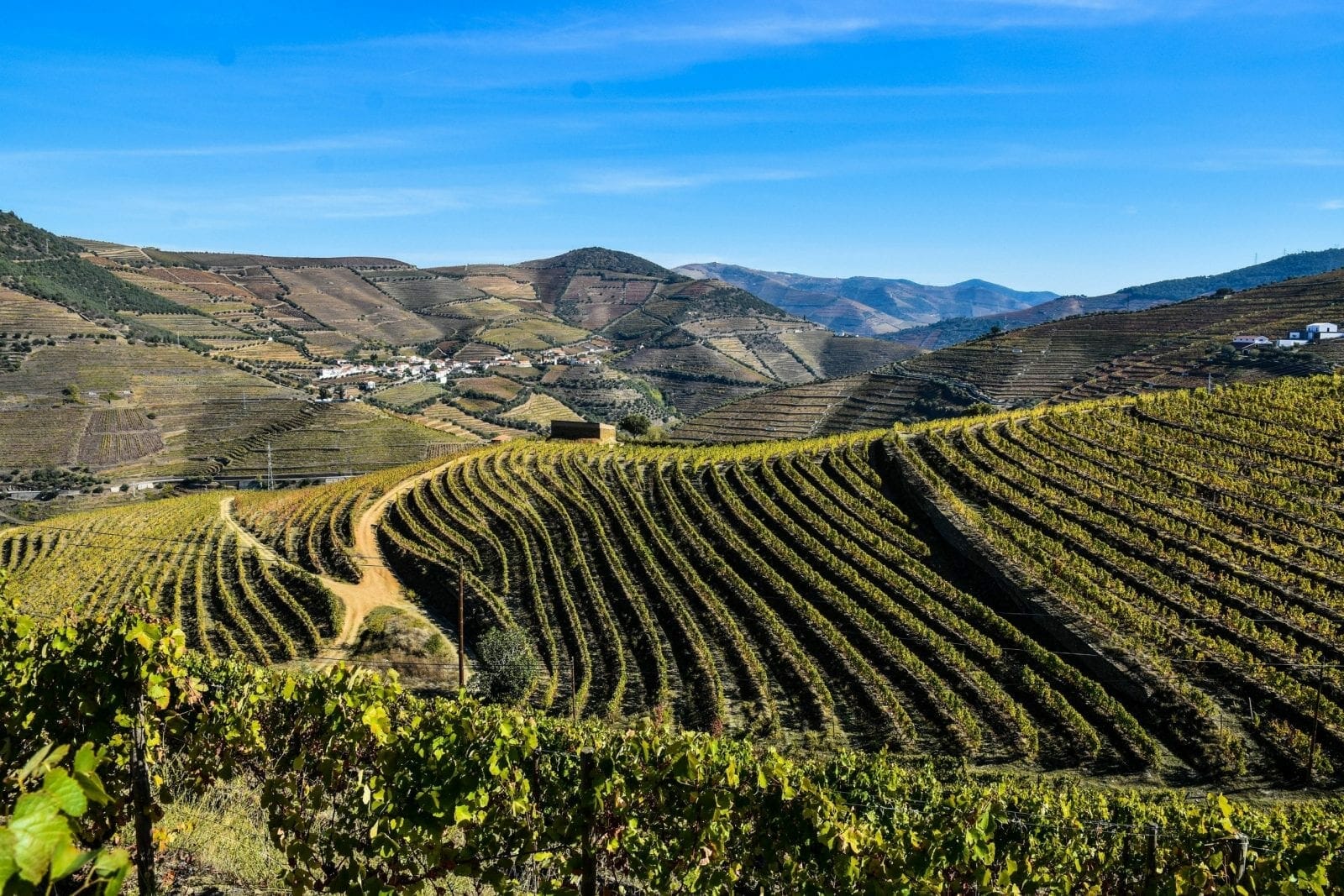
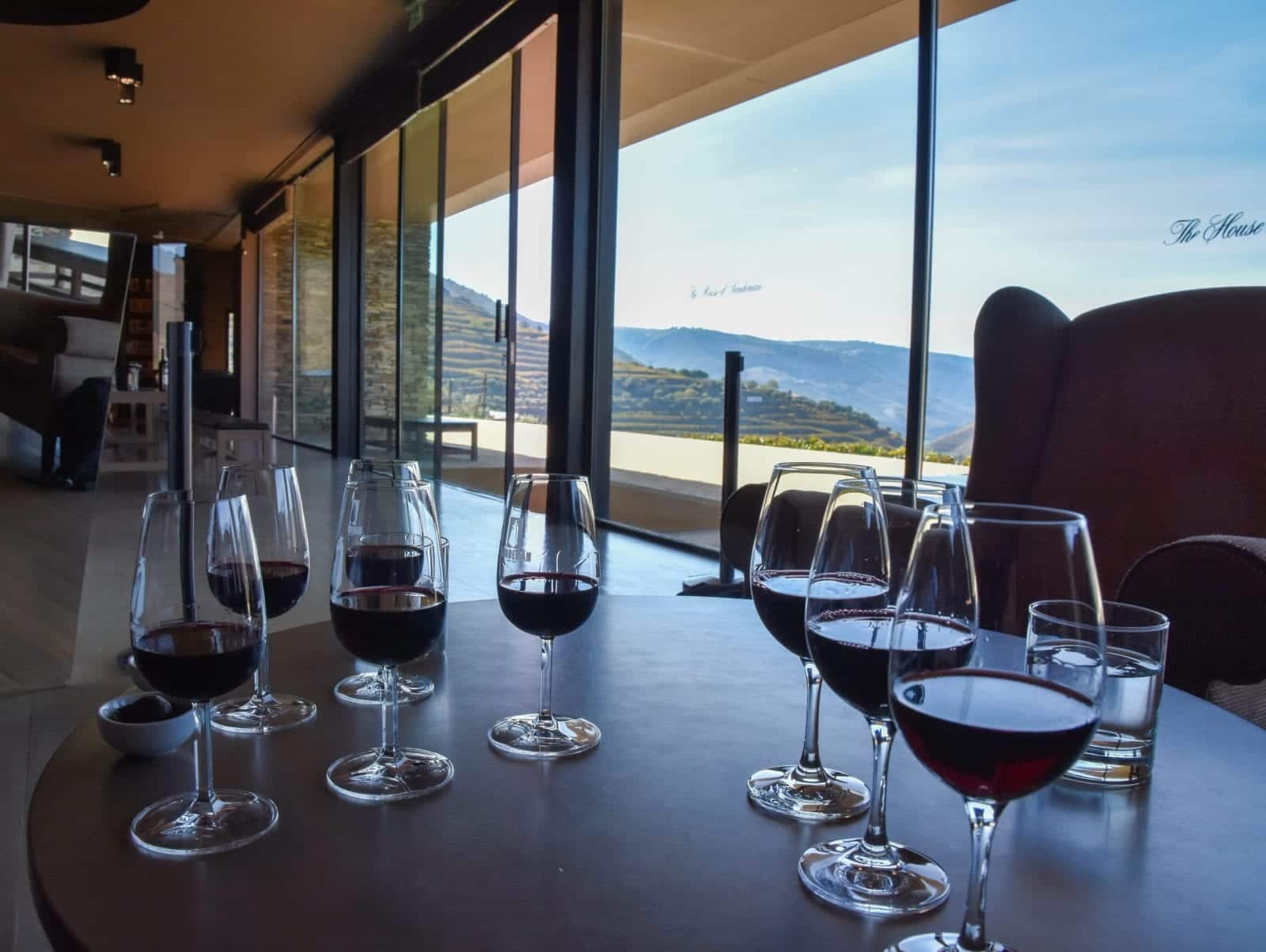
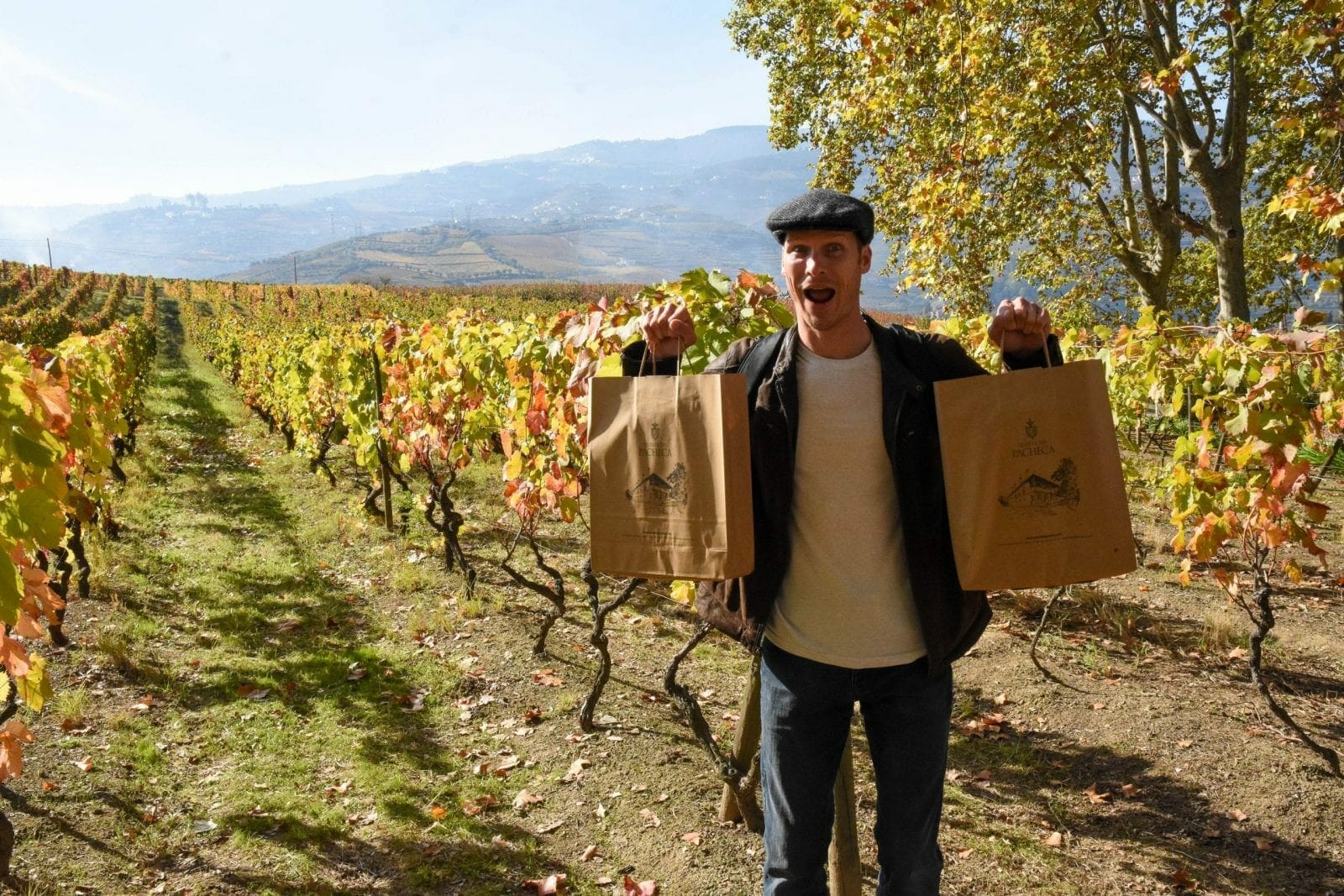
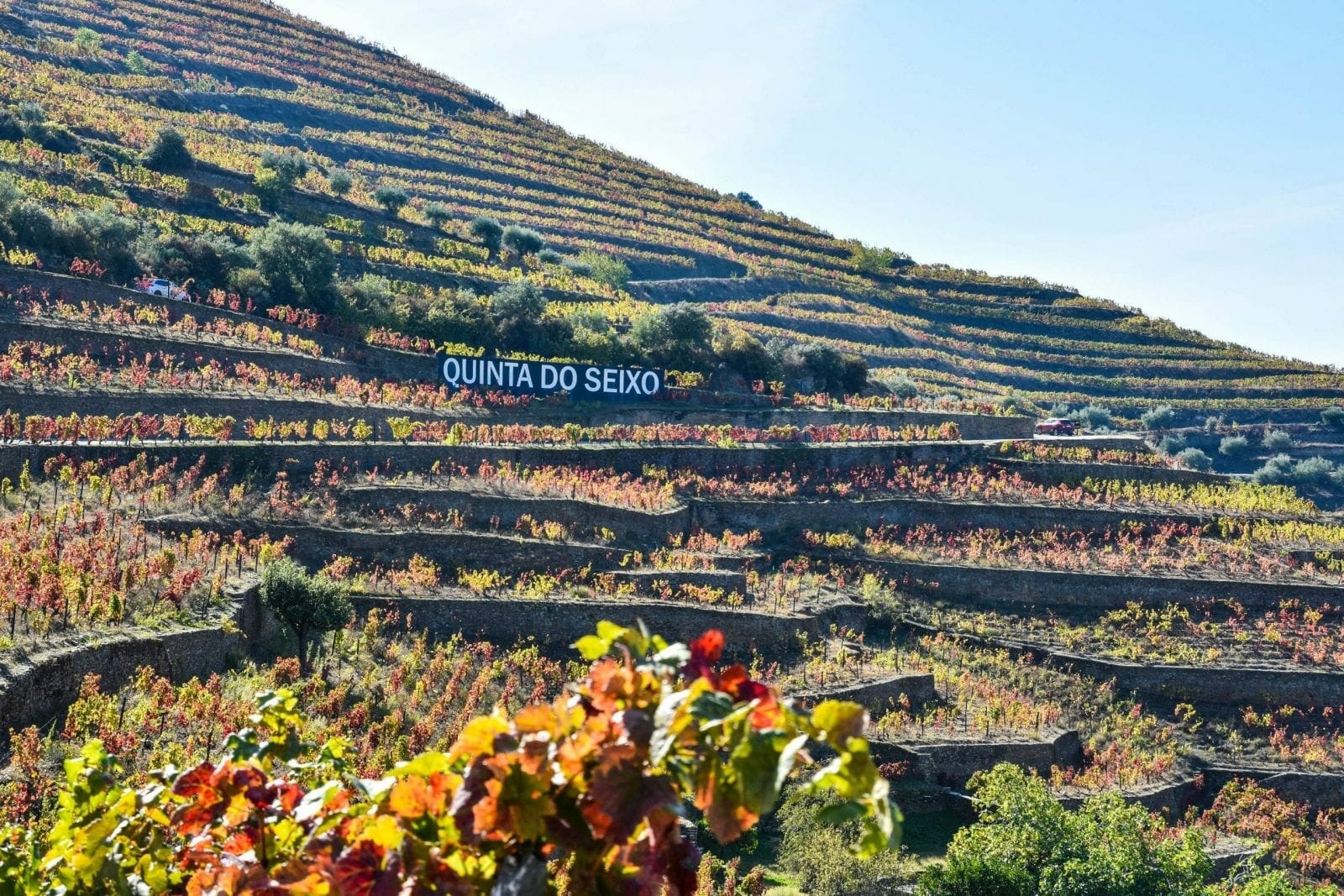
1. Douro Valley Wine Region is the oldest demarcated wine region in the world. The Douro Valley is a magical, enchanted landscape with so much beauty that it takes your breath away at every turn. This is where the Douro wines (Port wine and Portuguese Wine) are produced on its steep hillsides in a harsh climate, still handpicked to this day. The whole region is a designated UNESCO World Heritage Site.
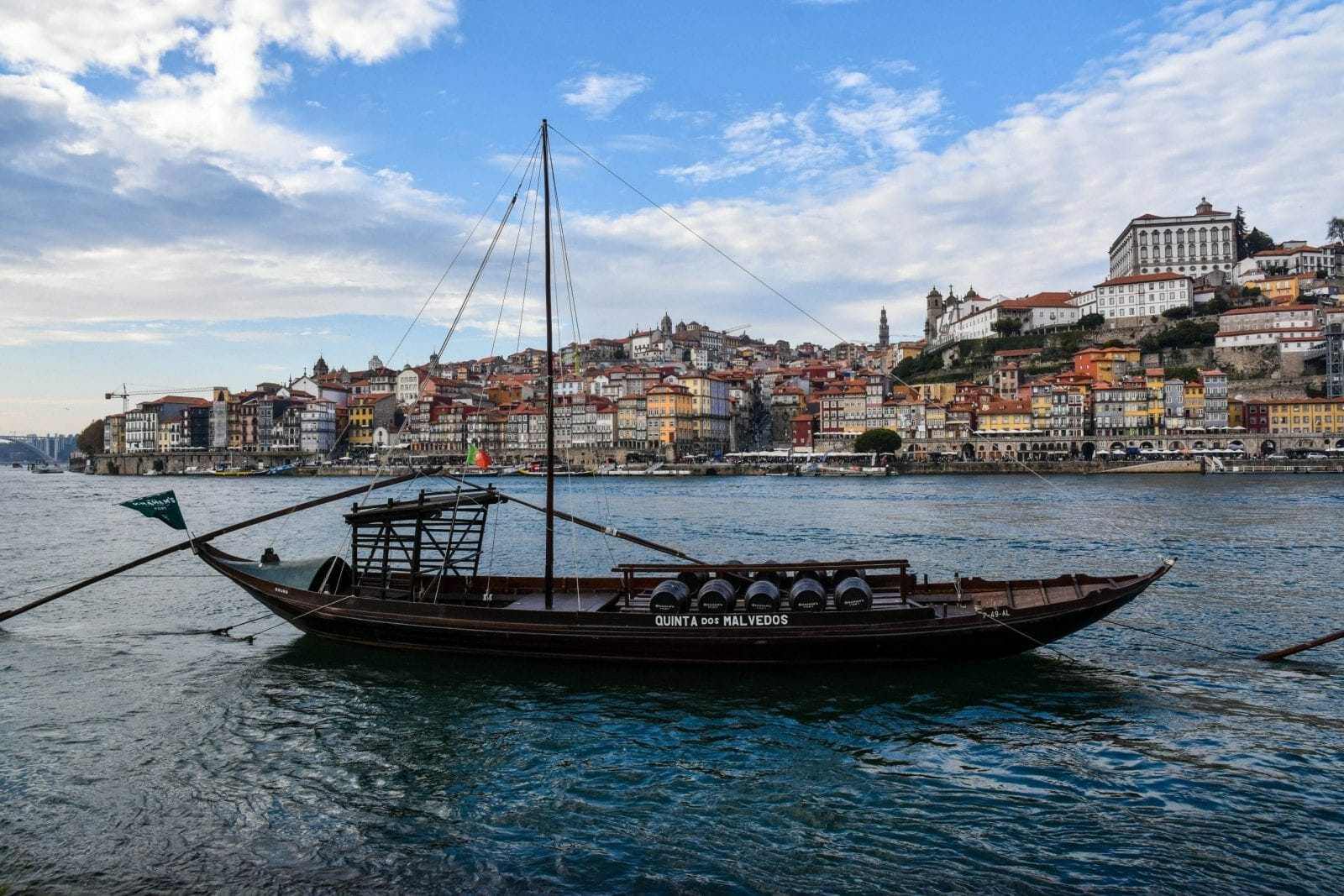
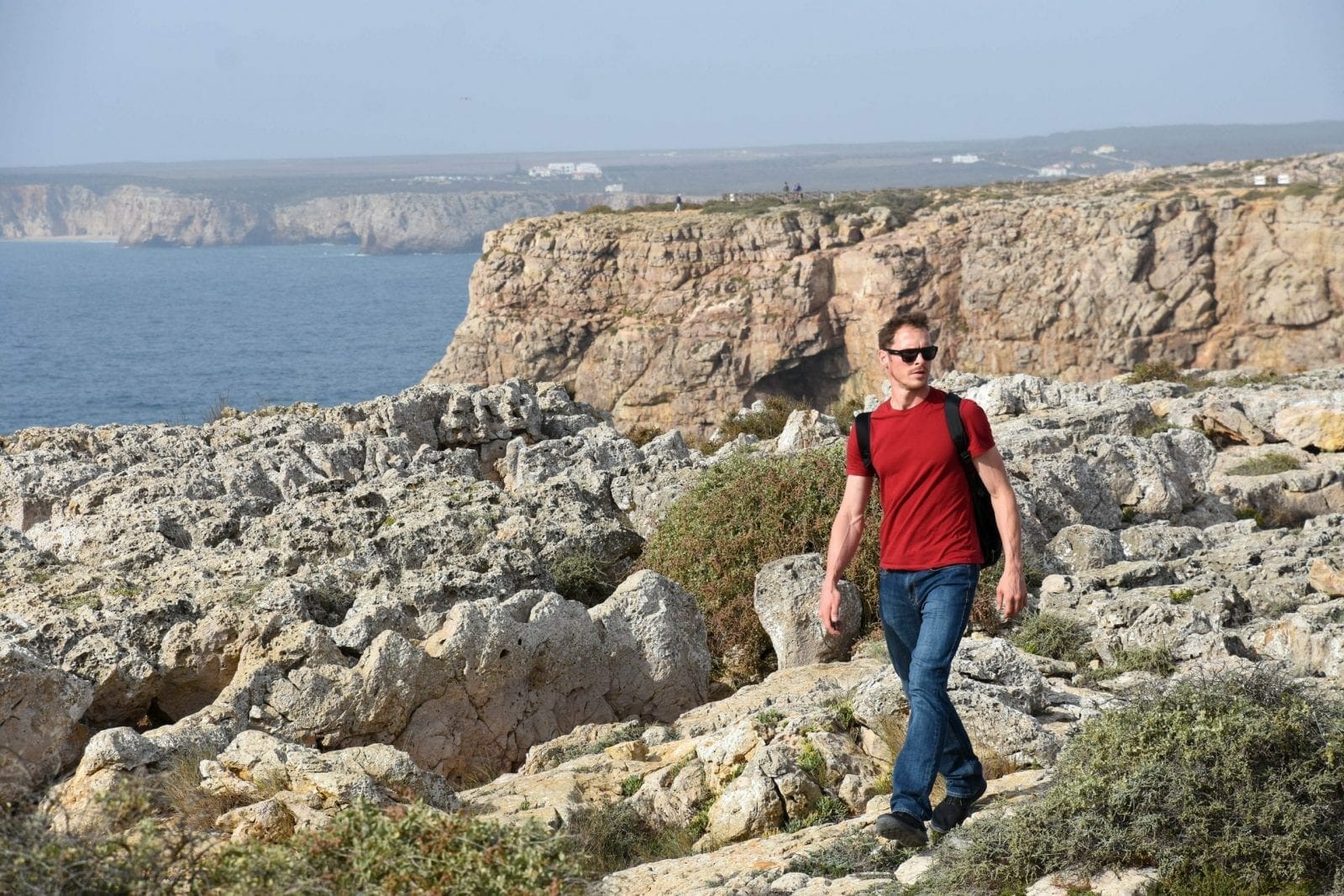
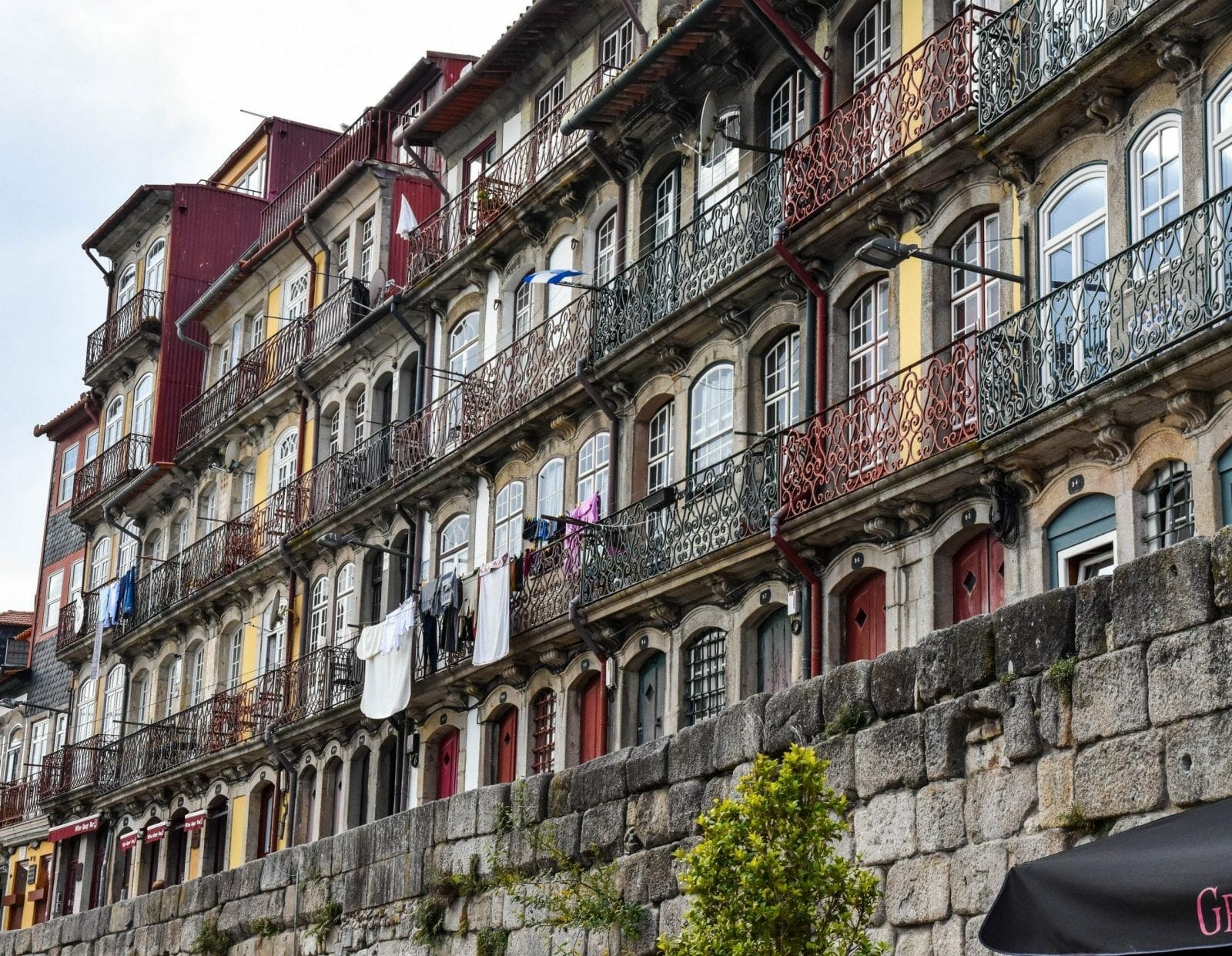
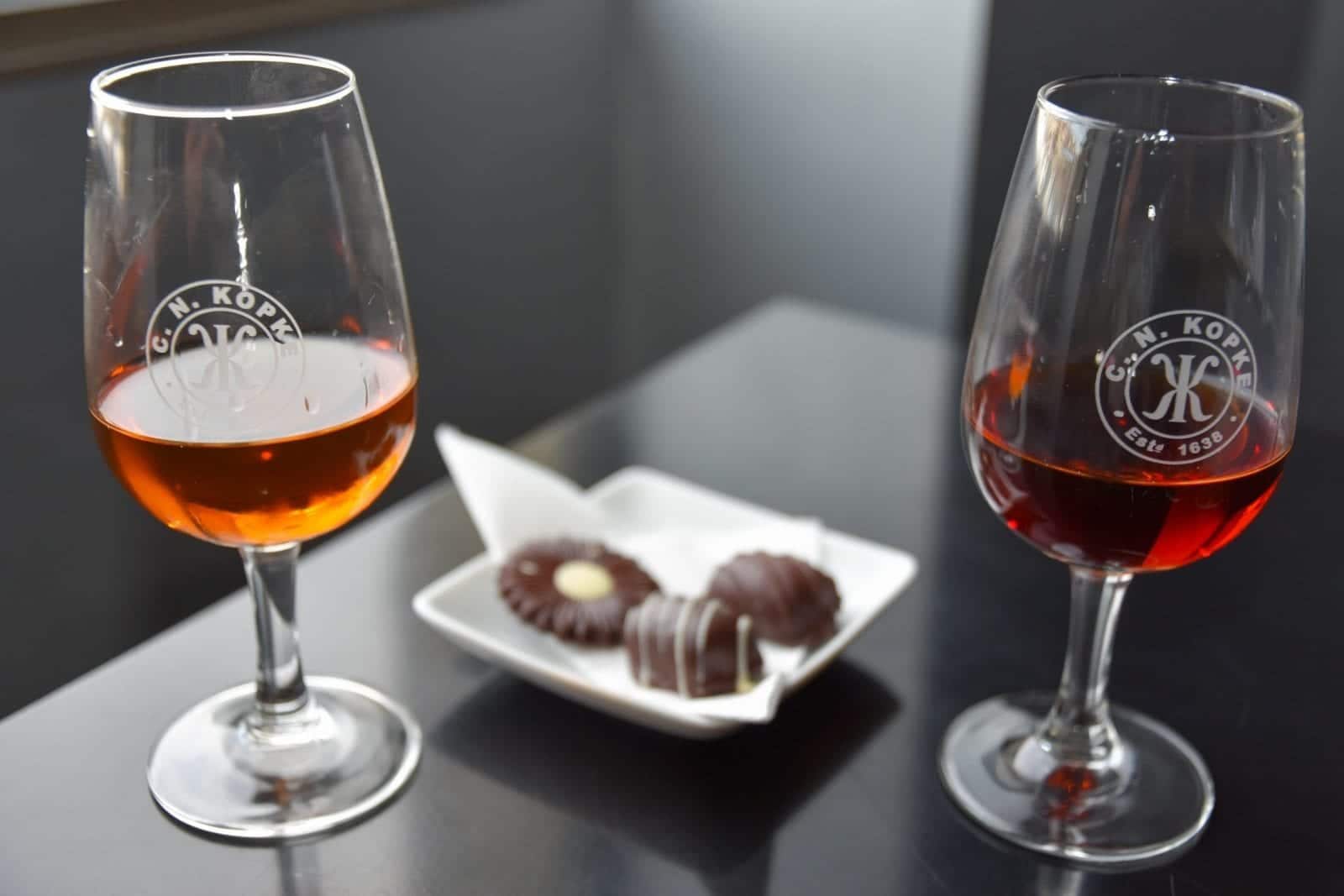
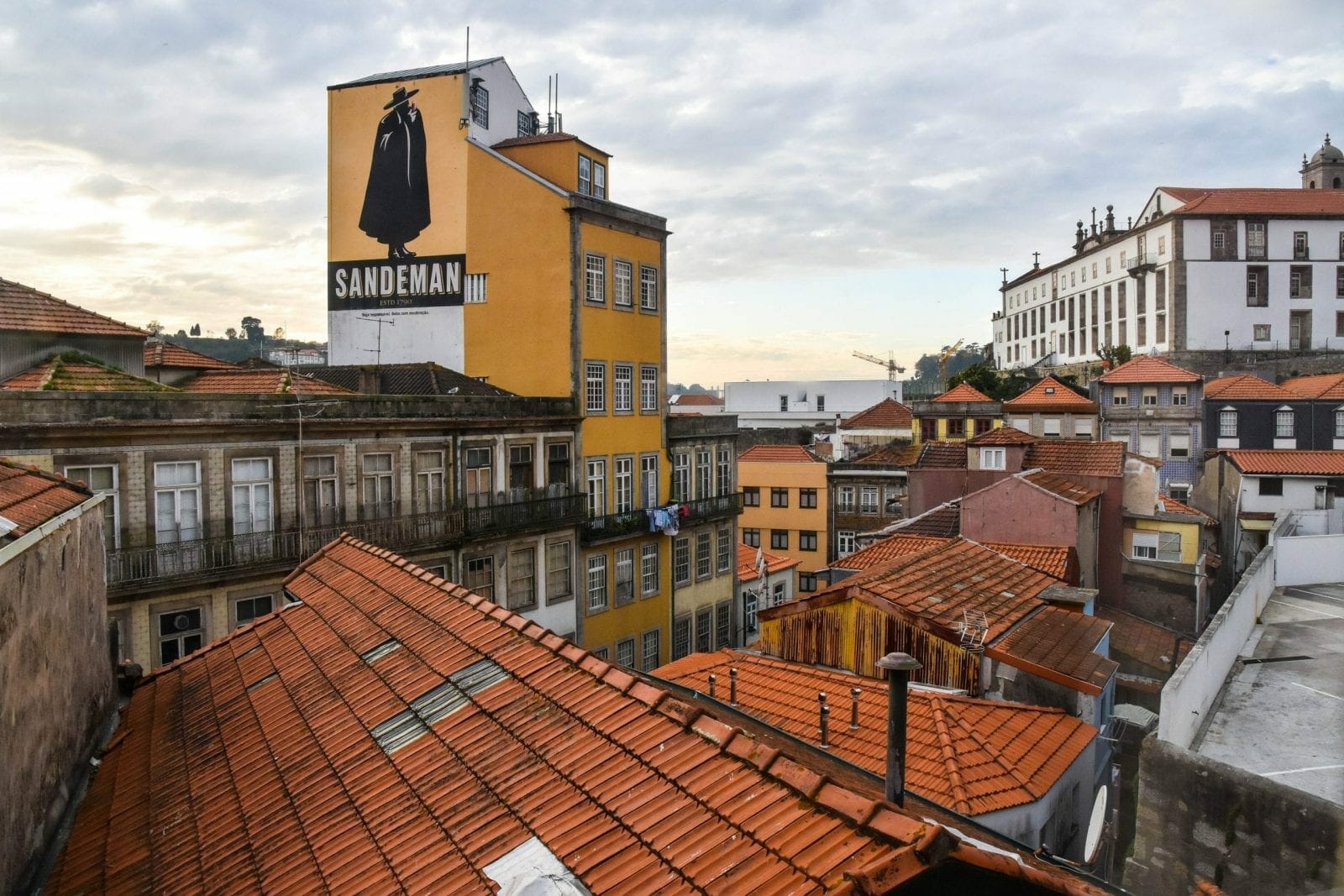
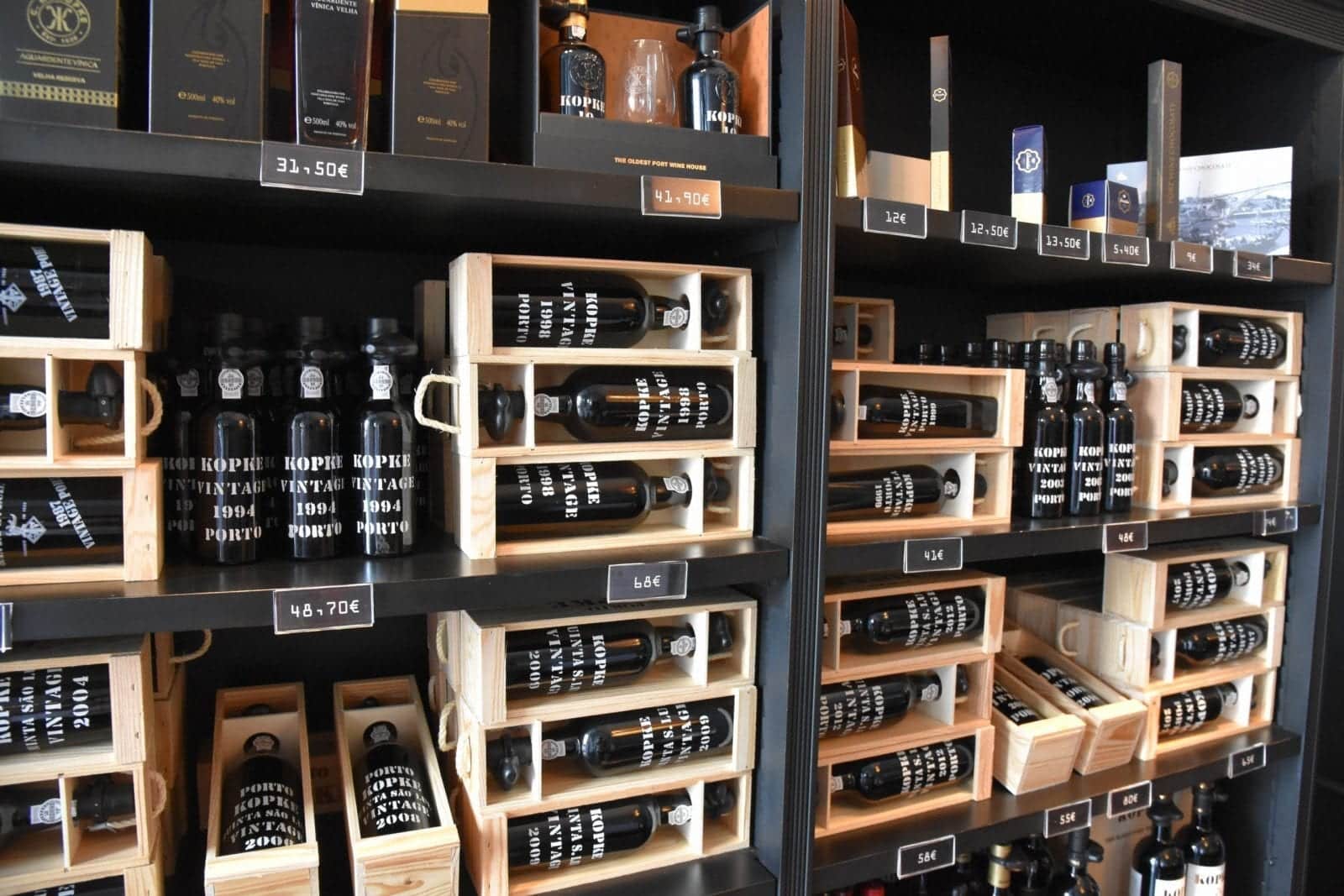
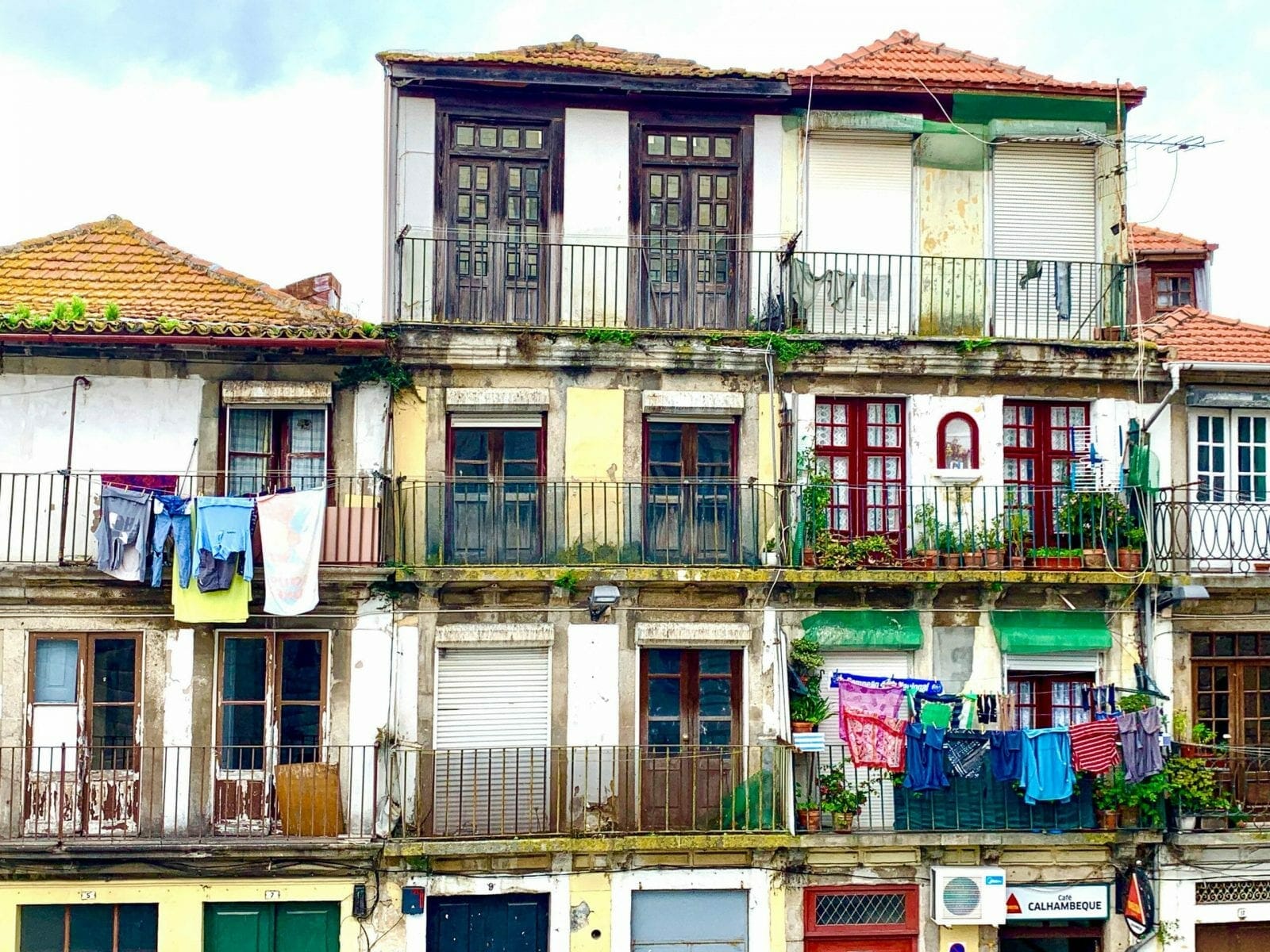
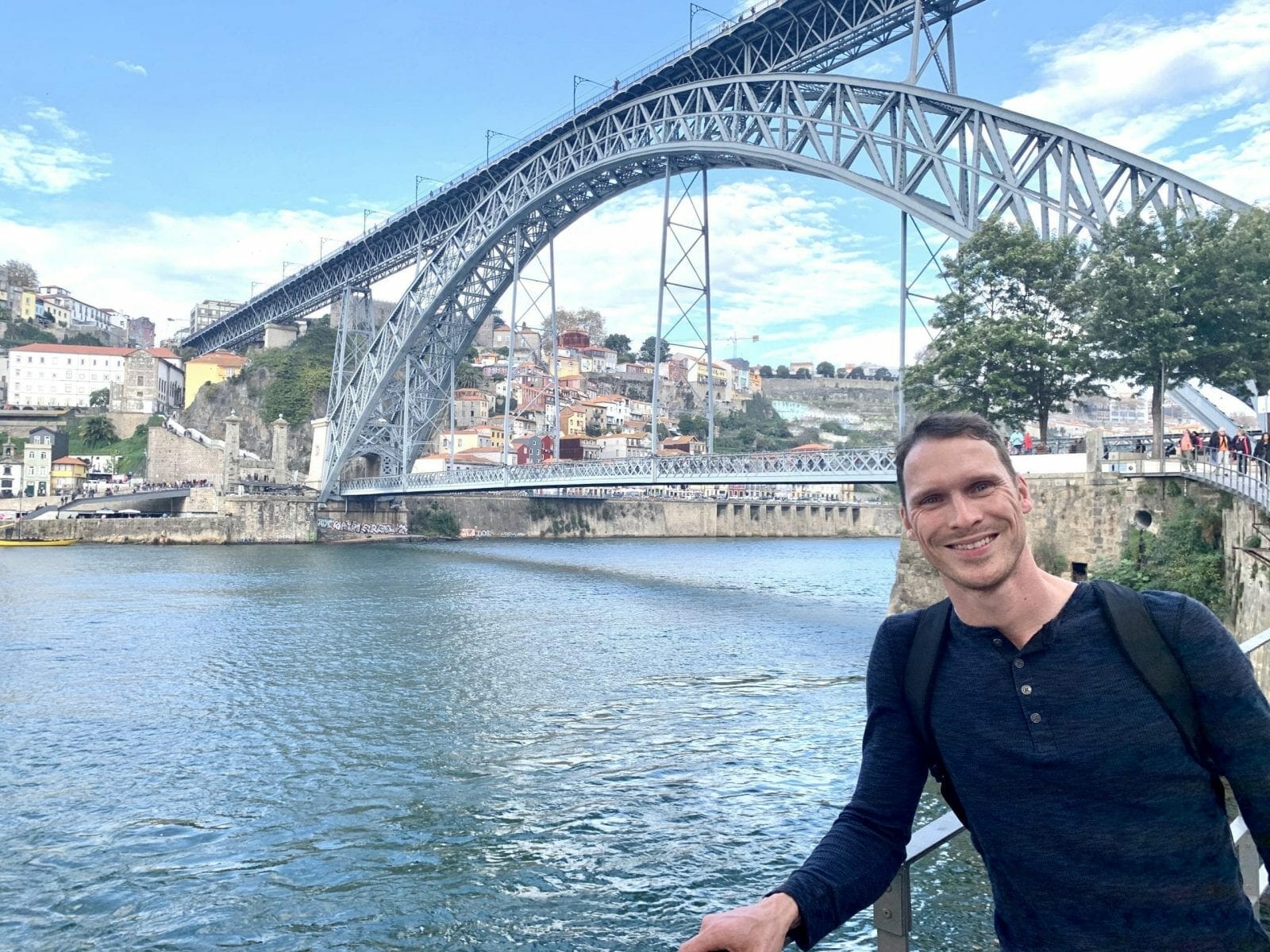
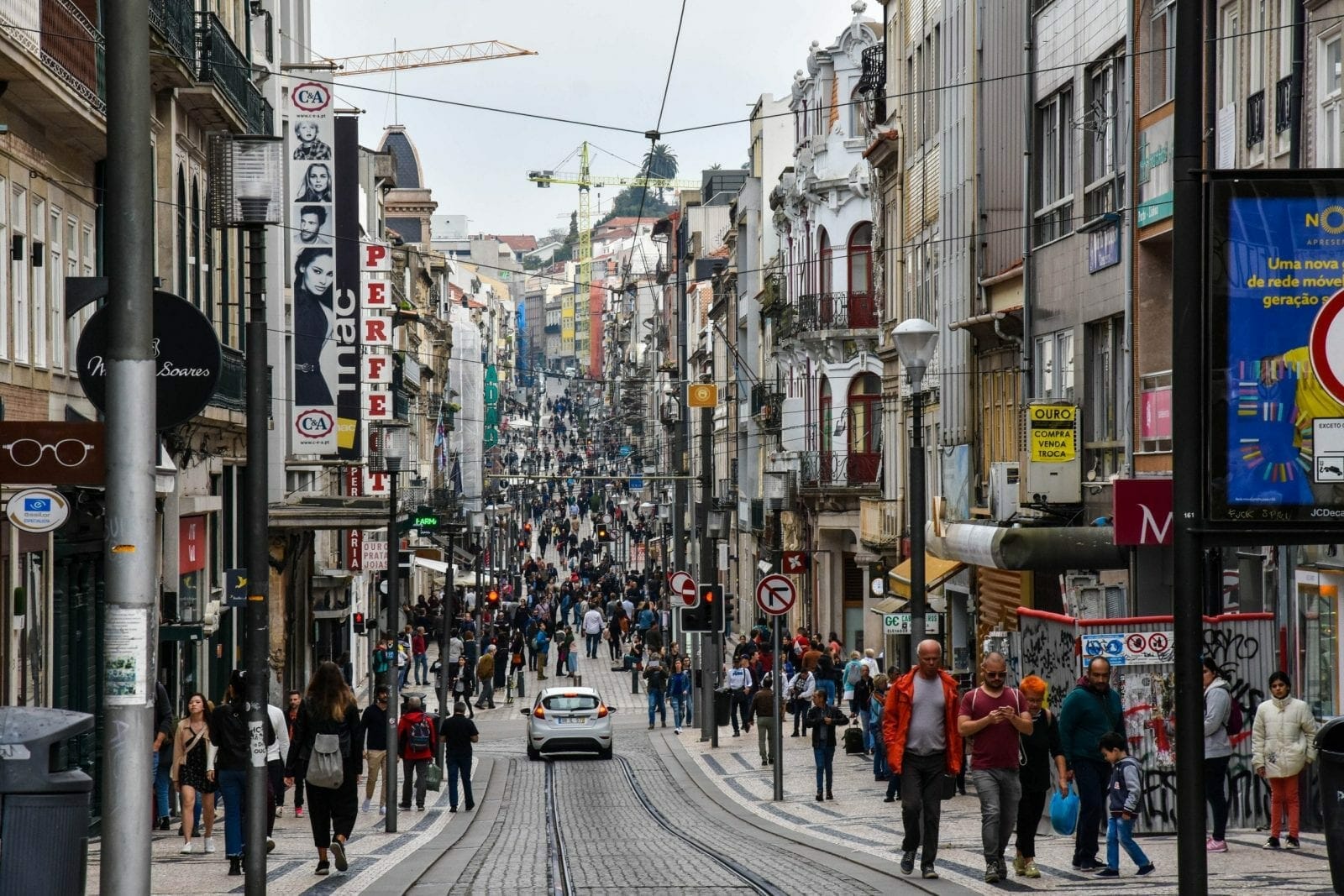
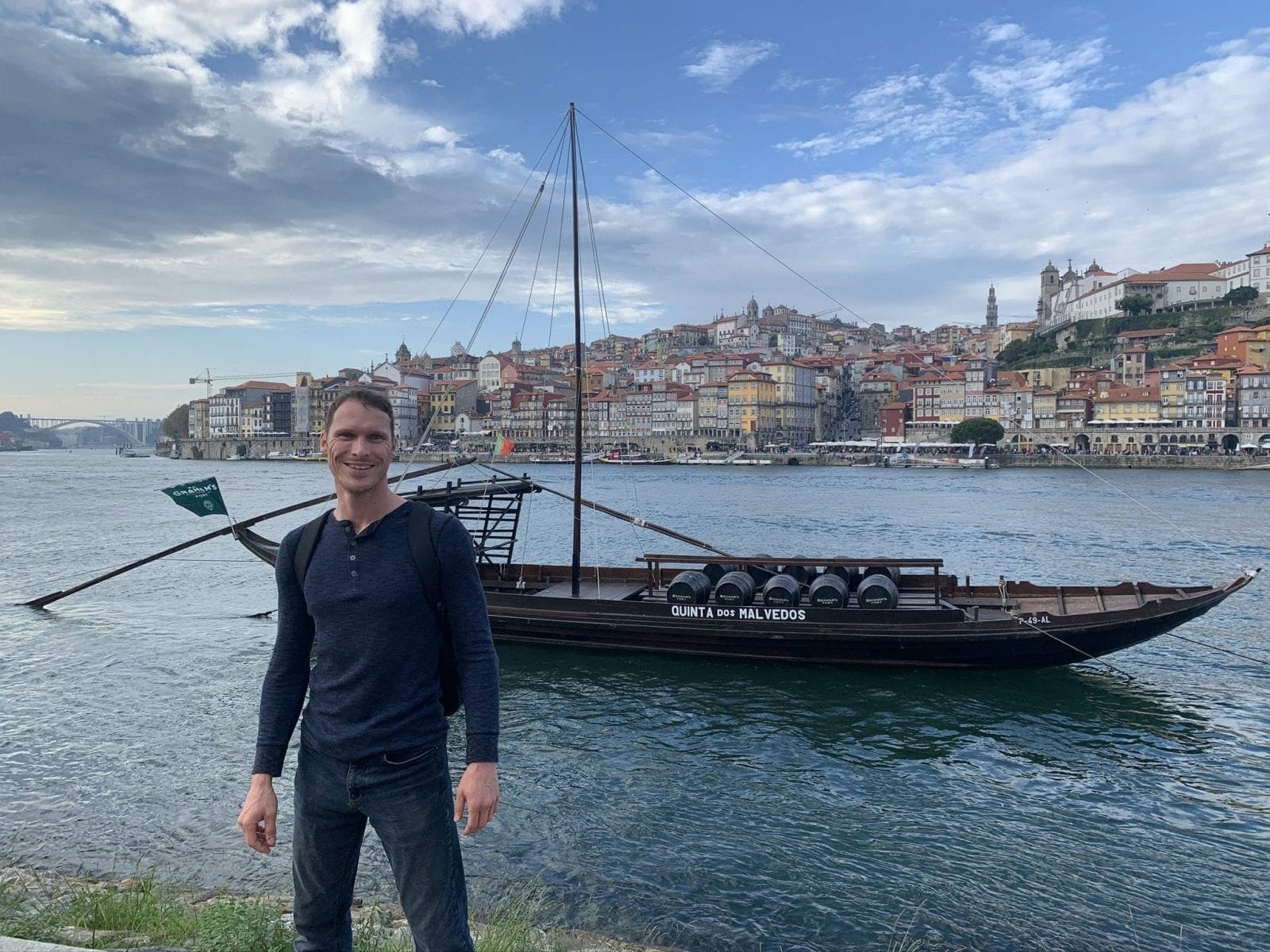
2. Porto is a magnificent contemporary city on the River Duoro. Discover extravagant Baroque churches, rich cultural sights, neoclassical buildings that grace the skyline, world-class museums, and picturesque squares. Wander Ribeira, the historical heart of Porto. Do a Port tasting at one of the centuries-old Port Houses. Get lost in the maze of narrow streets. You will fall in love!
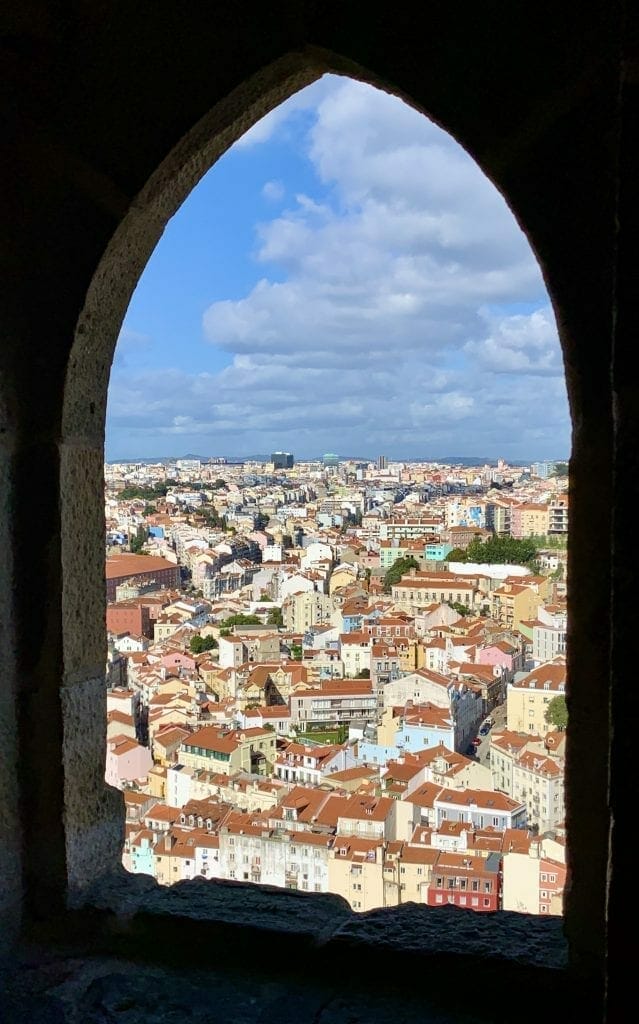
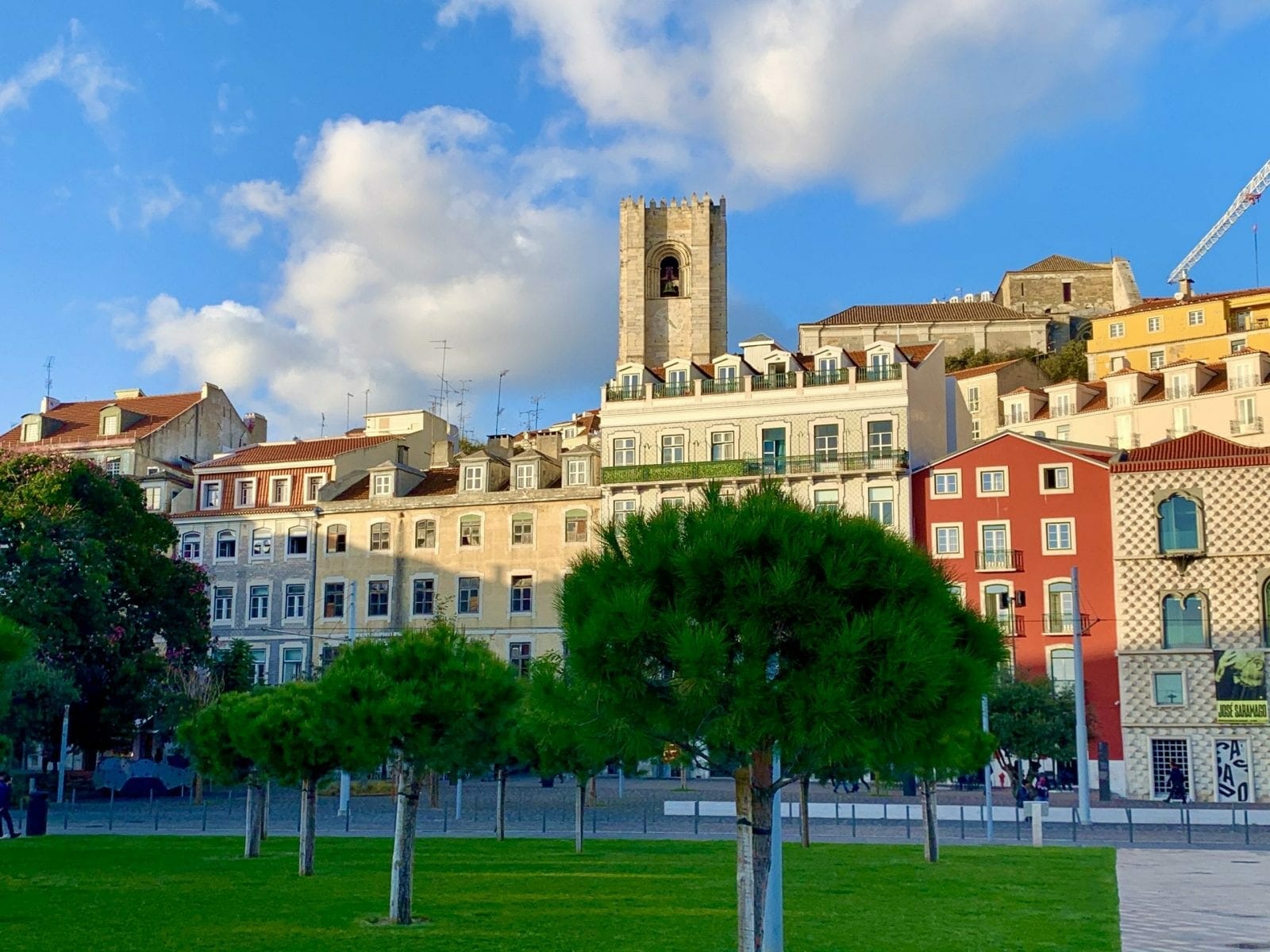
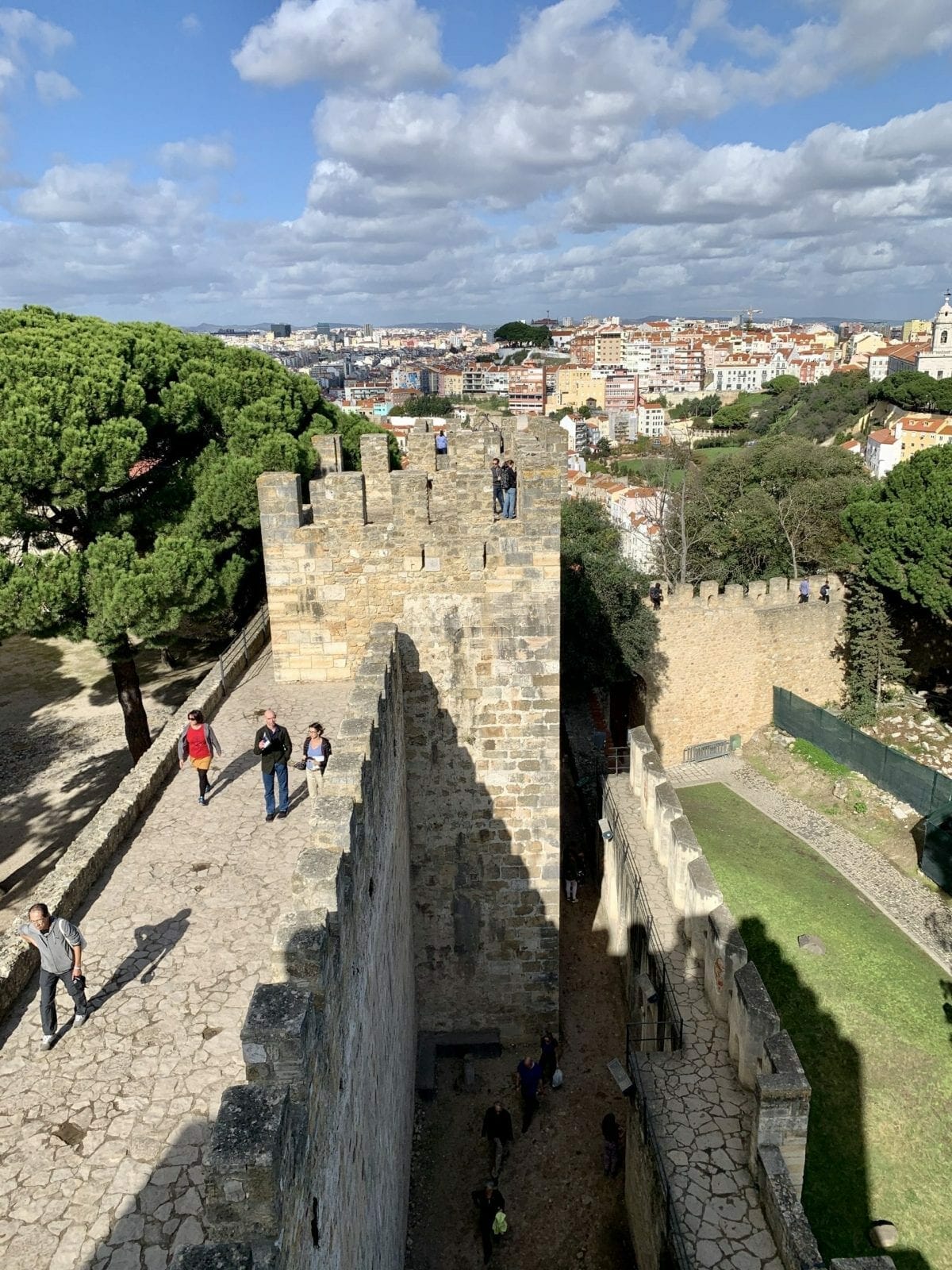
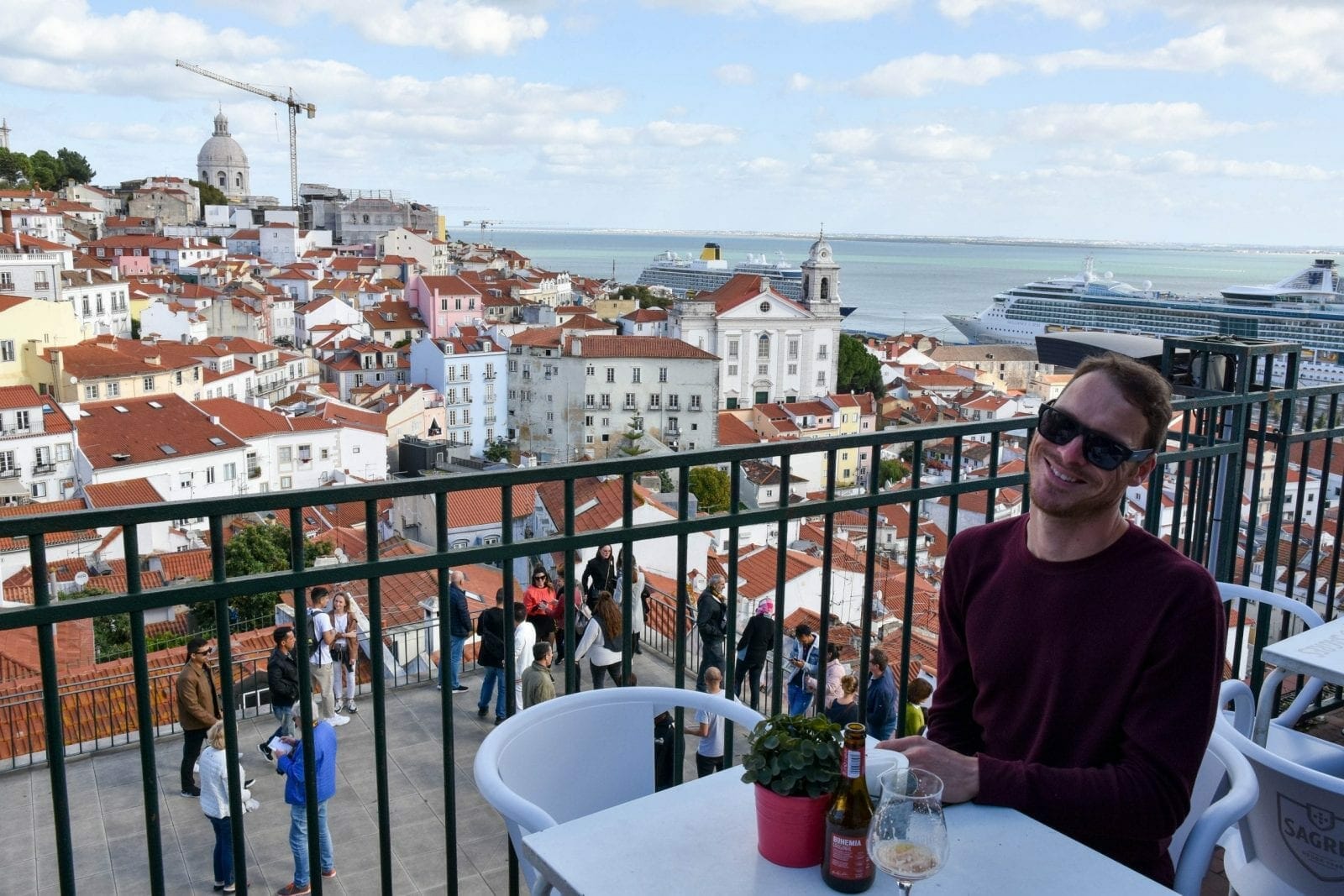
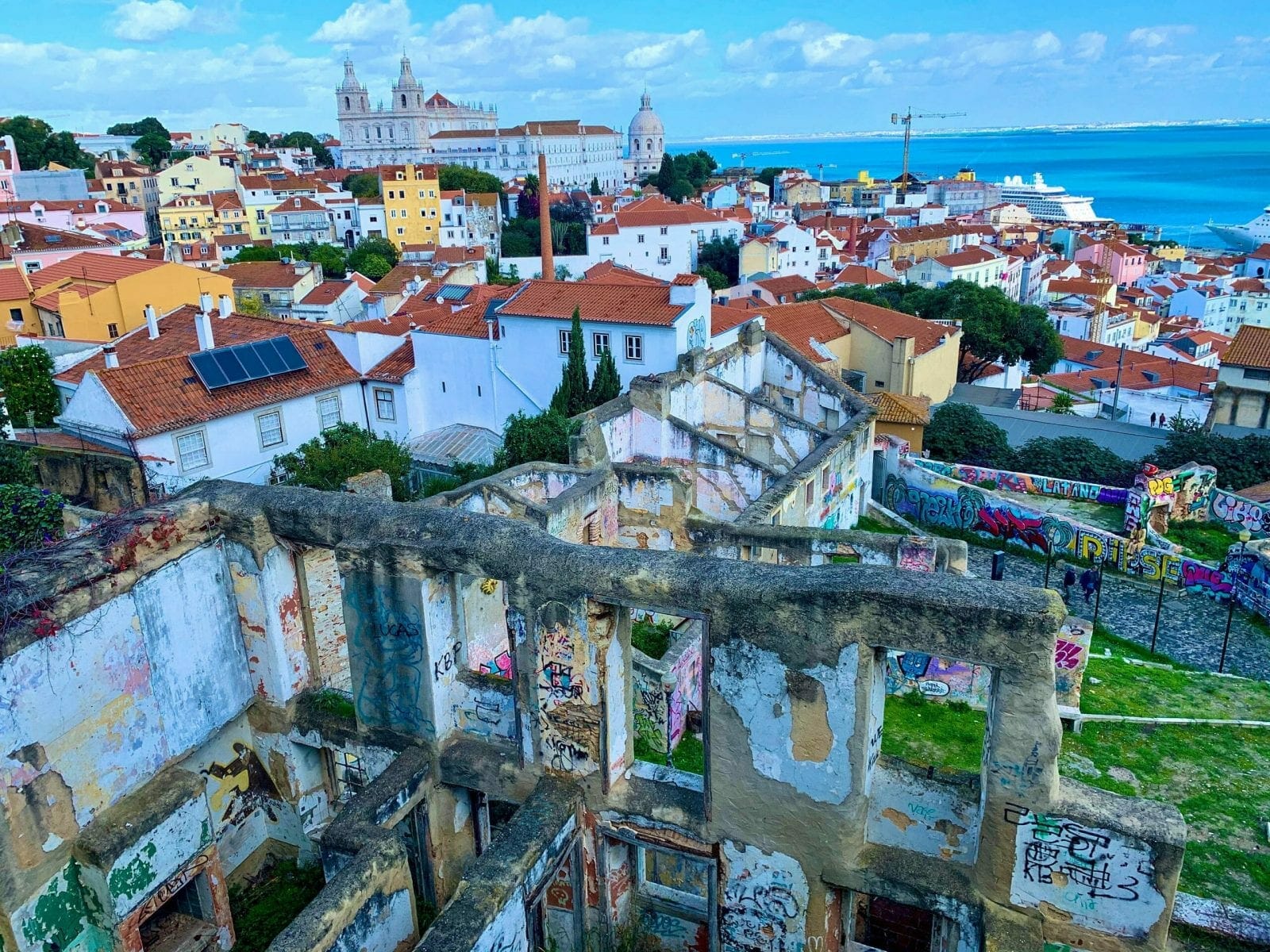
3. Lisbon is the stunning capital city of Portugal. It is vibrant and bustling with life. Ancient and modern at once, it is rich in culture, history, and charisma. Lisbon is a picture-perfect panorama of charming cobbled alleyways, ancient ruins, fascinating museums, and spectacular architecture. This is also one of the major economic centers of the continent. Wander the various Bairros de Lisboa (distinct neighborhoods) such as Belem, Alfama, and Mourana. Delve deeply into this amazing city.
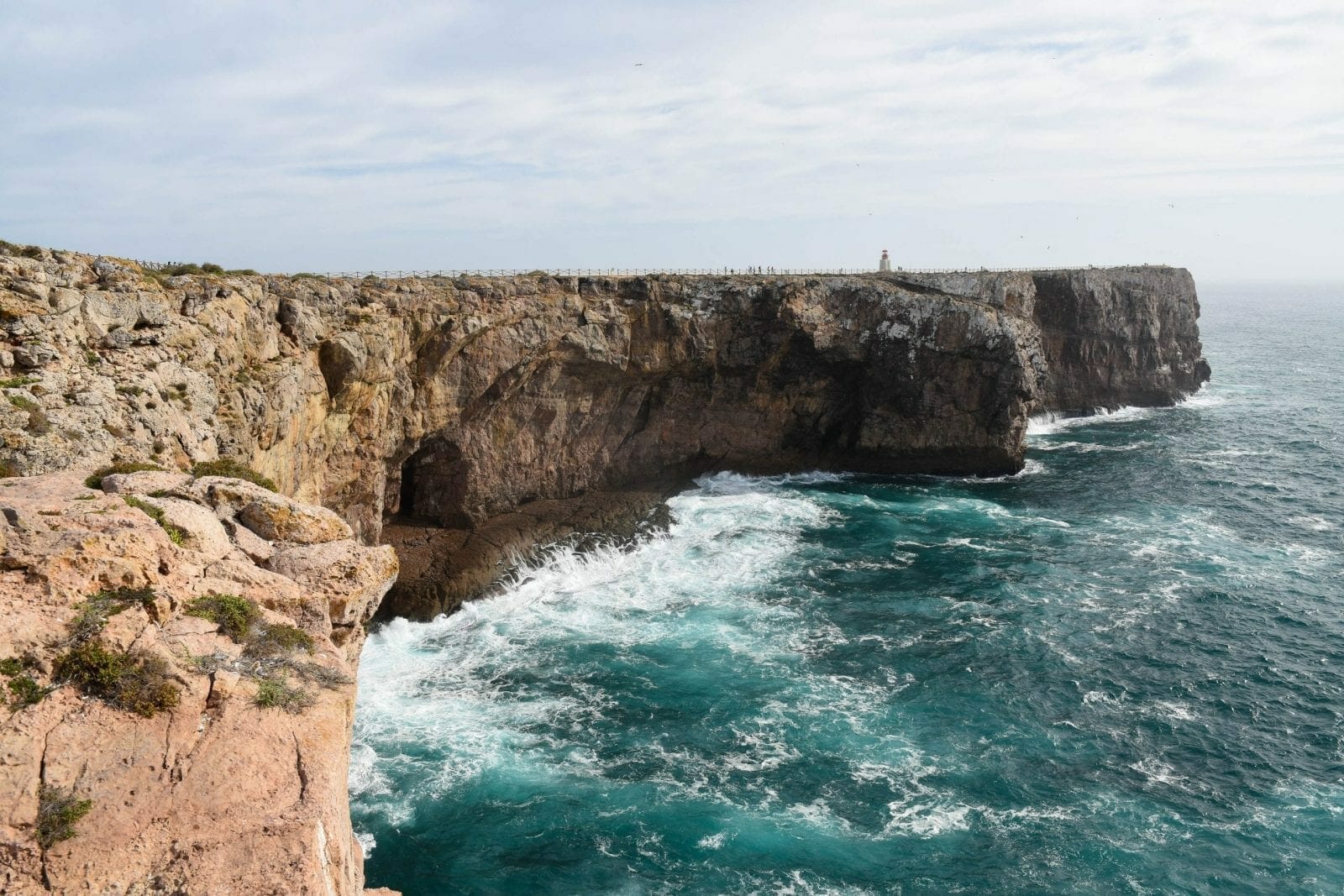
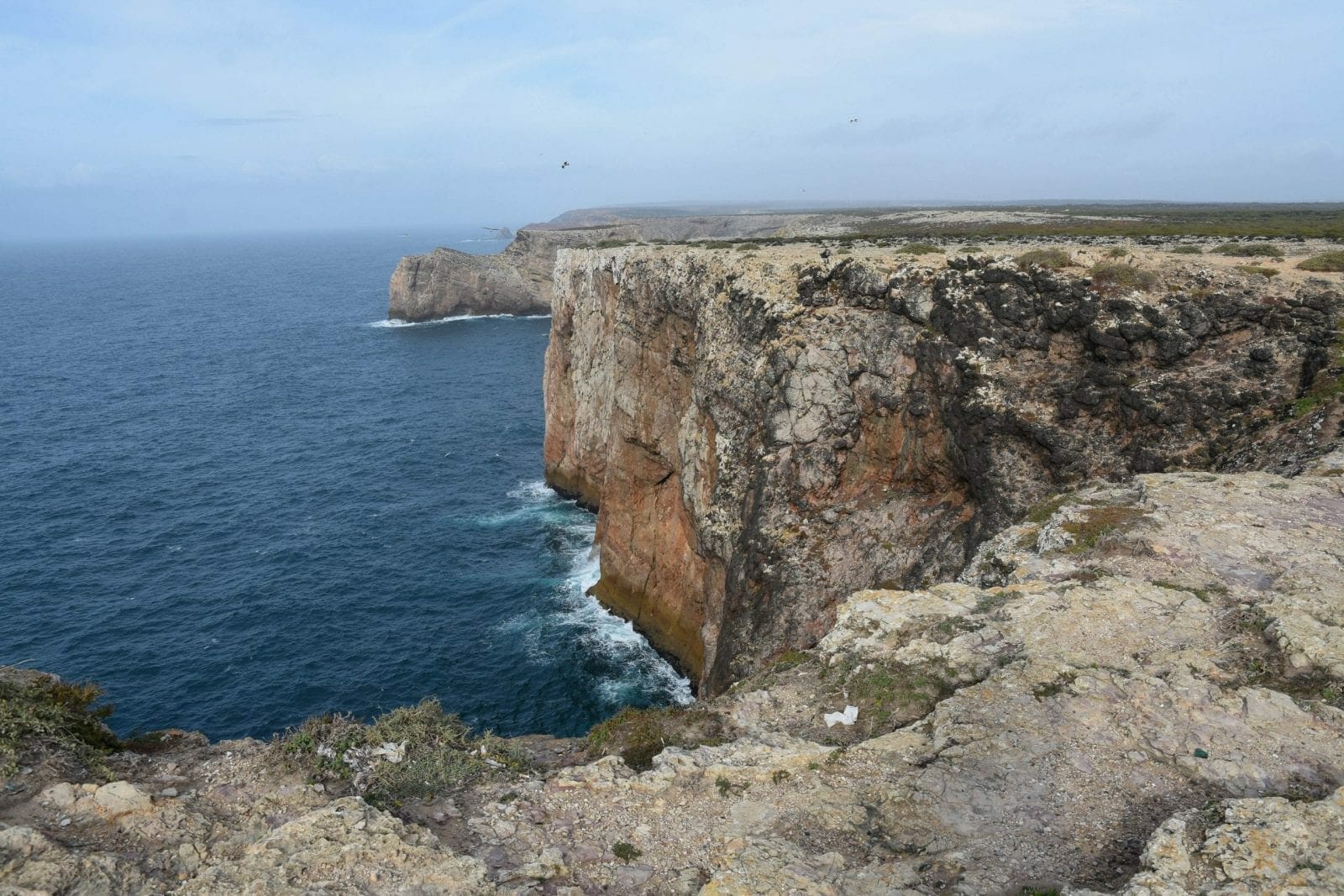
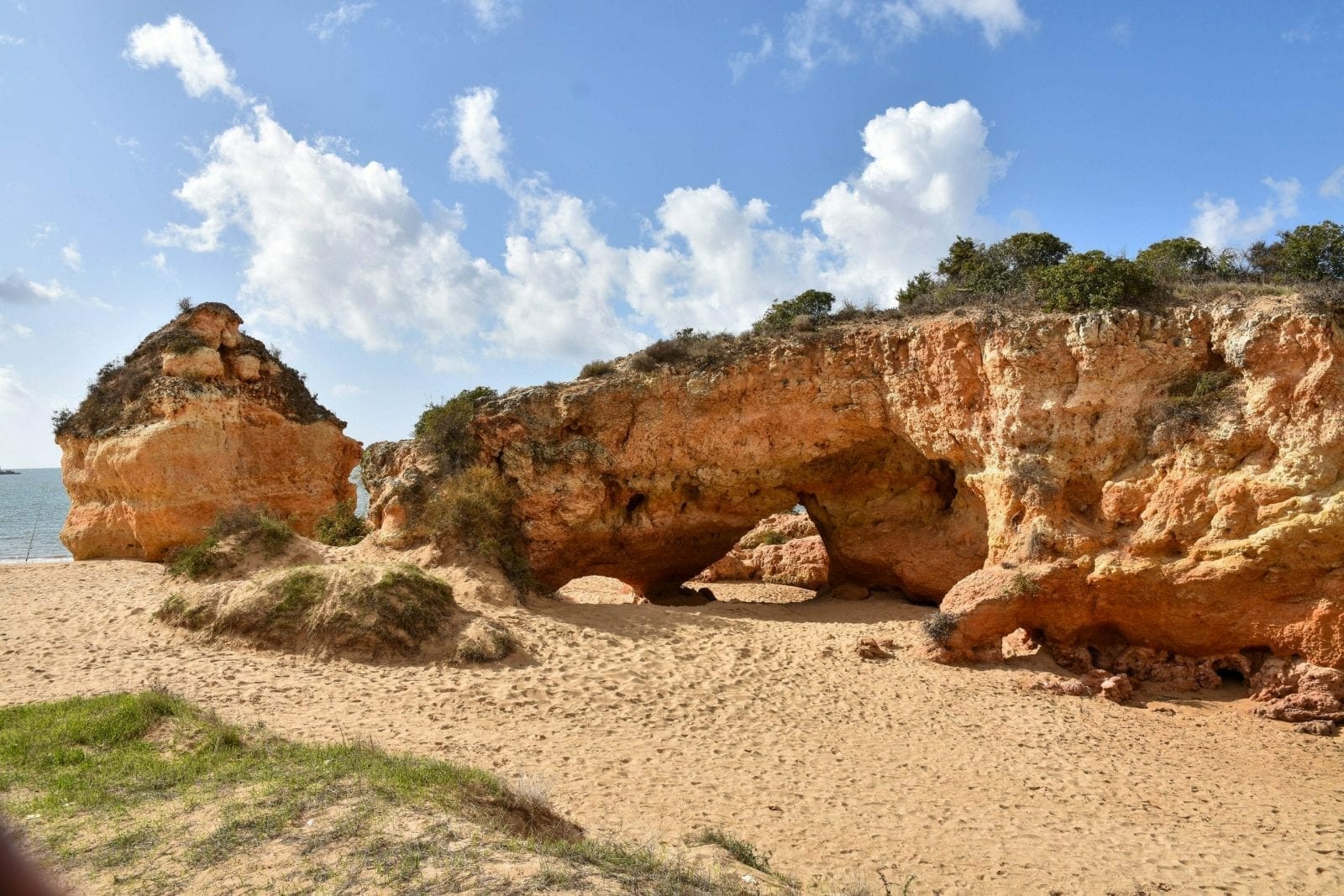
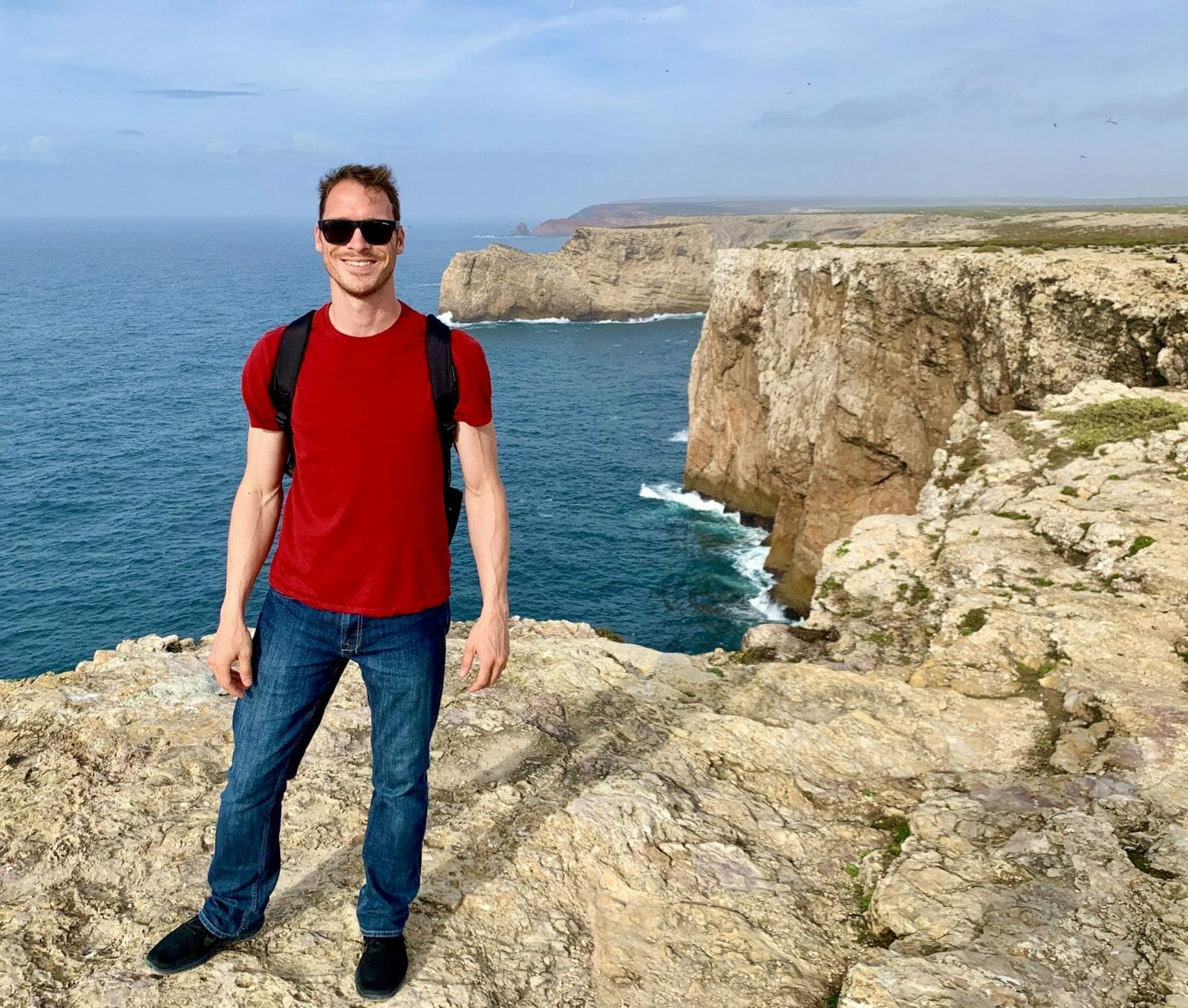
4. Algarve Region is southern Portugal’s historical province bound by the Atlantic Ocean and the lower Guadiana River. This magnificent region has protected nature reserves rich with birdlife, pristine beaches, jagged cliffs, wild coastlines, and top-notch resorts.
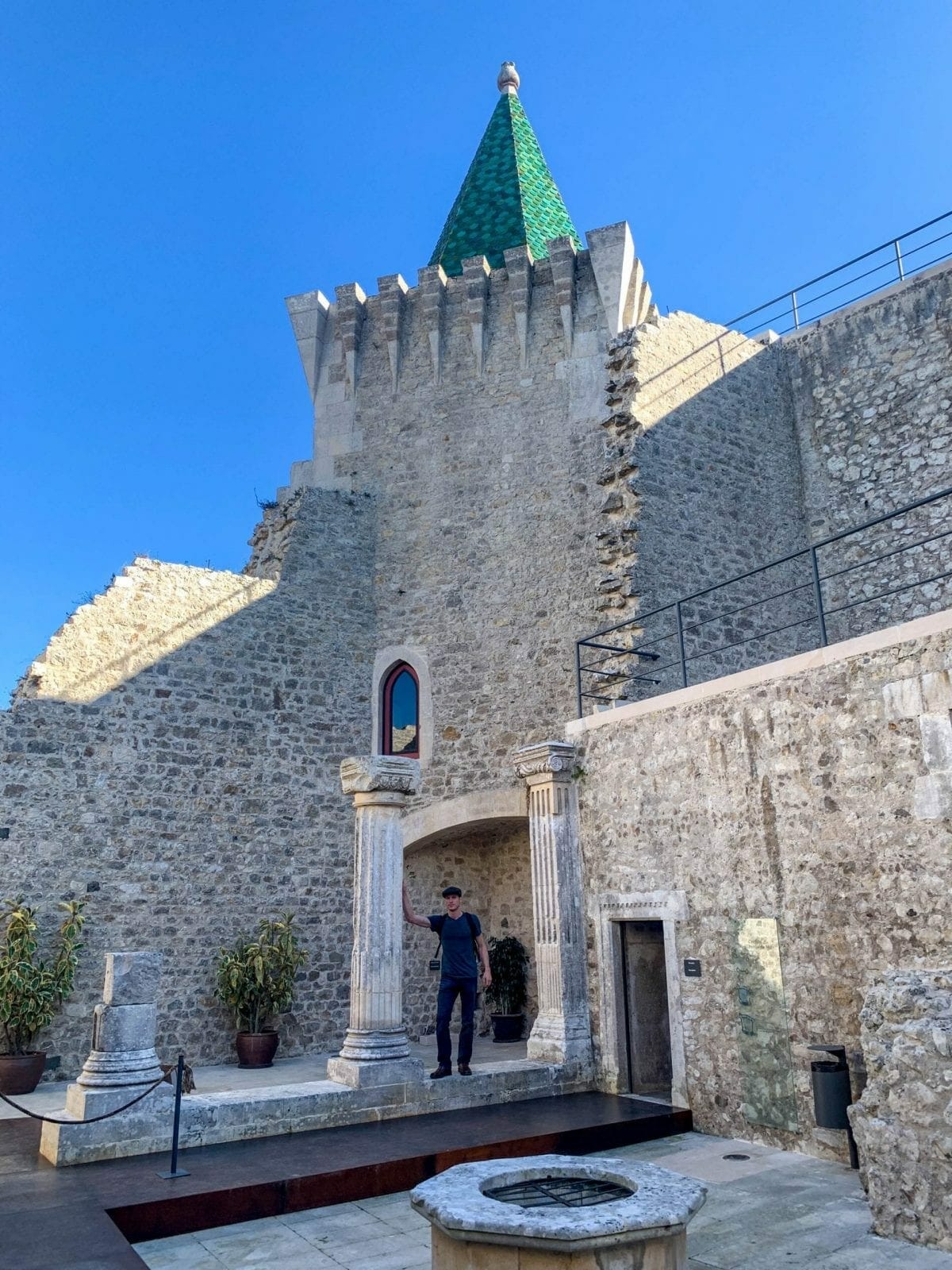
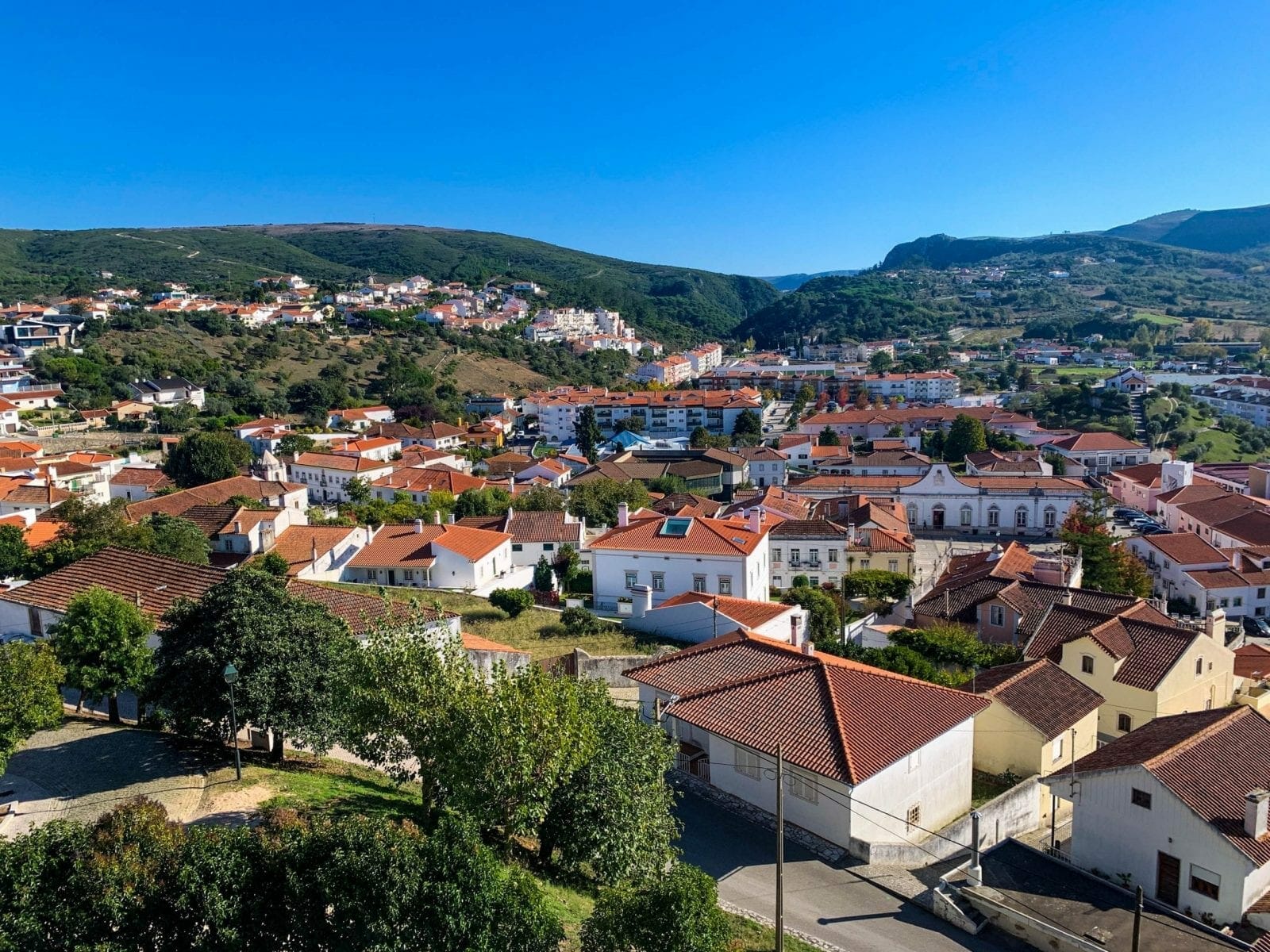
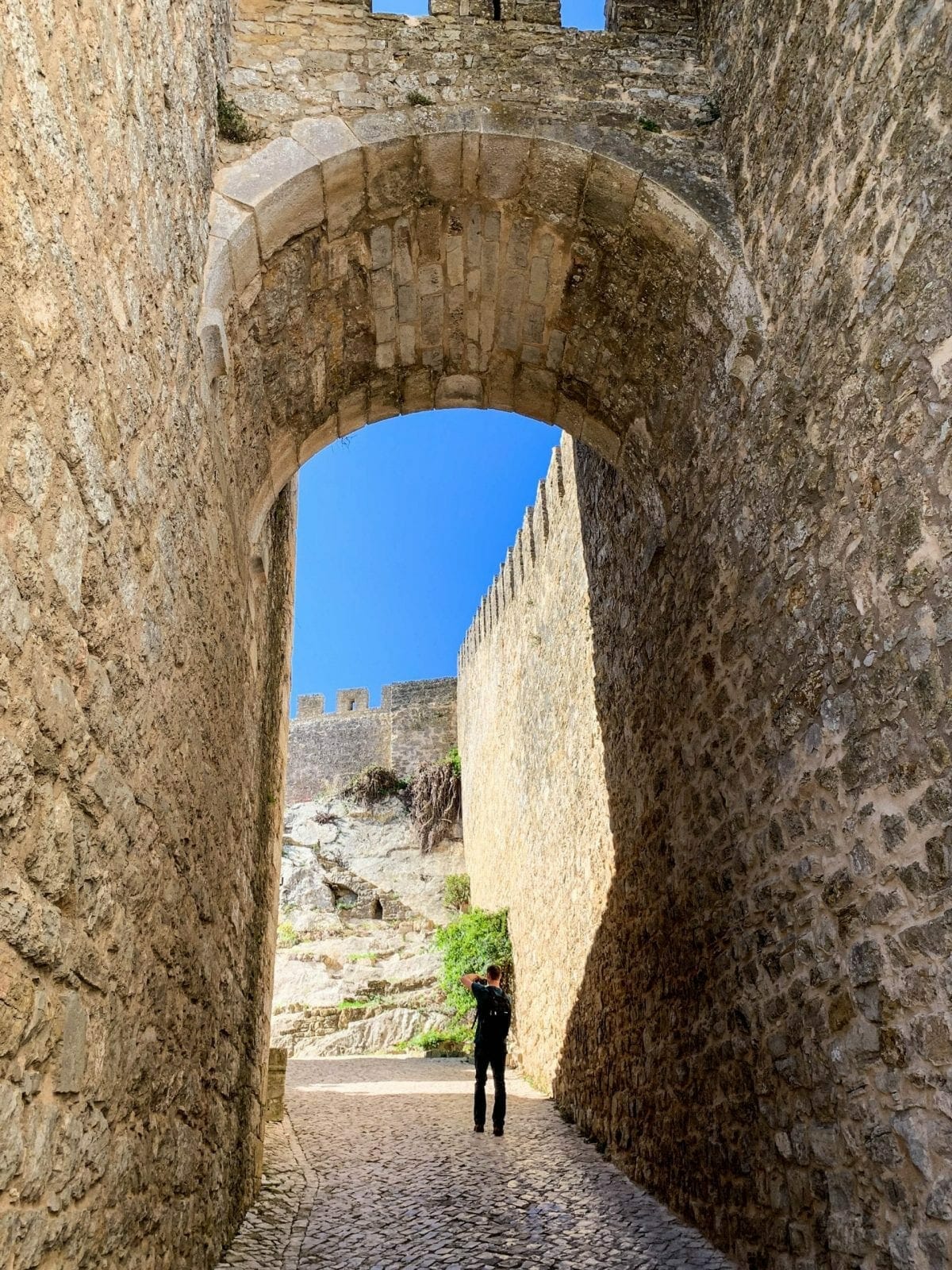
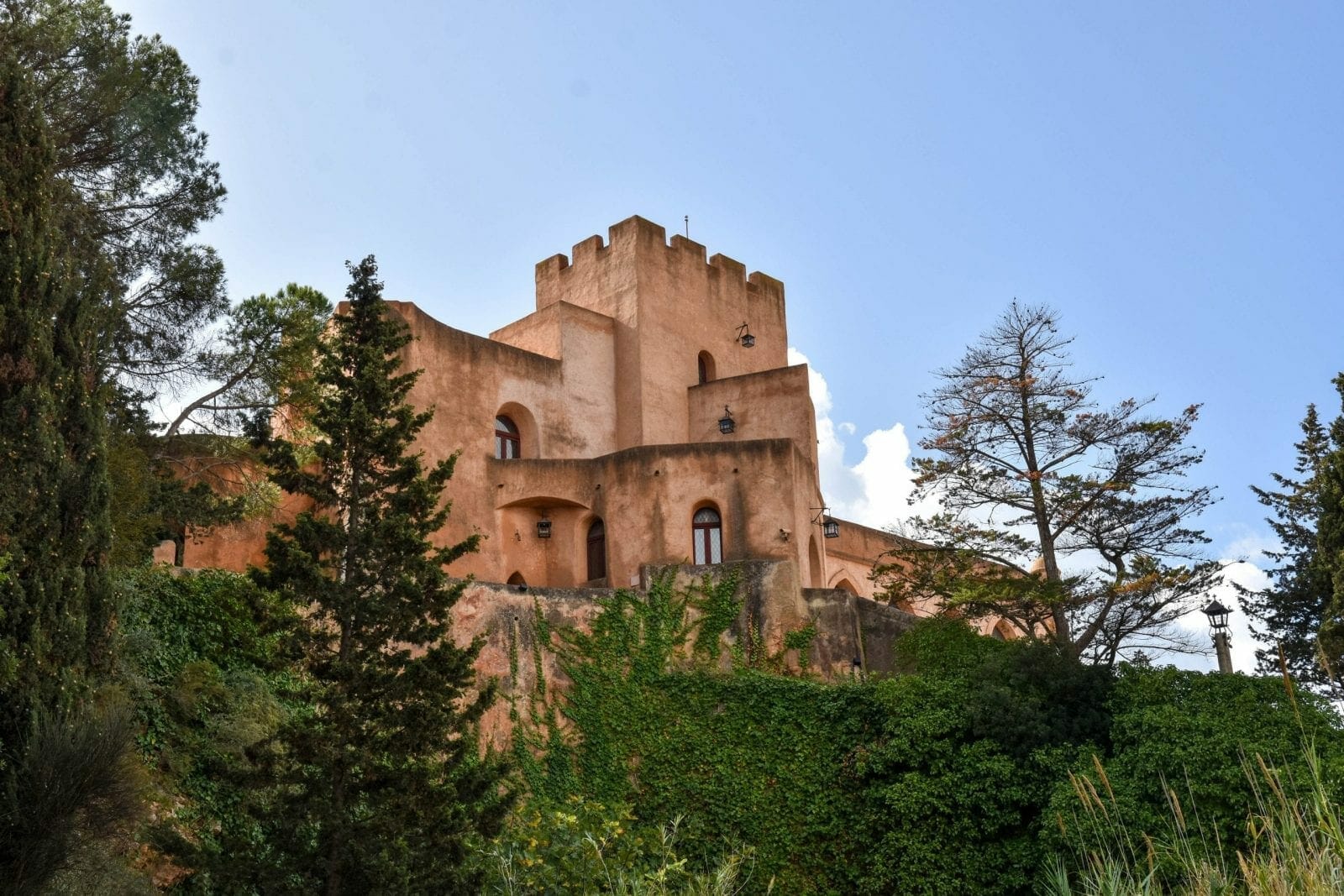
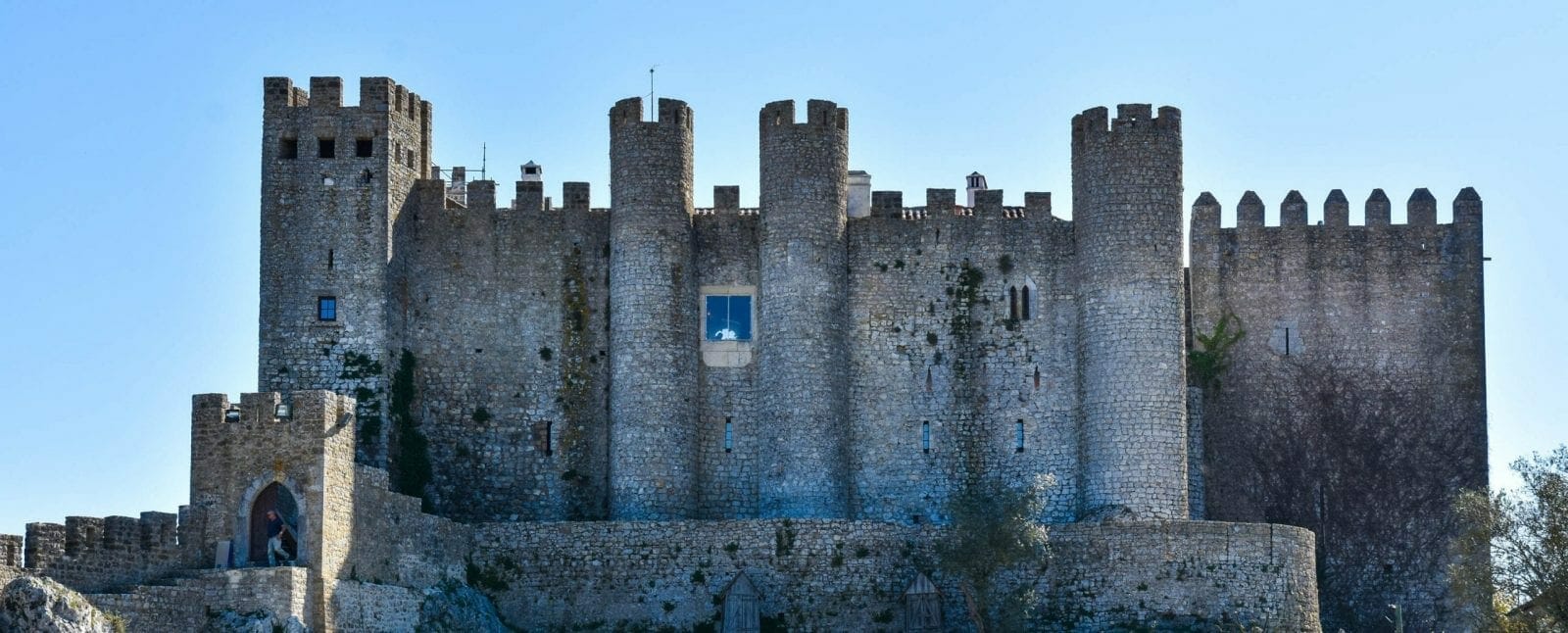
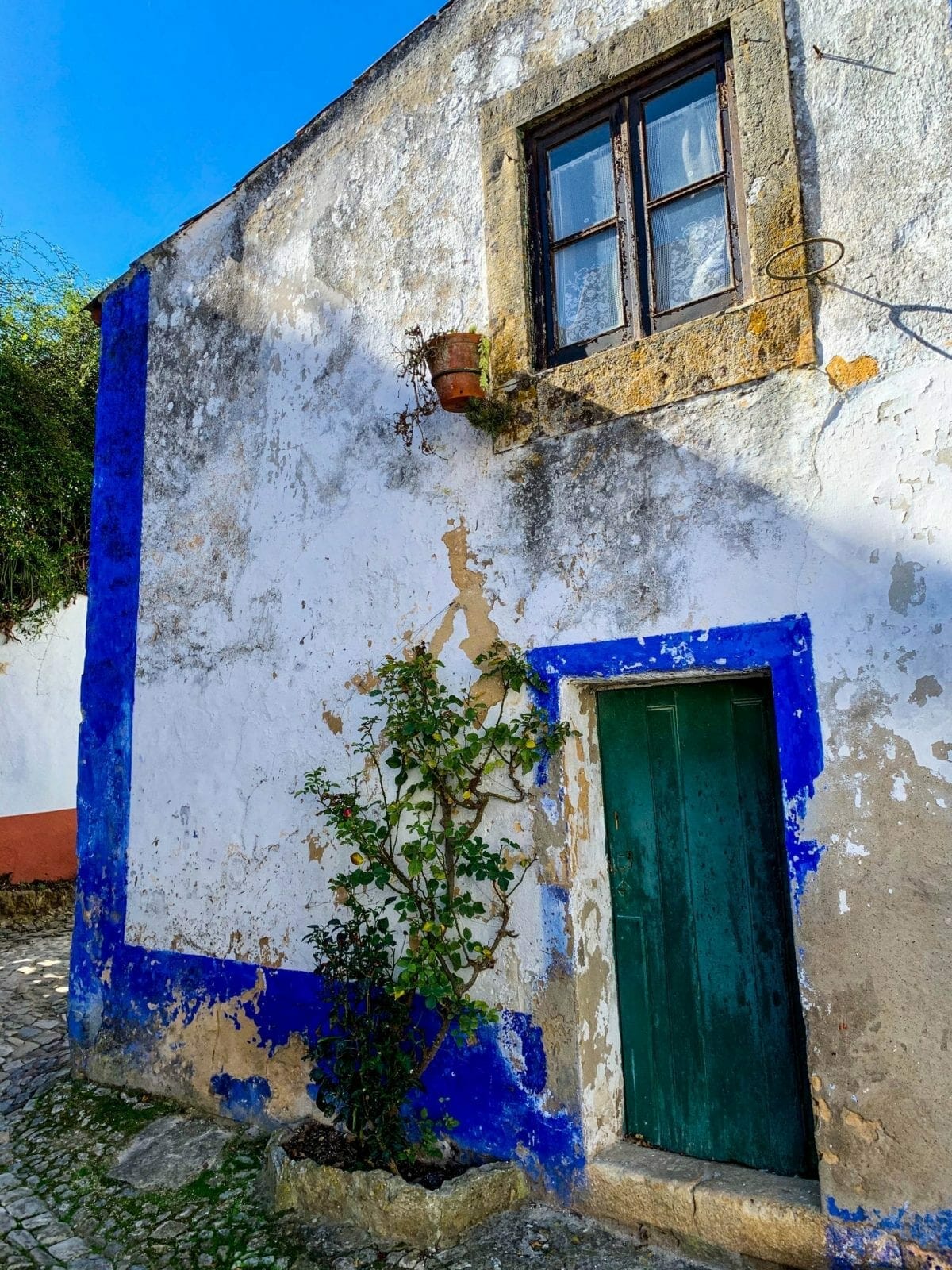
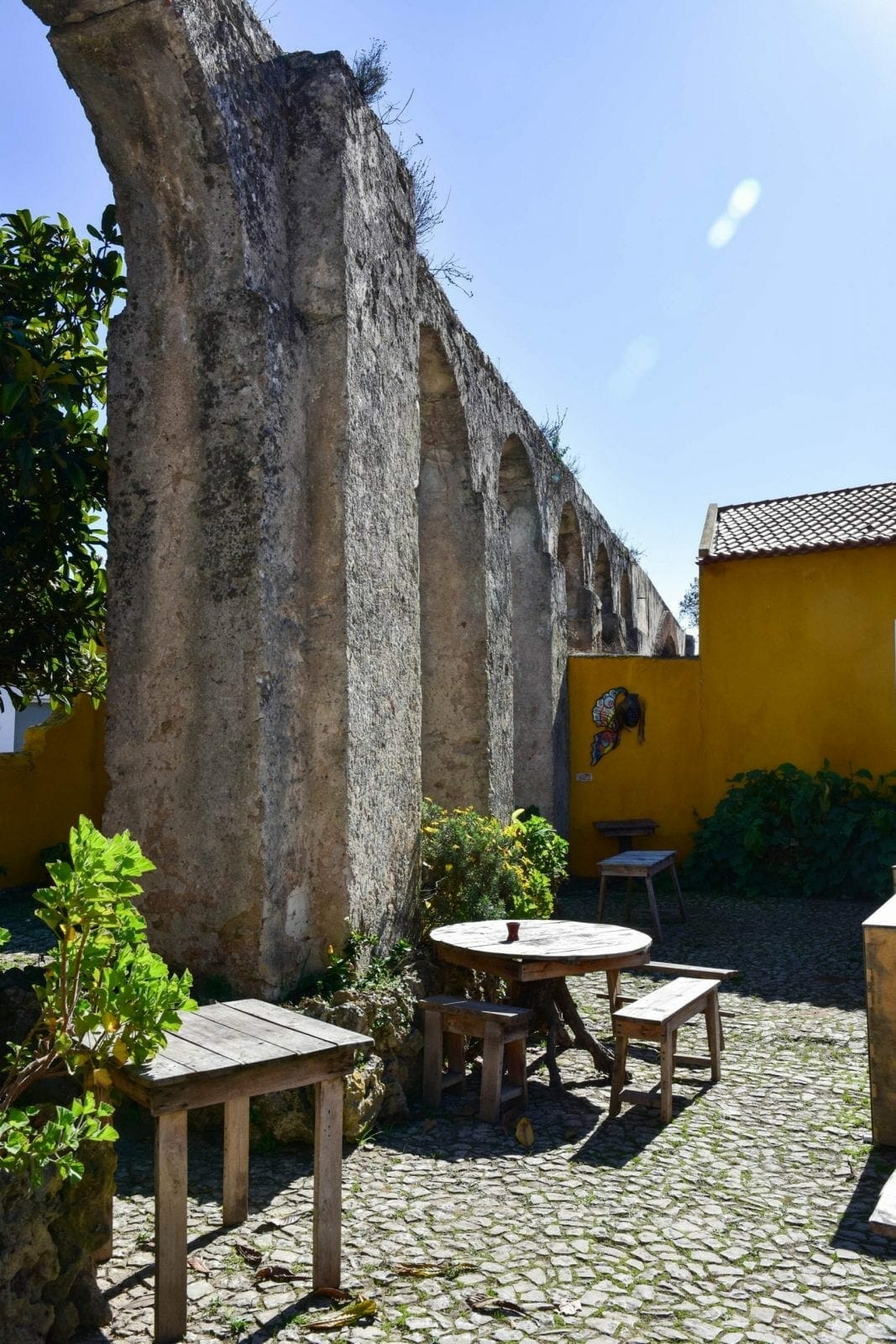
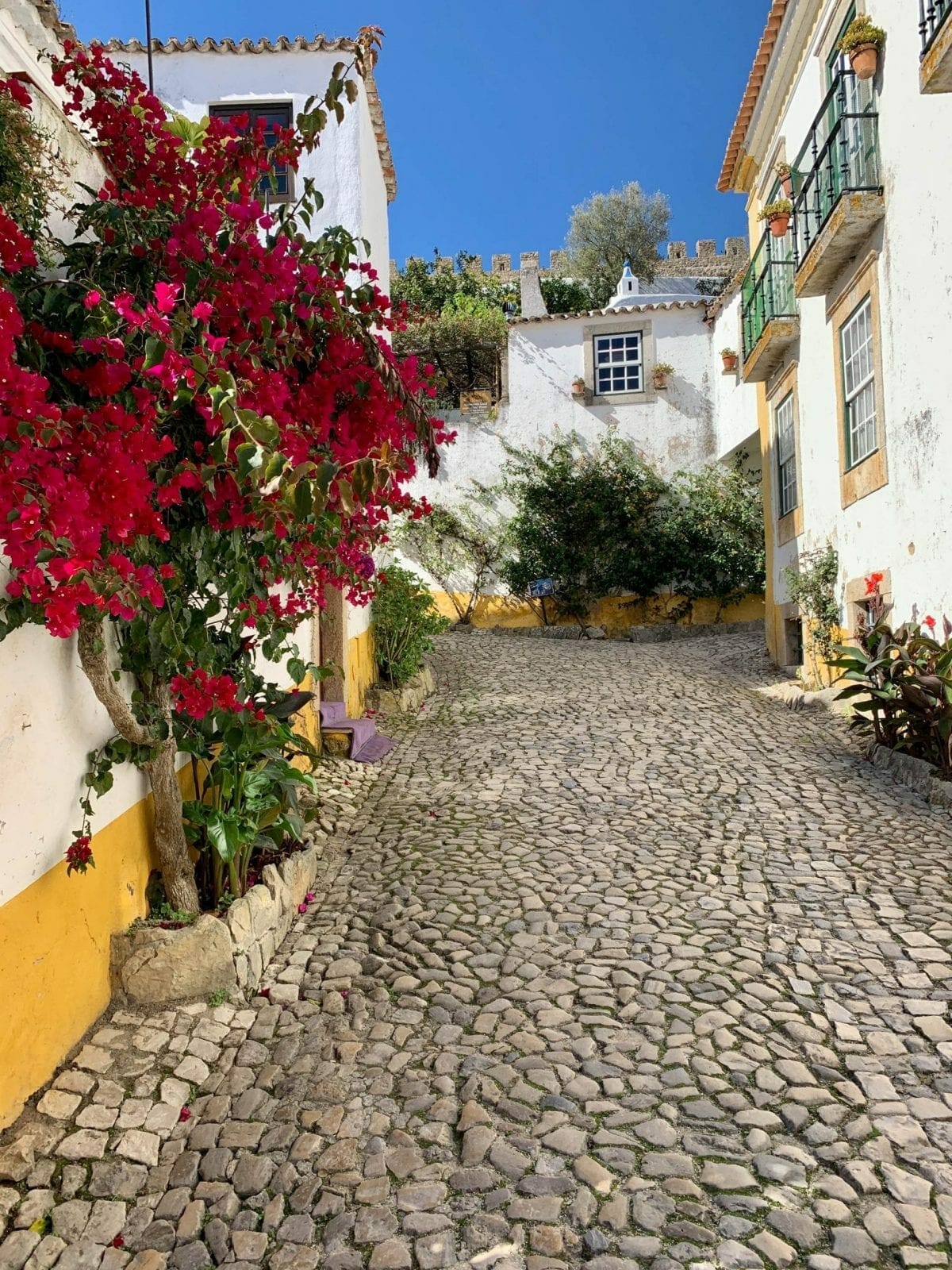
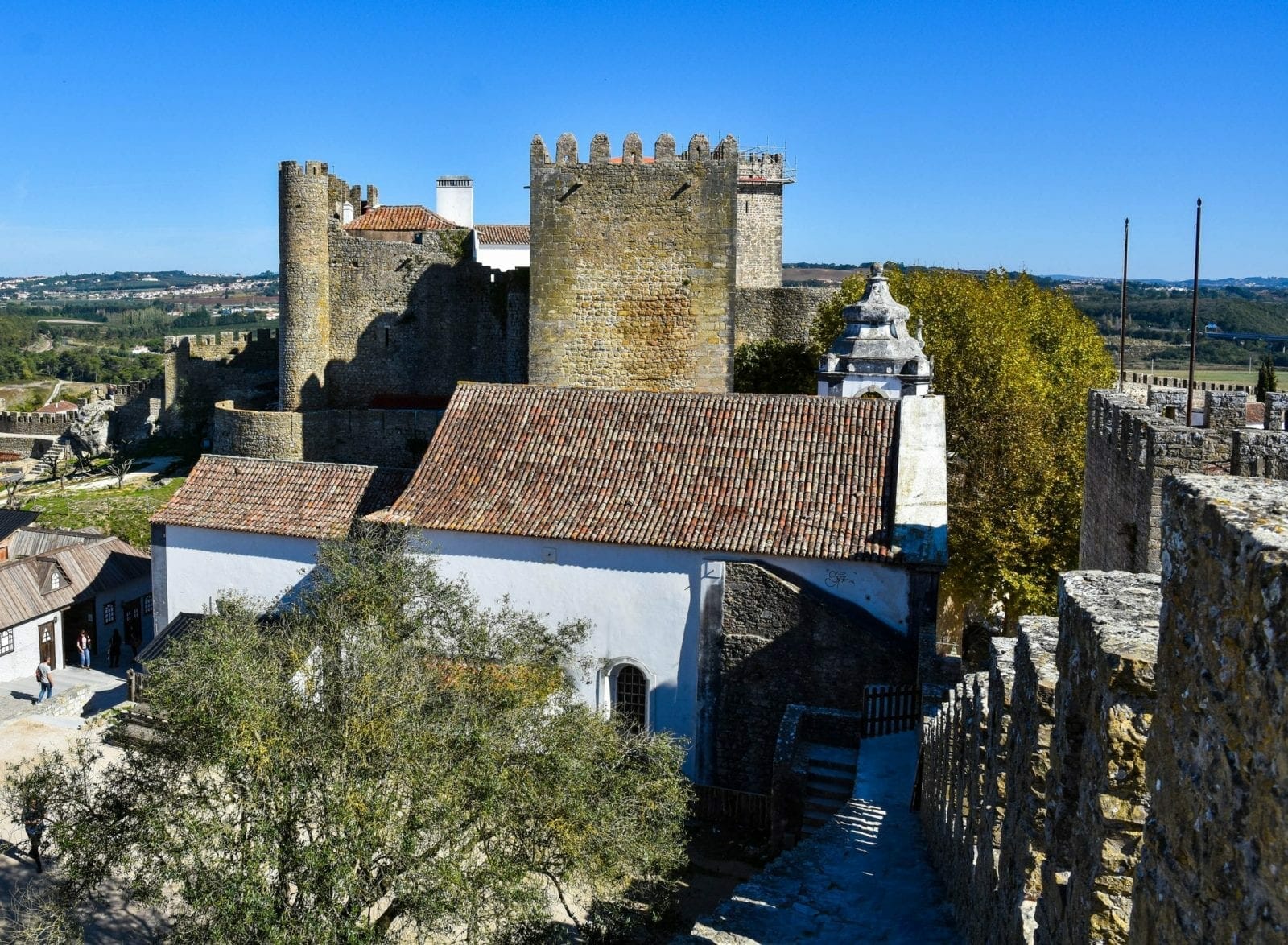
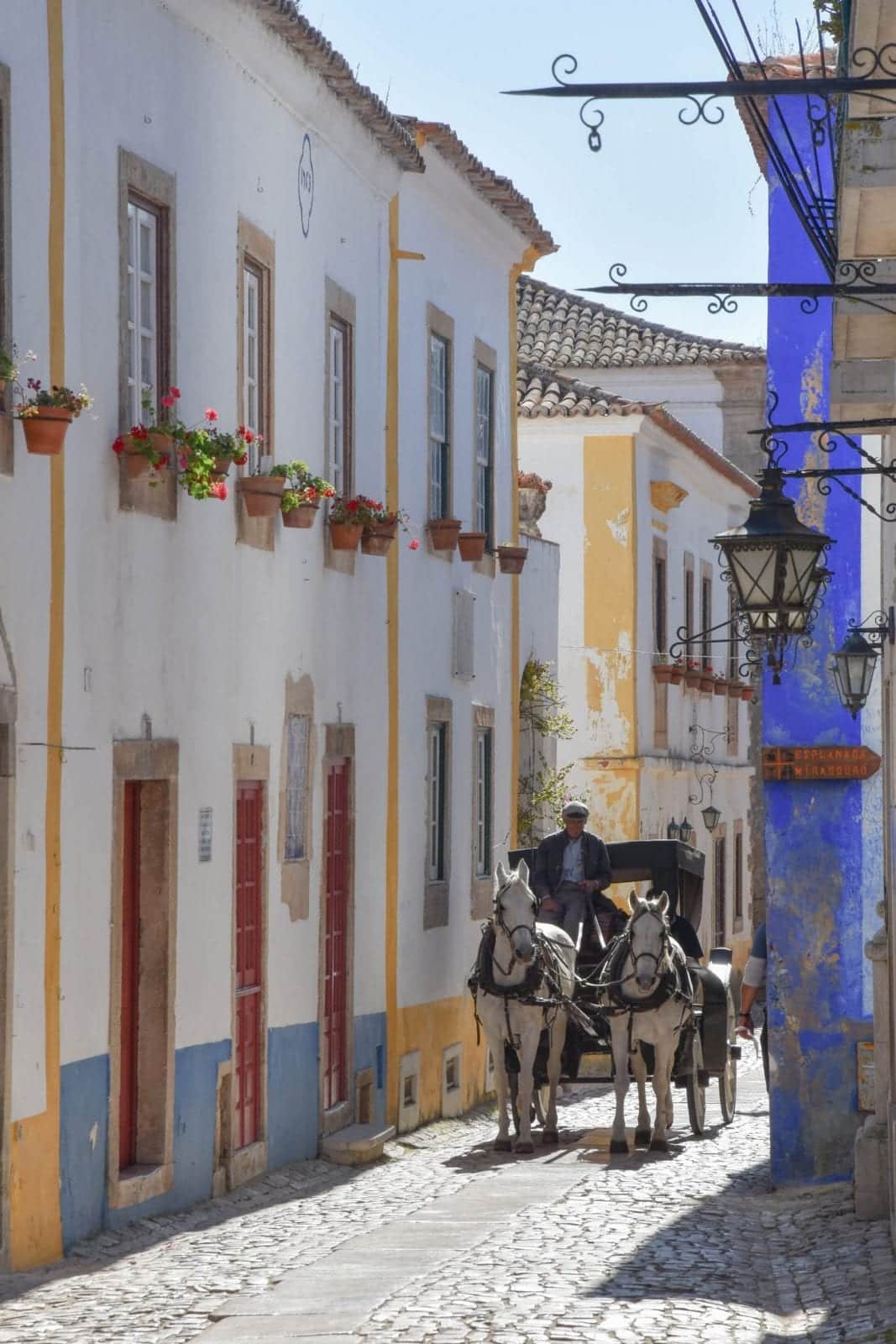
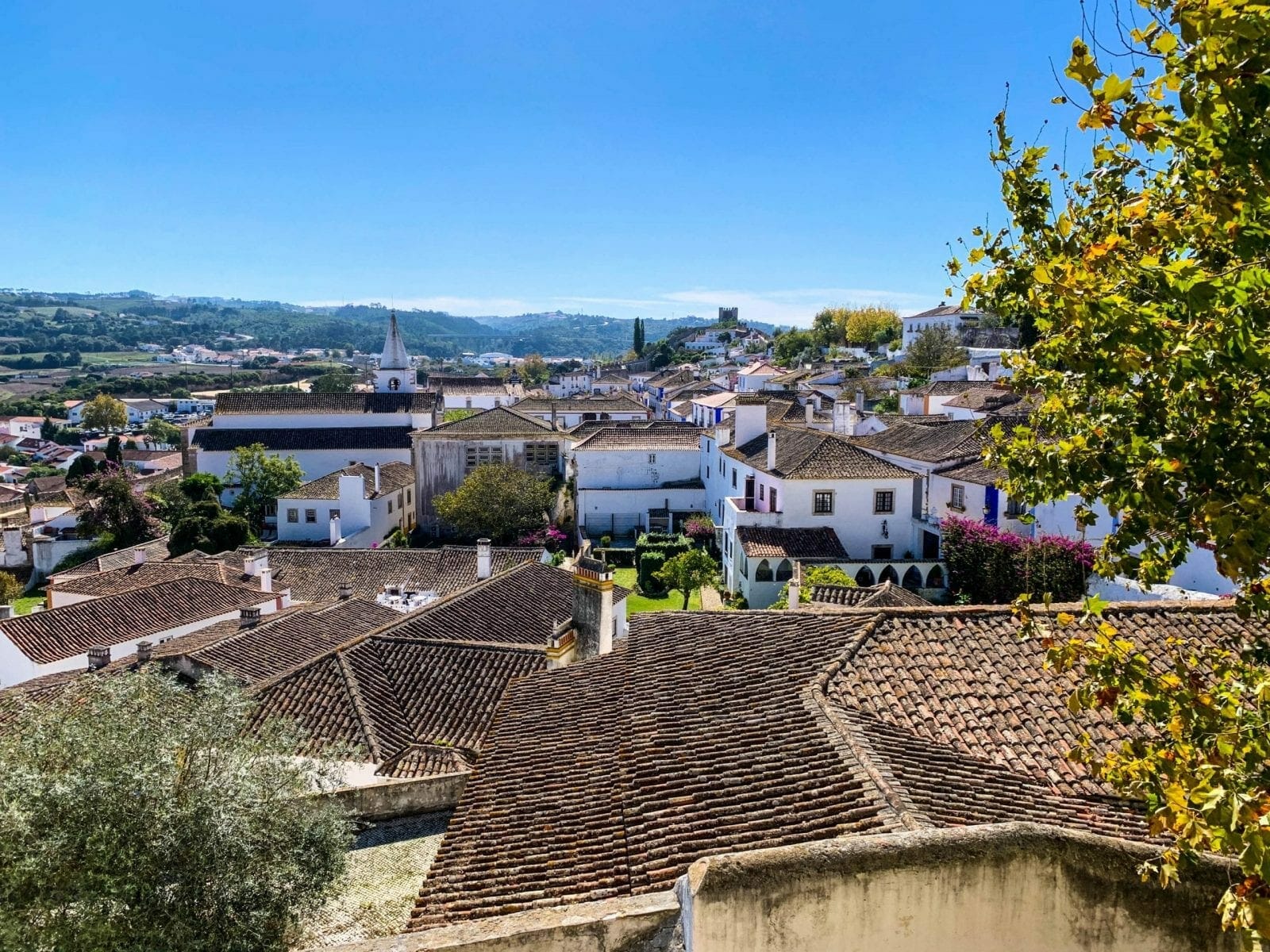
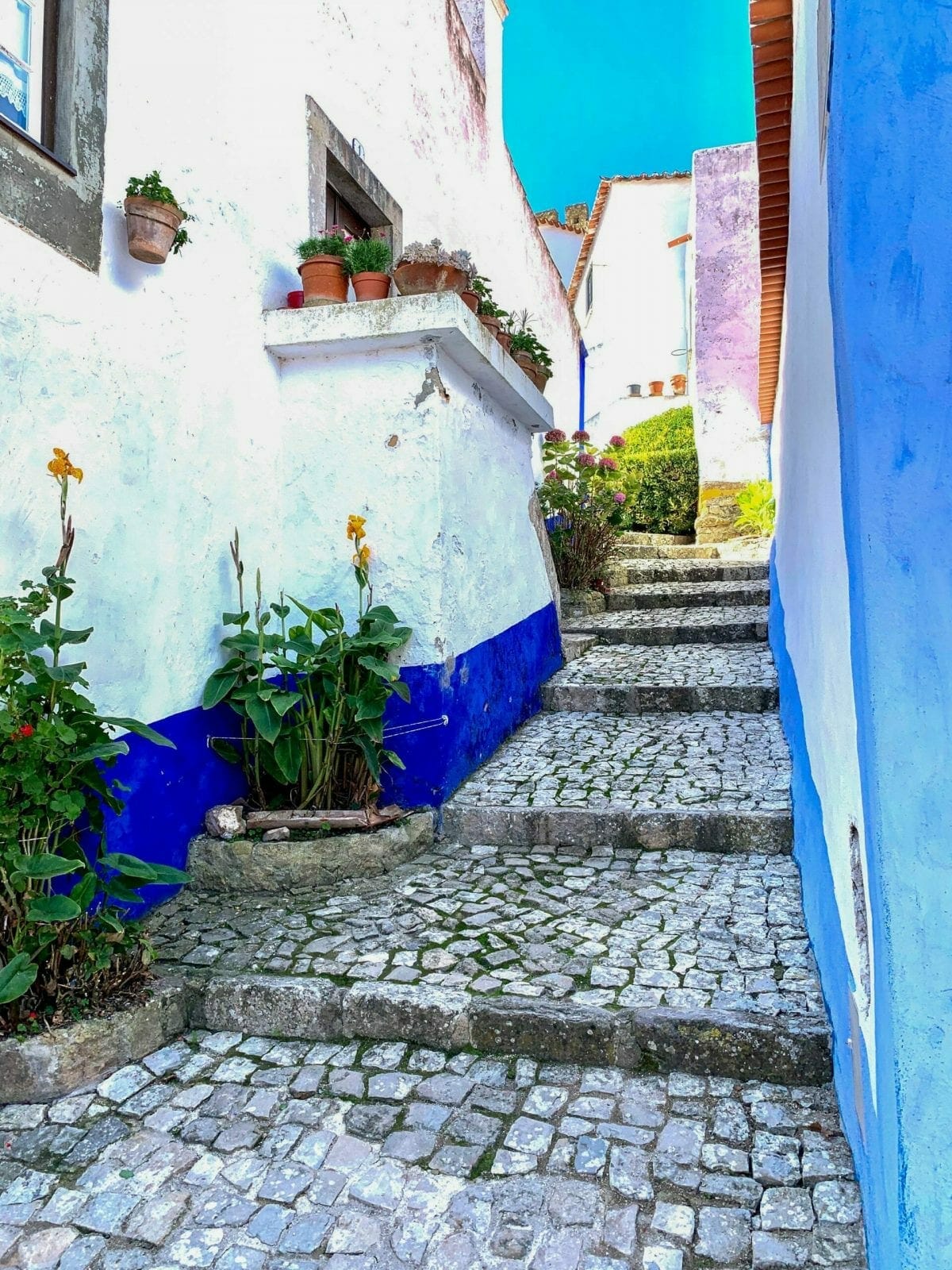
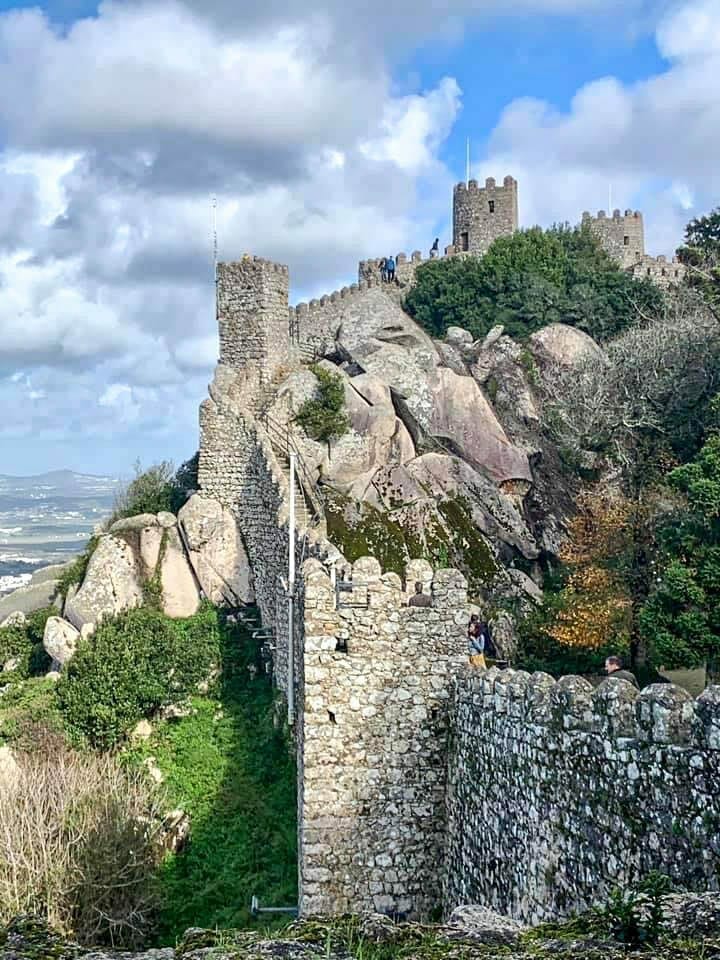
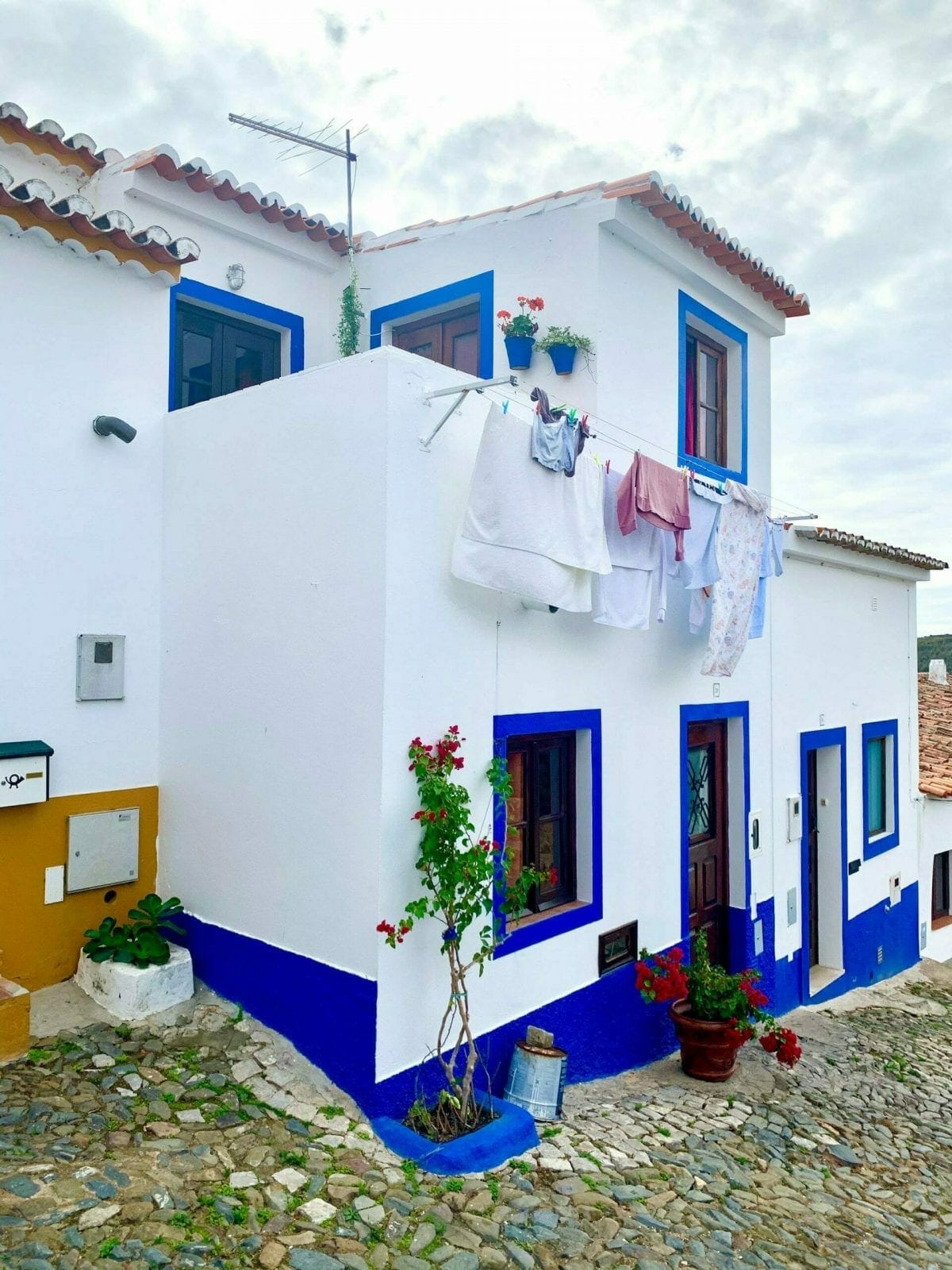
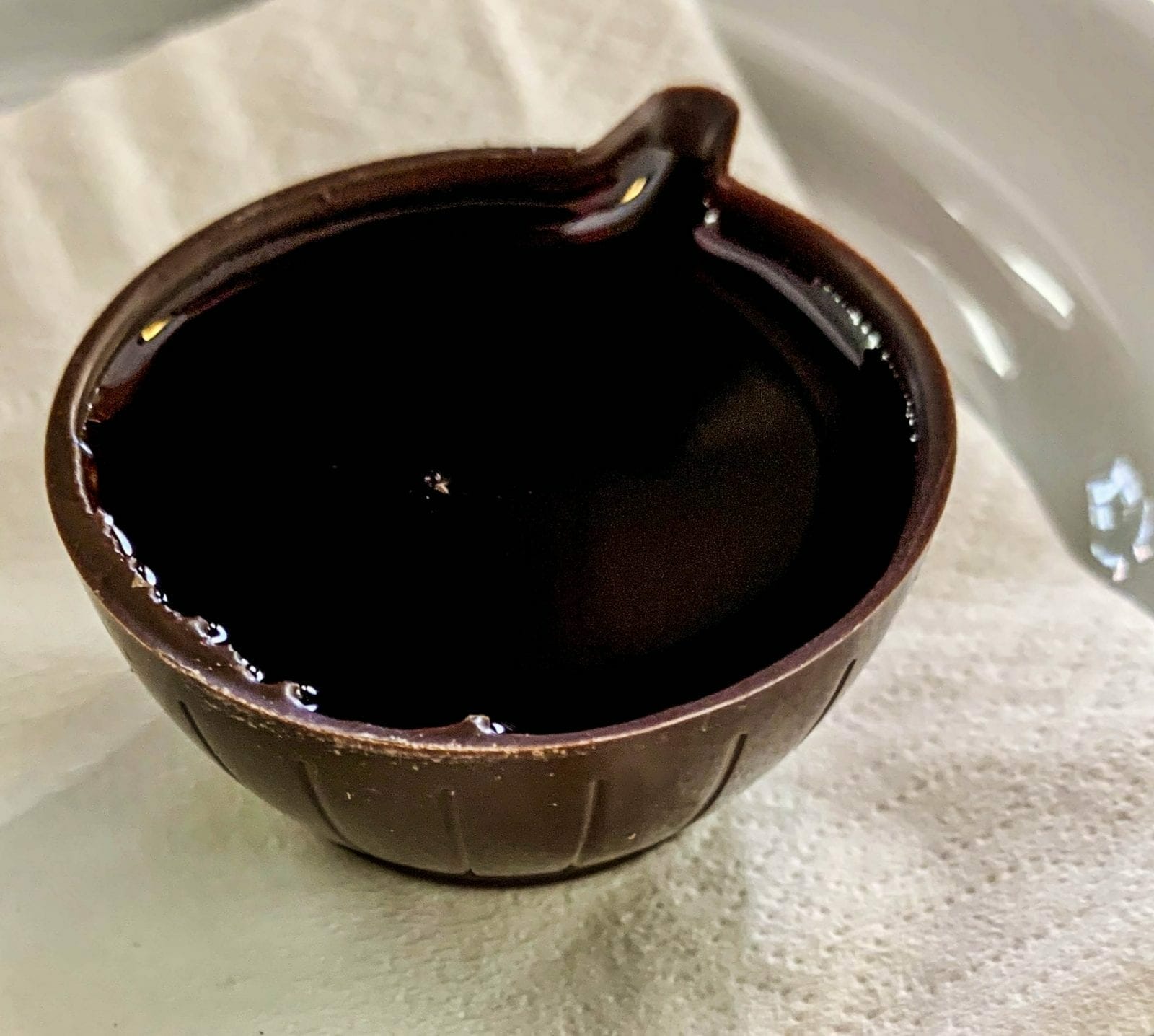
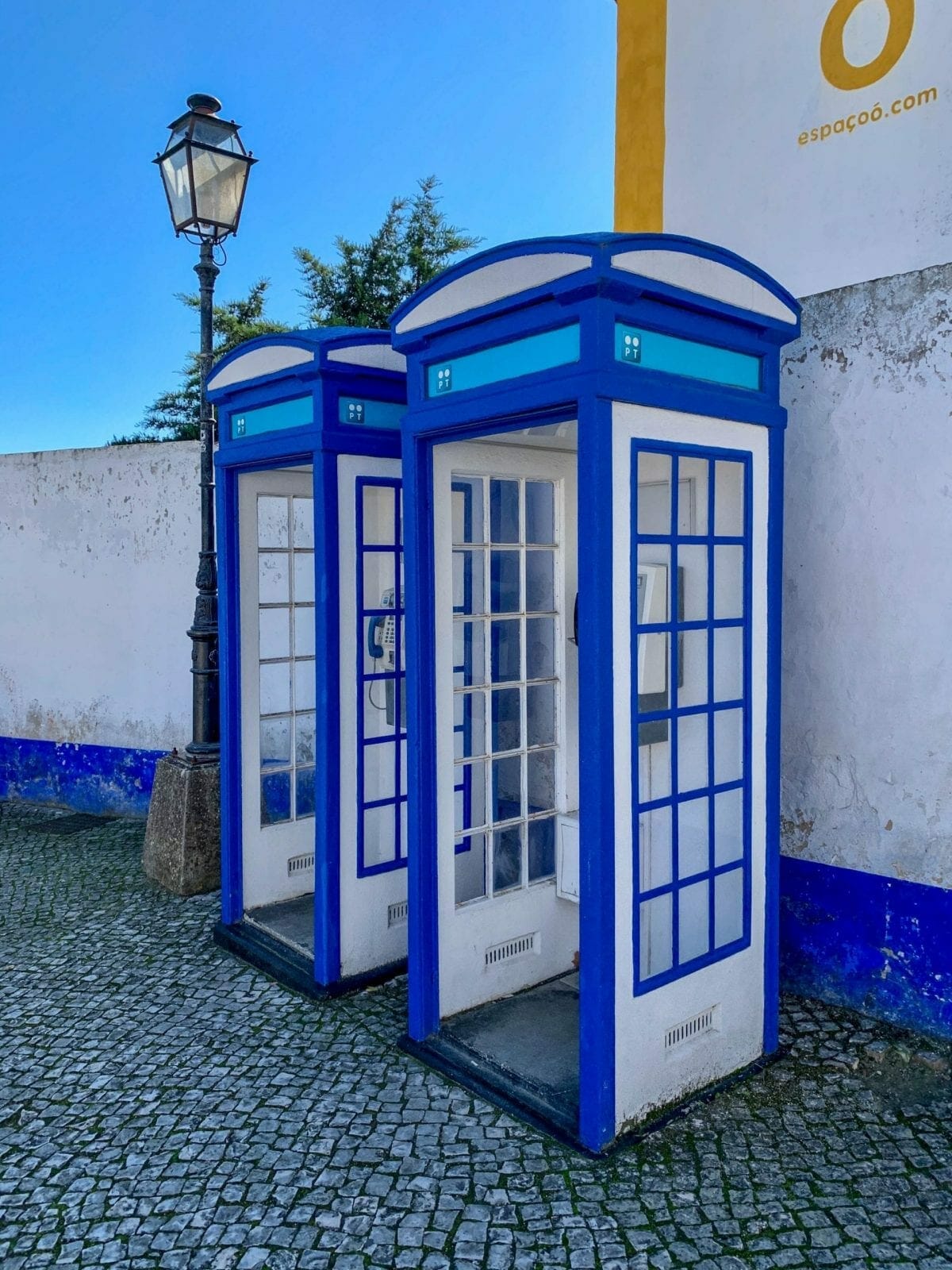
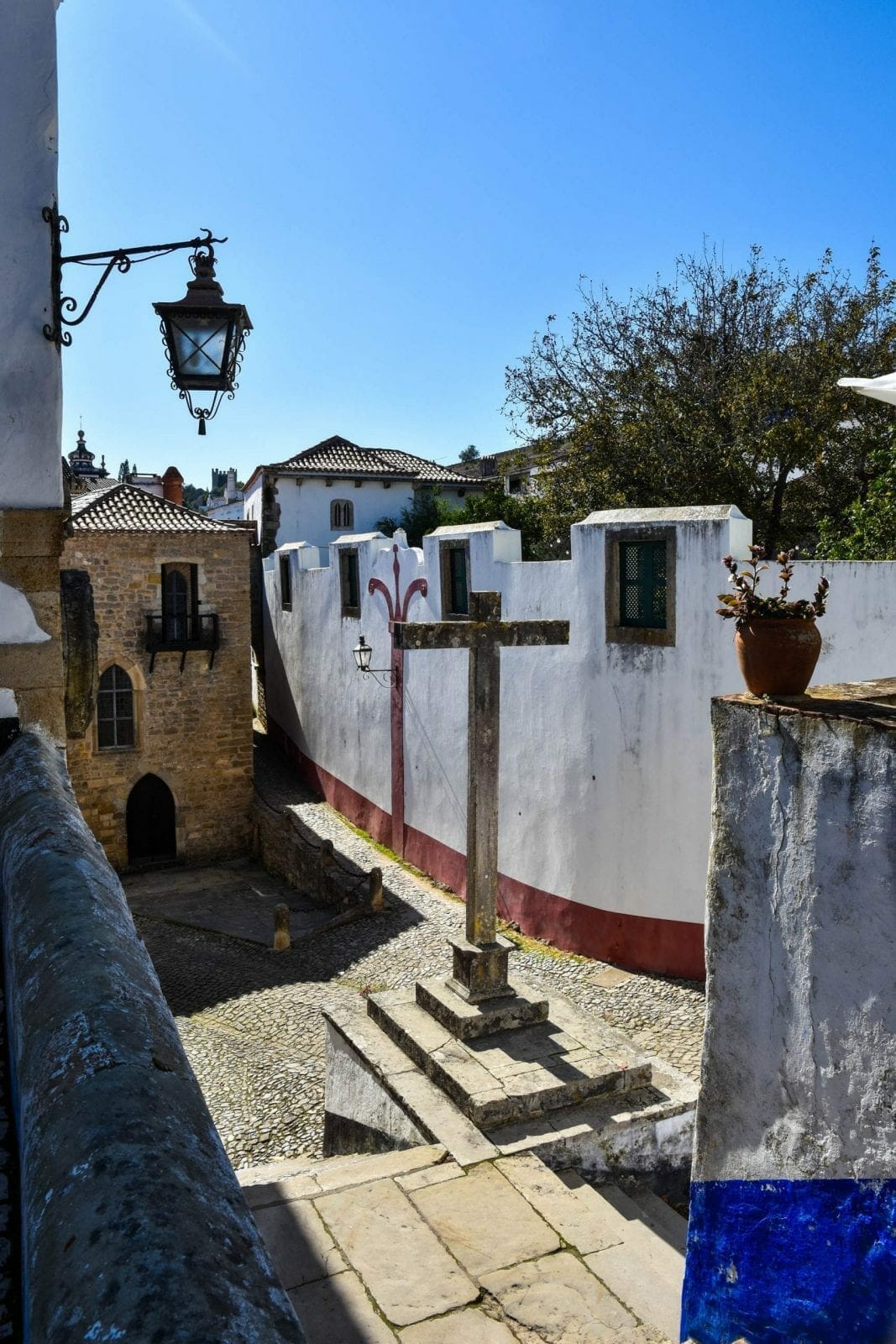
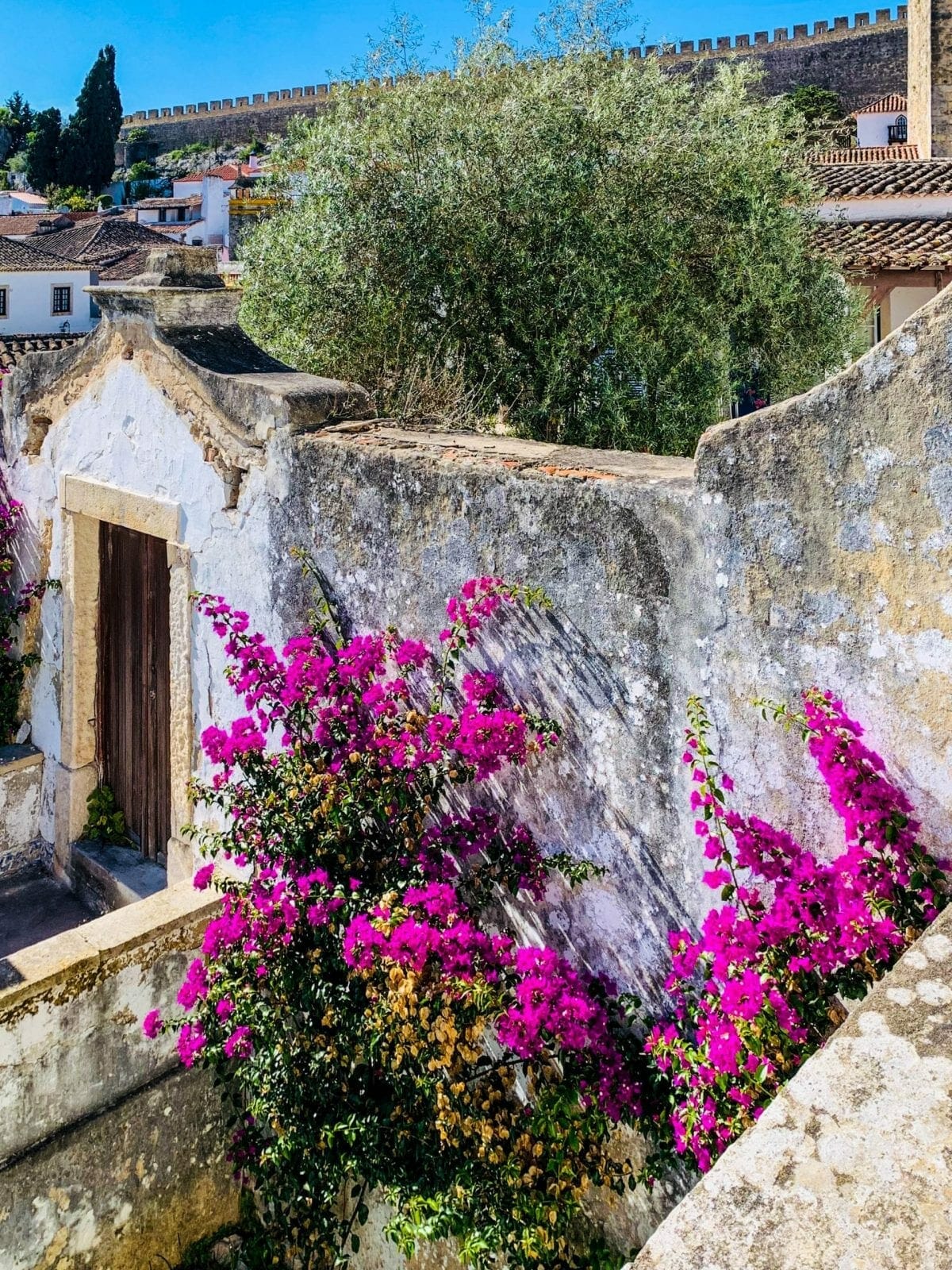
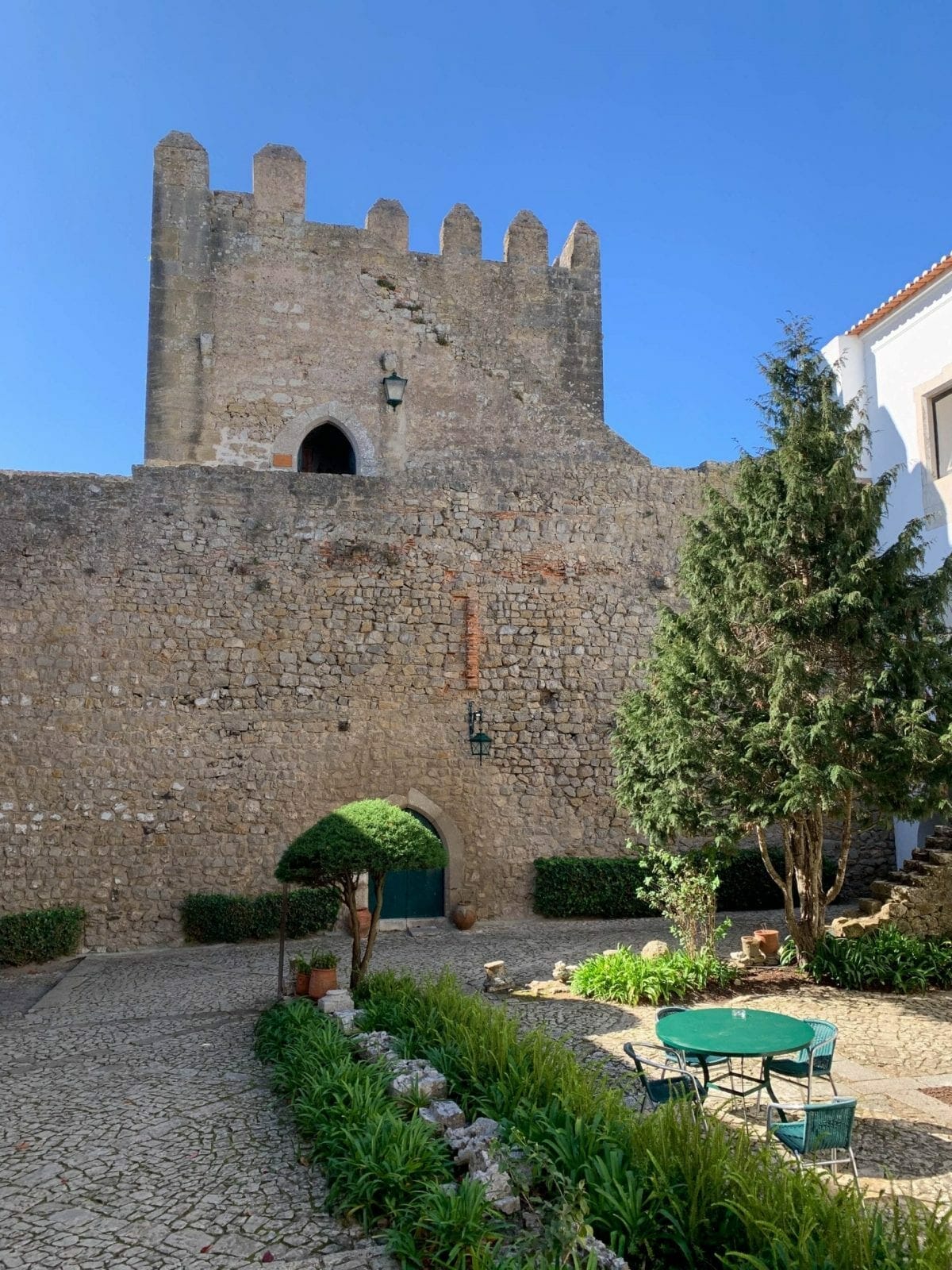
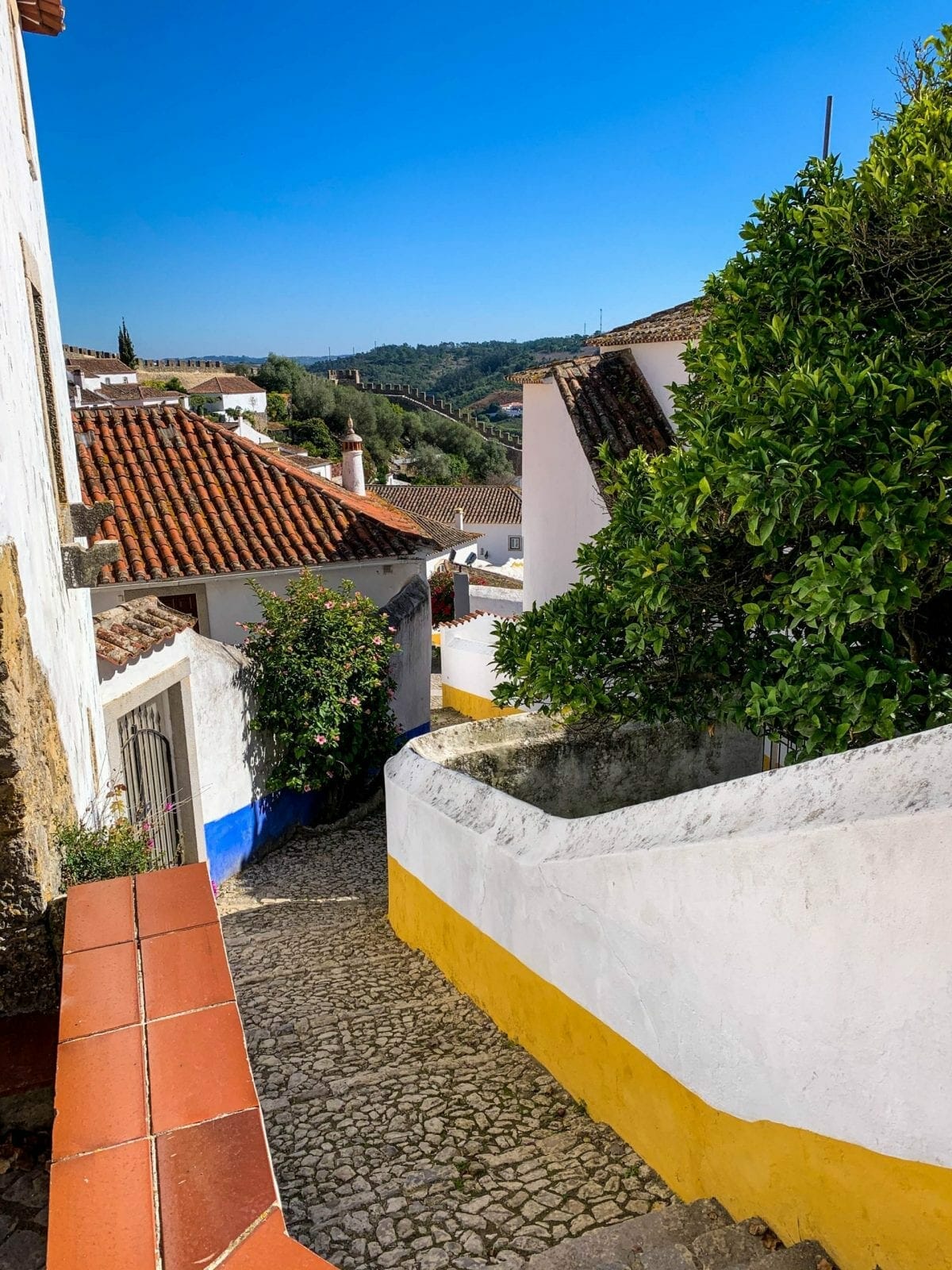
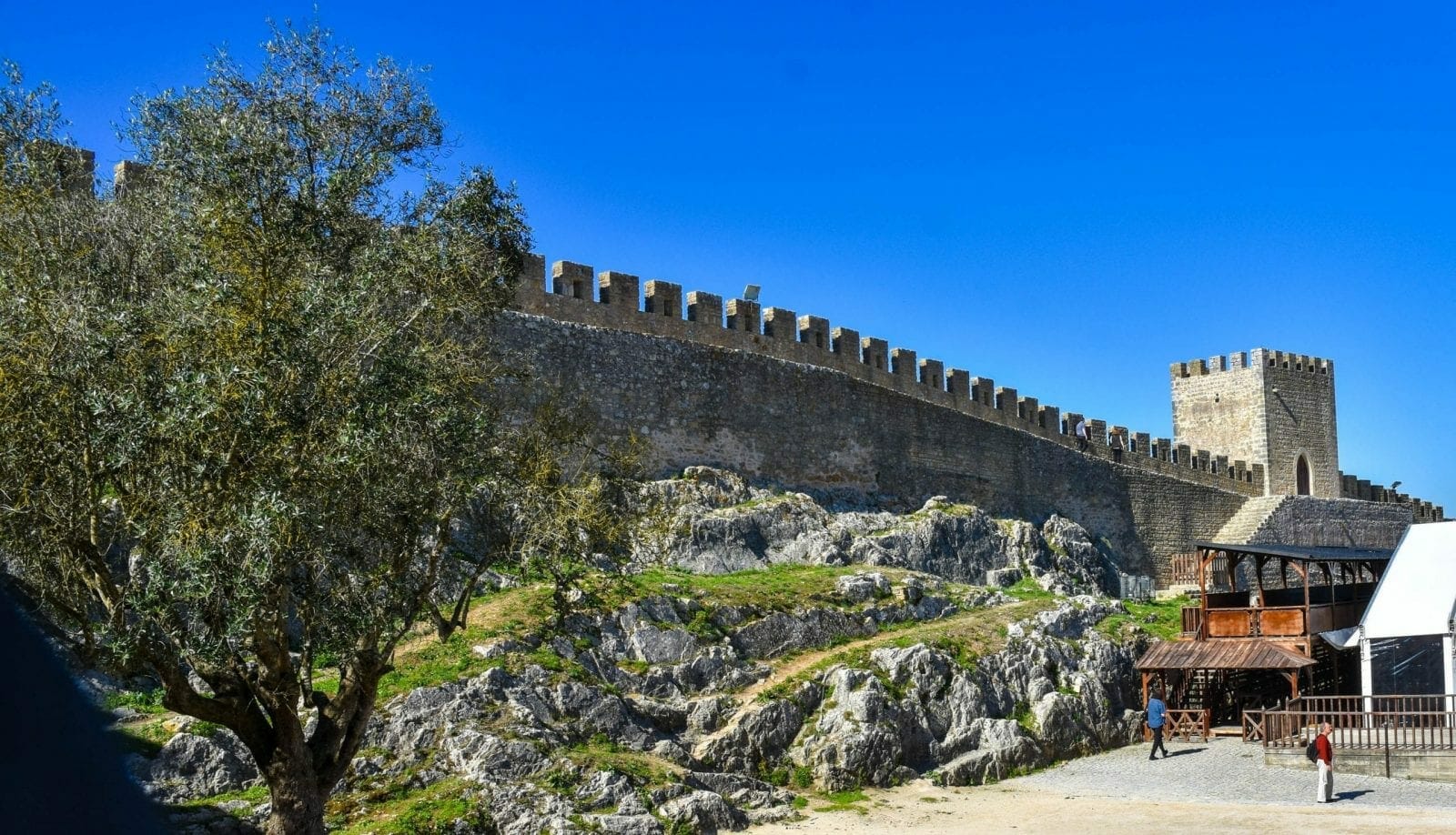
5. Obidos is a 13th-century small village of whitewashed houses draped in bougainvillea with a well-preserved castle within Medieval Walls. There is an ancient aqueduct nearby. It is in our top five because we loved everything about it. It was our first stop after landing in Lisbon and on our way to Porto. Spend one euro and enjoy a chocolate cup filled with the famous Obidos Ginja liquor. This perfect little town has a unique charm that captured our hearts.
Did You Know?
Portugal Stats
- Population: 10.3 million
- Capital City: Lisbon
- Currency: Euro (EUR)
- Government type: Unitary Semi-Presidential Constitutional Republic
- Head of State: President
- Ethnic groups: a homogeneous white Mediterranean population; citizens of black African descent who immigrated to the mainland during decolonization number fewer than 100,000; since 1990, Eastern Europeans have migrated to Portugal.
- Languages: Portuguese (official), Mirandese (official, but locally used)
- Religions: Roman Catholic 81%, other Christian 3.3%, other (includes Jewish, Muslim) 0.6%, none 6.8%, unspecified 8.3%
- US State Department Risk Level: 1
- Terrorist groups: N/A
- GDP is 237.7 Billion.
- Portugal is the westernmost country on mainland Europe and shares the Iberian Peninsula with Spain and Andorra.
- Portugal’s colonial empire spanned 600 years, the longest-lived of the modern European empires.
- Portugal’s official name is República Portuguesa.
- Portugal founded the first global empire.
- The rooster is a symbol of Portugal.
- There are 15 UNESCO World Heritage Sites in Portugal (ranking it 8th in Europe and 17th worldwide).
- Fado is Portugal’s national music.
- Portugal has the longest bridge in Europe. The six-lane, cable-stayed Vasco da Gama Bridge, which crosses the Tagus River to the north of Lisbon, was opened in 1998 and is almost 11 miles long.
- Portuguese is spoken in nine countries: Brazil, Angola, Guinea-Bissau, East Timor, Mozambique, Equatorial Guinea, Cape Verde, and São Tomé and Príncipe.
- Inventions originating in Portugal include the Green Lane toll pay system (Via Verde), Prepaid cell phones, ukulele, ocean navigation and coastal cartography, carracks, black sword, marmalade, cerebral angiography, Japanese Tempura, and deaf-mute language.
- Leading Industries in Portugal: cork, tourism, service, textiles, power, automotive, electronics, metals, cement, footwear, paper, chemicals, pottery, and processed food.
- Portugal had poor economic conditions after years of dictatorship. In the past decade, the government has privatized many state-controlled firms and opened critical areas of the economy.
- One of the first countries to adopt the euro was Portugal.
- Portugal is a founding member of NATO and an E.U. member.
- The highest mountain in Portugal is Mount Picoat, 7,713 feet.
- Cabo da Roca is continental Europe’s westernmost point, located within the Sintra Mountain Range in the Portuguese municipality of Sintra.
- Life expectancy is 81 years old.
- The literacy rate is 96%.
Fun Facts
- Portugal is one of the oldest countries in Europe, founded in 1139. Portugal is named after the city of Porto.
- Lisbon, the capital of Portugal, is also one of the oldest cities in Western Europe.
- Portugal receives more than 300 days of sunshine annually!
- The University of Coimbra, established in Lisbon in 1290, is one of the oldest universities in continuous operation in the world. It dates back to the 13th century.
- Portugal was once one of the world’s most powerful nations and owned half of the “New World.” When the Treaty of Tordesillas was signed in 1494, Portugal was granted the eastern half of the New World, including Brazil, as well as territories in Asia and Africa.
- The Douro wine region is the third-oldest protected region of its kind.
- Portugal and England signed the Anglo-Portuguese Alliance in 1373, which remains in effect. It is the oldest diplomatic alliance in the world. They remain close allies.
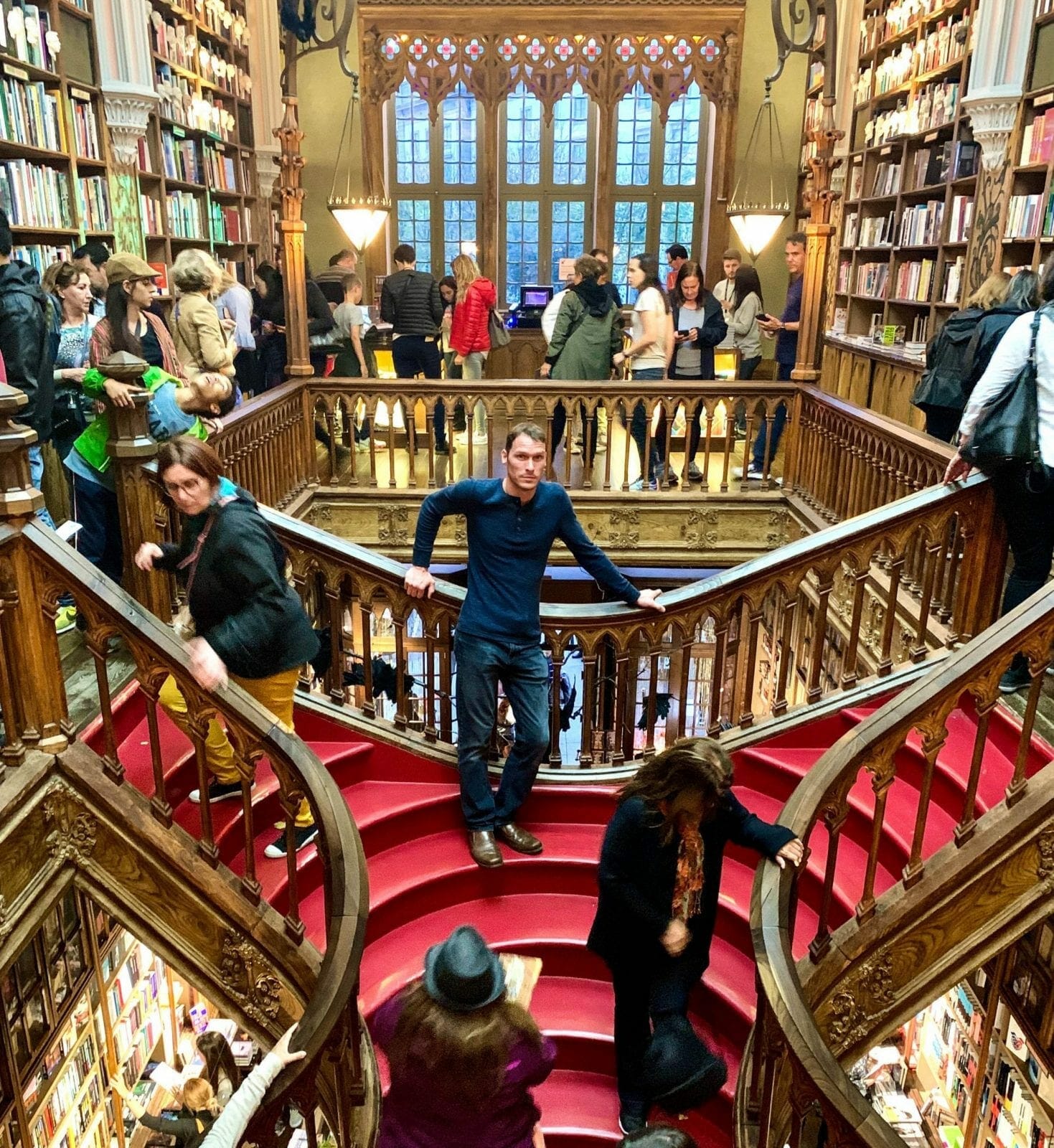
- The Bertrand Bookstore in Lisbon is the oldest in the world.
- One of the most powerful earthquakes in European history struck Lisbon in 1755, where 275,000 people were killed.
- The country’s national drink is Port wine, a major export.
- The Portuguese were the first Europeans to reach Japan in the 16th century.
- In 1761, Portugal became the first colonial power to abolish slavery before Britain, France, Spain, or the United States.
- The Portugal–Spain border is 754 mi long and the longest uninterrupted border within the European Union.
- Portugal’s dictatorship was the longest in Europe, 1926- 1974, with António de Oliveira Salazar as dictator.
- Portugal is the world leader in renewable energy production. It meets almost 70% of its energy needs through hydro, wind, and solar power.
- Portugal produces approximately half of the cork harvested worldwide each year. It is most commonly used as a wine stopper.
- Porto has six bridges over the same river, more bridges than any other country in Europe.
- Portuguese is the sixth most common language in the world, with 250 million speakers.
- Napoleon occupied Portugal in 1807. The British fought him off.
- Portugal has one of the most advanced ATM systems in the world.
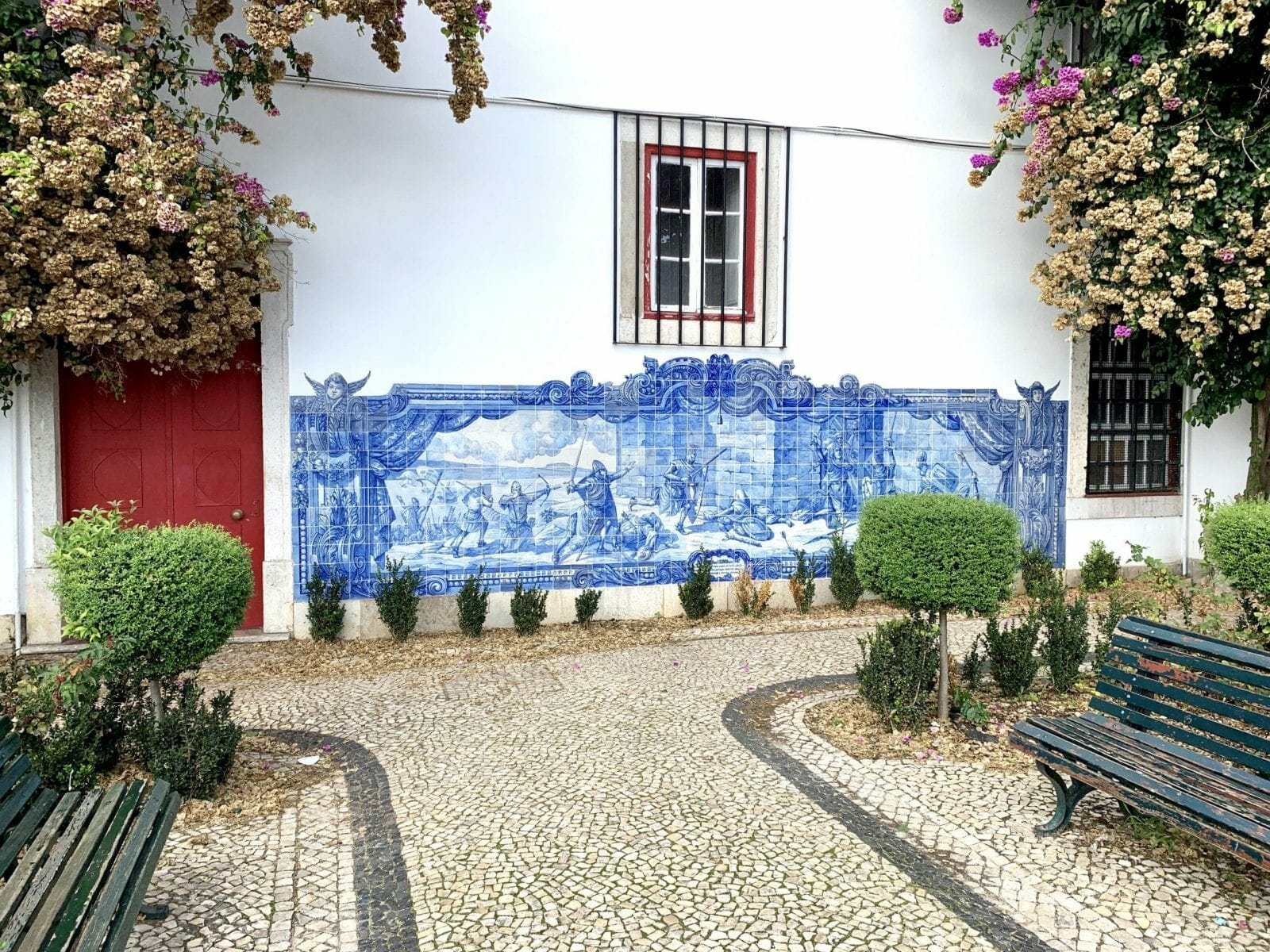
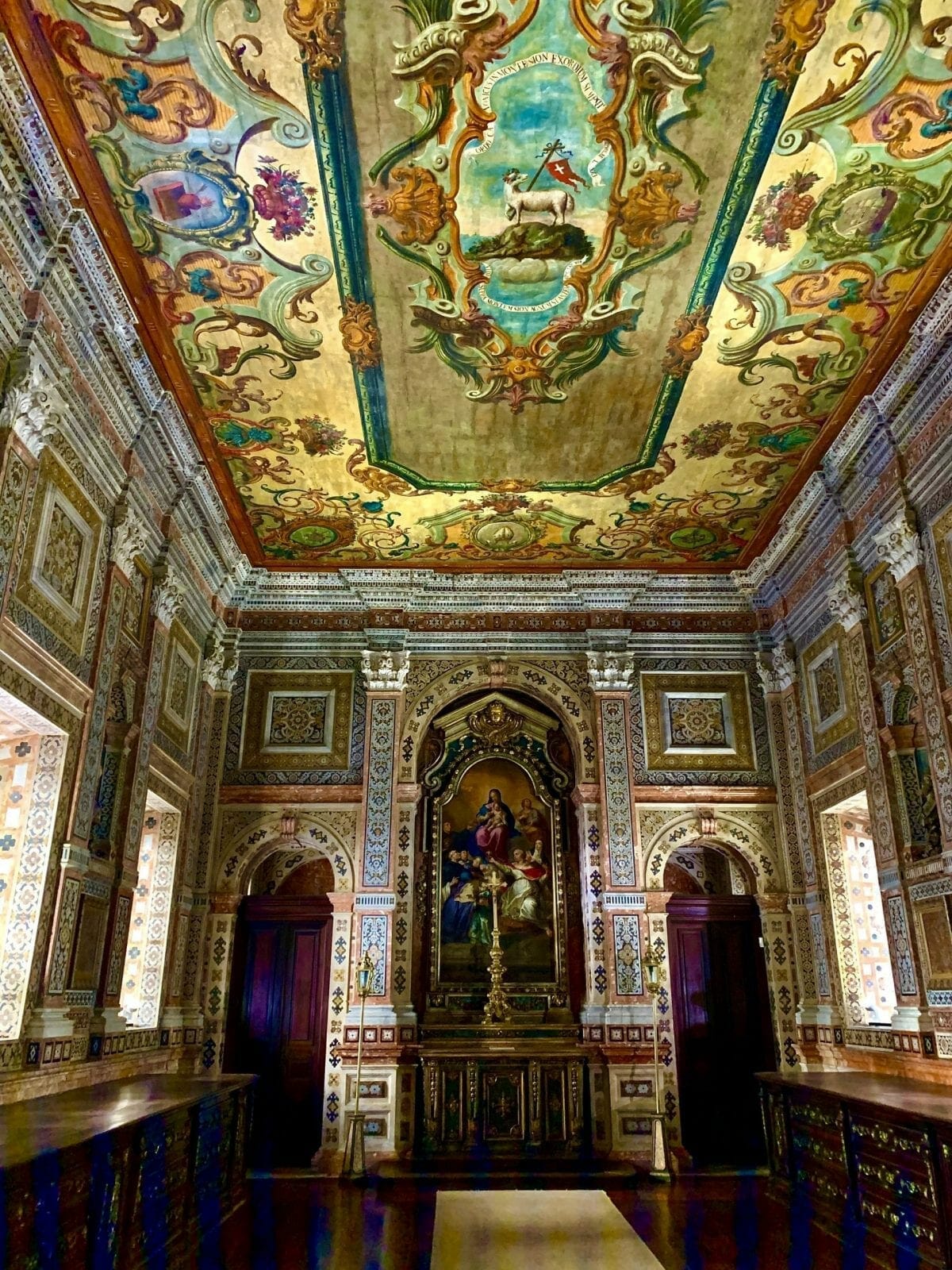
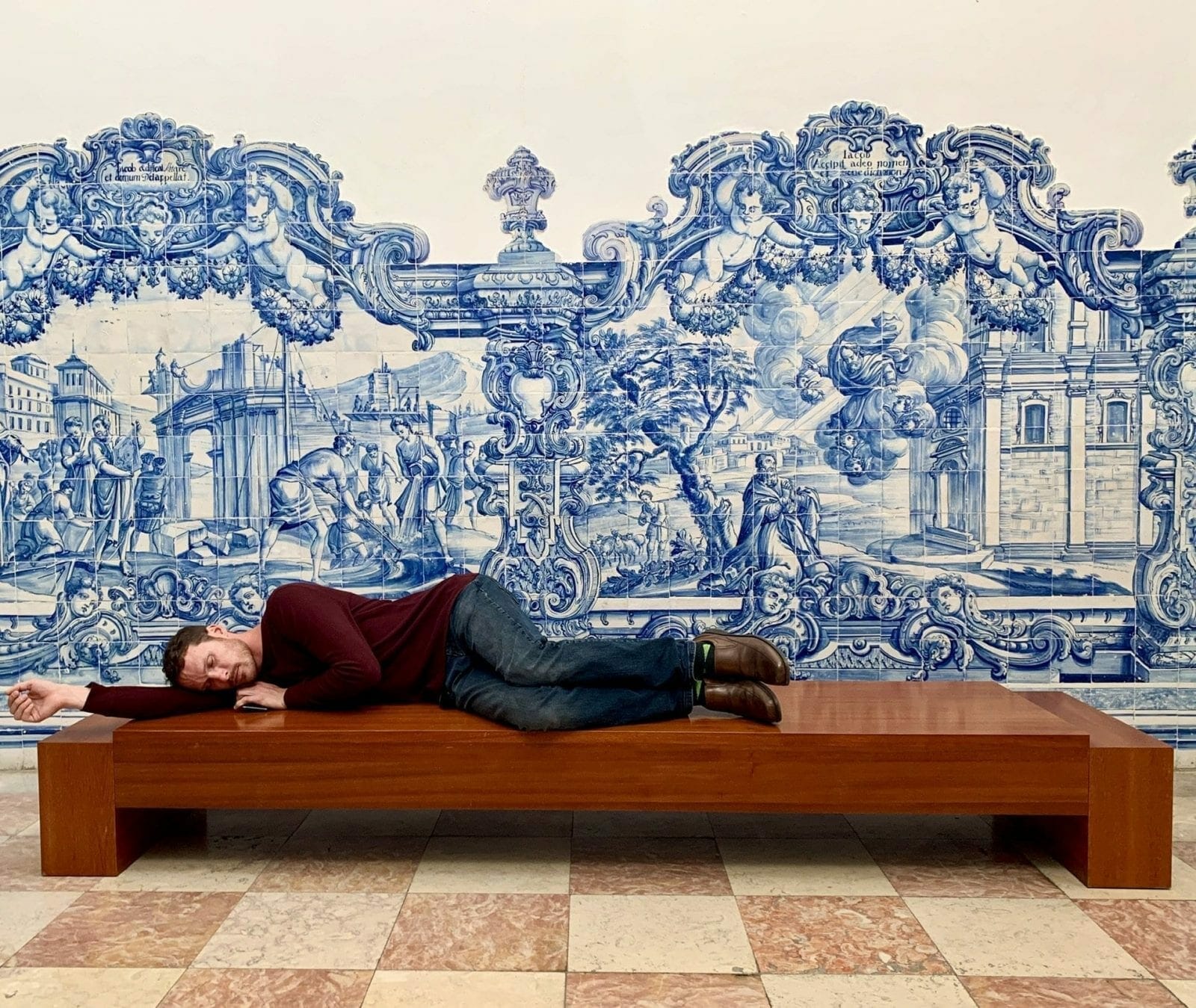
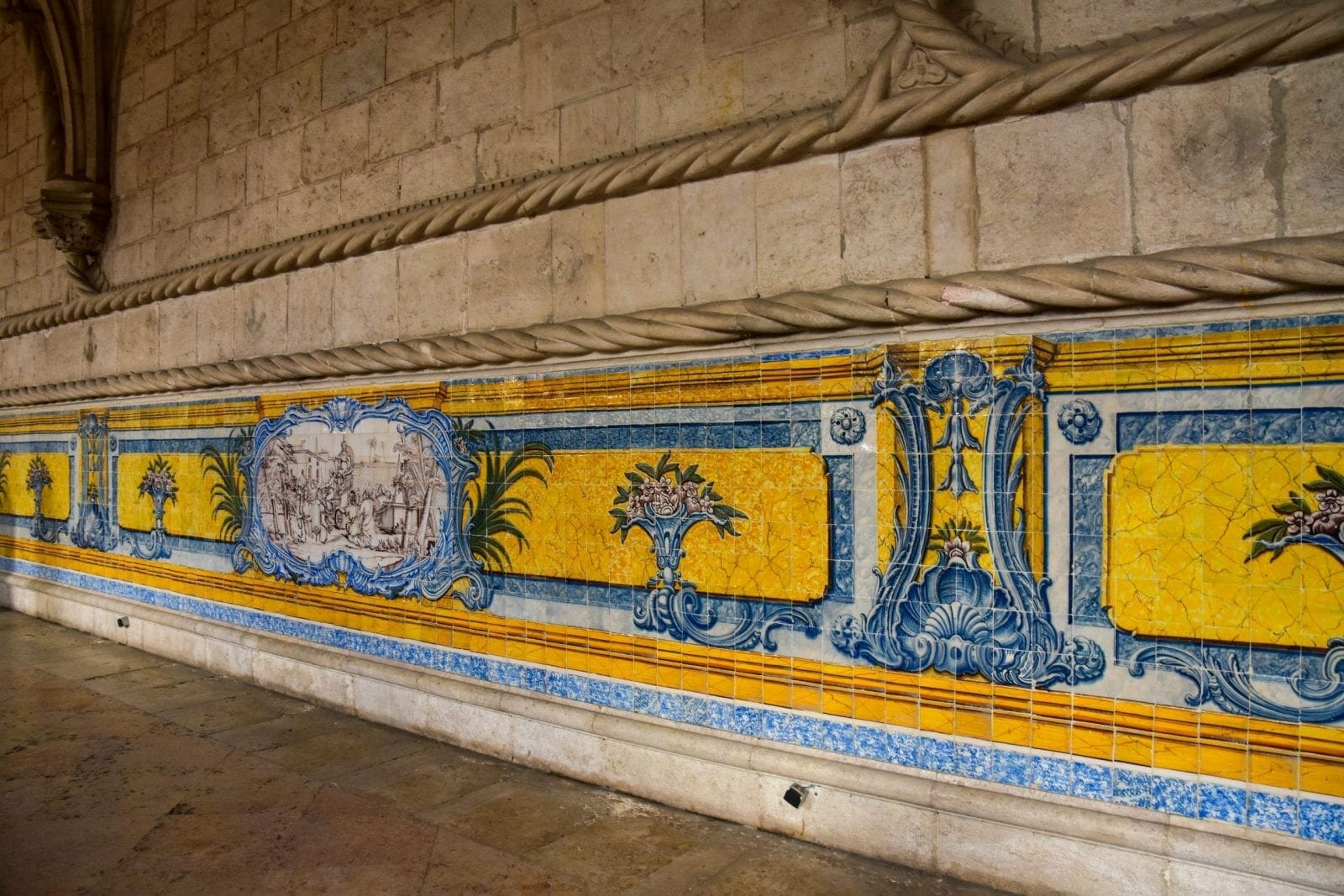
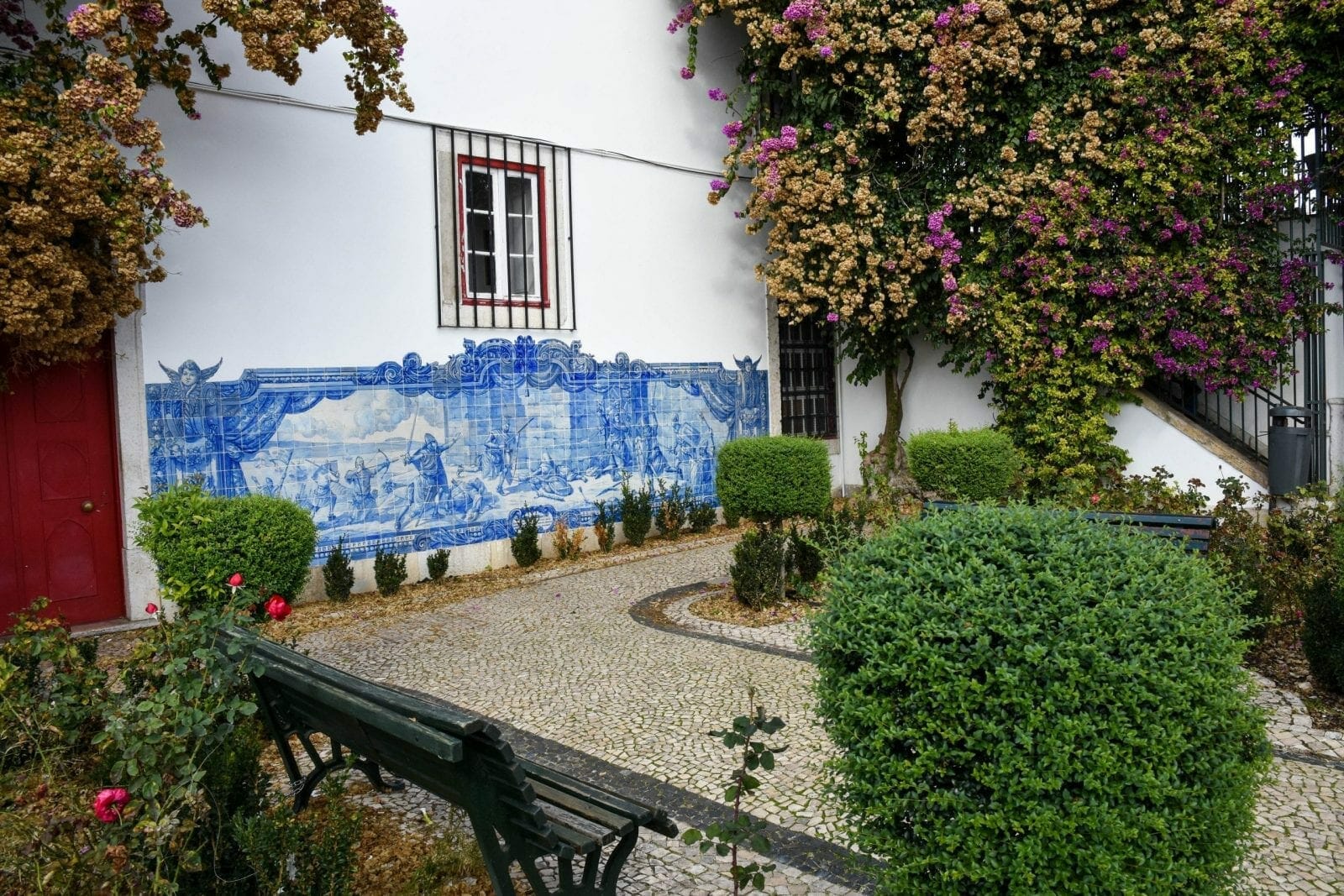
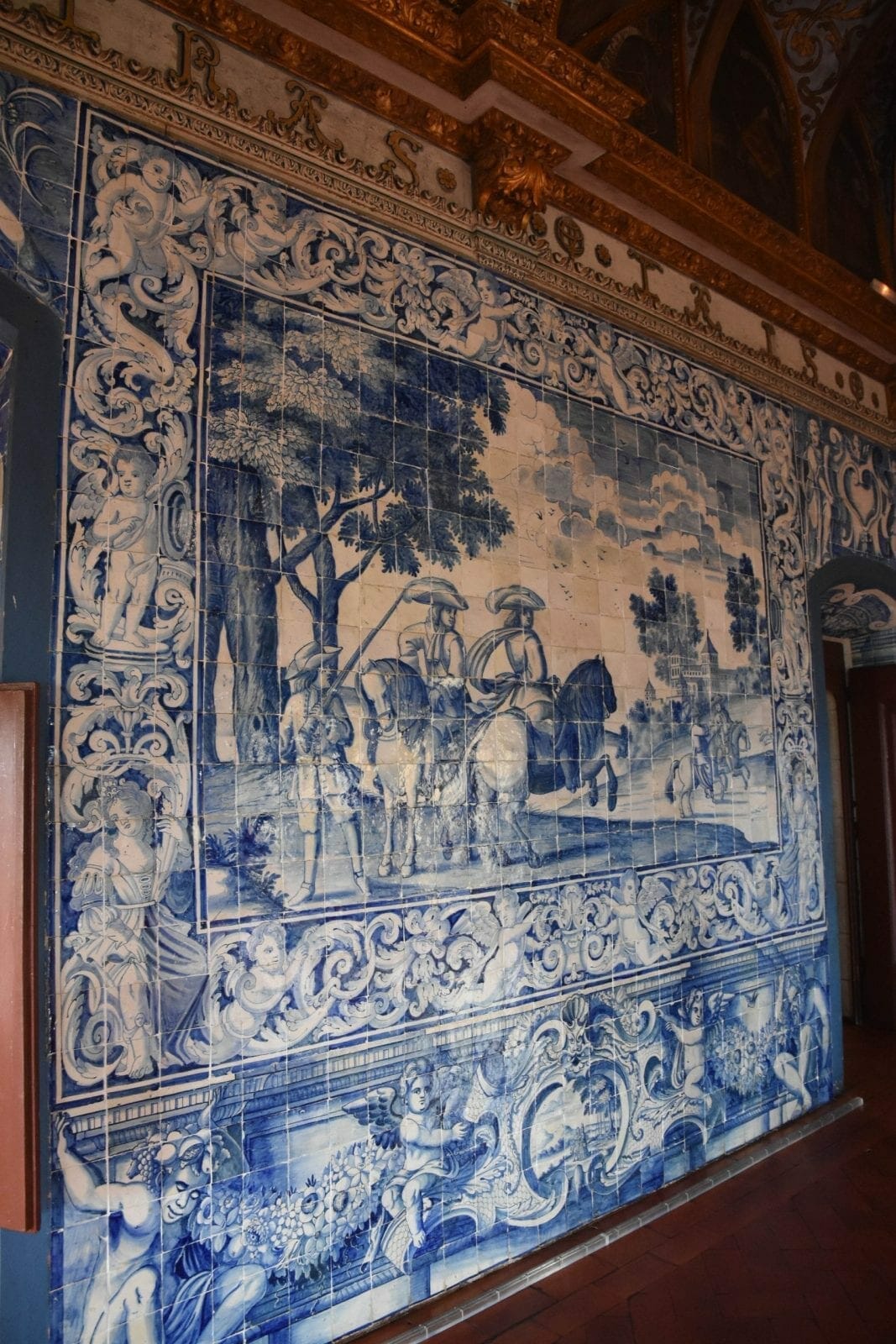
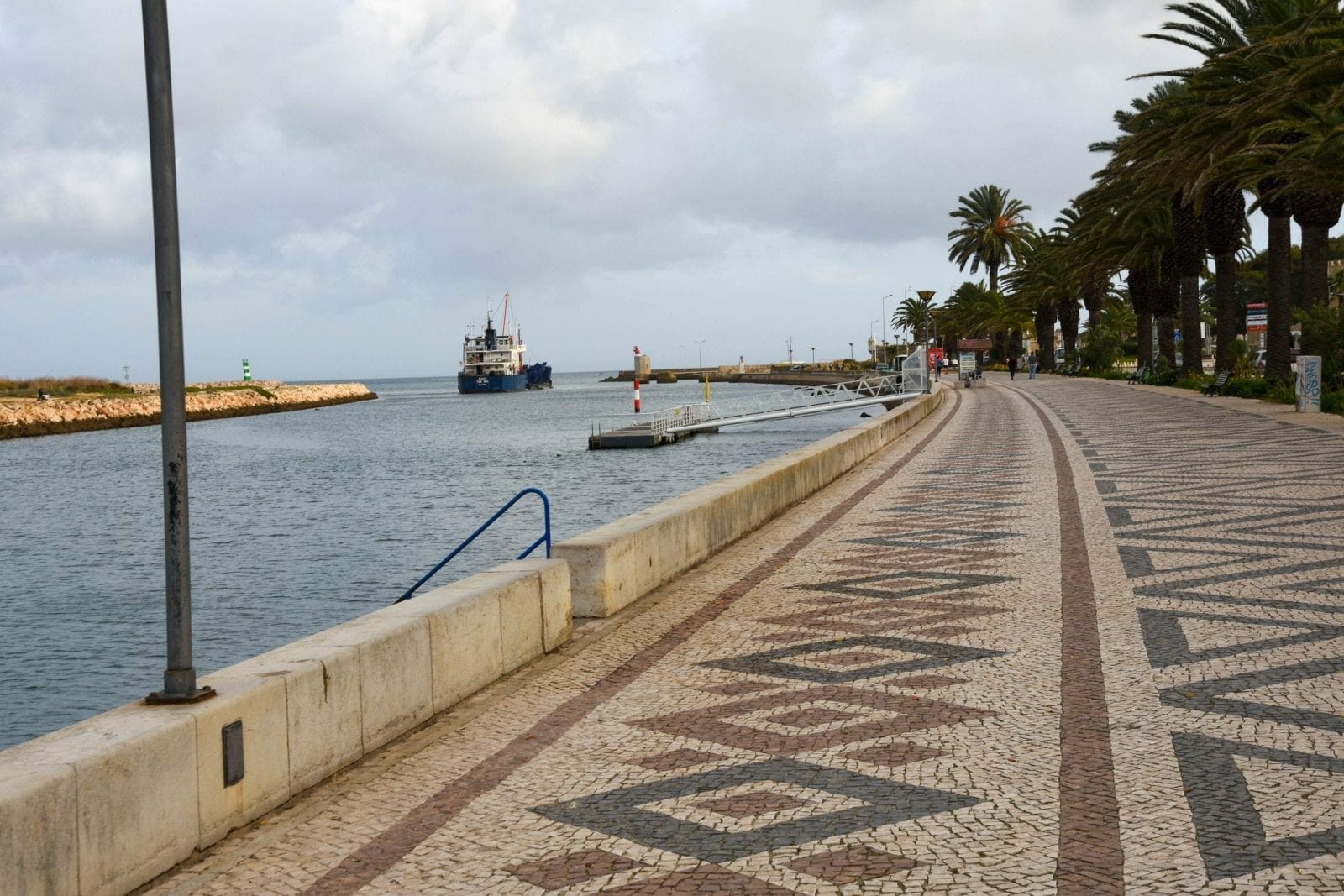
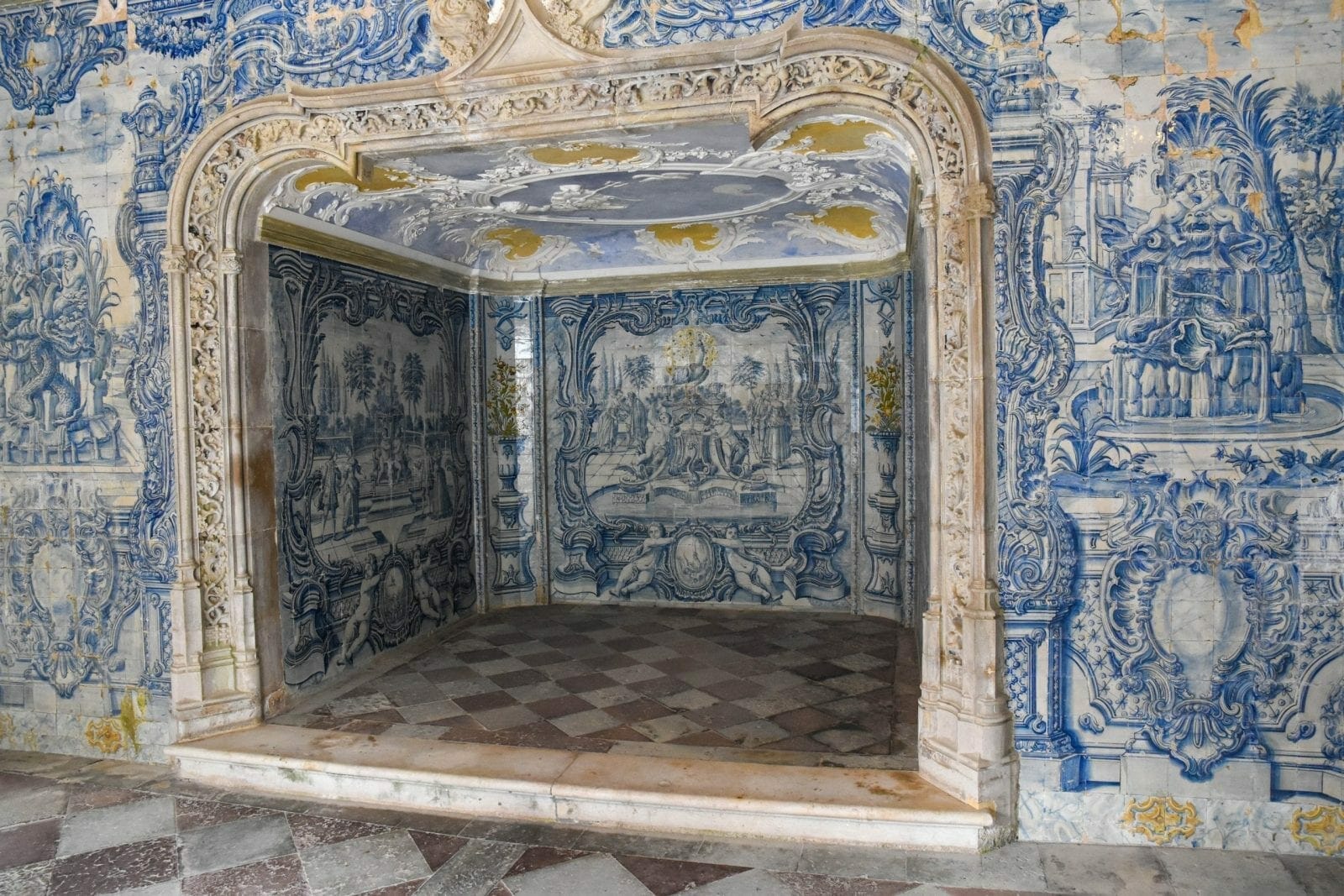
- Known as the country of tiles, you will find tiles decorating its walls, floors, and ceilings.
- Millions of pilgrims journey to Fatima each year. This Catholic pilgrimage brings 6-7 million to Portugal.
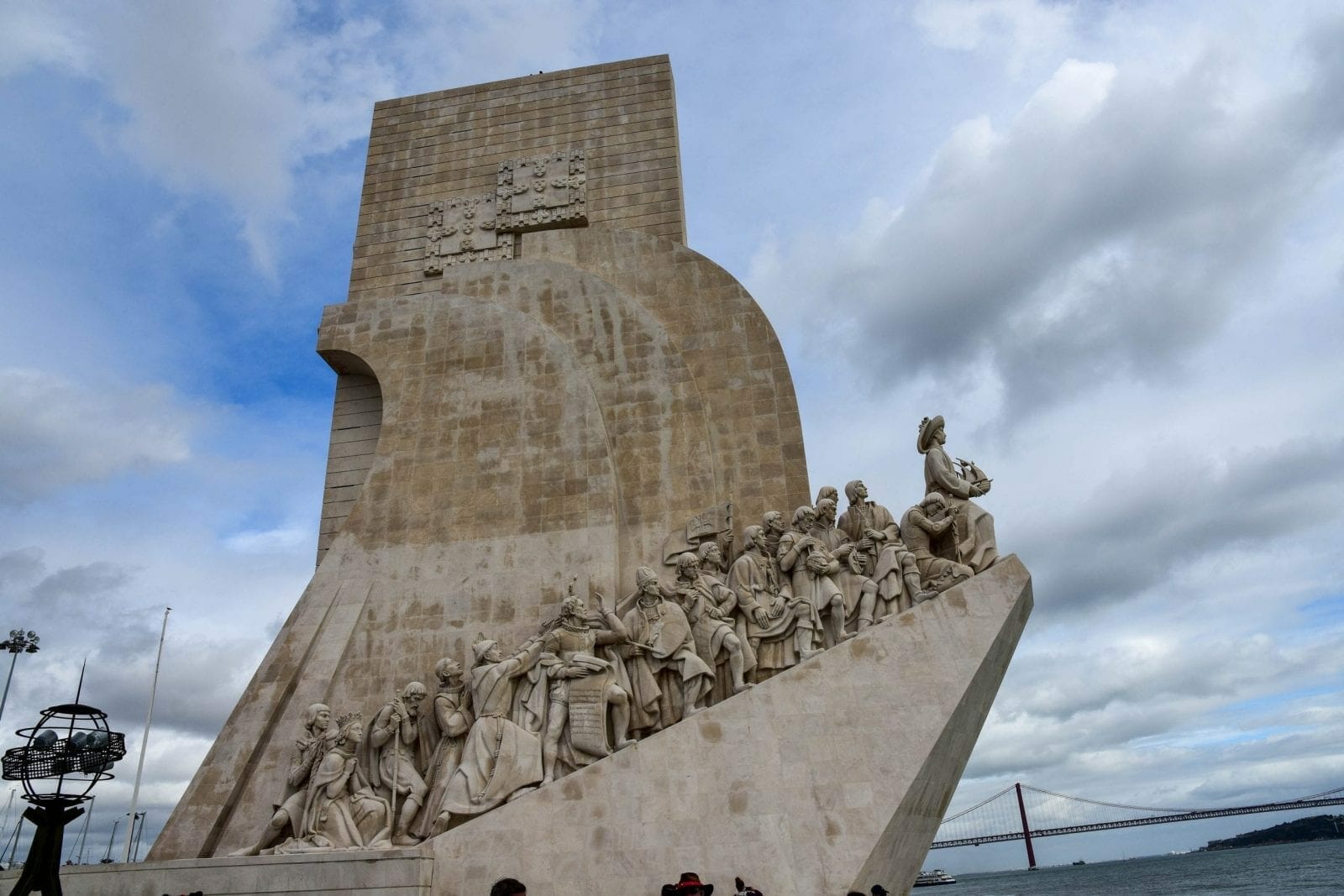
- The Age of Discovery is a period in European history from the 15th to the mid-17th century.
Portugal Map
Good To Know Before You Go
- Tipping etiquette in Portugal is a bit inconsistent, but it is customary to tip in most places. The minimum wage is relatively low in Portugal, so they appreciate tipping. We found that high-end establishments expect tips while lower-end ones do not, when the workers likely need them more. Tipping is usually between 5% and 10% at restaurants. Since food is relatively inexpensive, we always leave at least 10%. Servers tend to be engaging and helpful. Although it is uncommon in Portugal, check whether the service charge is included in the bill. In hotels, tip the bellman a couple of euros and housekeeping 1-2 euros per night. Taxis and car services expect a 10% tip. Concierge and spa services do not expect tips.
- Shops and restaurants accept credit cards almost everywhere. Have cash for markets, street vendors, and small cafes.
- The Portuguese dress conservatively. Women usually wear dresses, and men’s clothing is based primarily around a jacket and tie. People are fashion-conscious and believe that clothes indicate social standing and success. Therefore, they take great pride in wearing quality fabrics and clothes.
- The main highways in Portugal are remarkable. Wide-open, modern, and with barely anyone on them because the tolling system scares people away. Infrastructure was clearly a priority in the rebuilding of this beautiful country. The drive is often breathtaking. The signage is excellent. The speed is fast, but don’t go above it as there are cameras everywhere, and they will ticket you. We got one upon our return to the U.S. They are pricey!!! The country roads are good overall and easy to navigate. Be careful in the cities; there were spots we could barely get our car through, and we scraped it once. These are old cities with very narrow roads.
- All major roads have tolls, which has become a major issue of frustration for tourists. This is done electronically, and it seems every few miles. It is subtle, too, and you may miss it unless you know what to look for. It is small amounts each time but often. When you rent a car, make sure you get a toll pass as part of your rental. It will be based on your days, and the charge will give you unlimited use of the Toll Service. Other ways include pre-purchase credits, paying at the post office, or renting a Via Verde device. We did not want to think about it, so we had the pass added to our rental car bill, and it worked flawlessly. Portugal monitors its roads aggressively to catch violators. They will track you down while driving, and you pay on the spot with a hefty fine. Check out portugaltolls.com for all your options.
- Keep your car fueled by at least half a tank! You will discover long stretches of mountainous roads with no gas stations in Portugal, even in small towns. We had a near disaster during our trip. Heading to a castle, we forgot to get gas in the city. We weren’t too worried as we saw many small towns along the way. To our painful surprise, not one town had gas for us. After a couple of hours and 40 km to our destination in our hybrid rental car, we were down to 0 km left and had a very low battery on mountainous roads. We were coasting down the hills to give the battery a small charge while we prayed going up hills.
- On top of that, we had no cell service in some spots, and there were hardly any cars on the road either. We finally got to this nice town with a tiny two-pump station. I am sure it has limited hours, too! It was some of the most stressful moments of any trip. Without cell service, we weren’t even sure how we would call for help a hard-learned lesson that did not end in disaster. Yes, the castle was worth it.
- Portugal is full of cities with hills! We mean hills, real hills. Steep hills. We cannot say this enough: plan accordingly. Bring two pairs of good walking/hiking shoes. Swap shoes often. Our feet have never been so impacted as on this trip. Weeks later, they still felt bruised, and a Podiatrist said, what did you expect? By the way, did we mention the hills?
- The Portuguese are very family-oriented due to these strong Roman Catholic beliefs. Loyalty to the family comes before any other social or business relationship. Sundays are family days when everyone gathers to visit parents and grandparents.
- An arm’s length is usually the appropriate amount of personal space during conversations. The Portuguese tend to touch a bit when conversing with good friends and family. However, those displays are inappropriate in business or formal situations.
- It is appropriate to shake hands with eye contact with everyone present in informal situations, which generally means that you haven’t met the person before; this applies to men, women, and older children. One should shake hands again upon leaving. When greeting acquaintances and friends, you will see men embrace and pat one another on the back, and women kiss both cheeks, starting with the right.
- The Portuguese are fatalists. They have deep faith in their destinies, which they believe cannot be escaped.
- The Portuguese tend to be quite direct in their communication style. They usually tell you the truth, but not in a harsh way. They speak quickly and loudly. Their body language is conservative, as they feel it is not considered classy to be overly expressive.
- Seafood is a staple of the Portuguese diet. You will see it on all menus, and it is genuinely fresh and served with pride. Octopus is a favorite, and each region seems to have variations. In Lisbon, Joelle ordered a whole Octopus. It was an experience she won’t ever forget. When in Rome……..You can see pics of it here.
- When first arriving at your table at a restaurant in Portugal, you immediately receive some bread, mixed olives, and spreadables. This is known as Couvert and is brought as a convenience, so you don’t have to order them. Your first impression is how welcoming it is. Beware, these are not FREE; you will be charged for them if you do not want them to state it immediately. They don’t tend to be costly, but they can add up. This is done everywhere in Portugal. During our extended visit, only one place didn’t, and it was a Michelin Star restaurant in the Algarve.
- Table manners are continental. While eating, hold the fork in the left hand and the knife in the right. Do not begin your meal until the hostess says bon appetit.
- Café culture is also an important feature of the Portuguese lifestyle. They love their coffee along with pastry or bread drenched in olive oil.
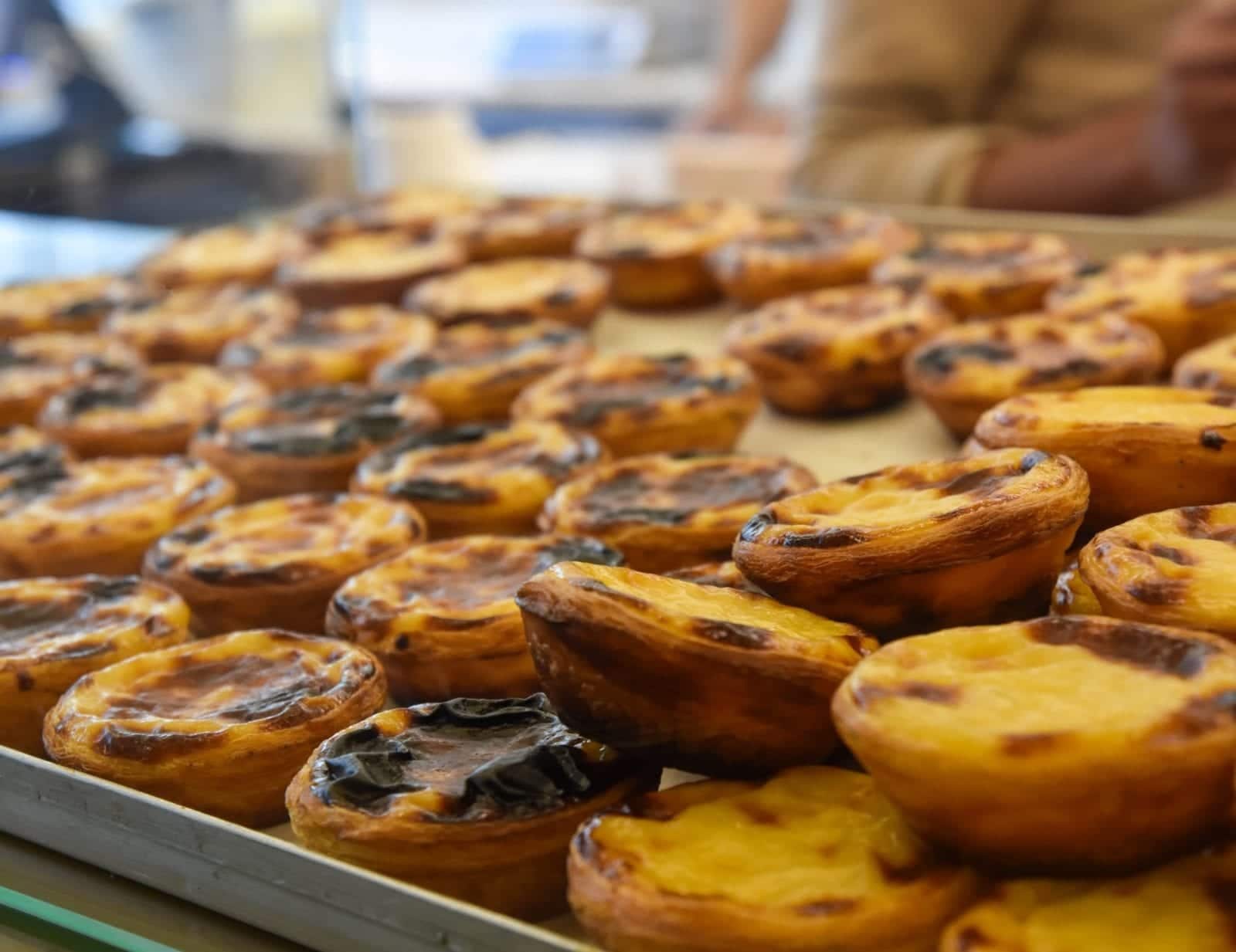
- You should seek out Pasteis de Nata, a delectable, crispy, creamy, and sweet pastry. The original home is in Belem, a district outside of Lisbon. You will find long lines, but it is still well worth a visit.
- Attending a national festival is a fantastic way to experience Portugal’s culture and traditions. Some include Carnival in February, Easter celebrations like Holy Week (“Semana Santa”), and the international sand sculpture festival in early Spring.
- Portugal is one of the world’s top surf spots, with waves year-round. If you can make the time, watch some of these talented surfers. The largest wave ever surfed was in Portugal.
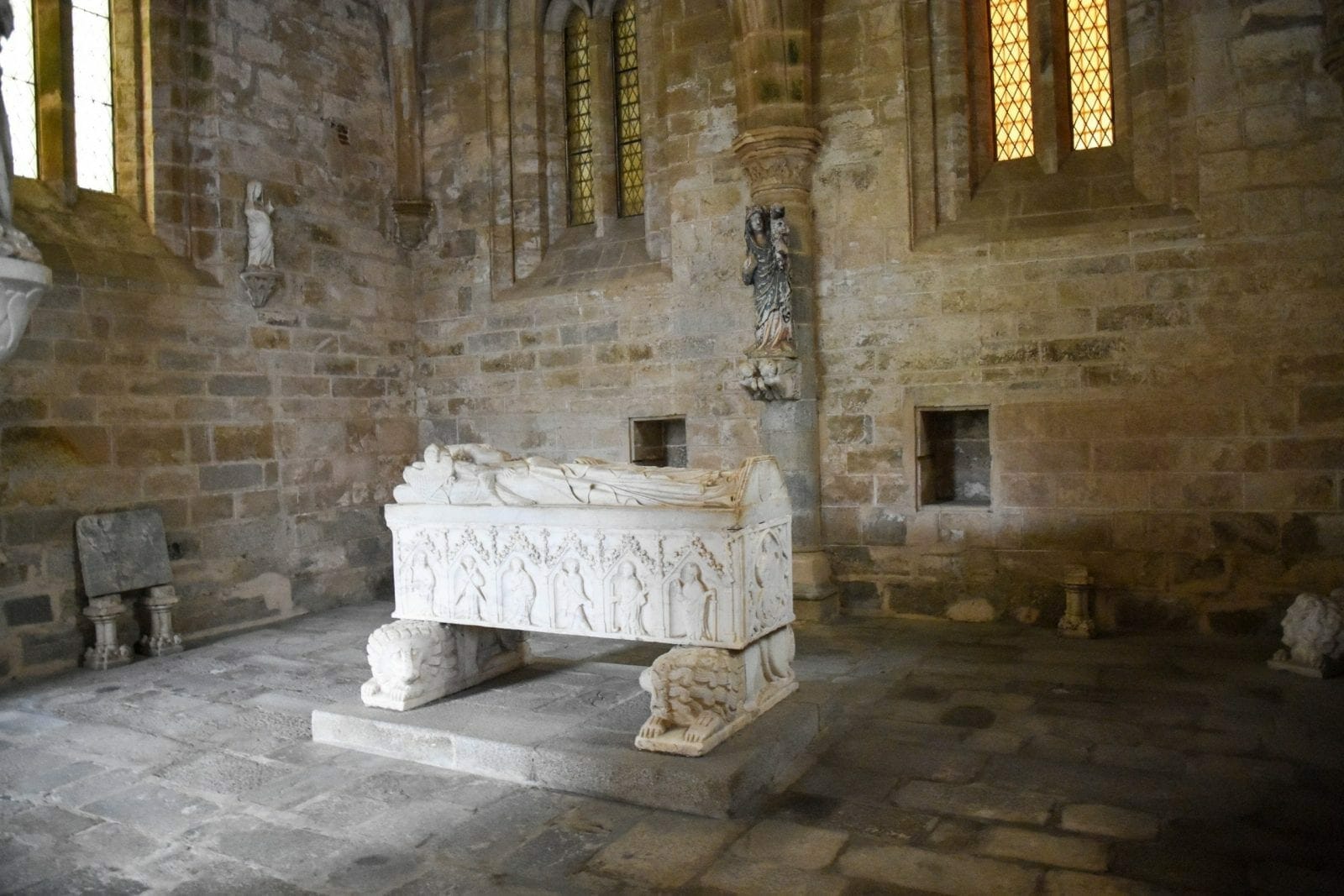
- Portugal has numerous sacred sites worth visiting; among them are the Sanctuary of Our Lady of Fátima (with the Chapel of the Apparitions, the Sacred Heart statue, and the Basilica of Our Lady of the Rosary), the Alcobaça Monastery, where the tombs of Pedro I and Inês de Castro are located, and the Cathedral of Braga, a Roman Catholic church.
- Bring flowers, good-quality chocolates, or candy when invited to a Portuguese home for dinner.
- Tourism is the backbone of this country. As a result, you will find that most Portuguese speakers speak excellent English. Learn the basics, though; you are a guest in their country.
- It is rated the 4th safest country in the world (2018).
When To Go To Portugal
Portugal’s climate is maritime temperate. It is generally cool and rainy in the north and dry and warmer in the south. There are 300 days of sun a year. It is a year-round travel destination. Summer is the peak season, and there could be lots of crowds. Since the weather is good year-round in Portugal, there is no traditional shoulder season. You will find the lowest crowds and best prices in the winter months.
Portugal has two main weather regions on the mainland, north and south of the River Tejo. Though smaller, there are also the Azores and Madeira islands. The Azores High, a high-pressure system that strongly influences the weather, brings nice weather in both winter and summer.
North of the River Tejo, along the temperate, humid Atlantic coast, winters are usually rainy, and summers are mild and dry, becoming hotter the further east you travel. Plan appropriately by packing some light rain gear and an umbrella. The region south of the River Tejo experiences a Mediterranean climate, with drier winters and hot and dry summers.
The Azores and Madeira islands have subtropical climates with year-round mild temperatures.
- Summer 62-83 °F (17-28 °C)
- Spring 52-72 °F (52-72 °C)
- Fall 53-80°F (14-27 °C)
- Winter 47-62 °F (11-16 °C)
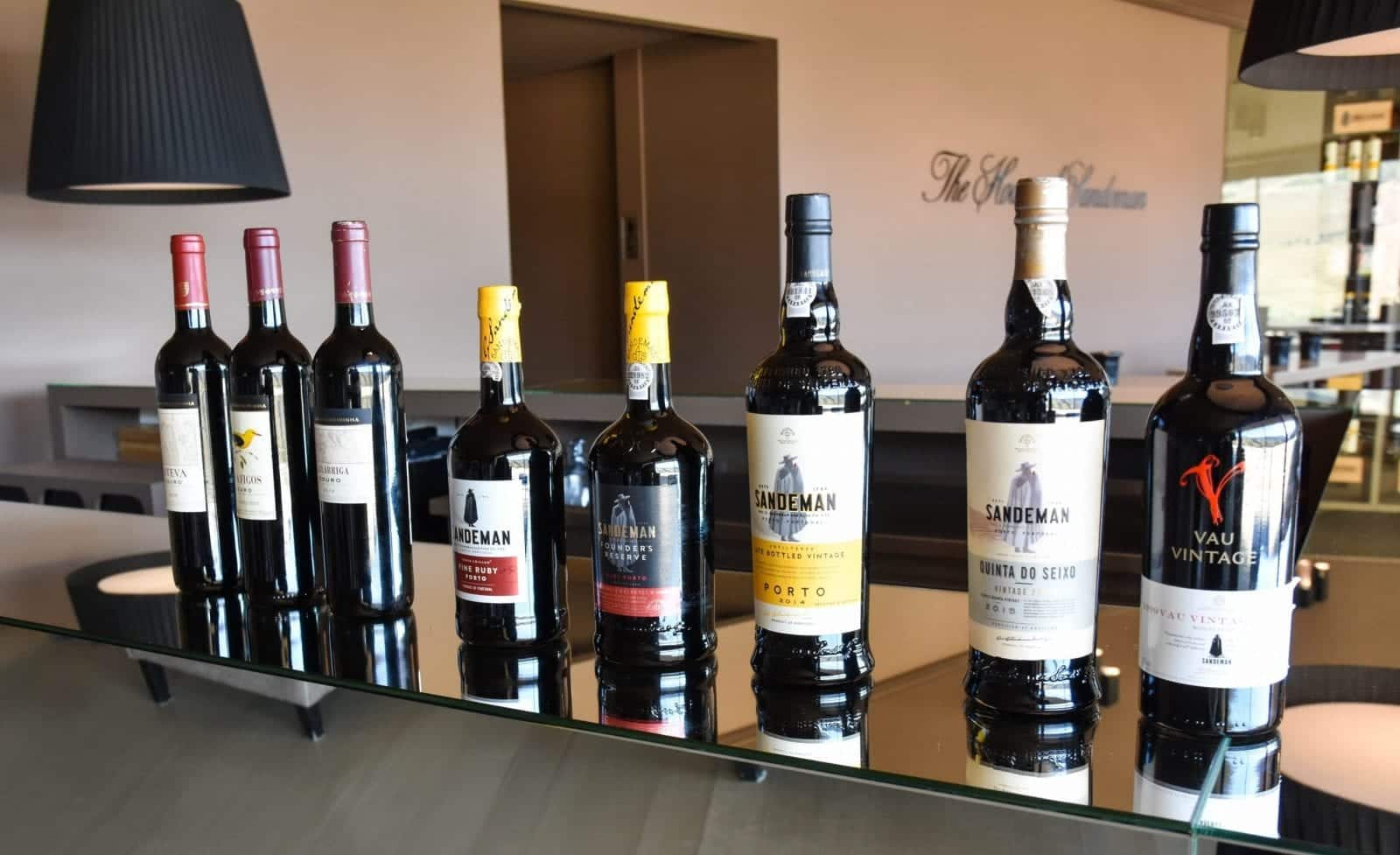
When in Portugal, in our view, the Douro Valley is a must-visit. Check out our article on where Port wine comes from
Our Favorite Portugal Resources
This resource section contains some Amazon affiliate links. If you use these links to buy something, we may earn a small commission at no additional cost to you. Thank you!
Travel Books/Guides
Portugal was part of a two-week trip that included Spain. This is a perfect combination because of their proximity. They are also very diverse experiences. This was our first trip to Portugal and Joelle’s second to Spain. We didn’t know much about Portugal, but as we researched, we realized it would be amazing. It has turned out to be one of our favorite places. The guides and tools below helped build that excitement and made for the perfect trip.
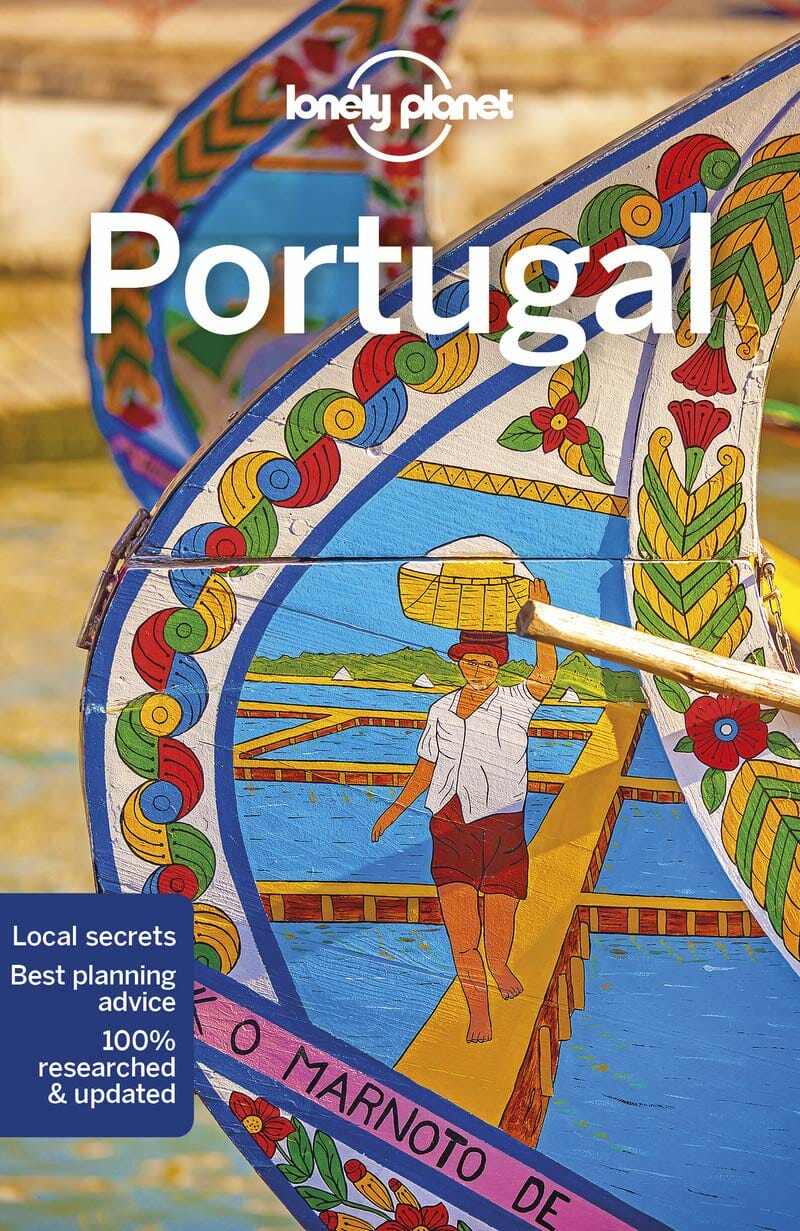 Lonely Planet’s Portugal (Country Guide) by Lonely Planet
A passport to the most relevant, up-to-date advice that all Portugal has to offer and what hidden discoveries await you. Explore the alleyways and hidden courtyards in bustling Lisbon, discover Port Houses and the rich history in Porto, and play in the Algarve beaches’ waves. Let this beautifully illustrated guide be your travel partner. Great photography and lots of details to aid in planning. Discover this travel guide here.
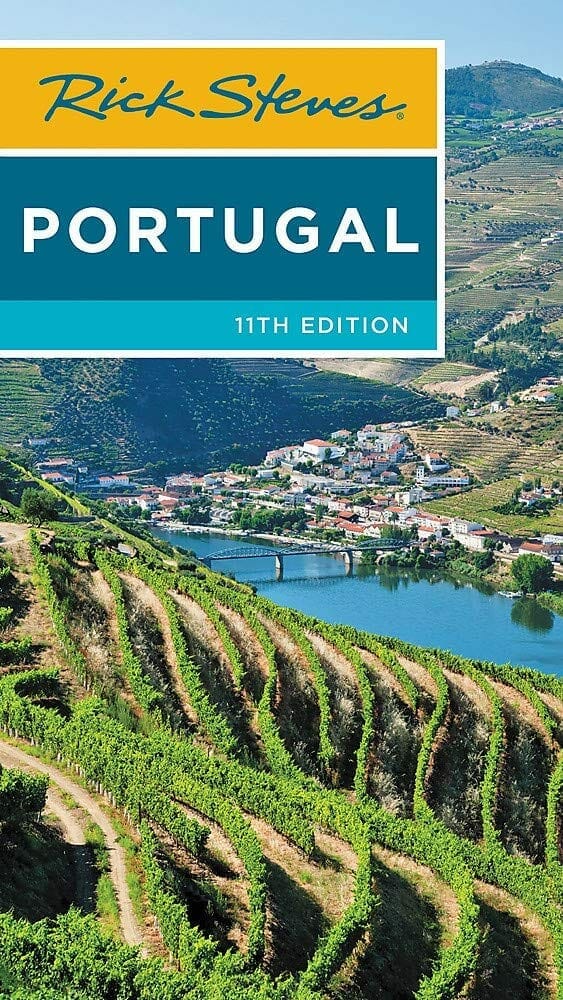 Rick Steves Portugal by Rick Steves
Full disclosure: we are huge Rick Steve fans; we rarely don’t recommend one of his wonderful guides, and boy, did we use his Portugal one. We love his travel style and perspective. His off-the-beaten-path approach and his independent travel philosophy match well with how we travel. The guides never disappoint. This book made the cut into our suitcase and was a fantastic resource. Find this must-have guide here.
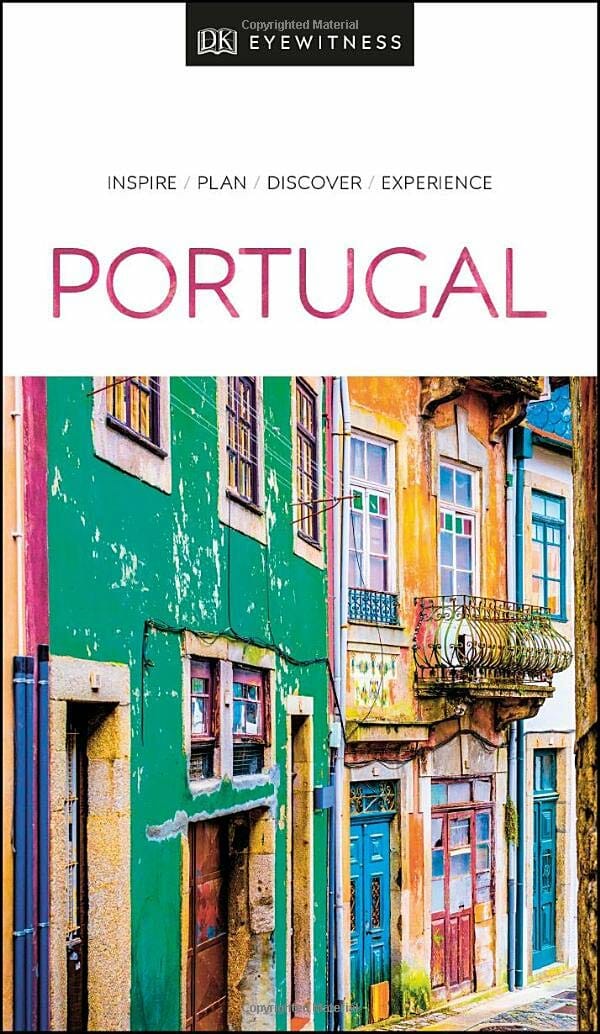 D.K. Eyewitness Portugal (Travel Guide) by D.K. Eyewitness
The ideal travel companion is full of insider advice on what to see and do, detailed itineraries, and comprehensive maps for exploring this vibrant country. Whether you’re looking for world-renowned beaches, serene hilltop villages, grassy islands, or captivating cities, everything you need to know is clearly laid out within color-coded chapters. Find this guide here.
Our Favorite Websites
2. U.S. Department of State: Bureau of Consular Affairs Portugal Country Info
We cannot encourage you enough to visit this website as you plan and prepare for your trip. This is the U.S. Federal Government addressing safety, security, travel risks, entry and exit, visa document mandates, emergency U.S. and Embassy contacts, health, local laws, special circumstances, threats, traveler vulnerabilities, government warnings, and transportation in Portugal. This is your best and most reliable resource for all this important info. Check back often before you go, as things can change quickly. Being prepared is essential for all travel, but especially for international travel.
Portugal International Travel Information (state.gov)
3. The Centers for Disease Control and Prevention (CDC) Travelers Health Resource
This CDC travel resource provides essential health info for your specific destination. Using their tool, you can determine which vaccines, medications, and health advice recommendations are needed for Portugal.
CDC’s Travelers Health Page for Portugal
Our Favorite Maps
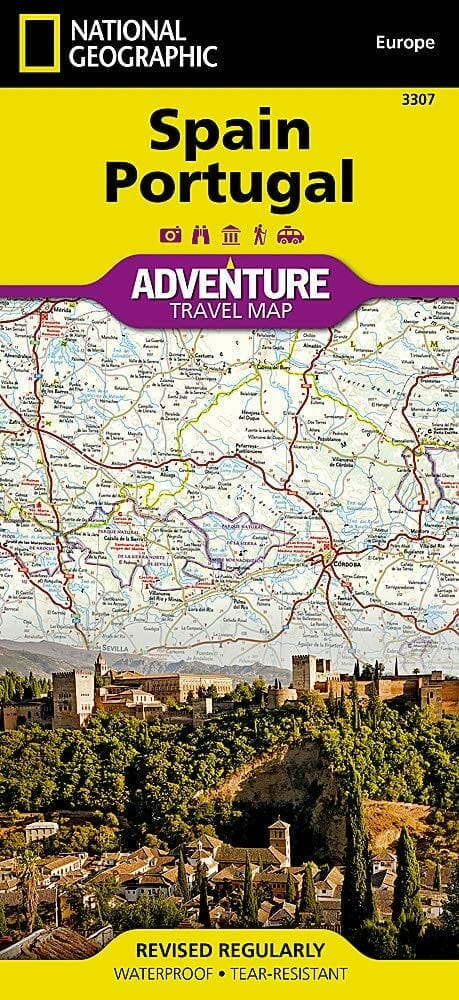 Portugal and Spain National Geographic Adventure Map, 3307
Easy-to-read maps with practical road and travel information. These maps are meant for the adventure traveler. Major sites and landmarks are well-marked. Mapped road network with distances and designations for major highways to the off-the-beaten-path roads. Waterproof and tear-resistant, it holds up well. Great for planning your route before your trip. Though we default to Google Maps, it came in handy when service was poor or when construction detours were in place. Find this essential map here.
Our Favorite Apps
Google Maps Trip and Holiday Organizer. Enter any address, landmark, or city in the app, and it will instantly display all your travel options and booking info, along with accommodation providers and things to do. We love it when using public transportation; it is spot on! Find it on your local app store.
Duolingo-Language Lesson: Audio lessons that help improve your listening and speaking skills. Find it on your local app store.
Rick Steves Audio Europe: This App includes a vast library of Rick Steves’ audio content. Get cultural and travel info. Includes self-guided tours of top attractions and historic walks. Amsterdam options. A must-have. Find it on your local app store.
Portugal News English Portugal news and radio. Learn what is happening before you and while there. Find it on your App Store.
Google Translate: We often use this to practice the proper pronunciation of Portuguese words. As we always encourage, learning the basics of greeting and thanking people in the local language is essential. Google Translate was an easy app to use. If needed, you can enter text in English, and it will speak back in Portuguese to help you communicate with locals. Furthermore, it came in very handy to translate text into images instantly.
Do you have a favorite Portugal travel resource? Share your favorites in the comments section at the bottom of this page or
Explore our Portugal Stories
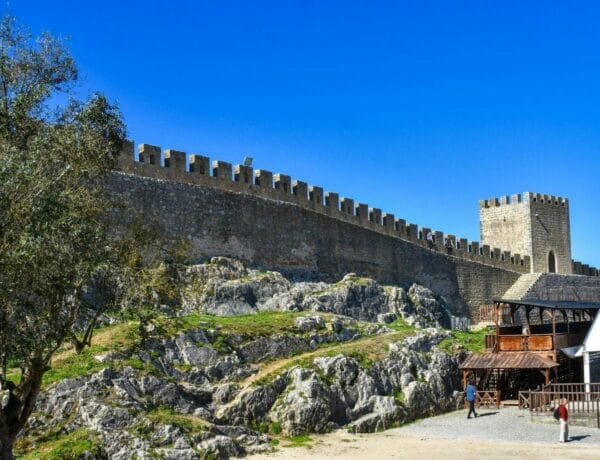
Obidos: Portugal Perfection
March 19, 2026
Ginja de Obidos: A Tasty Portuguese Delight
October 9, 2025
Top 5 European Destinations: Ideal Living Spots for Remote Workers
September 11, 2025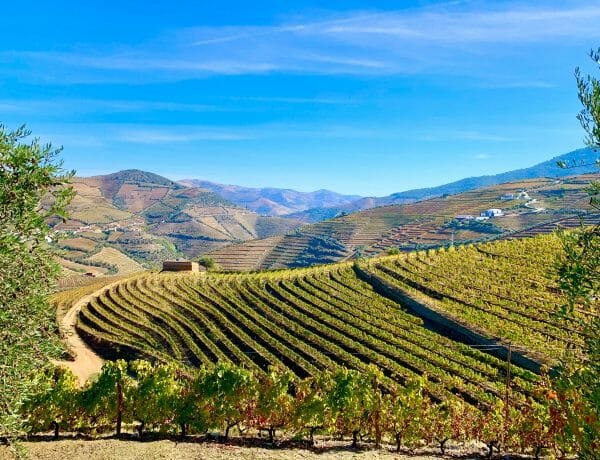
Port: A Beloved Portuguese Tradition
August 21, 2025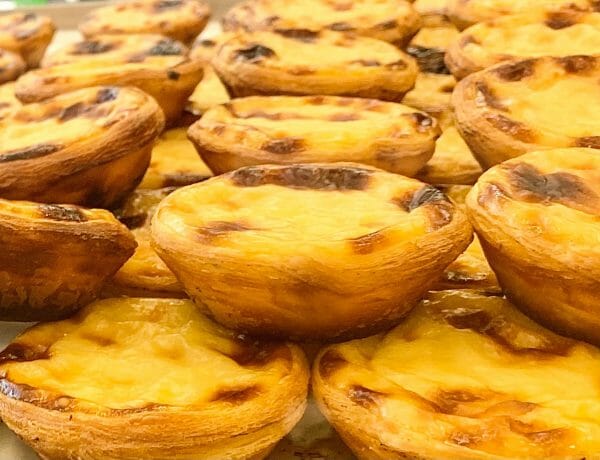
Pastel de Nata Recipe
August 16, 2025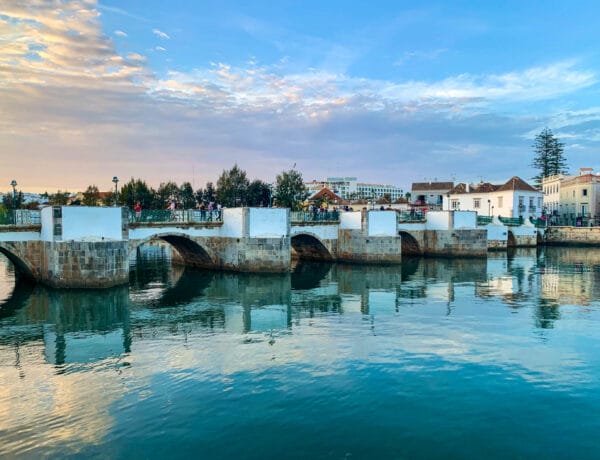
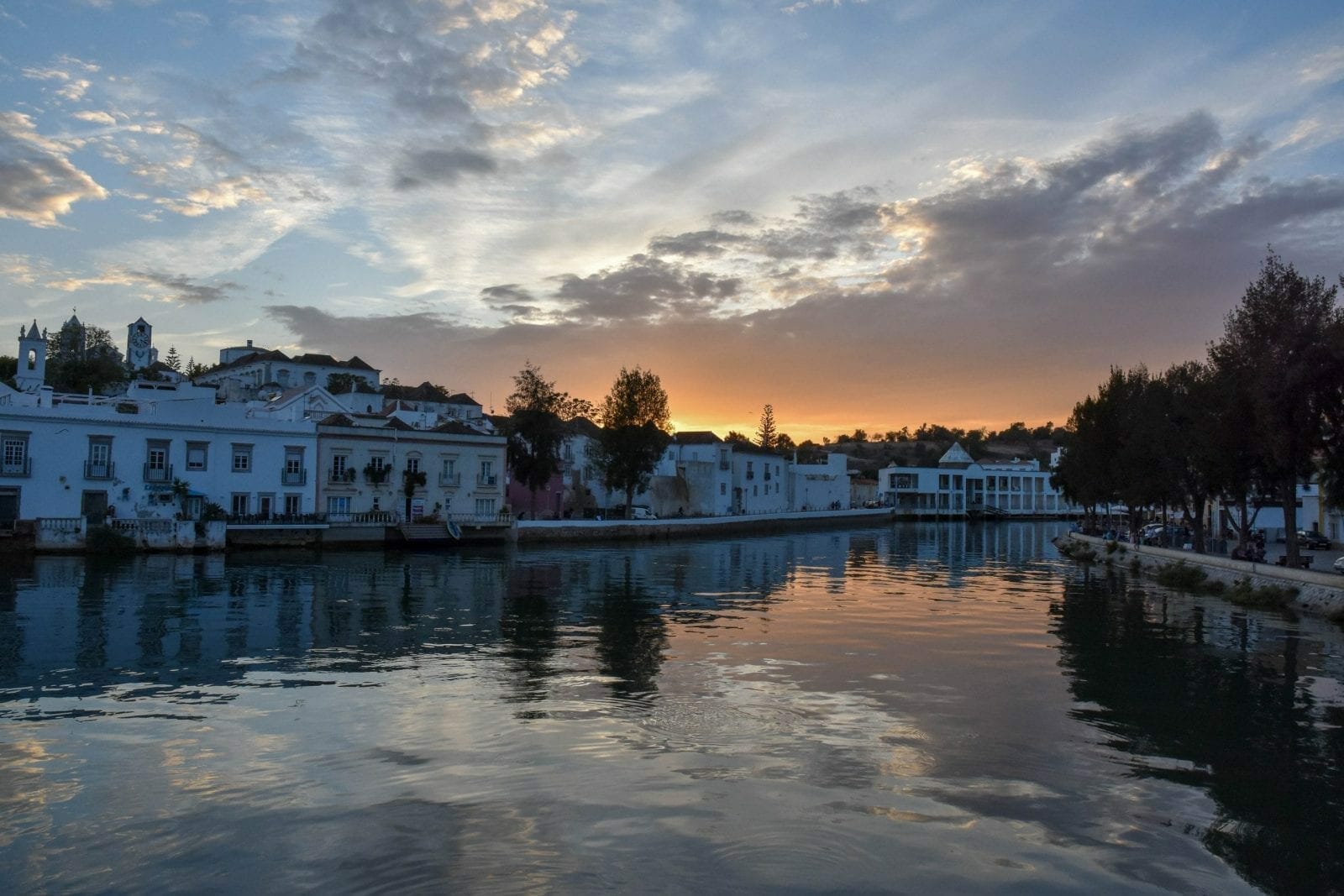
Tavira Portugal: Suberb Mix of Tradition & Nature
April 12, 2025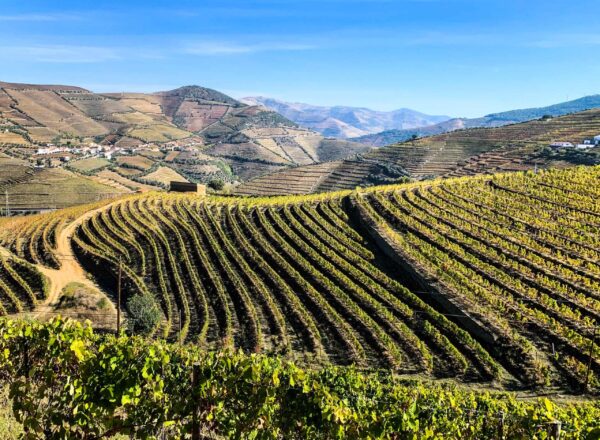
© 2026 Wanderers Compass All Rights Reserved
Flights, Accommodations, and Everything You Need to Book in One Place
Are you planning a vacation this year? Start your research early to explore your options and find what fits your budget. By booking your own travel, you’ll uncover great deals and have complete control over your itinerary. The links below can be used for all elements of your trip, not just accommodations.
It is essential to price out accommodations on various sites. Expedia is a US-based company, whereas Booking.com is a European company. Not all properties appear on both, so it is best to check both. Our personal first choice is Booking.com. If the establishment has a website, check the price there as well. Click the link below to check out hotels and vacation homes in the area. It may be just the motivation you need to start planning that next grand adventure.
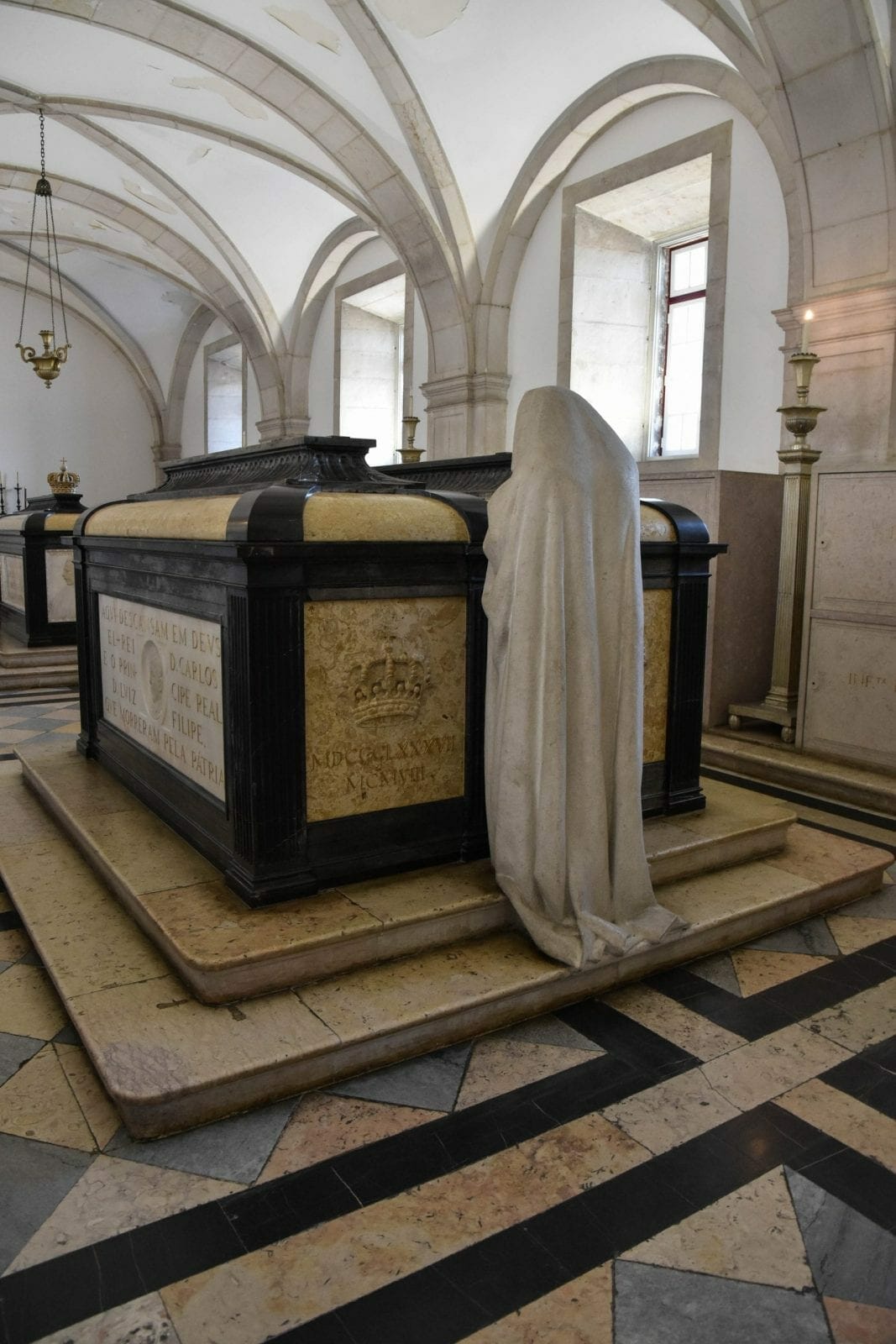
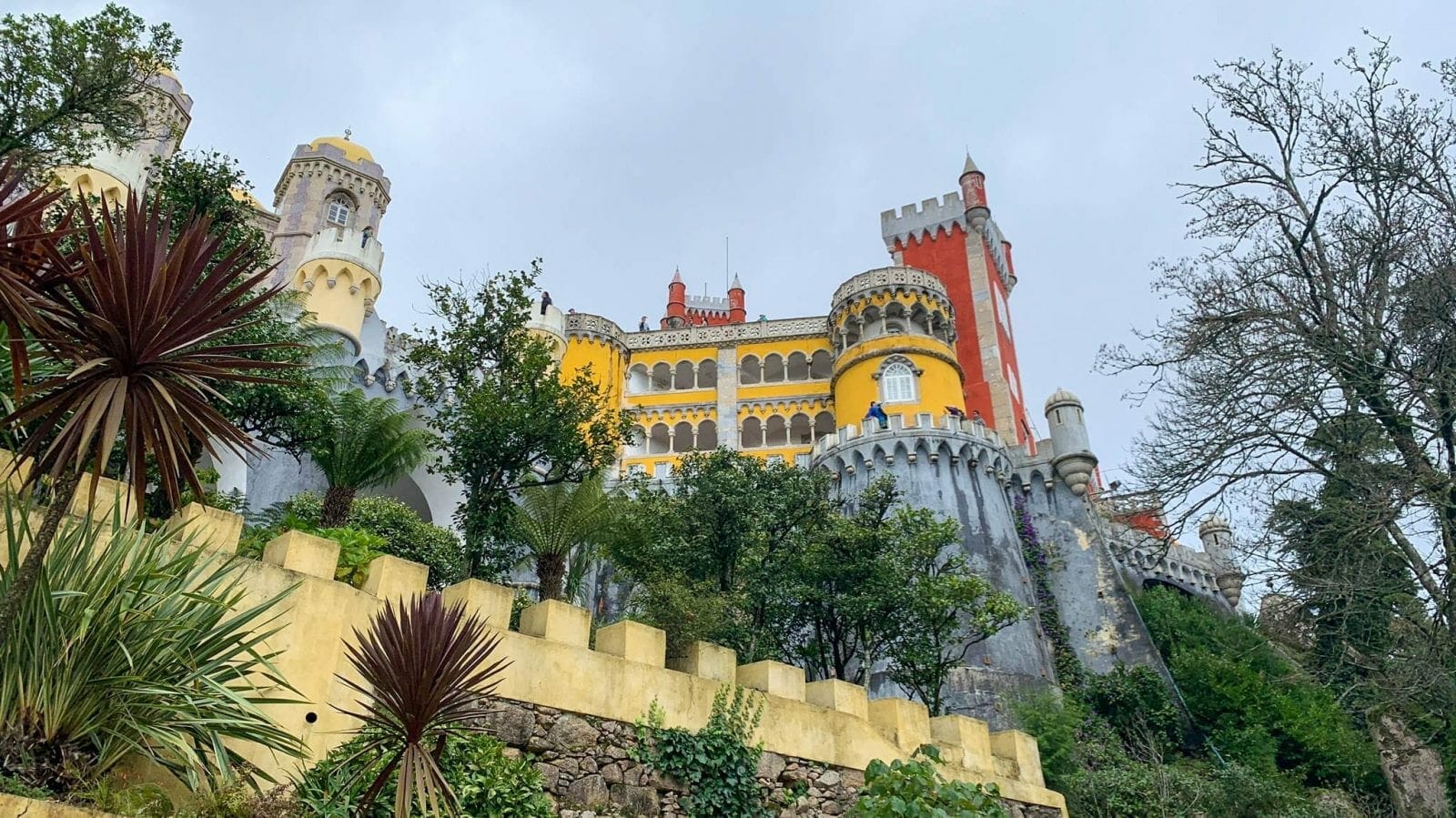
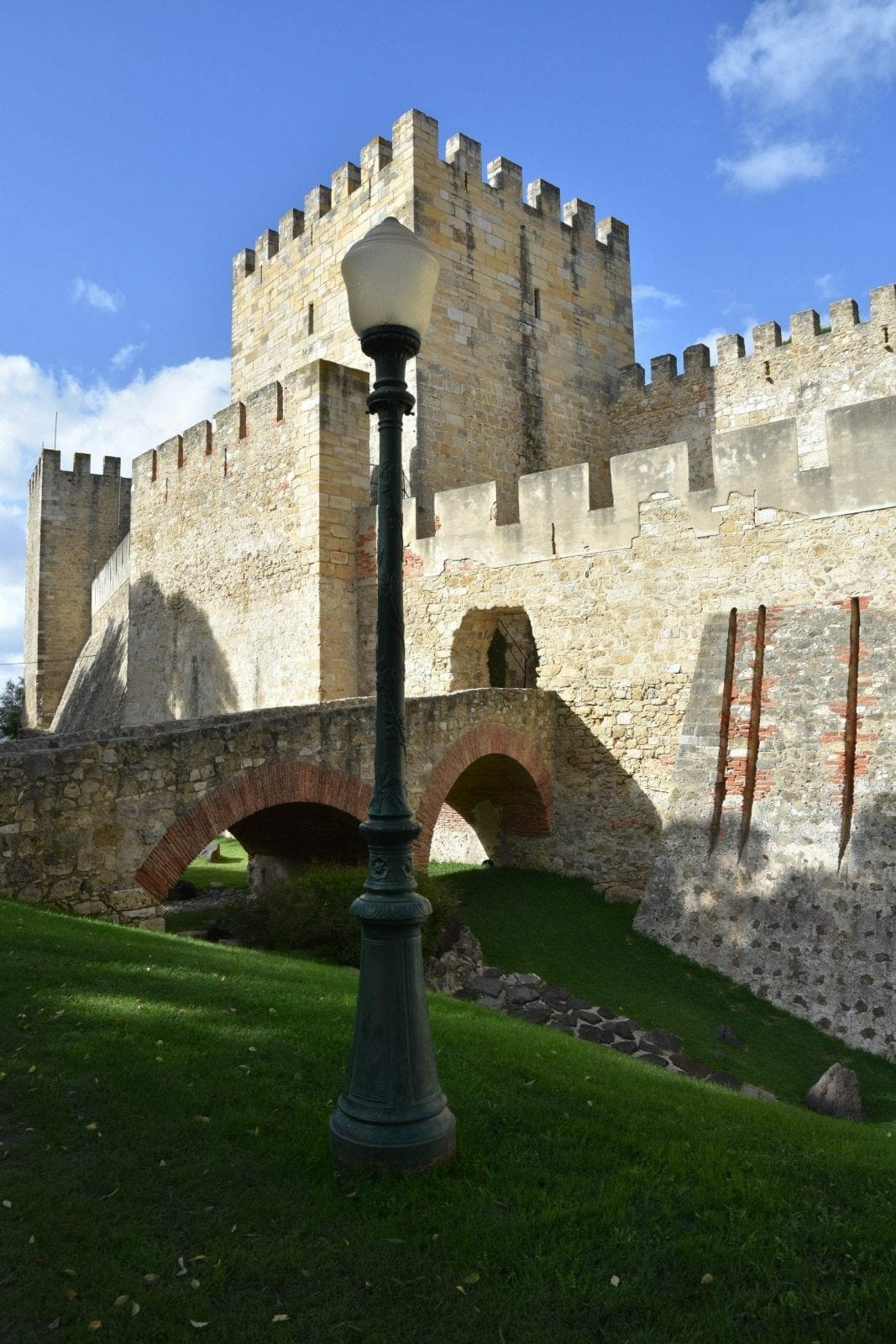
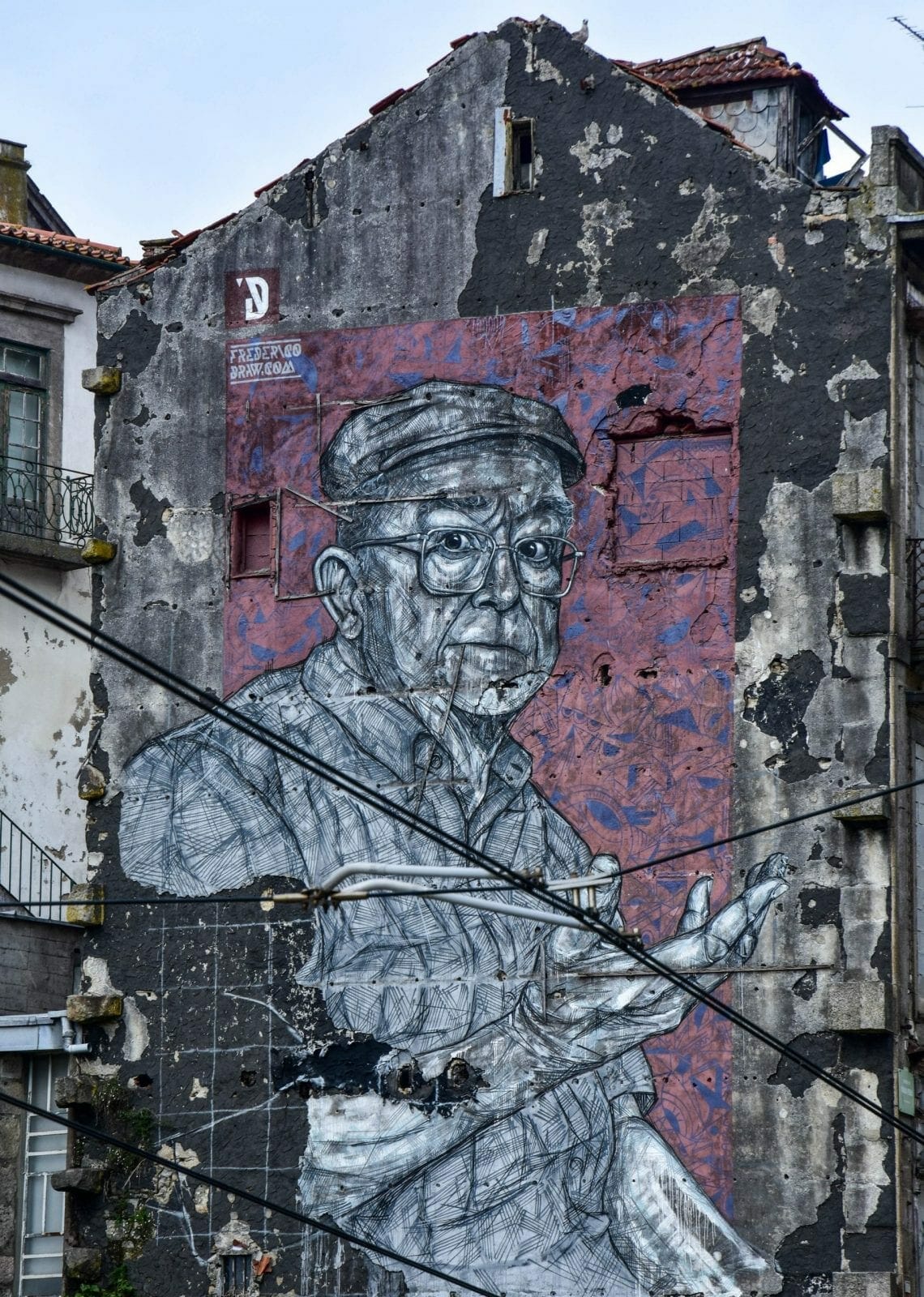
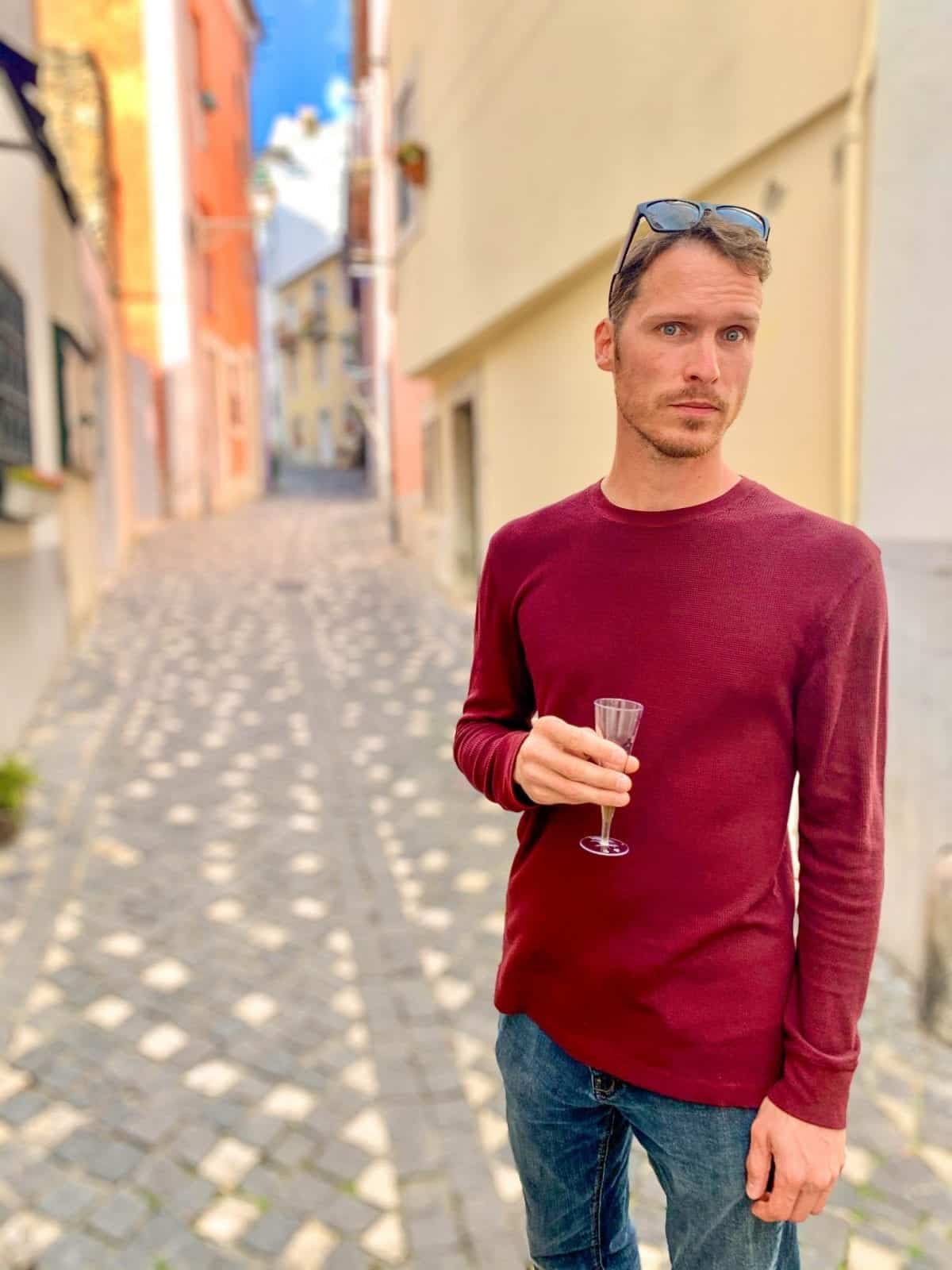
Our Portugal Gallery
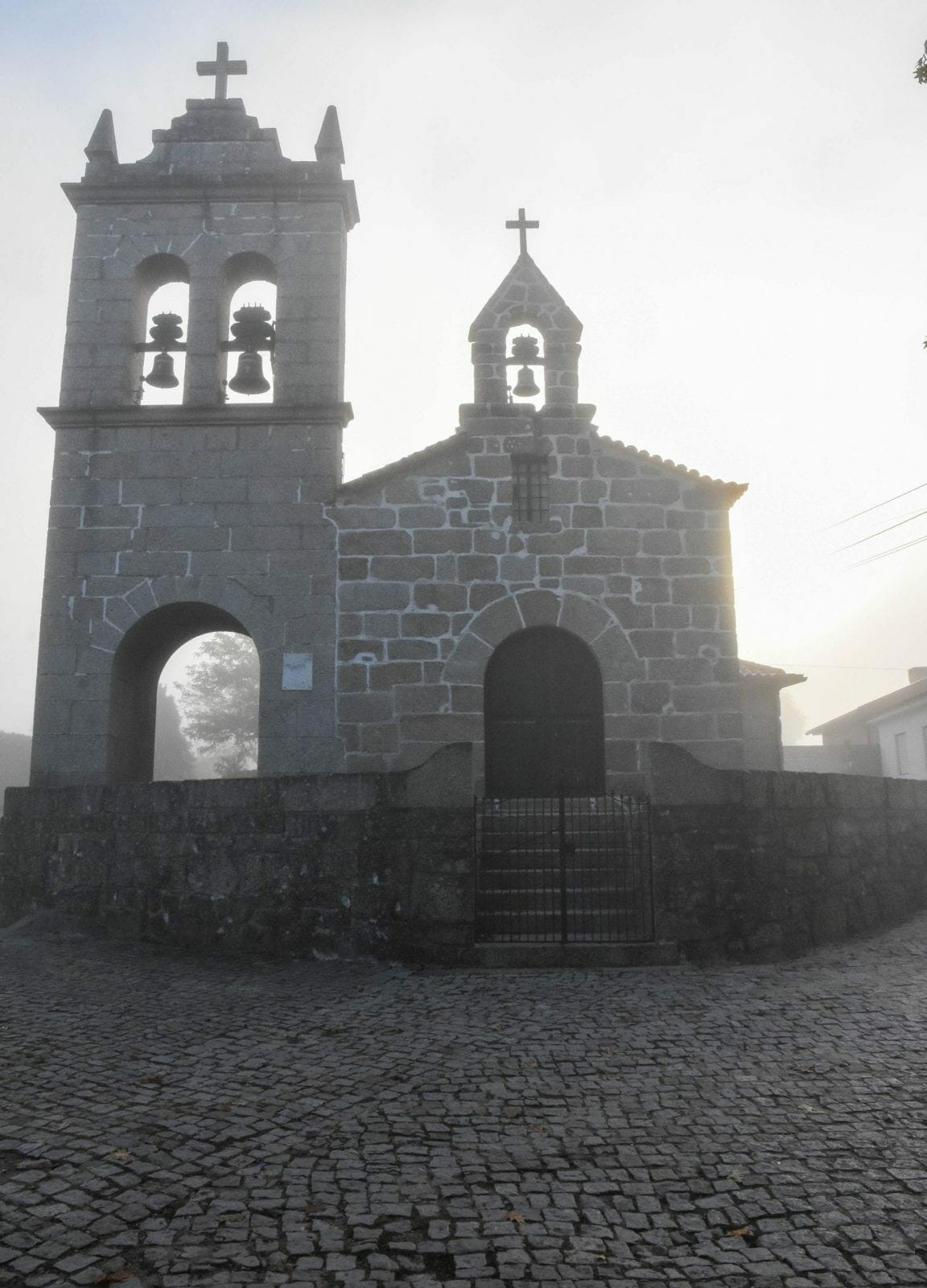
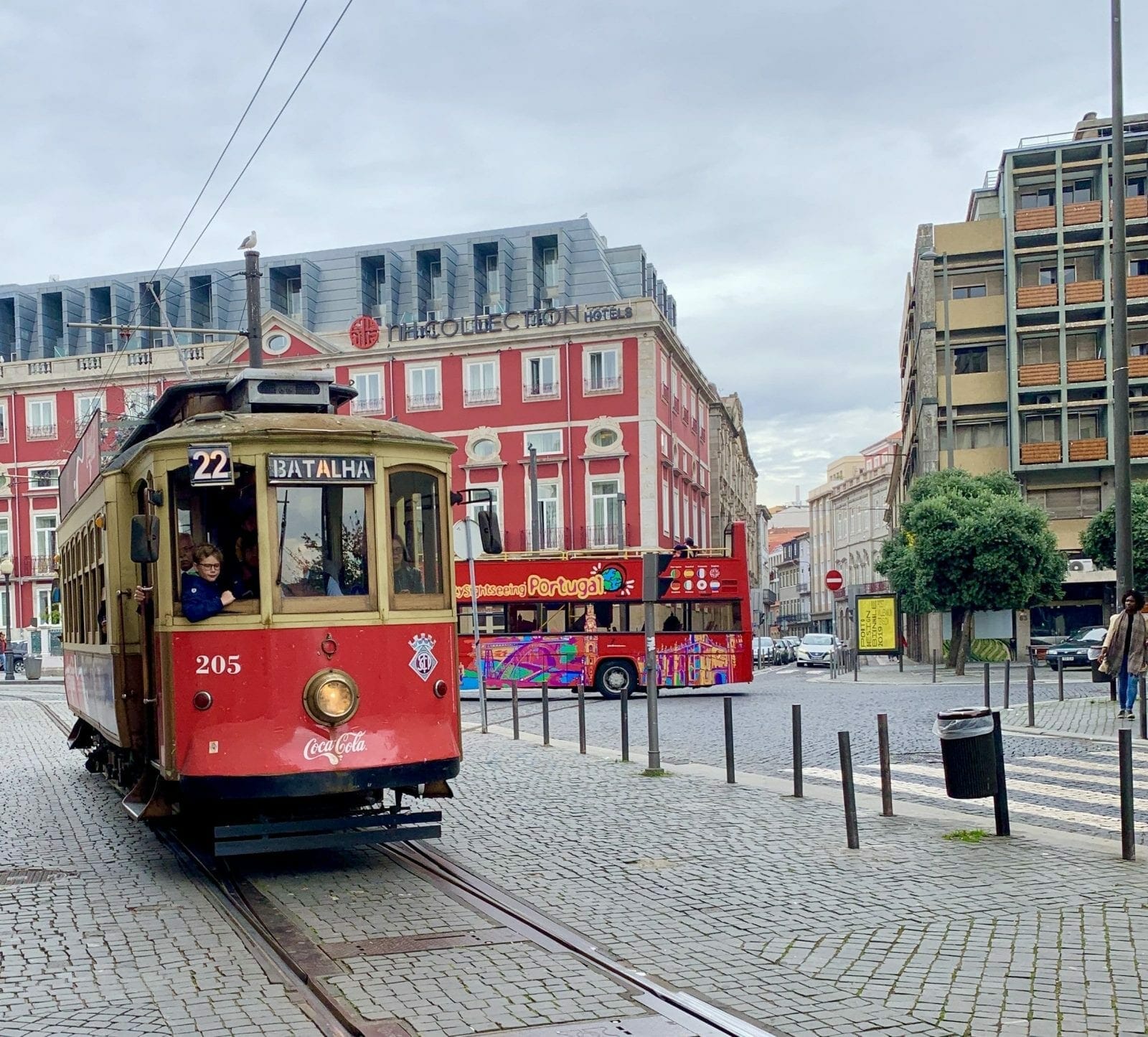
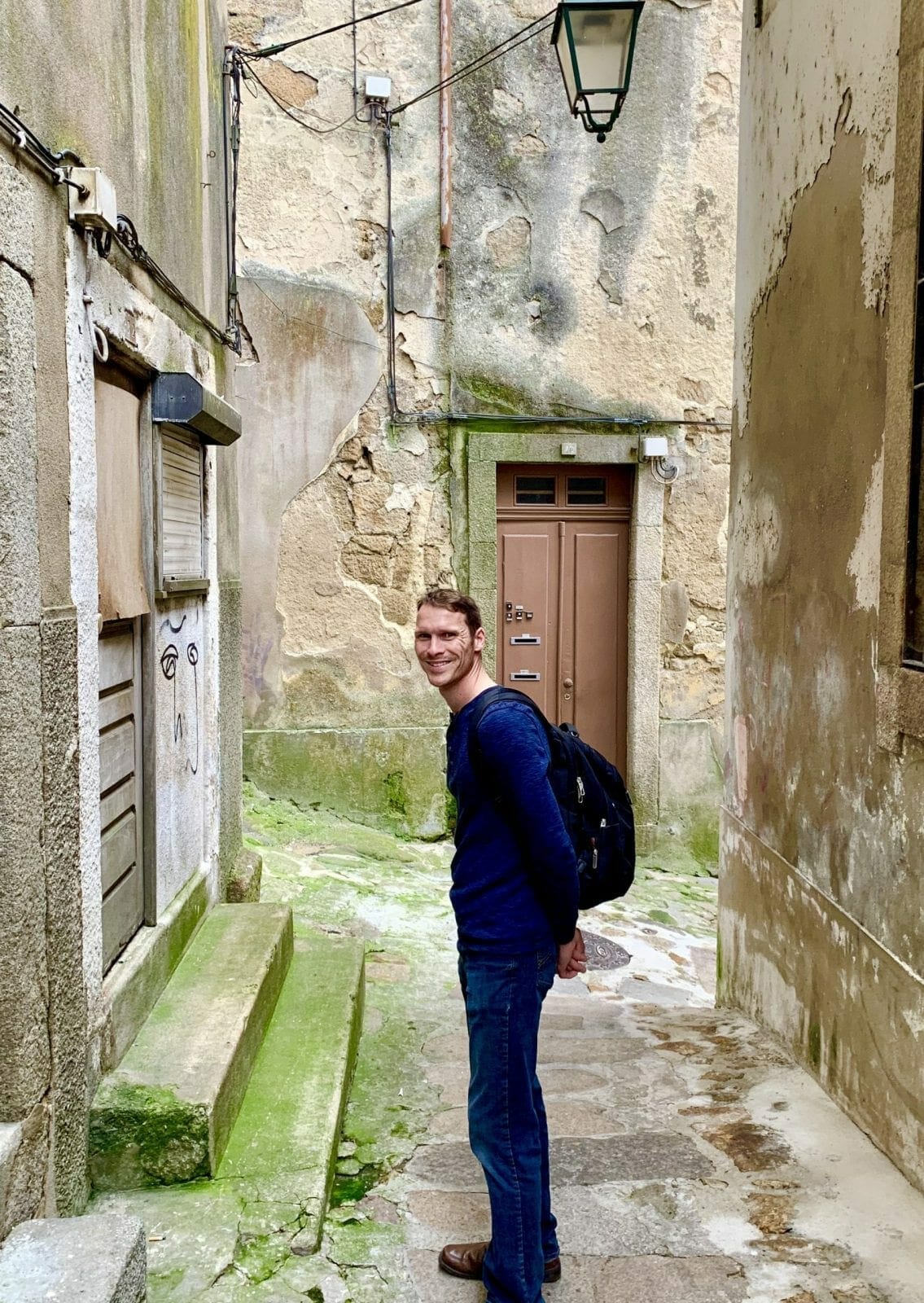
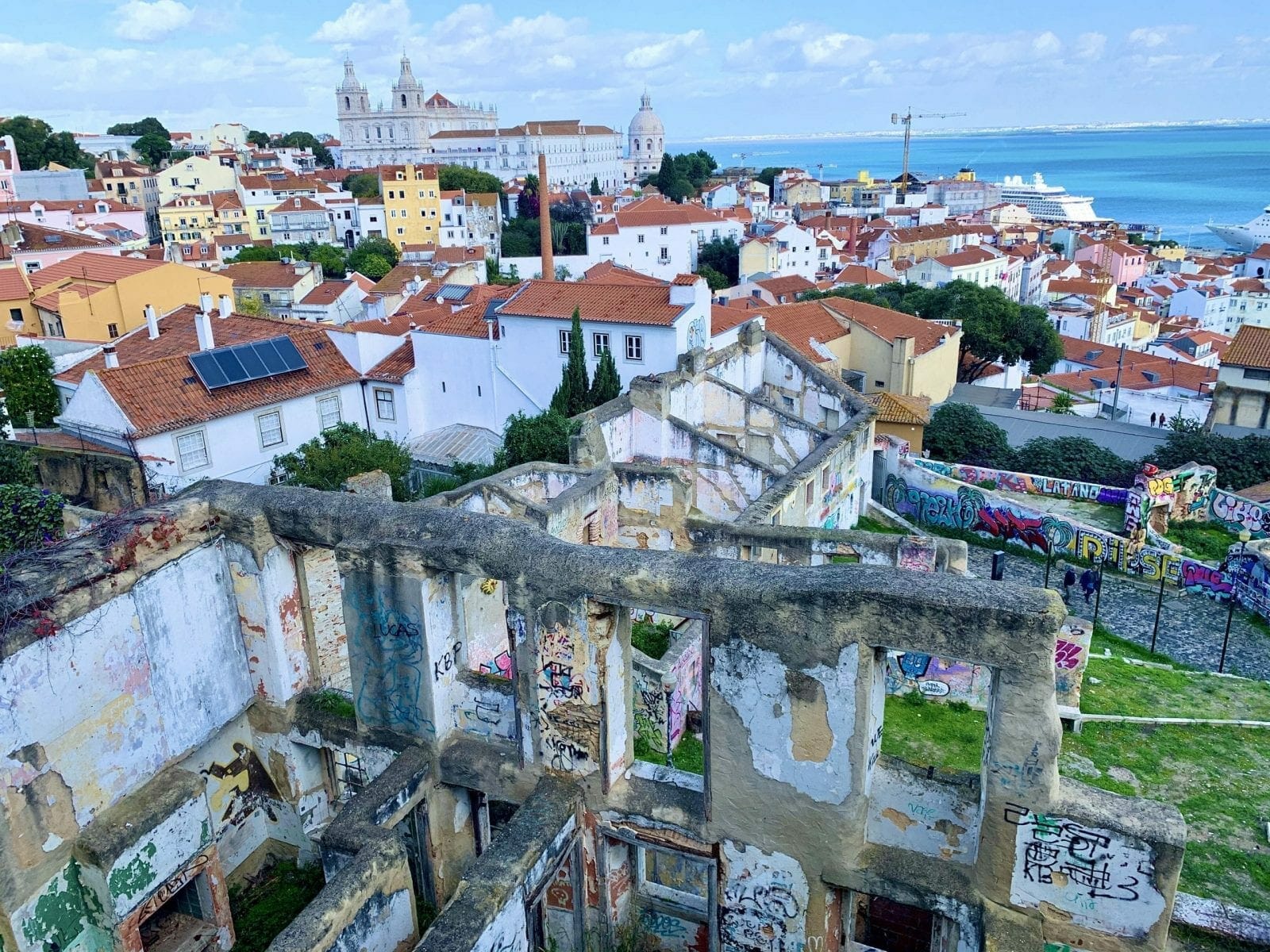
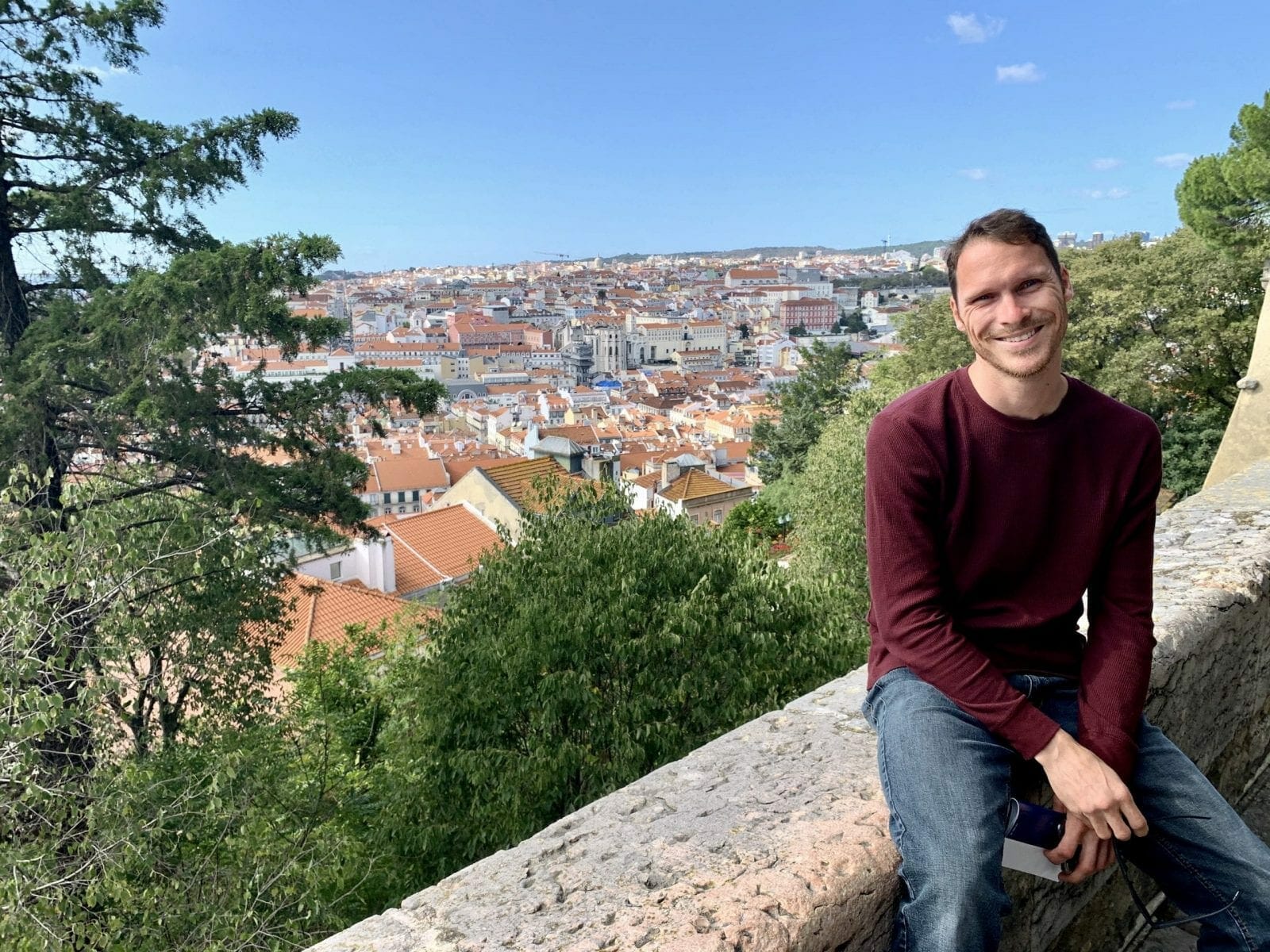
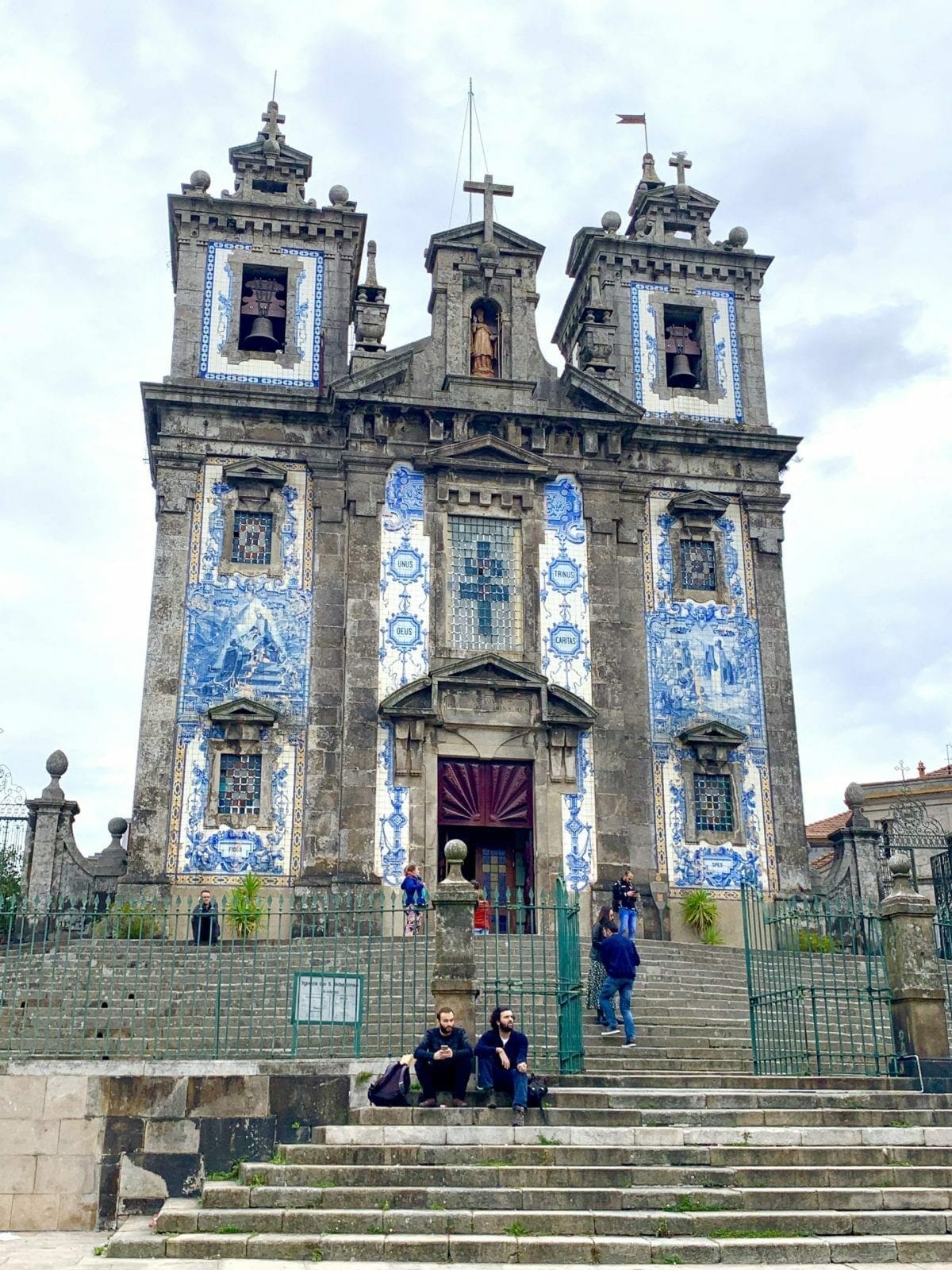
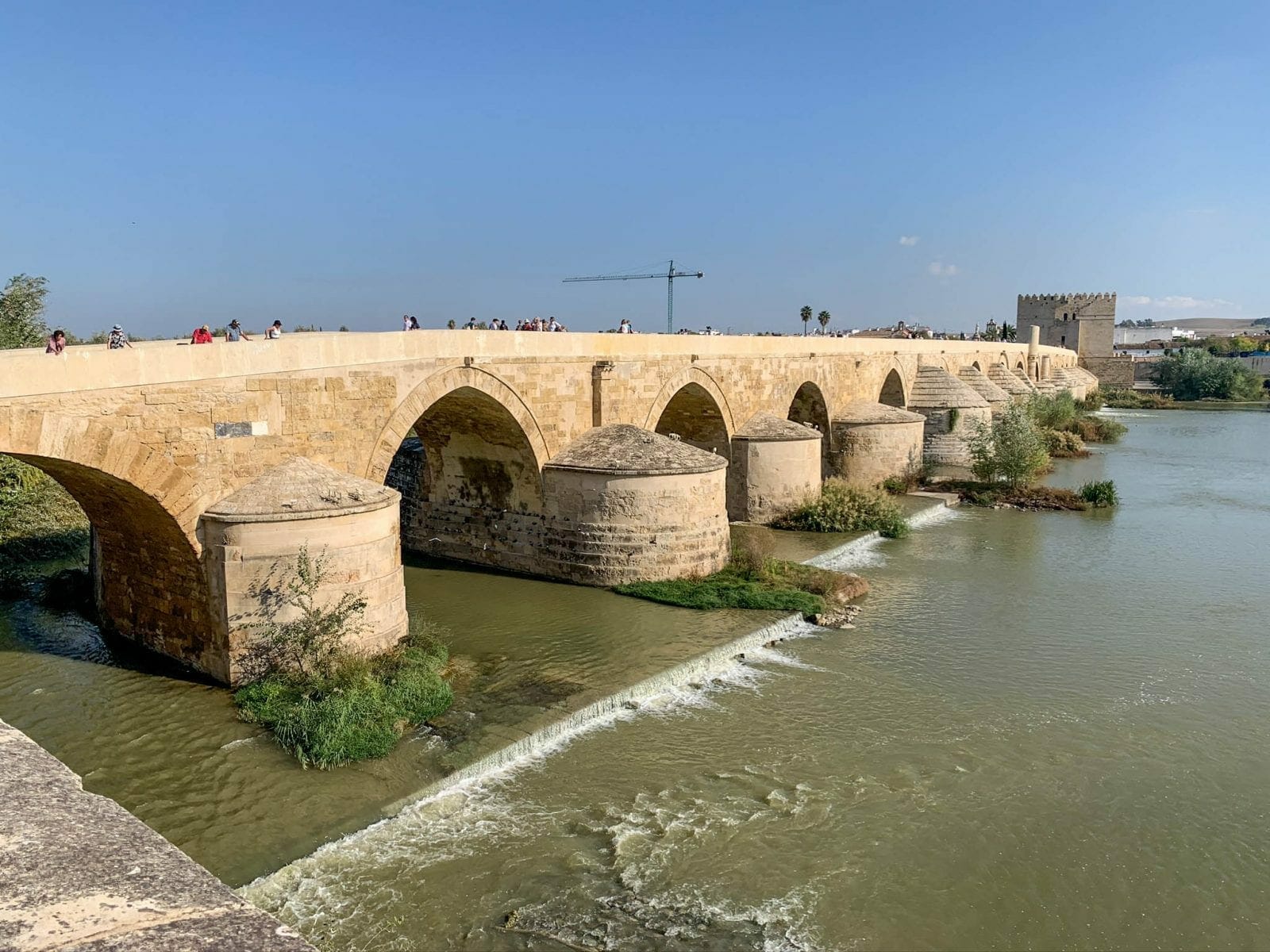
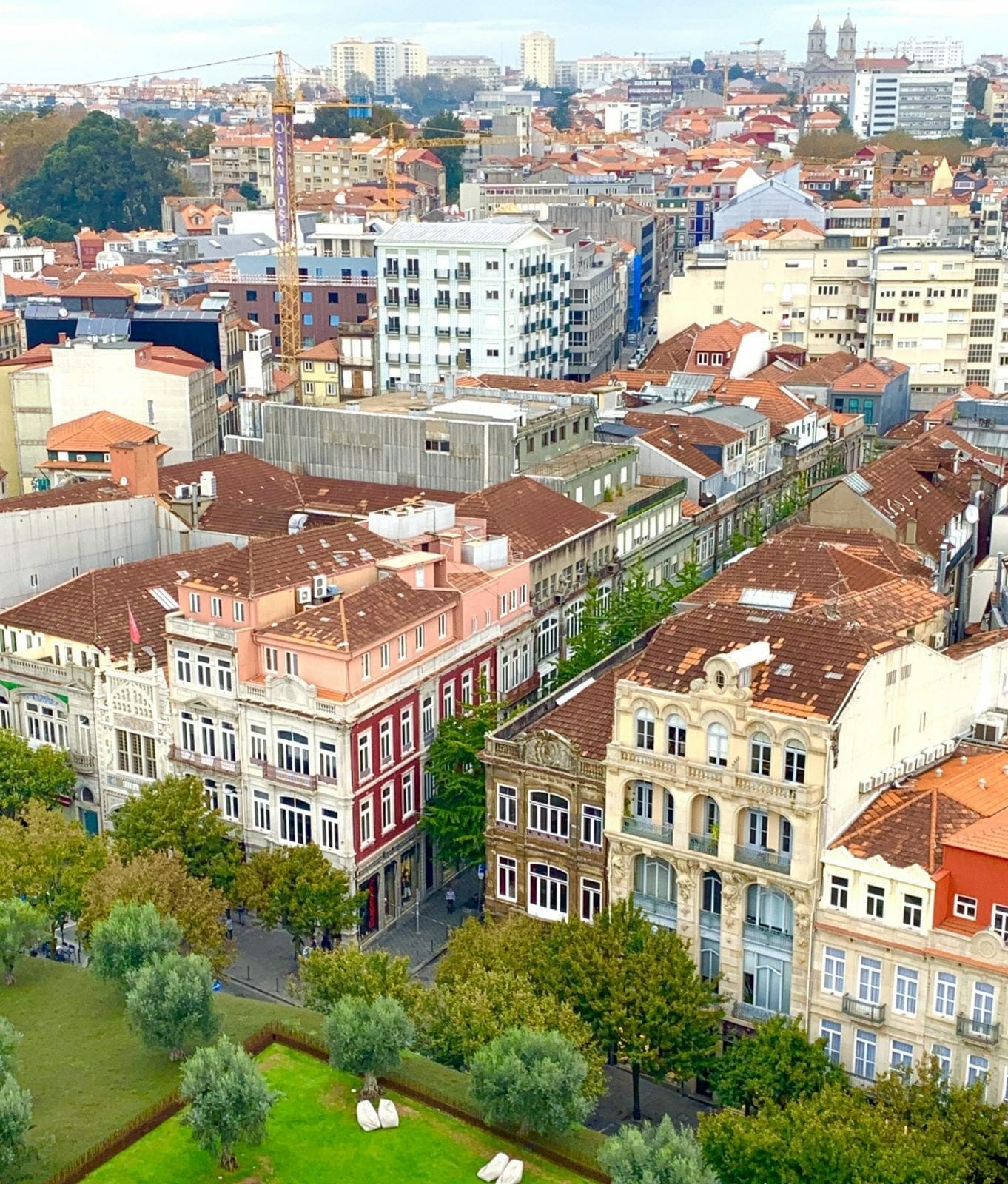


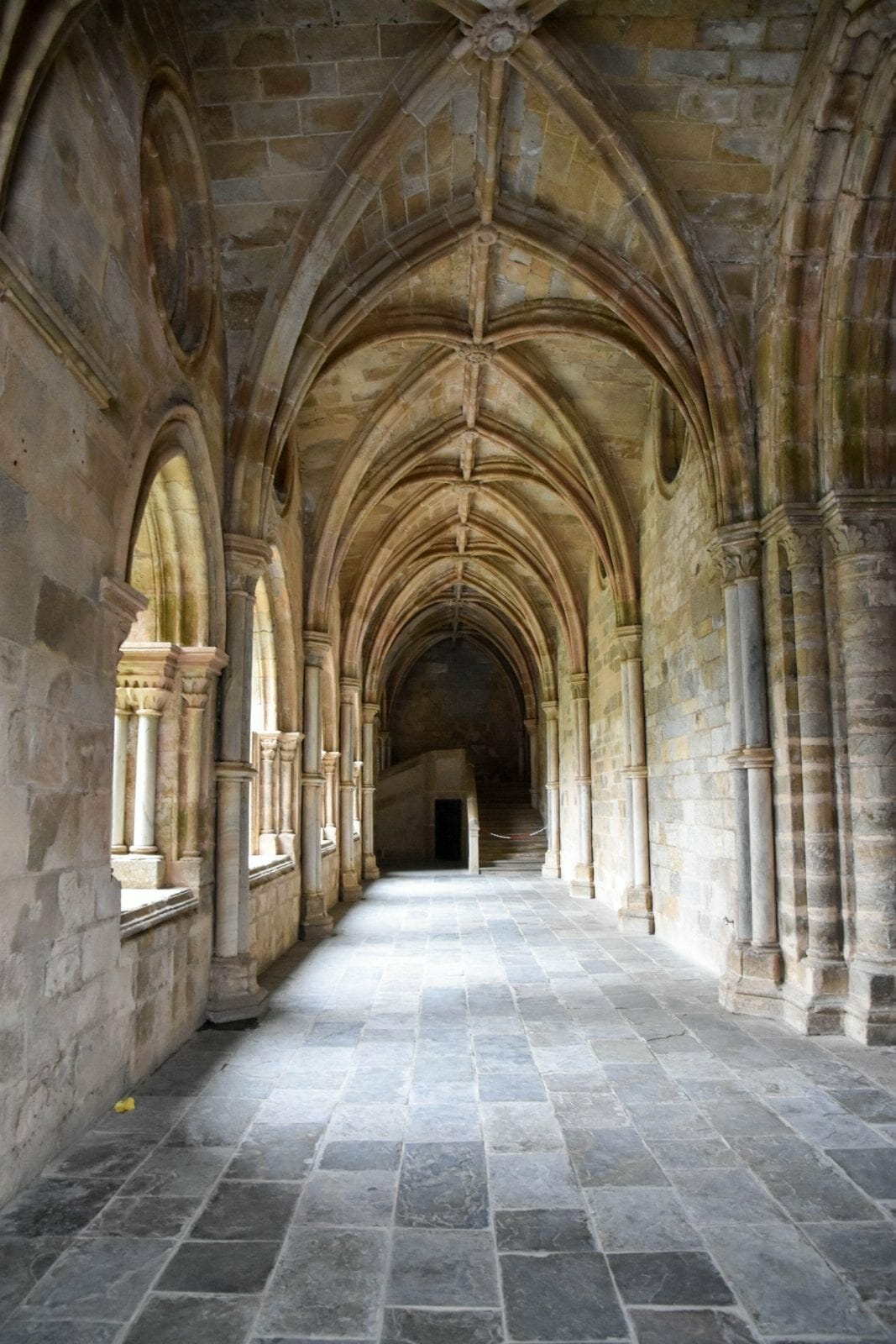
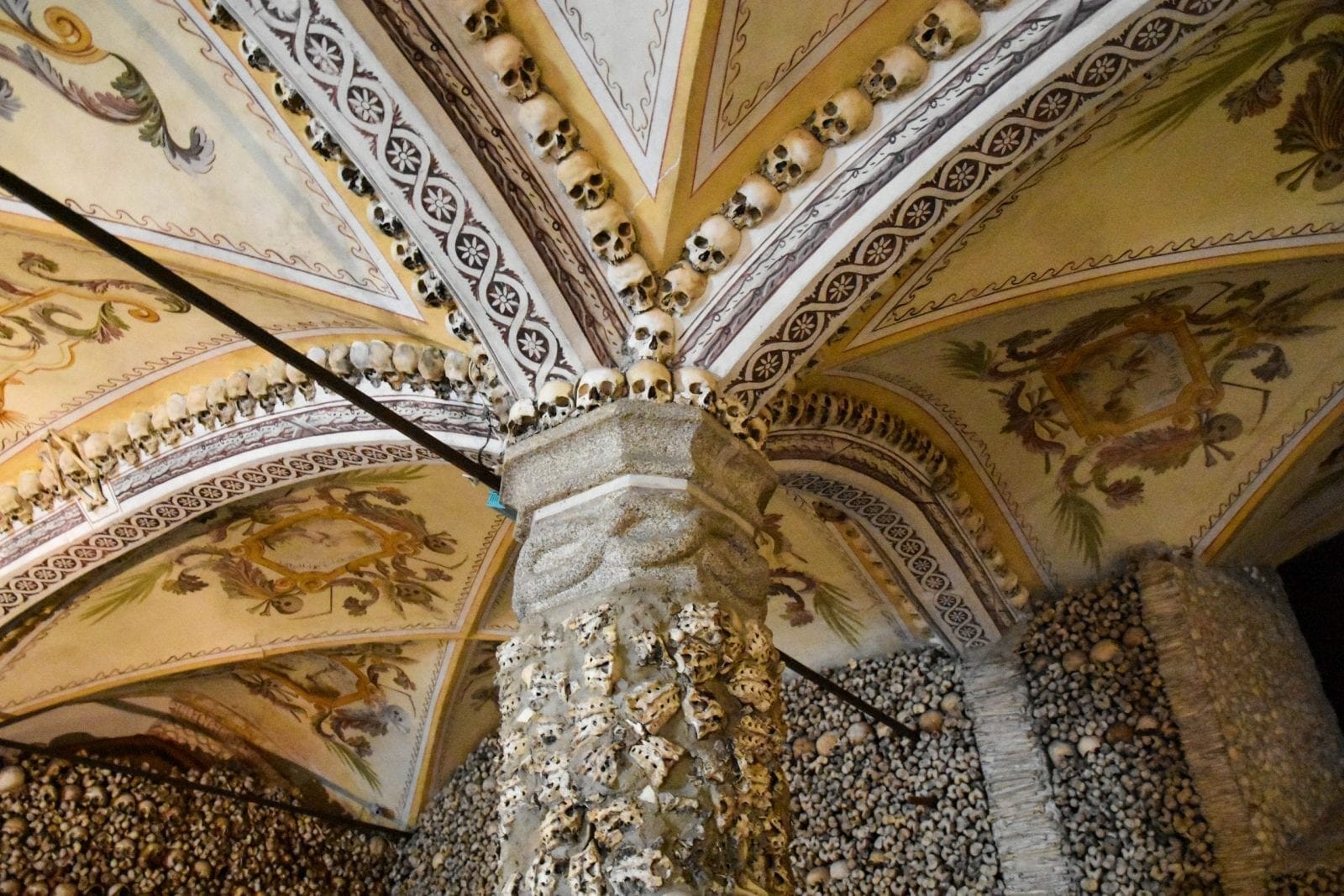
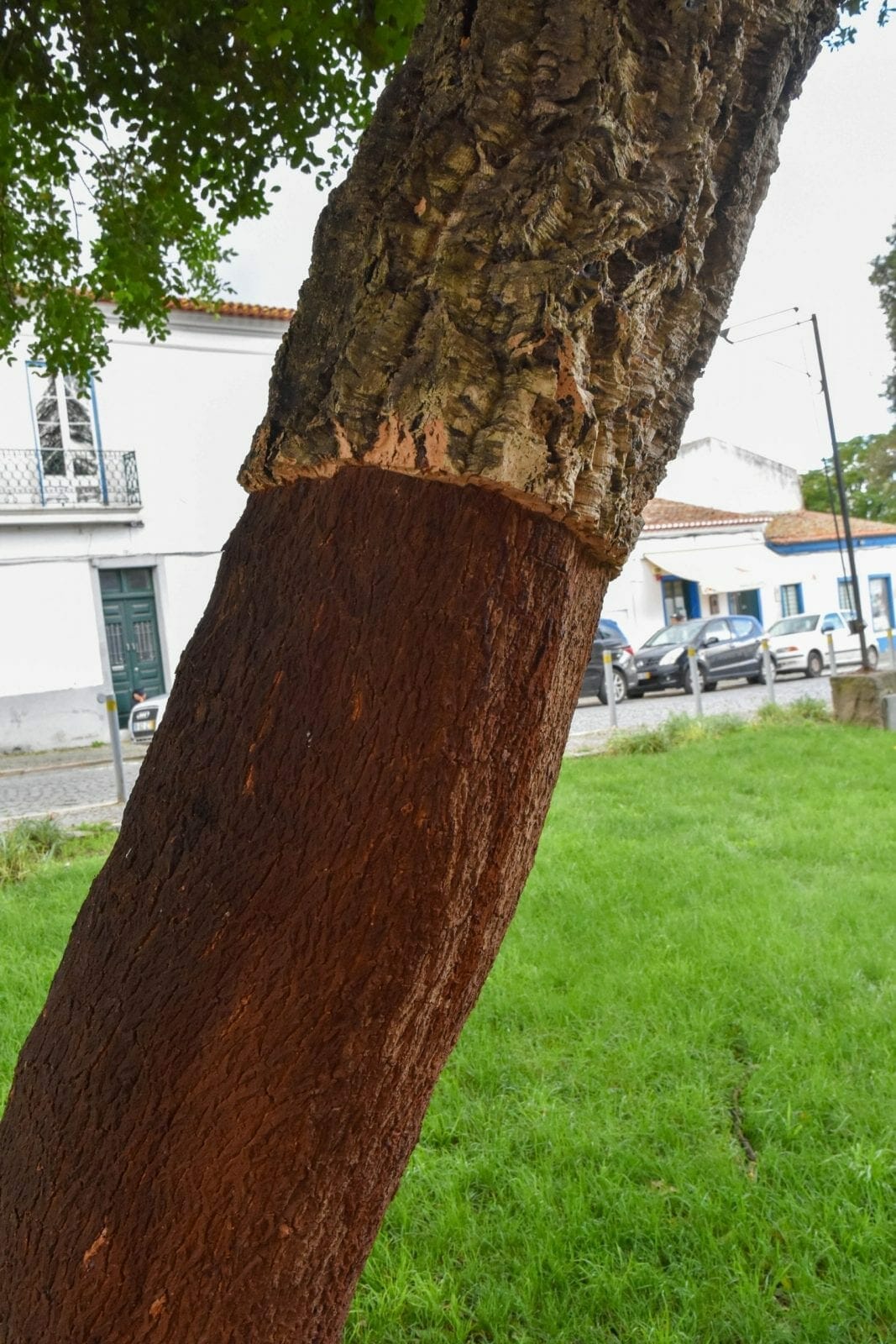
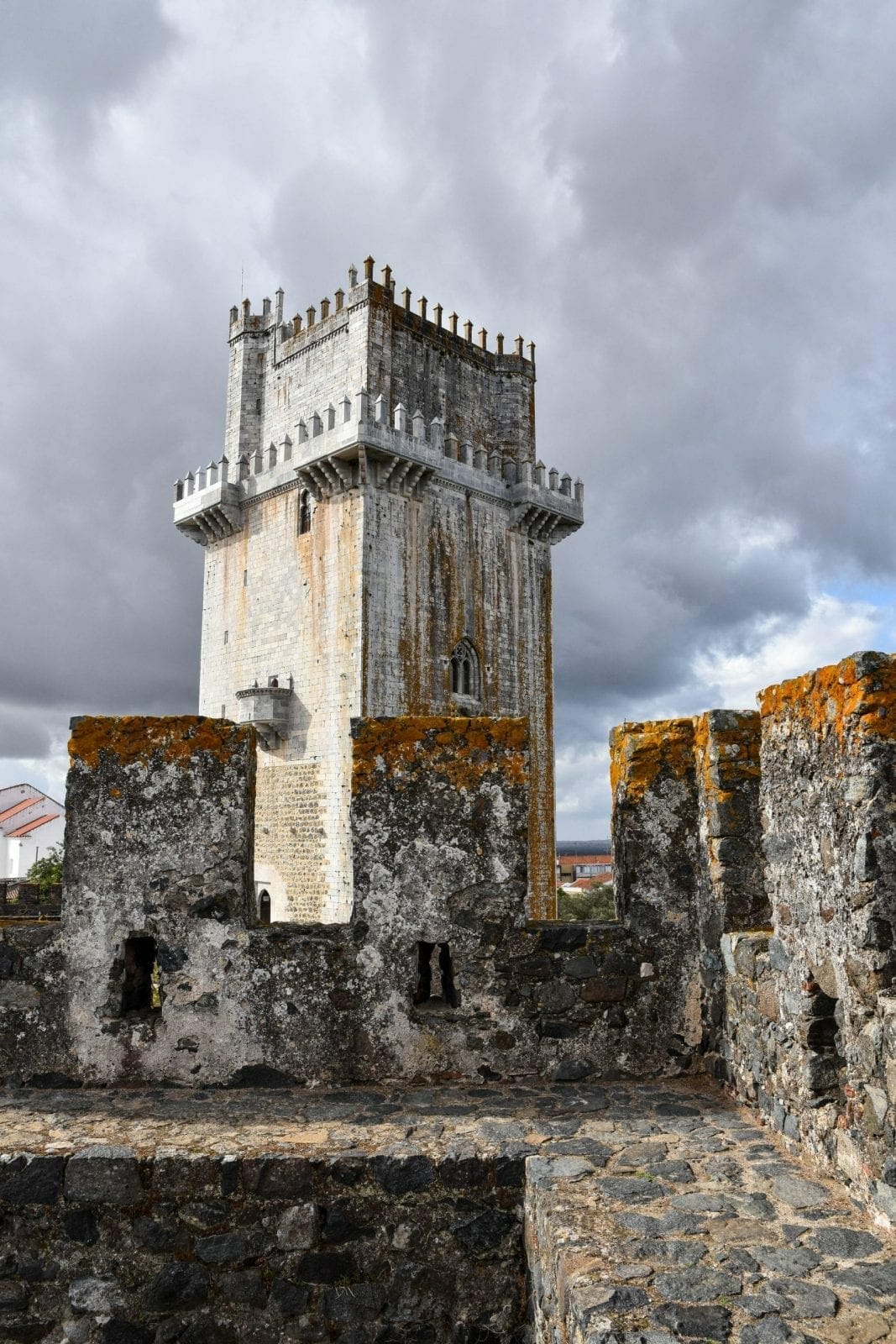


Our Top Recommended Travel Products
Travel Insurance
Squaremouth.com
Our Favorite Travel Insurance Site!
We strongly advocate comprehensive travel insurance, not only for minor inconveniences but also for major, unexpected events such as medical emergencies. We never leave home without it. Our go-to resource is Squaremouth.com. which offers a user-friendly platform that connects you with top-rated, reputable insurance carriers. Plus, they’ll mediate on your behalf if you run into any issues.
To empower you as a consumer, we recommend you read our blog post on why travel insurance is essential and how to secure the best coverage from leading companies at an affordable price.
MedjetAssist
Medical transport back home from anywhere in the world
Medjet is a leading provider of global air medical transport. Unlike traditional travel insurance, which typically covers medical evacuation to the nearest facility, Medjet goes further by ensuring you’re transported back to the U.S. to the hospital of your choice once you’re stable enough to fly. Medjet offers membership plans that focus on medical transport, while Medjet Horizon provides expanded coverage for broader protection. Individual trip policies start at just $99, and annual policies are available for around $300. Most policies have an age limit of 74.
To learn more about how Medical Evacuation membership with Medjet Assist works, check out our blog post for a more detailed review.
Accommodations and Airfare
Booking.com
Hotels, Home rentals, BNBs, Flights, and other Transportation & Tours
Booking.com connects millions of travelers to unforgettable experiences, a wide range of transportation options, and incredible places to stay—from homes to hotels and beyond. As one of the world’s largest travel marketplaces, it supports well-known brands and entrepreneurs of all sizes. For its convenience, variety, and reliability, it’s our preferred booking platform.
Expedia and VRBO
Hotels, home rentals, BNBs, flights, and other transportation & tours
Expedia is a U.S.-based company with a mission to make global travel accessible to everyone, everywhere. At Wanderers Compass, we embrace independent travel, and platforms like Expedia are essential to making that a reality. Expedia allows you to book every aspect of your trip—from flights and accommodations to rental cars, cruises, and activities—making it a one-stop shop for all your travel needs.
Transportation
Daytrip
Personalized city-to-city private car transfer service
Daytrip provides an affordable private car service for city-to-city transfers worldwide, and we absolutely love their service. It’s a cost-effective alternative to renting a car, offering comfortable, stress-free travel with scenic stops along the way. For example, we used Daytrip for travel between Budapest and Vienna, enjoying some fantastic detours to local attractions. With professional drivers and customizable routes, Daytrip ensures a smooth ride while allowing you to explore hidden gems and unique sights along your journey.
To learn more about Daytrip, check out our blog post for a more detailed review.
Travel Experiences
Viator
The leading marketplace for travel experiences
Viator believes that travel is all about creating unforgettable memories. With over 300,000 experiences to choose from—ranging from simple tours to extreme adventures, plus a wide array of unique, niche activities—it’s never been easier to make lasting memories. We frequently use Viator during our travels and especially appreciate its flexible cancellation policy, which provides peace of mind with every booking.
Shopping
Wanderers Compass Amazon Storefront
An excellent source for all travel essentials and guides that we have vetted ourselves
Amazon is one of the world’s most comprehensive online shopping platforms, offering lower prices, a wide selection, and fast delivery through its global fulfillment network.
This page contains affiliate links. When you purchase through these links, we may earn a small commission at no extra cost to you. Thank you for your ongoing support!
Want to Learn the Story Behind Wanderers Compass?
Check out our most recent blog posts
Füssen, Germany: Beyond Neuschwanstein Castle
October 12, 2026
Returning to Venice: Why We Keep Coming Back
September 28, 2026
Savoia Excelsior Palace: Where Trieste’s History Meets the Adriatic
September 6, 2026
Global Entry for Kids: What Parents Need to Know Before Traveling
September 5, 2026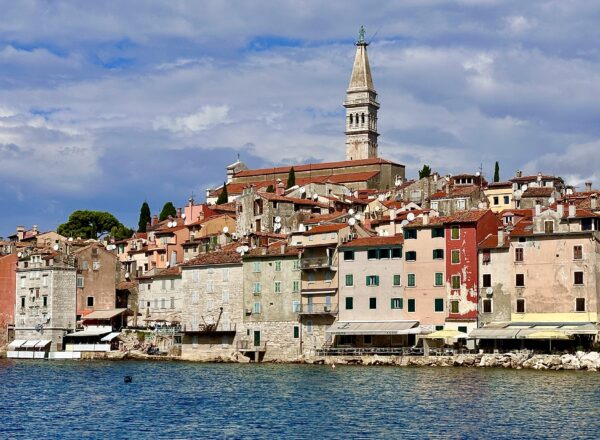
Rovinj Beyond the Postcard: Exploring Croatia’s Istrian Coast
August 29, 2026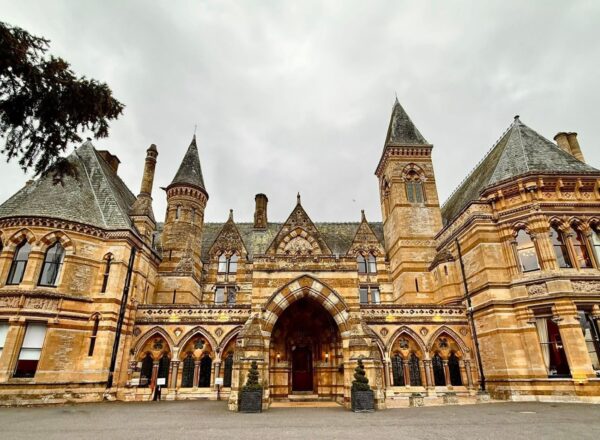
When the Hotel Becomes Part of the Journey: Ettington Park Hotel
August 27, 2026
How We Balance Luxury Travel With Authentic Experiences
August 25, 2026
No Comments