

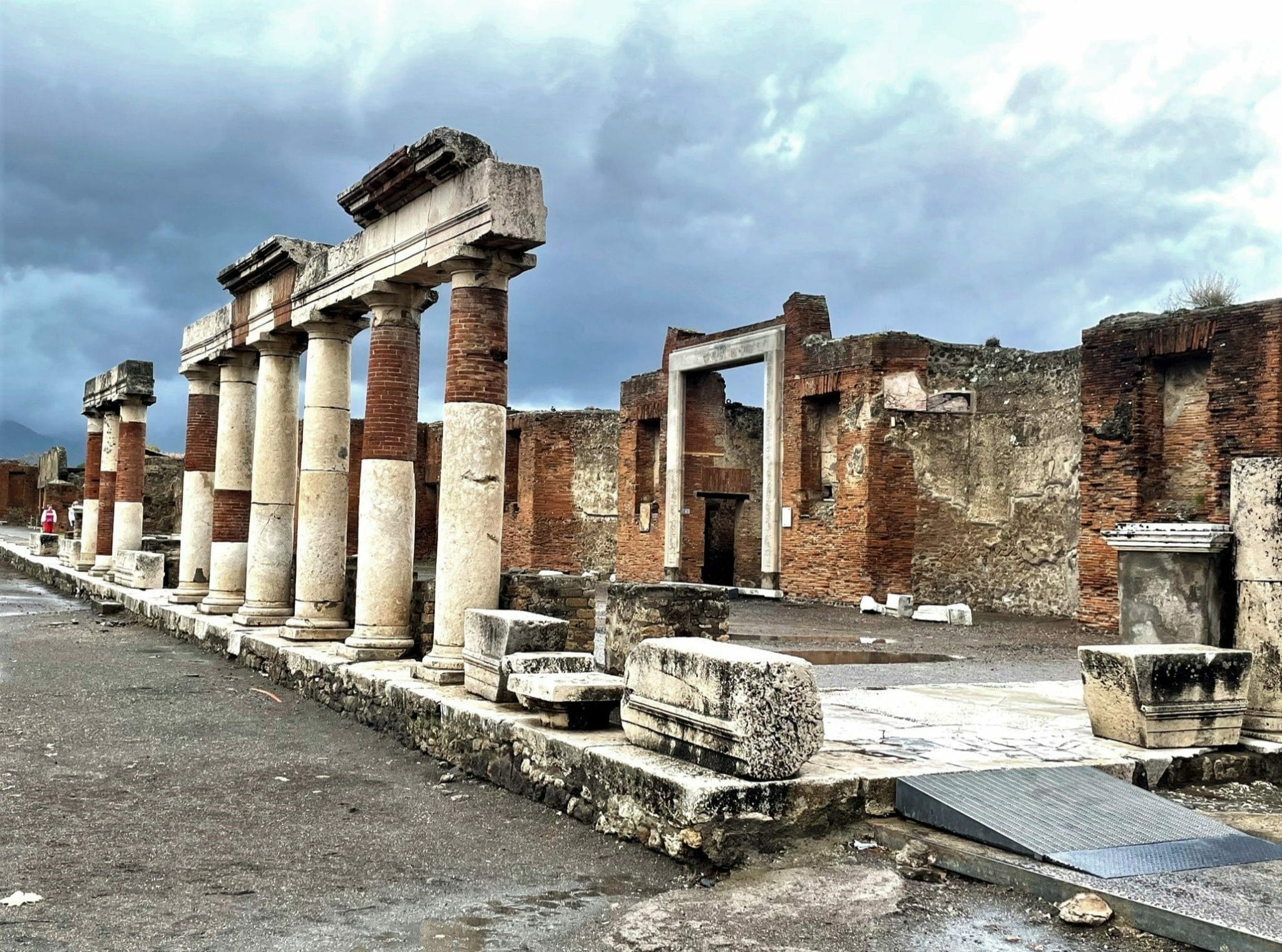
“Unesco sites don’t belong to any one nation, they belong to the wild heart of humanity.”
Farid Khan, photographer
UNESCO World Heritage Sites are locations recognized for their cultural, historical, or natural significance to humanity. These sites, protected by the United Nations Educational, Scientific, and Cultural Organization, offer travelers a deeper way to experience the world, connecting history, culture, and global preservation on a single journey.
There is something we look for every time we plan a trip. Before flights are booked or routes are mapped out, we find ourselves searching for that familiar designation: UNESCO.
It has become part of how we travel, not as a checklist, but as a way to connect with places that carry meaning beyond what you see on the surface.
To date, we have visited more than 150 UNESCO World Heritage Sites across the globe. Some were iconic. Others were places we might have otherwise passed by. But every one of them gave us something more, a reason to slow down and understand where we were.
That perspective has only deepened as Joelle stepped into her role as a representative to the United Nations Economic and Social Council. Through that work, UNESCO’s mission becomes even clearer. Preserving landmarks is not the only mission; it also protects identity, culture, and the shared story of humanity.
What Are UNESCO World Heritage Sites?
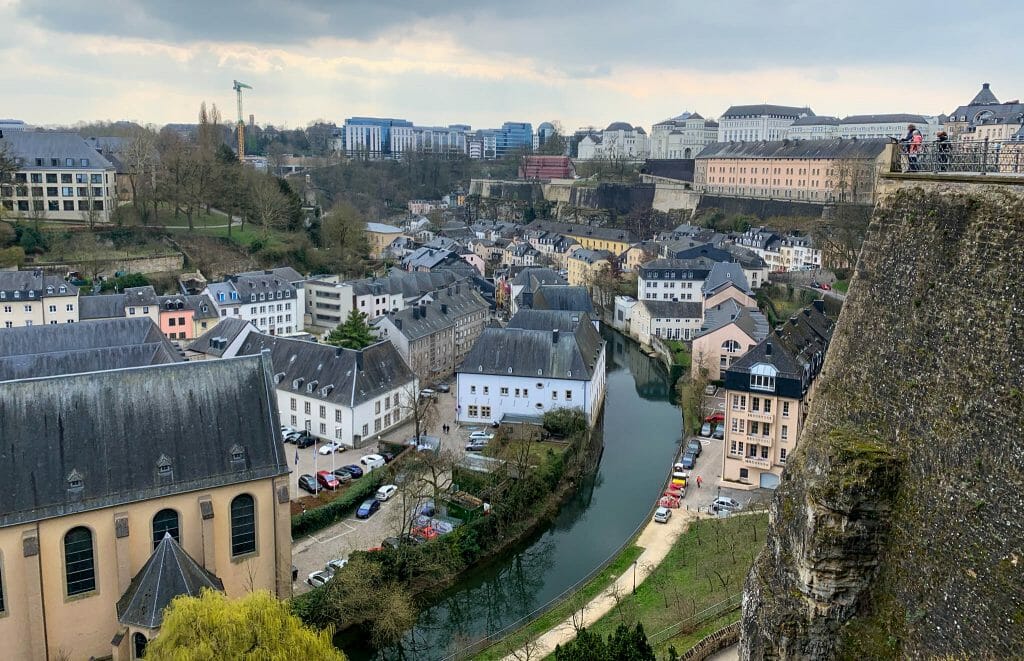
UNESCO World Heritage Sites are places recognized for their “outstanding universal value,” meaning their significance extends beyond national borders. These are locations considered important not just to one country, but to humanity as a whole.
The program was established under the World Heritage Convention, creating a global framework for identifying, protecting, and preserving these sites for future generations. Countries nominate locations within their borders, but once inscribed, they become part of a shared international responsibility.
What sets UNESCO sites apart is not just their beauty or popularity. It is the deeper value behind them, whether cultural, historical, or natural, and the commitment to protecting that value over time.
Today, these sites represent some of the most significant places in the world, from ancient cities and architectural landmarks to remote ecosystems and natural wonders. Together, they form a collective record of who we are, where we have been, and the environments that continue to shape us.
How Sites Become UNESCO World Heritage Sites
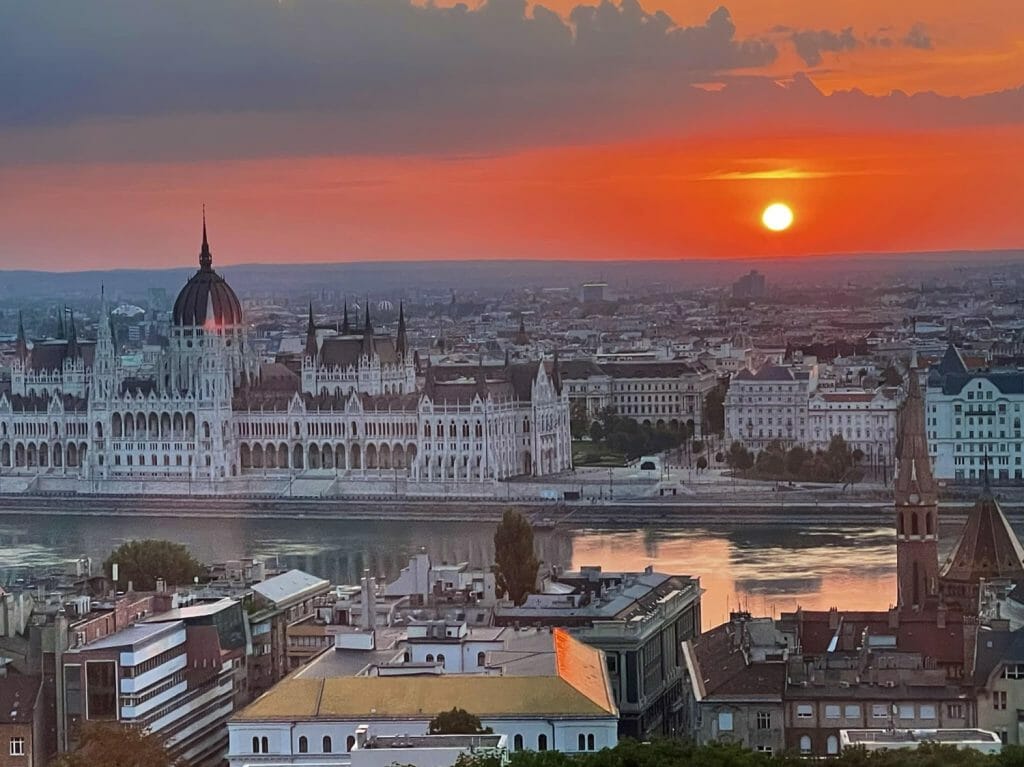
Becoming a UNESCO site is not simple. It is a detailed and often lengthy process.
The Tentative List Process
The process begins at the national level. Each country identifies potential sites within its borders and places them on a tentative list. This is essentially a starting point, but it is also an important one. Only sites that appear on this list can move forward for consideration.
From there, countries often spend years researching, documenting, and building a case for why a site meets UNESCO’s criteria. It is not just about recognition; it is about demonstrating long-term value and the ability to protect it.
Evaluation by Experts
Once a formal nomination is submitted, it undergoes a detailed review by independent advisory bodies. Organizations such as ICOMOS (for cultural sites) and IUCN (for natural sites) evaluate each proposal.
They look beyond the surface, assessing historical and cultural significance, authenticity, environmental importance, and the strength of conservation and management plans. It is a thorough process designed to ensure that the designation is meaningful and sustainable, not just symbolic.
Final Selection
The final decision is made by the World Heritage Committee, which meets annually to review nominations from around the world. Representatives from multiple countries come together to evaluate each site and determine whether it meets the standard of “outstanding universal value.”
For some sites, approval comes after years of preparation. For others, it may take multiple attempts. Either way, the process reinforces that UNESCO recognition is not easily earned, and that is exactly what gives it weight.
Types of UNESCO World Heritage Sites Around the World


Cultural Heritage Sites
Cultural heritage sites are often the first thing people think of when they hear UNESCO. These include historic cities, monuments, architectural works, and archaeological landmarks that reflect human history and achievement.
We’ve felt that history come to life in places like the Acropolis of Athens and Easter Island, where ancient civilizations are not just remembered but represent entire chapters of human development. From ancient civilizations to more recent history, these sites capture how societies lived, built, governed, and expressed themselves.
For us, cultural sites often feel like stepping into a story. Walking through them is not just about seeing ruins or architecture, but about understanding the people behind them. You begin to notice details, how a city was laid out, how structures were designed, how life may have unfolded within those spaces. It turns a visit into something far more immersive.
Natural Heritage Sites
Natural heritage sites focus on the world beyond human construction. These are landscapes and ecosystems recognized for their outstanding environmental importance, biodiversity, or natural beauty.
We’ve experienced firsthand in places like Plitvice Lakes National Park, one of the most well-known examples, where unique wildlife and ecosystems continue to shape our understanding of evolution and conservation. But beyond iconic destinations, these sites often encompass remote and fragile environments that play a critical role in the planet’s health.
What stands out in these places is the sense of scale and time. Unlike cultural sites, which reflect human history, natural sites tell a story that spans millions of years. They remind you that travel is not just about where people have been, but about the environments that made life possible in the first place.
Mixed Sites
Mixed heritage sites bring together cultural and natural elements, combining their significance to highlight the connection between people and their environment.
These are places where landscapes and human history are inseparable, where the natural setting has influenced how a culture developed, and where that culture, in turn, has shaped the land around it. They offer a more complete story, one that reflects both human creativity and the natural world. We’ve felt that connection walking the walls of the Old City of Dubrovnik, where the Adriatic coastline and centuries-old fortifications come together in a way that makes it impossible to separate the landscape from the history it helped shape.
For travelers, mixed sites often feel the most layered. You are not just experiencing a place—you are seeing how history, culture, and environment intersect. It adds depth to the experience and reinforces the idea that no destination exists in isolation.
Why UNESCO World Heritage Sites Matter for Travelers

Travel can easily become surface-level. A quick visit, a photo, and then on to the next destination.
UNESCO World Heritage Sites have a way of slowing that down.
These sites are not just recognized for their beauty or popularity. They are chosen because they represent something larger, moments in history, cultural achievements, or natural environments that have shaped the world in meaningful ways. That recognition provides context. It gives you a reason to pause and understand what you are seeing, rather than simply moving through it.
Standing along the Great Wall of China, you are not just looking at a structure. You are witnessing centuries of effort, strategy, and human endurance. Walking through the Historic Center of Florence, you are stepping into a place where ideas that still influence the world today took shape.
There is also a level of trust that comes with the UNESCO designation. It signals that a site has been carefully evaluated and recognized globally. For travelers, that often leads to more meaningful experiences, places where the story is as important as the setting.
But perhaps most importantly, UNESCO changes how you approach travel itself. It encourages you to slow down, to ask questions, and to look beyond what is immediately visible. It shifts the focus from simply seeing a destination to understanding it.
Over time, that mindset carries forward. You begin to seek out not just where to go, but why it matters.
UNESCO and Intangible Cultural Heritage

Not all UNESCO recognition is tied to physical places.
Through its Intangible Cultural Heritage program, UNESCO protects traditions, practices, and ways of life that define cultures. These are the elements that are often passed down through generations, sometimes quietly, sometimes through celebration, but always with meaning.
This includes:
- Traditional Neapolitan pizza making
- Washoku
- The Day of the Dead
- The culinary traditions of Tucson, recognized for its deep-rooted food heritage and local ingredients
Unlike a monument or landscape, these are not things you visit. They are things you experience.
UNESCO’s role here is not to preserve them in place, but to help ensure they continue to be practiced, shared, and understood. Many of these traditions rely on local communities, artisans, and cultural continuity to survive.
For us, this is where travel is often most meaningful. Sitting down for a meal that reflects generations of tradition, or witnessing a celebration that carries deep cultural significance, creates a different kind of connection. It is not about observing from a distance. Be present within the experience. It often leaves the deepest impression.
UNESCO, Sustainability, and Global Impact
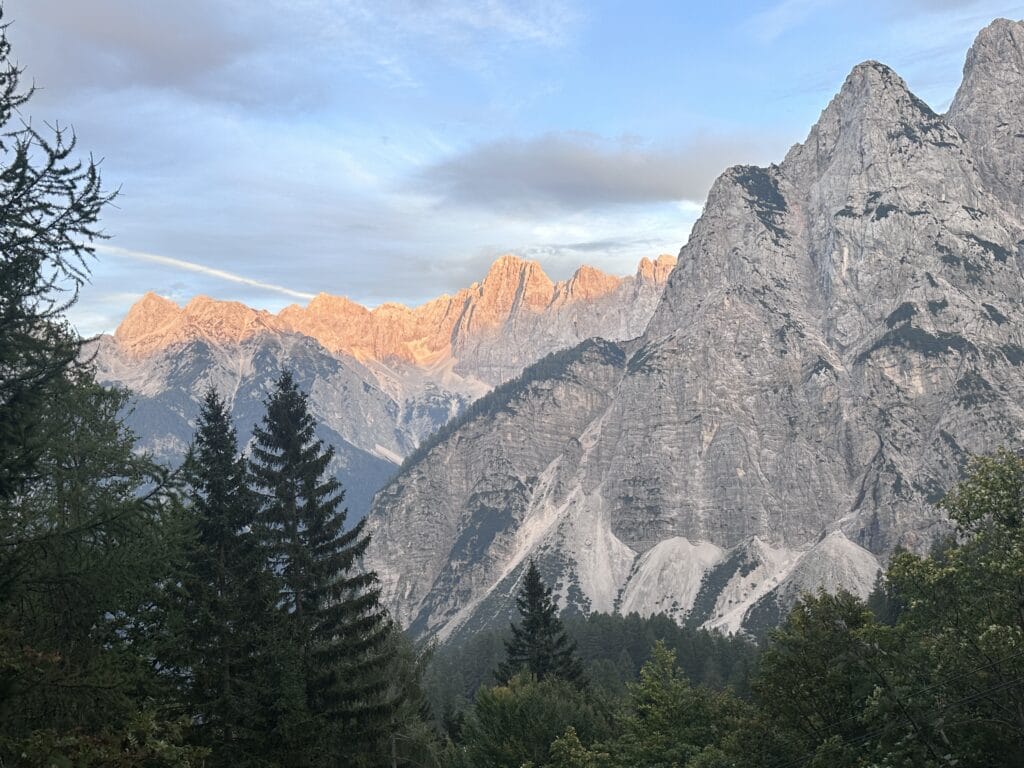
UNESCO’s work goes far beyond preserving historic landmarks. It plays an active role in shaping how we think about sustainability, conservation, and the relationship between people and the places they call home.
Biosphere Reserves
UNESCO Biosphere Reserves are some of the most forward-thinking initiatives within the organization. These are not protected areas in the traditional sense. They are living landscapes where conservation and human activity exist side by side.
Each biosphere reserve is built around three core functions:
- Conservation of biodiversity and ecosystems
- Sustainable development for local communities
- Logistic support for research, education, and monitoring
What makes these places unique is that they are not frozen in time. Communities live, work, and adapt within them. You might find small villages, agricultural traditions, and local industries all operating within a carefully balanced ecosystem.
For travelers, this offers a different kind of experience. It is not just about seeing nature, but understanding how people interact with it. Visiting a biosphere reserve often means stepping into a place where sustainability is not a concept; it is a daily practice.
Global Geoparks
UNESCO Global Geoparks focus on something equally powerful, though often less visible at first glance: the story of the Earth itself.
These regions are recognized for their geological significance, shaped by millions of years of natural processes. From volcanic landscapes to dramatic rock formations, geoparks tell the story of how our planet evolved.
But like biosphere reserves, geoparks are not just about preservation. They are deeply connected to education and local identity. Many geoparks work closely with communities to promote geotourism, travel that supports local economies while encouraging visitors to understand the science and history of the land.
For us, geoparks add another layer to travel. They remind us that the landscapes we move through are not static. They have been shaped over time in ways that connect science, culture, and place.
A Broader Perspective
Both biosphere reserves and global geoparks reflect a shift in UNESCO’s approach to preservation. It is no longer just about protecting what was. It is about supporting what continues to evolve.
Through Joelle’s work with the United Nations Economic and Social Council, this connection becomes even more apparent. These programs align closely with broader global priorities around sustainability, community development, and environmental stewardship.
They show that travel is not separate from these conversations. It is part of them.
Challenges Facing UNESCO World Heritage Sites
Recognition does not guarantee protection.
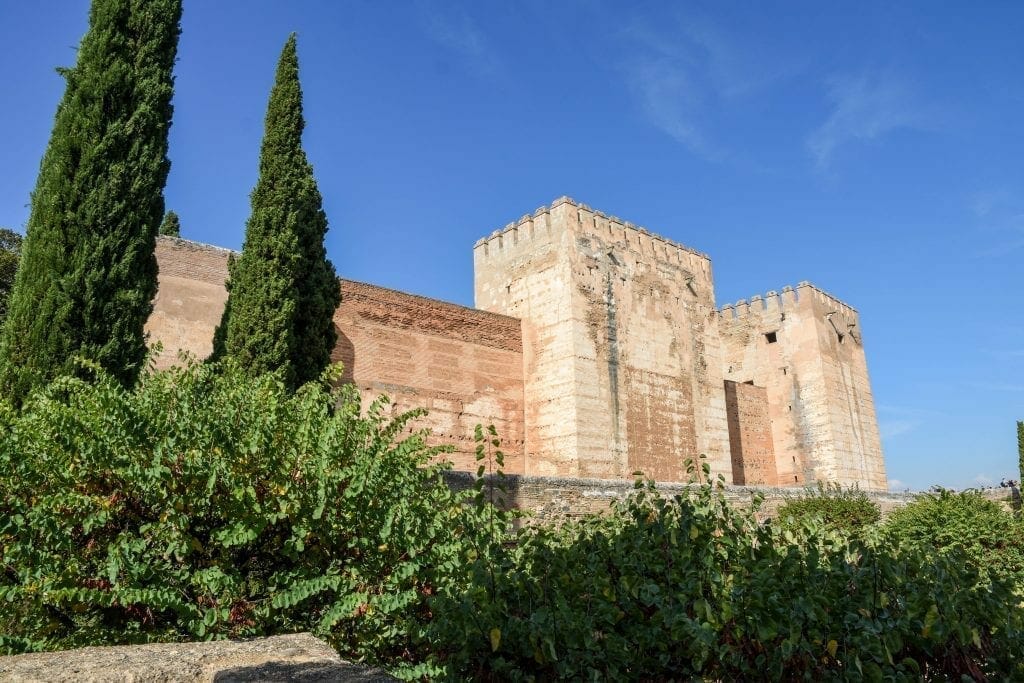
Many UNESCO sites face real and ongoing threats. Climate change continues to reshape landscapes and ecosystems. Conflict and instability can put both cultural and natural heritage at risk. Urban development, when not carefully managed, can erode the very character that makes a place significant. And overtourism, while often a sign of global interest, can strain infrastructure and accelerate wear on fragile sites.
Another challenge that is often less visible to travelers is the role of government support and international cooperation. UNESCO relies on its member nations for funding, policy alignment, and long-term preservation efforts. When priorities shift, whether through reduced funding or changing commitments, it can directly affect how these sites are protected and maintained over time.
It is not always something you notice immediately, but its impact can be felt in the long-term preservation of these places. Some sites are even placed on the World Heritage in Danger list, a reminder that recognition is only the beginning. Protection requires continued effort, collaboration, and awareness. reminder that preservation is ongoing.
Our Experience Visiting 150+ UNESCO Sites


We did not set out to visit over 150 UNESCO sites. It happened naturally, guided more by curiosity than intention.
What changed along the way was how we travel. We slowed down, asked more questions, and began looking beyond what was immediately in front of us.
Some of the most meaningful moments were not at the most famous sites, but in the quieter, unexpected ones, the places that allowed us to connect more deeply with where we were.
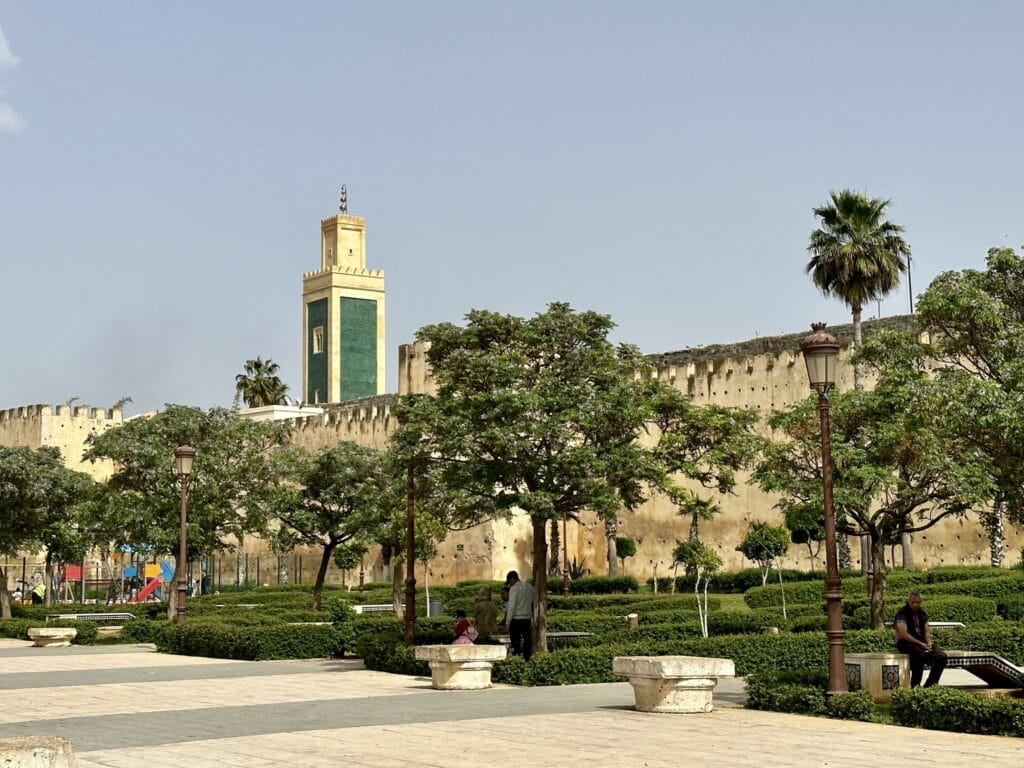
Our most memorable UNESCO experiences have often come where history and daily life intersect in ways you do not anticipate. Walking through Edinburgh Castle, you feel the weight of centuries layered into every stone, from royal history to military strategy, all set against a skyline that defines the city itself. In a completely different way, the energy of the markets we explored in Morocco offered another perspective, one where culture is not preserved behind walls, but lived in real time through trade, tradition, and everyday interaction.
Both experiences reinforced something we have come to understand over time. UNESCO is not just about what has been protected. It is about how those places continue to live, evolve, and shape the way we experience the world today.
How to Visit UNESCO Sites Responsibly
Travel carries responsibility.
- Take time to understand the site
- Respect local guidelines
- Support local communities
- Avoid peak overcrowding
- Engage with the culture
Traveling responsibly starts with awareness. Taking time to understand local customs, respecting preservation efforts, and engaging thoughtfully with the communities you visit all help protect these places for the future. It is not just about where you go, but how you show up when you get there. We’ve shared more on this in our guide to respectful travel, which you can read here: Travel Etiquette: Tips How to be a Respectful Traveler.
Why UNESCO Should Matter to Every Traveler
UNESCO represents more than a designation. It reflects a shared global commitment to protect the places, traditions, and environments that define who we are.
For travelers, that recognition offers something valuable. It provides context. It shifts the experience from simply visiting a destination to understanding its place in a much larger story. These are not just landmarks or scenic locations; they are expressions of history, culture, and identity that have shaped communities over time.
There is also a level of trust that comes with UNESCO recognition. It signals that a place has been carefully evaluated and recognized for its global significance. But with that recognition comes responsibility. The more visible these places become, the more important it is that they are experienced thoughtfully.
Over time, this changes how you travel. You begin to look beyond the surface, to ask why a place matters, and to appreciate not just what you see, but what has been preserved and why. It becomes less about checking destinations off a list and more about building a deeper connection to the world around you.
In that way, UNESCO is not just about protecting the past. It shapes how we move through the present and how we contribute to the future of the places we visit.
Reflection

UNESCO has shaped the way we travel in ways we did not fully recognize at first. What began as a simple point of interest has become something far more meaningful—an anchor that guides our choice of destinations and how we experience them once we arrive.
With more than 150 UNESCO sites behind us, the takeaway is not about numbers. It is about perspective. These places have a way of slowing you down, of asking you to look beyond what is in front of you and consider the history, culture, and people connected to it.
Through Joelle’s work with the United Nations Economic and Social Council, that understanding has deepened even further. UNESCO is not just about preserving the past. It is about protecting the stories, traditions, and environments that shape our shared future.
Travel, at its best, is not just movement. It is a connection. And UNESCO has a way of reminding us that the world is not made up of isolated places but of experiences that are deeply linked, across borders, cultures, and time.
That is what keeps drawing us back. Not just to see more, but to understand more.
Frequently Asked Questions
© 2026 Wanderers Compass All Rights Reserved
Find Great Accommodations for Your Next Trip Booking.com – Expedia
Food Tours & Experiences Get Your Guide – Viator
Travel Insurance Squaremouth.com
Reviews Google Maps
Check out our most recent posts
Returning to Venice: Why We Keep Coming Back
September 28, 2026
Savoia Excelsior Palace: Where Trieste’s History Meets the Adriatic
September 6, 2026
Global Entry for Kids: What Parents Need to Know Before Traveling
September 5, 2026
Rovinj Beyond the Postcard: Exploring Croatia’s Istrian Coast
August 29, 2026
When the Hotel Becomes Part of the Journey: Ettington Park Hotel
August 27, 2026

How We Balance Luxury Travel With Authentic Experiences
August 25, 2026
Want to Learn the Story Behind Wanderers Compass?
Our Top Recommended Travel Products
Travel Insurance
Squaremouth.com
Our Favorite Travel Insurance Site!
We strongly advocate comprehensive travel insurance, not only for minor inconveniences but also for major, unexpected events such as medical emergencies. We never leave home without it. Our go-to resource is Squaremouth.com. which offers a user-friendly platform that connects you with top-rated, reputable insurance carriers. Plus, they’ll mediate on your behalf if you run into any issues.
To empower you as a consumer, we recommend you read our blog post on why travel insurance is essential and how to secure the best coverage from leading companies at an affordable price.
MedjetAssist
Medical transport back home from anywhere in the world
Medjet is a leading provider of global air medical transport. Unlike traditional travel insurance, which typically covers medical evacuation to the nearest facility, Medjet goes further by ensuring you’re transported back to the U.S. to the hospital of your choice once you’re stable enough to fly. Medjet offers membership plans that focus on medical transport, while Medjet Horizon provides expanded coverage for broader protection. Individual trip policies start at just $99, and annual policies are available for around $300. Most policies have an age limit of 74.
To learn more about how Medical Evacuation membership with Medjet Assist works, check out our blog post for a more detailed review.
Accommodations and Airfare
Booking.com
Hotels, Home rentals, BNBs, Flights, and other Transportation & Tours
Booking.com connects millions of travelers to unforgettable experiences, a wide range of transportation options, and incredible places to stay—from homes to hotels and beyond. As one of the world’s largest travel marketplaces, it supports well-known brands and entrepreneurs of all sizes. For its convenience, variety, and reliability, it’s our preferred booking platform.
Expedia and VRBO
Hotels, home rentals, BNBs, flights, and other transportation & tours
Expedia is a U.S.-based company with a mission to make global travel accessible to everyone, everywhere. At Wanderers Compass, we embrace independent travel, and platforms like Expedia are essential to making that a reality. Expedia allows you to book every aspect of your trip—from flights and accommodations to rental cars, cruises, and activities—making it a one-stop shop for all your travel needs.
Transportation
Daytrip
Personalized city-to-city private car transfer service
Daytrip provides an affordable private car service for city-to-city transfers worldwide, and we absolutely love their service. It’s a cost-effective alternative to renting a car, offering comfortable, stress-free travel with scenic stops along the way. For example, we used Daytrip for travel between Budapest and Vienna, enjoying some fantastic detours to local attractions. With professional drivers and customizable routes, Daytrip ensures a smooth ride while allowing you to explore hidden gems and unique sights along your journey.
To learn more about Daytrip, check out our blog post for a more detailed review.
Travel Experiences
Viator
The leading marketplace for travel experiences
Viator believes that travel is all about creating unforgettable memories. With over 300,000 experiences to choose from—ranging from simple tours to extreme adventures, plus a wide array of unique, niche activities—it’s never been easier to make lasting memories. We frequently use Viator during our travels and especially appreciate its flexible cancellation policy, which provides peace of mind with every booking.
Shopping
Wanderers Compass Amazon Storefront
An excellent source for all travel essentials and guides that we have vetted ourselves
Amazon is one of the world’s most comprehensive online shopping platforms, offering lower prices, a wide selection, and fast delivery through its global fulfillment network.
This page contains affiliate links. When you purchase through these links, we may earn a small commission at no extra cost to you. Thank you for your ongoing support!


No Comments