

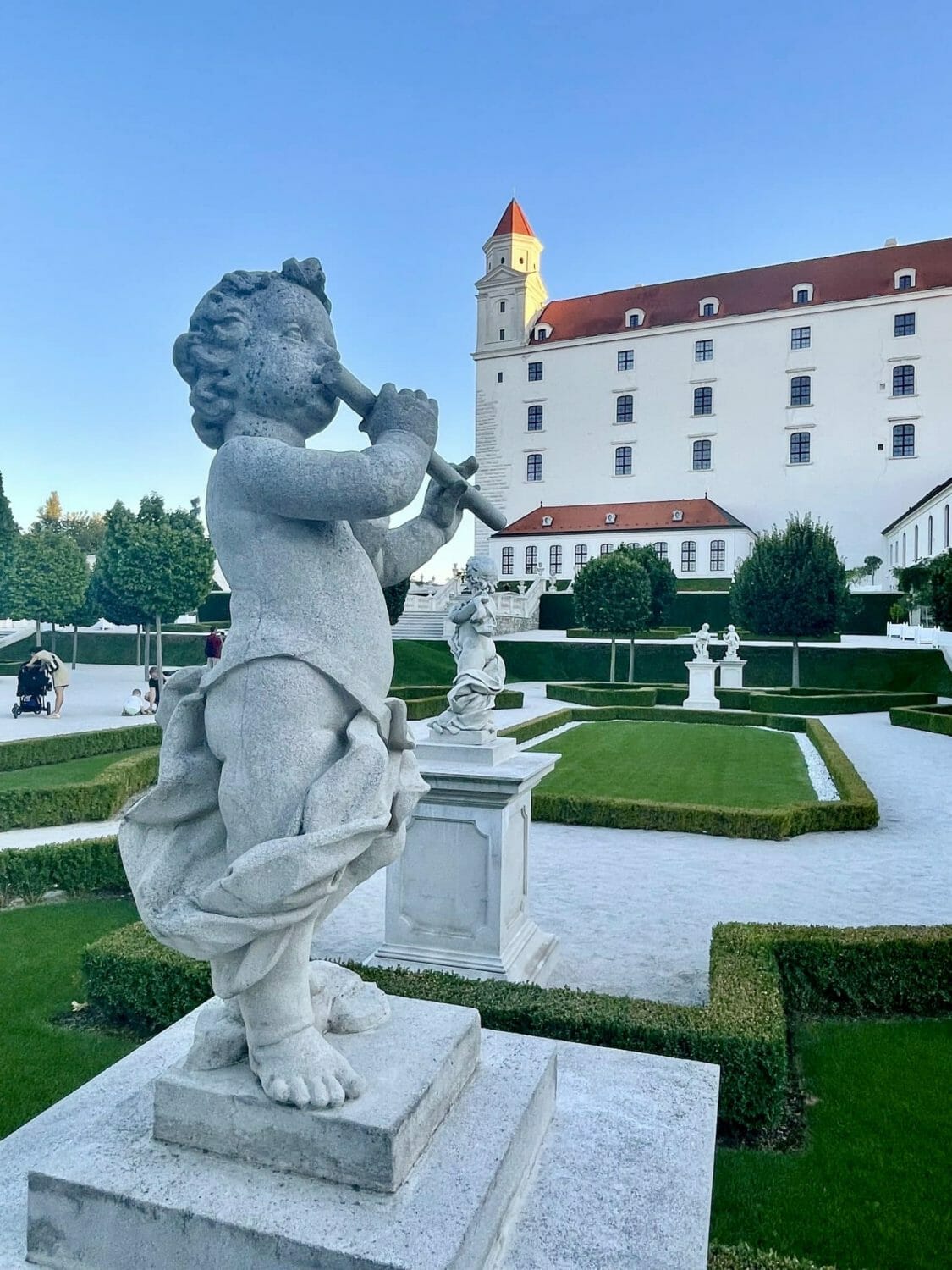
Bratislava is a lively city and visiting this place is definitely something every person needs to experience.
from Travel Triangle website
Join us as we explore the Slovak City of Bratislava
About Bratislava, Slovakia
Bratislava, formerly Pressburg, is the capital of Slovakia. It lies in the southwestern part of the country, along the Danube River, which cuts a gorge in the Carpathian Mountains near where the frontiers of Slovakia, Austria, and Hungary meet. Vienna is a short 35 miles west.
Archaeological evidence suggests a prehistoric presence in Bratislava, which was later fortified and settled by the Celts and Romans. In the 8th century, it was inhabited by the Slavs. The city developed as a trade center and was granted the rights of a free royal town in 1291. The Istropolitana Academy, the first university in what was then Hungary, was founded there in 1465. Bratislava served as the Hungarian capital from 1526 until 1784, when the Turks occupied most of the middle Danube basin. The Hungarian parliament continued to meet there until 1848. Following World War I, Bratislava was designated the capital of Slovakia in the First Czechoslovak Republic, and it remained the capital when Slovakia emerged as an independent nation in 1993.
The Castle
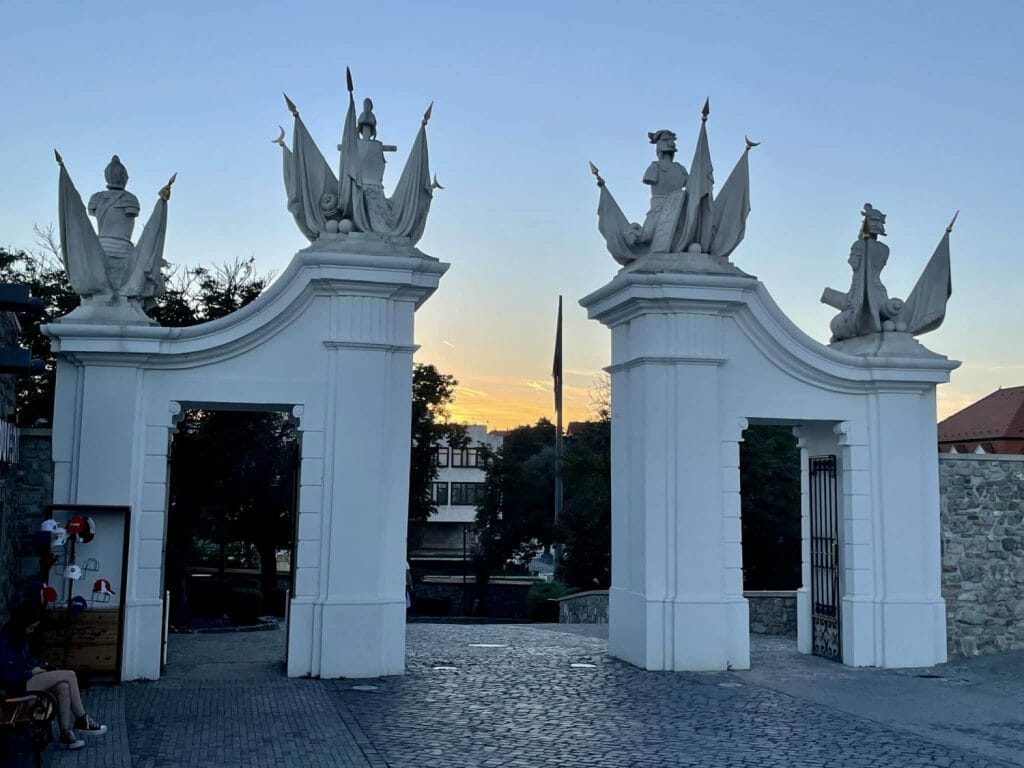
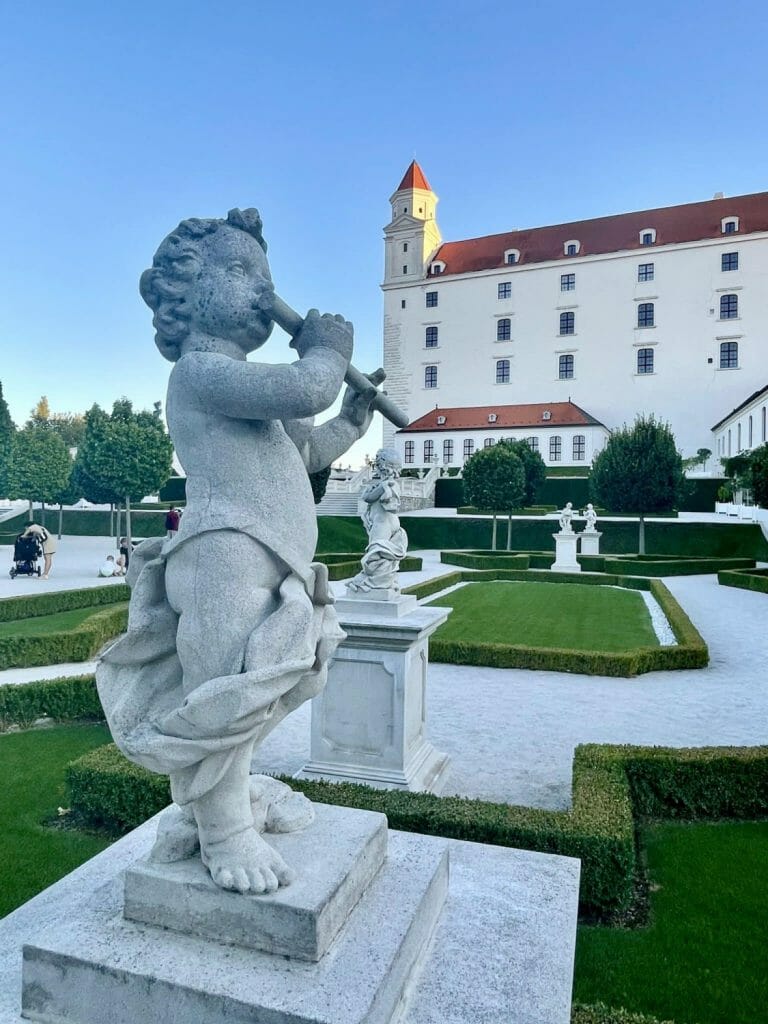
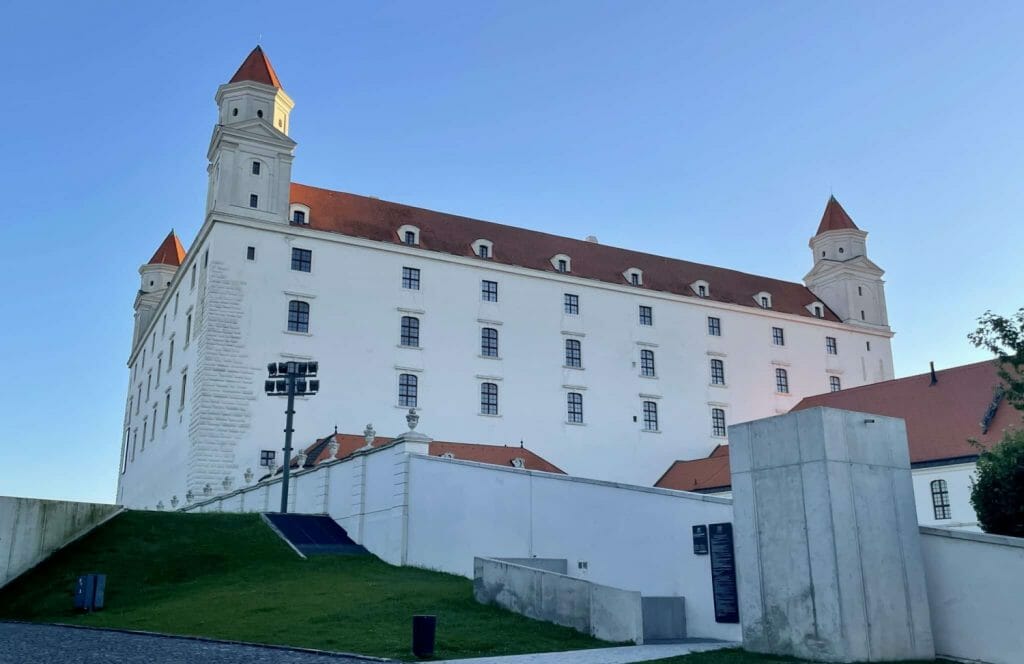
The enormous Bratislava Castle dominates the city, which stands on a plateau 300 feet above the Danube River. The castle was the residence of the Austrian royal family until it was destroyed by fire in 1811; it has since been largely restored. Today, the castle is Bratislava’s symbol and is home to the Museum of History. Its high-crowned tower offers a beautiful view of the city and neighboring countries.
Today, Bratislava is a vibrant modern city with a population of around 432,000 and serves as a major cultural and educational center in Slovakia. It is home to Comenius University, the successor to the medieval Istropolitana Academy, as well as the Slovak Academy of Sciences (established in 1953), along with numerous specialized schools and technical institutes. Culturally, the city also boasts the Slovak National Theatre, the Slovak National Gallery, and the Slovak National Museum, making it a hub of artistic and intellectual life. It is also a significant road and rail junction and a river port.
The Top 13 Things to Do and See in Bratislava, Slovakia

Bratislava Castle
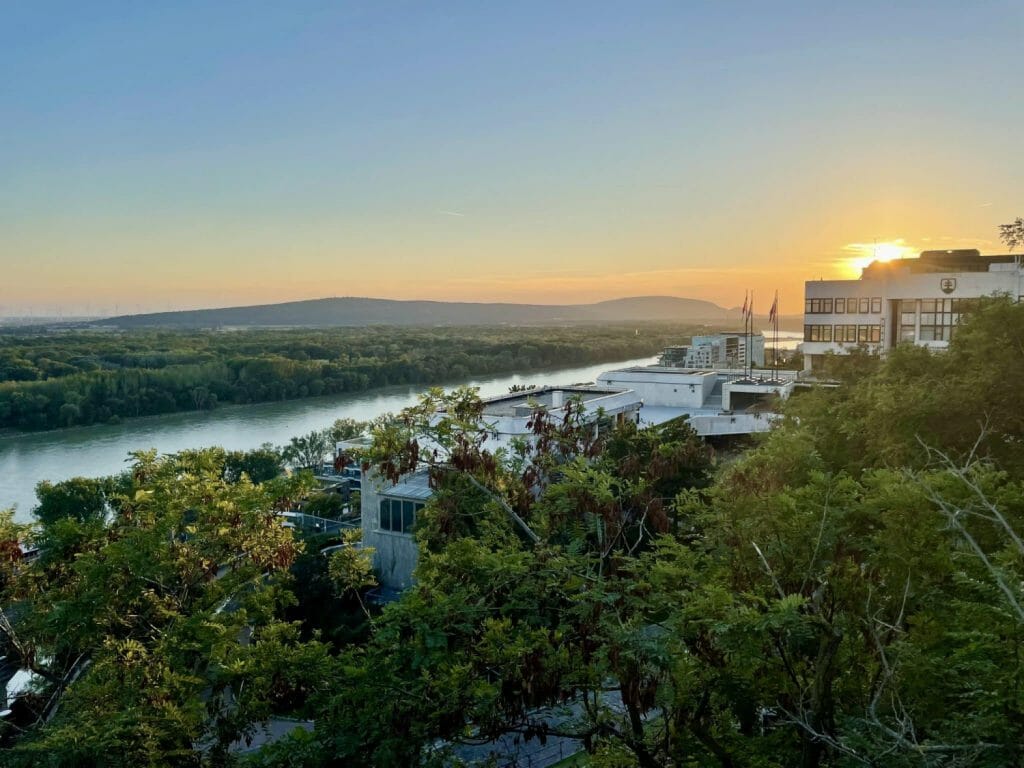
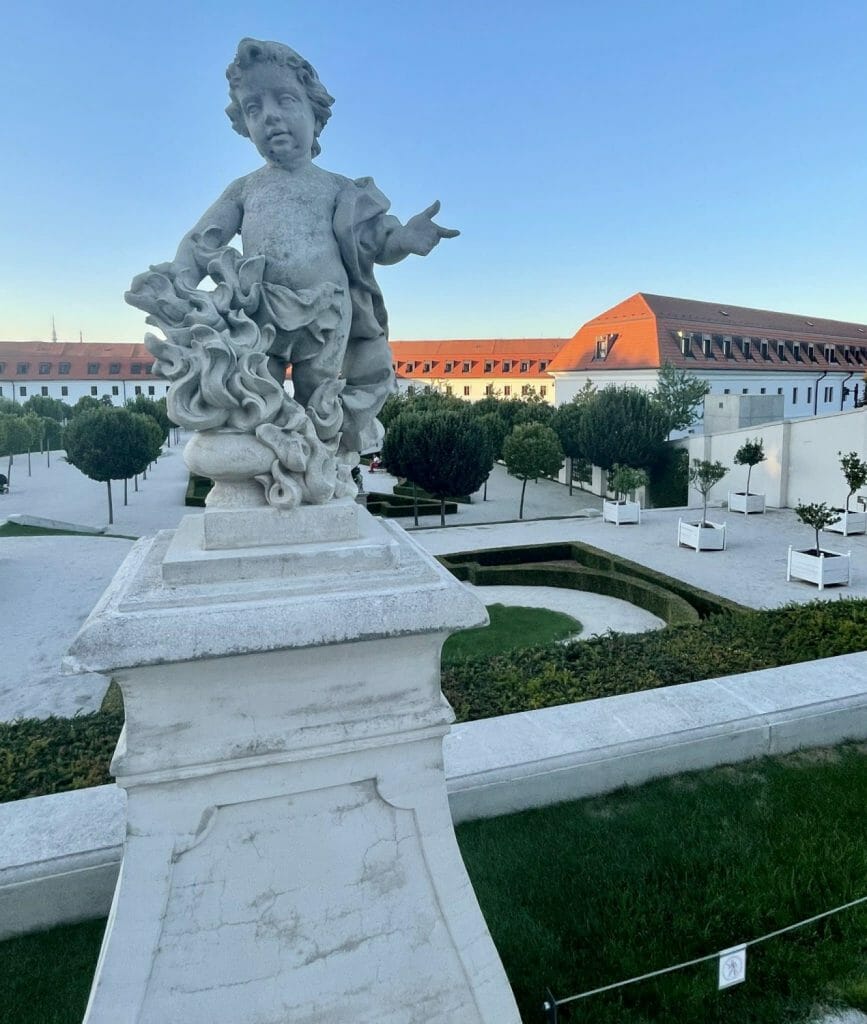
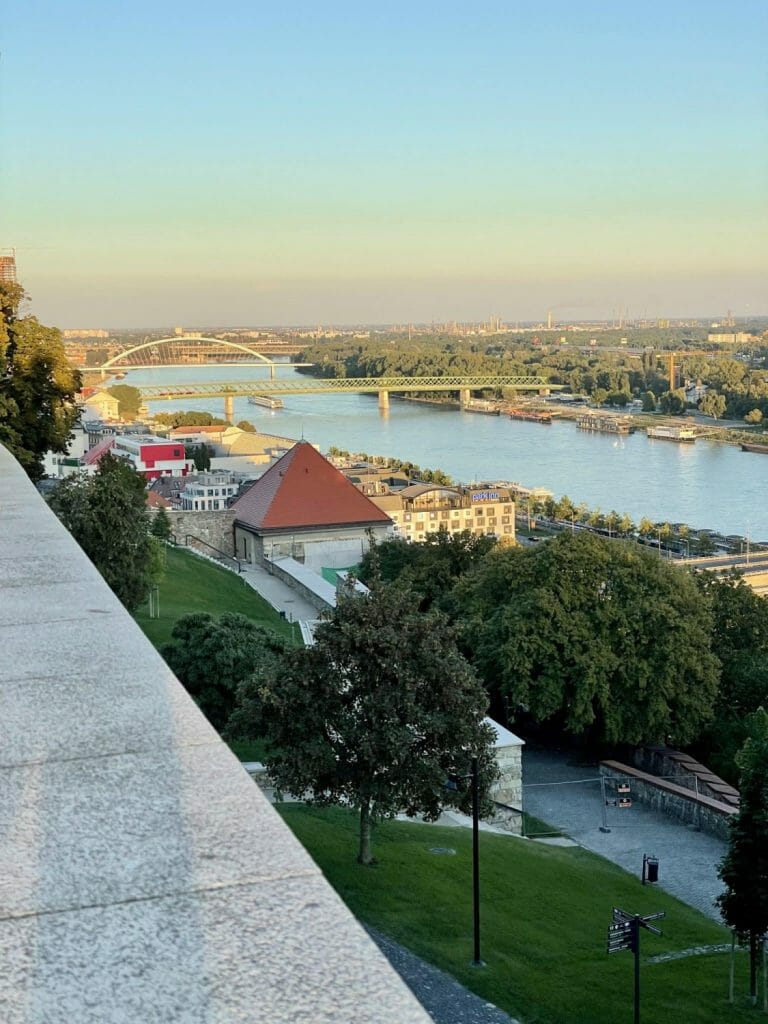
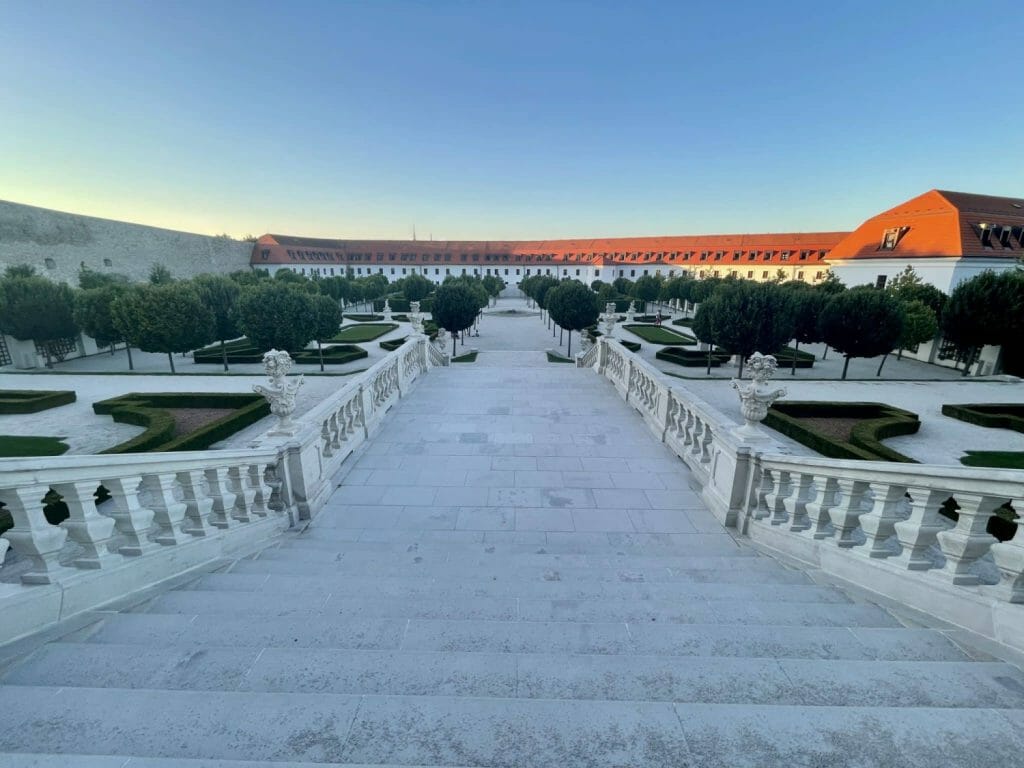
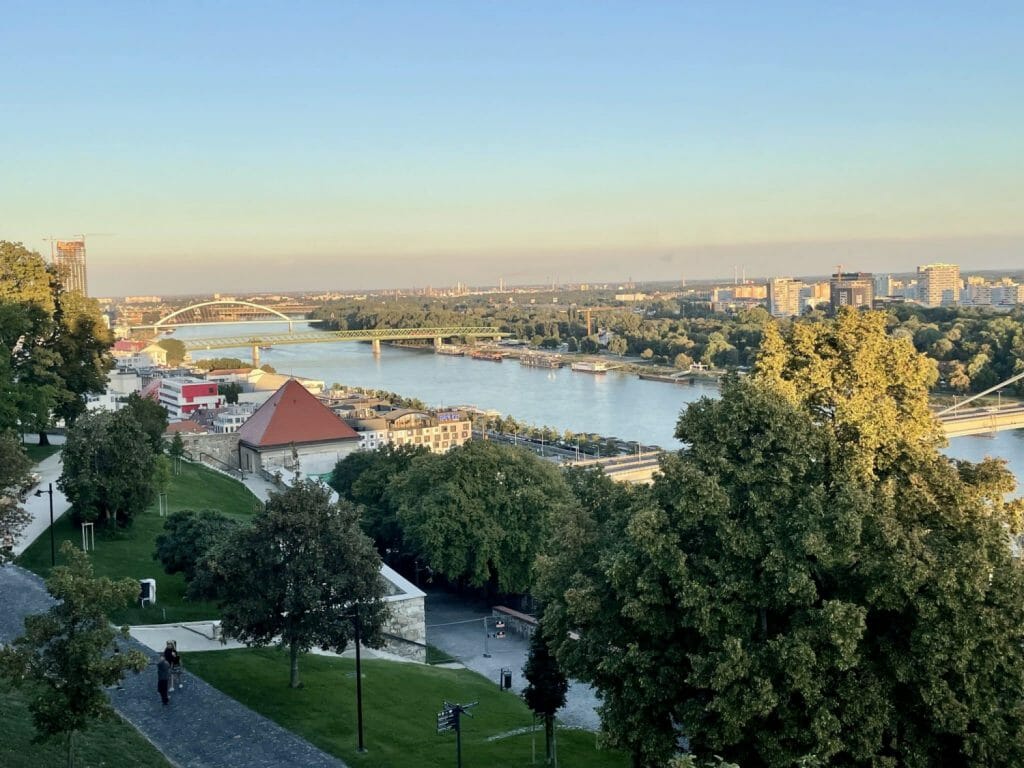
Towering high above the Danube River, Bratislava Castle is the city’s most recognizable landmark and one of Slovakia’s most important historical sites. Its massive rectangular structure with four corner towers dominates the skyline and has watched over the region for centuries. While the castle’s origins date back to the 9th century, it has undergone numerous reconstructions due to wars, fires, and shifting empires. Today, the beautifully restored castle houses sections of the Slovak National Museum and offers visitors an excellent introduction to Slovakia’s history. The real highlight for many travelers, however, is stepping outside onto the castle terraces, where sweeping panoramic views stretch across Bratislava, the Danube River, and even into neighboring Austria and Hungary on clear days.
Old Town (Staré Mesto)
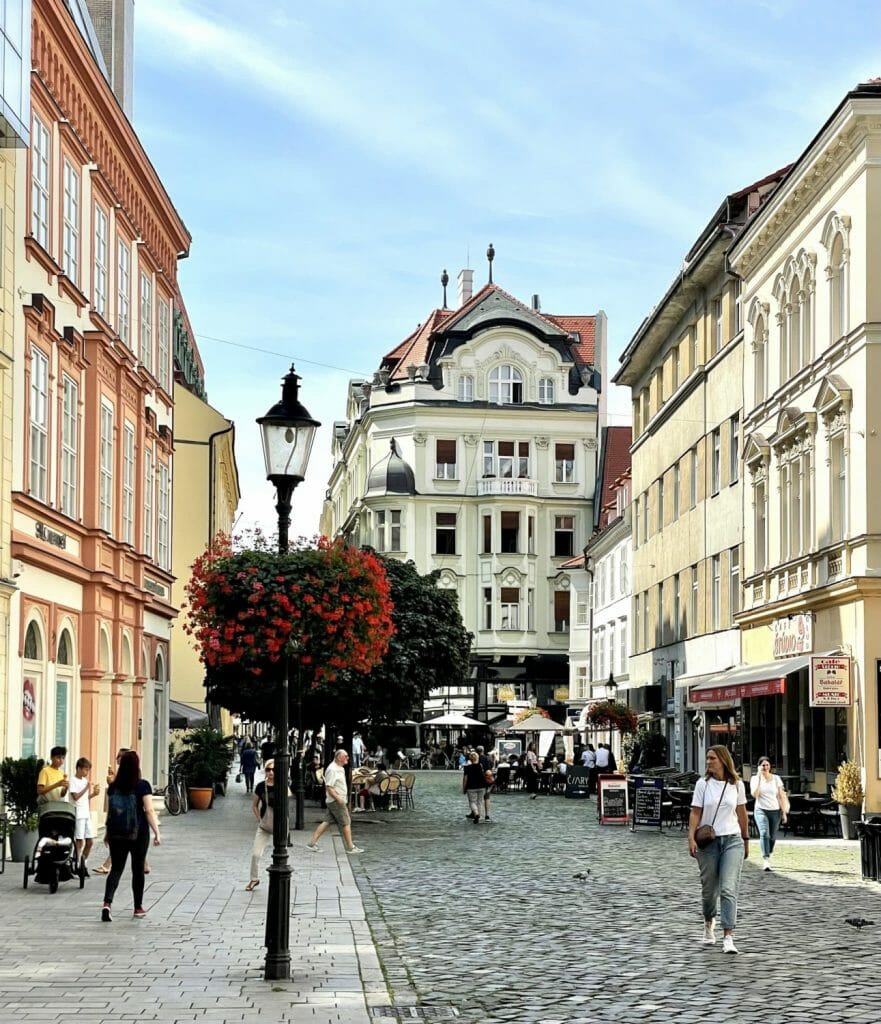
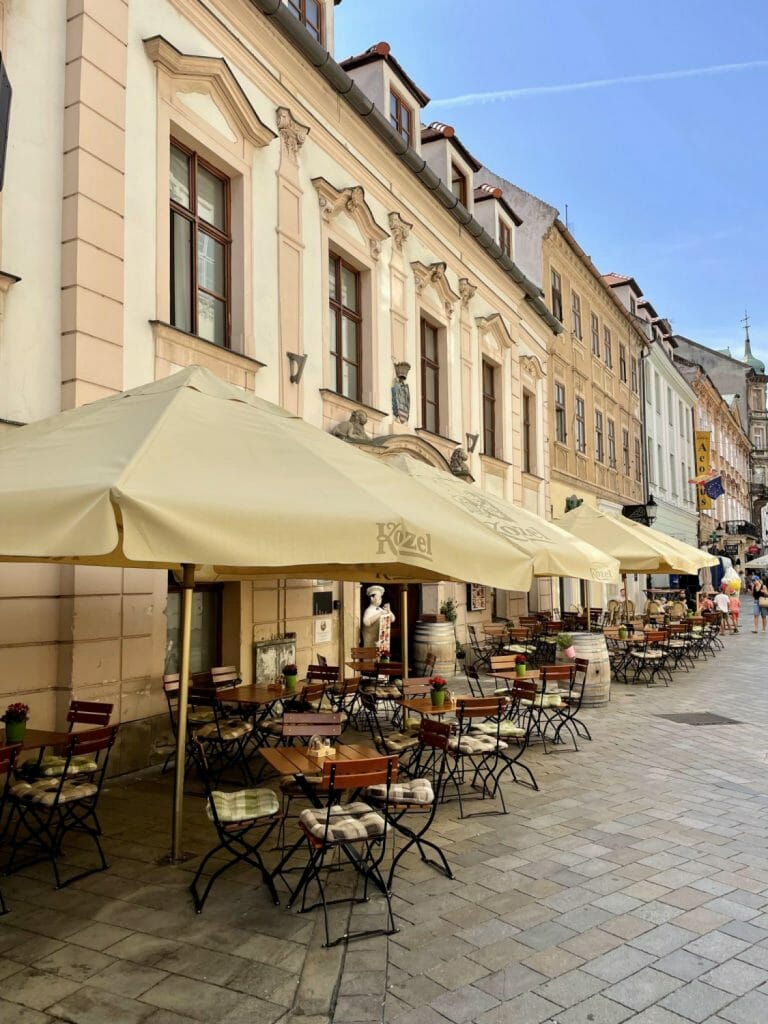
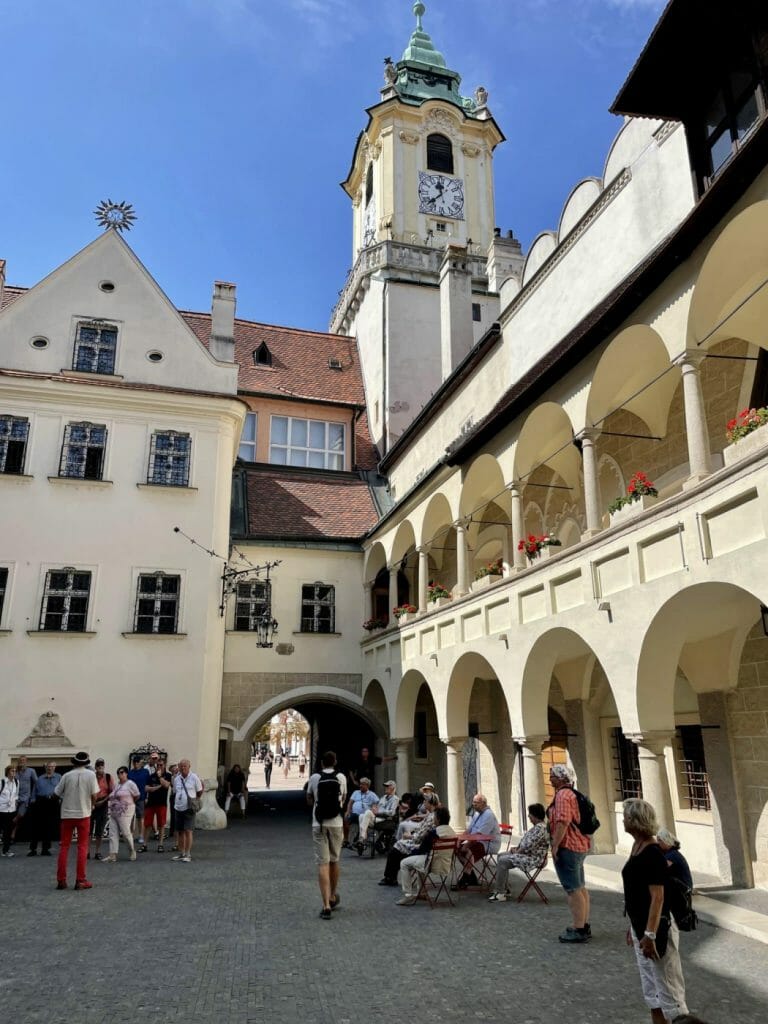
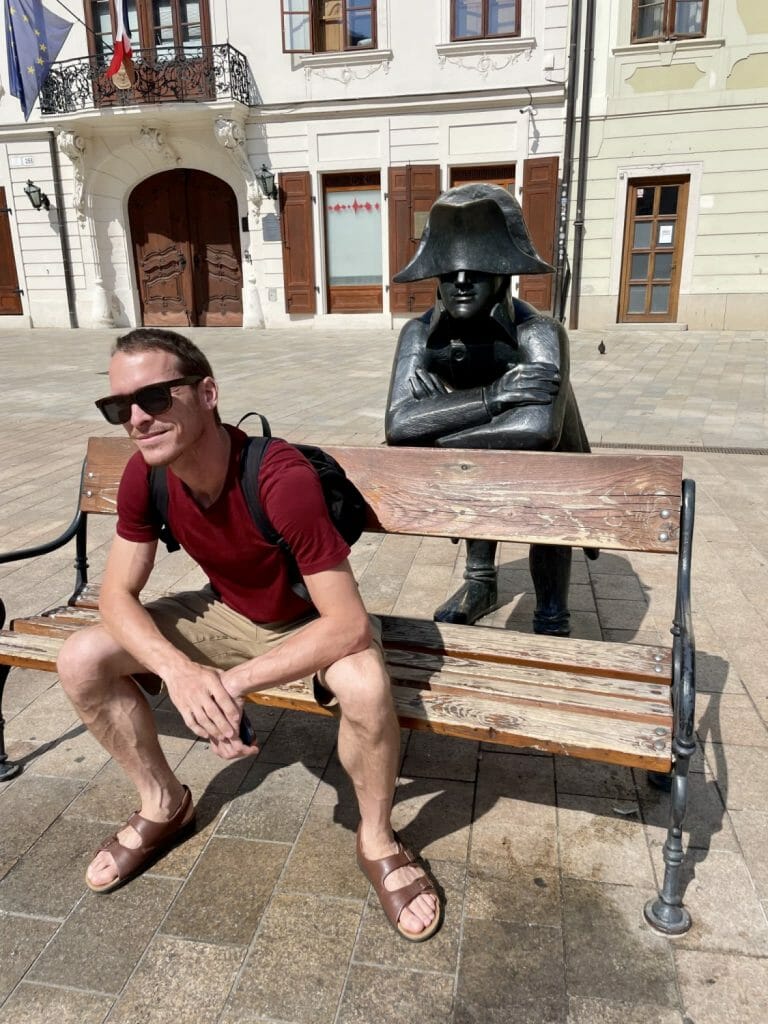
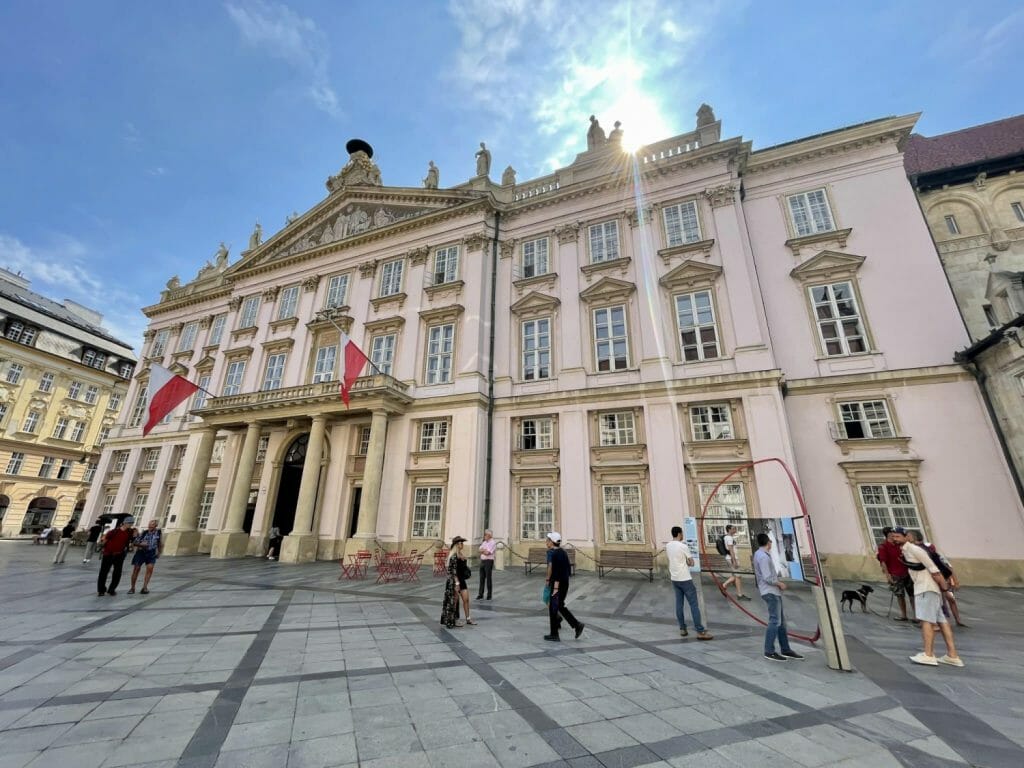
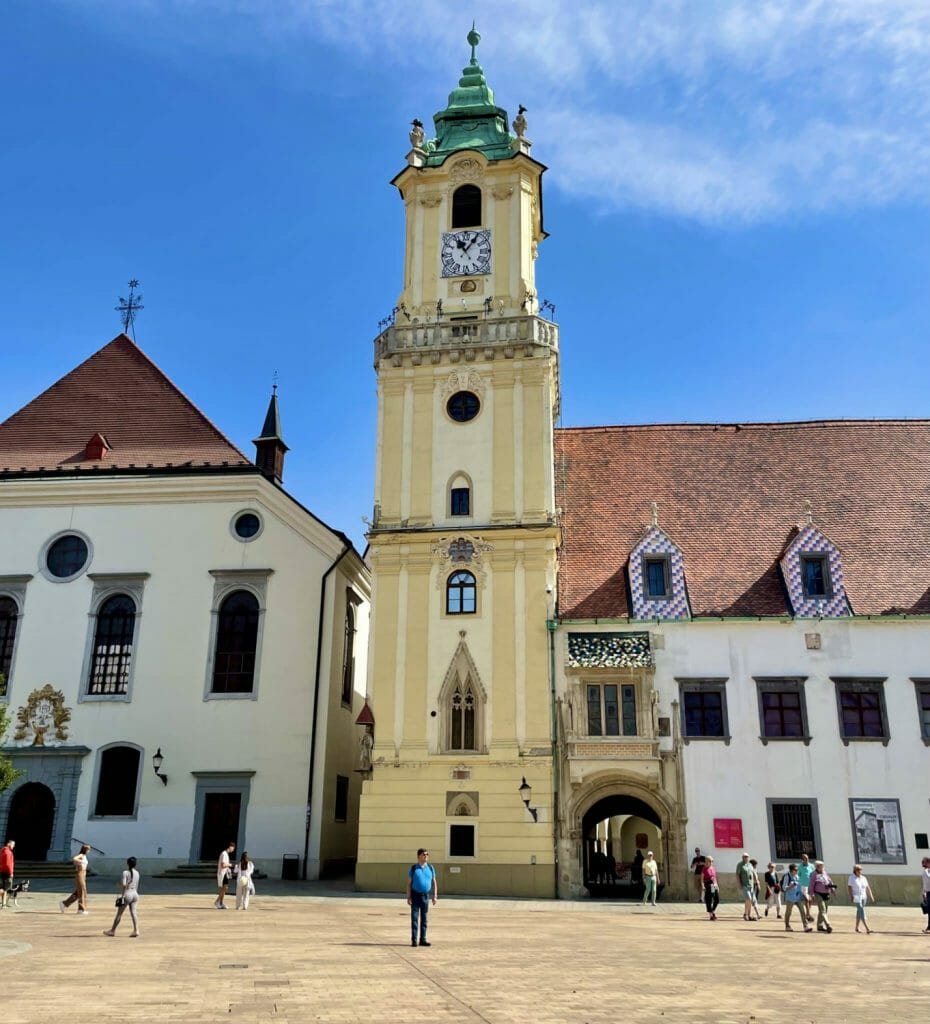
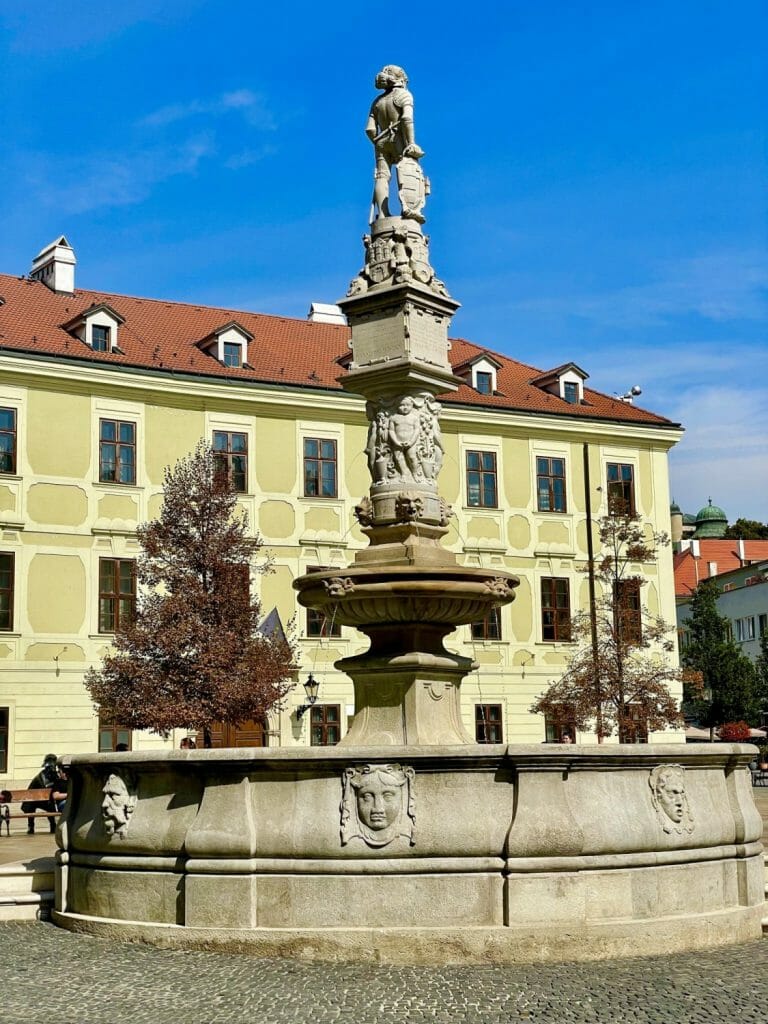
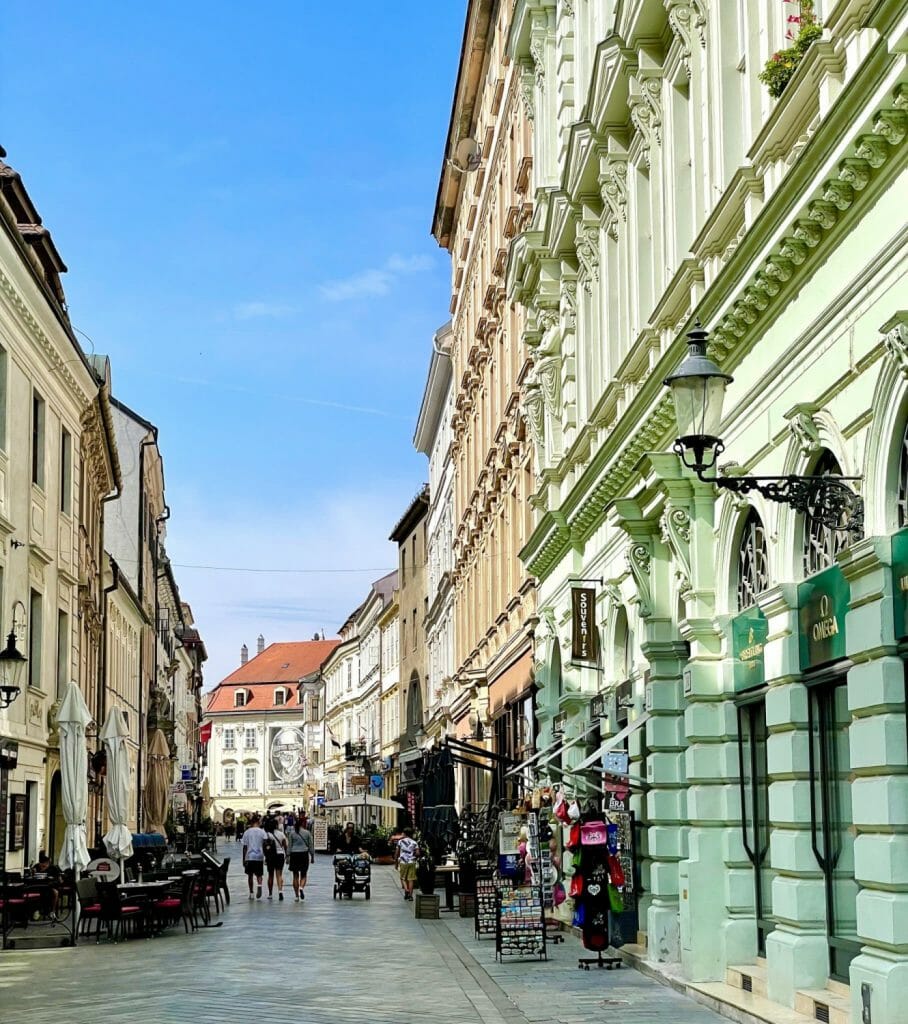
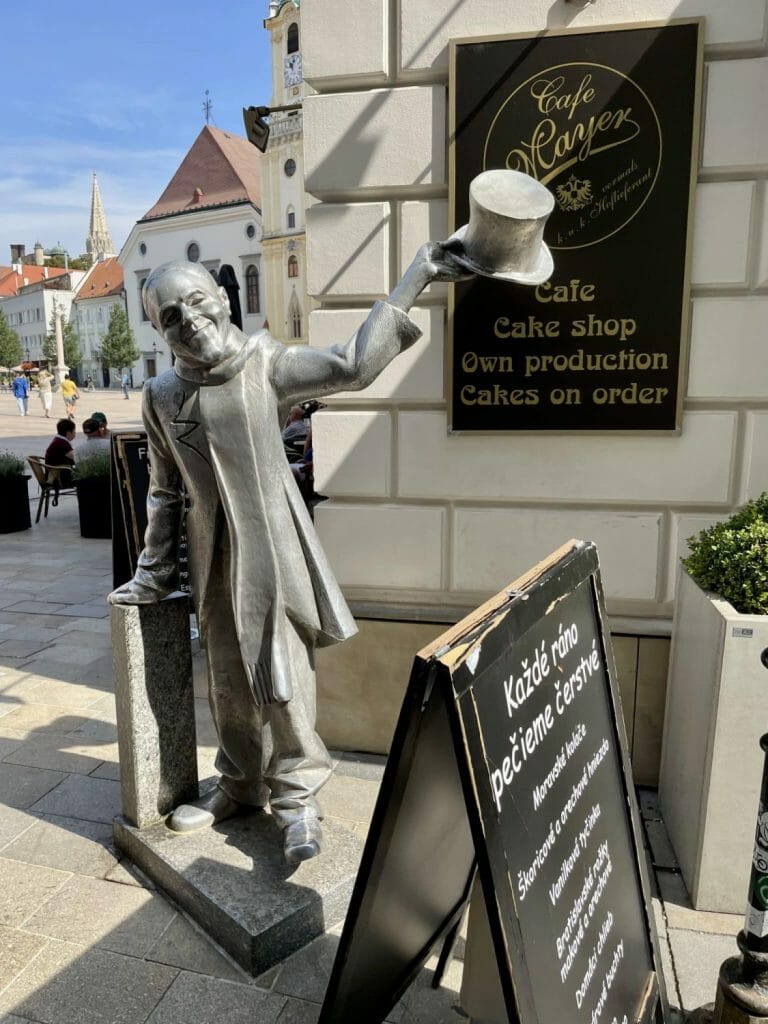
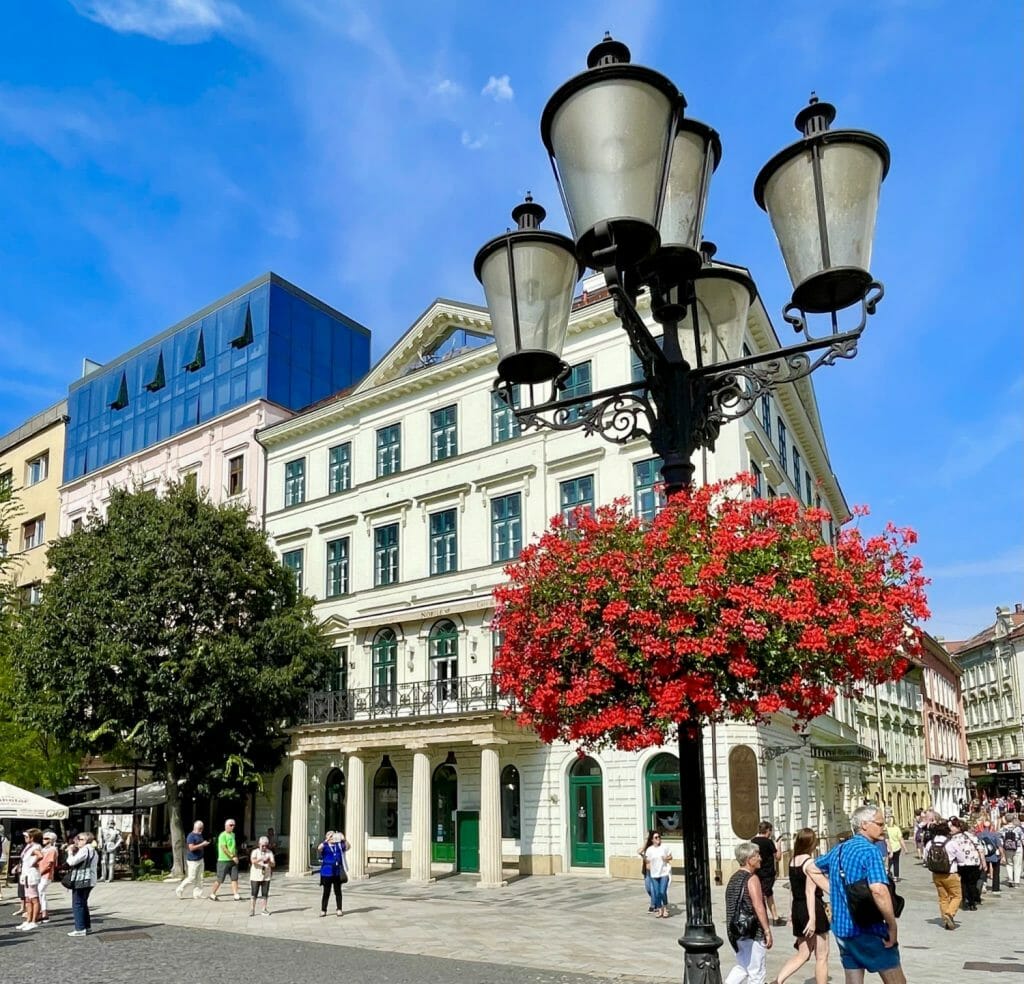
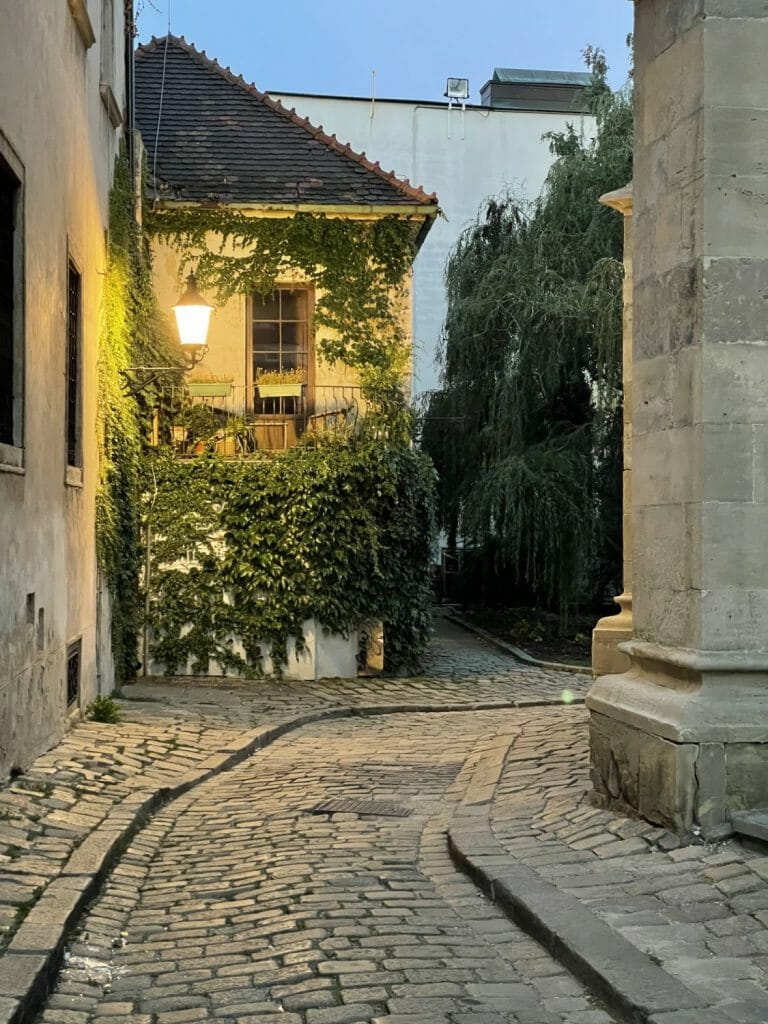
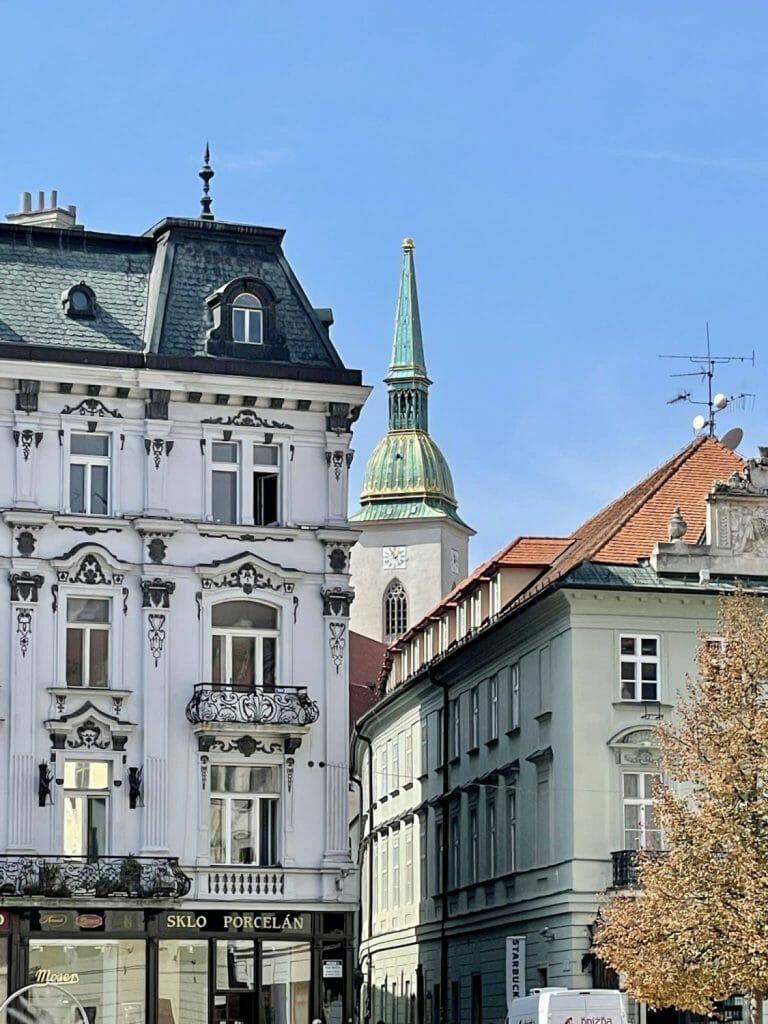
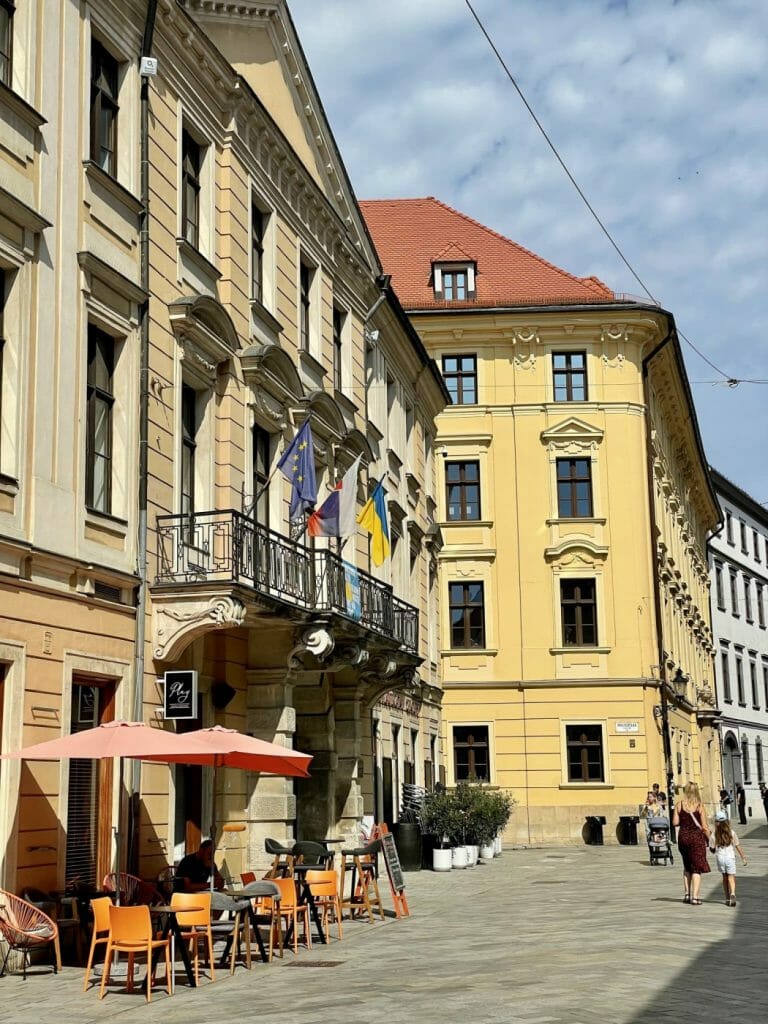
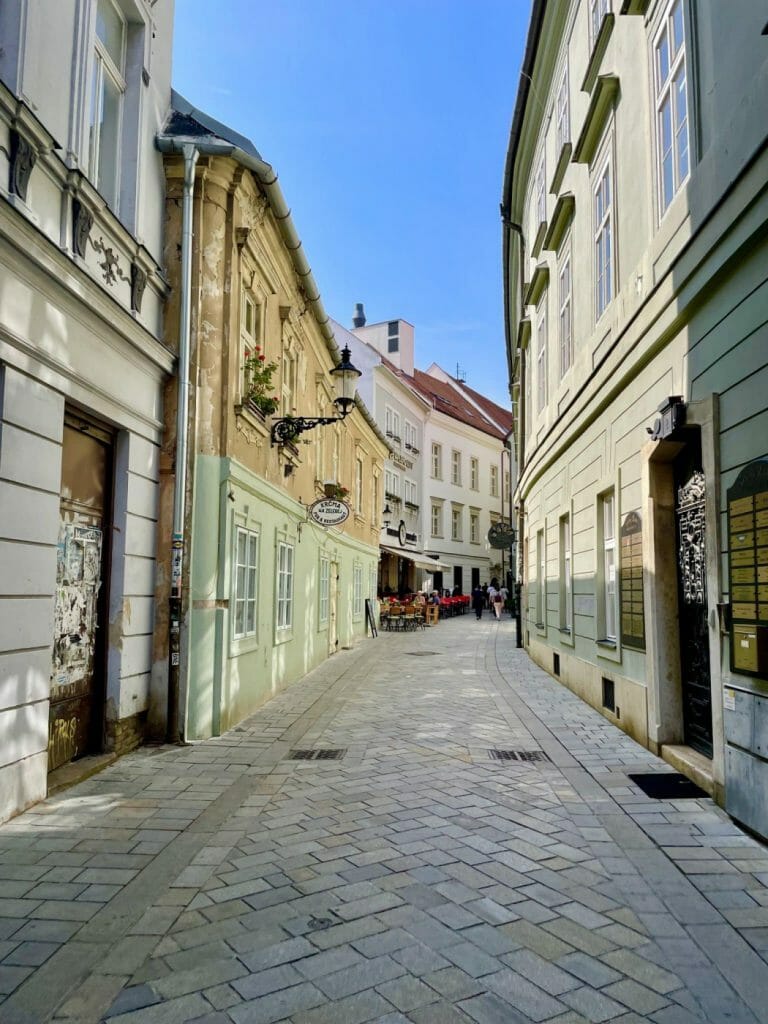
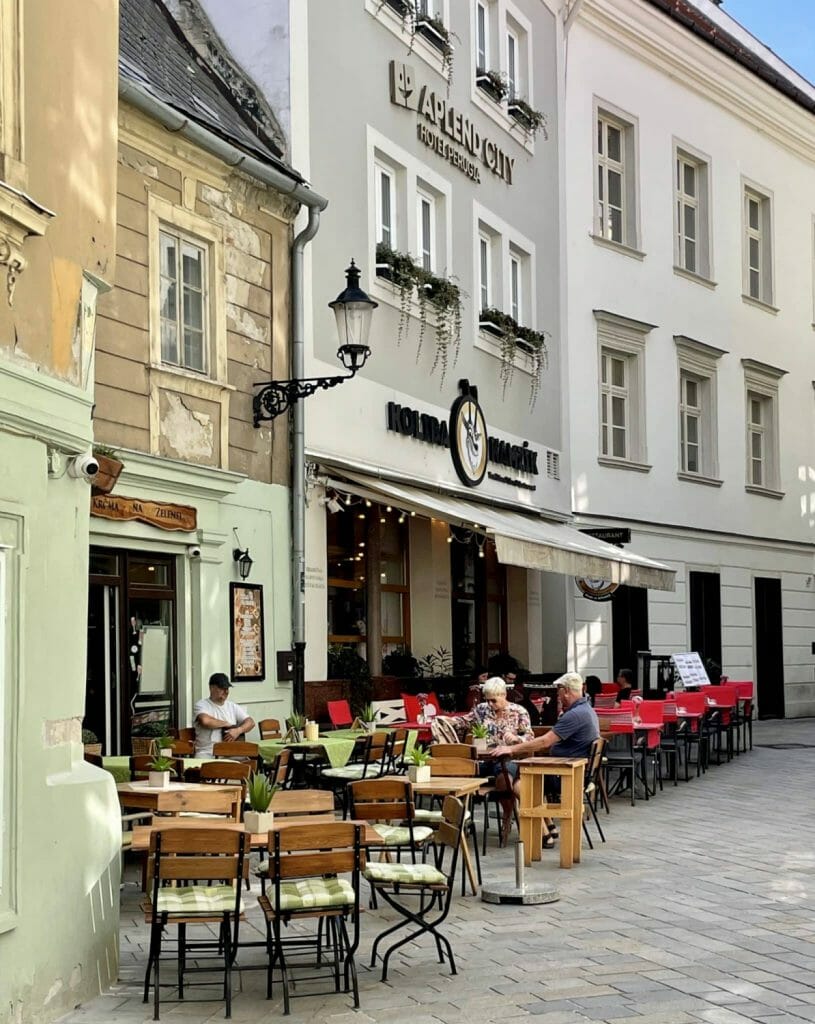
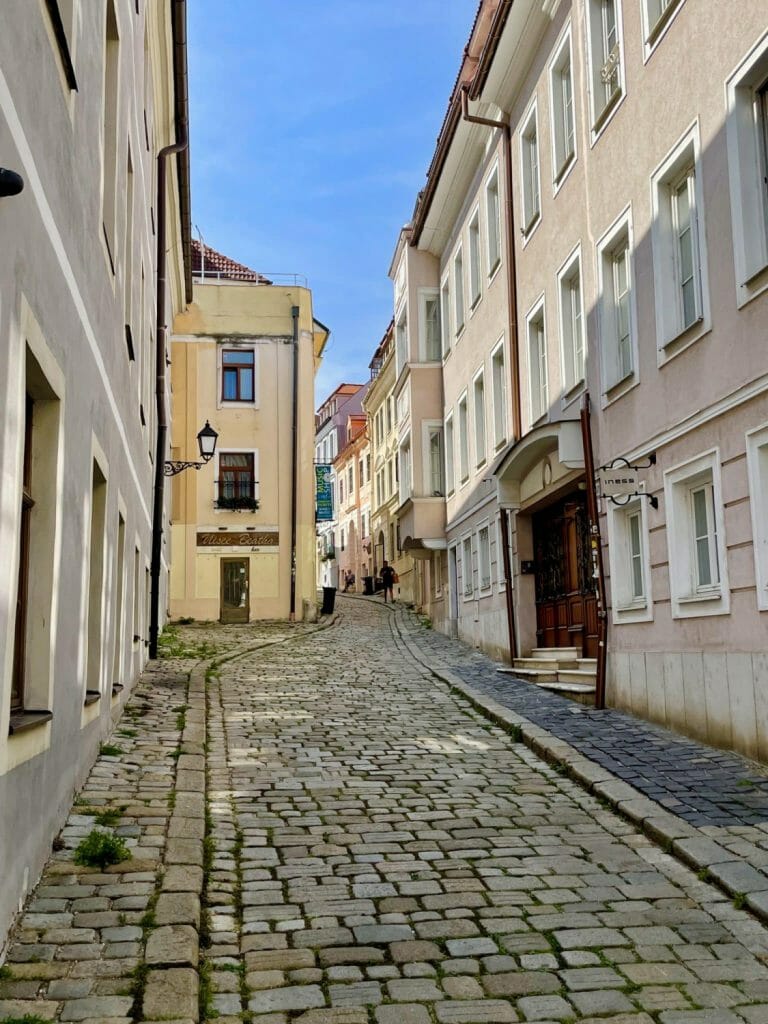
Bratislava’s Old Town is the heart and soul of the city, filled with colorful buildings, hidden courtyards, outdoor cafes, and lively public squares. Wandering through the narrow cobblestone streets feels wonderfully relaxed compared to many larger European capitals. Historic architecture blends Gothic, Baroque, and Renaissance influences, while small cafes and local restaurants create a welcoming atmosphere. Highlights include the Main Square, lined with historic buildings and fountains, as well as quirky bronze statues scattered throughout the streets that have become beloved symbols of Bratislava. The Old Town is also where visitors will find many of the city’s major landmarks within easy walking distance.
Devin Castle
Few places near Bratislava feel as dramatic and historically significant as Devin Castle. Perched high above the confluence of the Danube and Morava rivers, the castle ruins stand in a breathtaking location, surrounded by cliffs and rolling countryside. The site has been inhabited since ancient times and played an important defensive role during the Roman era and the Middle Ages. Today, visitors can explore the crumbling towers, ancient walls, and archaeological remains while learning about the castle’s role in Slovak history and resistance movements. The views from the ruins are spectacular and provide a peaceful escape from the city center.
St. Martin’s Cathedral
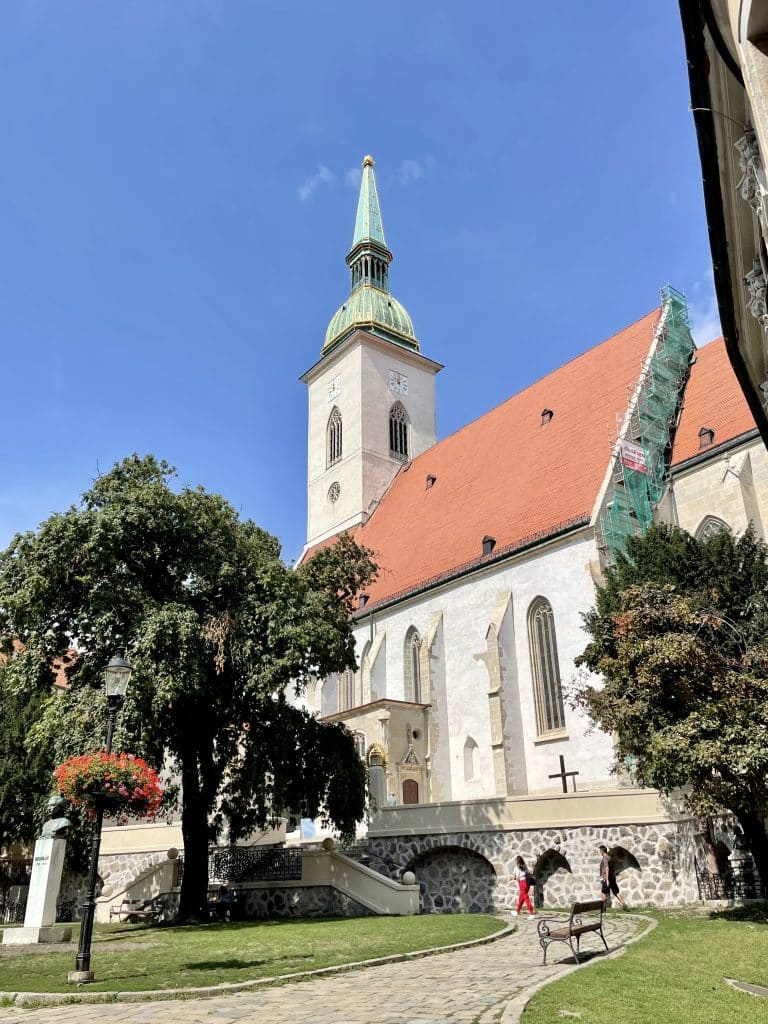
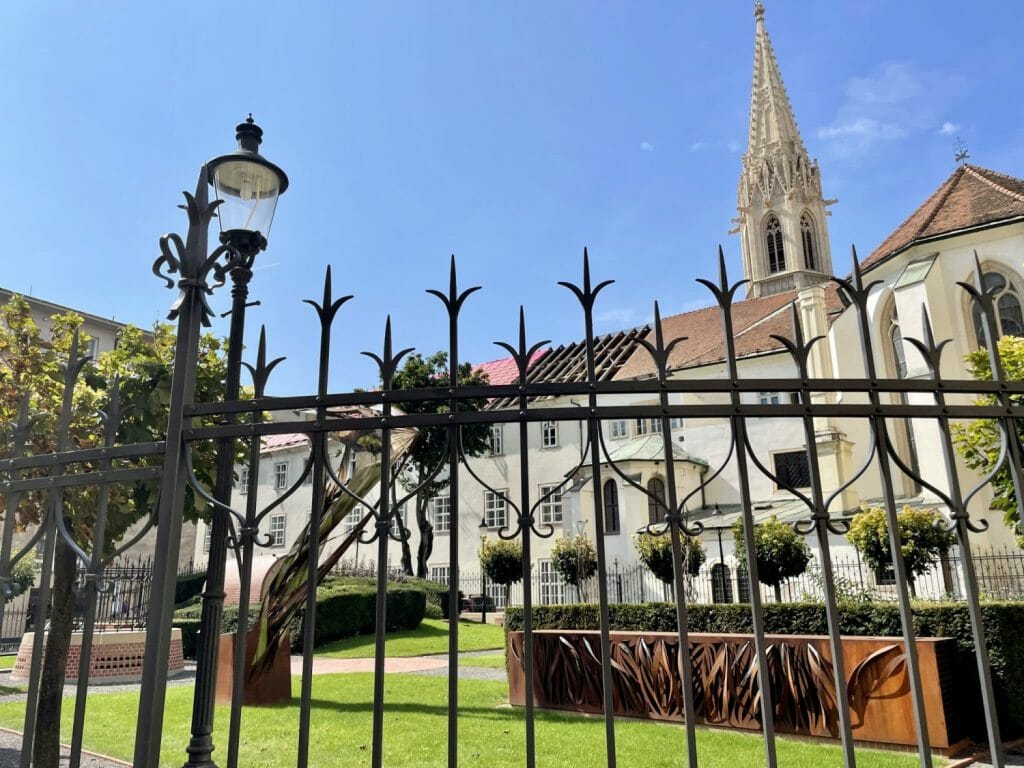
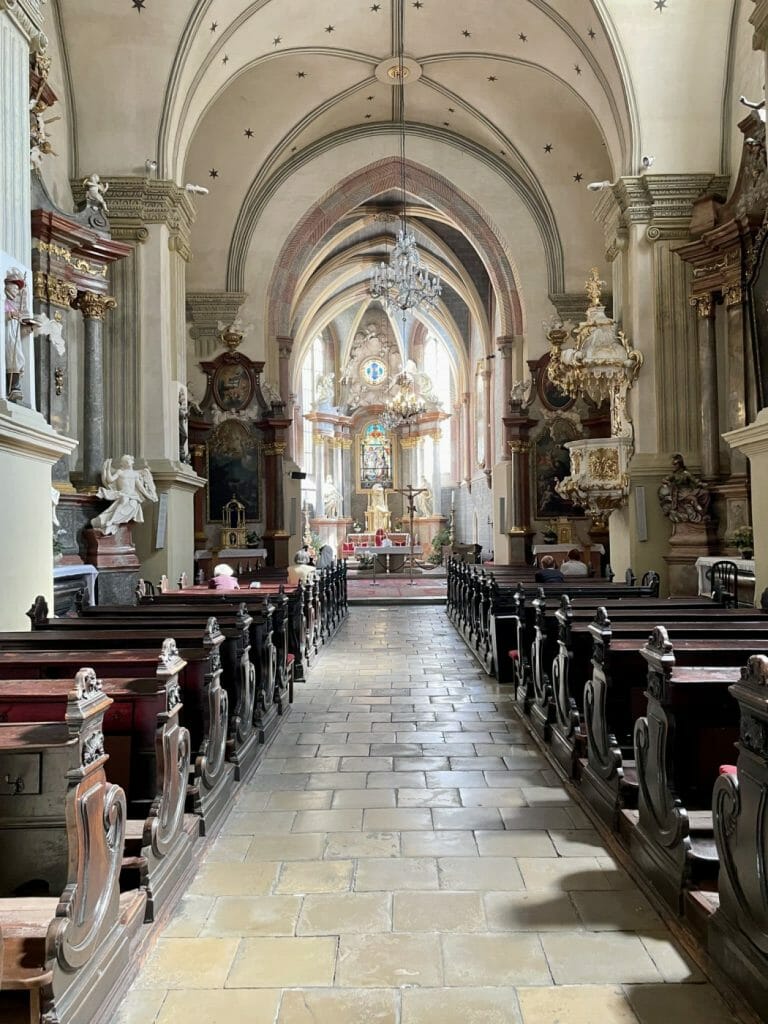
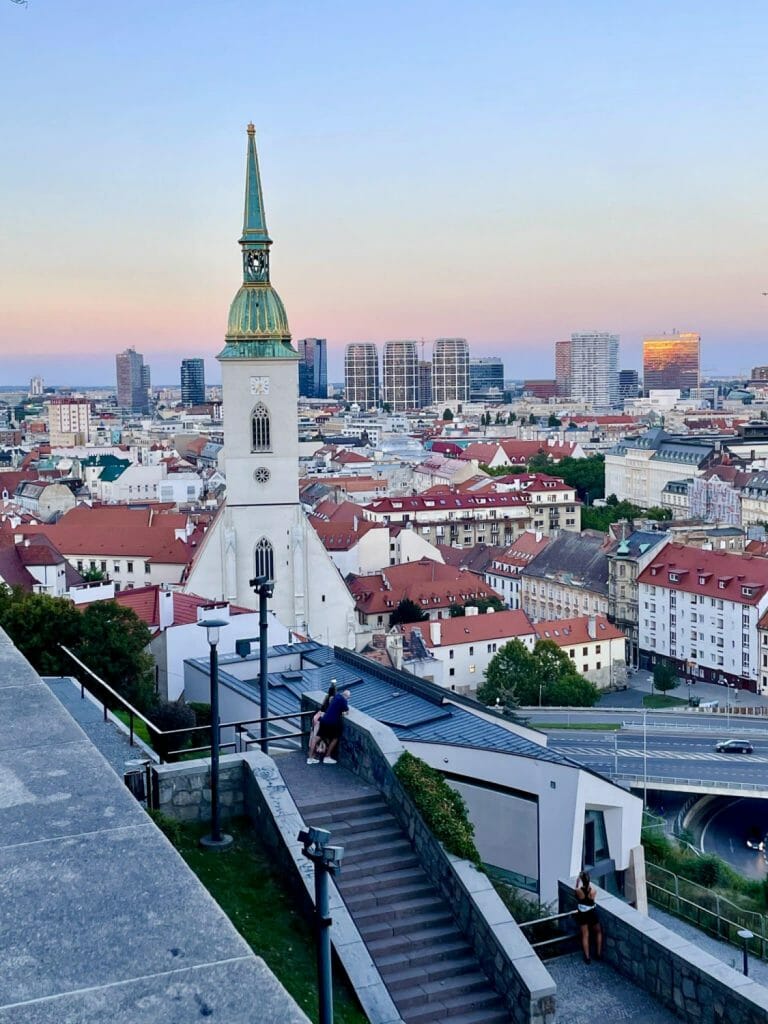
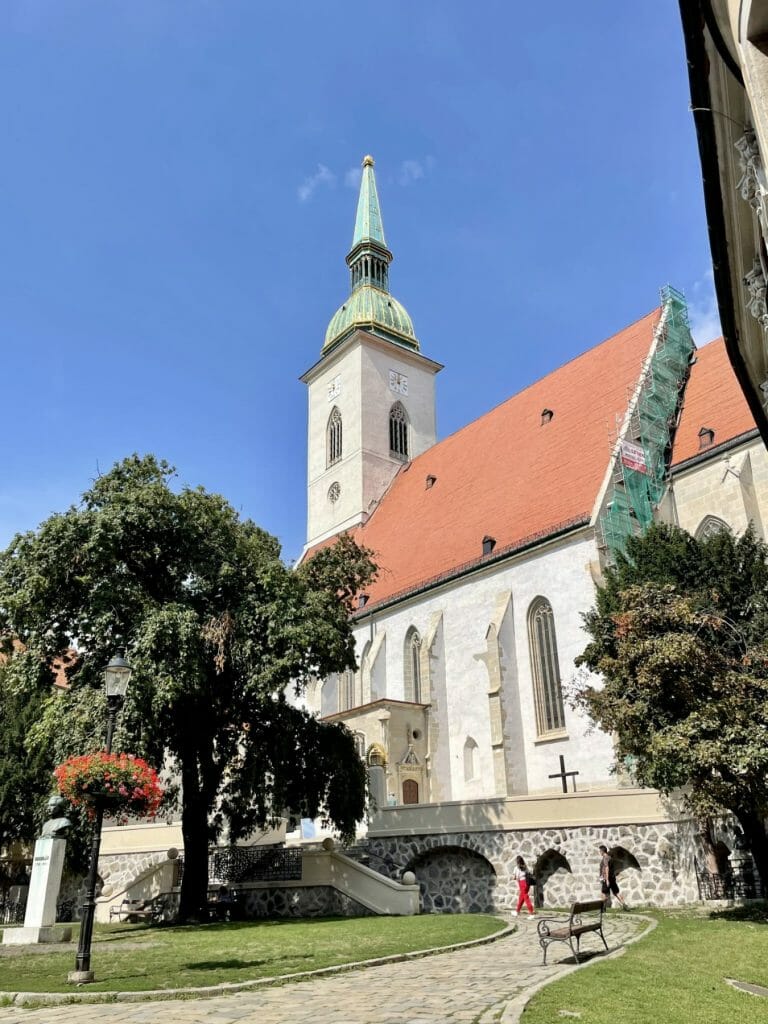
St. Martin’s Cathedral is one of Bratislava’s most historically important religious sites and served as the coronation church for Hungarian kings and queens between the 16th and 19th centuries. Located at the edge of the Old Town beneath Bratislava Castle, the cathedral’s Gothic spire rises prominently above the surrounding streets. Inside, visitors will find elegant vaulted ceilings, impressive stained glass, and centuries of royal history. A gilded replica of the Hungarian royal crown sits atop the cathedral tower, symbolizing its important role during the Habsburg era.
Michael’s Gate
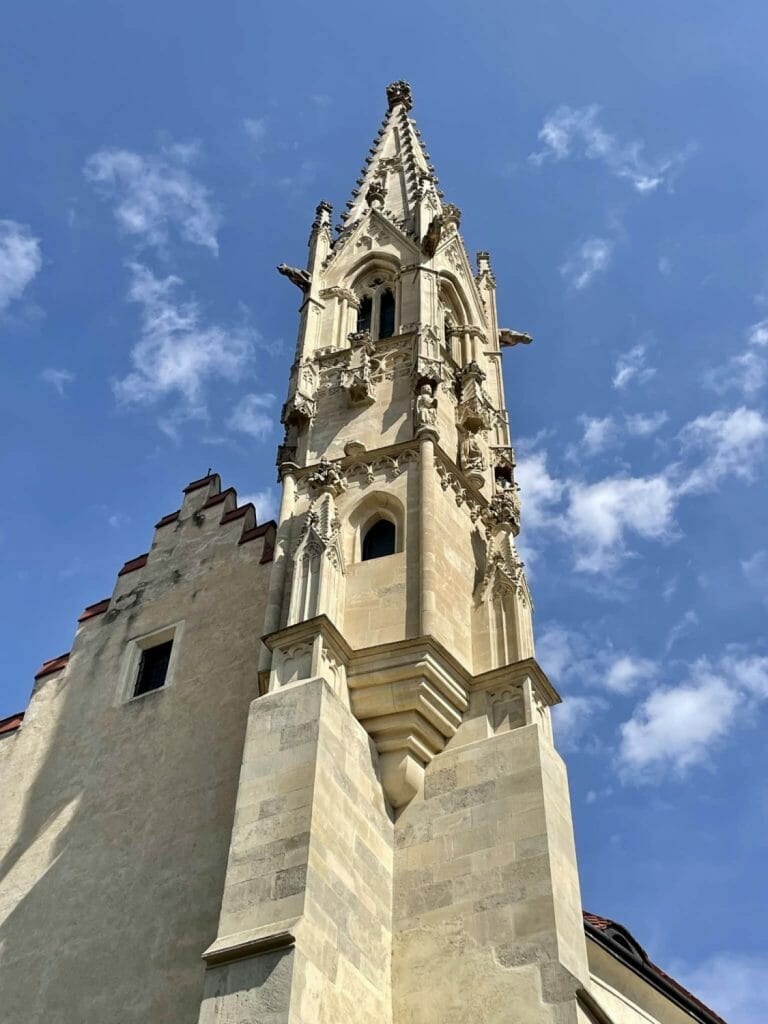
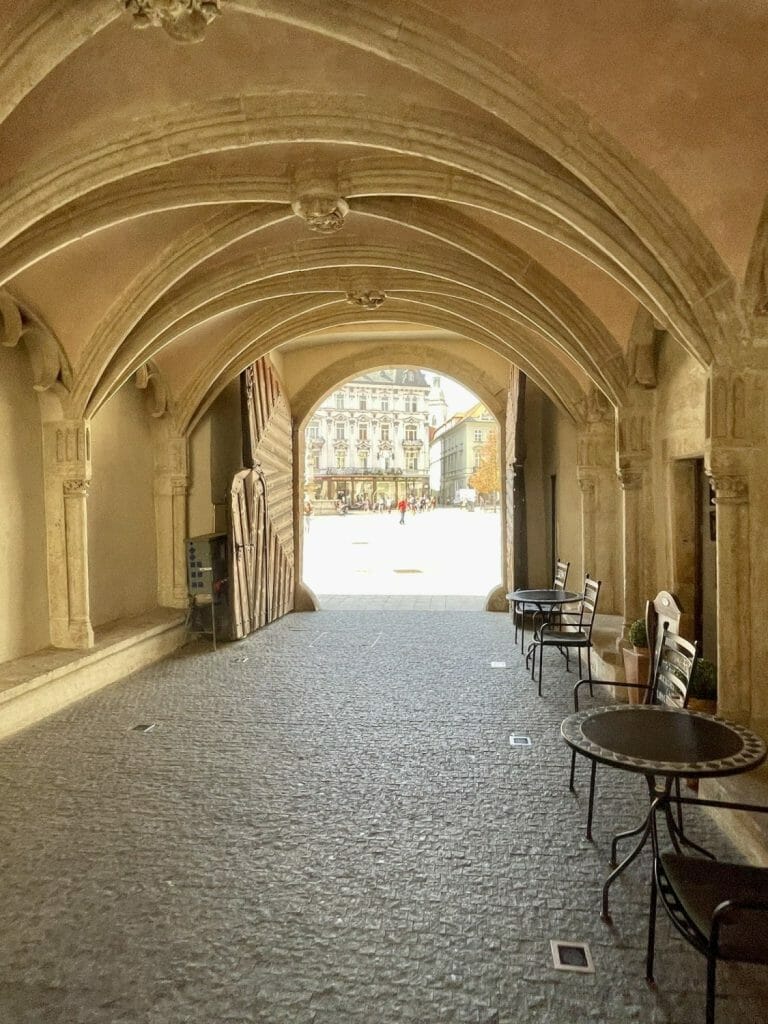
Michael’s Gate is the last remaining medieval gate from Bratislava’s old fortification system and offers a fascinating glimpse into the city’s medieval past. Built in the 14th century, the tower once protected one of the main entrances into the fortified city. Today, visitors can climb the tower for excellent views over the Old Town’s rooftops and winding streets. Inside, a small museum displays historical weapons and exhibits about Bratislava’s defensive history. Beneath the gate, a circle embedded into the street marks distances to major world cities from Bratislava.
Slovak National Theatre
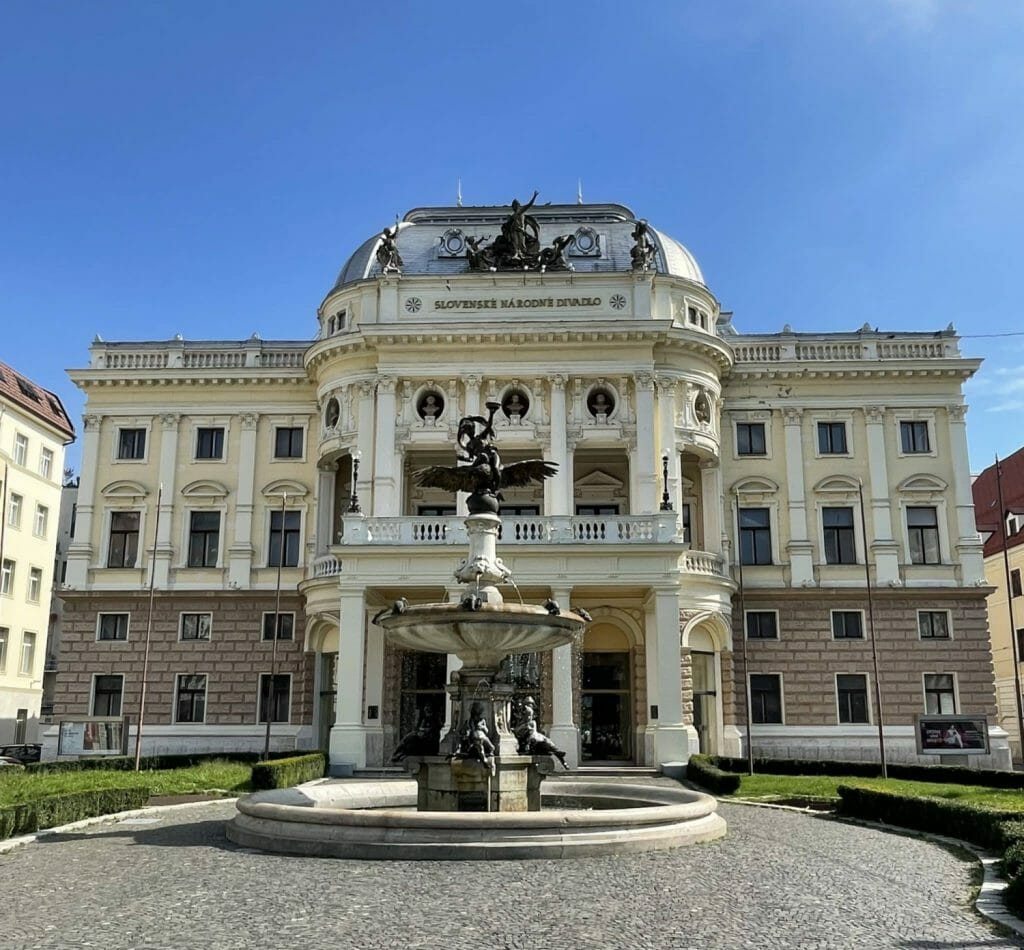
The Slovak National Theatre is one of the country’s premier cultural institutions, showcasing Slovakia’s rich artistic traditions through opera, ballet, and dramatic performances. The historic Neo-Renaissance building in the Old Town is especially beautiful, with its elegant facade and ornate interior reflecting the grandeur of Europe’s classic theaters. Nearby, the modern New Building along the Danube represents Bratislava’s contemporary cultural growth. Even travelers who do not attend a performance often admire the theater buildings as architectural highlights of the city.
UFO Observation Deck
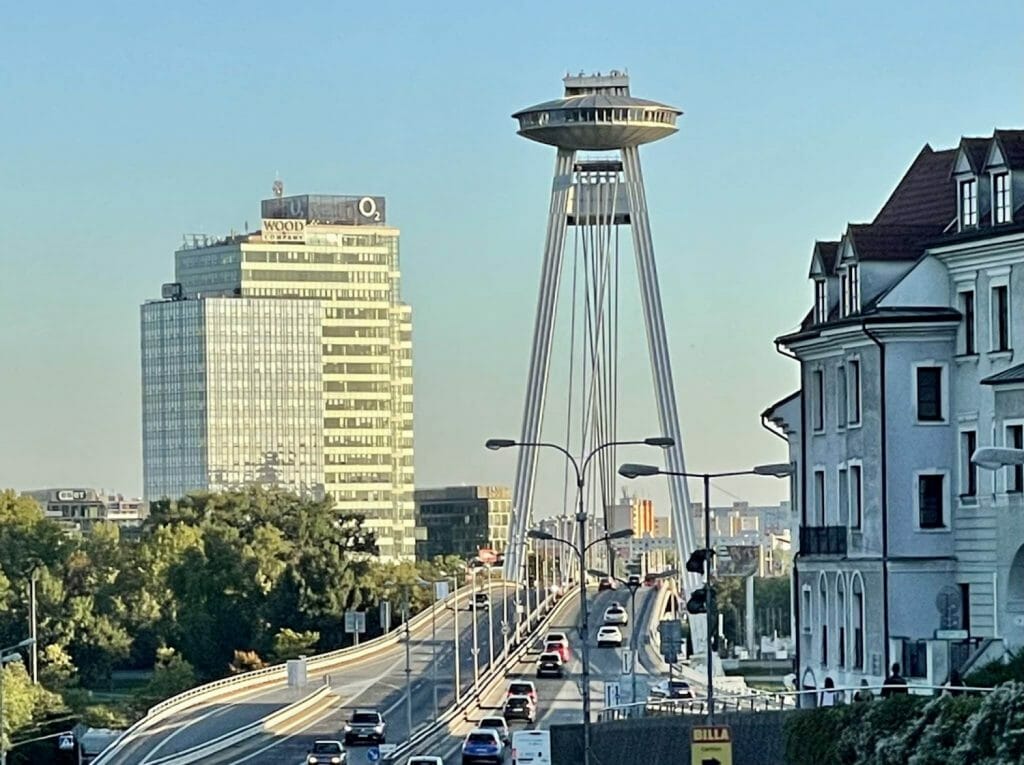
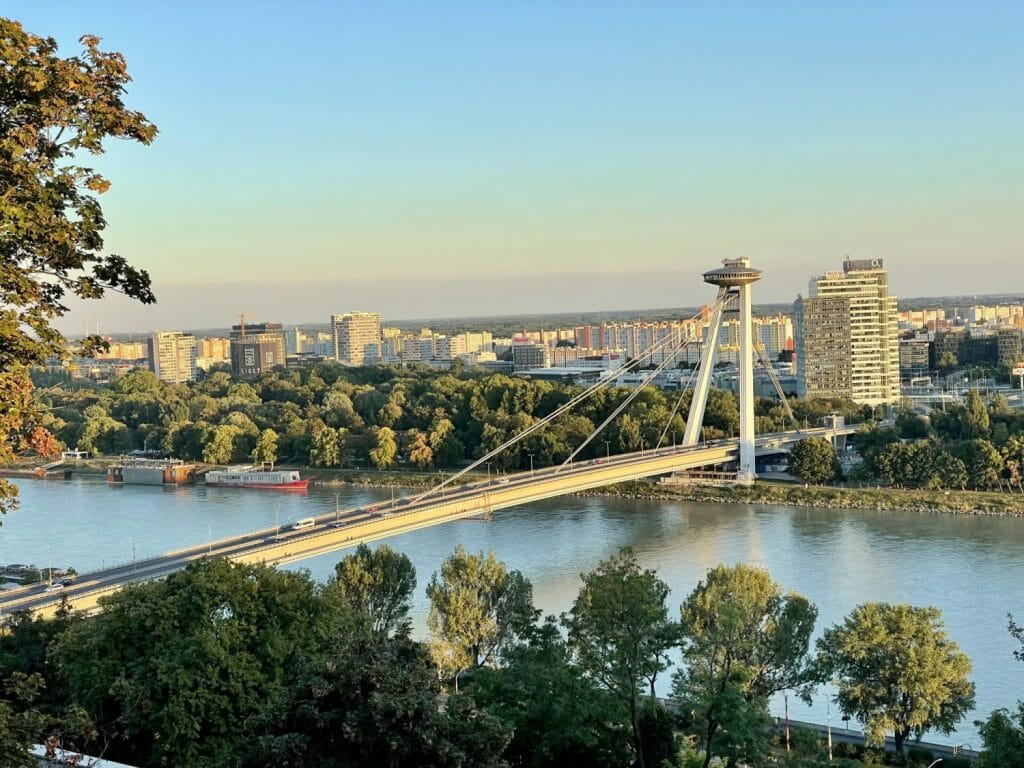
One of Bratislava’s most unusual attractions is the UFO Observation Deck, perched high atop the Nový Most bridge crossing the Danube River. The futuristic structure resembles a flying saucer hovering above the city skyline and provides some of the best panoramic views in Bratislava. From the observation deck, visitors can see the Old Town, Bratislava Castle, the Danube, and the surrounding countryside stretching into Austria and Hungary. The attached restaurant allows guests to dine while enjoying one of the most unique viewpoints in Central Europe, especially beautiful at sunset.
Hviezdoslav Square
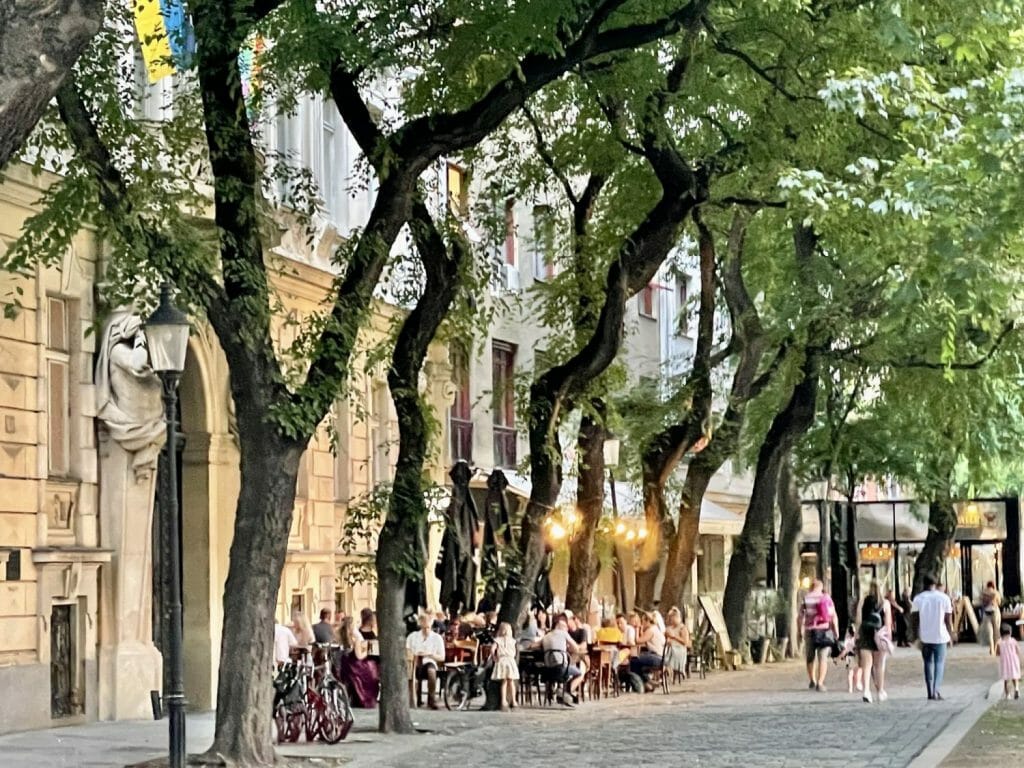
Hviezdoslav Square is one of Bratislava’s liveliest gathering places and serves as a social and cultural hub for both locals and visitors. Lined with trees, fountains, cafes, and restaurants, the square has a relaxed yet elegant atmosphere. It is named after Slovak poet Pavol Országh Hviezdoslav and frequently hosts festivals, concerts, outdoor markets, and seasonal events. Several important landmarks border the square, including the historic Slovak National Theatre and embassies housed in beautiful historic buildings.
Blue Church (Church of St. Elizabeth)

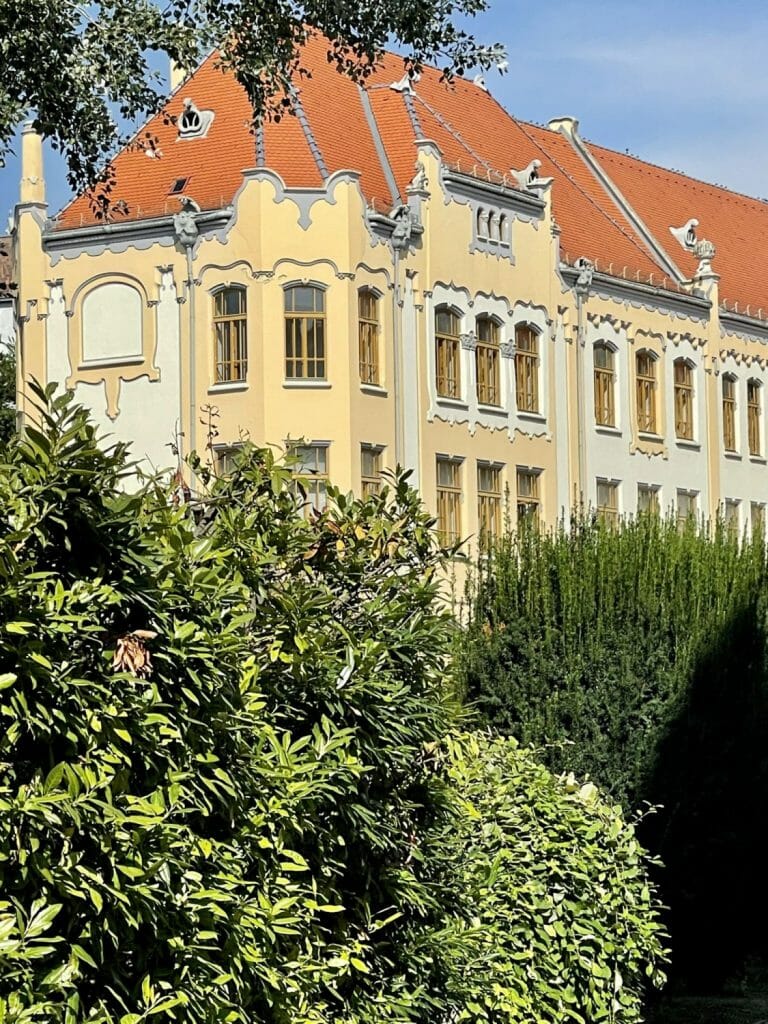
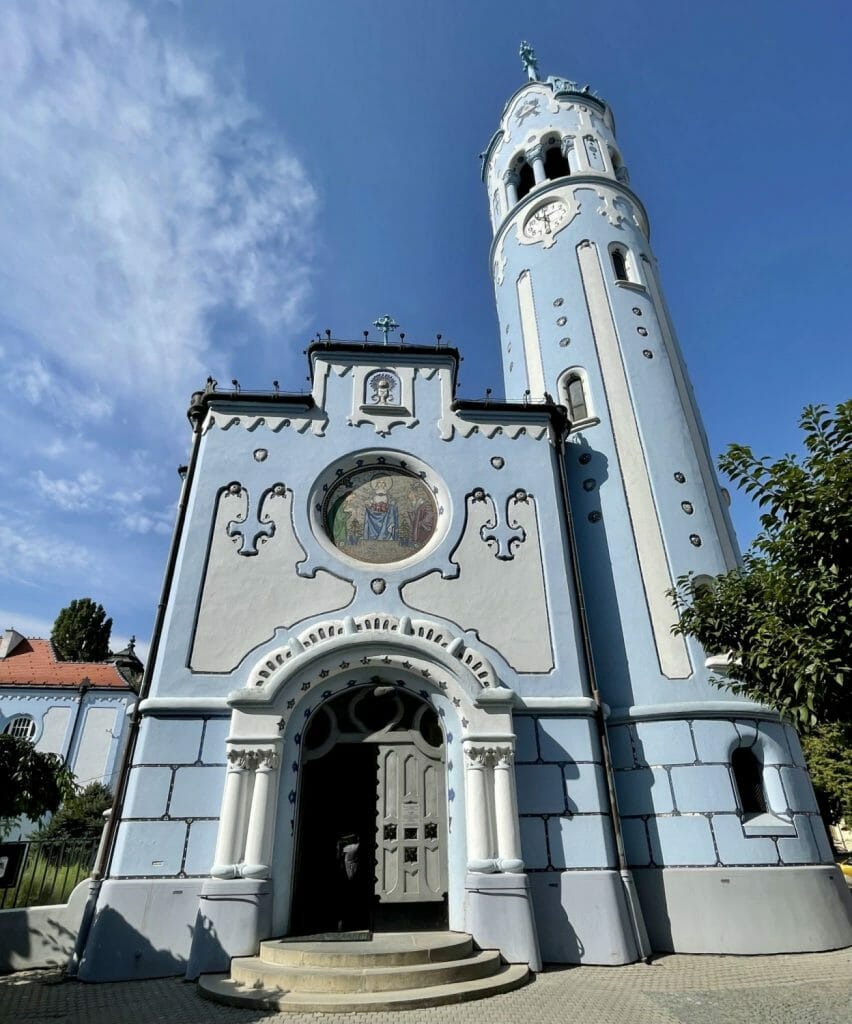
The Blue Church is easily one of the most visually striking landmarks in Bratislava. Officially known as the Church of St. Elizabeth, the building is famous for its soft pastel blue exterior, delicate Art Nouveau details, and whimsical design. Almost every part of the church, from the roof tiles to the interior decorations, follows the blue color theme. Inside, visitors will find intricate mosaics, decorative arches, and stained glass that give the church an almost fairytale-like appearance. Its unique design makes it one of the most photographed sites in the city.
Slovak National Museum
The Slovak National Museum offers visitors a deeper understanding of Slovakia’s cultural identity and historical development. Through exhibits covering archaeology, folk traditions, natural history, and political history, the museum paints a detailed picture of the country’s evolution over centuries. Artifacts range from prehistoric discoveries to medieval treasures and traditional Slovak clothing. The museum’s riverside location also places visitors near several other major attractions in central Bratislava.
Slavin War Memorial
Standing high above Bratislava, the Slavin War Memorial is both a powerful historical site and one of the city’s best viewpoints. Built to honor Soviet soldiers who died during the liberation of Bratislava in World War II, the massive monument dominates the skyline and serves as the burial site for 6,845 soldiers. A towering obelisk topped by a statue of a Soviet soldier rises above solemn memorial grounds and military graves. Beyond its historical significance, the hilltop setting offers sweeping views across Bratislava and the surrounding region.
Standing high above Bratislava, the Slavin War Memorial is both a powerful historical site and one of the city’s best viewpoints. Built to honor Soviet soldiers who died during the liberation of Bratislava in World War II, the massive monument dominates the skyline and serves as the burial site for 6,845 soldiers. A towering obelisk topped by a statue of a Soviet soldier rises above solemn memorial grounds and military graves. Beyond its historical significance, the hilltop setting offers sweeping views across Bratislava and the surrounding region.
Eurovea Waterfront
The Eurovea Waterfront represents Bratislava’s modern and rapidly developing side. Stretching along the Danube River, the area combines shopping, restaurants, public spaces, entertainment venues, and scenic walking paths into one vibrant district. Locals and visitors gather here to relax beside the river, dine outdoors, or enjoy evening strolls along the promenade. The modern Slovak National Theatre building is also located nearby, helping blend culture with the city’s contemporary urban atmosphere.
Experience Bratislava’s Beer and Gastronomic Culture
Bratislava’s food and drink scene has grown into one of Central Europe’s hidden gems. Traditional Slovak cuisine can be found alongside trendy cafes, craft breweries, wine bars, and international restaurants. Visitors should try local specialties such as bryndzové halušky, Slovakia’s famous potato dumplings with sheep cheese, often paired with local beer or regional wine from nearby vineyards. The city’s compact size makes it easy to hop between cozy pubs, stylish cocktail bars, historic coffeehouses, and modern restaurants while soaking in Bratislava’s laid-back atmosphere.
Our Visit Details
One night in the last days of August 2022
5th night of a 14-day trip that included Budapest, Prague, and Vienna
It is our first visit to Slovakia
Accommodations
Marrols Boutique Hotel
(Free with Chase Reward Points)
How we got around Bratislava
We walked 9.6 miles after our evening arrival and for about 3 hours the next day.
Pre-purchased tickets/events
None
Weather
The weather was sunny, with average temperatures in the low 80s. It was a bit warm at times, but much more comfortable than our days in Budapest.
Our Favorite Moments and Highlights
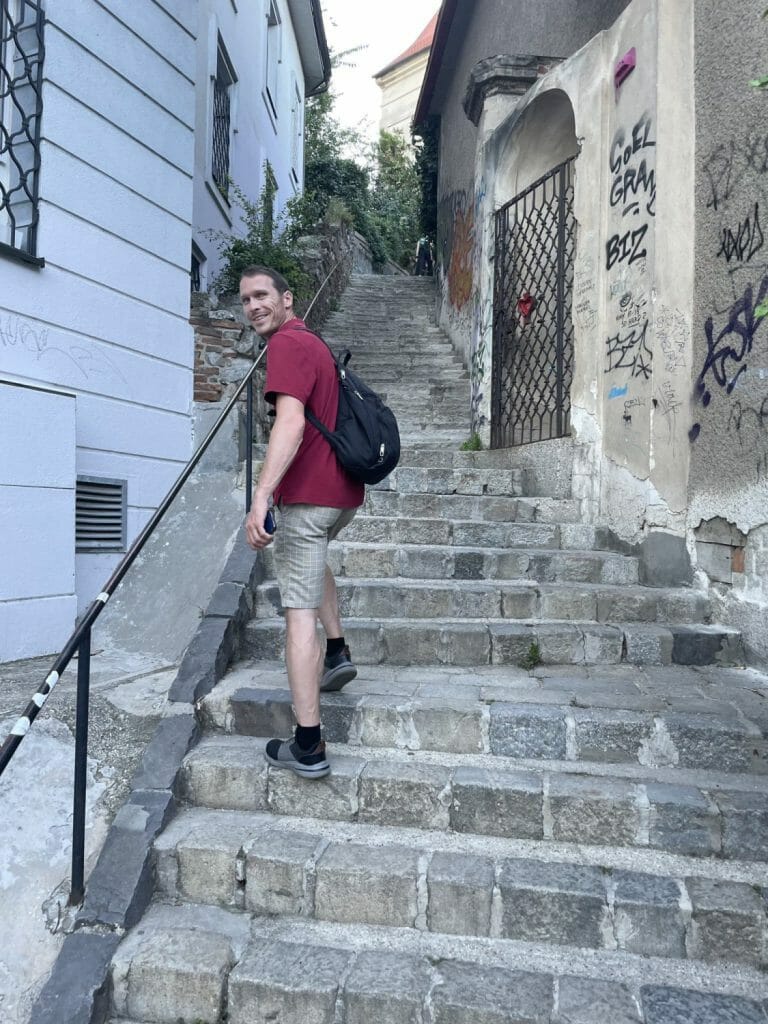
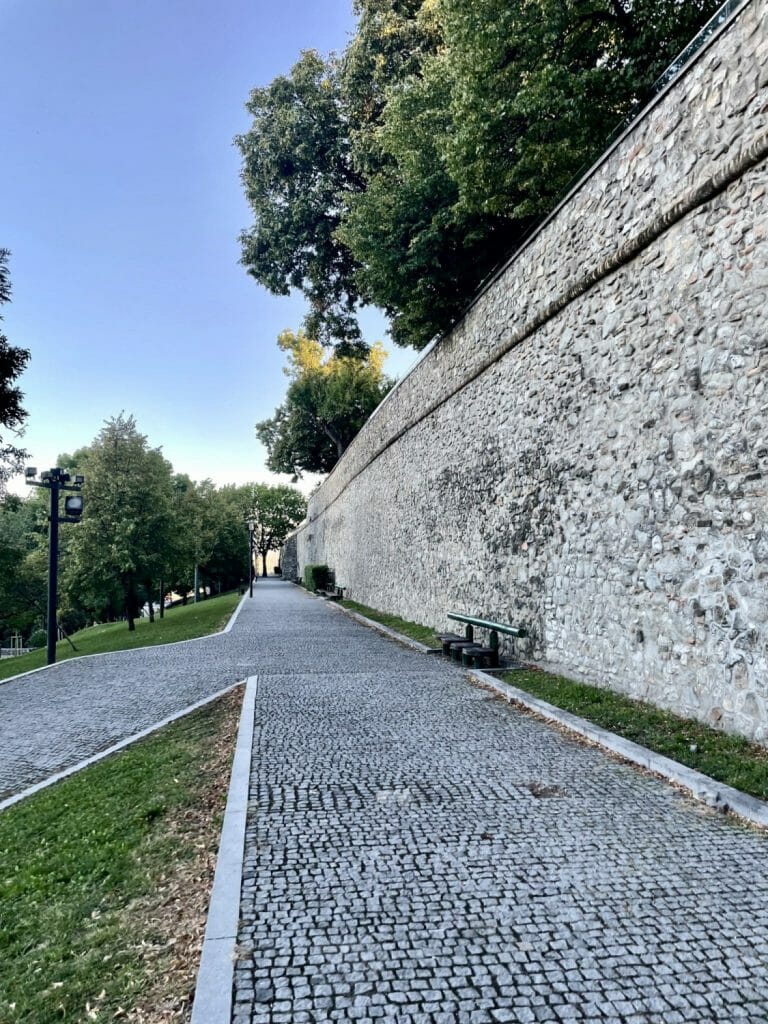
Bratislava Castle was easily one of our favorite experiences in the city. Sitting high above the Danube River, the castle and its surrounding grounds offer spectacular panoramic views of Bratislava and beyond. The uphill walk to reach the castle certainly got the heart pumping, but once we arrived, it was absolutely worth the effort. Standing atop the hill overlooking the river and the red rooftops of the Old Town created one of those memorable travel moments that stays with you.
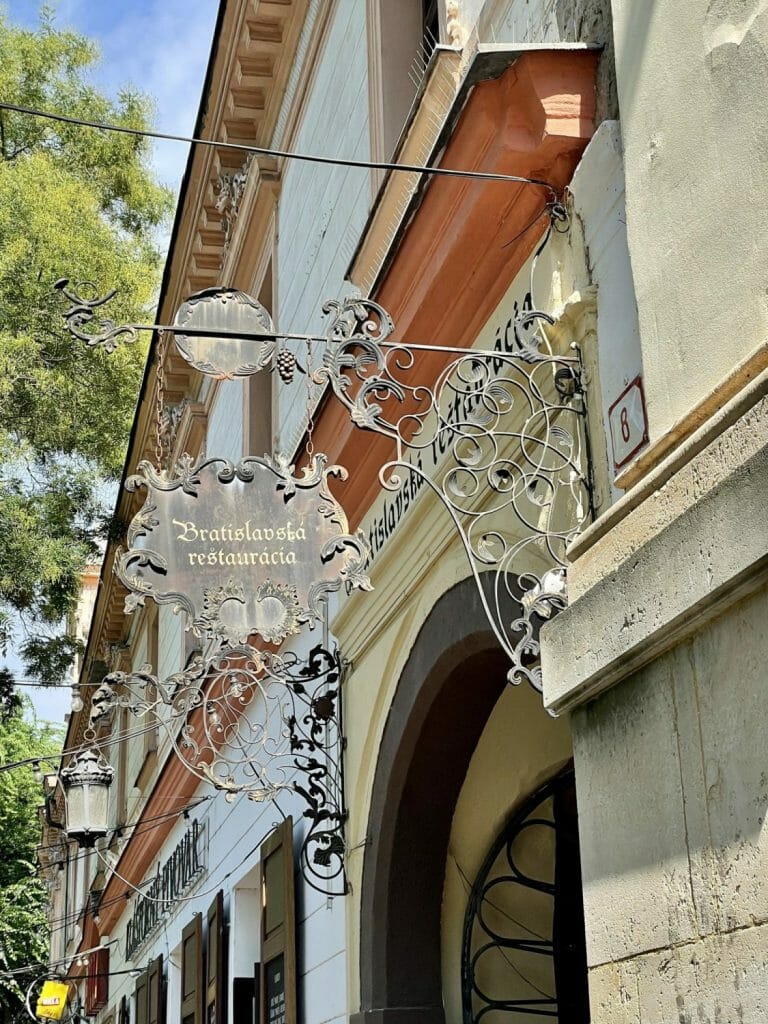
We also loved wandering through Bratislava’s Old Town. It is compact, easy to navigate, and filled with charm around nearly every corner. The area is packed with historic churches, inviting cafes, lively restaurants, small shops, and cozy bars, making it a wonderful place to simply slow down and explore without a strict plan.
St. Martin’s Cathedral stood out as one of the city’s most impressive landmarks. Knowing that Hungarian kings and queens were once crowned there added an extra sense of significance as I walked through the historic church. Its Gothic architecture and towering presence make it hard to miss while exploring the city center.
The Blue Church was another highlight that absolutely lived up to the hype. Its soft pastel blue exterior and whimsical Art Nouveau design make it unlike almost any church we have visited elsewhere in Europe. It feels almost storybook-like and is well worth the time to visit both the outside and the inside.
One attraction we unfortunately did not have enough time to fully experience was the UFO Observation Deck and bridge. Even from a distance, the futuristic structure stands out dramatically against Bratislava’s historic skyline. It remains high on our list for a future return visit.
Observations and Commentary

Bratislava is a popular stop for Danube River cruises, which means the city can become noticeably busier when ships are docked nearby. During our visit, however, the Old Town felt pleasantly relaxed and seemed mostly filled with locals rather than heavy tourist crowds. We never felt out of place or received curious looks as visitors. Quite the opposite, actually. People were friendly, welcoming, and patient throughout our time in the city.
Although we did not personally use public transportation during this visit, the system appeared modern, efficient, and extremely well-maintained. Trams and buses were frequent, clean, and seemed to operate seamlessly throughout the city. Bratislava gave the impression of a city that takes pride in its infrastructure and public spaces.
One of the biggest surprises for us was just how modern and vibrant Bratislava felt. Before arriving, we admittedly expected to still see more visible remnants of the struggles associated with decades of communist rule during the Soviet era. That assumption quickly disappeared. Bratislava today feels energetic, forward-looking, and economically healthy. The city is clean, organized, and bustling with activity. Parks were full of families and young people enjoying the outdoors; restaurants and cafes were lively; and there was visible investment throughout the city.
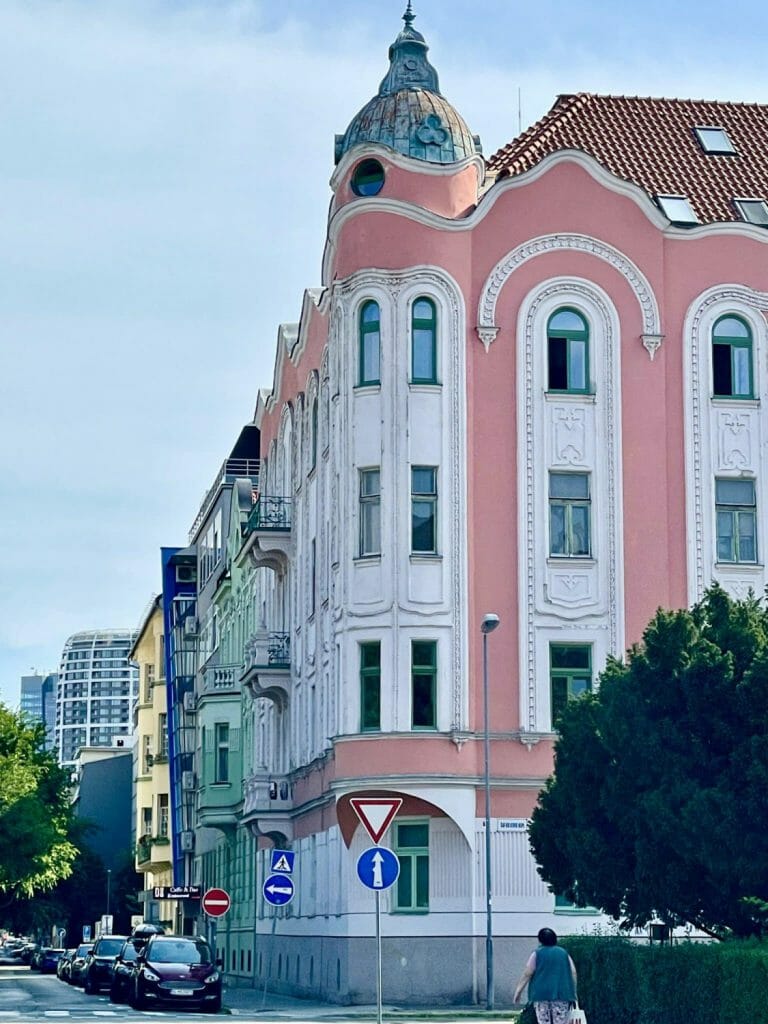
Even many of the older Soviet-era apartment blocks had been refreshed with bright colors and updated facades, making them feel far more welcoming and visually appealing than expected. Across the city, roads were being improved, historic buildings were actively being restored, and new development projects were underway. There was a strong sense that Bratislava continues to evolve while preserving its historic identity.
Affordable Visit
We also found Bratislava to be very affordable compared to many Western European capitals. Food, hotels, public transportation, and admission to attractions were all reasonably priced, especially given the quality of the experience. Slovakia uses the euro, and travelers coming from the United States will likely find their money stretches quite far here.
Safety was another major positive. We felt comfortable walking throughout the city, even later into the evening. Bratislava has youthful energy, thanks in part to its large student population, which contributes to a lively yet relaxed atmosphere throughout the city center.
One small but appreciated convenience was the widespread acceptance of Apple Pay and contactless payment systems. We rarely needed to pull out a physical credit card or cash during our visit.
For travelers dining in Slovakia, it is worth noting that tipping is customary and appreciated. Around 10 percent is standard in restaurants and bars. Unlike many places in the United States, servers generally do not bring a machine with a preset tipping screen. Instead, many locals either leave cash on the table or verbally tell the server how much to add before the payment is processed. For example, on a 70-euro restaurant bill, you might simply say, “Please add seven euros for the tip.” We found staff genuinely appreciative of the gesture.
Need more info on the country of Slovakia? Check out our Slovakia Travel Guide.
Where to Stay when Visiting Bratislava, Slovakia
Our recommendation is to stay in the heart of the city. It is small and easy to navigate, making it ideal for exploring the entire city.
When planning a trip, it’s always wise to compare accommodation prices across different platforms. Expedia, based in the U.S., and Booking.com, based in Europe, don’t always feature the same properties, so checking both can give you the best range of options. We prefer Booking.com for its user-friendly interface and wide selection, but we always recommend double-checking the hotel or vacation rental’s official website. Sometimes, you’ll find exclusive deals or perks when booking directly.
Click the link below to explore hotels and vacation homes in the area you are planning to visit. Who knows? It might be just the spark you need to start planning your next grand adventure.
Thank you for joining us on our adventure through the city of Bratislava
© 2026 Wanderers Compass All Rights Reserved
Check out the Official Tourism Website for Bratislava
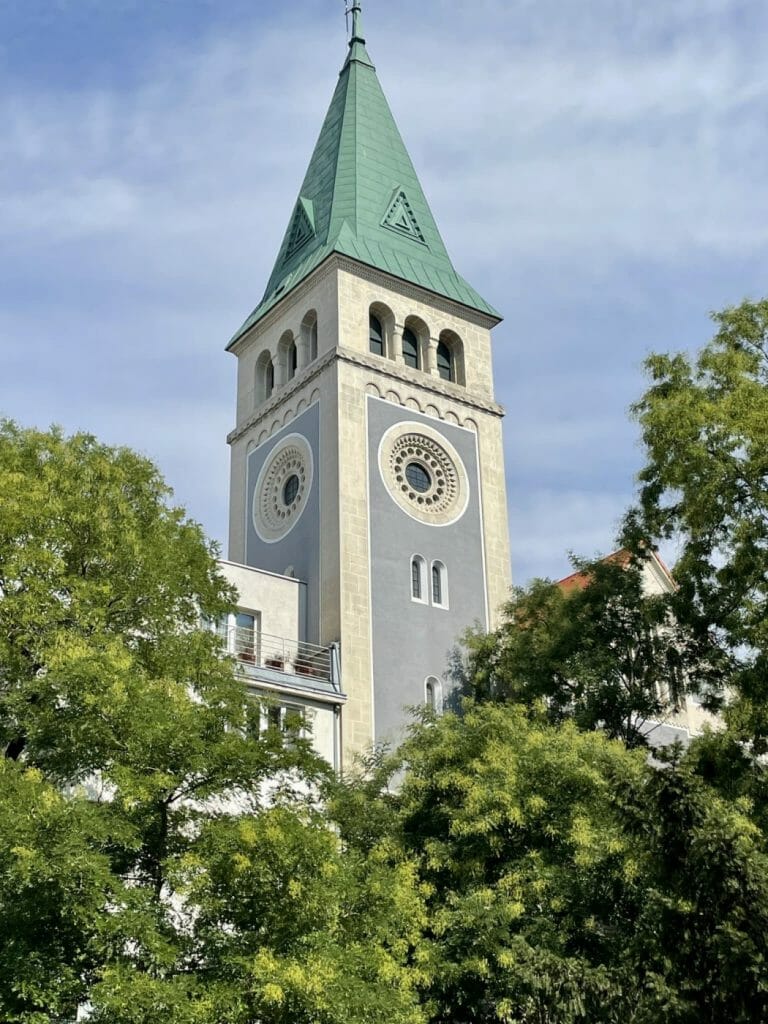
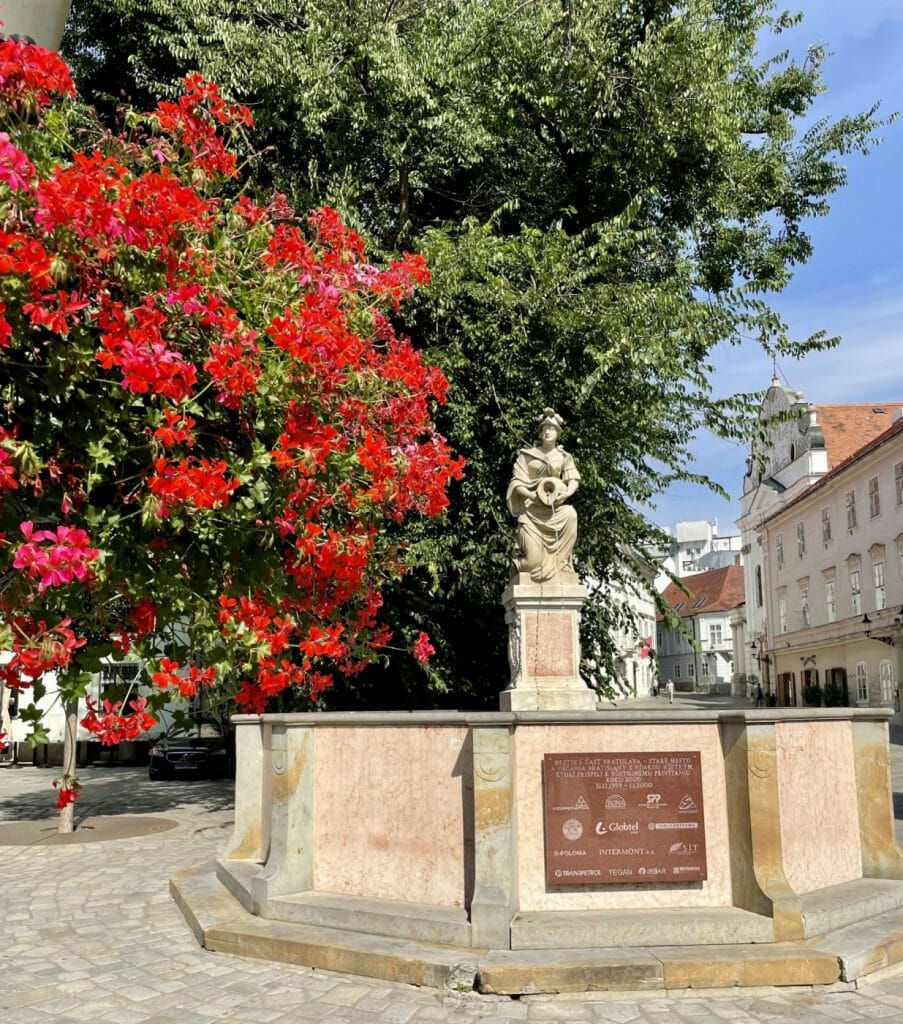
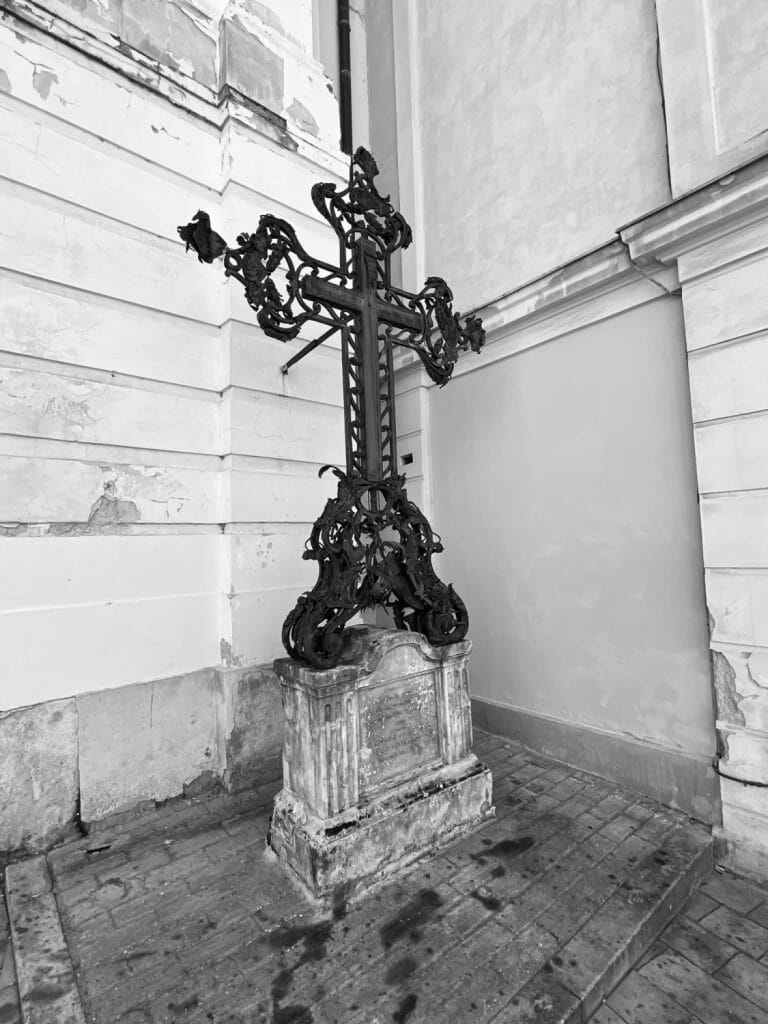
Photo Gallery of Bratislava Visit
Checkout our most recent blog posts
Füssen, Germany: Beyond Neuschwanstein Castle
October 12, 2026
Returning to Venice: Why We Keep Coming Back
September 28, 2026
Savoia Excelsior Palace: Where Trieste’s History Meets the Adriatic
September 6, 2026
Global Entry for Kids: What Parents Need to Know Before Traveling
September 5, 2026
Rovinj Beyond the Postcard: Exploring Croatia’s Istrian Coast
August 29, 2026
When the Hotel Becomes Part of the Journey: Ettington Park Hotel
August 27, 2026Want to Learn the Story Behind Wanderers Compass?
Our Top Recommended Travel Products
Travel Insurance
Squaremouth.com
Our Favorite Travel Insurance Site!
We strongly advocate comprehensive travel insurance, not only for minor inconveniences but also for major, unexpected events such as medical emergencies. We never leave home without it. Our go-to resource is Squaremouth.com. which offers a user-friendly platform that connects you with top-rated, reputable insurance carriers. Plus, they’ll mediate on your behalf if you run into any issues.
To empower you as a consumer, we recommend you read our blog post on why travel insurance is essential and how to secure the best coverage from leading companies at an affordable price.
MedjetAssist
Medical transport back home from anywhere in the world
Medjet is a leading provider of global air medical transport. Unlike traditional travel insurance, which typically covers medical evacuation to the nearest facility, Medjet goes further by ensuring you’re transported back to the U.S. to the hospital of your choice once you’re stable enough to fly. Medjet offers membership plans that focus on medical transport, while Medjet Horizon provides expanded coverage for broader protection. Individual trip policies start at just $99, and annual policies are available for around $300. Most policies have an age limit of 74.
To learn more about how Medical Evacuation membership with Medjet Assist works, check out our blog post for a more detailed review.
Accommodations and Airfare
Booking.com
Hotels, Home rentals, BNBs, Flights, and other Transportation & Tours
Booking.com connects millions of travelers to unforgettable experiences, a wide range of transportation options, and incredible places to stay—from homes to hotels and beyond. As one of the world’s largest travel marketplaces, it supports well-known brands and entrepreneurs of all sizes. For its convenience, variety, and reliability, it’s our preferred booking platform.
Expedia and VRBO
Hotels, home rentals, BNBs, flights, and other transportation & tours
Expedia is a U.S.-based company with a mission to make global travel accessible to everyone, everywhere. At Wanderers Compass, we embrace independent travel, and platforms like Expedia are essential to making that a reality. Expedia allows you to book every aspect of your trip—from flights and accommodations to rental cars, cruises, and activities—making it a one-stop shop for all your travel needs.
Transportation
Daytrip
Personalized city-to-city private car transfer service
Daytrip provides an affordable private car service for city-to-city transfers worldwide, and we absolutely love their service. It’s a cost-effective alternative to renting a car, offering comfortable, stress-free travel with scenic stops along the way. For example, we used Daytrip for travel between Budapest and Vienna, enjoying some fantastic detours to local attractions. With professional drivers and customizable routes, Daytrip ensures a smooth ride while allowing you to explore hidden gems and unique sights along your journey.
To learn more about Daytrip, check out our blog post for a more detailed review.
Travel Experiences
Viator
The leading marketplace for travel experiences
Viator believes that travel is all about creating unforgettable memories. With over 300,000 experiences to choose from—ranging from simple tours to extreme adventures, plus a wide array of unique, niche activities—it’s never been easier to make lasting memories. We frequently use Viator during our travels and especially appreciate its flexible cancellation policy, which provides peace of mind with every booking.
Shopping
Wanderers Compass Amazon Storefront
An excellent source for all travel essentials and guides that we have vetted ourselves
Amazon is one of the world’s most comprehensive online shopping platforms, offering lower prices, a wide selection, and fast delivery through its global fulfillment network.
This page contains affiliate links. When you purchase through these links, we may earn a small commission at no extra cost to you. Thank you for your ongoing support!


No Comments