

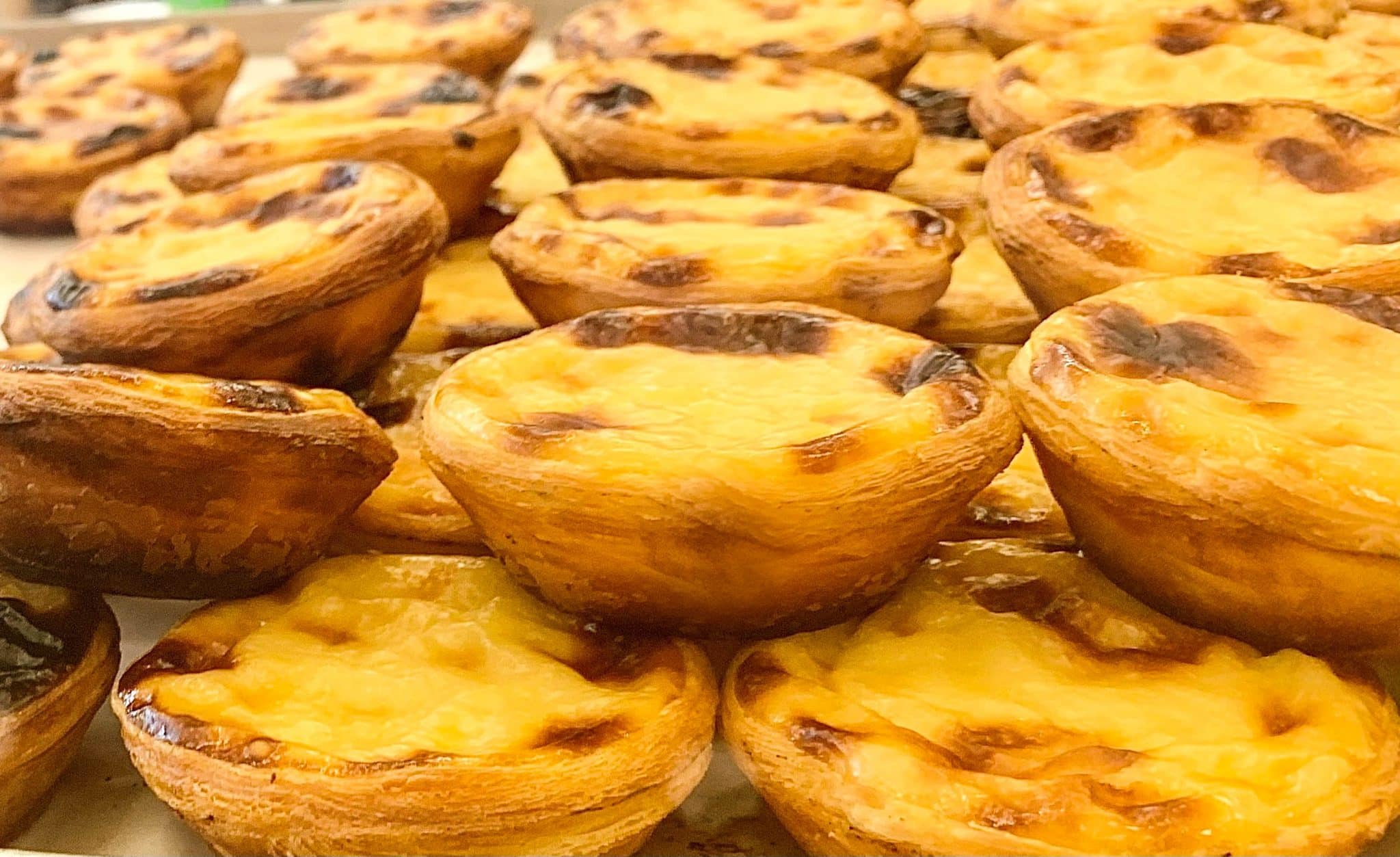
“One pastel de nata is never enough.”
From the movie Poor Things
Bringing Home Portugal’s Favorite Pastry

One of the most important ways to experience a culture is through food when traveling abroad. Our goal is always to learn the local specialties and seek them out. There is no doubt that the world-famous Pastel de Nata, a Portuguese egg custard pastry, is an absolute must in Portugal. It consists of crispy, flaky pastry layers filled with a rich, creamy egg custard and lightly dusted with cinnamon. The ingredients are simple: egg yolk, flour, sugar, milk, unsalted butter, vanilla extract, and cinnamon.
The story goes that these tarts originated when the Jerónimos monks used egg whites to starch their clothes, so the leftover egg yolks had to be used. The monks lived in the Jeronimos Monastery in Belem, home to a world-famous bakery that sells these sweet gems. Here, they call the tarts Pasteis de Nata. The monks began selling them in the early 1800s after Portugal cut off funding for religious institutions. It didn’t work well, but before they closed the shop, they sold the recipe to a local sugar refinery. The refinery opened a bakery in Belem near the old monastery; the rest is history.
Our Experience in Portugal with these Tarts-Porto and Lisbon
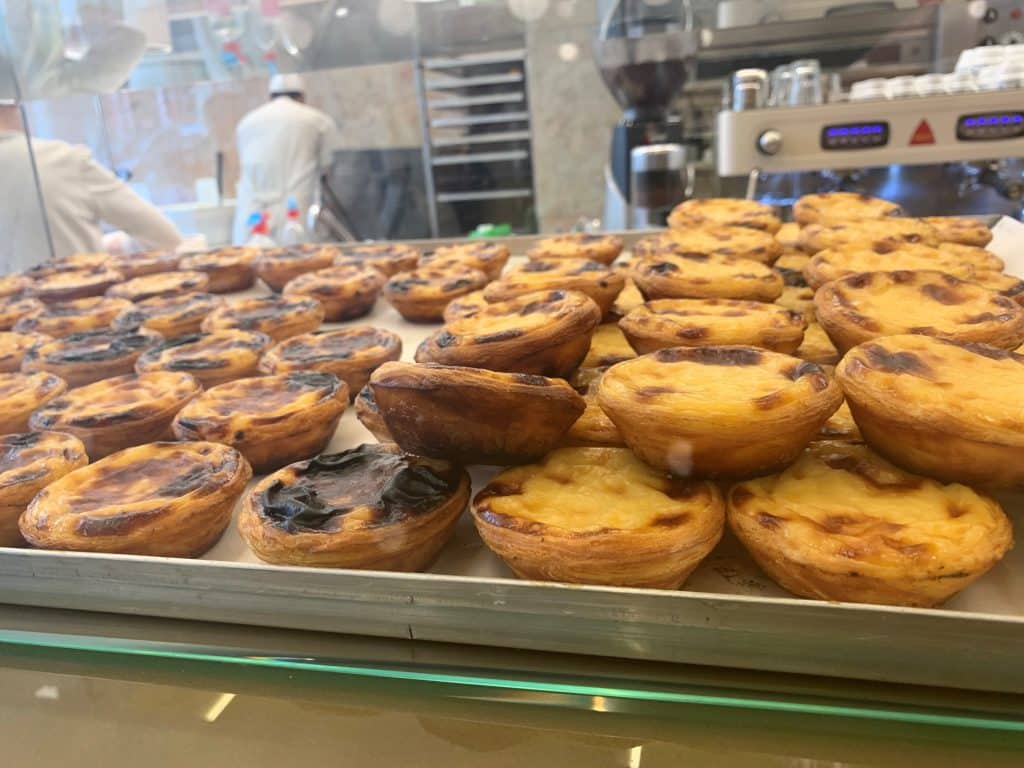
On our first day in Porto, we went straight to the go-to place for Pastel de Nata, Manteigaria. To our surprise, it was all they had made. It was already late morning, and the place was still busy. We enjoyed several warm, fresh Pastel de Nata pastries with a lovely cappuccino. We could not have had a better introduction to Pastel de Nata. They lived up to their reputation; we were wowed!!! In the days that followed, several hotels served these pastries at breakfast. Not once did they come even close to Porto’s Manteigaria. If you can go for the best, do so. If we had tried the hotel versions, we would not have enjoyed them as much.
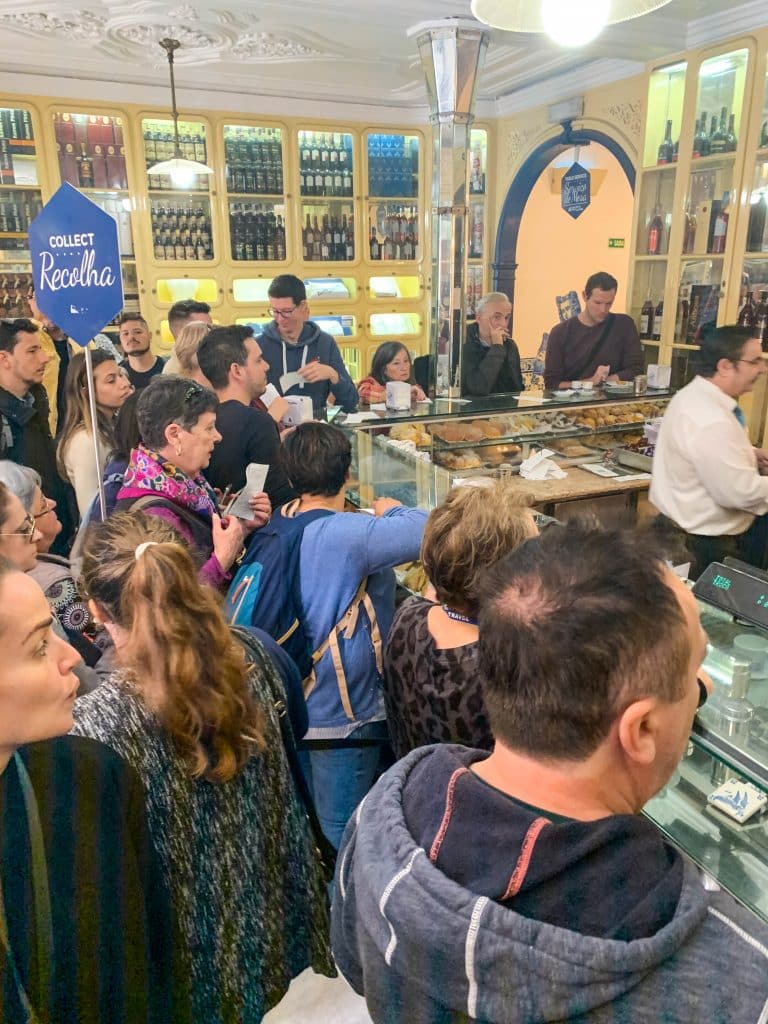
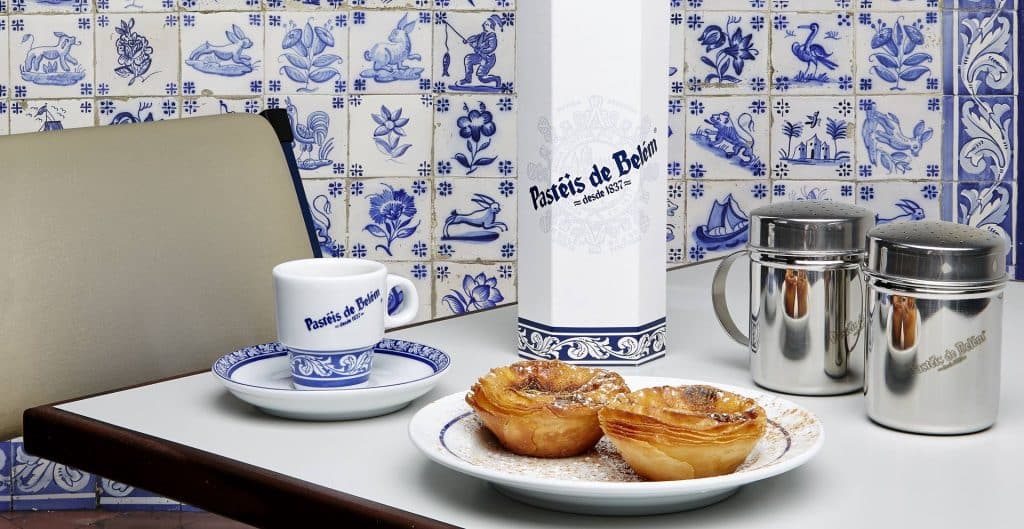
Our trip to Portugal ended in Belem, a suburb of Lisbon, the birthplace of Pasteis de Nata. They are supposedly made slightly differently from the Porto ones. Of course, we had to try them, so we headed out on our first morning in Lisbon. We saw a substantial line outside as we approached Pasteis de Belem, which opened in 1837. The store was packed with people who seemed almost panicked to get their pastries.
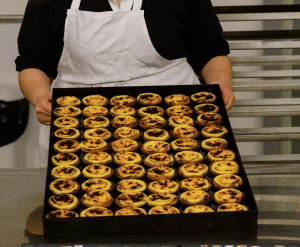
How did the two “Best Places” for these pastries in Portugal match up? Our favorite was the Porto one, Manteigaria. There were very subtle differences, but both were excellent. In Porto, you can watch the bakers hard at work.
So, when in Portugal, seek out Pastéis de Nata; you won’t truly have experienced Portugal until you have!

Our Recipe Experimentation
Though the ingredients are simple and basic, don’t expect Pastel de Nata to be a slam dunk to replicate. There is a talent for making these little wonders, and we learned that quickly. While experimenting with this recipe, I encountered several less-than-ideal results. Interestingly, most still tasted good, but they didn’t look as good. The recipe below will not require you to prepare your puff pastry. In our view, the additional work is unnecessary. We didn’t feel the difference between store-bought and homemade was worth it. However, for those who prefer to create each element from scratch, we applaud you.
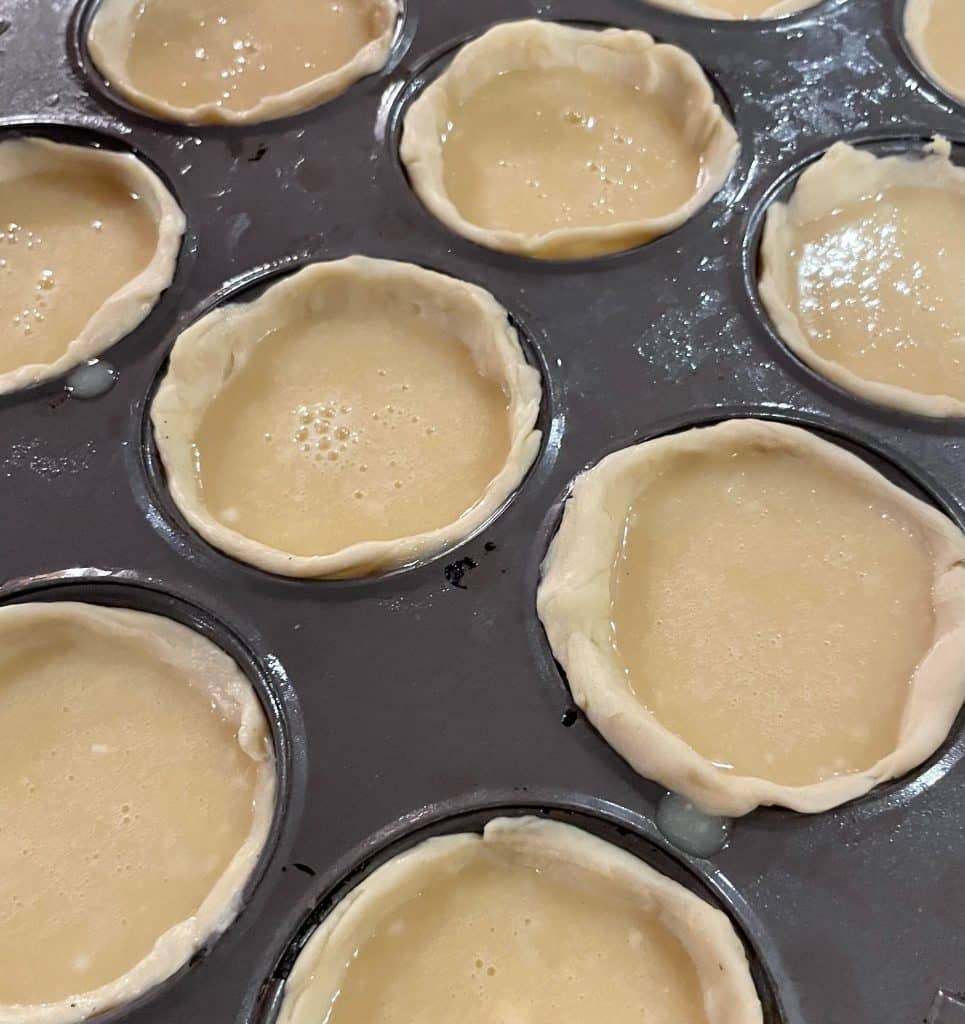
Observations from our trials and errors.
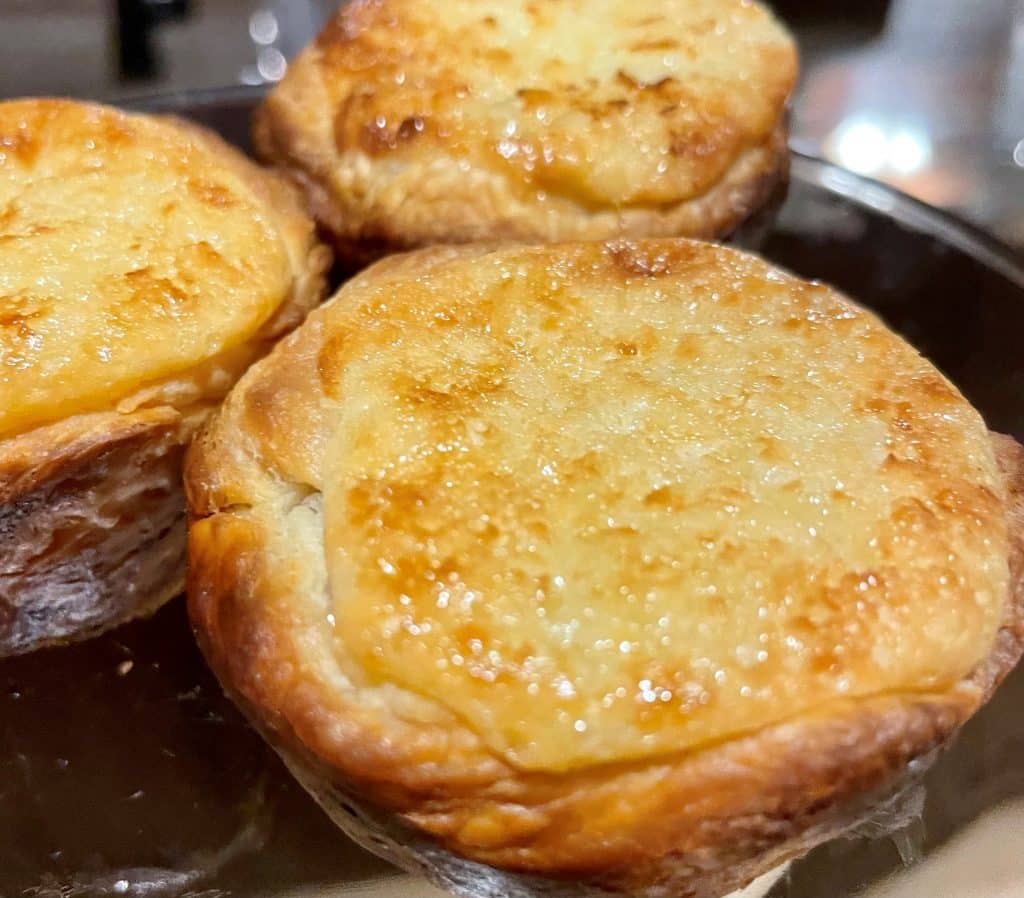
1. The oven does need to be that hot to get the blisters that these tarts are known for.
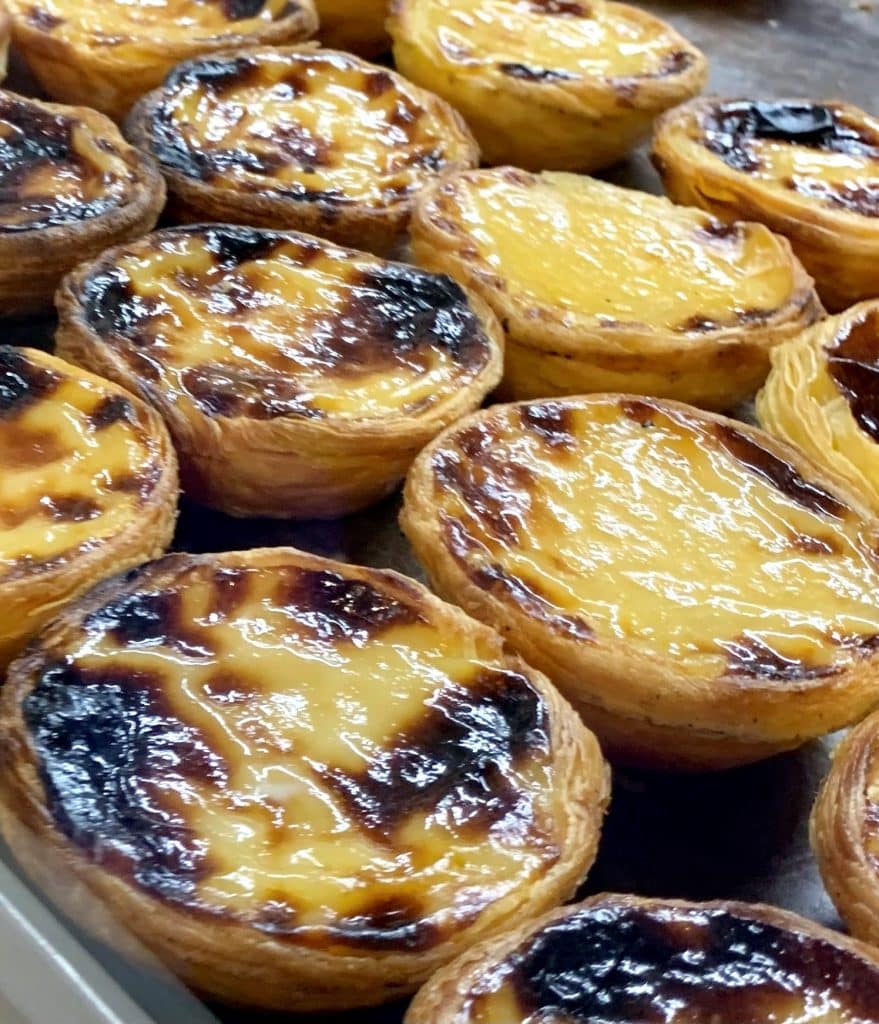
2. It was difficult to get those burn blisters even at the high temperature, as they have in Portugal, but we did get a few in the first batch.
3. The recipe failed both times. We tried halving it, but the custard didn’t set properly.
4. If the sugar mixture cools too much when reheated, it no longer works.
5. The pastry dough needs to be thin. Too thick, it is too doughy.
6. Though they will store for a bit, they were better when served warm.
The Pastel de Nata tarts were delicious, but they won’t be as good as the ones in Portugal. However, you aren’t there, so that takes a considerable part away. However, they were close and better than some we encountered in Portuguese hotels.
Interestingly, practice did not make perfect. Ultimately, the first batch proved to be the best. They are not difficult to make, but timing is essential. When making Pastel de Nata, make it your only task at the moment. We learned the hard way: even 15 seconds without stirring the roux caused problems. Enjoy, and let us know how it worked for you.
Bom Proveito
(Bon Appétit in Portuguese)

Pastel de Nata (Portuguese Custard Tarts)
Equipment
- 1 Nonstick 12 Muffin Bakeware Tin Would not use ceramic muffin pans
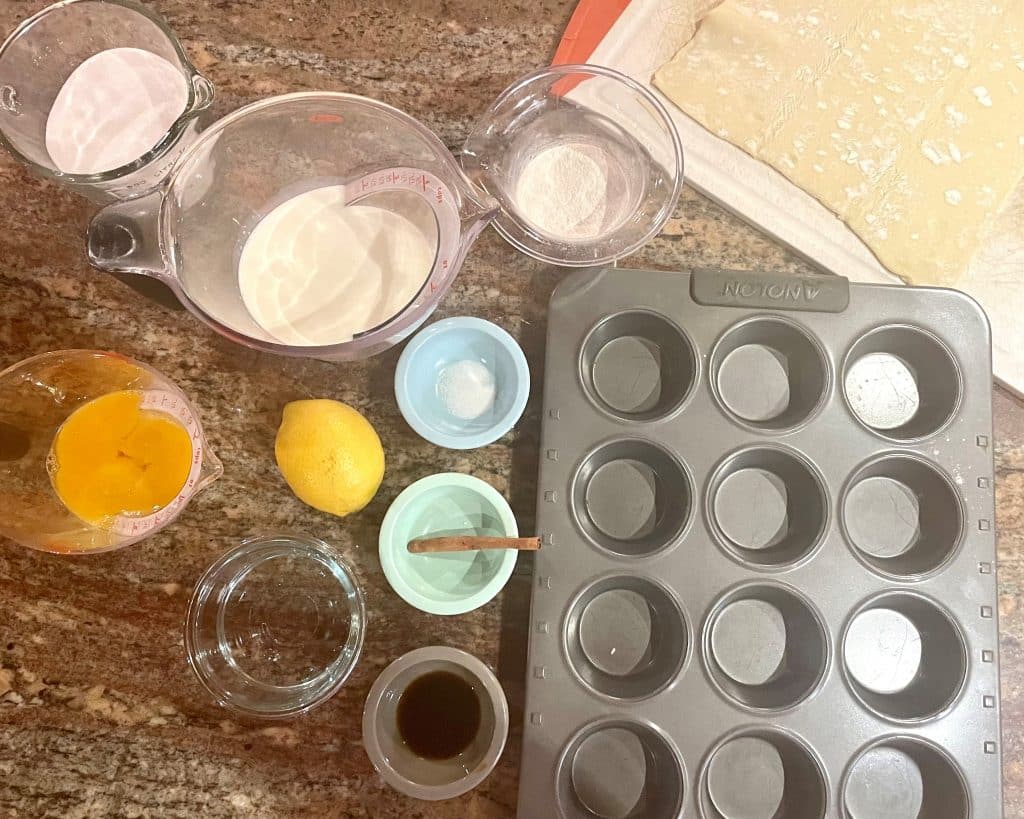
Ingredients
- 1 8.5 oz Pre-rolled Puff Pastry Sheet
- 1 1/3 cup White sugar
- 1/3 cup Water
- 1 whole Lemon, zested into large strips
- 1 Cinnamon Stick Can be substituted with 1/4 tsp of powdered cinnamon
- 1 tsp. Vanilla extract
- 1 1/2 cup Whole Milk
- 1/3 cup Flour (All purpose)
- 1/4 tsp. Kosher Salt
- 6 large Eggs Yolks Whites well separated
- Powder sugar and cinnamon powder for serving
- 1 small bowl Cold Water
- 1 Tbsp. Butter For greasing the muffin tins
Instructions
- Preheat over to 550 degrees.
- Lightly grease the muffin tins with the butter.
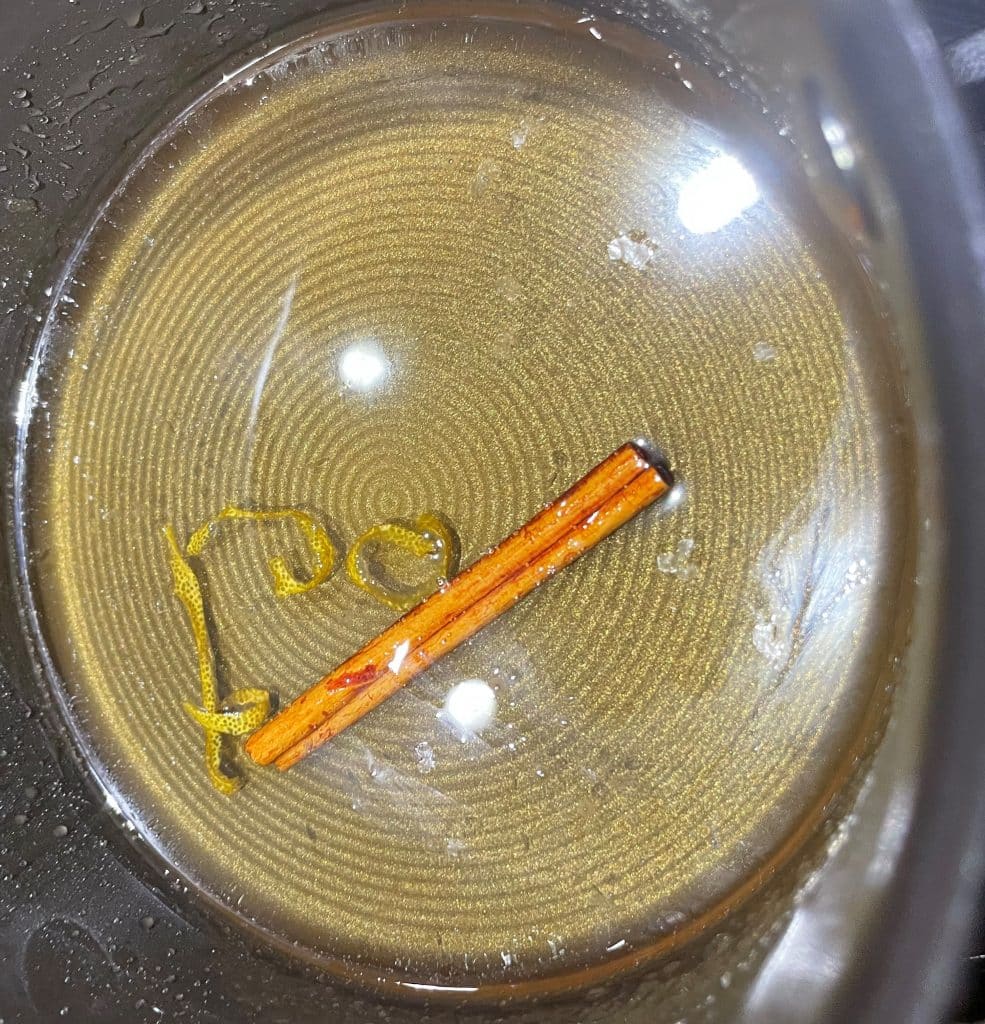
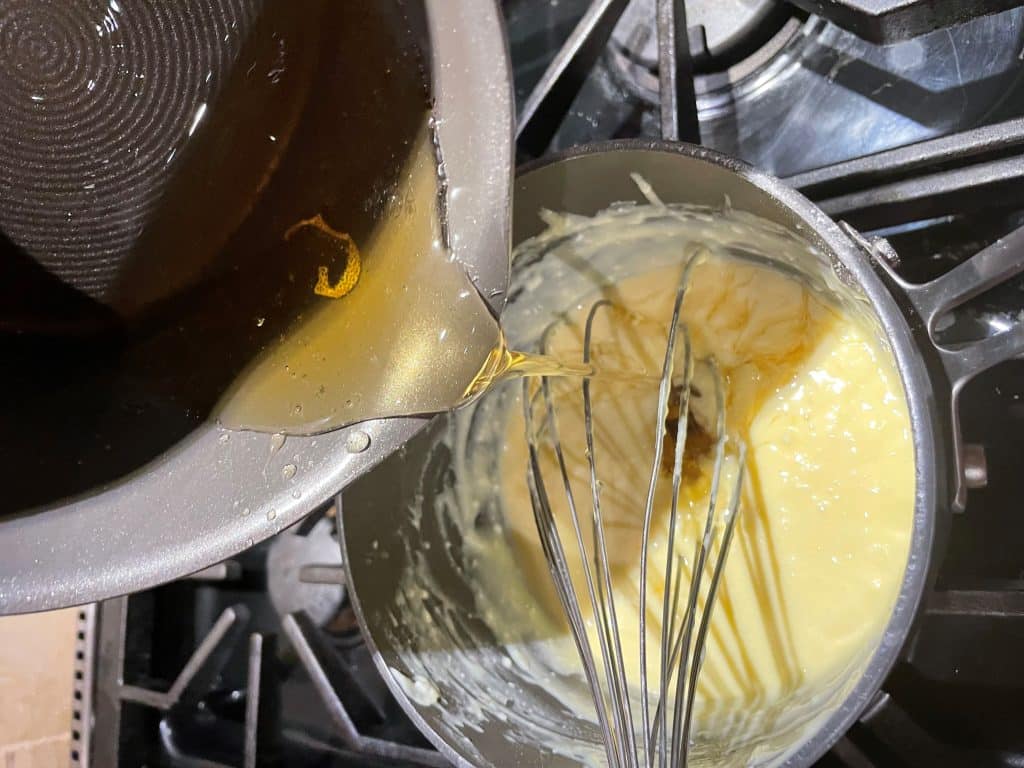
- Add the sugar, water, sliced lemon zest, vanilla to a small saucepan. Bring to a boil without stirring. Remove from heat when the temperature reaches 210 degrees Fahrenheit.
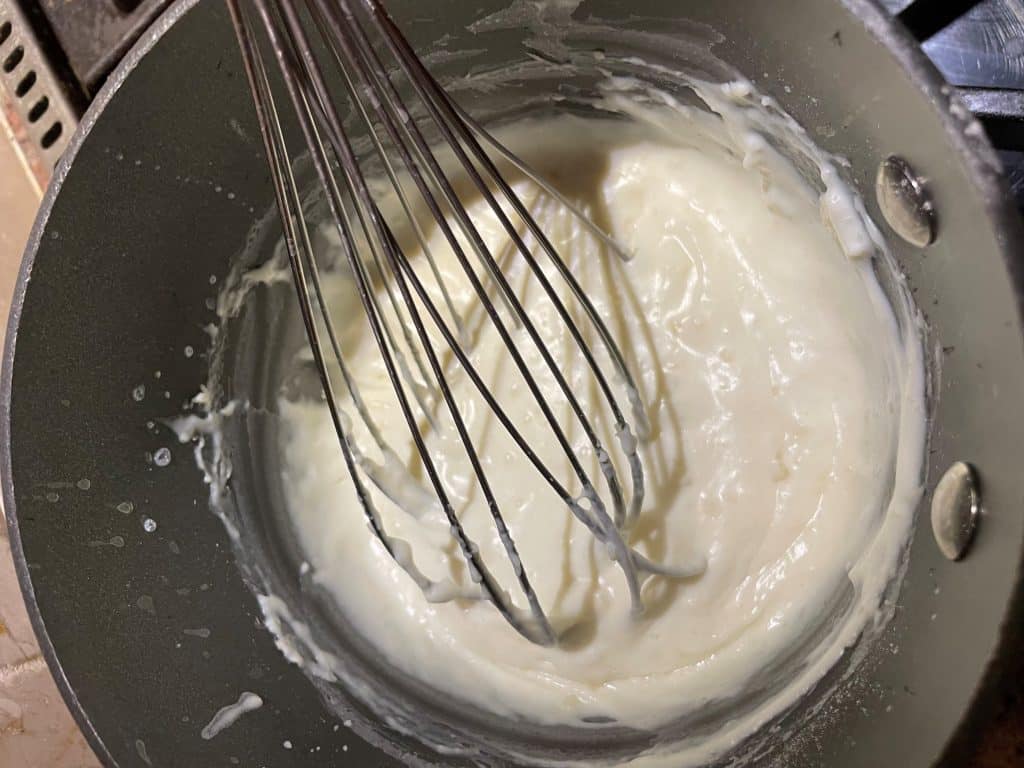
- In another cold saucepan combine the milk, sifted flour, and salt and whisk. Cook over medium heat for around 5 minutes, constatnly whisking. May need less depending on pan. When well combined and thickened, remove from heat and allow to cool for 10 mintues
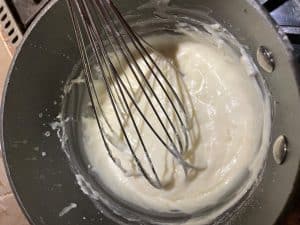
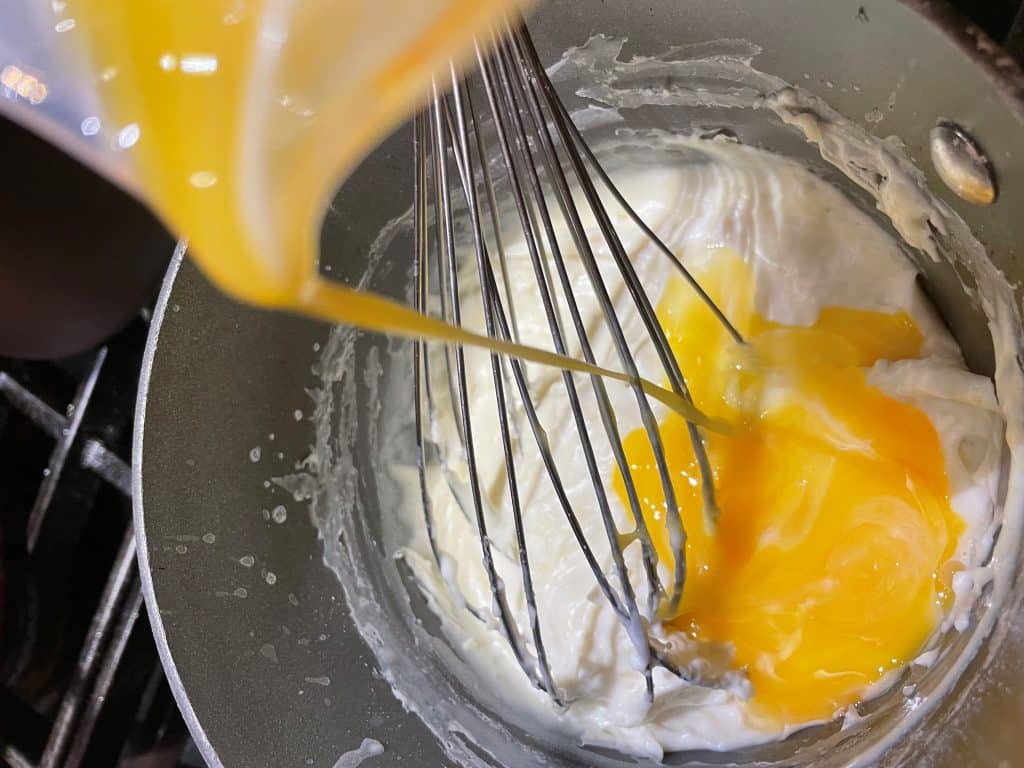
- Once the milk mixture has cooled, whisk in the egg yolks until well combined.
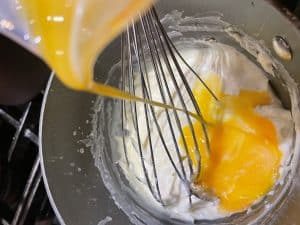
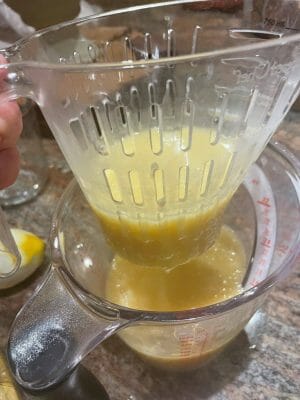
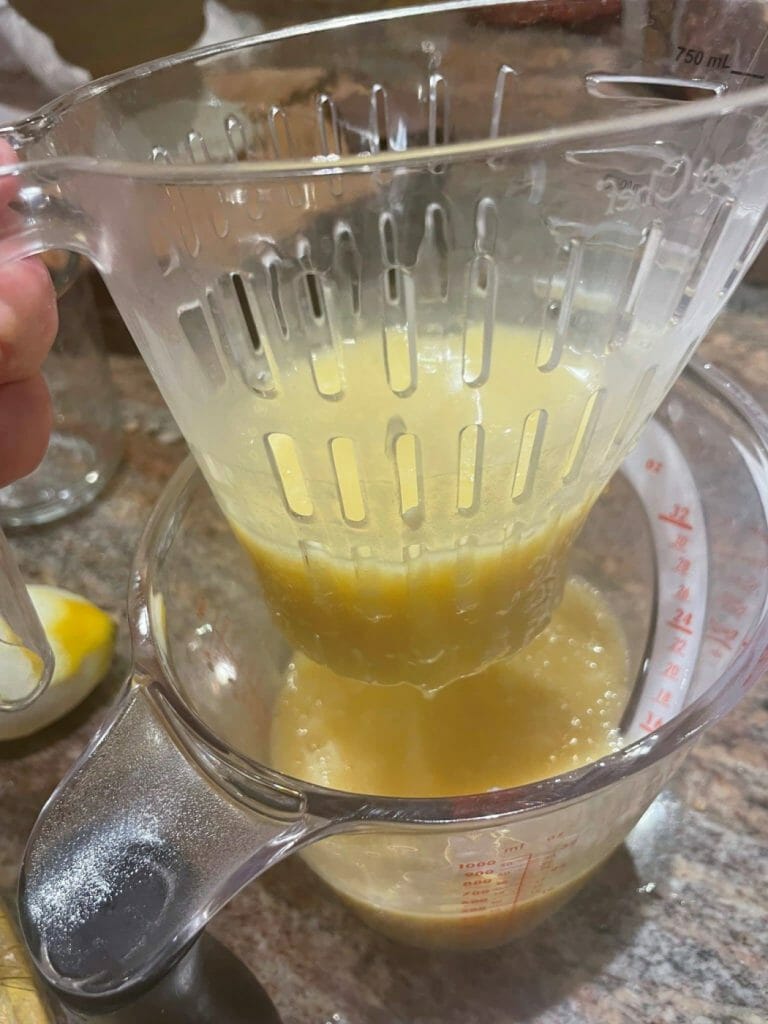
- Remove the cinnamon stick from the sugar syrup and pour into the milk mixture you just made. Mix until well combined. Strain the mixture in a pourable bowl or cup.
- Lay your pastry sheet on a cutting board. Roll it to thin it more. Score into 12 even pieces of puff pasty dough.
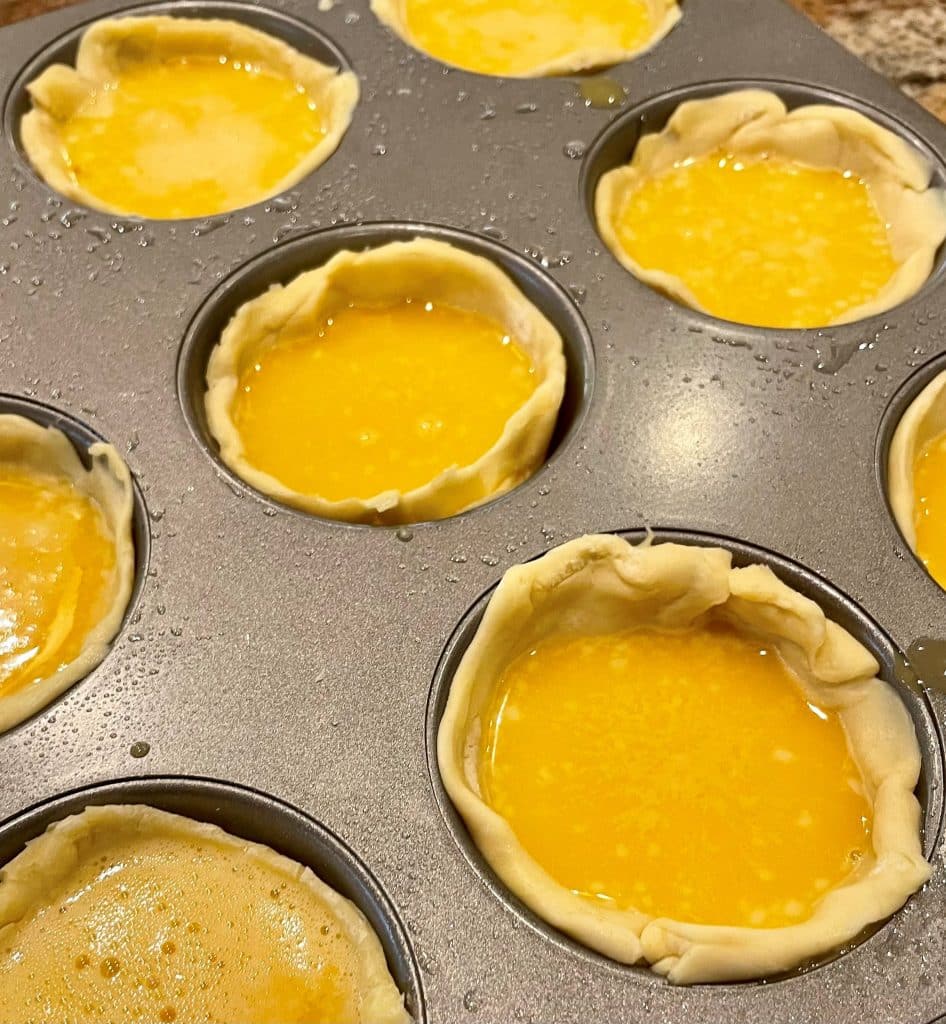
- Place one square into each greased muffin tin. Use the bowl of water to dip your fingers in to mold into form. The top should be 1/8 inch over the edge of the muffin tin.
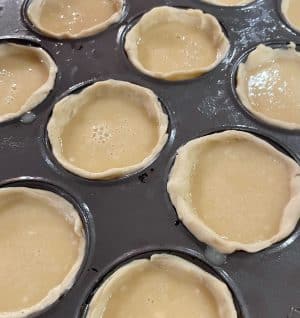
- Fill each pastry cup 3/4 way with the custard filling.
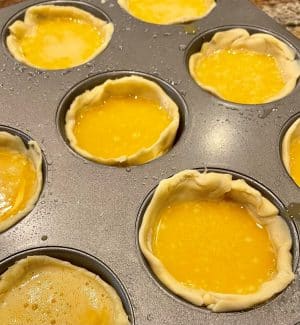
- Place in the 550-degree oven and bake until the pastry turns golden brown and the custard started to caramelize and blister, about 10-12 minutes.
- Remove from oven and allow to cool for a short time in the muffin pan, 5-10 minutes.
- Remove tarts carefully and if desired dust with cinnamon and powdered sugar. Serve while still warm.
Notes
Nutrition

Preparation Photo Slideshow for Pastel de Nata
© 2026 Wanderers Compass All Rights Reserved
Are you considering a Portugal adventure? Check out our Portugal Travel Guide
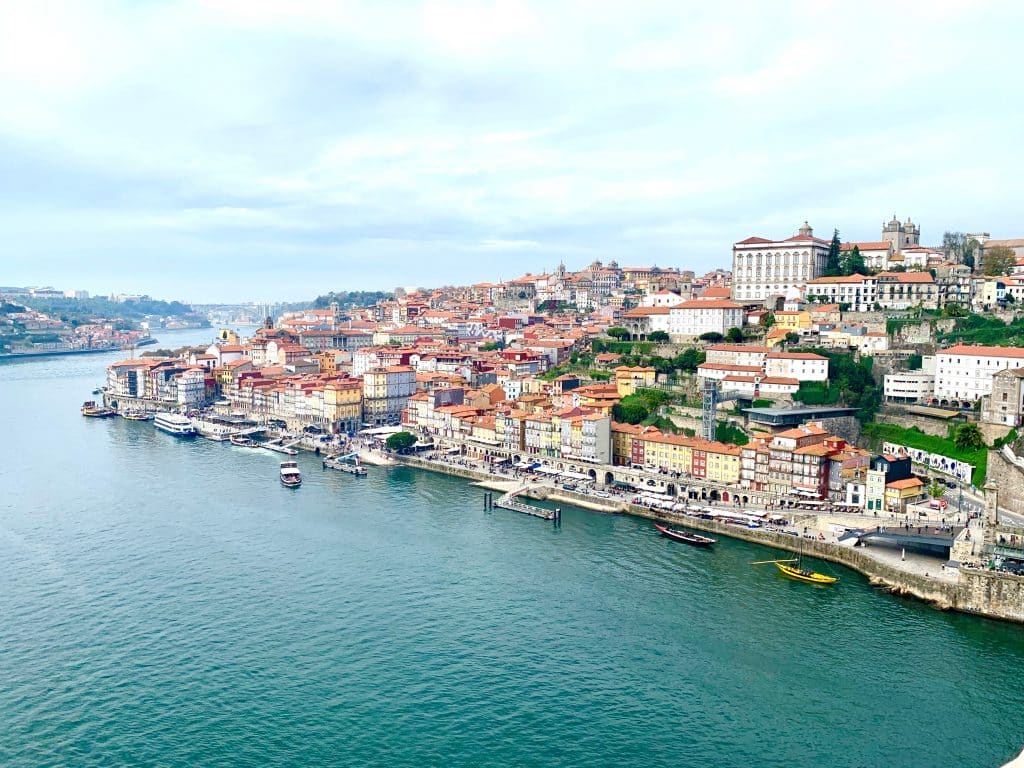
One of our favorite places to visit in Portugal was Obidos. For more on this historic walled city, check out our blog post, Obidos: Portugal Perfection.
Portugal Photo Gallery


Flights, Accommodations, and Everything You Need to Book in One Place
Are you planning a vacation this year? Start your research early to explore your options and find what fits your budget. By booking your own travel, you’ll uncover great deals and have complete control over your itinerary. The links below can be used for all elements of your trip, not just accommodations.
It is essential to price out accommodations on various sites. Expedia is a US-based company, whereas Booking.com is a European company. Not all properties appear on both, so it is best to check both. Our personal first choice is Booking.com. If the establishment has a website, check the price there as well. Click the link below to check out hotels and vacation homes in the area. It may be just the motivation you need to start planning that next grand adventure.
Check our other Portugal Posts

Obidos: Portugal Perfection
Obidos is Portugal at its very finest. This walled medieval town with an imposing…
March 19, 2026
Top 5 European Destinations: Ideal Living Spots for Remote Workers
Looking for the best places to work remotely? Check out the top 5 European…
September 11, 2025
Tavira Portugal: Suberb Mix of Tradition & Nature
Uncover the beauty of Tavira, Portugal. Experience its blend of history, authentic culture, and…
April 12, 2025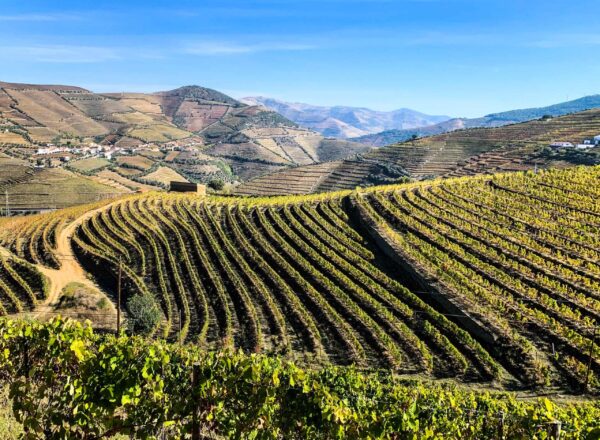
Douro Valley – The Oldest & Most Beautiful Wine Region in the World
Explore the breathtaking Douro Valley, a UNESCO World Heritage Site known for its stunning…
April 5, 2025
Ginja de Obidos: A Tasty Portuguese Delight
Join us on our journey to taste Ginja de Obidos, a delightful cherry drink…
October 9, 2023
Port: A Beloved Portuguese Tradition
Uncover the story of Port wine from Portugal’s Douro Valley. Experience the bold tastes…
August 21, 2022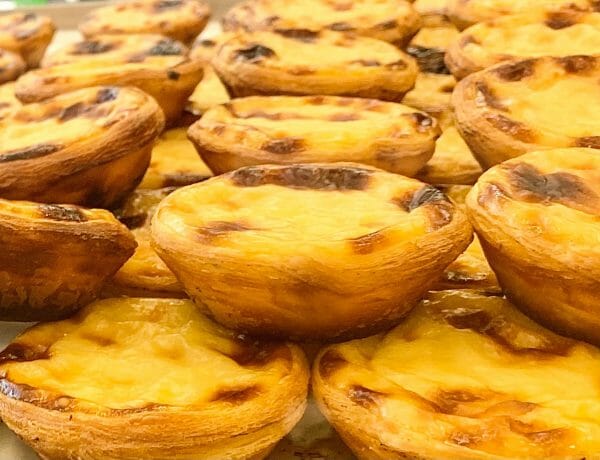
Pastel de Nata Recipe
Discover the delicious Pastel/Pasteis de Nata, a traditional Portuguese egg pastry tart that offers…
August 16, 2022Do you have a question or comment for us?


1 Comment
Joelle Machia
December 26, 2025 atLove these!