

“If one had but a single glance to give the world one should gaze on Istanbul”
aynonmous
Top Seven Destinations In Turkey
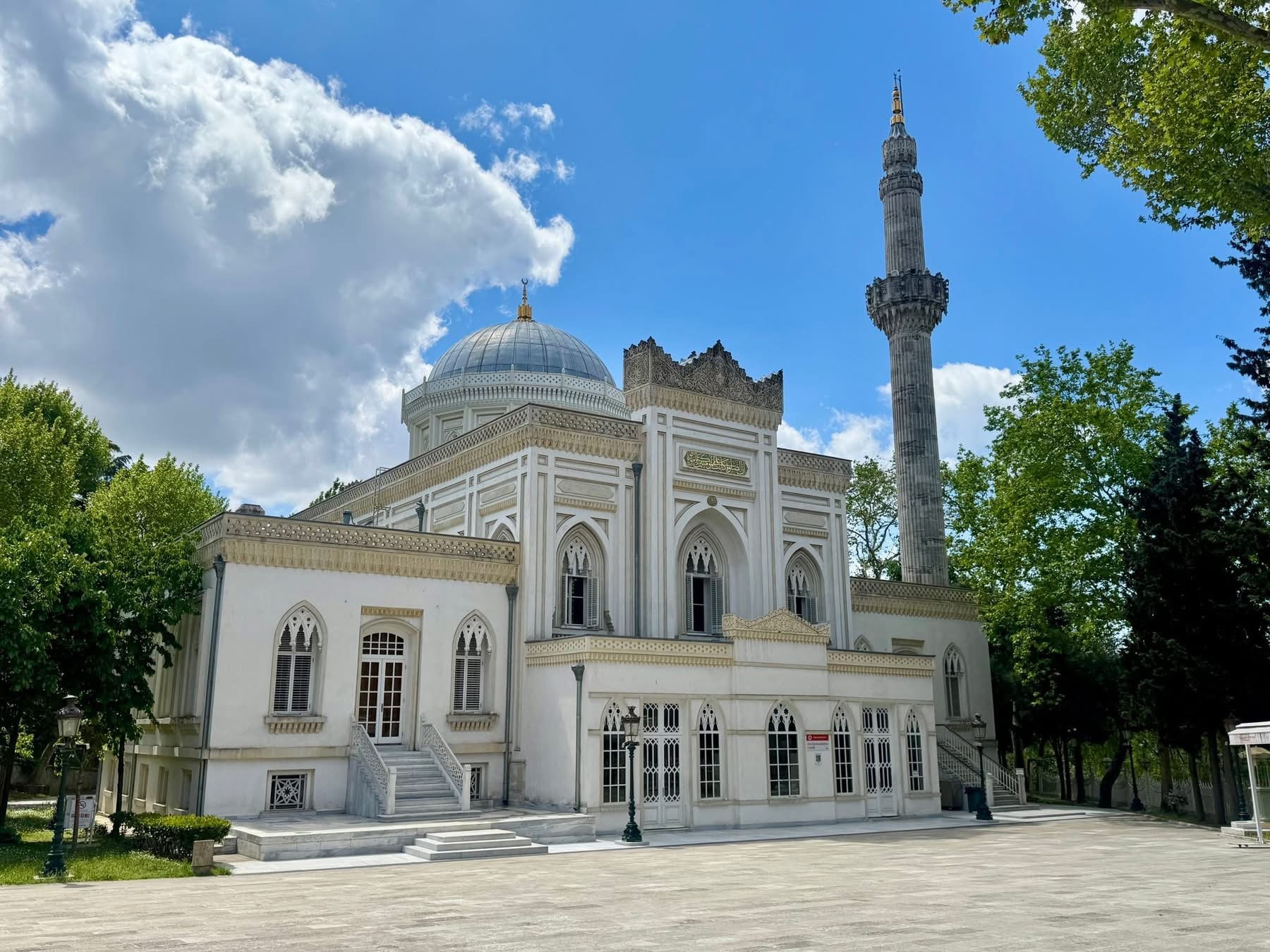
- Istanbul: Turkey’s vibrant cultural capital straddles two continents, offering treasures like Hagia Sophia, the Blue Mosque, Topkapi Palace, and the bustling Grand Bazaar. The city blends ancient history with modern energy, nightlife, and world-class dining.
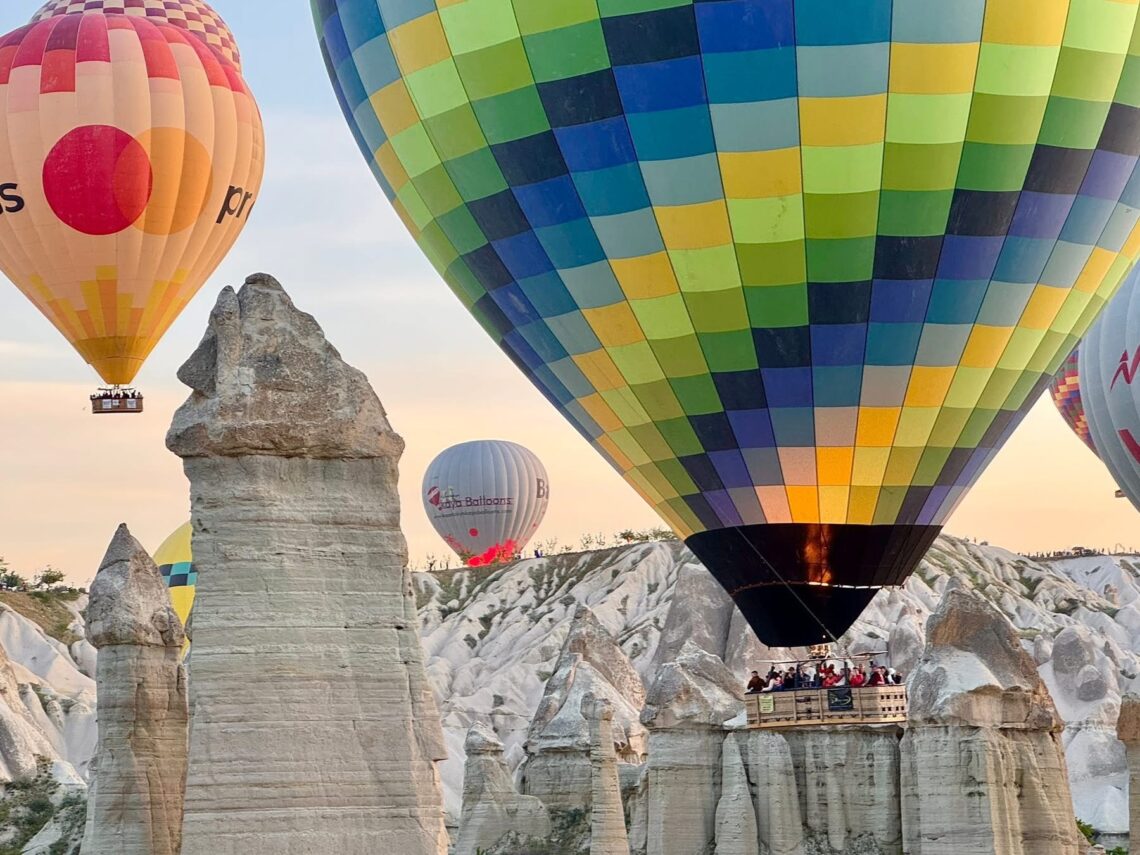
- Cappadocia: Famous for its surreal “fairy chimney” rock formations, cave dwellings, and sunrise hot air balloon rides, Cappadocia feels otherworldly. Visitors can hike valleys, explore underground cities, and stay in cave hotels for a truly unique experience.
- Pamukkale & Hierapolis: Known as the “Cotton Castle,” Pamukkale’s white travertine terraces spill with mineral-rich hot springs, while nearby Hierapolis offers well-preserved Greco-Roman ruins. Together, they form one of Turkey’s most photogenic and fascinating UNESCO sites.
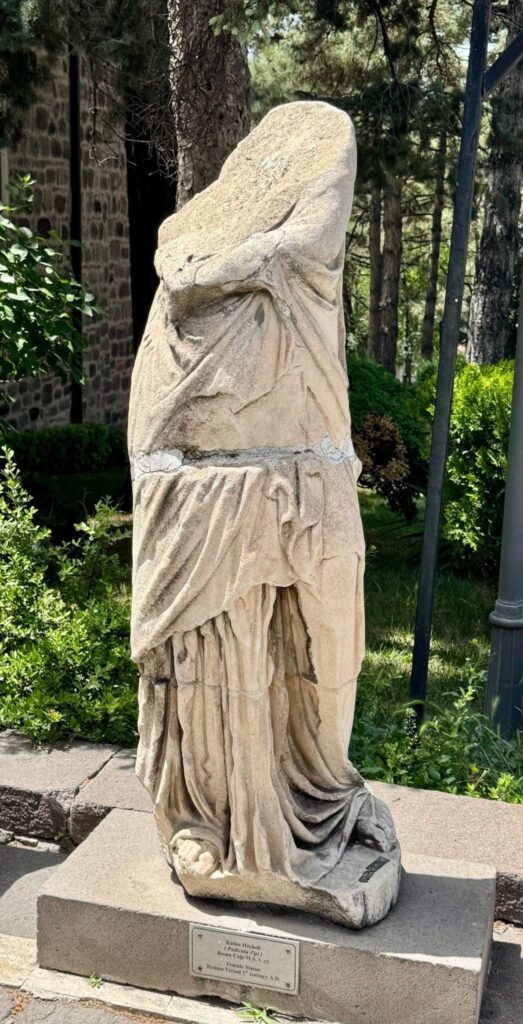
- Ankara: Turkey’s modern capital is home to the impressive Anıtkabir, the mausoleum of Mustafa Kemal Atatürk, founder of the republic. The city also offers vibrant museums, a thriving café culture, and a more contemporary glimpse of Turkish life beyond Istanbul.
- Ephesus: Once one of the greatest cities of the Roman Empire, Ephesus features ancient marvels such as the Library of Celsus, the Great Theatre, and the remains of the Temple of Artemis, one of the Seven Wonders of the Ancient World.
- Antalya & the Turquoise Coast: This Mediterranean hub is famous for its beaches, ancient ruins, and charming old town. The surrounding “Turquoise Coast” offers sailing, swimming, and some of the most beautiful coastal scenery in Europe and Asia.
- Mount Ararat & Eastern Turkey: Towering at 5,137 m (16,854 ft), Mount Ararat dominates eastern Turkey and is steeped in legend as the traditional resting place of Noah’s Ark. The surrounding region is rich with history, remote landscapes, and traditional culture.
Did You Know?
Country Stats
- Population: Approximately 85 million people (2022 estimate)
- Area: 783,562 square kilometers (302,535 square miles), making it one of the larger countries bridging Europe and Asia
- Official Language: Turkish
- Currency: Turkish Lira (TRY)
- Government: Presidential republic
- Head of State: President of Turkey
- U.S. State Dept Risk Level: Two – Exercise Increased Caution (due to terrorism and arbitrary detentions in some areas)
- GDP (Nominal): Approximately $906 billion USD (2022 estimate)
- GDP per capita: Around $10,600 USD (2022 estimate)
- Unemployment Rate: About 10% (2022 estimate)
- Tourism: A significant sector of Turkey’s economy. Highlights include the historic city of Istanbul, the fairy chimneys of Cappadocia, the ruins of Ephesus, the beaches of the Turquoise Coast, and the travertine terraces of Pamukkale. The country also attracts pilgrims and history enthusiasts to sites such as Hagia Sophia and Topkapi Palace.
- Climate: Turkey’s climate is diverse: Mediterranean along the south and west coasts, continental in central Anatolia, and colder, snowy winters in the east. Summers are hot and dry, while winters can be rainy or snowy depending on the region.
- Religion: Predominantly Muslim (mostly Sunni, with Alevi and other minorities). Turkey is officially a secular state.
- Elevation: Turkey’s terrain includes coastal plains, the Anatolian Plateau, and mountain ranges. Mount Ararat, at 5,137 m (16,854 ft), is the country’s highest peak.
- Tourism Contribution: Tourism accounts for roughly 6–7% of Turkey’s GDP and attracts over 45 million international visitors annually (pre-pandemic figures).
- Taxation: Turkey has a progressive personal income tax system (up to ~40%) and a corporate tax rate of about 23%. VAT and special consumption taxes are primary revenue sources.
- Transportation: Turkey has a modern and expanding transportation network. Istanbul Airport is one of the world’s largest hubs, and domestic flights connect all major cities. High-speed trains link Ankara, Istanbul, and Konya, while long-distance buses remain a standard mode of travel.
- Top Imports: Machinery, chemicals, fuels, automotive products, and electronics.
- Top Exports: Automotive parts and vehicles, textiles, machinery, agricultural products (hazelnuts, fruits, vegetables), and refined petroleum.
- Life Expectancy: About 78 years (2022 estimate)
- Education: Turkey has a literacy rate of around 96%. Public education is free and compulsory through secondary school, with a mix of public and private universities that attract both domestic and international students.
Fun Facts
- Where East Meets West: Turkey is the only country that straddles two continents—Europe and Asia—divided by the Bosporus Strait.
- Hagia Sophia Marvel: Originally built as a Byzantine cathedral in 537, Hagia Sophia has served as a church, a mosque, and a museum, symbolizing centuries of history.
- Cappadocia Balloons: The surreal landscapes of Cappadocia are famous for their fairy chimneys and sunrise hot air balloon rides, among the most photographed in the world.
- Whirling Dervishes: The Sufi whirling ceremony, a form of spiritual meditation, is a UNESCO-recognized Intangible Cultural Heritage of Humanity.
- Grand Bazaar Legacy: Istanbul’s Grand Bazaar, dating back to the 15th century, is one of the oldest and largest covered markets in the world, with over 4,000 shops.
- Pamukkale Pools: The white travertine terraces of Pamukkale (“Cotton Castle”) are a natural wonder formed by mineral-rich hot springs.
- Mount Ararat Peak: At 5,137 m (16,854 ft), Mount Ararat is Turkey’s tallest mountain and traditionally believed to be the resting place of Noah’s Ark.
- Turkish Coffee Tradition: Thick, unfiltered Turkish coffee is UNESCO-recognized, with fortunes often read from the coffee grounds.
- Ancient Troy: The ruins of Troy, made famous in Homer’s Iliad, are located in northwestern Turkey and are a UNESCO World Heritage Site.
- Blue Mosque Splendor: The Sultan Ahmed Mosque, better known as the Blue Mosque, is one of Istanbul’s most iconic landmarks, with six minarets and dazzling tilework.
- Cats of Istanbul: Istanbul is renowned for its street cats, cared for by the community and beloved as a symbol of the city.
- First Christian Church: The Cave Church of St. Peter in Antakya (ancient Antioch) is considered one of the oldest Christian churches in the world.
- Turquoise Coast: Turkey’s Mediterranean shoreline is called the Turquoise Coast for its crystal-clear waters and is a major sailing and beach destination.
- Göbekli Tepe Mystery: This archaeological site, dating back to around 9600 BCE, is the world’s oldest known temple complex—older than Stonehenge and the pyramids.
- Tulip Origins: Though associated with the Netherlands, tulips actually originated in Turkey and were cultivated by the Ottomans before spreading to Europe.
- Ephesus Ruins: Once a thriving Roman city, Ephesus is home to the remains of the Temple of Artemis, one of the Seven Wonders of the Ancient World.
- Tea Nation: Turks drink more tea per person than any other country in the world, usually served in small tulip-shaped glasses.
- Evil Eye Charm: The blue nazar boncuğu amulet, believed to ward off bad luck, is one of Turkey’s most popular cultural symbols.
- Gallipoli Legacy: The WWI Battle of Gallipoli in 1915 is a defining moment in Turkish national identity and is commemorated every year.
Turkey Map
Good to Know Before You Go
1. Tipping in Turkey
In Turkey, tipping is appreciated and relatively common, though not mandatory. In restaurants and cafés, a 5–10% gratuity is typical if service is not already included in the bill (look for “servis dahil”). When dining at upscale restaurants, rounding up or leaving 10–15% is standard.
In hotels, porters usually receive a small tip per bag, and housekeeping staff appreciate a few Turkish lira per day. Tour guides and drivers often expect tips, with the amount depending on the length and quality of the service. For taxis, rounding up the fare is customary rather than leaving a set percentage.
Overall, tipping in Turkey is a way to show appreciation for good service and is considered polite, though amounts remain modest compared with some other countries.
2. What to Wear in Turkey
In Turkey, casual yet modest clothing is generally suitable for most occasions, particularly in larger cities such as Istanbul, where locals often dress smartly but conservatively. Moreover, lightweight clothing is especially well-suited for the hot summers along the Mediterranean and Aegean coasts. At the same time, layers are essential in central and eastern regions, as temperatures can fluctuate significantly between day and night.
For outdoor adventures such as hiking in Cappadocia or exploring mountainous areas, sturdy walking shoes, breathable fabrics, and a light jacket are must-haves. In urban settings and restaurants, smart casual attire is typically the norm, with neat, well-kept clothing appreciated. Additionally, when visiting mosques or other religious sites, modest dress is required: women should cover their shoulders, cleavage, and knees, and a headscarf is recommended; men should avoid wearing shorts.
In some cases, formal wear may be appropriate for upscale restaurants or cultural outings; however, it is not commonly required for everyday activities. Ultimately, comfort, layering for adaptability, and respect for cultural norms are the key considerations when packing for Turkey.
Driving and the Environment in Turkey
3. Driving in Turkey
Driving in Turkey is easier than many expect. Highways and intercity roads are modern and well-marked, though rural and mountain routes can be narrow and winding. Speed limits are 50 km/h in cities, 90 km/h on rural roads, and 120 km/h on highways, with strict camera enforcement.
City driving, especially in Istanbul, can be stressful due to traffic and parking, but driving outside cities is more relaxed. Fuel stations are plentiful, GPS works well, and toll roads use the prepaid HGS system, which is often preloaded on rental cars. We drove extensively and always felt safe—having our own car gave us the freedom to reach ruins, villages, and off-the-beaten-path landscapes at our own pace. Please use caution in mountain regions such as Cappadocia and the Black Sea, especially in winter.
4. Environment and Sustainability
Turkey’s diverse landscapes, from Mediterranean coasts to Anatolian steppes, are increasingly protected through national parks such as Göreme, Mount Ararat, and Köprülü Canyon. Sustainable tourism practices are promoted, with park fees used to support conservation.
The country is also investing heavily in renewable energy, including hydropower, Aegean wind farms, and solar projects in central Anatolia. Visitors are encouraged to follow “leave no trace” principles, as wildlife such as brown bears, wild goats, migratory birds, and endangered loggerhead sea turtles make Turkey a biodiversity hotspot and an ecotourism destination.
Life in Turkey
5. Quality of Life in Turkey
A relatively high quality of life is offered within the region, blending modern amenities with deep-rooted cultural traditions. Healthcare is delivered through a combination of public and private systems, with advanced hospitals and clinics located in major cities such as Istanbul and Ankara. Literacy is estimated at nearly 96%, and education is highly valued, with universities attended by both domestic and international students.
Culturally, a vibrant and diverse character is shaped by influences from Europe, Asia, and the Middle East. Daily life is often centered on family, hospitality, and traditions such as Turkish tea and coffee rituals, alongside a thriving arts and music scene. Outdoor recreation is widely enjoyed, ranging from skiing in Uludağ and Erzurum to hiking in Cappadocia and swimming along the Mediterranean and Aegean coasts.
Although daily living is affected by economic challenges, including inflation and currency fluctuations, strong emphasis is placed on community, hospitality, and cultural pride.
A strong sense of identity and belonging is fostered through this balance of modern life, tradition, and resilience.
Food and Dining Etiquette
6. Turkish Cuisine
Turkish cuisine reflects both the country’s agricultural richness and its place at the crossroads of cultures. Lamb, beef, and chicken are staples, often served in kebabs, köfte (meatballs), or slow-roasted dishes. Meze (small shared plates), dolma (stuffed vegetables), and pide (flatbread often called “Turkish pizza”) are everyday favorites, while coastal regions highlight fresh seafood like sea bass and anchovies. In the southeast, spiced specialties such as lahmacun showcase regional flavors.
Street food is beloved—think simit (sesame-crusted bread rings), dürüm wraps, or midye dolma (stuffed mussels). For dessert, few can resist flaky, nut-filled baklava or chewy lokum (Turkish delight). Tea is the drink of daily life, poured into tulip-shaped glasses, while thick, strong Turkish coffee remains a cultural ritual recognized by UNESCO. Turkey is also gaining attention as a wine producer in Thrace and Cappadocia, although its national drink remains rakı, an anise-flavored spirit often shared with meze.
7. Dining Etiquette
Meals in Turkey emphasize hospitality and community. Dishes are placed in the center of the table and shared family-style, with bread used freely to scoop food. Dinner often begins around 7 or 8 p.m., earlier than in some Mediterranean cultures. Keeping your hands visible while eating is polite, and showing appreciation for each dish is valued.
Tea or coffee offered after a meal is a gesture of hospitality that should not be declined. Toasts are less common, but when they occur, usually with rakı, they’re made warmly and with eye contact. At its heart, dining in Turkey is about generosity, connection, and honoring the host’s effort.
Culture
8. Cultural Traditions
Turkey’s cultural identity is a rich blend of ancient Anatolian civilizations, Ottoman traditions, and modern secular influences, shaped by its role as a bridge between Europe and Asia. National holidays, such as Republic Day (January 26) and Independence Day (August 15), are marked with patriotic parades, music, and public festivities. The janissary bands of the Ottoman era remain an enduring symbol of national pride, echoed in today’s military ceremonies and folk celebrations.
Music and dance play a central role, from the mystical whirling dervishes of Konya to vibrant regional folk dances. Festivals highlight Turkey’s diversity, such as the International Istanbul Film Festival, the Oil Wrestling Festival in Edirne, and harvest celebrations in the wine regions of Thrace.
Literature and arts also stand at the heart of Turkish identity, with Nobel Prize–winning author Orhan Pamuk carrying Turkey’s storytelling tradition onto the global stage. Turkish cinema, handicrafts, and calligraphy continue to thrive, reflecting the country’s balance of tradition and modern creativity.
Making Personal Connections
9. Greetings in Turkey
Greetings in Turkey are warm and respectful, reflecting the country’s strong emphasis on hospitality. Among friends and family, it is common to greet with a kiss on both cheeks, usually starting on the right, or with a hug. In formal or professional settings, a firm but not overly strong handshake with direct eye contact is the norm. Standard greetings include “Merhaba” (Hello), “Günaydın” (Good morning), “İyi akşamlar” (Good evening), and “Hoş geldiniz” (Welcome).
Using titles such as Bey (Mr.) or Hanım (Ms.) after a first name in formal situations shows respect. Turks often place a hand over their heart as an added gesture of sincerity, especially in more traditional regions. As in Argentina, friendliness and polite exchanges are valued before moving into business or deeper conversation.
10. Family Life
Family is the cornerstone of Turkish society, and extended families often live nearby or maintain strong daily connections. Sundays and holidays are commonly reserved for family gatherings, usually centered around shared meals such as a long breakfast (kahvaltı) or a traditional feast. Respect for elders is deeply ingrained, with grandparents often serving as a guiding presence in household life and decision-making.
While traditional gender roles remain more visible in rural areas, modernization and urbanization have driven greater equality, particularly in cities such as Istanbul and Ankara. Education is highly valued, and children’s well-being is considered a collective responsibility, with relatives often helping to raise and support them. Turkish families place great importance on cultural traditions, hospitality, and loyalty, creating a strong sense of identity and belonging.
Those furry friends
11. Pets and Animals
Turks are passionate about animals, especially cats and dogs, which are beloved companions in both cities and villages. Istanbul is particularly famous for its street cats, which are cared for by the community, with locals providing food, water, and shelter boxes on sidewalks. Dogs are also common pets, and in many neighborhoods, friendly strays coexist alongside households. Across the country, animal welfare organizations and municipalities support vaccination and care programs, reflecting the substantial cultural value placed on kindness toward animals.
12. Visiting Etiquette
When visiting someone’s home in Argentina, it is customary to bring a small gift. A good bottle of wine, chocolates, or pastries are thoughtful and always appreciated. Flowers are also a suitable choice, though avoid purple flowers, as they are associated with funerals.
It is polite to accept a gift with both hands and to express gratitude if offered food or drink in return. Hospitality is highly valued in Argentina, and guests are often welcomed with generosity and warmth, making social visits a central part of cultural life.
Politics and Safety
13. Political and Social Landscape
Turkey’s political and social landscape reflects a complex modern history shaped by empire, reform, and ongoing political change. It was influenced by the fall of the Ottoman Empire and the founding of the secular republic in 1923. Decades of political shifts have continued to shape the nation’s identity and governance.
Today, Turkey is a presidential republic with active political debate and growing concerns over democratic freedoms. Press independence has faced increasing challenges in recent years.
Civic participation remains strong, with social movements advocating for women’s rights, environmental protection, and labor issues.
Turkey balances its secular foundations with deeply rooted religious and cultural traditions.
These traditions often play a visible role in public life and national discourse.
Progress in education and healthcare exists alongside debates over civil liberties and minority rights. Economic pressures, including inflation and currency instability, affect both policymakers and everyday citizens. These challenges strongly influence daily life and national priorities.
14. Safety for Travelers
Turkey is generally considered a safe destination for international travelers, though caution is advised as in any large and diverse country. In major cities such as Istanbul, Ankara, and Izmir, petty crime, including pickpocketing and bag snatching, can occur, particularly in crowded markets, tourist districts, and on public transportation. Violent crime against tourists is uncommon.
In rural areas and popular tourist destinations such as Cappadocia, the Turquoise Coast, and the Black Sea region, safety risks are minimal, and visitors often find locals to be welcoming and helpful. Travelers should stay alert in busy areas, avoid displaying valuables, and be mindful of traffic when crossing streets, as driving styles can be aggressive. With common-sense precautions, most visitors enjoy a safe and rewarding experience in Turkey.
Turkey Essential Info
U.S. Consular Emergency
- From the U.S.: 1-888-407-4747
- Outside the U.S.: 011-202-501-4444
U.S. Embassy in Turkey
- Address: 110 Atatürk Blvd., Kavaklıdere, 06100 Ankara, Turkey
- Telephone: +90-312-455-5555
- Emergency (24/7): +90-312-455-5555
- Fax: +90-312-466-5684
- Email: ankara-acs@state.gov
- Website: tr.usembassy.gov
Emergency Numbers in Turkey
- General Emergency: 112 (covers police, ambulance, and fire in most areas)
- Direct Police: 155
- Ambulance: 112
- Fire: 110
Country Code: +90
Time Zone: UTC +3 (Turkey Time, observed year-round)
Electrical Adaptors: Plug type C or F (220V, 50 Hz)
Driving: Right side of the road
Official Tourism Website: Go Turkiye
🌤Best Time to Visit Turkey
Every season in Turkey has something unique to offer, from sunny coastlines to snowy mountain escapes.
Summer (June to August): Hot and bustling, especially along the Mediterranean and Aegean coasts. This is peak season for beach resorts like Antalya, Bodrum, and Fethiye, where turquoise waters and lively nightlife draw crowds. Inland areas such as Cappadocia are also popular, though mid-summer heat can be intense. Expect higher prices and busier tourist sites.
Shoulder Seasons (April to May, September to October): These months are often considered the best time to visit. Spring (April–May) brings blooming tulips to Istanbul and mild weather ideal for exploring Cappadocia or the Aegean coast. Autumn (September–October) offers warm seas, grape harvests in wine regions like Thrace, and comfortable weather for touring ancient ruins at Ephesus or Pergamon.
Winter (November to March): Best for skiing in the mountains, with resorts like Uludağ near Bursa and Palandöken in Erzurum attracting winter sports fans. Istanbul and other western cities are calmer and quieter, with fewer tourists and lower prices, though rain is common. Eastern Turkey experiences heavy snow, making travel more difficult but ideal for winter landscapes.
Cappadocia: This region is magical year-round. Summer brings vibrant sunrise balloon rides, while winter snow creates a surreal, fairytale setting. Spring and fall offer the most comfortable weather for hiking and exploring cave dwellings.
In short: The coast shines in summer, Cappadocia and Istanbul are perfect in spring and fall, and winter is ideal for skiing or enjoying Turkey’s quieter cultural treasures.
Our Favorite Resources
This resource section contains some Amazon affiliate links. If you use these links to buy something, we may earn a small commission at no additional cost to you. Thank you!
Travel Books/Guides
- Rick Steves Istanbul: With Ephesus & Cappadocia or Lonely Planet Turkiye (Travel Guide) Paperback – Folded Map, December 24, 2024. Maps, flexible itineraries, and hidden gems—great for planning DIY adventures.
Useful Websites
Official Turkey Tourism Office: The best source for visa information, travel advisories, park details, and festivals.
U.S. Department of State – Turkey Travel Info: Offers up-to-date safety guidelines, embassy contacts, health warnings, and more.
We cannot encourage you enough to visit this website as you plan and prepare for your trip. The U.S. Federal Government addresses safety and security, travel risks, entry and exit requirements, visa document mandates, emergency U.S. and Embassy contacts, health, local laws, exceptional circumstances, threats, traveler vulnerabilities, government warnings, and transportation in Switzerland. This is your best and most reliable resource for all this critical info. Check back often before you go, as things can change quickly. Being prepared is essential for all travel, especially international travel.
Centers for Disease Control and Prevention (CDC) – Travelers’ Health – Turkey page: This CDC resource provides essential health information for Turkey. Using their tool, you can determine which vaccines, medications, and health advice recommendations are needed for Chile.
Our Favorite Apps
Google Maps: Trip and Holiday Organizer. The app instantly displays all your travel options, restaurants, activities, and accommodations when you enter any address, landmark, or city. We have come to rely on it when using public transportation; it has been flawless in getting us on the right bus or metro. Find it on your App Store.
Duolingo Language Lesson: Audio lessons that help improve your listening and speaking skills. Find it on your local App Store. The primary language is Spanish.
Google Translate: We often use this to practice proper pronunciation of languages we encounter while traveling. As we always encourage, it is essential to learn the basics of greeting and thanking people in the local language. Google Translate was an easy app to use. If needed, you can enter text in English, and it will speak back in the language you need to communicate with locals.
Star Walk or Sky Guide: Chile offers some of the clearest night skies—perfect for amateur astronomers heading to Atacama.
Do you have a favorite travel resource for Turkey? Share your favorites in the comments section at the bottom of this page or
© 2026 Wanderers Compass All Rights Reserved
Check out our article: Ankara Hilton: Your Gateway to Turkey’s Capital City
Our Turkey Photo Gallery


Flights, Accommodations, and Everything You Need to Book in One Place
Are you planning a vacation this year? Start your research early to explore your options and find what fits your budget. By booking your own travel, you’ll uncover great deals and have complete control over your itinerary. The links below can be used for all elements of your trip, not just accommodations.
It is essential to price out accommodations on various sites. Expedia is a US-based company, whereas Booking.com is a European company. Not all properties appear on both, so it is best to check both. Our personal first choice is Booking.com. If the establishment has a website, check the price there as well. Click the link below to check out hotels and vacation homes in the area. It may be just the motivation you need to start planning that next grand adventure.
Our Top Recommended Travel Products
Travel Insurance
Squaremouth.com
Our Favorite Travel Insurance Site!
We strongly advocate comprehensive travel insurance, not only for minor inconveniences but also for major, unexpected events such as medical emergencies. We never leave home without it. Our go-to resource is Squaremouth.com. which offers a user-friendly platform that connects you with top-rated, reputable insurance carriers. Plus, they’ll mediate on your behalf if you run into any issues.
To empower you as a consumer, we recommend you read our blog post on why travel insurance is essential and how to secure the best coverage from leading companies at an affordable price.
MedjetAssist
Medical transport back home from anywhere in the world
Medjet is a leading provider of global air medical transport. Unlike traditional travel insurance, which typically covers medical evacuation to the nearest facility, Medjet goes further by ensuring you’re transported back to the U.S. to the hospital of your choice once you’re stable enough to fly. Medjet offers membership plans that focus on medical transport, while Medjet Horizon provides expanded coverage for broader protection. Individual trip policies start at just $99, and annual policies are available for around $300. Most policies have an age limit of 74.
To learn more about how Medical Evacuation membership with Medjet Assist works, check out our blog post for a more detailed review.
Accommodations and Airfare
Booking.com
Hotels, Home rentals, BNBs, Flights, and other Transportation & Tours
Booking.com connects millions of travelers to unforgettable experiences, a wide range of transportation options, and incredible places to stay—from homes to hotels and beyond. As one of the world’s largest travel marketplaces, it supports well-known brands and entrepreneurs of all sizes. For its convenience, variety, and reliability, it’s our preferred booking platform.
Expedia and VRBO
Hotels, home rentals, BNBs, flights, and other transportation & tours
Expedia is a U.S.-based company with a mission to make global travel accessible to everyone, everywhere. At Wanderers Compass, we embrace independent travel, and platforms like Expedia are essential to making that a reality. Expedia allows you to book every aspect of your trip—from flights and accommodations to rental cars, cruises, and activities—making it a one-stop shop for all your travel needs.
Transportation
Daytrip
Personalized city-to-city private car transfer service
Daytrip provides an affordable private car service for city-to-city transfers worldwide, and we absolutely love their service. It’s a cost-effective alternative to renting a car, offering comfortable, stress-free travel with the added benefit of scenic stops along the way. For example, we used Daytrip for travel between Budapest and Vienna, enjoying some fantastic detours to local attractions. With professional drivers and customizable routes, Daytrip ensures a smooth ride while allowing you to explore hidden gems and unique sights along your journey.
To learn more about Daytrip, check out our blog post for a more detailed review.
Travel Experiences
Viator
The leading marketplace for travel experiences
Viator believes that travel is all about creating unforgettable memories. With over 300,000 experiences to choose from—ranging from simple tours to extreme adventures, plus a wide array of unique, niche activities—it’s never been easier to make lasting memories. We frequently use Viator during our travels and especially appreciate its flexible cancellation policy, which provides peace of mind with every booking.
Communication products for seamless connectivity overseas
GigSky International eSIM Data Plans
Local Prices. No Roaming. Fastest Networks.
GigSky eSIM effortlessly connects travelers worldwide, eliminating the need to swap physical SIM cards or face unexpected roaming charges. With affordable data plans and instant activation, you can enjoy reliable internet access in over 190 countries, making your travel experience more convenient than ever. Plus, they offer a fantastic deal: a free 100 MB data plan with no credit card required. They are so confident that you will love their service!
Enjoy 10% off all GigSky Plans (except cruise and inflight) with our discount code WCOMPASS10.
To learn more about how GigSky works, check out our blog post for a more detailed review.
Shopping
Wanderers Compass Amazon Storefront
An excellent source for all travel essentials and guides that we have vetted ourselves
Amazon is one of the world’s most comprehensive online shopping platforms, offering lower prices, a wide selection, and fast delivery through its global fulfillment network.
This page contains affiliate links. When you purchase through these links, we may earn a small commission at no extra cost to you. Thank you for your ongoing support!
Want to learn the story behind Wanderers Compass?
Check out our most recent blog posts
Talbot County, Maryland: Where the Chesapeake Tells the Story
Uncover the stories woven into the landscape of Talbot County Maryland, a unique blend…
March 6, 2026
Villa Romana del Casale: A Roman Treasure in the Heart of Sicily
Step into history at Villa Romana del Casale, where you can walk across stunning…
March 3, 2026
Fear of Flying: My Journey and Tips for You
Explore the fear of flying and discover personal insights from over 1.5 million miles…
March 2, 2026
Wanderers Compass Magazine February Issue
The February issue of Wanderers Compass launches with cover story, “Magical Istria,” from truffles…
February 15, 2026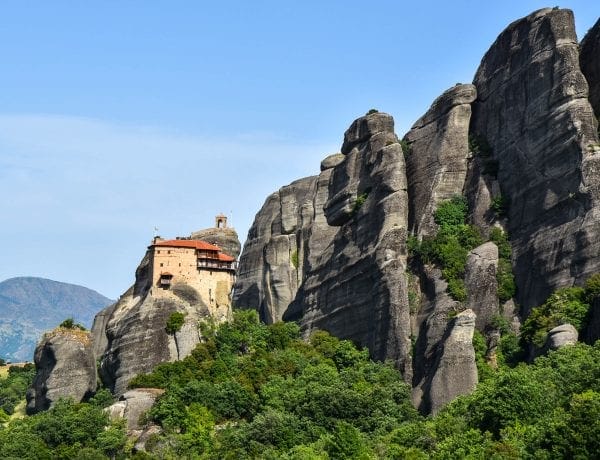
Visiting Greece’s Meteora Monasteries
Explore the stunning Meteora monasteries in Greece, a breathtaking testament to architectural beauty and…
February 3, 2026
Beating Jet Lag: The Science, the Myths, and the One Method That Actually Works
Jet lag can ruin your travels. Discover effective strategies and insights from a nurse…
February 3, 2026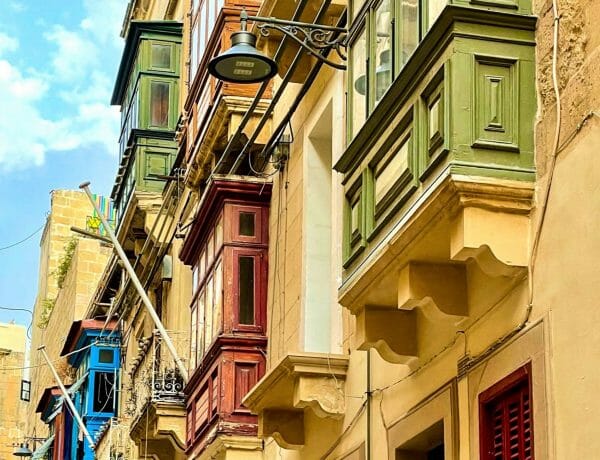
Unveiling the Secrets of Malta: History, Beauty, and Resilience
Discover Malta, a small island with a big heart. Experience its unique history, vibrant…
February 1, 2026
Best Travel Credit Cards in 2026
Uncover the best travel credit cards on 2026 for budget-conscious travelers. Save on international…
February 1, 2026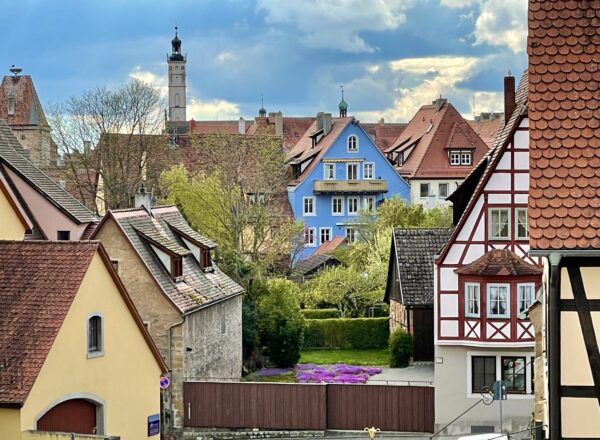
Rothenburg ob der Tauber: A Detour Worth Taking
Rothenburg ob der Tauber is a magical spot that took us by surprise. Explore…
January 31, 2026
Introducing the January Issue of Wanderers Compass Magazine
The inaugural January issue of Wanderers Compass launches with our debut cover story, “Dubai,…
January 15, 2026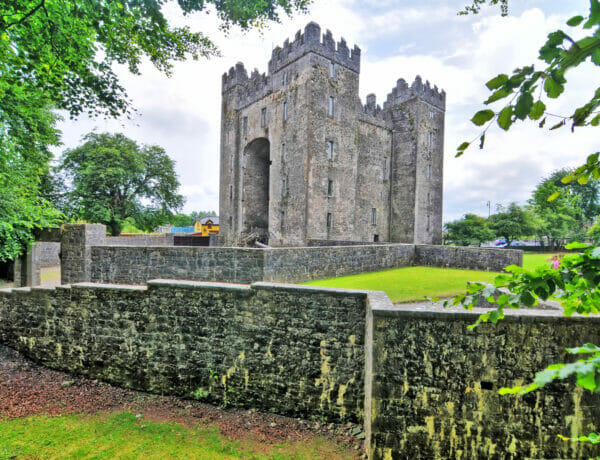
Travel Through History at Bunratty Castle & Folk Park
Travel through time at Bunratty Castle, Ireland’s most complete castle, and enjoy a journey…
January 12, 2026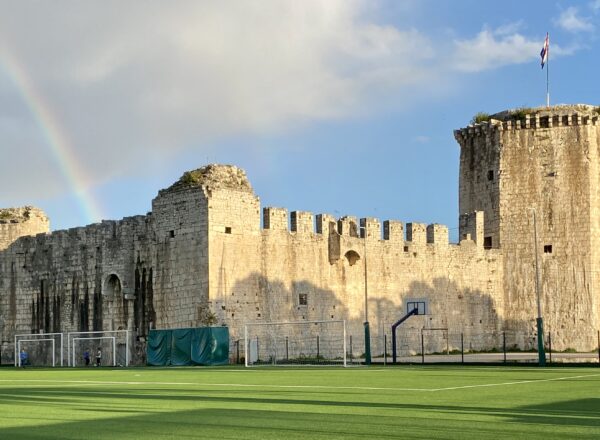
Trogir Croatia: A Living Museum on the Adriatic
Trogir wasn’t on our radar at first, but this ancient island town swept us…
January 11, 2026
No Comments