


Benjamin Franklin
“An ounce of prevention is worth a pound of cure”
Winter travel can be an exciting adventure, offering new destinations, experiences, and the chance to reconnect with loved ones. It offers destinations that are less crowded and more reasonably priced. However, it also comes with a higher risk of illness. The cold, dry air, coupled with crowded airports and airplanes, makes this season a breeding ground for viruses like the flu, the common cold, and other respiratory illnesses. But travel doesn’t have to mean the inevitable onset of sickness. Taking the proper precautions can significantly reduce the risk of falling ill and, just as significantly, help you protect others if you do become sick.
During our recent flights home from Aruba, it became clear that many passengers still needed reminders about basic health practices. We were surrounded by people who were coughing uncontrollably and blowing their noses, often without covering their mouths or properly sanitizing their hands. Some even coughed directly into their hands, spreading germs without any attempt to protect others. While more people were wearing masks than usual, it still felt unsettling. Ryan, feeling particularly vulnerable, said, “From now on, I’m wearing a mask whenever I travel.” This experience and my role as a nurse motivated me to write this article to share essential tips for staying healthy while traveling and for protecting yourself and others.
The Importance of Staying Healthy While Traveling

The winter season is a prime time for travel, whether it’s for the holidays, a winter getaway, or business. Yet, it is also a time when people are more susceptible to illness. According to Dr. Noah Greenspan, a clinical specialist in pulmonary physical therapy in New York City, “The winter season often brings with it an uptick in respiratory illnesses, especially because people tend to be in closer quarters and indoor spaces. When flying, airports and airplanes are ideal places for viruses to spread due to the confined environment.”
What makes winter illness particularly challenging is that it often presents symptoms that resemble other common travel-related discomforts. Sneezing, coughing, sore throats, and fatigue can easily be mistaken for the general exhaustion and stress that come with travel. However, the risk of catching or transmitting a more serious illness, such as the flu or COVID-19, is very real.
While there is no foolproof way to prevent illness entirely, taking the proper steps can help minimize the risk. Perhaps more important is knowing how to protect others if you are already feeling unwell, especially in shared spaces like planes, trains, buses, and airports, where the risk of spreading illness is higher.
1. Boost Your Immune System Before You Travel

One of the best ways to prevent illness while traveling is to ensure your immune system is in peak condition before you embark on your journey. Dr. Greenspan advises, “A strong immune system is your first line of defense against any virus or bacterial infection. To help boost your immune function, it’s important to prioritize a balanced diet rich in vitamins and minerals.” Here are some ways you can prepare your body before traveling:
- Eat a balanced diet: Focus on foods rich in vitamins C and D and zinc, which support immune function. Citrus fruits, leafy greens, bell peppers, nuts, and seeds should be staples in your diet.
- Exercise and get fresh air regularly: Physical activity helps stimulate your immune system and reduces stress, which can weaken your defenses. Even a quick 30-minute walk each day can make a difference.
- Get plenty of sleep: Sleep is crucial for a healthy immune system. Aim for 7-8 hours of sleep the night before your trip to ensure your body is well-rested and ready to fight off germs.
- Stay hydrated: Dehydration can weaken your immune system, so make sure to drink plenty of water in the days before your flight.
Vitamins and Supplements

In addition to these lifestyle habits, some specific vitamins and supplements can help further strengthen your immune system, especially during the winter months when you’re more likely to be exposed to illness. Dr. Greenspan highlights the importance of:
- Vitamin C: Known for its immune-boosting properties, vitamin C can help reduce the severity and duration of colds. Dr. Greenspan recommends taking 500 to 1,000 mg per day during the winter.
- Vitamin D: Vitamin D plays a crucial role in immune function and is often deficient during the colder months. Taking 1,000 to 2,000 IU of vitamin D per day can help reduce the risk of infections.
- Zinc: Zinc is essential for immune cell function and has been shown to reduce the length and severity of cold symptoms. Dr. Greenspan recommends 10-15 mg of zinc daily, particularly during travel when you’re exposed to many people in confined spaces.
- Probiotics: Probiotics support a healthy gut microbiome, which is closely linked to immune health. Regularly taking probiotics can help maintain a balanced digestive system and reduce susceptibility to infections.
2. Nasal irrigation
In addition to these supplements, you can incorporate nasal irrigation into your travel routine to further support your respiratory system. Dr. Greenspan advises, “Using a Neti pot or saline nasal rinse can help clear your sinuses of bacteria, dust, and other pathogens that you might encounter while traveling.” Regularly using a saline solution to flush out your nasal passages helps keep your sinuses clean and moisturized, preventing colds and sinus infections from taking hold. It’s a great idea to carry a small, portable Neti pot or saline spray during your travels, especially on long flights, to keep your nasal passages clear and your body in its best shape.
Proof in the Pudding
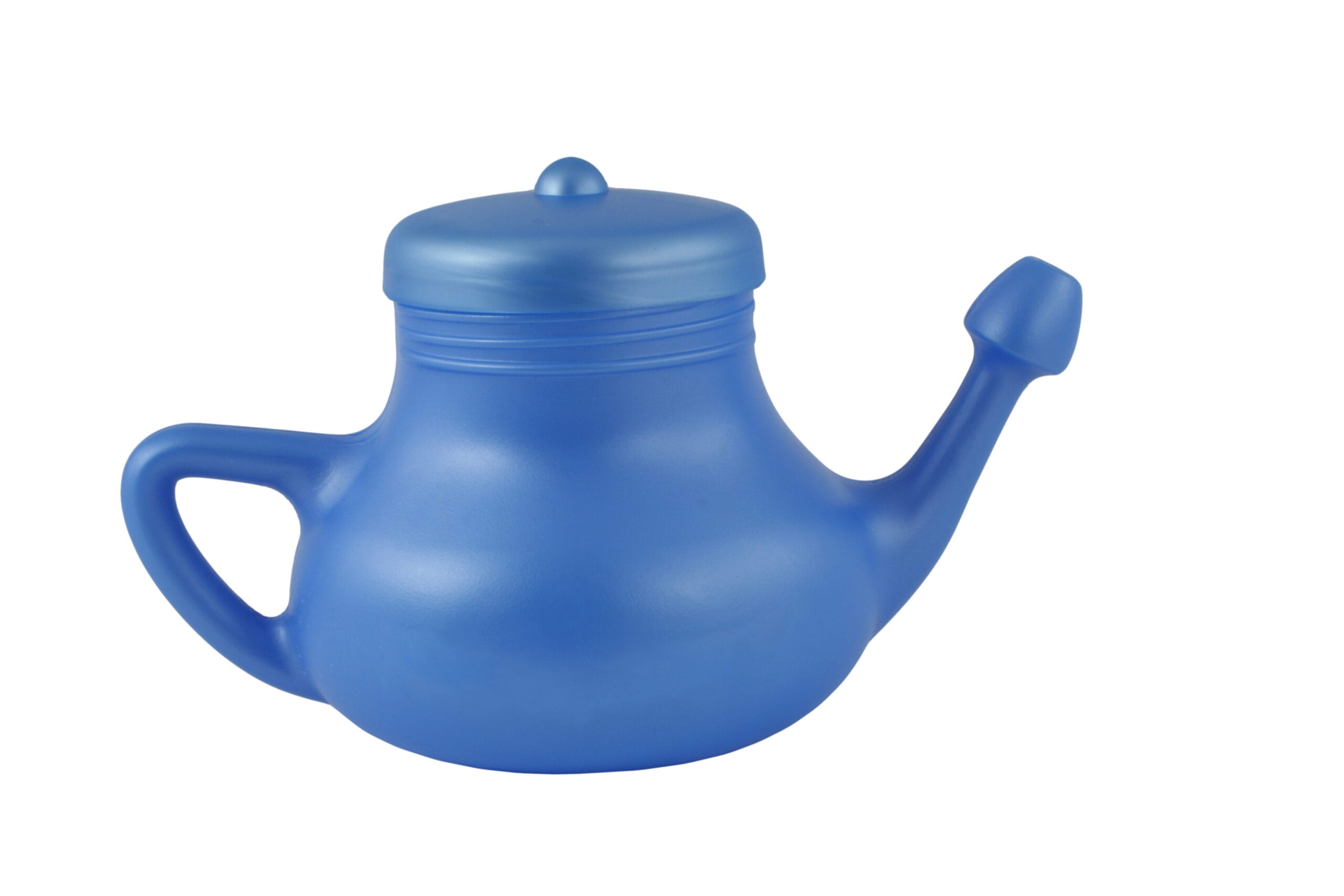
It is a favorite of mine, and by God, it works. Having a long history of chronic sinusitis, I would frequently fight sinus infections during travel and at home, but especially when traveling during the winter months. It was after a visit with an ENT who recommended a routine program that has made all the difference. During our recent travels, Ryan developed a sinus infection while I was completely fine, which is not the norm. Since starting this daily evening nasal irrigation, I have not needed antibiotics for months. I strongly recommend this approach. I use NeilMed Sinus Rinse, available on Amazon via this link.
Check out our post on the essential medications for your next flight
3. Vaccines: Your Best Defense Against Illness

When traveling in winter, it’s essential to ensure you’re up to date on vaccinations relevant to this time of year. We are well aware that vaccines are a sensitive topic for some, but the data clearly demonstrates their effectiveness. It is bad enough to be home and get very sick, but when traveling internationally, it becomes much scarier. Dr. Greenspan emphasizes, “Vaccines are one of the most effective ways to protect yourself from severe illness, especially during flu season or in areas with outbreaks of respiratory infections like COVID-19 and RSV.” Here are some essential vaccines to consider before you travel:
Flu Shot
The flu virus is one of the most common illnesses during the winter months. The Centers for Disease Control and Prevention (CDC) recommends that everyone over the age of six months receive an annual flu shot, especially if you plan to travel. Dr. Greenspan explains, “The flu is highly contagious, and flu strains can mutate quickly, making it difficult for your body to build immunity on its own. The flu vaccine is a proactive step in protecting yourself from infection, and it also helps protect those around you who may be more vulnerable to severe flu symptoms.”
COVID-19 Vaccine and Boosters
The COVID-19 pandemic has made it clear that vaccines are critical to minimizing the spread of illness and reducing symptom severity. Whether you’re traveling domestically or internationally, it’s essential to stay up to date with your COVID-19 vaccinations, including booster doses, as recommended by health authorities. “Even if you’ve been vaccinated in the past, the virus continues to evolve, and booster shots help keep your immunity strong, especially when you’re exposed to large groups of people while traveling,” Dr. Greenspan states.

RSV (Respiratory Syncytial Virus)
Respiratory syncytial virus (RSV) is a common virus that can cause severe respiratory illness, particularly in young children, older adults, and individuals with weakened immune systems. While RSV is generally more common in colder months, outbreaks can occur in crowded environments like airports and airplanes. Dr. Greenspan advises, “If you’re in a high-risk category, such as older adults or those with compromised health, speak to your healthcare provider about the RSV vaccine to reduce your risk of serious illness.”
Pneumococcal Vaccine
Pneumococcal infections can lead to pneumonia, meningitis, and bloodstream infections. These infections can be hazardous for older adults, young children, and people with chronic health conditions. Dr. Greenspan recommends that travelers in these groups get the pneumococcal vaccine, particularly during the winter when the risk of respiratory infections is higher. “Pneumonia is one of the leading causes of hospitalization during the winter months. If you’re at risk, the pneumococcal vaccine can significantly reduce your chances of contracting this dangerous infection,” he adds, “before traveling, consult your healthcare provider about which vaccines are most appropriate for your age, health status, and destination.”
4. Practice Good Hygiene at All Times

Whether you’re flying across the country or taking a quick weekend getaway, maintaining excellent hygiene is essential in preventing the spread of germs. Dr. Greenspan explains, “In the close quarters of an airport or airplane, hand hygiene is one of the most effective ways to prevent illness.” Here are some vital hygiene tips:
- Wash your hands frequently: Use soap and water whenever possible, scrubbing for at least 20 seconds. If soap and water aren’t available, use hand sanitizer with at least 60% alcohol. Always have some easily accessible when traveling.
- Use disinfectant wipes: Airplanes, buses, and trains are high-traffic areas where germs can linger. Wipe down your seat, tray table, armrests, and other surfaces you’ll touch during your flight or trip. On our recent flight, we were given sanitizing wipes upon boarding, which we used to clean all hard surfaces on our seats.
- Avoid touching your face: refrain from touching your eyes, nose, and mouth. These are the easiest entry points for viruses, especially after touching surfaces in the cabin that others have felt.
- Always keep hand sanitizer on hand: Bring it during travel to maintain hygiene, especially when soap and water are not readily available. It helps reduce the spread of germs, protects you from illness, and ensures you can clean your hands after touching public surfaces.
5. Wear a Mask If You’re Sick or Concerned About Exposure
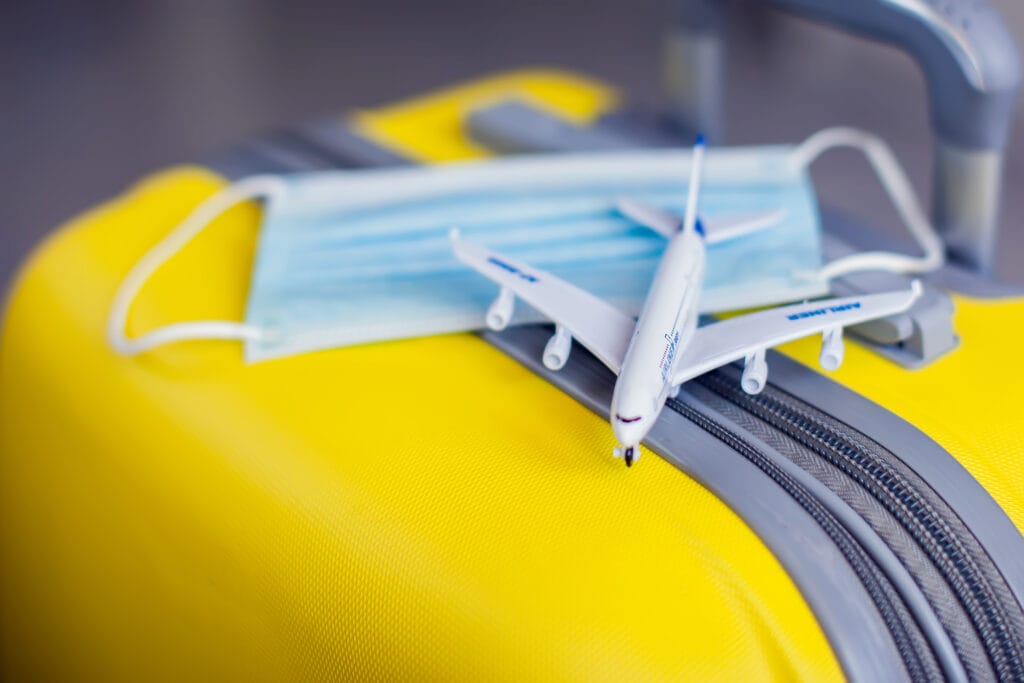
One of the most important things you can do if you are feeling even slightly unwell is to wear a mask. Masks are not just for protecting yourself; they are also a key measure in protecting others. As Dr. Greenspan states, “Wearing a mask, particularly in crowded environments like airports or airplanes, can reduce the spread of respiratory droplets, which is how many viruses, including the flu and COVID-19, are transmitted.”
Masks are particularly effective in preventing the spread of illnesses when you are coughing or sneezing. They can capture the droplets that would otherwise travel through the air and infect others. It is essential to wear the mask properly, always covering both your nose and mouth. Always bring several masks, as they should be replaced if they become damp or dirty.
Masks are a soapbox for me. I have heard too often inconsiderate people say Why should I care if I pass my illness to someone else? I won’t wear a mask. That is their responsibility, not mine. First, that is selfish and cruel. Though masks are a sound barrier, they are not perfect. If you are carrying a high viral load of any virus, the quickest exposure could become very serious for someone who is elderly or has a compromised health condition. The person next to you may be returning from a family emergency and have no choice but to fly home. Please be a good citizen and protect those around you.
6. Stay Away from Sick Travelers When Possible

Traveling during the winter means encountering more people who are likely to be ill. Dr. Greenspan suggests, “If you notice that someone is visibly sick, with cough or cold symptoms, try to maintain a safe distance. While it may be difficult on a plane, you can always let the flight attendants know about your concern.”
Airplanes are notorious for close quarters, but there are still strategies to reduce the risk of exposure:
- Choose your seat wisely: If possible, select an aisle seat to avoid constant coughing or sneezing from nearby passengers.
- Use a personal air purifier: Portable air purifiers can help clean the air around you, especially in environments like airplanes where air circulation can be limited. They can be worn around the neck or on a shirt. We have never used them, but we know many who swear by them. This link is a well-rated one on Amazon.
7. Dress Warmly and Layer Up
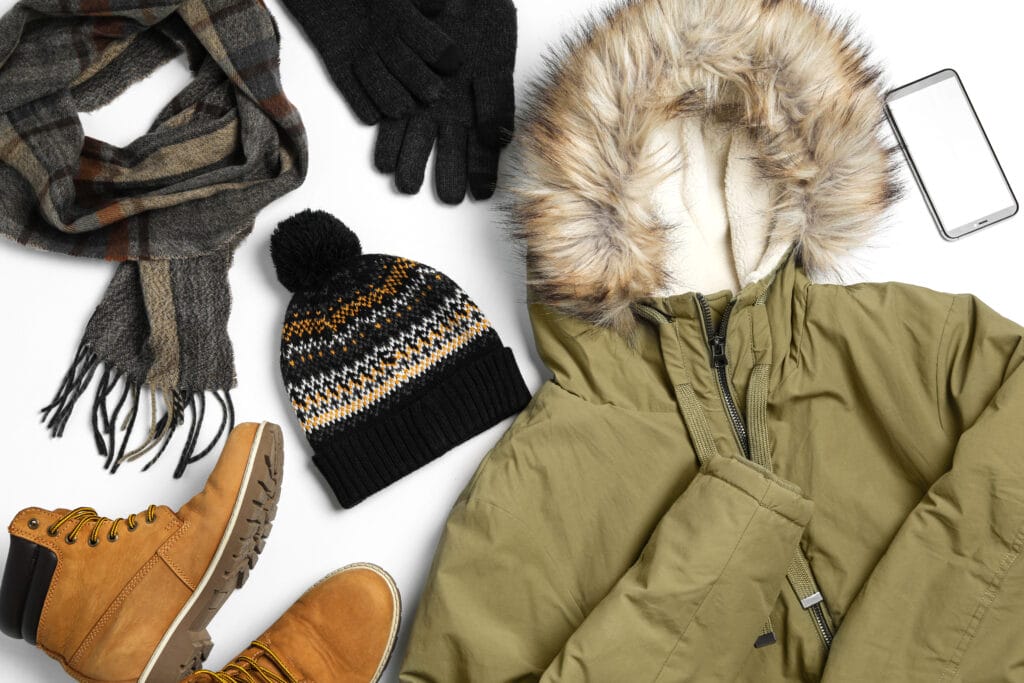
The winter season brings cold temperatures, and exposure to them can stress your body, making it more vulnerable to illness. Dress in layers so you can adjust your clothing as needed to stay warm while avoiding overheating. Be sure to cover your neck, ears, and hands as well, as these areas are susceptible to the cold.
Dr. Greenspan advises, “Exposure to cold, dry air can dry out your nasal passages and make it easier for viruses to enter your system. Wearing scarves, hats, and gloves, especially when waiting at the airport or stepping outside, will help protect your body’s defenses.”
8. Stay Active During Long Flights
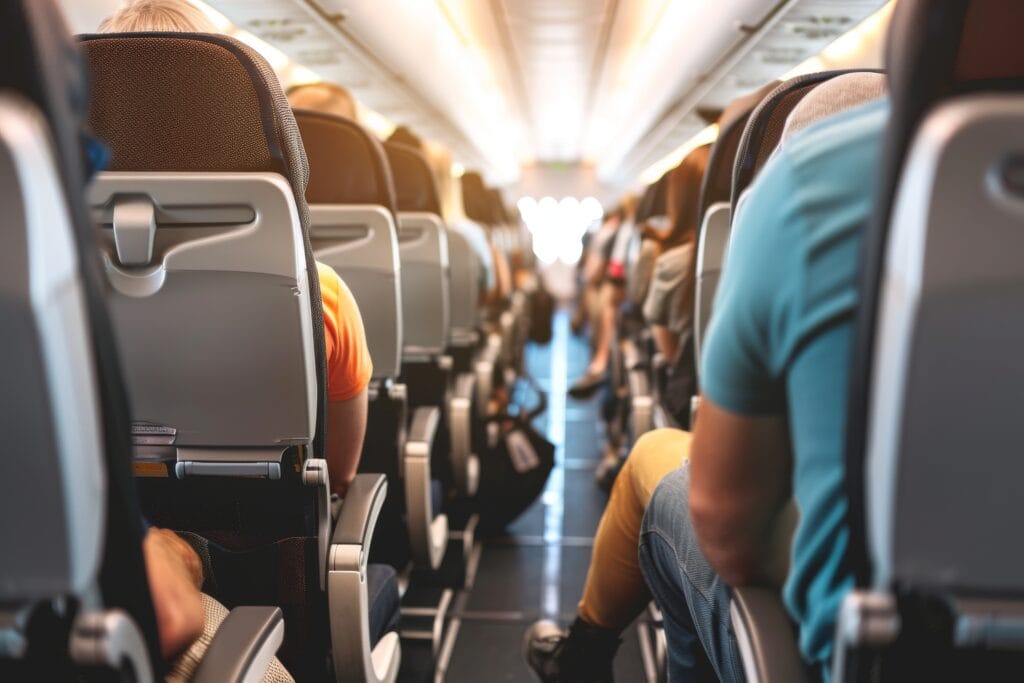
One of the best ways to maintain your health during a long-haul flight is to stay active. Sitting in one position for hours can reduce blood circulation and contribute to fatigue. Dr. Greenspan recommends taking short walks every couple of hours to stretch your legs and improve circulation. This will help prevent blood clots, alleviate fatigue, and reduce the risk of infection.
If walking is not feasible, perform in-seat exercises like ankle rotations, leg lifts, and shoulder rolls. Keeping your body moving will help your immune system function more effectively and reduce your risk of illness.
9. Stay Hydrated, Especially in Dry Environments

Airplane cabins are notorious for their dry air, which can lead to dehydration. Dehydration weakens your immune system, making it easier for germs to take hold. Dr. Greenspan recommends drinking plenty of water throughout your journey. “Water helps keep your mucous membranes moist, which is crucial for trapping and flushing out any foreign invaders like viruses,” he explains.
It is best to avoid alcohol and caffeine, though that is often easier said than done, as they can dehydrate you. Instead, opt for water or electrolyte drinks to stay properly hydrated. Carrying an empty bottle through security and refilling it after you’re past the checkpoint is an easy way to ensure you always have access to water during your flight. Please do not rely on flight attendants to bring you water; during turbulence, they may not be able to provide service.
10. Get Rest and Manage Stress

Traveling during the holidays or winter can be stressful due to tight schedules, unfamiliar airports, and unpredictable weather. Stress can compromise your immune system, making it harder for your body to fight off illness. Dr. Greenspan suggests, “Make sure to prioritize rest during your travels. A well-rested body has a stronger immune response.”
Try to get at least 7-8 hours of sleep the night before traveling. To manage anxiety, use stress-relieving techniques like deep breathing, listening to music, or watching a movie.
Travel Responsibly This Winter

Traveling during the winter season can expose you to various illnesses. Still, with careful planning, proper hygiene, and consideration for others, you can significantly reduce your and others’ risk. As Dr. Greenspan reminds us, “It’s not just about protecting yourself from getting sick; it’s also about protecting the people around you.” By following these tips, you can ensure a healthier, more enjoyable travel experience for yourself and others.
So, whether you’re flying across the globe or taking a quick trip to visit family, remember that a little extra care can go a long way in keeping illness at bay. Remember, you have an investment in this trip, and infection can jeopardize it. Stay healthy, stay considerate, and enjoy the winter travel season.
Who is Dr Greenspan?

Noah Greenspan, DPT, is a board-certified clinical specialist in cardiovascular and pulmonary physical therapy with more than 25 years of cardiopulmonary physical therapy and rehabilitation experience. He is dedicated to helping patients maintain optimal health through evidence-based practices. Dr. Greenspan founded the Pulmonary Wellness & Rehabilitation Center, a Manhattan-based physical therapy practice specializing in the care of patients with cardiovascular and pulmonary diseases, in 1998. The Center’s mission is to empower patients to achieve the highest quality of life and effectively manage their symptoms. He was at the forefront of care for patients with Long COVID-19. Dr. Greenspan also runs the nonprofit Pulmonary Wellness Foundation.
Dr. Greenspan is particularly passionate about educating the public on staying healthy when traveling during the winter season, offering advice on preventing illness and promoting well-being. I want to extend my sincere appreciation to Dr. Greenspan for his valuable contributions and insights to this article.
© 2026 Wanderers Compass All Rights Reserved
Are you ready to plan your next trip? Winter or Summer

Flights, Accommodations, and Everything You Need to Book in One Place
Are you planning a vacation this year? Start your research early to explore your options and find what fits your budget. By booking your own travel, you’ll uncover great deals and have complete control over your itinerary. The links below can be used for all elements of your trip, not just accommodations.
It is essential to price out accommodations on various sites. Expedia is a US-based company, whereas Booking.com is a European company. Not all properties appear on both, so it is best to check both. Our personal first choice is Booking.com. If the establishment has a website, check the price there as well. Click the link below to check out hotels and vacation homes in the area. It may be just the motivation you need to start planning that next grand adventure.
Want to learn the story behind Wanderers Compass?
Check out our most recent posts



Fear of Flying: My Journey and Tips for You
March 2, 2026
Wanderers Compass Magazine February Issue
February 15, 2026
Visiting Greece’s Meteora Monasteries
February 3, 2026

Unveiling the Secrets of Malta: History, Beauty, and Resilience
February 1, 2026
Best Travel Credit Cards in 2026
February 1, 2026
Rothenburg ob der Tauber: A Detour Worth Taking
January 31, 2026Do you have a question or comment for us?
Our Top Recommended Travel Products
Travel Insurance
Squaremouth.com
Our Favorite Travel Insurance Site!
We strongly advocate comprehensive travel insurance, not only for minor inconveniences but also for major, unexpected events such as medical emergencies. We never leave home without it. Our go-to resource is Squaremouth.com. which offers a user-friendly platform that connects you with top-rated, reputable insurance carriers. Plus, they’ll mediate on your behalf if you run into any issues.
To empower you as a consumer, we recommend you read our blog post on why travel insurance is essential and how to secure the best coverage from leading companies at an affordable price.
MedjetAssist
Medical transport back home from anywhere in the world
Medjet is a leading provider of global air medical transport. Unlike traditional travel insurance, which typically covers medical evacuation to the nearest facility, Medjet goes further by ensuring you’re transported back to the U.S. to the hospital of your choice once you’re stable enough to fly. Medjet offers membership plans that focus on medical transport, while Medjet Horizon provides expanded coverage for broader protection. Individual trip policies start at just $99, and annual policies are available for around $300. Most policies have an age limit of 74.
To learn more about how Medical Evacuation membership with Medjet Assist works, check out our blog post for a more detailed review.
Accommodations and Airfare
Booking.com
Hotels, Home rentals, BNBs, Flights, and other Transportation & Tours
Booking.com connects millions of travelers to unforgettable experiences, a wide range of transportation options, and incredible places to stay—from homes to hotels and beyond. As one of the world’s largest travel marketplaces, it supports well-known brands and entrepreneurs of all sizes. For its convenience, variety, and reliability, it’s our preferred booking platform.
Expedia and VRBO
Hotels, home rentals, BNBs, flights, and other transportation & tours
Expedia is a U.S.-based company with a mission to make global travel accessible to everyone, everywhere. At Wanderers Compass, we embrace independent travel, and platforms like Expedia are essential to making that a reality. Expedia allows you to book every aspect of your trip—from flights and accommodations to rental cars, cruises, and activities—making it a one-stop shop for all your travel needs.
Transportation
Daytrip
Personalized city-to-city private car transfer service
Daytrip provides an affordable private car service for city-to-city transfers worldwide, and we absolutely love their service. It’s a cost-effective alternative to renting a car, offering comfortable, stress-free travel with the added benefit of scenic stops along the way. For example, we used Daytrip for travel between Budapest and Vienna, enjoying some fantastic detours to local attractions. With professional drivers and customizable routes, Daytrip ensures a smooth ride while allowing you to explore hidden gems and unique sights along your journey.
To learn more about Daytrip, check out our blog post for a more detailed review.
Travel Experiences
Viator
The leading marketplace for travel experiences
Viator believes that travel is all about creating unforgettable memories. With over 300,000 experiences to choose from—ranging from simple tours to extreme adventures, plus a wide array of unique, niche activities—it’s never been easier to make lasting memories. We frequently use Viator during our travels and especially appreciate its flexible cancellation policy, which provides peace of mind with every booking.
Communication products for seamless connectivity overseas
GigSky International eSIM Data Plans
Local Prices. No Roaming. Fastest Networks.
GigSky eSIM effortlessly connects travelers worldwide, eliminating the need to swap physical SIM cards or face unexpected roaming charges. With affordable data plans and instant activation, you can enjoy reliable internet access in over 190 countries, making your travel experience more convenient than ever. Plus, they offer a fantastic deal: a free 100 MB data plan with no credit card required. They are so confident that you will love their service!
Enjoy 10% off all GigSky Plans (except cruise and inflight) with our discount code WCOMPASS10.
To learn more about how GigSky works, check out our blog post for a more detailed review.
Shopping
Wanderers Compass Amazon Storefront
An excellent source for all travel essentials and guides that we have vetted ourselves
Amazon is one of the world’s most comprehensive online shopping platforms, offering lower prices, a wide selection, and fast delivery through its global fulfillment network.
This page contains affiliate links. When you purchase through these links, we may earn a small commission at no extra cost to you. Thank you for your ongoing support!


No Comments